— Charles Louis de Secondat, Baron de La Brède et de Montesquieu
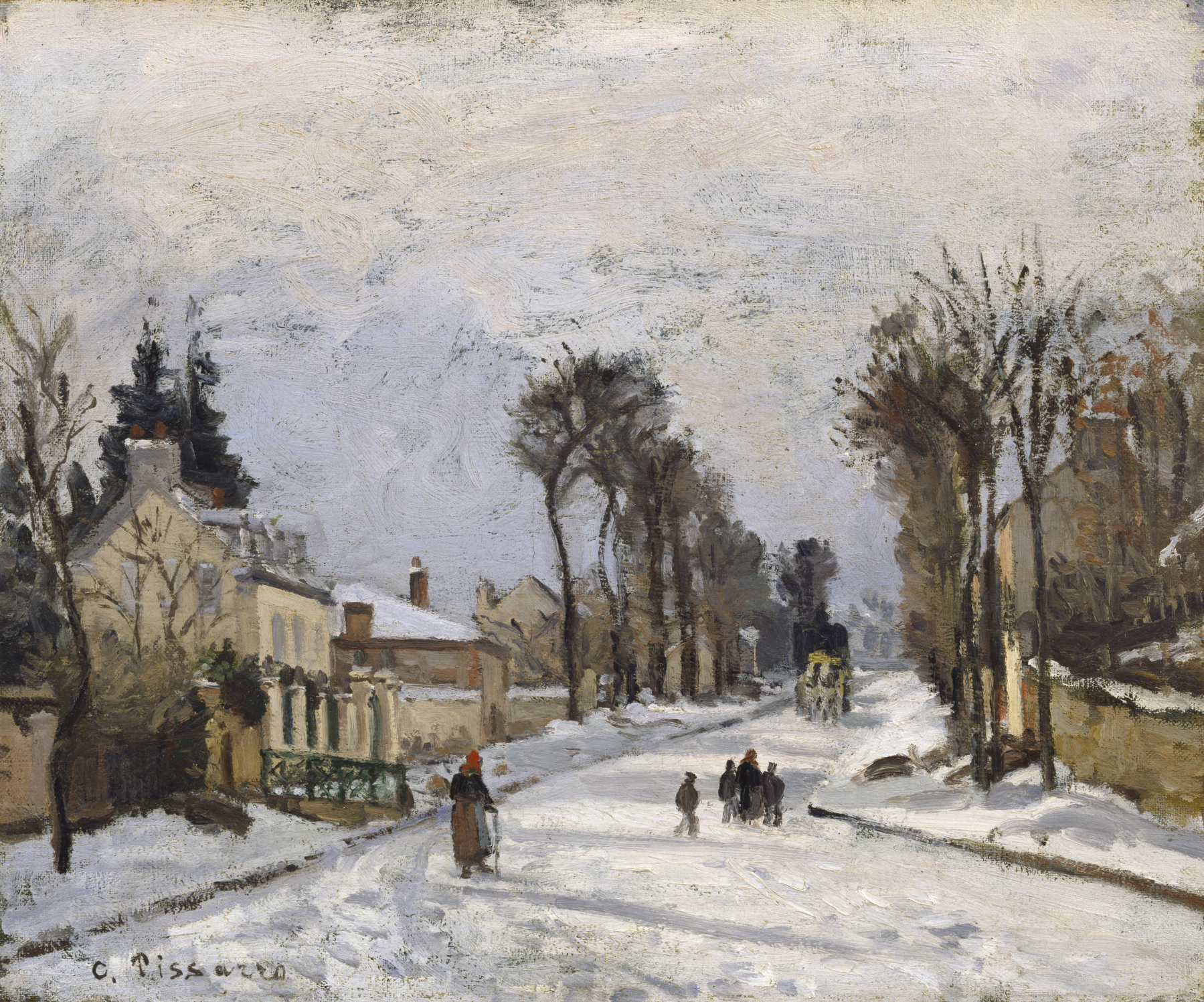
“Road to Versailles at Louveciennes” 1869 Camille Pissarro
Heat tracing is a process used to maintain or raise the temperature of pipes and vessels in order to prevent freezing, maintain process temperature, or ensure that products remain fluid and flow through the system properly. Without electric heat tracing; much of the earth would be uninhabitable.
Heat tracing works by using an electric heating cable or tape that is wrapped around the pipe or vessel, and then insulated to help retain the heat. The heating cable is connected to a power source and temperature control system that maintains the desired temperature by regulating the amount of heat output from the cable. Heat tracing is commonly used in industrial applications where temperature control is critical, such as in chemical plants, refineries, and oil and gas facilities.
There are several types of heat tracing, including electric heat tracing, steam tracing, and hot water tracing, each of which have their own unique advantages and disadvantages. The selection of the appropriate type of heat tracing depends on the specific application and the required temperature range, as well as factors such as cost, maintenance, and safety considerations.
Heat Tracing for Piping Specification | NECA Standards (N.B. Link unstable)
2026 NEC CMP-17 Public Input Report | 2026 NEC CMP-17 Second Draft Report

Northern Michigan University | Marquette County
Capturing snow flakes as the fall out of the sky
[📹 Dmitry Dotsenko / dots_foto]pic.twitter.com/e3rwNUGLmK
— Massimo (@Rainmaker1973) January 29, 2025

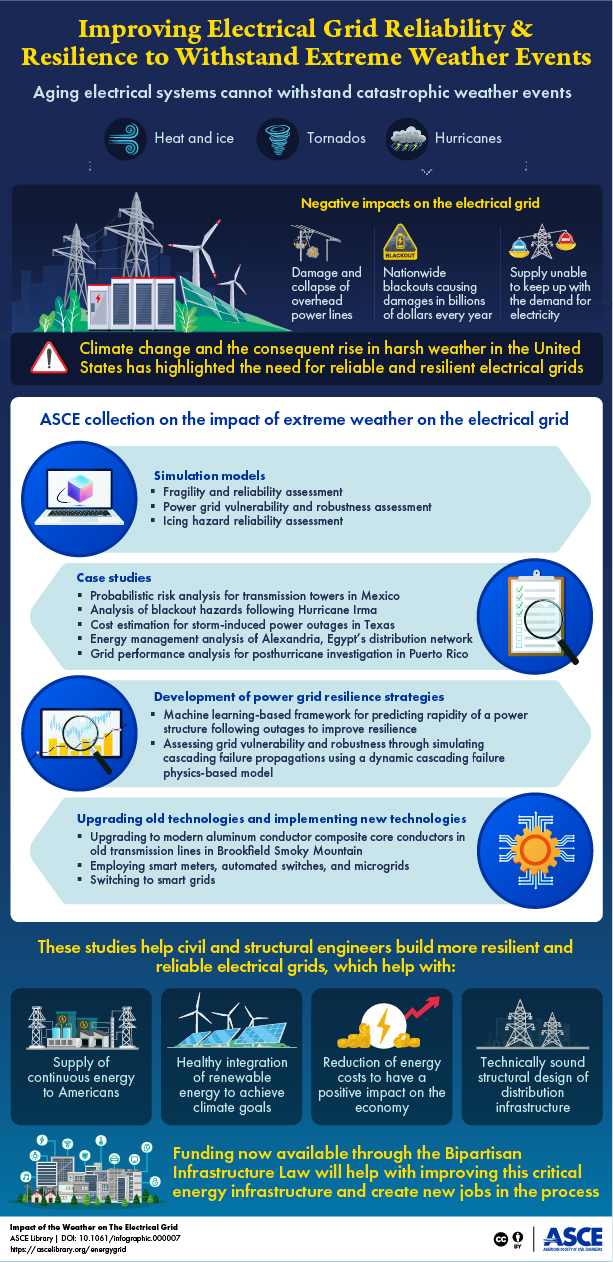
Today we review the literature for snow and ice management (and enjoyment) produced by these standards-setting organizations:
Accredited Snow Contractors Association
American Society of Civil Engineers
American Society of Mechanical Engineers
ASTM International
Destructive Deep Freeze Strikes Cold and Hot Regions Alike
Institute of Electrical & Electronic Engineers
Electrical Heat Tracing: International Harmonization — Now and in the Future
Indiana University.
The most beautiful college campus in the country covered in snow. pic.twitter.com/Tp33cQgKuq
— Alex Paul Photo (@alexpaulphoto) January 11, 2025
International Code Council
International Building Code: Chapter 15 Roof Assemblies and Rooftop Structures
National Electrical Contractors Association
National Fire Protection Association
Winter is Coming: Is Your Facility Protected? (Holly Burgess, November 2022)
National Electrical Code: Articles 426-427
National Floor Safety Institute
Snow and Ice Management Association
Underwriters Laboratories
Manufacturers:
Chromalox Electrical Heat Tracing Systems Design Guide
It is a surprisingly large domain with market-makers in every dimension of safety and sustainability; all of whom are bound by state and federal regulations.
Join us at 16:00 UTC with the login credentials at the upper right of our home page.


Red surely made the most of his snow day! 🛷 ☃️
Who’s team snow on campus? ❄️ pic.twitter.com/F03KX1XyaR
— The Catholic University of America (@CatholicUniv) January 14, 2025
There have been several recent innovations that have made it possible for construction activity to continue through cold winter months. Some of the most notable ones include:
- Heated Job Site Trailers: These trailers are equipped with heating systems that keep workers warm and comfortable while they take breaks or work on plans. This helps to keep morale up and prevent cold-related health issues.
- Insulated Concrete Forms (ICFs): ICFs are prefabricated blocks made of foam insulation that are stacked together to form the walls of a building. The foam insulation provides an extra layer of insulation to keep the building warm during cold winter months.
- Warm-Mix Asphalt (WMA): WMA is a type of asphalt that is designed to be used in colder temperatures than traditional hot-mix asphalt. This allows road construction crews to work through the winter months without having to worry about the asphalt cooling and becoming unusable.
- Pneumatic Heaters: These heaters are used to warm up the ground before concrete is poured. This helps to prevent the concrete from freezing and becoming damaged during the winter months.
- Electrically Heated Mats: These mats are placed on the ground to prevent snow and ice from accumulating. This helps to make the job site safer and easier to work on during the winter months.
Overall, these innovations have made it possible for construction crews to work through the winter months more comfortably and safely, which has helped to keep projects on schedule and minimize delays.
Somewhat related:
Capturing snow flakes as the fall out of the sky
[📹 Dmitry Dotsenko / dots_foto]pic.twitter.com/e3rwNUGLmK
— Massimo (@Rainmaker1973) January 29, 2025
Map showing what states can actually drive in snow pic.twitter.com/qgKEhLtKbr
— Midwest vs. Everybody (@midwestern_ope) February 7, 2025