

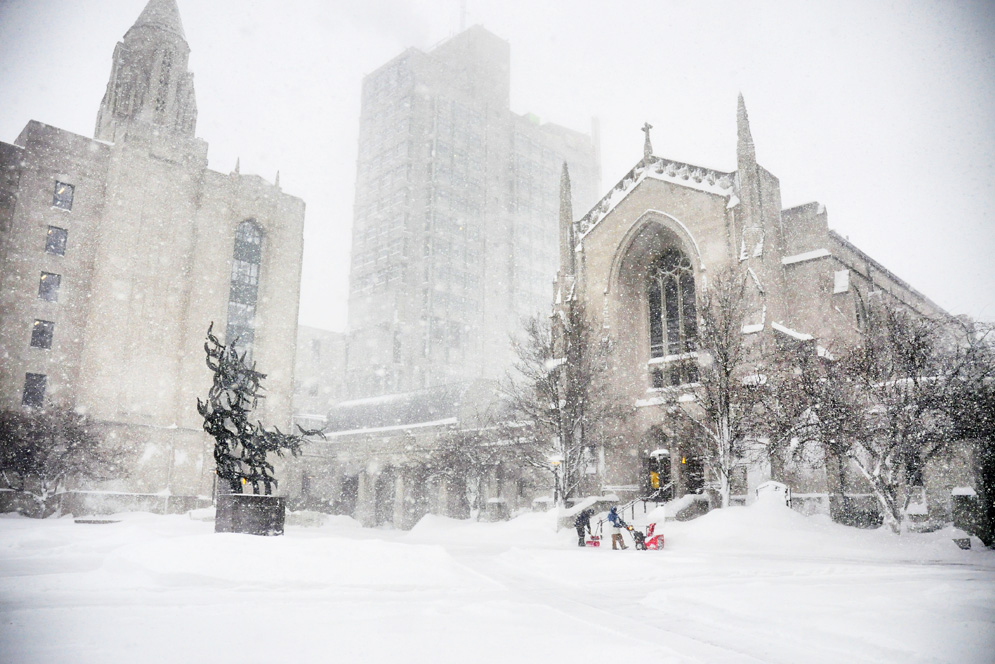
“Boston Common at Twilight’ 1885 Childe Hassam




• In ancient times, kitchens were often located outside the main living quarters of a home. They were typically small, with an open hearth for cooking and a few basic utensils.
• During the Middle Ages, kitchens began to be built inside castles and manor houses. These kitchens were much larger and more complex than earlier versions, with multiple hearths, ovens, and cooking utensils.
• During the Renaissance, kitchens continued to become more elaborate, with the development of specialized cooking tools and the introduction of new cooking techniques. The kitchen also became a central gathering place for the household.
• With the onset of the Industrial Revolution, kitchens began to incorporate new technologies, such as gas stoves and refrigeration. As more people moved into cities, smaller kitchens became the norm.
• In the 20th century, the design and functionality of kitchens continued to evolve. The introduction of electricity and new materials, such as stainless steel, allowed for more efficient and hygienic kitchens. Open-plan kitchens, where the kitchen is integrated with the living and dining areas, also became popular.
“A good home must be made, not bought.
In the end, it’s not track lighting or a sun room
that brings light into a kitchen.”

“Children at Lunch” 1857 Benjamin Vautier
Today we examine the literature that informs the safety and sustainability of small to medium-sized food preparation occupancies. Kitchenettes are often integrated into other living spaces such as gathering space on a single floor in a dormitory (unlike the full size dormitory kitchen), the teachers or faculty lounge.
Kitchenettes usually contain basic appliances and fixtures necessary for minimal food preparation, such as a small refrigerator, microwave or toaster oven, sink, and possibly a hot plate or small stove.
Kitchenettes are primarily intended for simple meal preparation and light cooking.
Kitchenettes may have limited storage capacity, requiring users to maximize space utilization through creative storage solutions.
School districts, colleges, universities and university-affiliated hospitals typically have hundreds of them; all of which present significantly elevated hazard as the focal area for nearly all activity.
They are the locus for concentrated electrical load. Our approach will be examine case studies and reflect back to the codes and standards. Use the login credentials at the upper right of our home page.


Readings:
Kitchen Dimensions: Code Requirements & NKBA Guidelines
University of North Dakota: Sanitation & Food Safety Operating Manual
The Campus Kitchen at the University of Georgia
University of Florida: An Introduction to Shared-Use Commercial Kitchens
Related:
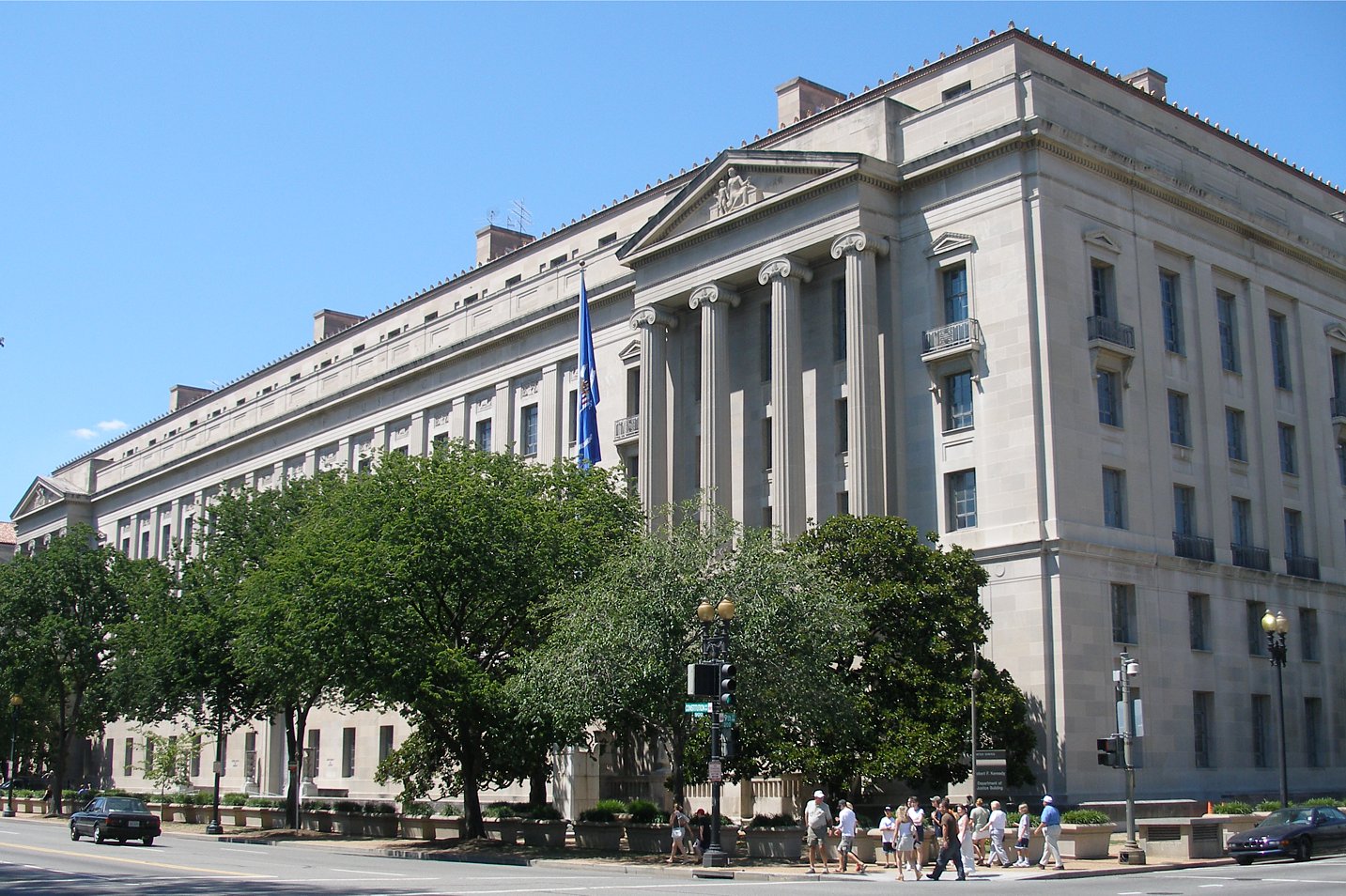
U.S. Department of Justice
Following is the current text of the Americans with Disabilities Act of 1990 (ADA), including changes made by the ADA Amendments Act of 2008 (P.L. 110-325), which became effective on January 1, 2009.
The ADA was originally enacted in public law format and later rearranged and published in the United States Code. The United States Code is divided into titles and chapters that classify laws according to their subject matter. Titles I, II, III, and V of the original law are codified in Title 42, chapter 126, of the United States Code beginning at section 12101. Title IV of the original law is codified in Title 47, chapter 5, of the United States Code. Since this codification resulted in changes in the numbering system, the Table of Contents provides the section numbers of the ADA as originally enacted in brackets after the codified section numbers and headings.
CHAPTER 126—EQUAL OPPORTUNITY FOR INDIVIDUALS WITH DISABILITIES
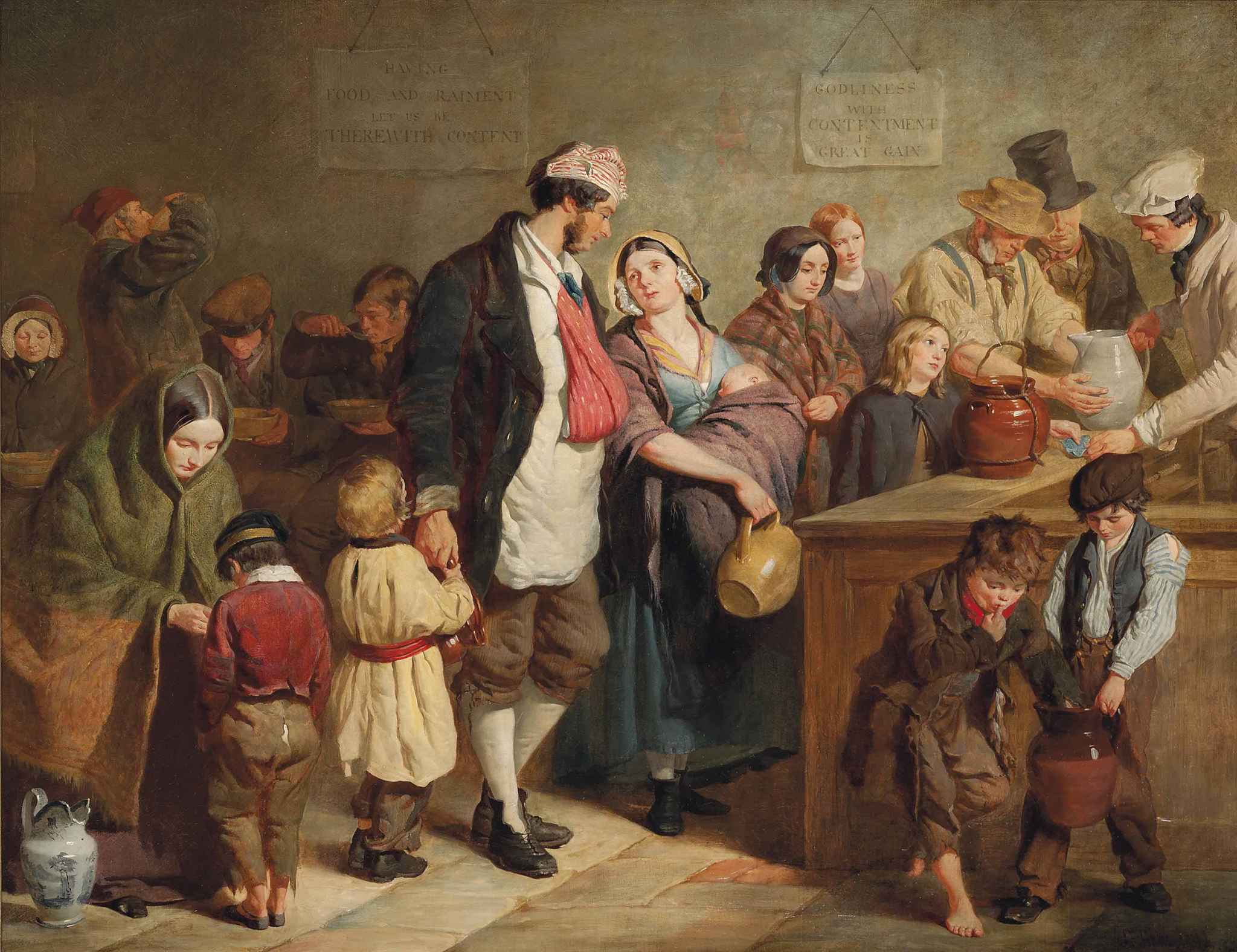
“The Parish Soup Kitchen” 1851 / George Elgar Hicks
Other words for small kitchens:
Petite kitchen
Cozy kitchen
Bijou kitchen
Lilliputian kitchen
Cramped kitchen
Intimate kitchen
Snug kitchen
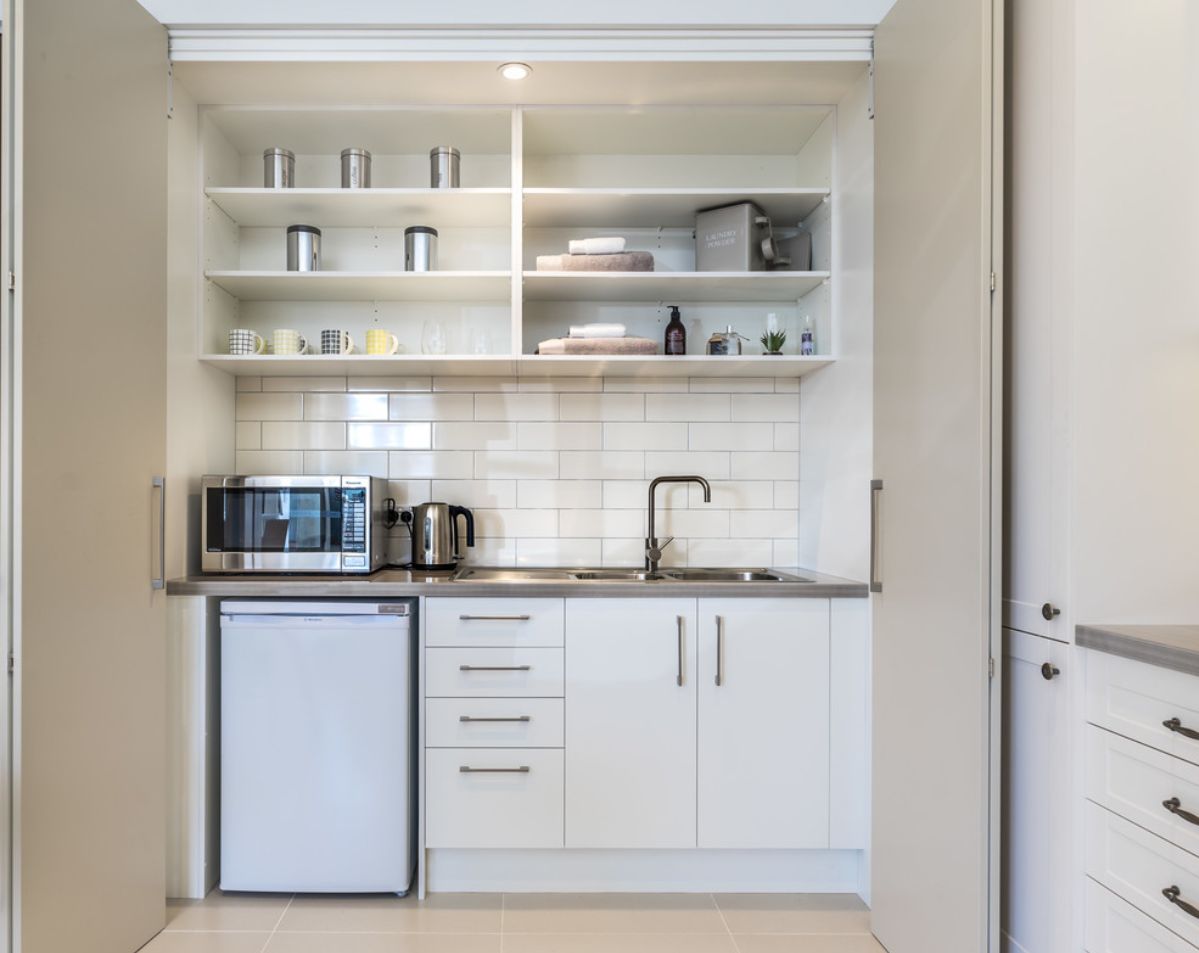
Kitchen Planning: Work Centers

Purdue University | Tippecanoe County Indiana
Small Cafe Kitchen Layout Strategy
Ensuring safety and sustainability in small kitchenettes is crucial for the well-being of individuals and the environment. While specific standards may vary by location and regulations, here is a general list of safety and sustainability standards that are commonly applicable to small kitchenettes:
Specific requirements may vary based on the size of the kitchenette, its location, and the intended use. There are state, municipal and organizational variants on the nationally developed standards.
The University of Michigan: Small Group Housing Kitchen Guidelines
Ohio University: Athens Kitchens and Lounge
University of Illinois: Kitchen Planning Standards

University of Mary | Burleigh County North Dakota

Emory University Facilities Management
Prepared Hero Emergency Fire Blanket
Love my mini woodstove. It packs some big heat 🔥🪵 pic.twitter.com/HDVprj1gCm
— Nicolle Love (@offgridshow) January 25, 2026
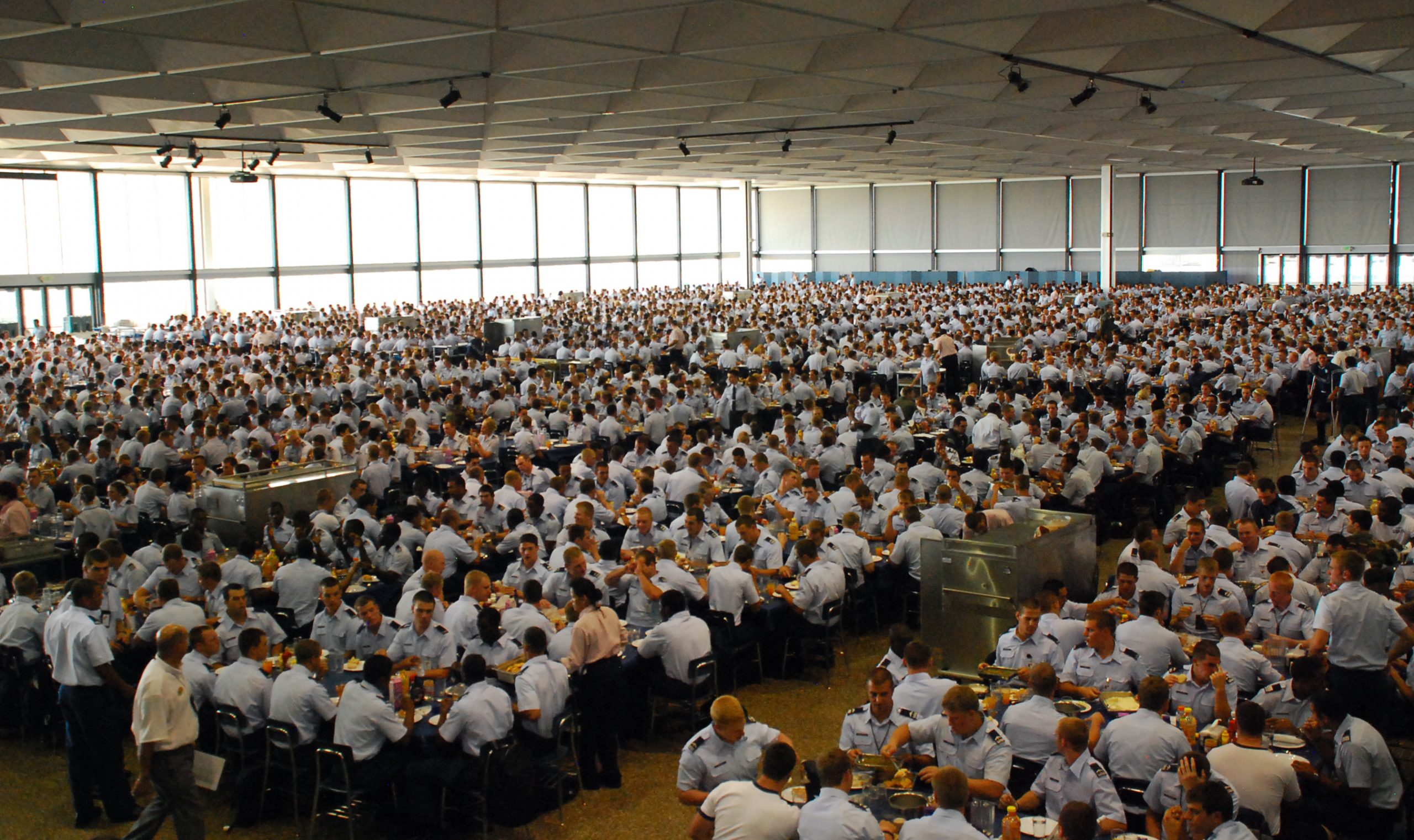
More than 4,000 cadets gather for lunch inside Mitchell Hall at the U.S. Air Force Academy in Colorado Springs, Colo., Aug. 10, 2009. A staff of 200 food service professionals prepare nearly 13,000 meals per day for cadets throughout the academic year. (U.S. Air Force photo/Ann Patton)
New update alert! The 2022 update to the Trademark Assignment Dataset is now available online. Find 1.29 million trademark assignments, involving 2.28 million unique trademark properties issued by the USPTO between March 1952 and January 2023: https://t.co/njrDAbSpwB pic.twitter.com/GkAXrHoQ9T
— USPTO (@uspto) July 13, 2023
Standards Michigan Group, LLC
2723 South State Street | Suite 150
Ann Arbor, MI 48104 USA
888-746-3670
 |
 |
|
 |
 |
|
 |
 |