
CLICK ON IMAGE (Note that the link may move around quite a bit)


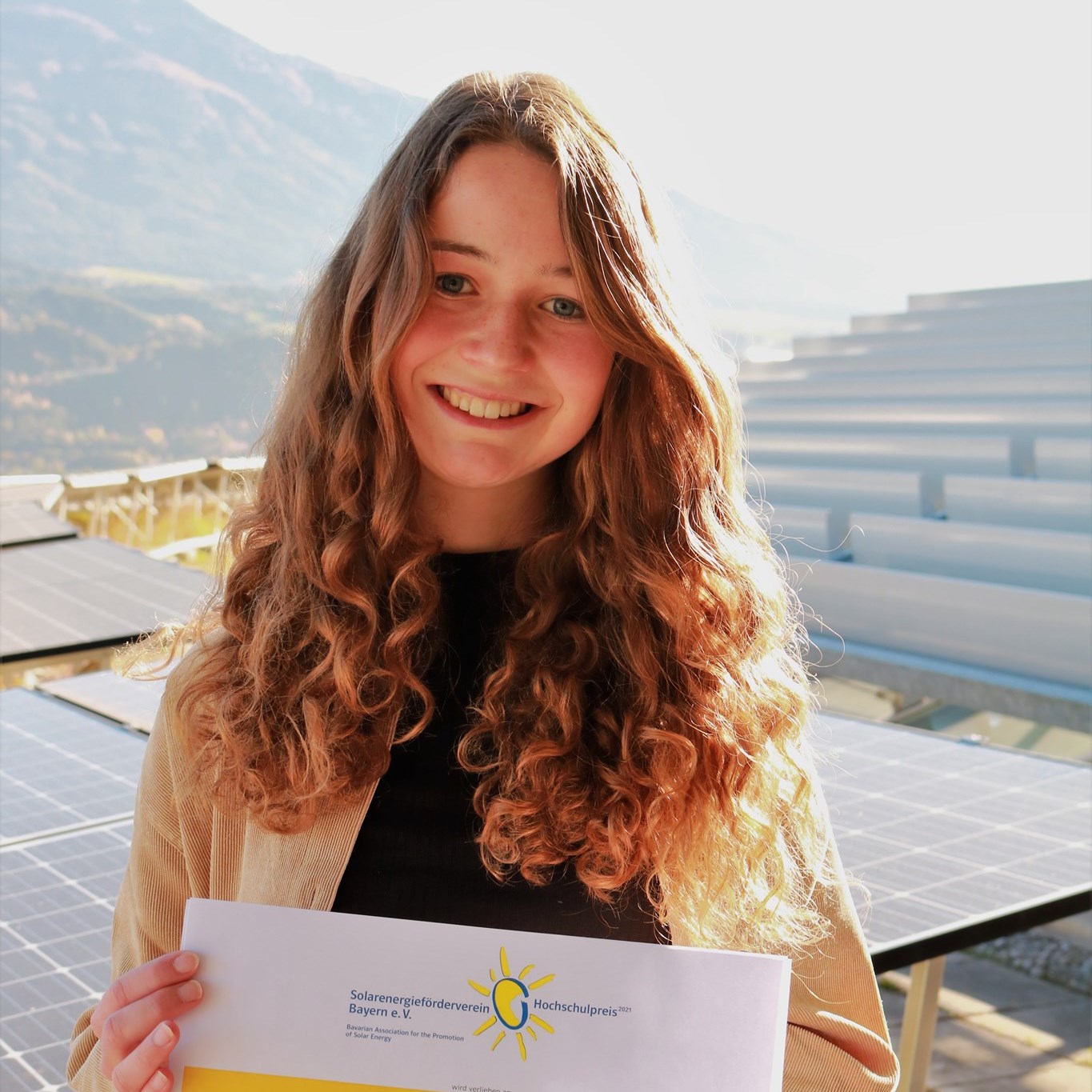
| Sie strahlt vor Freude über ihre Auszeichnung – TH-Alumna Melanie Klaus. Für ihre Bachelorarbeit im Bereich Erneuerbare Energien wurde sie vom Solarenergieförderverein Bayern geehrt. In ihrer Bachelorarbeit im Studiengang Elektro- und Informationstechnik untersuchte sie das Zusammenspiel von Wind- und Solarenergie und den Nutzen, der sich hieraus für die regenerative Energieerzeugung erzielen lässt. Untersucht wurde also die Nutzung der natürlichen Kombination von Wind und Sonne für die Energieerzeugung. Um die Rentabilität dieser Einspeisekombination zu ermitteln, hat Melanie Klaus ein Software-Tool entwickelt, welches zur Planung und Simulation abgestimmter Photovoltaik-Wind-Kombinationen dient und bereits für die Errichtung einer Photovoltaik-Anlage zu einem Windpark eingesetzt wird. |

Starting 2023 we separated our coverage of solar energy standards from our standing Electrical and Energy colloquia and placed emphasis on seasonal life cycle returns. We start with the following titles
IEC TC 82 Solar photovoltaic energy systems
Underwriters Laboratories 1703 PV Module Certification
ASTM E772 Standard Terminology of Solar Energy Conversion
IEEE 1562 Guide for Array and Battery Sizing in Stand-Alone Photovoltaic Systems
NEMA Solar Photovoltaic Council
NECA 412 Standard for Installing and Maintaining Photovoltaic Power Systems
NFPA 70 Articles 690-691
NFPA 70 Articles 705 & 855
International Code Council Section 1607 Photovoltaic panels or modules
ASHRAE International: 90.1 Building Energy Code & 189.1 Green Energy Code
Time permitting: Example design specification and construction contract.
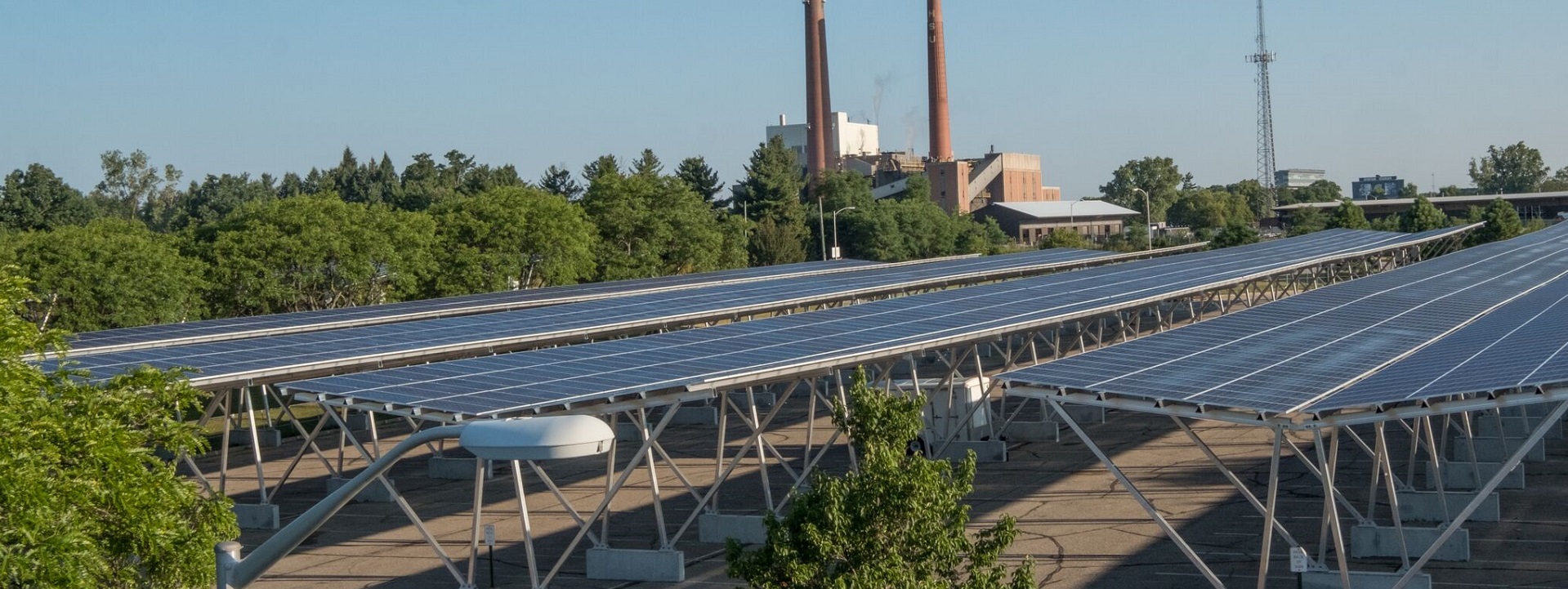
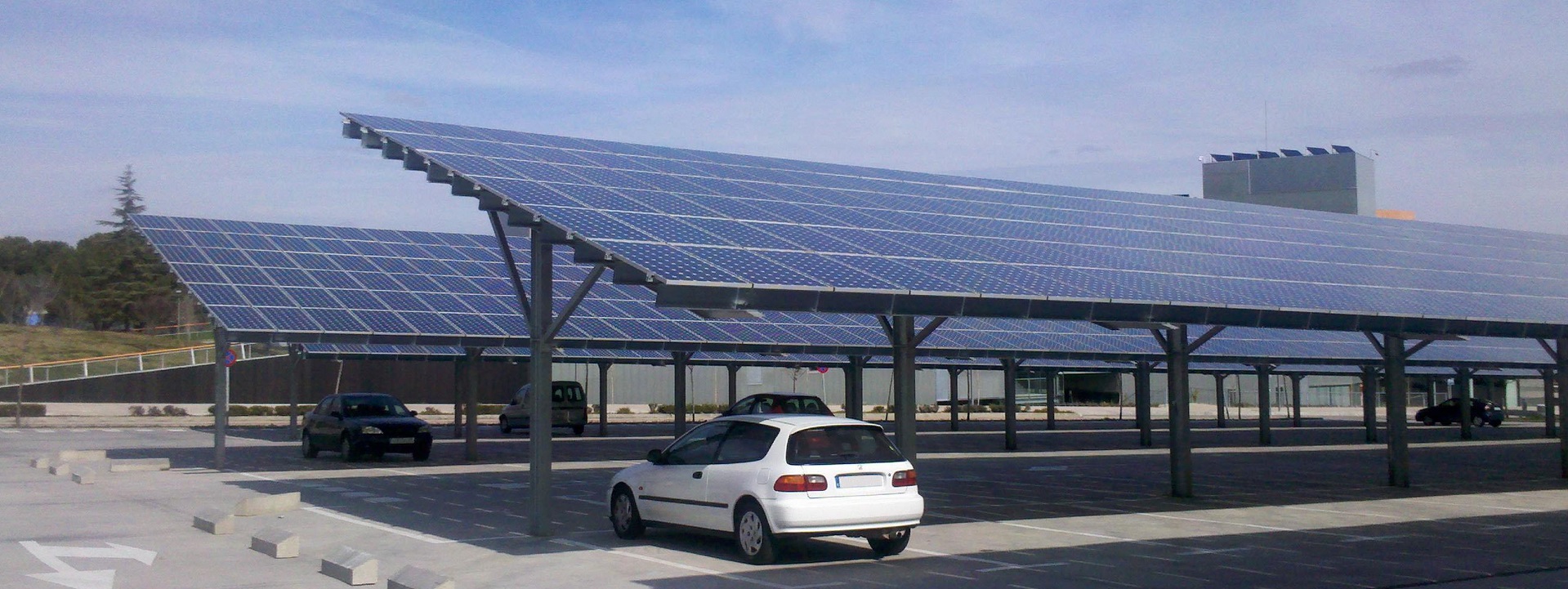
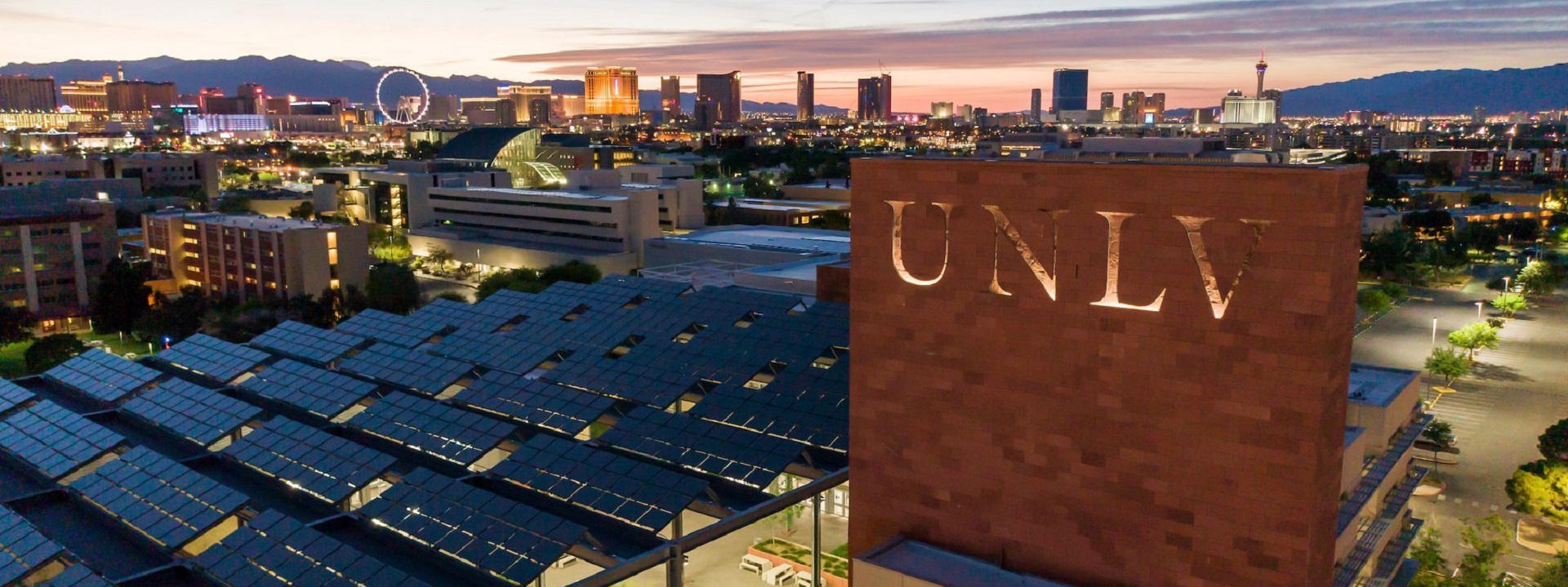
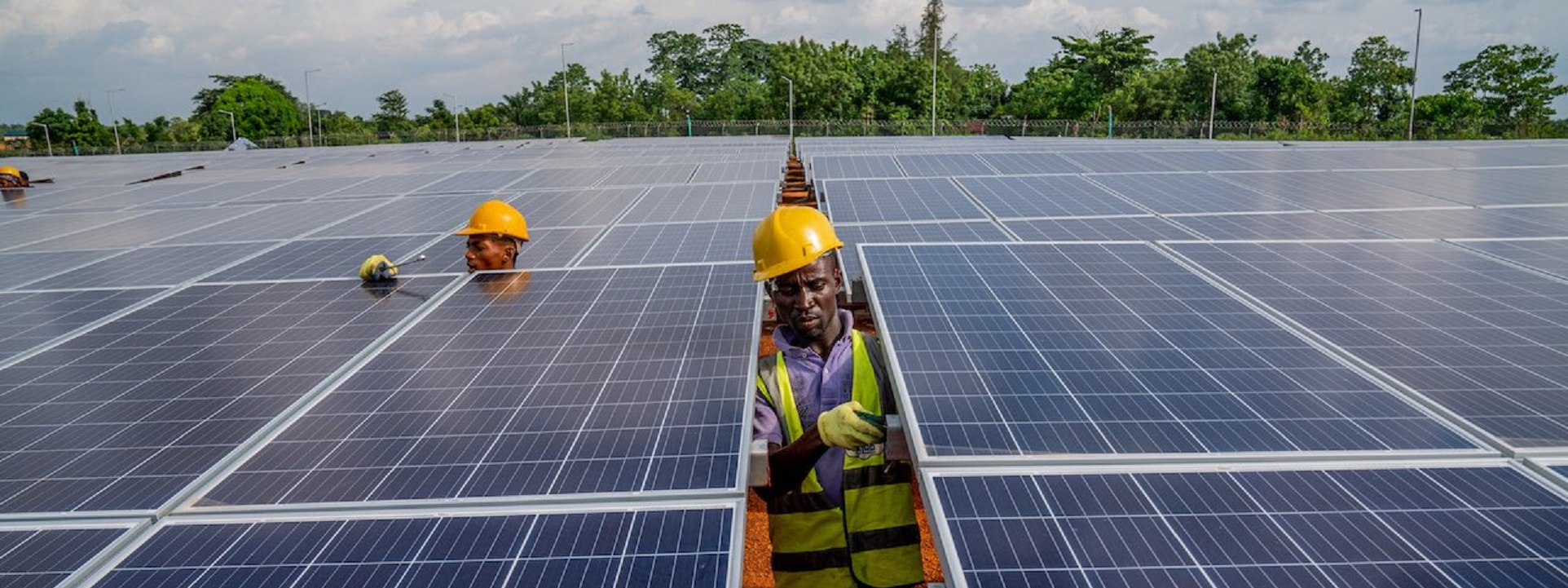
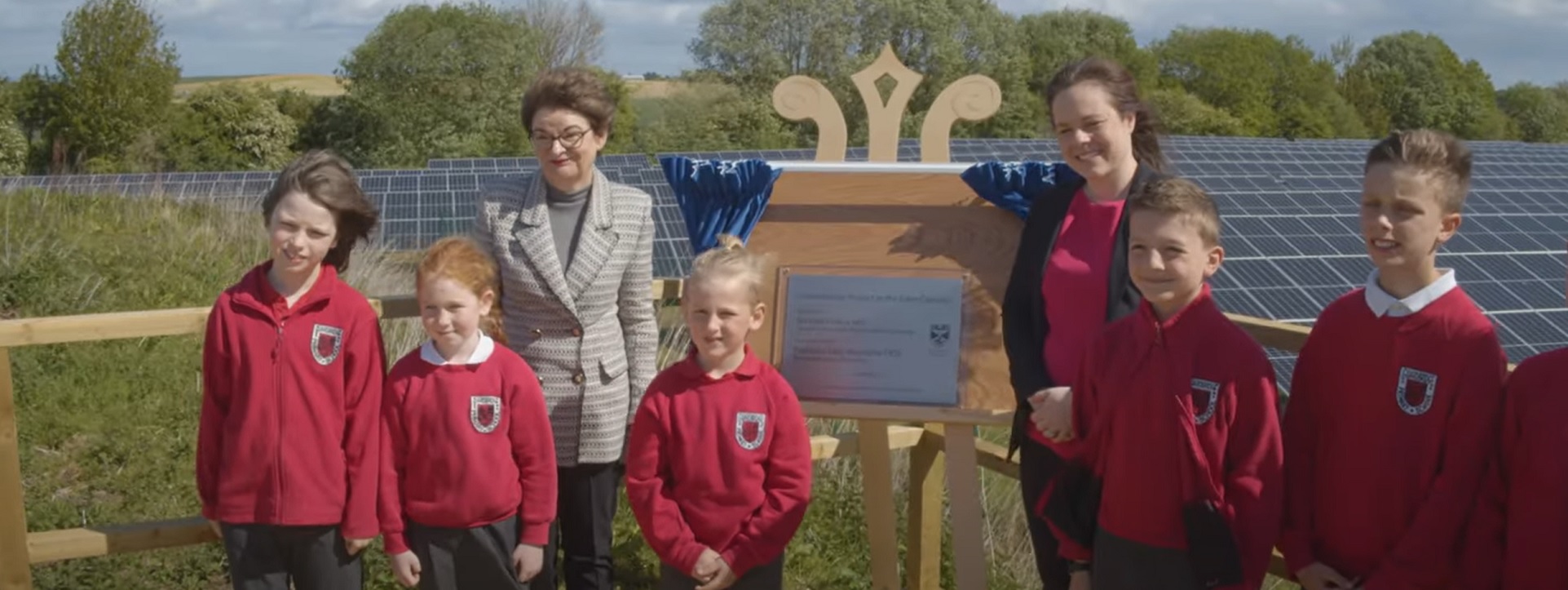
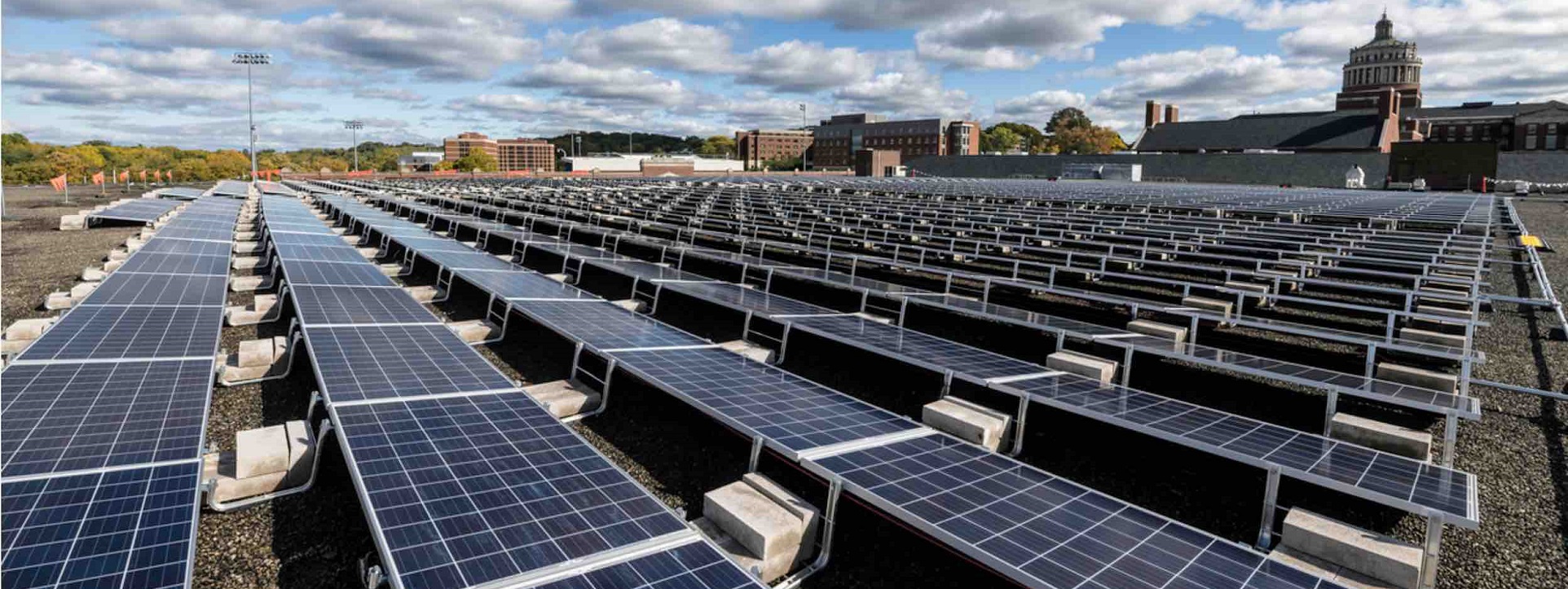
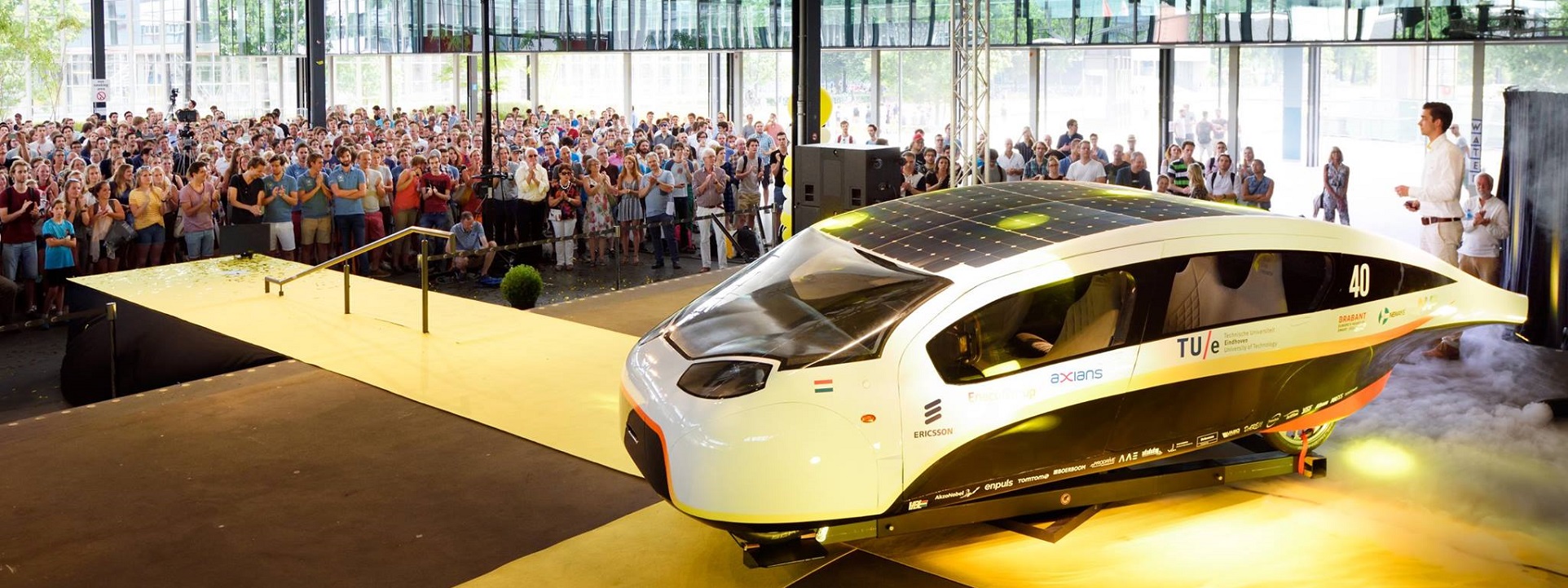
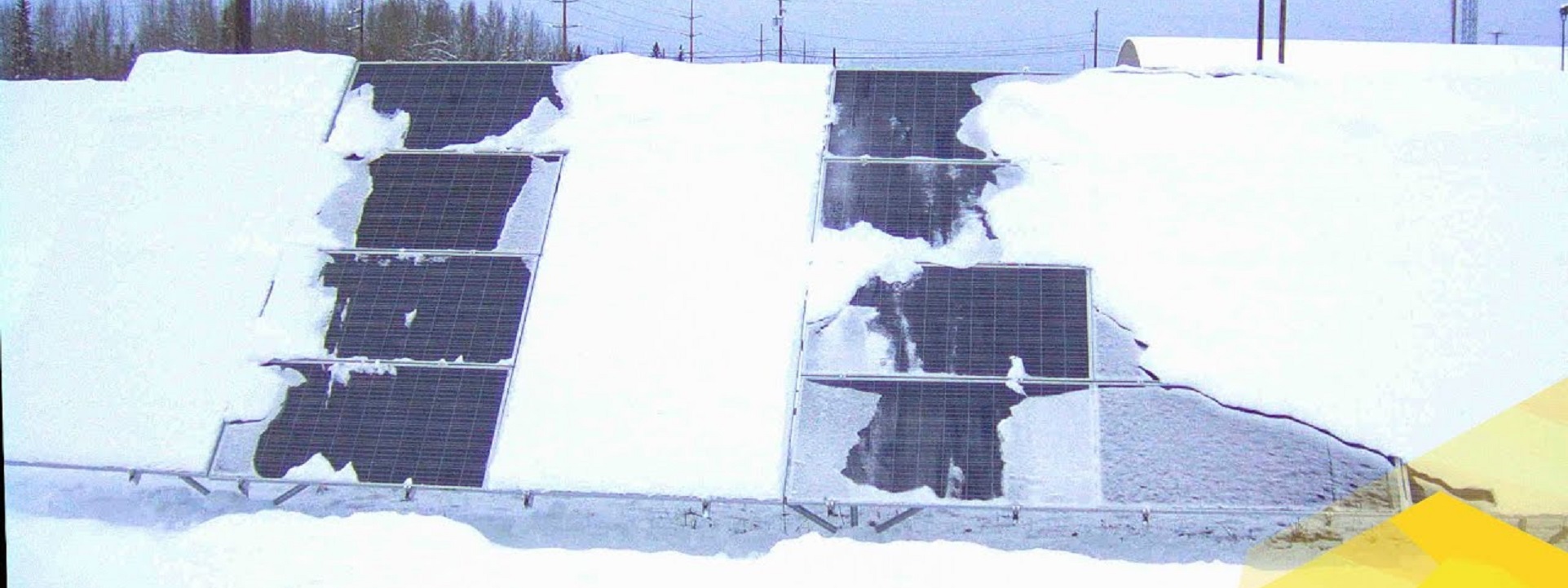
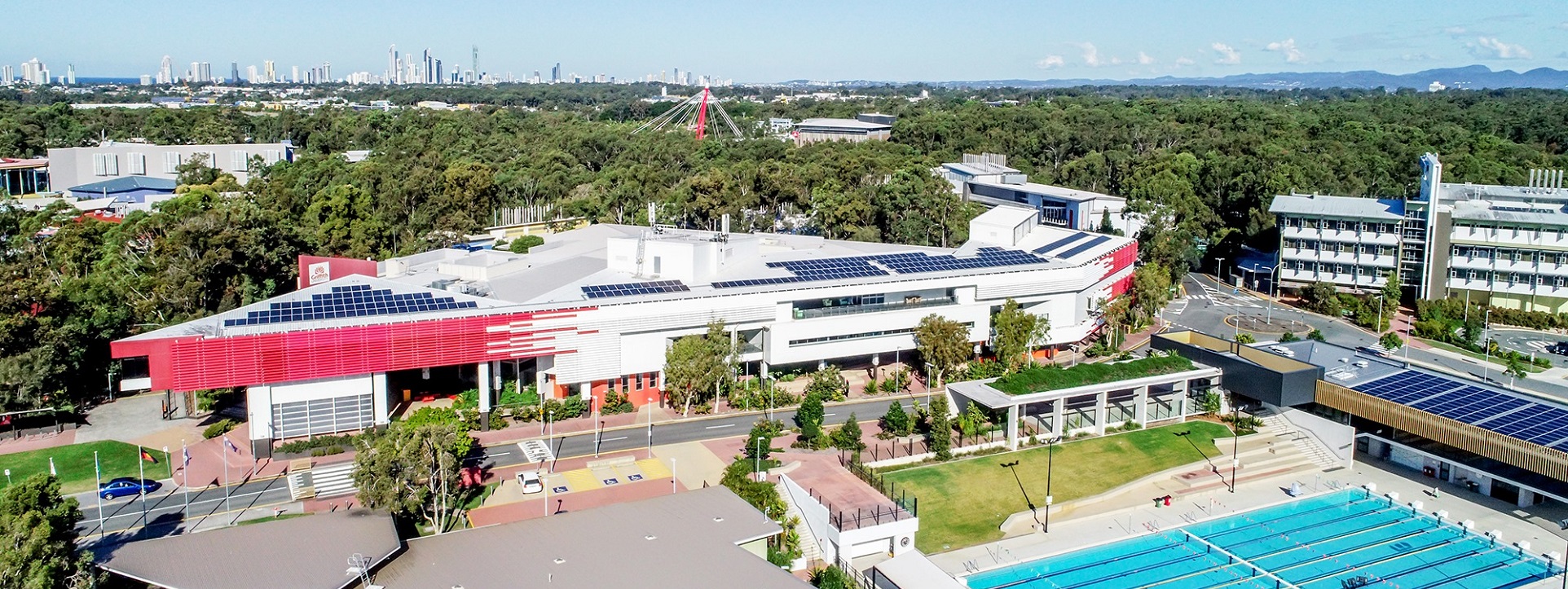
Other standards developers and publishers are also present in this domain but this list is where we will start given that we only have an hour. Join us today at 16:00 with the login credentials at the upper right of our home page.
Readings:
What are the hidden costs of solar panels?
Do We Have Enough Silver, Copper, And Other Materials To Keep Up With The Growth Of Solar?
Mining Raw Materials for Solar Panels: Problems and Solutions
This content is accessible to paid subscribers. To view it please enter your password below or send mike@standardsmichigan.com a request for subscription details.
A Procedure to Estimate the Energy Requirements for Lighting
Giuseppe Parise – Luigi Martirano – Luigi Parise
Sapienza, University of Rome
Abstract: The amount of the electrical energy used for the interior lighting of medium and large buildings is generally considerable. The European Standard EN15193 was devised to establish conventions and procedures for the estimation of energy requirements of lighting in buildings by an energy performance numeric indicator. This methodology is based on the three derating factors that consider the influence of the daylight exploitation, the occupancy behavior and, if present, of a constant illuminance sensor. The factors are evaluated by a statistical approach on the basis of general reference data tabulated by the same Standard, not considering more detailed parameters of the control system that can impact severely in the effective energy savings. The Standard methodology appears extremely useful for a preliminary evaluation. For a more accurate evaluation, this paper suggests an improvement of the procedure that considers the effective operation time and occupancy behavior, the type of control and lamps, the number of control groups, the technique of modulation (dimming or switching), and the delay in turning off. The suggested procedure is compared with the Standard one to highlight the improvements.
Related:
Energy performance of interior lighting systems
Topology of Continuous Availability for LED Lighting Systems

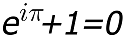
IEEE Standard for Interconnecting Distributed Resources with Electric Power Systems is effectively the global standard for interconnection of distributed resources with large scale electric power systems. It provides requirements relevant to the performance, operation, testing, safety, and maintenance of the interconnection. Apart from the power reliability and sustainability zietgeist we have seen in campus bulk power distribution systems, this title is usually referenced in research projects undertaken in university research enterprises. The standard is intended to be universally adoptable, technology-neutral, and cover distributed resources as large 10 MVA. To wit:
IEEE 1547-2018 Standard for Interconnection and Interoperability of Distributed Energy Resources with Associated Electric Power Systems Interfaces: This standard — emerging from IEEE Root Project 1547.3 — 2007 asserts first principles for improved performance for distributed energy resources, connected to the grid. NIST funding aided this standard’s development. Links to related titles, recently released for public consultation, are listed below:
We collaborate with the IEEE Education & Healthcare Facilities Committee on this an related titles. This committee’s meetings are held 4 times monthly in European and American time zones. International Electrical Technical Commission titles are items on the standing agenda; a few representative titles are listed in addition to IEEE titles below:
IEC 62746-10-1:2018 Systems Interface Between Customer Energy Management System and the Power Management System – Part 10-1: Open Automated Demand Response: This standard specifies how to implement a two-way signaling system, between utilities and customers, thus allowing utilities to adjust the grid’s load, based on demand. NIST’s David Holmberg and Steve Bushby presented research to the International Electrotechnical Commission (IEC), aiding this US standard’s acceptance as an international one.
IEC 62746-10-3:2018, Systems Interface Between Customer Energy Management System and the Power Management System – Part 10-3: Open Automated Demand Response – Adapting Smart Grid User Interfaces to the IEC Common Information Model: Related to the previous standard, IEC 62746-10-3:2018 defines the interfaces, as well as, the messaging for this two-way signaling system. NIST’s Holmberg and Bushby also facilitated this international standard’s acceptance.
IEEE 21451-001-2017 Recommended Practice for Signal Treatment Applied to Smart Transducers: This guide supports the ability to uniformly processing and classifying data from sensors and actuators in a smart system. The standard enables a common interpretation of data and grid interoperability. NIST personnel served on this standard’s working group, providing NIST research on sensors and actuators.
IEEE 2030.7-2017 Standard for the Specification of Microgrid Controllers: This standard established requirements for controllers, used to sense and manage microgrids. These requirements inform the manufacturing of controllers, and ultimately enable grid interoperability. NIST funding aided this standard’s development.
IEEE 2030.8 Standard for Testing Microgrid Controllers: This testing standard helps verify that microgrid controllers meet these requirements, and, thus, will work as intended. NIST funding aided this standard’s development.
IEEE 1547-2018 Standard for Interconnection and Interoperability of Distributed Energy Resources with Associated Electric Power Systems Interfaces: This standard ushers in a new era of improved performance for distributed energy resources, connected to the grid. NIST funding aided this standard’s development.
To inform a United States position on IEC titles we follow the lead of the USNA/IEC whose activity we also track in the IEEE E&H Committee

Issue: [11-17]
Category: Electric, Energy
Colleagues: Mike Anthony, Bob Arno, Neal Dowling, Peter Sutherland
Standards Coordinating Committee Membership
EPRI is an independent, nonprofit organization that is primarily funded by its member utilities. These member utilities are typically electric power companies, and they contribute financially to EPRI to support its research and development activities.
While EPRI is not directly funded by the government, it does collaborate with various government agencies on research projects and receives funding for specific initiatives through government grants and contracts. Additionally, some of EPRI’s research and development efforts align with government priorities in areas such as renewable energy, environmental sustainability, and grid modernization.
Qualification Standard for Power Plant Operators
EPRI 2024 Research Portfolio: Building on Success to Drive Progress
Electrical inspectors (See NFPA 1078) typically do not have jurisdiction over electrical power plants. Electrical power plants, especially large-scale utility power plants, are subject to much more stringent regulations and oversight than regular electrical installations. The responsibility for inspecting and ensuring the safety and compliance of power plants falls under various government agencies and organizations.
In the United States, for example, power plants are subject to federal regulations set forth by the U.S. Nuclear Regulatory Commission (NRC) for nuclear power plants or the U.S. Environmental Protection Agency (EPA) for fossil fuel power plants. Additionally, state regulatory agencies and utility commissions may have their own specific requirements and oversight for power plants within their jurisdictions.
Power plants typically undergo rigorous inspections and audits to ensure compliance with safety, environmental, and operational standards. These inspections are conducted by specialized teams of engineers, experts, and representatives from relevant regulatory bodies and utilities.
While electrical inspectors may not have jurisdiction over power plants, they play a crucial role in inspecting and ensuring the safety of electrical installations in other settings, such as smaller power generation facilities (i.e. district energy plants) that are not exempted by self-assessment charters granted to many large university power plants.

Nikola Tesla, with his equipment / Credit: Wellcome Library, London
We collaborate closely with the IEEE Education & Healthcare Facilities Committee which meets 4 times monthly in European and American time zones. Risk managers, electrical safety inspectors, facility managers and others are welcomed to click into those teleconferences also. We expect that concepts and recommendations this paper will find their way into future revisions of US and international electrical safety codes and standards. There is nothing stopping education facility managers from applying the findings immediately.
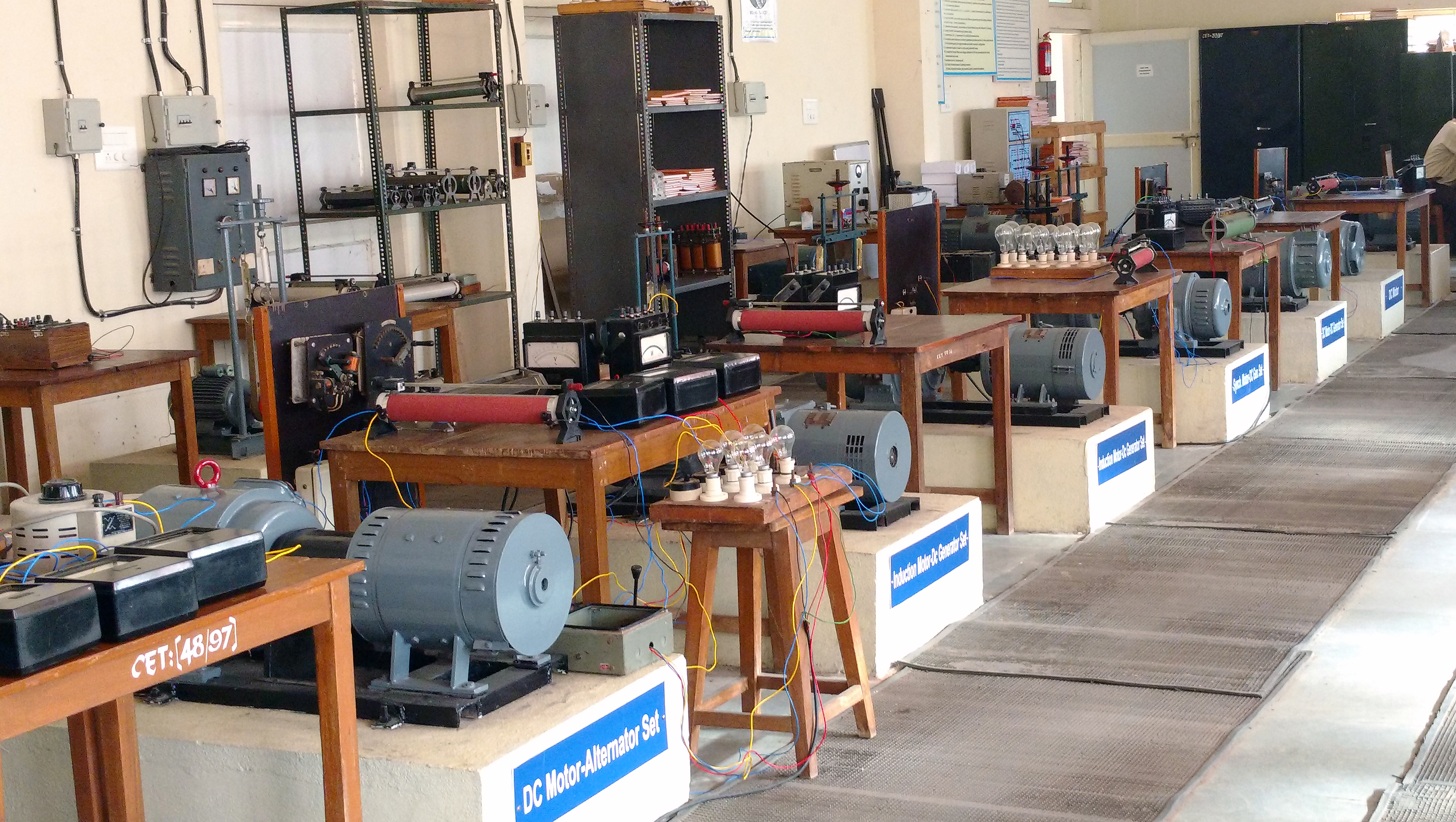
College of Engineering and Technology, Bhubaneswar India
Electrical Safety of Academic Laboratories | 2019-PSEC-0204
Presented at the 55th IEEE Industrial Applications Society I&CPS Technical Conference | Calgary, Alberta Canada | May 6-9, 2019
Ω
Rodolfo Araneo, University of Rome “La Sapienza” | rodolfo.araneo@ieee.org
Payman Dehghanian, George Washington University | payman@gwu.edu
Massimo Mitolo, Irvine Valley College | mitolo@ieee.org
Abstract. Academic laboratories should be a safe environment in which one can teach, learn, and conduct research. Sharing a common principle, the prevention of potential accidents and imminent injuries is a fundamental goal of laboratory environments. In addition, academic laboratories are attributed the exceptional responsibility to instill in students the culture of the safety, the basis of risk assessment, and of the exemplification of the prudent practice around energized objects. Undergraduate laboratory assignments may normally be framed based upon the repetition of established experiments and procedures, whereas, academic research laboratories may involve new methodologies and/or apparatus, for which the hazards may not be completely known to the faculty and student researchers. Yet, the academic laboratory should be an environment free of electrical hazards for both routine experiments and research endeavors, and faculty should offer practical inputs and safety-driven insights to academic administration to achieve such a paramount objective. In this paper, the authors discuss the challenges to the electrical safety in modern academic laboratories, where users may be exposed to harmful touch voltages.
I. INTRODUCTION
A. Electricity and Human Vulnerabilities
B. Electrical Hazards in Academic Laboratories
II. ELECTRICAL SEPARATION
III. SAFETY IN ACADEMIC LABORATORIES WITH VARIABLE FREQUENCY DRIVES
IV. ELECTRICAL SAFETY IN ACADEMIC LIGHTING LABORATORIES
V. ACADEMIC RESEARCH LABORATORIES
A. Basic Rules of Engagement
B. Unidirectional Impulse Currents
VI. HAZARDS IN LABORATORIES DUE TO ELECTROMAGNETIC FIELD EXPOSURE
VII. WARNING SIGNS AND PSYCHOLOGICAL PERCEPTION OF DANGER
VIII. CONCLUSION
Safety is the most important practice in an academic laboratory as “safety and productivity are on the same team”. Electrical measurement and electrically-powered equipment of various brands and models are common in both teaching and research laboratories, highlighting the need to maintaining them continuously in an electrically-safe status. Annual reports on the occurrence of electrical hazards (i.e. shocks and injuries) in academic laboratory environments primarily discover the (i) lack of knowledge on using the electrical equipment, (ii) careless use of the energized electric facilities, and (iii) faulty electrical equipment or cords. The above does call for the establishment of safety-driven codes, instructions, and trainings for the academic personnel working with or near such devices for teaching, learning, experiments, and research. This paper provided background information on the concept of electrical safety in the academic laboratories, presented the safety challenges of modern academic laboratories, and offered solutions on how enhance the lab environment and research personnel safety awareness to avoid and control electrical hazards.
Issue: [19-129]
Category: Electrical, Facility Asset Management, Fire Safety, International
Colleagues: Mike Anthony, Rodolfo Araneo, Payman Dehghanian, Jim Harvey, Massimo Mitolo, Joe Tedesco
Related IEEE Research:
Strengthening and Upgrading of Laboratory Safety Management Based on Computer Risk Identification
Critical Study on the feasiblity of Smart Laboratory Coats
Clean Environment Tools Design For Smart Campus Laboratory Through a Global Pandemic
Design of Laboratory Fire Safety Monitoring System
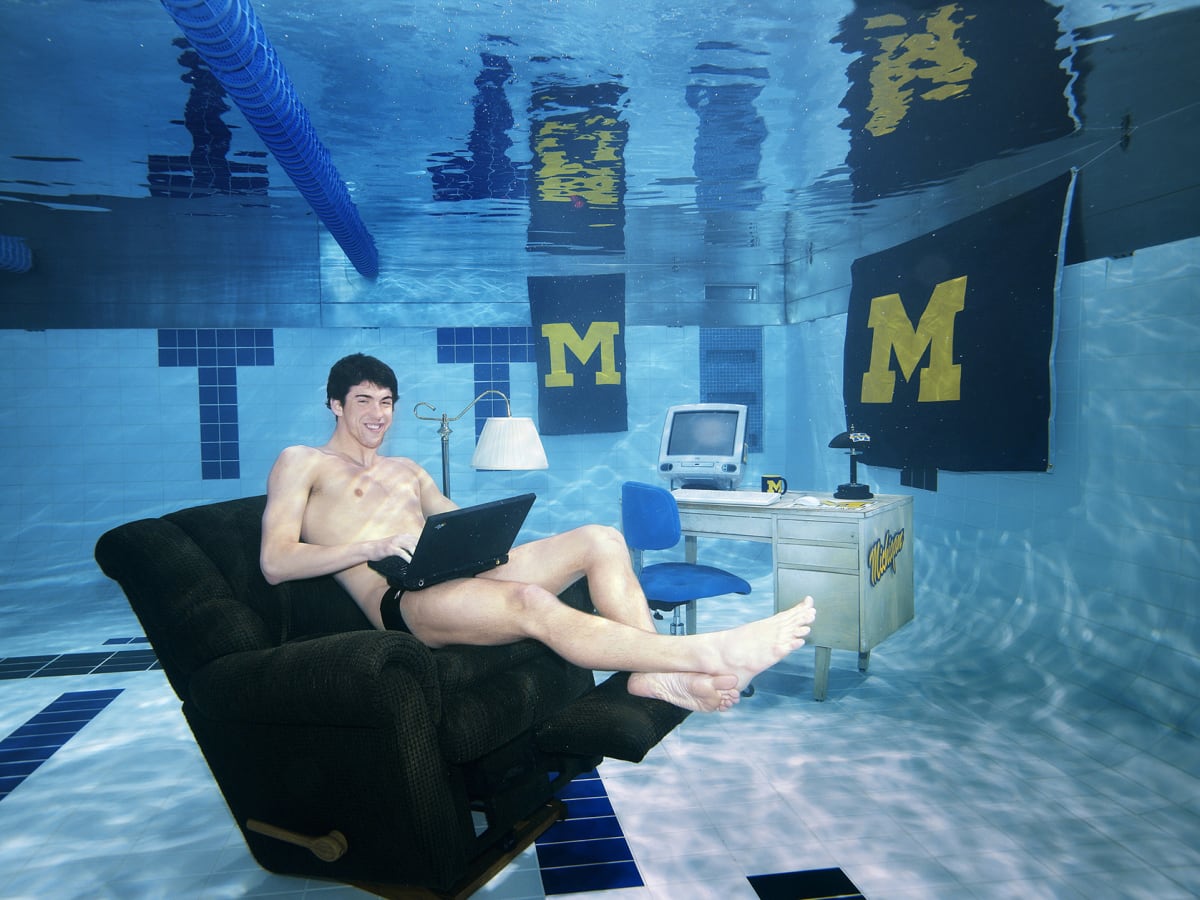
Supporting swimming pools with electricity involves various essential functions such as filtration, heating, lighting, and sanitation. Ensuring safety and energy efficiency is crucial, and pool owners can take steps to minimize electricity costs and environmental impact. Key points:
Filtration and Circulation: Swimming pools rely on electric pumps to circulate water through filters, removing debris and maintaining water quality.
Heating: Electric heaters or heat pumps are used to regulate water temperature for comfort, especially in colder seasons.
Lighting: Underwater and pool area lighting enhance safety and aesthetics, typically powered by electricity.
Chlorination and Sanitation: Electric chlorinators or ozone generators help maintain water cleanliness and hygiene.
Automation: Electric control systems enable pool owners to manage filtration, heating, and lighting remotely for convenience and energy efficiency.
Energy Efficiency: Pool owners can invest in energy-efficient equipment, like variable-speed pumps and LED lighting, to reduce electricity consumption and operating costs.
Operations and Maintenance: Regular electrical maintenance ensures safe and reliable pool operation, preventing electrical faults and hazards. The electricity cost for pool operation can be significant, so pool owners should consider energy-efficient practices and equipment to reduce expenses.

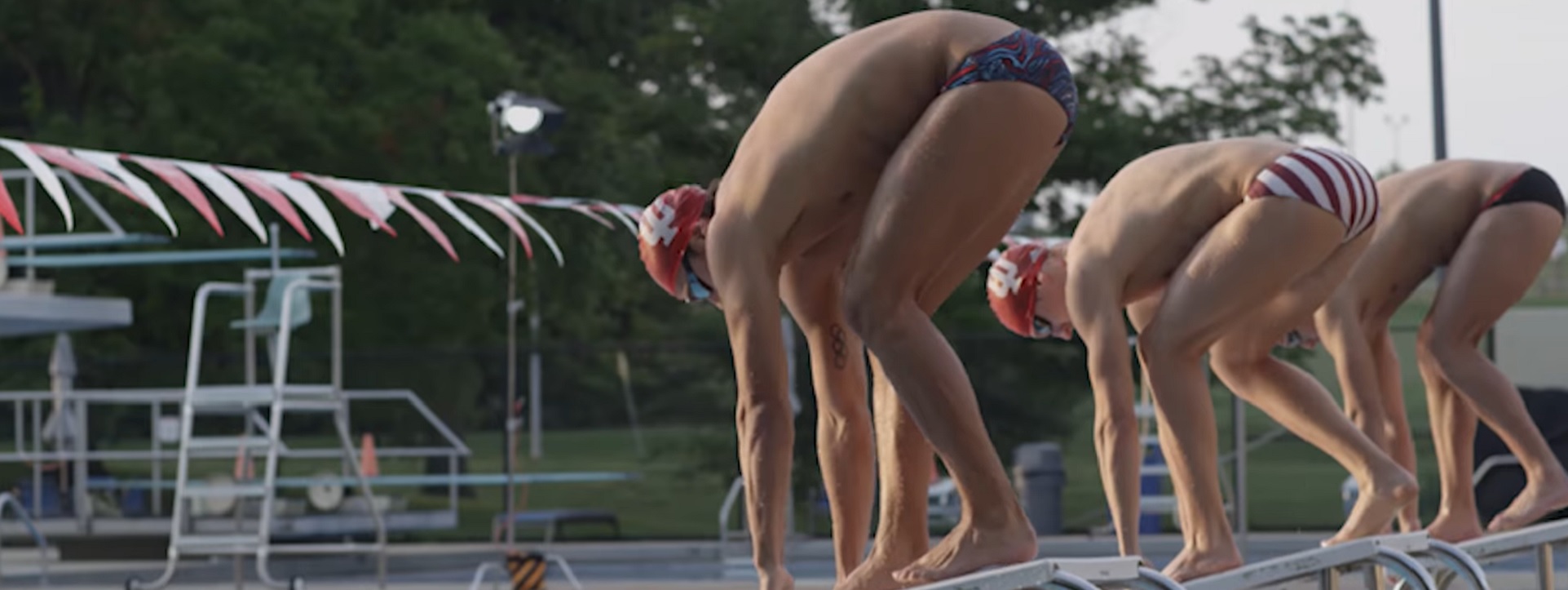

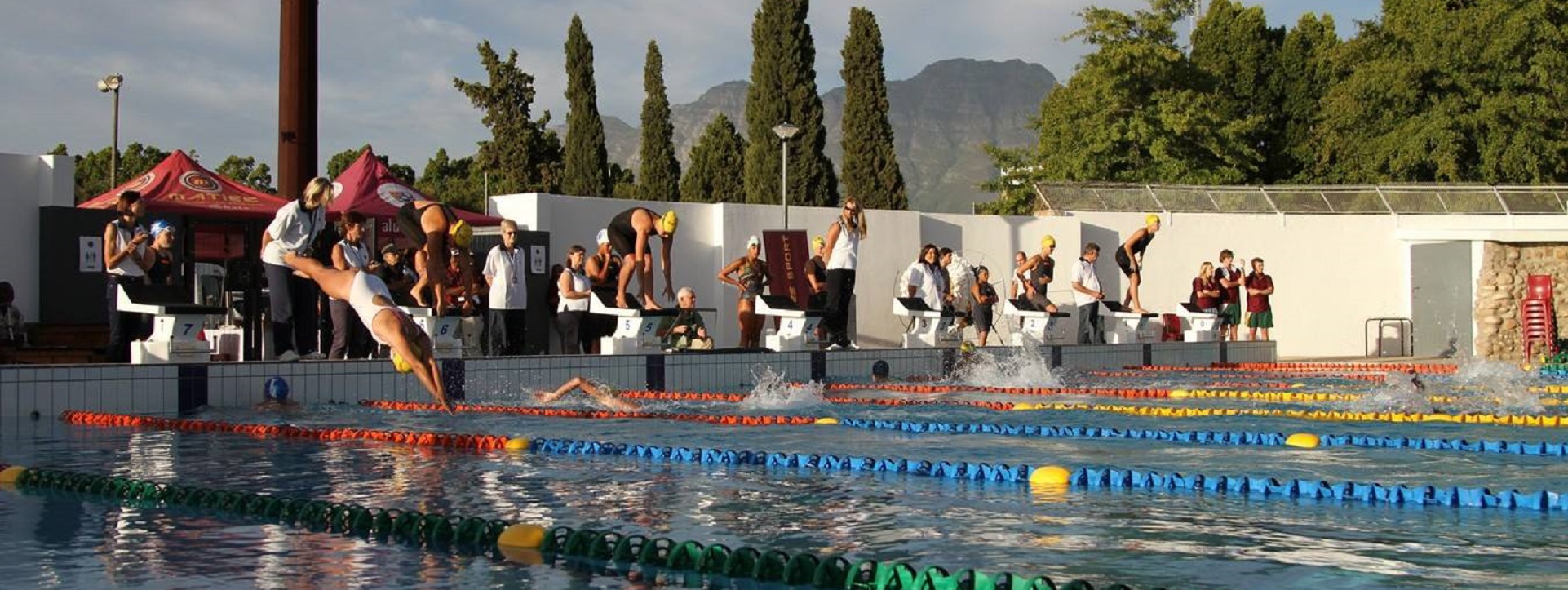

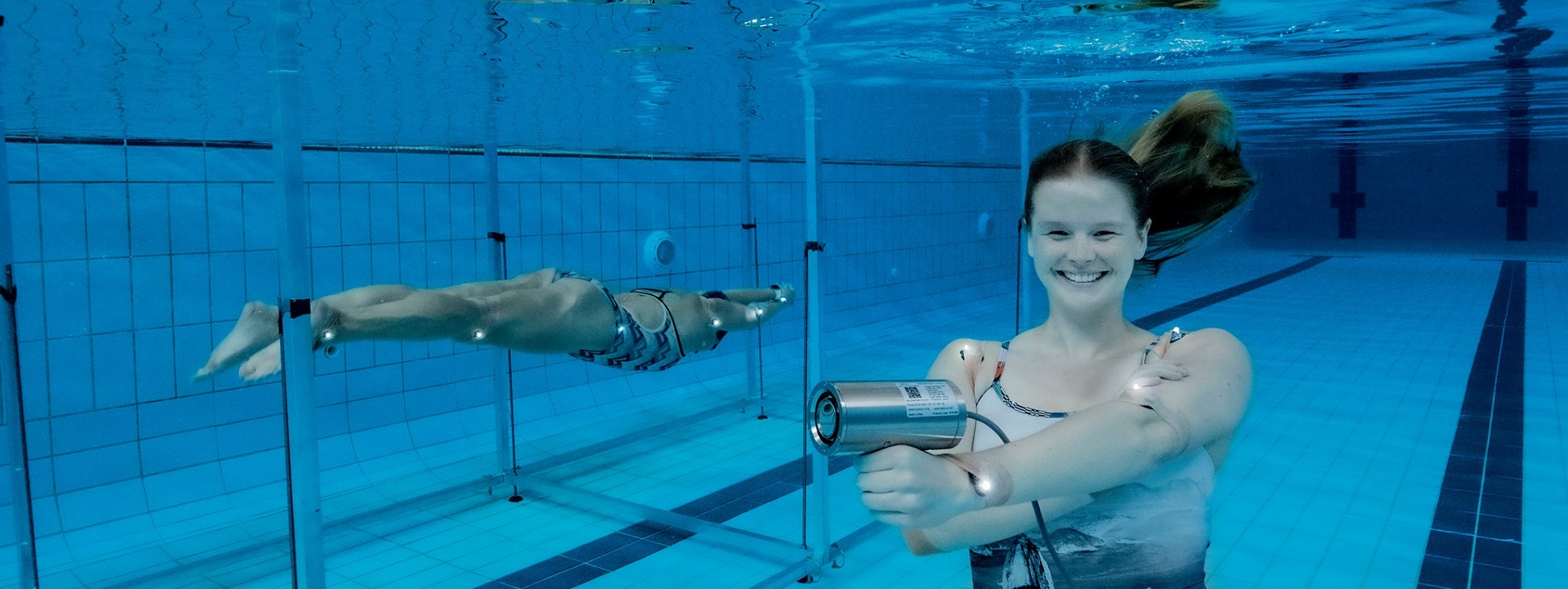

Education communities present one of the largest installed bases of artificially created bodies of water; the most abundance resource on earth. These bodies vary in size, purpose, and design but are all created by human intervention to serve specific needs, whether practical, recreational, or aesthetic. Safe and sustainable management of them in the Unite States are informed by best practice found in Article 680 of the National Electrical Code with scope statement below:
Construction and installation of electrical wiring for, and equipment in or adjacent to, all swimming, wading, therapeutic, and decorative pools; fountains; hot tubs; spas; and hydromassage bathtubs, whether permanently installed or storable, and to metallic auxiliary equipment, such as pumps, filters, and similar equipment.
Consultation on the First Draft of the 2026 revision closes August 24, 2024.
Related:
Pool, Fountain, Agriculture & Water Infrastructure Electrical Safety
https://www.si.com/extra-mustard/2016/08/15/michael-phelps-poses-bottom-university-michigan-pool-2005
New update alert! The 2022 update to the Trademark Assignment Dataset is now available online. Find 1.29 million trademark assignments, involving 2.28 million unique trademark properties issued by the USPTO between March 1952 and January 2023: https://t.co/njrDAbSpwB pic.twitter.com/GkAXrHoQ9T
— USPTO (@uspto) July 13, 2023
Standards Michigan Group, LLC
2723 South State Street | Suite 150
Ann Arbor, MI 48104 USA
888-746-3670





 |
 |
|
 |
 |
|
 |
 |