“Nawrócona” is a Polish song written by Czesław Niemen and recorded by him in 1972. The song is about a woman who has had a difficult life and has turned to religion for solace and guidance. The lyrics describe the woman’s struggles and how she has found peace through her faith.
The song’s title, “Nawrócona,” means “converted” or “repentant” in English, suggesting that the woman has undergone a profound change in her life as a result of her religious beliefs.
The song is notable for its powerful, soulful vocals and its fusion of rock and folk music elements. It has become a beloved classic of Polish popular music, and its themes of redemption and hope
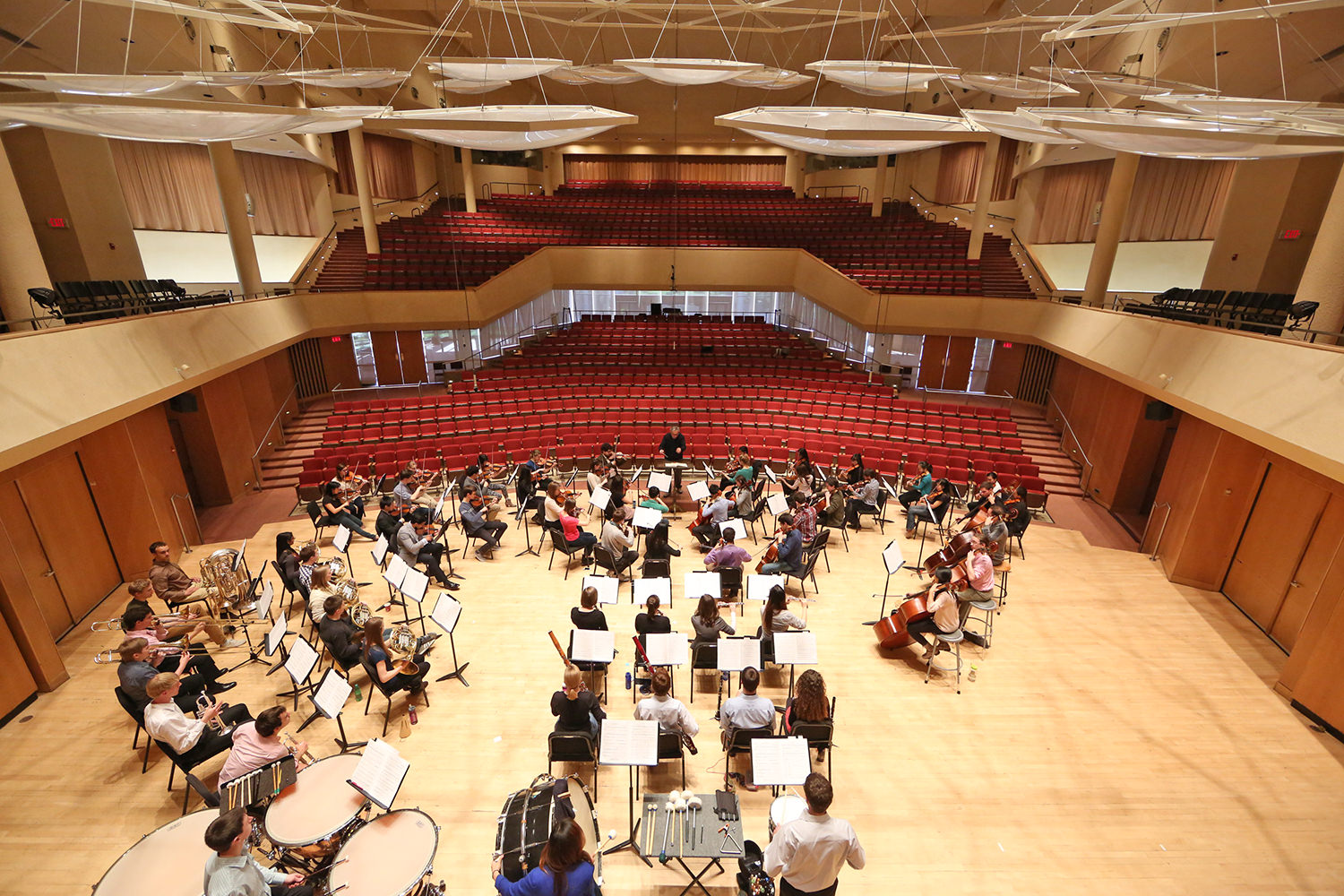
For almost a decade, Arkansas Tech University has collaborated with THM University of Applied Sciences in Giessen, Germany, to provide study abroad opportunities for students on both sides of the Atlantic Ocean.
The first working Monday of January is sometimes called “Divorce Day,” an unofficial observance arising from reports by family lawyers of increased inquiries after the Christmas holidays. Whether the single-day surge is real or largely a media tradition, the underlying subject is not imaginary. Divorce remains a common outcome of American marriage, although the familiar claim that one-half of all marriages end in divorce is an approximation rather than a reliable statistic for every generation or social group.
That makes “Happy Together” more than an agreeable old love song. Marriage joins two people, but its durability affects children, housing, household wealth, schools and the communities in which families live. Divorce likewise reaches beyond the two adults whose names appear on the decree.
Universities ordinarily approach marriage and divorce as matters for sociology, psychology, law or counseling. Yet higher education also shapes the circumstances in which young adults meet, form households and begin families. Housing costs, the length of education, student debt, childcare and the transition into employment all bear upon domestic life.
“Happy Together” therefore carries a slightly darker resonance on Divorce Day. Staying together is not merely the conclusion of a three-minute pop song. For families and for the institutions that surround them, it is one of the difficult questions of domestic life and culture.