
Energy 200

2024-04-18 11:00 - 12:00

What a Wonderful World! | Ho Charlotte Sie Wing, 13, China

Review of all consensus, consortia and open source codes, standards and regulations regarding energy production and conservation relevant to the education facility industry.

Faculty and staff in the education industry in all nations provide basic research, application research in energy technologies.  The “cities-within-cities” we call the #SmartCampus” also provide crucibles for new testing new technologies as well as provide energy load for utilities operating under all ownership regimes.

Send bella@standardsmichigan.com an email for an advance agenda.

Standing Agenda / Energy Standards Monthly

Related upcoming events

  • 2026-10-05 11:00 - 2026-10-05 12:00

    Today we review accommodations education settlements provide for students starting a family in high school and in college.

    • MIT — graduate student family. MIT has just profiled a graduate-student family and the community they found among other student parents. MIT News
    • MIT — actual infrastructure for student families. Three on-campus family-housing options, backup childcare and childbirth/parental accommodations. Useful factual companion to #3 rather than merely university atmospherics. Office of Graduate Education
    • UC Davis — Student Parent Space. A new dedicated Student Parent Space is open, with fall programming beginning now and links to housing, childcare and resources for expecting/new parents. Another unusually direct Domestic University item. Student Parent Resources
    • UMass Amherst — family housing. Fall 2026 applications are open for students with children, spouses, partners or dependent relatives; notably, the page currently identifies October 1 as the beginning of its move-in window.


    https://standardsmichigan.com/housing/

    https://standardsmichigan.com/gallery-move-in/

  • 2026-10-22 11:00 - 2026-10-22 12:00

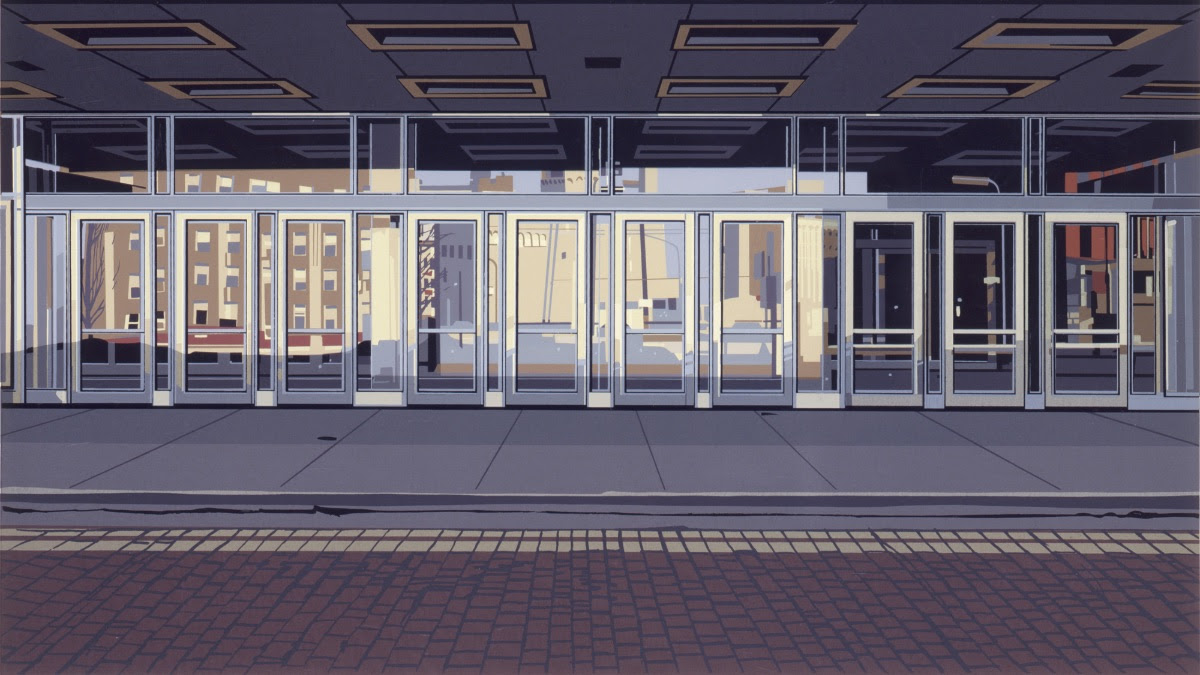
    https://standardsmichigan.com/door-n/

    https://twitter.com/ArashFMaleki/status/1538874635701338117?s=20&t=WQRNQqyRGEFSQS76nwQRSg

  • 2027-06-24 11:00 - 2027-06-24 12:00

    https://standardsmichigan.com/acca-air-conditioning-standards/

  • 2027-08-12 11:00 - 2027-08-12 12:00

    https://standardsmichigan.com/water-300/

    https://standardsmichigan.com/water-management-monthly/

    https://standardsmichigan.com/watersport/

    https://youtu.be/fj1aSyzM8oA


    August 15, 1914. The United States assumed and completed the Panama Canal after France’s 1880s attempt collapsed amid bankruptcy, disease, and engineering failure. President Theodore Roosevelt secured the route by supporting Panama’s 1903 independence from Colombia and negotiating the Hay–Bunau-Varilla Treaty, which granted the U.S. control of a 10-mile Canal Zone. America purchased French assets for $40 million and paid Panama $10 million plus an annuity.

    U.S. Army engineers, led first by John Stevens and then Colonel George Goethals, abandoned a sea-level design for a lock-and-lake system. They created Gatun Lake—the world’s largest artificial lake at the time—and excavated nearly 240 million cubic yards of earth. Physician William Gorgas’s sanitation campaign virtually eliminated yellow fever and malaria, slashing the death toll that had doomed the French. At a cost of about $375 million—the most expensive U.S. construction project to that date—the canal opened on 15 August 1914, linking the Atlantic and Pacific and transforming global trade and naval strategy.

    The American Engineers that Built the Panama Canal


Layout mode
Predefined Skins
Custom Colors
Choose your skin color
Patterns Background
Images Background
Standards Michigan
error: Content is protected !!
Skip to content