“Rainy Days and Mondays” CSULB

Related upcoming events
-
 2026-11-02 All day
"Tradition and the Individual Talent" T.S.Eliot 1818
♫
American conservatives and liberals often disagree because they attach different meanings, priorities, and emotional associations to the same words. Political language evolves as society changes, and each movement seeks terminology that reflects its values and persuades others. Conservatives may emphasize continuity, tradition, and established definitions, while liberals may advocate revised language that reflects changing social norms or emerging perspectives and technologies.
As new terms gain acceptance and older meanings shift, debates arise over whether language is clarifying reality or reshaping it. These disagreements extend beyond vocabulary, reflecting deeper differences about history, identity, law, culture, and the proper role of institutions -- such as standards setting organizations -- in defining and communicating public values.
♫
Popular music is one of the chief ways that American vernacular English is created, refined, and shared. A successful song can introduce a phrase, metaphor, or rhythm of speech that quickly spreads beyond its original audience into everyday conversation. Because songs are repeated on radio, streaming services, at sporting events, and in schools, their lyrics become familiar across generations and regions. Memorable lines are quoted in casual conversation, advertising, journalism, and even political speeches, giving them cultural authority.
Songwriters pick up on the language of ordinary people while expressing it with economy, wit, and emotional force. As a result, lyrics preserve regional expressions, technical domains, idioms, thus reshaping older ones into forms that feel fresh and memorable. Over time, the most enduring lyrics become part of the nation's shared vocabulary, enriching American vernacular English by providing common expressions, cultural references, and memorable turns of phrase that unite speakers from diverse backgrounds.
-
 2026-11-02 11:00 - 2026-11-02 12:00
"Every new beginning comes from some other beginning’s end."
— Seneca (On the Shortness of Life)
Today at 16:00 UTC we refresh our understanding of the technical standards for the timing-systems that maintain the temporal framework for daily life in education communities. The campus clock continues as a monument of beauty and structure even though digitization of everything has rendered the central community clock redundant.
Most leading practice discovery (and innovation) is happening with the Network Time Protocols (NTP) that synchronize the time stamps of widely separated data centers. In operation since before 1985, NTP is one of the oldest Internet protocols in current use and underlies the Internet of Things build out. NTP is particularly important in maintaining accurate time stamps for safety system coordination and for time stamps on email log messages.
Use the login credentials at the upper right of our home page.
How Do You Measure the Percentage of Alcohol in Beer, Wine and Other Beverages?https://t.co/WitMHCUKGdhttps://t.co/VS3p32cdGd@NIST pic.twitter.com/FPKBBSari9
— Standards Michigan (@StandardsMich) November 28, 2022
-
2026-11-03 11:00 - 2026-11-03 12:00
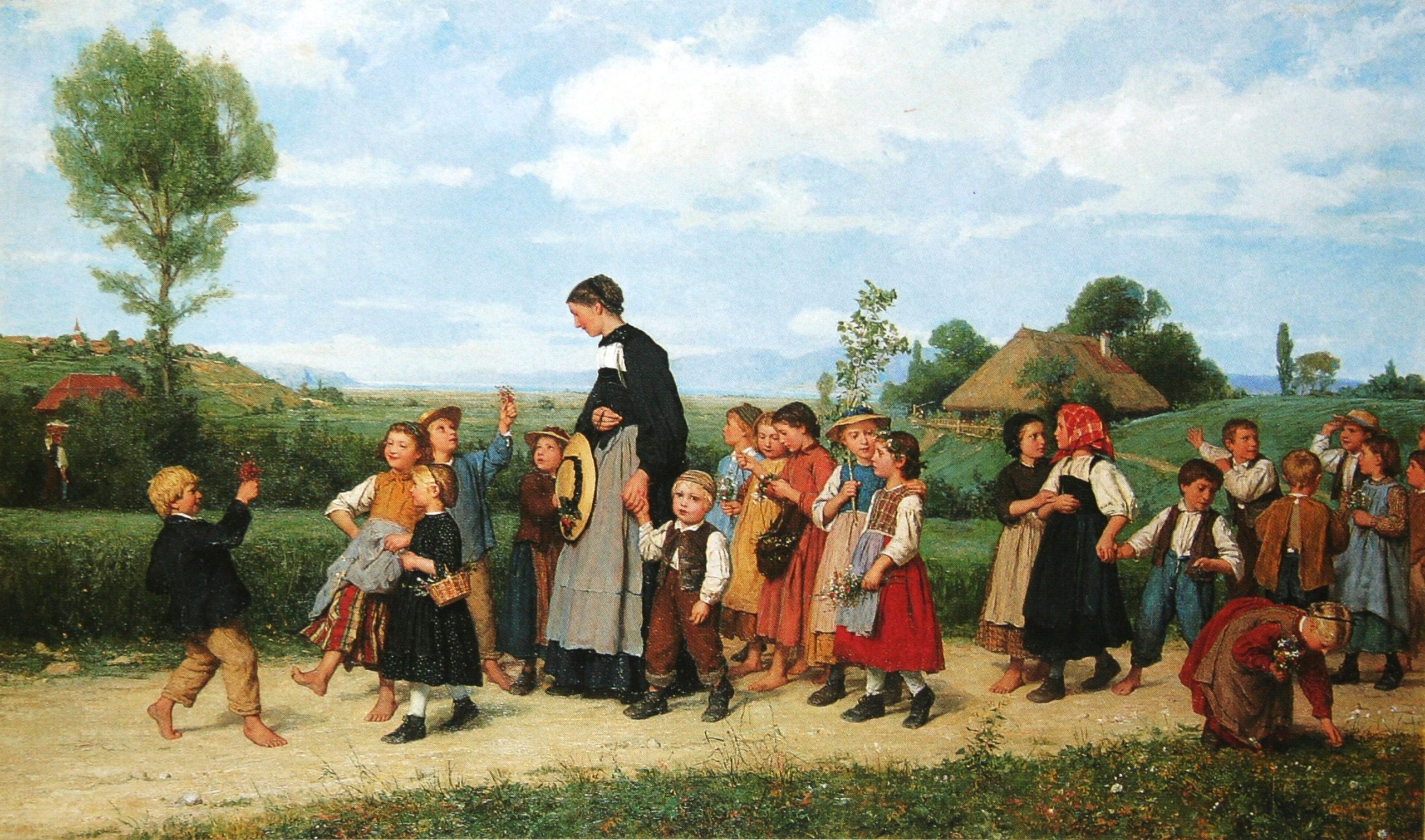

Periodic review of the best practice catalogs that set the standard of care for security of education communities. Send bella@standardsmichigan.com an email for an advance agenda.
This cloud formation tonight was crazy! Stuck around the whole sunset. #kansas #sunset #wheatharvest pic.twitter.com/Dq0C9hW3Jz
— Greg Peterson (@gregpeterson33) June 13, 2024
-
2026-11-05 11:00 - 2026-11-05 12:00
"A machine, to be economical, should be capable of being worked at any time,
day or night, summer and winter, with trifling exception."
-- Thomas Tredgold (1882 "Practical Essay on the Strength of Cast Iron and Other Metals")
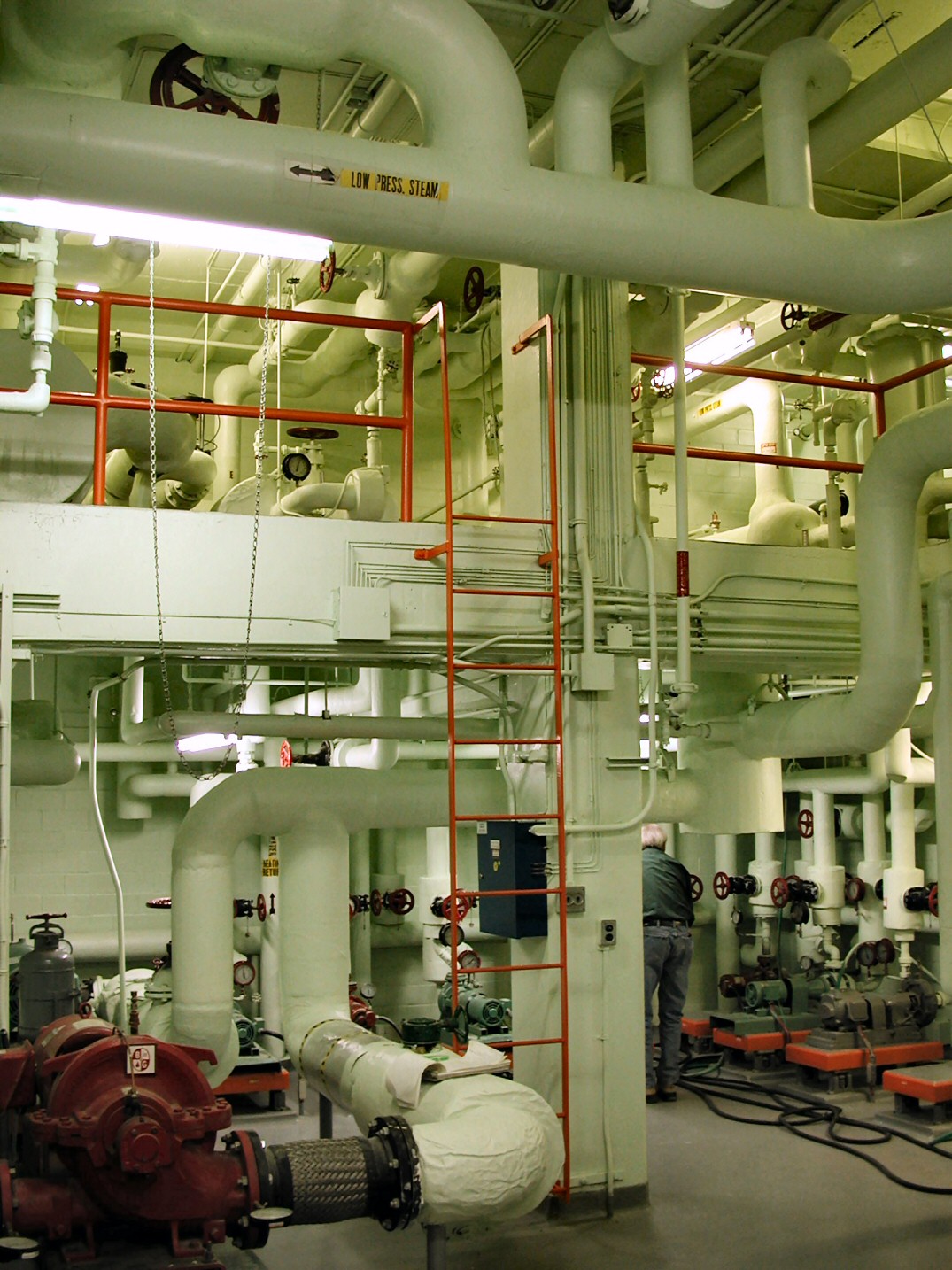
Today we scan of redlines of titles open for public consultation in the mechanical engineering domain as it is understood in building construction disciplines. After architectural elements, mechanical systems in new building construction encompass a variety of components and technologies that are designed to ensure the comfort, safety, and functionality of the building's occupants. These systems are crucial for maintaining indoor environmental conditions, such as temperature, humidity, and air quality. Here are some key mechanical system elements commonly found in new building construction:
- HVAC (Heating, Ventilation, and Air Conditioning):
- Heating: Furnaces, boilers, heat pumps, or electric heaters are used to provide warmth in cold seasons.
- Ventilation: Systems that circulate fresh air, remove indoor pollutants, and regulate humidity.
- Air Conditioning: Cooling systems, such as central air conditioners or ductless mini-split units, maintain comfortable temperatures during hot weather.
- Ductwork: A network of ducts and pipes used to distribute heated or cooled air throughout the building. These ducts also serve to facilitate ventilation and air filtration.
- Plumbing Systems: Water supply and wastewater removal systems, including pipes, fixtures, pumps, and water heaters for hot water supply.
- Elevators and Escalators: Vertical transportation systems that move people and goods between different floors of the building.
- Noise Control: Sound insulation and acoustic design are essential for ensuring a comfortable and quiet indoor environment, especially in commercial or multi-family residential buildings.
- Building Automation and Smart Technologies: Integration of smart devices and sensors for energy management, security, and convenience, including lighting, blinds, and security systems. These are computer-based systems that monitor and control various building systems, including HVAC, lighting, security, and access control, to optimize energy usage and maintain comfort.
- Plumbing and Sanitary Systems: Sanitary systems manage wastewater disposal and sewage, while plumbing systems provide clean water for domestic use.
- Environmental Controls: Systems for managing indoor air quality, including air purification, humidity control, and pollutant filtration.
These mechanical system elements work in conjunction to create a comfortable, safe, and energy-efficient building environment. The design and integration of these systems are critical to the overall functionality and sustainability of modern building projects.
Many of the characteristics listed above are covered in separate colloquia. Use the login credentials at the upper right of our homepage.
Related:
https://standardsmichigan.com/mechanical-engineering-monthly/
- HVAC (Heating, Ventilation, and Air Conditioning):
-
 2026-11-12 11:00 - 2026-11-12 12:00
Survey of transportation fundamentals that apply to K-12 school systems and college campuses. Exploration of the relevant standards, codes and regulations.
Objectives:
Understand how roadway systems function within society.
Learn how roads are planned and built.
Optimize the movement of people and goods.
Parking
Challenges ahead.
Use the login credentials at the upper right of our home page.
https://standardsmichigan.com/transportation-parking/
-
 2026-11-13 11:00 - 2026-11-13 12:00
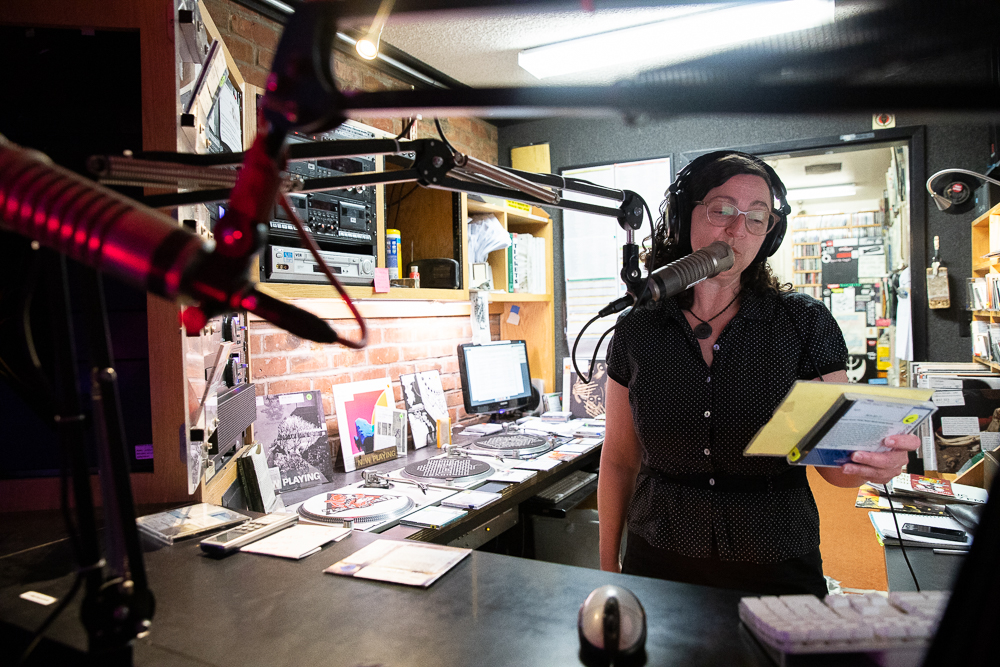
Today we refresh our understanding of the regulations for Class D campus radio systems. We review the literature for production technologies and FM transmission technologies through airwaves, cabling systems, the internet or a combination of all.
https://standardsmichigan.com/radio-400/