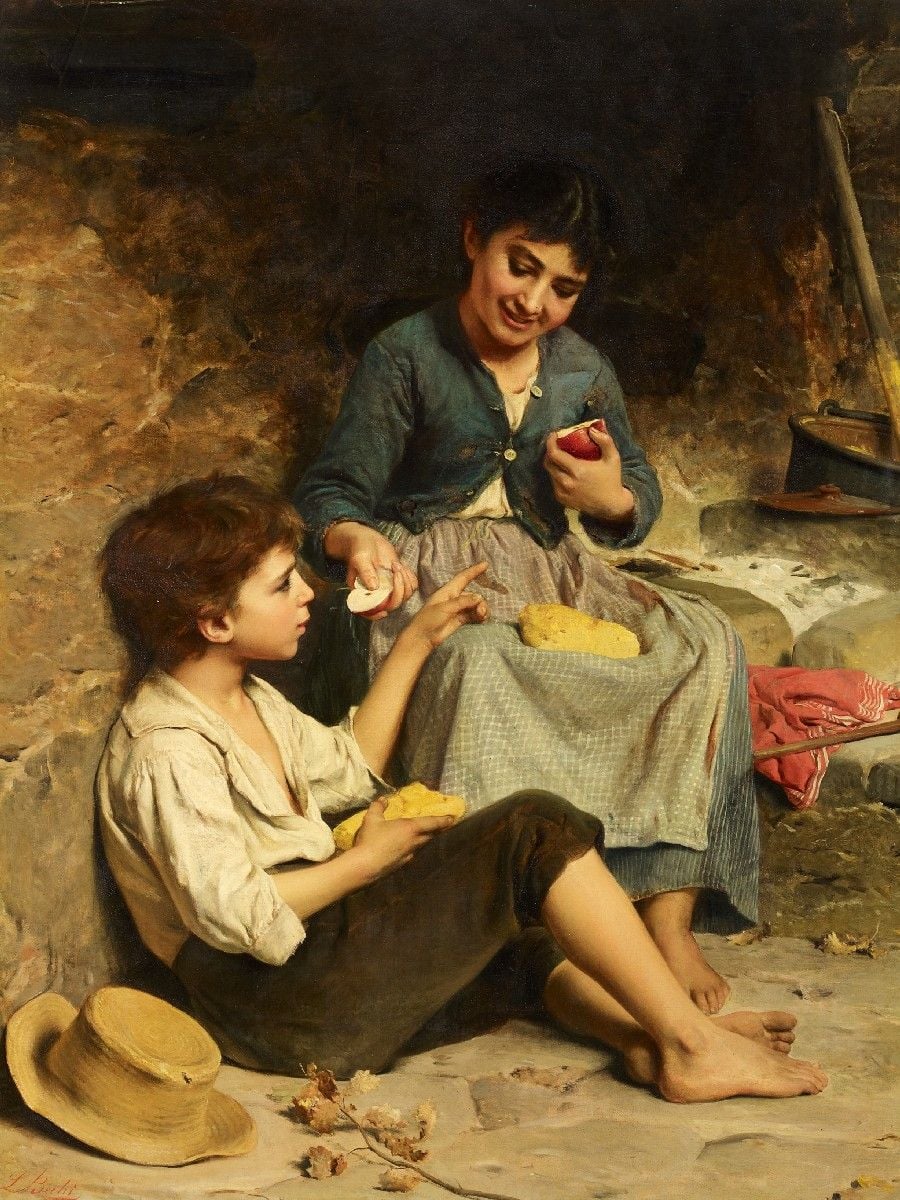
The Pilgrims at the 1621 Plymouth harvest celebration almost certainly had a morning drink, and it was very likely beer. Here’s the evidence from primary sources and historical context:
Beer was the standard breakfast beverage for English people in the early 17th century, including the Pilgrims (many of whom were Separatists from Scrooby, England). Water was often unsafe or distrusted, especially in new settlements, so even children and pregnant women drank “small beer” (low-alcohol, around 1–3% ABV).
The Mayflower’s cargo manifest and passenger accounts show they brought large quantities of beer. Edward Winslow’s letter (December 1621) mentions they were running dangerously low on beer by late 1621, implying it was a daily staple they were rationing.
William Bradford (governor of Plymouth) wrote in Of Plymouth Plantation that when the Mayflower arrived, the crew was anxious to leave because their beer was nearly gone—they considered beer essential for health and survival.
On the day of the 1621 harvest celebration itself, the Wampanoag guests (90+ men) arrived unexpectedly. The English served what beverages they had, and surviving accounts suggest beer was among them (along with whatever distilled spirits or wine remained).
Here are some of the ways in which government regulations impede economic growth:
Increased costs: Regulations can impose additional costs on businesses, which can affect their ability to operate efficiently and compete in the marketplace. For example, regulations can require businesses to invest in new technologies or processes to comply with environmental or safety standards, which can increase their expenses.
Reduced innovation: Some people believe that regulations can stifle innovation and entrepreneurship, as businesses may be hesitant to invest in new products or technologies that could be subject to strict regulations. This can limit the potential for new businesses to emerge and grow.
Slowed job growth: Regulations can increase the cost of doing business, which can lead to reduced hiring and slower job growth. This can be particularly challenging for small businesses that may not have the resources to comply with regulatory requirements.
Reduced competition: Regulations can sometimes create barriers to entry for new businesses, which can reduce competition and limit economic growth. This can be particularly true in industries that are heavily regulated, such as healthcare and finance.
Reduced trade: Regulations can make it more difficult for businesses to operate in international markets, as they may face additional regulatory requirements and trade barriers. This can limit economic growth and reduce opportunities for businesses to expand their operations.
It is important to note that regulations can also have benefits, such as protecting consumers and the environment, promoting fair competition, and fostering innovation. It’s essential to strike a balance between regulatory requirements and economic growth to ensure that businesses can thrive while also protecting public health and safety.
The U.S. Standards System effectively provides a “shadow government” that runs parallel to the elected government so that a balance of informed voices are present in formulating what Montesquieu called the “necessary laws”. See our ABOUT.
The Codex Alimentarius Commission regularly reviews and updates its standards and guidelines to reflect the latest scientific knowledge and technological advancements in the food industry. These standards are voluntary, but they serve as a reference for countries and international organizations when developing their own food safety and quality regulations. Compliance with Codex standards can facilitate international trade by ensuring that food products meet common criteria for safety and quality.
Some of the key areas addressed by Codex standards include:
Food safety:Codex sets standards for food contaminants, residues of pesticides and veterinary drugs, food additives, and microbiological criteria to ensure that food products are safe for consumption.
Food labeling:Codex provides guidelines on how food products should be labeled, including information on ingredients, nutrition, allergens, and more.
Food hygiene: It establishes principles and guidelines for food handling, processing, and storage to prevent foodborne illnesses.
Food quality:Codex standards also cover the quality attributes of various food products, including fruits, vegetables, and various processed foods.
Food additives:Codex regulates the use of food additives to ensure they are safe for consumption and serve a specific purpose in food production.
Residue limits:It sets maximum residue limits for various chemicals, such as pesticides and veterinary drugs, in food products to protect consumers from potential harm.
Remember how good National Geographic used to be? When I was a kid happening on a stack of these was like finding actual treasure. I used to read my grandpa's old ones, until one year I got a subscription for Christmas. It was like having the whole world at my fingertips. pic.twitter.com/RyDtDuxbnN
This content is accessible to paid subscribers. To view it please enter your password below or send mike@standardsmichigan.com a request for subscription details.
This content is accessible to paid subscribers. To view it please enter your password below or send mike@standardsmichigan.com a request for subscription details.
New update alert! The 2022 update to the Trademark Assignment Dataset is now available online. Find 1.29 million trademark assignments, involving 2.28 million unique trademark properties issued by the USPTO between March 1952 and January 2023: https://t.co/njrDAbSpwBpic.twitter.com/GkAXrHoQ9T