Tag Archives: WK29

Loading
loading..

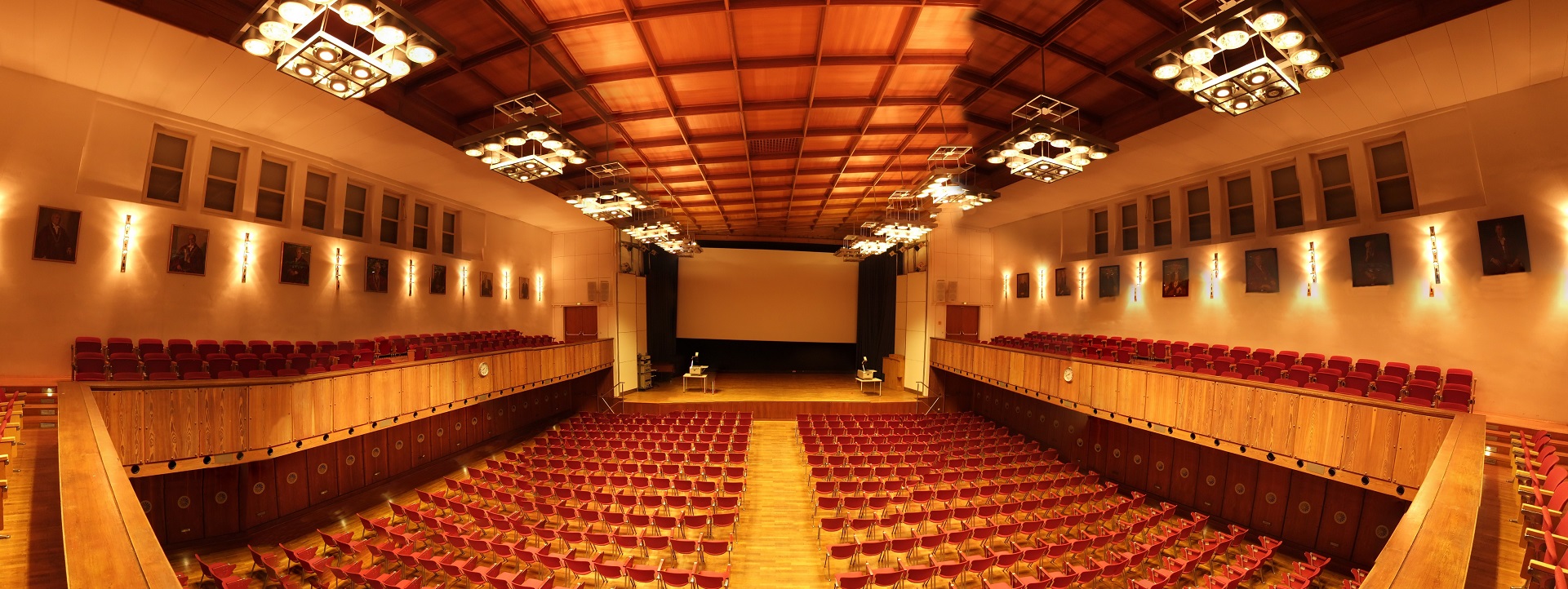
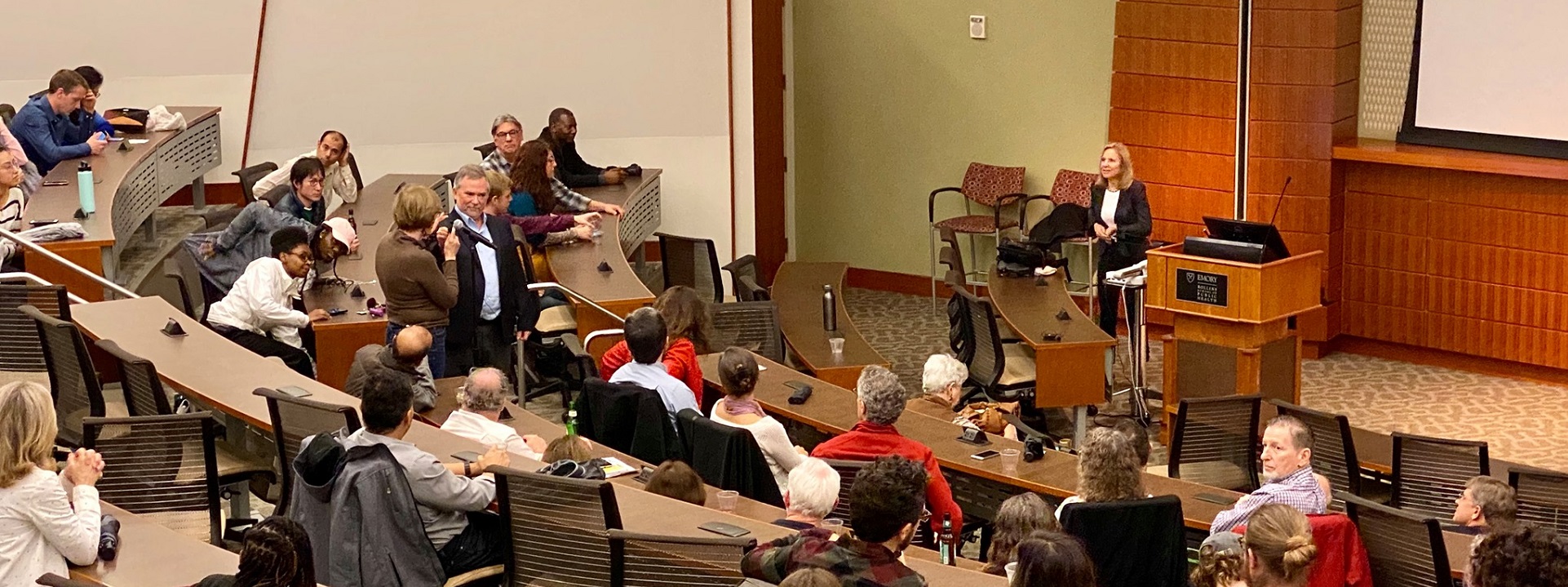
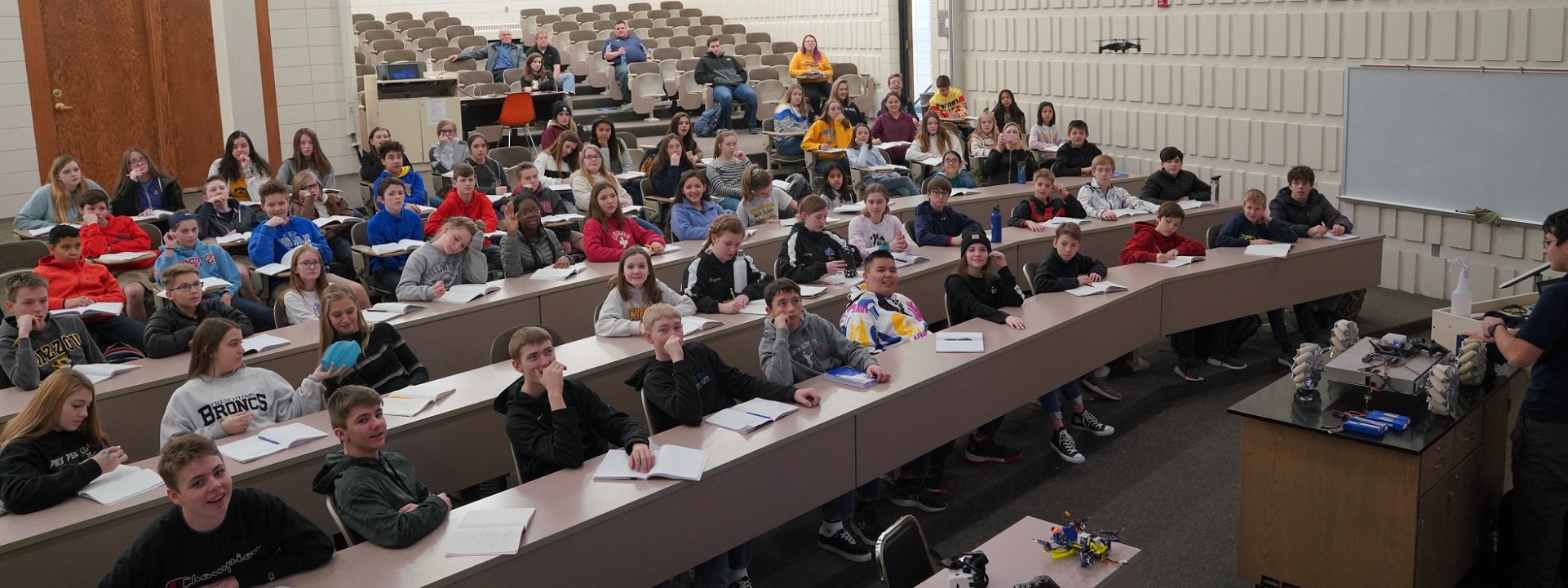
Classroom Acoustics

“Quiet people have the loudest minds.”
— Stephen Hawking

Donegan Acoustics

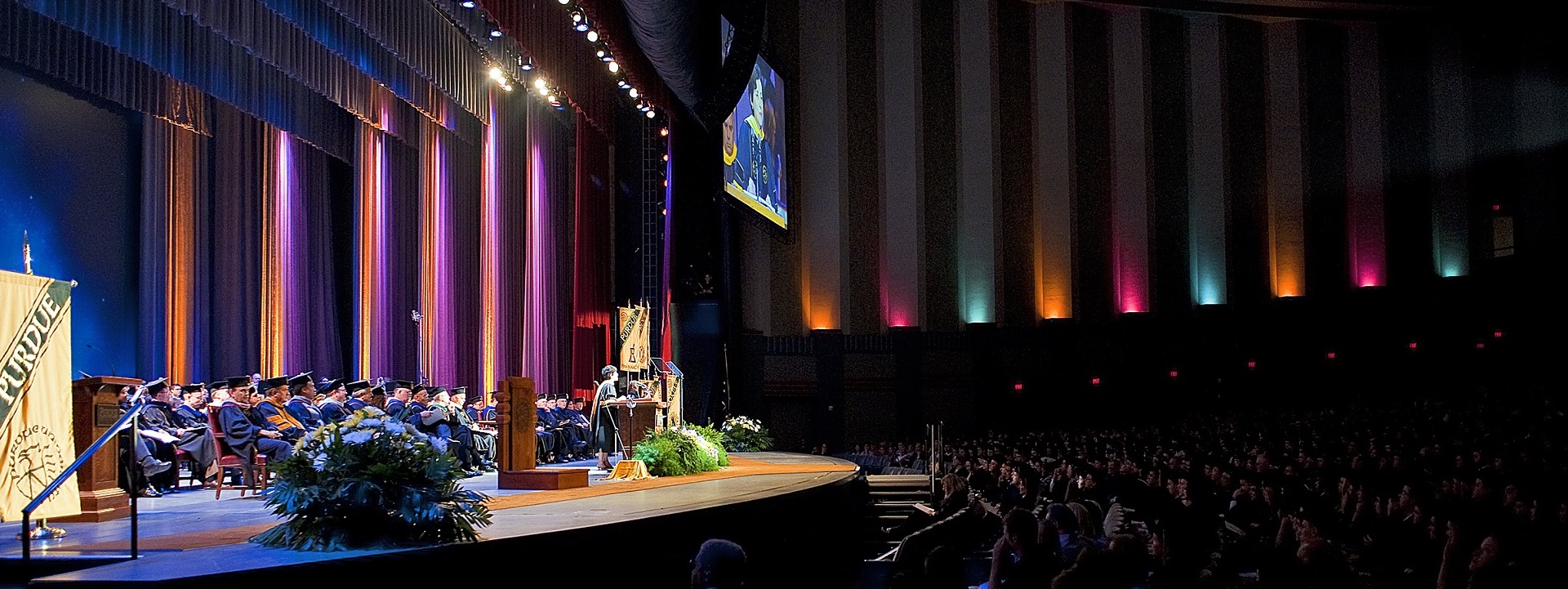
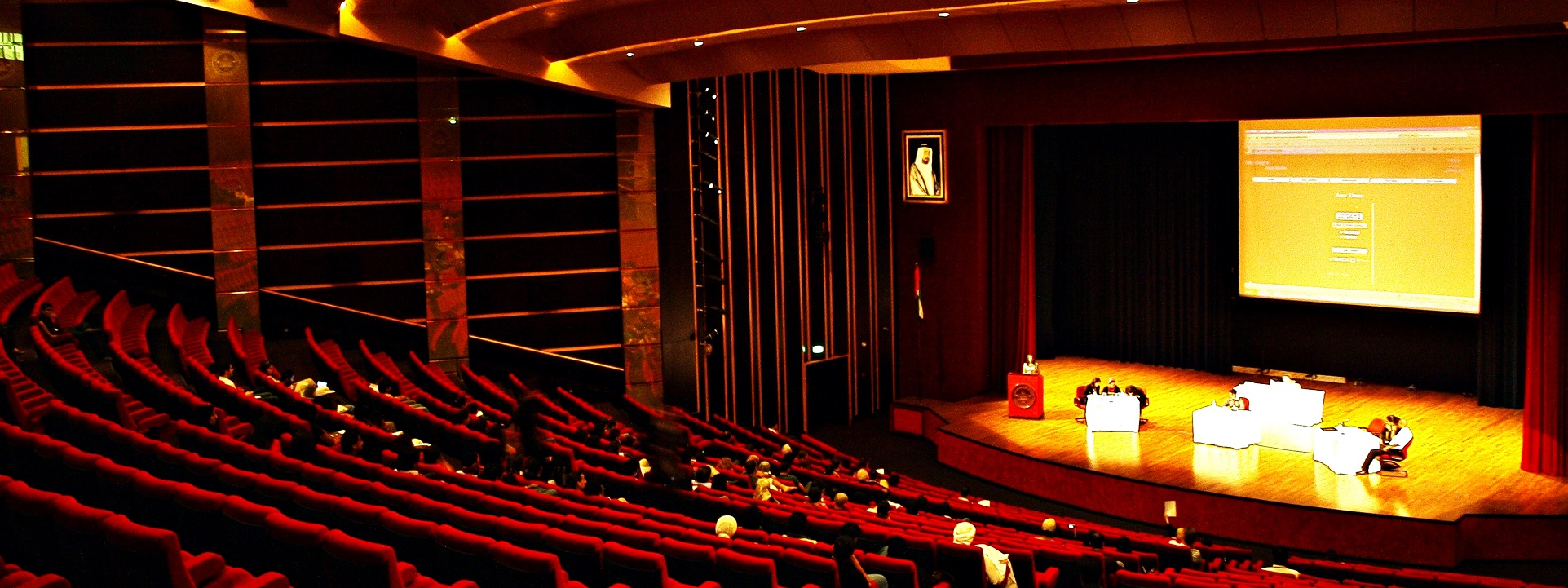
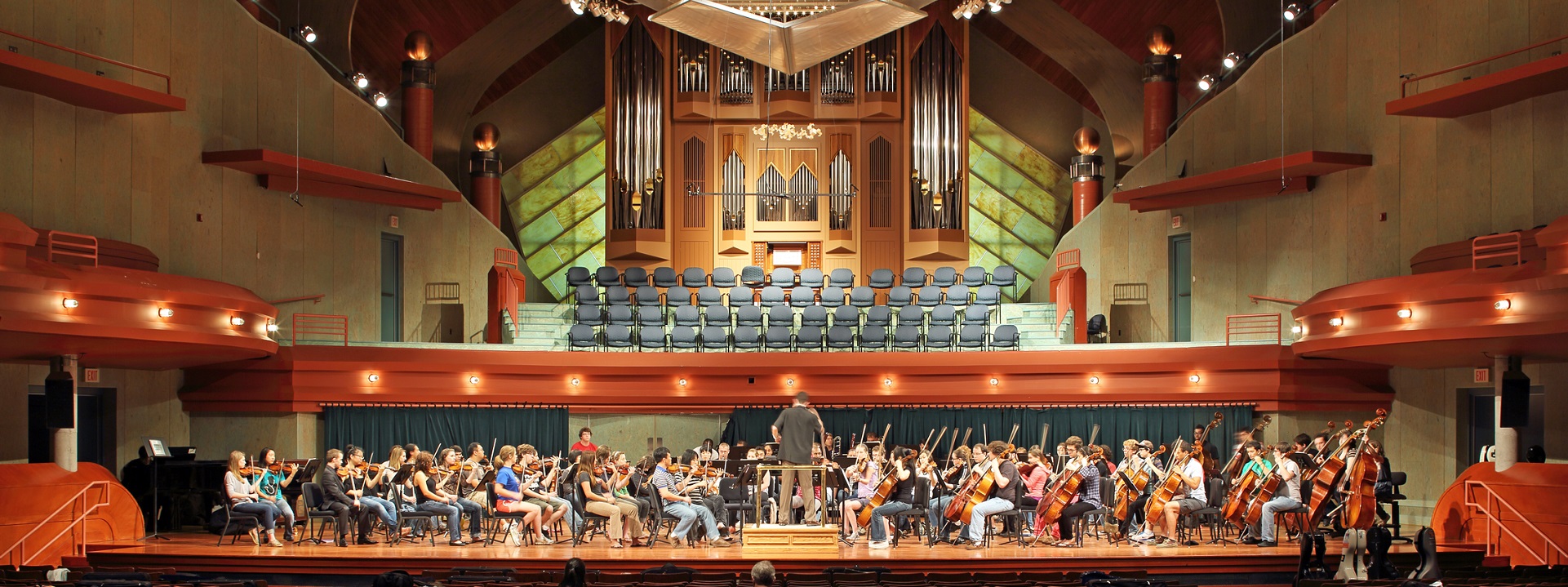
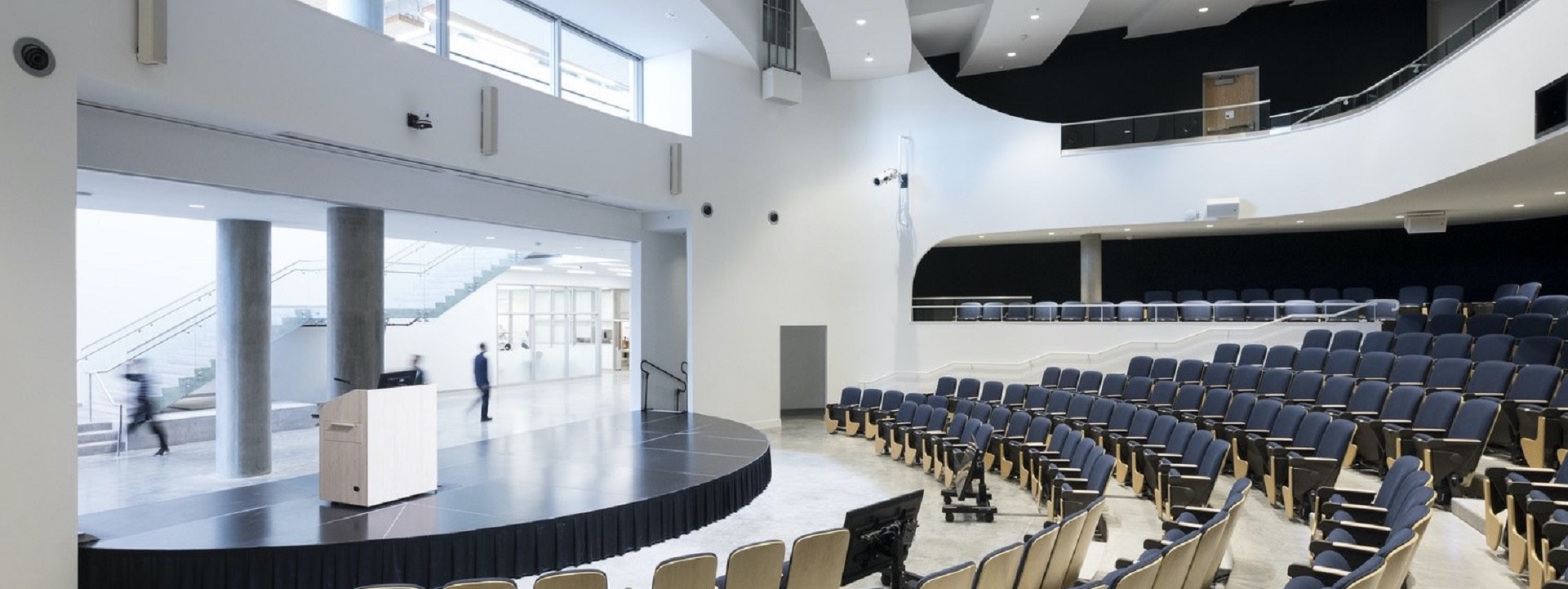
With acoustic considerations a substantial contributor to the effectiveness of learning spaces — classrooms, lecture hall, performance arts and athletic venues, etc.  — we follow action in the Acoustical Society of America (ASA) suite of ANSI-accredited standards.

ASA Standards Homepage

For example, building codes in the United States identify horizontal and vertical acoustic insulation between floors and between walls, respectively, as design considerations.   Section 1206.2 of the International Building Code deal with  horizontal and vertical wall sealant applications for “airborne sound” mitigation, for example.   Fire protection and mass notification systems identified in NFPA 72 and UL 2572 depend upon alarms actually being heard by the occupants underscore the importance of acoustic design.  When lively art spaces are also instructional spaces we seek to understand the standard of care for acoustic design of classroom spaces.   Of particular interest to us in the ASA bibliography is the title linked below:

ASA S12.60 Acoustical Performance Criteria, Design Requirements, and Guidelines for Schools, Part 2: Relocatable Classroom Factors.

This is a fairly stable standard; though other sound related technologies we cover in other sound related technologies (ISO TC/43 Acoustics and IEC Electroacoustics TC 29).  Last year’s update was required by ANSI and we had no comments to submit; absent queries from students, faculty and staff.  It is wise to keep it on our radar, however, given the step-change in education communities owed to the pandemic.

On your own you may communicate with Caryn Mennigke at ASA: (631) 390-0215, asastds@acousticalsociety.org.  The ASA uses ANSI Standards Action for issuing live public consultation notices.

Since acoustic technologies cut across many disciplines we maintain it on the standing agenda of our Construction, Lively Art and Nota Bene teleconferences.   See our CALENDAR next scheduled meeting; open to everyone.

Issue: [19-140]

Category: Academics, Architectural, #SmartCampus

Colleagues: Mike Anthony, Kristen Murphy


LEARN MORE:

Room acoustic design, measurement, and simulation techniques to reduce hospital noises within patients’ environment | Mojtaba Navvab,  University of Michigan

Acoustical/Performance Criteria, Design Requirements, and Guidelines for Schools   International Code Council

ASTM Standard E90, 2009 (2016). Standard Test Method for Laboratory Measurement of Airborne Sound Transmission Loss of Building Partitions and Elements


Study on the Relationship Between Speech Intelligibility and Quality Estimates in University Classrooms

Study on the Relationship Between Speech Intelligibility and Quality Estimates in University Classrooms


Study on the Relationship Between Speech Intelligibility and Quality Estimates in University Classrooms

Arkadiy Prodeus, et al

Abstract: In this paper, correlation coefficients between the five objective estimates of speech quality, on the one hand, and the Speech Transmission Index as speech intelligibility measure, on the other hand, were estimated. This comparison was performed using binaural room impulse responses corresponded to different points of the three university auditoriums of different sizes. Speech quality was assessed using intrusive speech quality measures: Segmental Signal-to-Noise Ratio, Logarithmic Spectral Distortion, Frequency-Weighted Segmental Signal-to-Noise Ratio, Bark Spectral Distortion, and Perceptual Evaluation of Speech Quality. The formation of signals distorted by reverberation was performed by convolving of pure signals with binaural room impulse responses of the premises. A high level of correlation (0.6-0.99) of Bark Spectral Distortion estimates with estimates of the Speech Transmission Index for rooms of different sizes was revealed. Correlation of estimates (0.65-0.98) of Frequency-Weighted Segmental Signal-to-Noise ratio with Speech Transmission Index estimates was observed for medium and large rooms. Significant correlation (0.96-0.99) of Perceptual Evaluation of Speech Quality with Speech Transmission Index estimates was observed only for large audiences. At the same time, estimates of the Segmental Signal-to-Noise Ratio and Logarithmic Spectral Distortion turned out to be practically uncorrelated with Speech Transmission Index estimates for all studied premises.

CLICK HERE to order complete paper

Sound Transmission

This content is accessible to paid subscribers. To view it please enter your password below or send mike@standardsmichigan.com a request for subscription details.

Elettrotecnico Lingua Franca

In our collaboration with the IEEE Education & Healthcare Facilities Committee we are sensitive to the point of view of our research and standards setting colleagues in other nations; among them CEN (European Committee for Standardization) and CENELEC (European Committee for Electrotechnical Standardization) are two standardization organizations in Europe, and they have some similarities and differences.

  • CEN develops standards for a wide range of products, services, and processes, including construction, consumer goods, food and agriculture, and many others.
  • CENELEC, on the other hand, focuses specifically on electrotechnical standards, including electrical equipment, electronic components, and telecommunications.

Another key difference between CEN and CENELEC is their membership. CEN has members from 34 European countries, including national standardization bodies, industry associations, and consumer organizations. CENELEC has members from 34 European countries as well, but they are limited to national electrotechnical committees, which are responsible for electrotechnical standardization in their respective countries.

Despite their differences, both CEN and CENELEC play important roles in the development and promotion of European standards, and their standards are widely recognized and used across Europe and beyond.  Its leadership committees meet this week in Brussels. CLICK HERE to access videolinks.

Electropedia: The World’s Online Electrotechnical Vocabulary

Art Studios

“De Schilderkonst” 1666 Johannes Vermeer

2024/2025/2026 ICC CODE DEVELOPMENT SCHEDULE


Last update: September 30 2021

Safety and sustainability for any facility begins with an understanding of who shall occupy the built environment and what they will be doing in it.  Since we are guiding young people toward their goal of building things that are useful and beautiful we select the International Building Code as a starting point for an occupancy that requires a more elevated concern for safety than a typical classroom.

2021 International Building Code Section 307 High Hazard Group H

High-hazard occupancies in each of the International Code Council code development groups A, B and C; fetch back to these classifications.

Public input for the 2024 International Building Code will be received until January 8, 2024.

For the purpose of formulating our own proposals we begin with the developmental transcripts of the previous code cycle. Recommended search terms: “Section 307”, “Studio”, “Classroom” “University” will give you a sample of the ideas in play.  The complete monograph is linked below:

2021 Group A Complete Proposed Changes Monograph (2306 Pages)

2021 PUBLIC COMMENT HEARING SCHEDULE September 21 – 26, 2021

Webcast: 2021 Group A Public Comment Hearings

Titles in the ICC catalog are relevant to nearly every study unit in our Syllabus.  See our CALENDAR for topics and do not be shy about clicking in any business day at 16:00 UTC (11 AM ET).


Issue: [18-166]

Category: Various

Colleagues: Mike Anthony, Marcelo Hirschler, Richard Robben


More

Mount Holyoke University: Safety Guide for Art Studios

Standard Methods of Fire Tests for Flame Propagation of Textiles and Films

IEEE: Textile humidity sensors

Fire at Pratt Institute Destroys Studios and Artwork of Students

Safety Guide for Art Studios

Princeton University Art Safety

The meaning of life is to find your gift. The purpose of life is to give it away. - Pablo Picasso

Control of Noise at Work

The Control of Noise at Work Regulations came into force for all industry sectors in Great Britain on 6 April 2006 (except for the music and entertainment sectors where they came into force on 6 April 2008).  The aim of the Noise Regulations is to ensure that workers’ hearing is protected from excessive noise at their place of work, which could cause them to lose their hearing and/or to suffer from tinnitus (permanent ringing in the ears).

The level at which employers must provide hearing protection and hearing protection zones is 85 dB(A) (daily or weekly average exposure) and the level at which employers must assess the risk to workers’ health and provide them with information and training is 80 dB(A). There is also an exposure limit value of 87 dB(A), taking account of any reduction in exposure provided by hearing protection, above which workers must not be exposed.

Standards impact industrial growth


Layout mode
Predefined Skins
Custom Colors
Choose your skin color
Patterns Background
Images Background
Standards Michigan
error: Content is protected !!
Skip to content