Tag Archives: WK29

Loading
loading..

Electrical installations and Protection Against Electric Shock

IEC 60364-1:2025 (6th edition, published September 5, 2025) replaces the 2005 edition (5th edition). This is a major technical revision with significant changes which we will cover throughout 2026 — after NESC and NEC work

“View of Lake Geneva” 1881 Gustave Courbet

Technical Committee 64 develops the International Electrotechnical Commission consensus product that covers similar territory for the global electrical power industry as NFPA 70 (National Electrical Code).   Keep in mind that the safety traditions of the NFPA suite of consensus products are inspired by fire safety considerations.   IEC 60363 Electrical installations and protection against electric shock — the parent document that applies to the wiring systems of education and healthcare facilities — was inspired from voltage safety.

TC 64 Strategic Business Plan

The scope of IEC 60364 is reproduced below:

– concerning protection against electric shock arising from equipment, from installations and from systems without limit of voltage,
– for the design, erection foreseeable correct use and verification of all kind of electrical installations at supply voltage up to 1 kV a.c or 1,5 kV d.c., except those installations covered by the following IEC committees: TC 9, TC 18, TC 44, TC 97, TC99
– in co-ordination with TC 99, concerning requirements additional to those of TC 99 for the design, erection and verification of electrical installations of buildings above 1kV up to 35kV.

The object of the standards shall be:
– to lay down requirements for installation and co-ordination of electrical equipment
– to lay down basic safety requirements for protection against electric shock for use by technical committees
– to lay down safety requirements for protection against other hazards arising from the use of electricity
– to give general guidance to IEC member countries that may have need of such requirements
– and to facilitate international exchanges that may be hampered by differences in national regulations.

The standards will not cover individual items of electrical equipment other than their selection for use. Safety Pilot Function: Protection against electric shock.

IEC Preview 60364-1

KUPDF Commentary on 60364 and comparisons with NFPA 70 National Electrical Code

Since neither the USNA National Committee to the IEC (USNA/IEC), nor the US Technical Advisory Administrator (National Electrical Manufacturers Association) has a workspace set up for responding to IEC 60364 calls for public comment, we set one up for ourselves several years ago for education facility and electrical engineering faculty and students:

IEC | USNA IEC Workspace | Updated 12 June 2023

Note that anyone in the world is welcomed to comment upon IEC documents, contingent upon obtaining (free) login credentials.  To review the the strike-and-bold you will need login credentials.   Alternatively, you may click in to the 4-times monthly teleconferences of the IEEE Education & Healthcare Facilities Committee.  See our CALENDAR for the next online meeting.

Colleagues: Mike Anthony, Jim Harvey, Massimo Mittolo, Giuseppe Parise
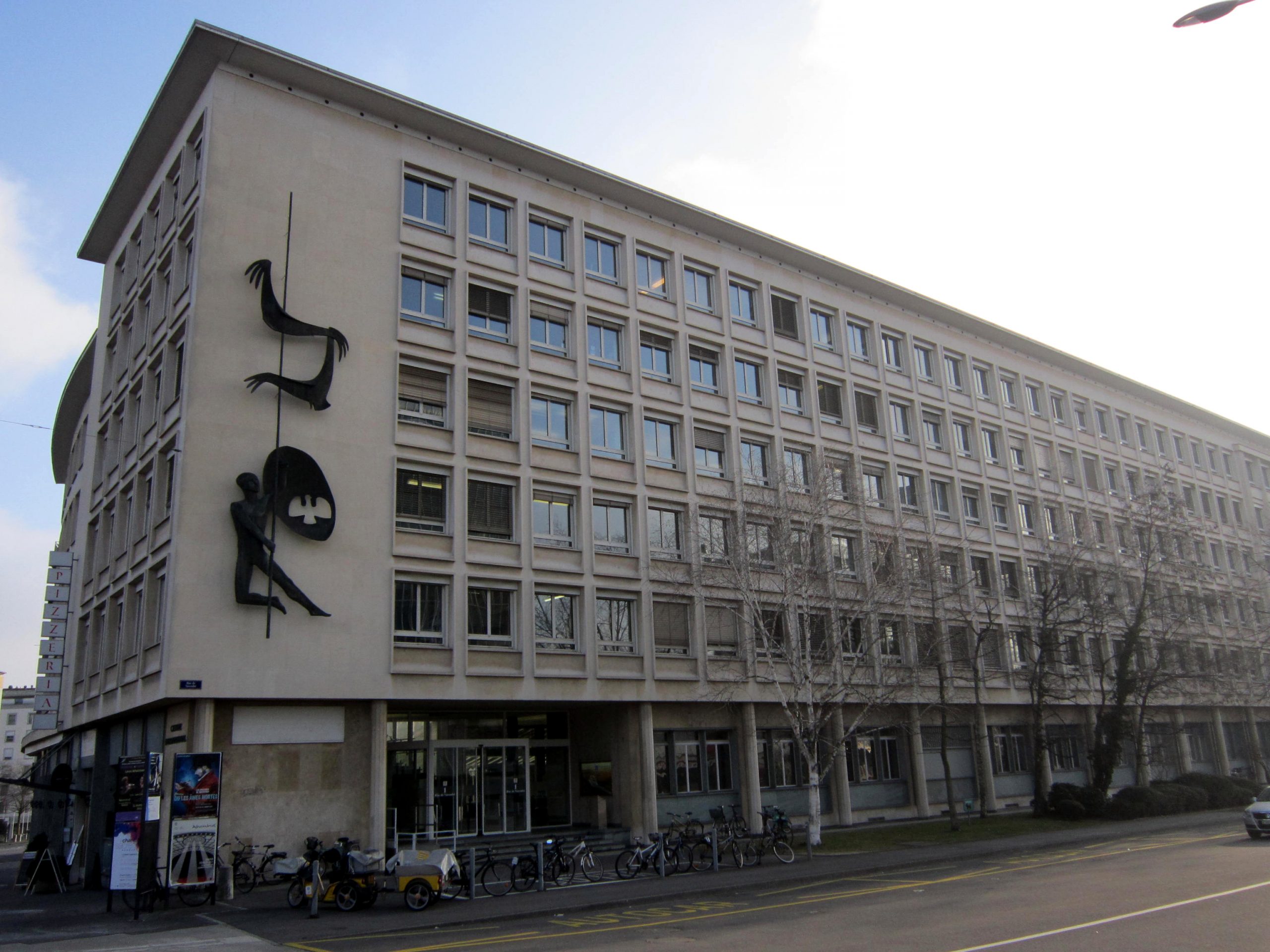
International Electrotechnical Commission – Central Office – Geneva

Elettrotecnico Lingua Franca

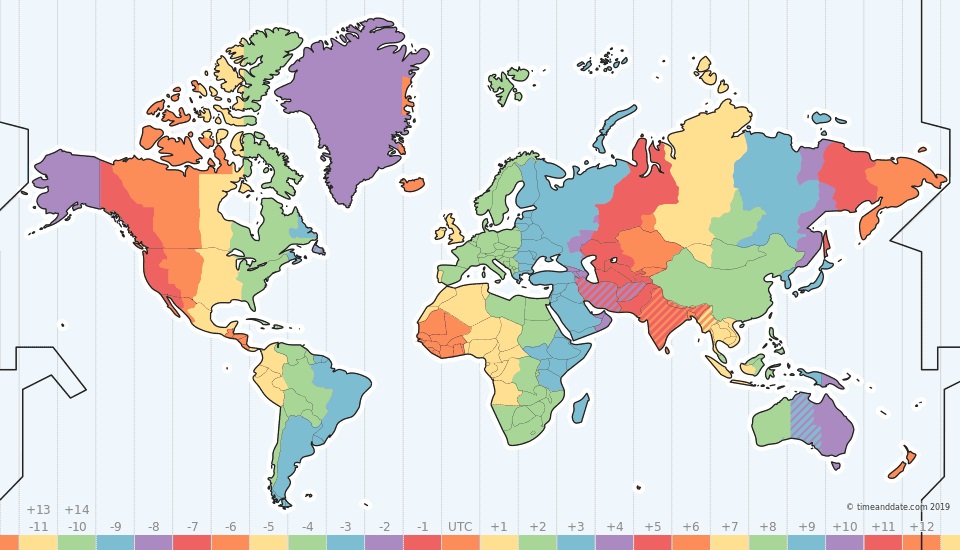
Date & Time: Representations For Information Interchange

“A Philosopher Lecturing on the Orrery” | Joseph Wright (1766)

Most nations follow the day/month/year format (07/01/19 for January 7, 2019, for example), but the United States adheres to its own format of month/day/year (1/7/19 or 1/7/2019).   The potential for misinterpreting dates across national boundaries is the logic for ISO 8601:2019 – Data Elements And Interchange Formats – Information Interchange – Representation Of Dates And Times, the ISO format for dates represents year, month, and day from the largest unit to the smallest, most specific unit of time.  The ISO date format is the date format used in SQL and is the default date setting on many computers.

ISO 8601-1:2019 Date And Time – Representations For Information Interchange – Part 1: Basic Rules

CLICK ON IMAGE FOR INTERACTIVE MAP


More

Time and Date

How the ISO Date Format Tells Today

ISO Date Format

Date and time formats used in HTML

Making Greenwich the centre of the world

Public Art Program


More

Texas Education Agency: Fine Arts Standards

Texas Tech: School of Art

Texas Tech: Facilities Planning & Construction

Fine Arts 300

“Public art is form of street life, a means to articulate the implicit values of a city when its users occupy the place of determining what the city is.” — Malcolm Miles

Museum Collections Security


Several universities host federal enterprises (laboratories, wildlands, Presidential libraries*, etc.) that must conform to Title 40 United States Code, Public Buildings, Property, and Works Paragraph 486(c) provides statutory authority for the head of each executive agency to issue orders and directives necessary to manage the Government’s property. 

Code of Federal Regulations (CFR) 41 Federal Property Management Regulations Part 101, Subpart 20.5 “Physical Protection”, prescribes policies and methods for physically protecting buildings and grounds operated by GSA and other Federal Executive agencies. The Department of the Interior’s property management regulations are in Part 114 of CFR 41.

Museum Management Chapter 14: Museum Collections Security

Museum Lighting & Lighting for Fine Art

Cultural Resource Properties

Standard Methods of Fire Tests for Flame Propagation of Textiles and Films

* There are only a few education communities that host Presidential Libraries:

Herbert Hoover Presidential Library and Museum – West Branch, Iowa (Hoover Institution, Stanford University)

Lyndon B. Johnson Presidential Library and Museum – Austin, Texas (The University of Texas at Austin)

Gerald R. Ford Presidential Library and Museum – Ann Arbor, Michigan (The University of Michigan)

George H. W. Bush Presidential Library and Museum – College Station, Texas (Texas A&M University)


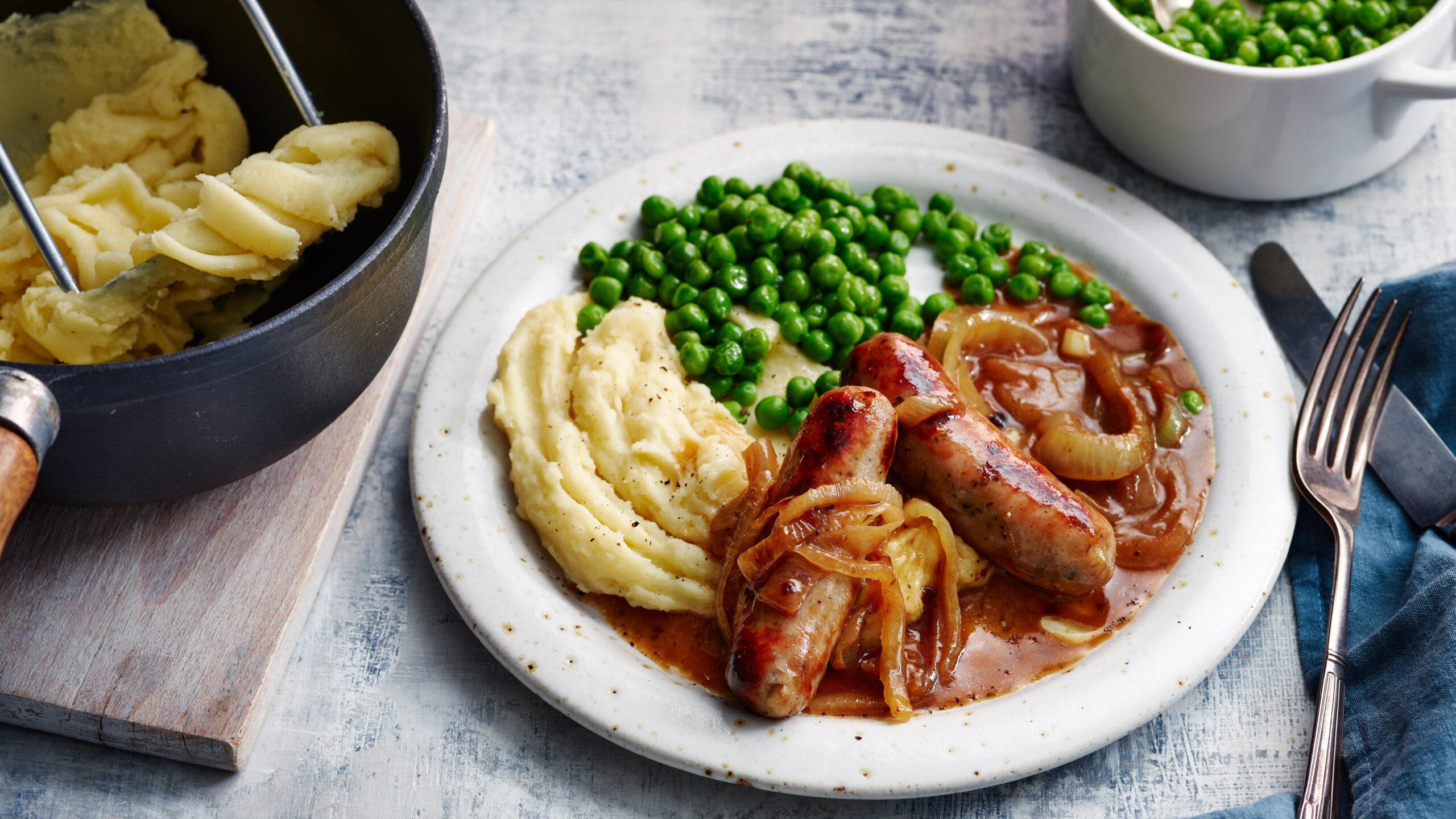
Bangers and Mash

University of New England Financial Report 2022 | ($30.81M)

Classic British comfort food.  The origin of the recipe can be traced back to the United Kingdom in the mid-20th century. The dish’s name, “bangers,” comes from the habit of sausages bursting open (banging) while cooking due to their high water content, particularly during World War II when meat was scarce, and fillers were added to sausages.

The popularity of sausages and mashed potatoes as a meal likely dates back much further in British culinary history. Sausages have been a part of British cuisine for centuries, and mashed potatoes have been consumed in the UK since potatoes were introduced to Europe in the 16th century.  It has long since become the go-to meal for college students seeking a satisfying, simple, and budget-friendly option during their academic years.

Ingredients:

Pork sausages (traditional British bangers)
Potatoes (such as Russet or Yukon Gold)
Butter
Milk or cream
Salt and pepper to taste
Onion gravy (optional, for serving)

Instructions:

Start by preparing the sausages. You can grill, pan-fry, or oven-bake them until they are cooked through and nicely browned.

While the sausages are cooking, peel and chop the potatoes into chunks. Place them in a pot of salted water and bring to a boil. Cook until the potatoes are tender and can easily be pierced with a fork.

Drain the potatoes and return them to the pot. Mash the potatoes using a potato masher or a potato ricer.

Add butter and a splash of milk or cream to the mashed potatoes, and continue mashing until you achieve your desired consistency. Season with salt and pepper to taste.

Serve the cooked sausages on top of the mashed potatoes, and if desired, pour onion gravy over the dish.

The History of “Bangers and Mash” as a College Meal:

Simplicity: The dish is easy to prepare, requiring basic cooking skills and readily available ingredients, making it ideal for students who may have limited cooking facilities or time.

Affordability: Sausages and potatoes are often budget-friendly ingredients, making “Bangers and Mash” a cost-effective meal for students on tight budgets.

Comfort and Nostalgia: The dish’s hearty and comforting nature brings a sense of nostalgia and home-cooked goodness to college students, especially those living away from home for the first time.

Social Meal: “Bangers and Mash” is a dish that can be shared with friends or hallmates, making it a popular choice for communal meals in college dormitories or shared kitchens.

Overall, “Bangers and Mash” has not only been a staple in British cuisine but also a go-to meal for college students seeking a satisfying, simple, and budget-friendly option during their academic years.

Standards Australia

Museum Lighting 101

“I feel that art has something to do with the

achievement of stillness in the midst of chaos. “

— Saul Bellow

Museum Lighting & Lighting for Fine Art

Baseball Lighting

The College World Series begins this weekend in Omaha between Louisiana State University and Coastal Carolina.


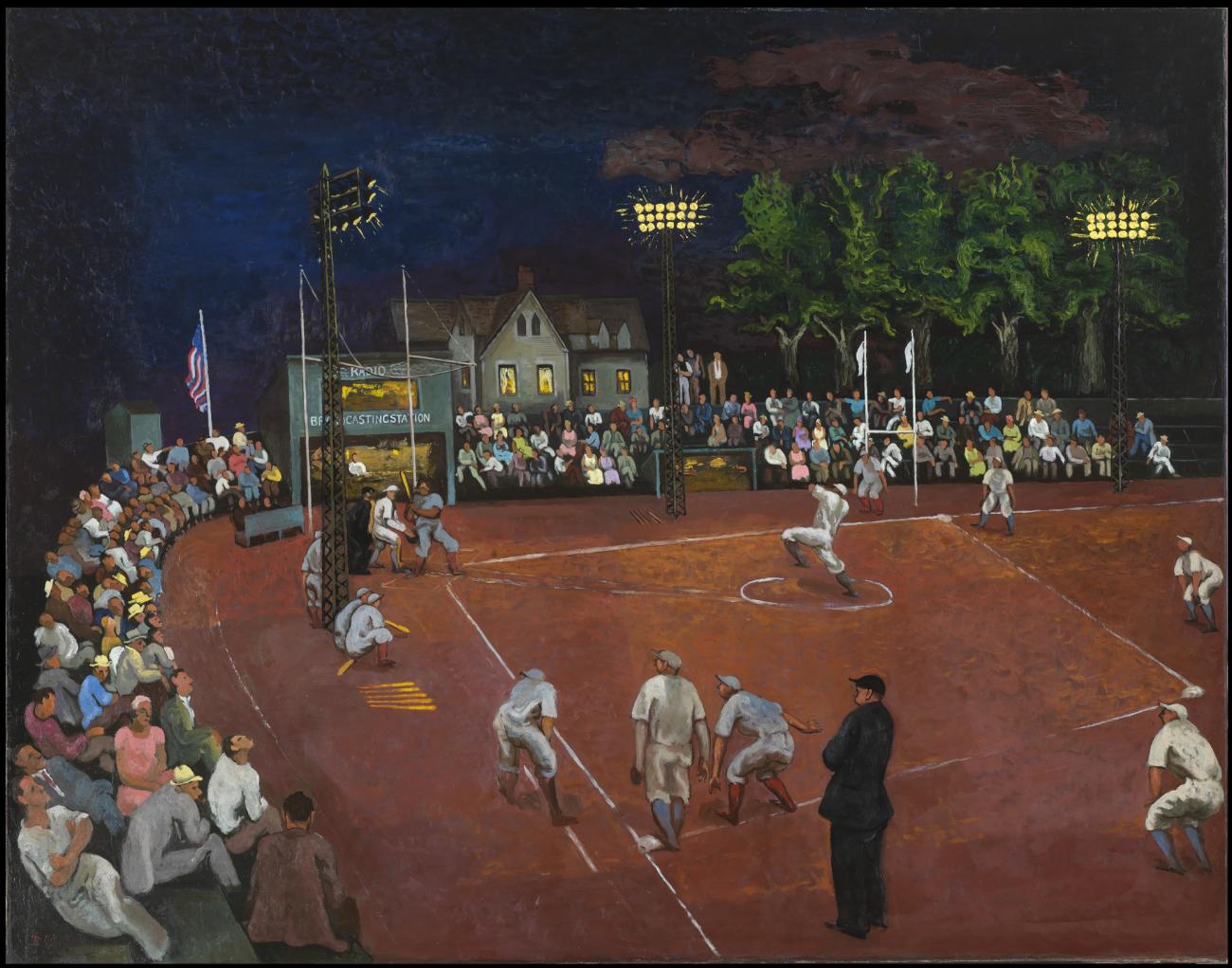
Baseball is a pastoral game and lighting changed the experience of it. Since a baseball is less than 3-inches in diameter and routinely travels 400 feet at 100 miles per hour, illumination design must have outfielders in mind as well as other players and spectators.

“Baseball at Night” | Morris Kantor (1934)


“Baseball is ninety percent mental

and the other half is physical.”

– Yogi Berra


After athletic facility life safety obligations are met (governed legally by NFPA 70, NFPA 101, NFPA 110,  the International Building Code and possibly other state adaptations of those consensus documents incorporated by reference into public safety law) business objective standards may come into play.  For business purposes, the documents distributed by the National Collegiate Athletic Association inform the standard of care for individual athletic arenas so that swiftly moving media production companies have some consistency in power sources and illumination as they move from site to site.  Sometimes concepts to meet both life safety and business objectives merge.


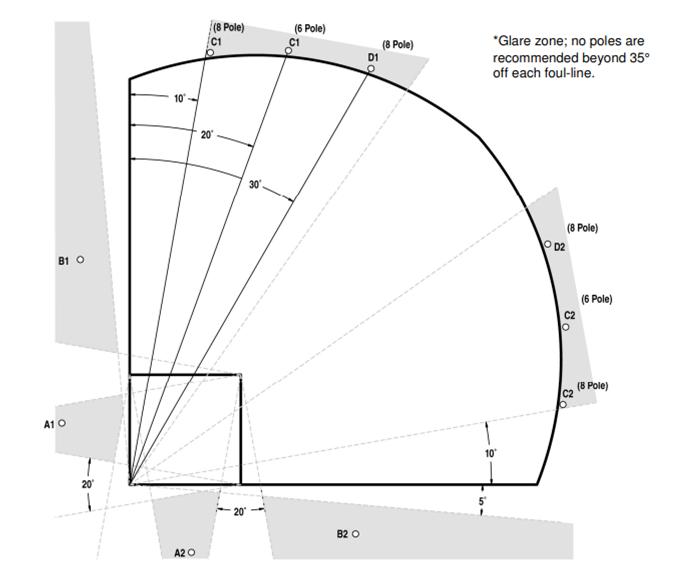
During the spring baseball season the document linked below provides guidance for illumination designers, contractors and facility managers:

NCAA Best Lighting Practices

Athletic programs are a significant source of revenue and form a large part of the foundation of the brand identity of most educational institutions in the United States.   We focus primarily upon the technology standards that govern the safety, performance and sustainability of these enterprises.  We cover the objectives of the energy conservation advocates in separate posts; notably advocates using the International Code Council and the ASHRAE suite to advance their agenda to press boxes and the entire baseball experience (interior and exterior) site in separate posts.

We collaborate very closely with the IEEE Education & Healthcare Facilities Committee where subject matter experts in electrical power systems meet 4 times each month in the Americas and Europe.

See our CALENDAR for our next Sport colloquium  We typically walk through the safety and sustainability concepts in play; identify commenting opportunities; and find user-interest “champions” on the technical committees who have a similar goal in lowering #TotalCostofOwnership.

Issue: [15-138]*

Category: Electrical, Energy Conservation, Energy,  Athletics & Recreation

Colleagues: Mike Anthony, Jim Harvey, Jose Meijer, Scott Gibbs, George Reiher


More

Comparison of MH and LED performance for sport lighting application

A novel smart energy management system in sports stadiums

Tracking pitches for broadcast television

Stadium Lights

Outdoor Lighting Design Guide

Sport Lighting


Rightsizing Electrical Power Systems

Standards Michigan, spun-off in 2016 from the original University of Michigan Business & Finance Operation, has peppered NFPA 70 technical committees writing the 2016-2026 National Electric Code with proposals to reduce the size of building premise feeder infrastructure; accommodating the improvements made in illumination and rotating machinery energy conservation since the 1980’s (variable frequency drives, LED lighting, controls, etc.)

These proposals are routinely voted down in 12-20 member committees representing manufacturers (primarily) though local inspection authorities are complicit in overbuilding electric services because they “bill by the service panel ampere rating”.  In other words, when a municipality can charge a higher inspection fee for a 1200 ampere panel, what incentive is there to support changes to the NEC that takes that inspection fee down to 400 amperes?

The energy conservation that would result from the acceptance of our proposals into the NEC are related to the following: reduced step down transformer sizes, reduced wire and conduit sizes, reduced panelboard sizes, reduced electric room cooling systems — including the HVAC cooling systems and the ceiling plenum sheet metal carrying the waste heat away.   Up to 20 percent energy savings is in play here and all the experts around the table know it.   So much for the economic footprint of the largest non-residential building construction market in the United States — about $120 billion annually.

The market incumbents are complicit in ignoring energy conservation opportunity.  To paraphrase one of Mike Anthony’s colleagues representing electrical equipment manufacturers:

“You’re right Mike, but I am getting paid to vote against you.”

NFPA Electrical Division knows it, too.

University of Michigan


Rightsizing Commercial Electrical Power Systems: Review of a New Exception in NEC Section 220.12

Michael A. AnthonyJames R. Harvey

University of Michigan, Ann Arbor

Thomas L. Harman

University of Houston, Clear Lake, Texas

For decades, application of National Electrical Code (NEC) rules for sizing services, feeders and branch circuits has resulted in unused capacity in almost all occupancy classes. US Department of Energy data compiled in 1999 indicates average load on building transformers between 10 and 25 percent. More recent data gathered by the educational facilities industry has verified this claim. Recognizing that aggressive energy codes are driving energy consumption lower, and that larger than necessary transformers create larger than necessary flash hazard, the 2014 NEC will provide an exception in Section 220.12 that will permit designers to reduce transformer kVA ratings and all related components of the power delivery system. This is a conservative, incremental step in the direction of reduced load density that is limited to lighting systems. More study of feeder and branch circuit loading is necessary to inform discussion about circuit design methods in future revisions of the NEC.

CLICK HERE for complete paper

University of Houston

2026 National Electrical Code Workspace

Layout mode
Predefined Skins
Custom Colors
Choose your skin color
Patterns Background
Images Background
Standards Michigan
error: Content is protected !!
Skip to content