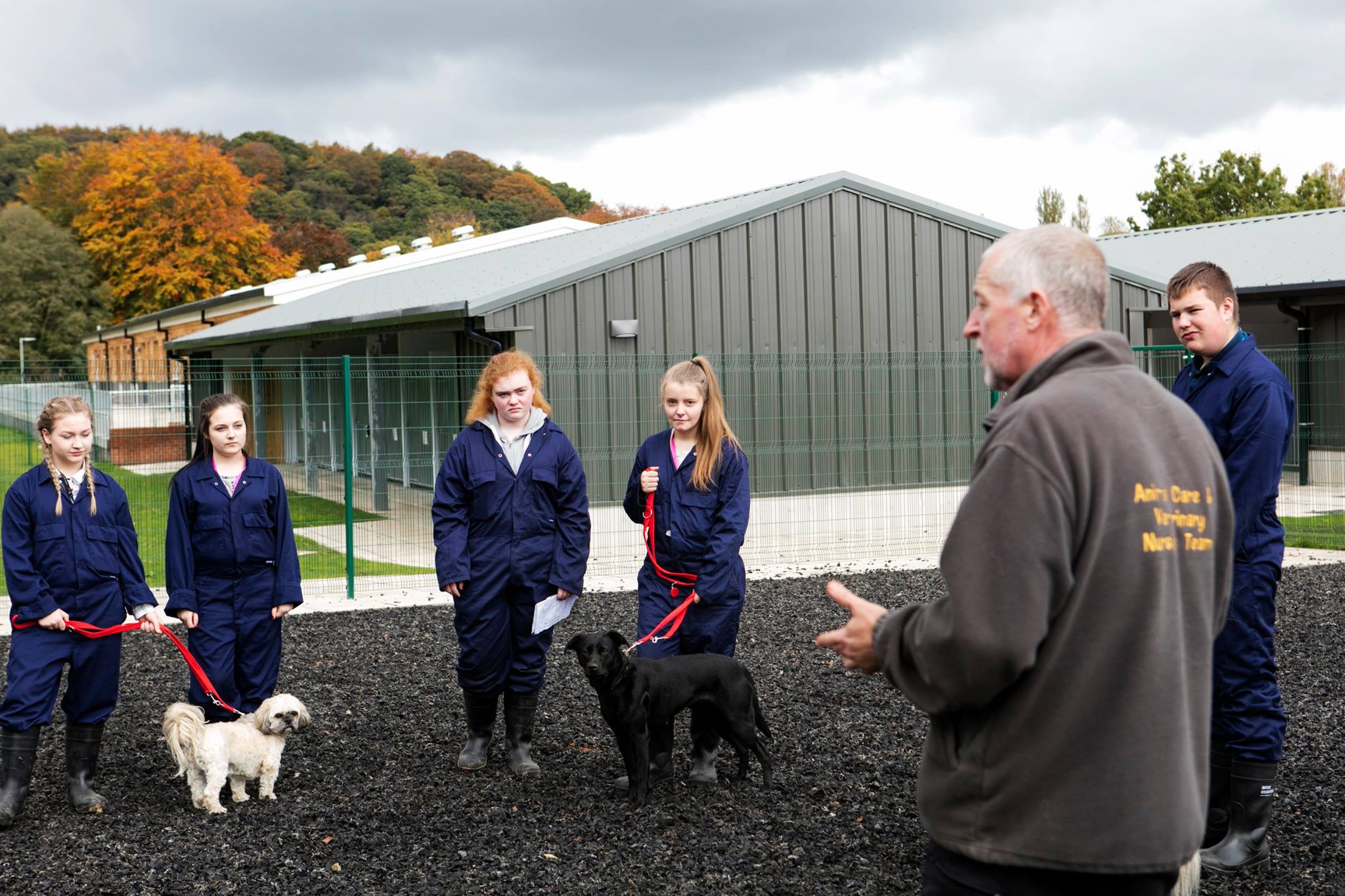

Had a wonderful time at Equestrian Center Open House @lakeeriecollege @LECEquine . Great opportunity for students to see what happens here and to meet the horses. pic.twitter.com/mIcRh0IGD4
— Kathleen Skledar (@KSkledar) September 13, 2024
Equestrian competitions are governed by a variety of standards and regulations that ensure fairness, safety, and consistency. Here are some of the key standards that apply to different types of equestrian competition:
General Standards
- Equine Welfare: Ensuring the health and well-being of horses is a priority. This includes regular veterinary checks, proper nutrition, and humane treatment.
- Safety: Regulations are in place to protect both riders and horses. This includes wearing appropriate safety gear, such as helmets and body protectors.
- Fair Competition: Rules are established to ensure fair play, including regulations about equipment, attire, and conduct.
Dressage
- Test Protocols: Riders perform predefined movements and patterns. The tests are scored based on accuracy, smoothness, and the horse’s response.
- Judging Criteria: Judges assess the horse’s gaits, submission, and overall harmony between horse and rider.
- Scoring System: A numerical scoring system is used, with each movement receiving a score that contributes to the overall total.
Show Jumping
- Course Design: Courses are designed with a specific number and type of jumps, including verticals, spreads, and combinations.
- Time and Faults: Riders are judged on their ability to complete the course without knocking down rails (faults) and within the allotted time.
- Penalty System: Points are deducted for faults, such as refusals, knockdowns, or exceeding time limits.
Eventing
- Three Phases: Eventing includes dressage, cross-country, and show jumping. Each phase is scored separately, and the cumulative score determines the overall standings.
- Cross-Country: Riders must navigate a course with natural obstacles and fences, with penalties for refusals or exceeding the time limit.
- Safety and Endurance: Emphasis is placed on the horse’s fitness and the rider’s ability to manage both speed and stamina.
Driving
- Turnout Standards: Horses and carriages must meet specific standards for appearance and condition.
- Dressage Phase: Similar to dressage in riding, this phase includes a test of precision and obedience.
- Marathon Phase: This phase involves navigating a course with obstacles, testing endurance and driving skill.
- Cones Phase: Drivers must maneuver through a series of cones without knocking them over, demonstrating accuracy and control.
Western Riding
- Reining: Riders perform a pattern of circles, spins, and stops, judged on smoothness, precision, and control.
- Cutting: The rider must separate a cow from a herd and work it independently within a set time, demonstrating the horse’s responsiveness and agility.
- Roping: Includes events like team roping and calf roping, where riders demonstrate their roping skills and coordination with the horse.
Endurance
- Distance and Terrain: Races cover long distances over varied terrain, requiring both horse and rider to demonstrate stamina and navigational skills.
- Vet Checks: Regular veterinary inspections ensure the horse’s health throughout the event.
- Pace and Recovery: Riders must manage their horse’s pace and recovery times to complete the course successfully.

Standards Michigan Category: Animal Safety