Category Archives: Drink

Loading
loading...

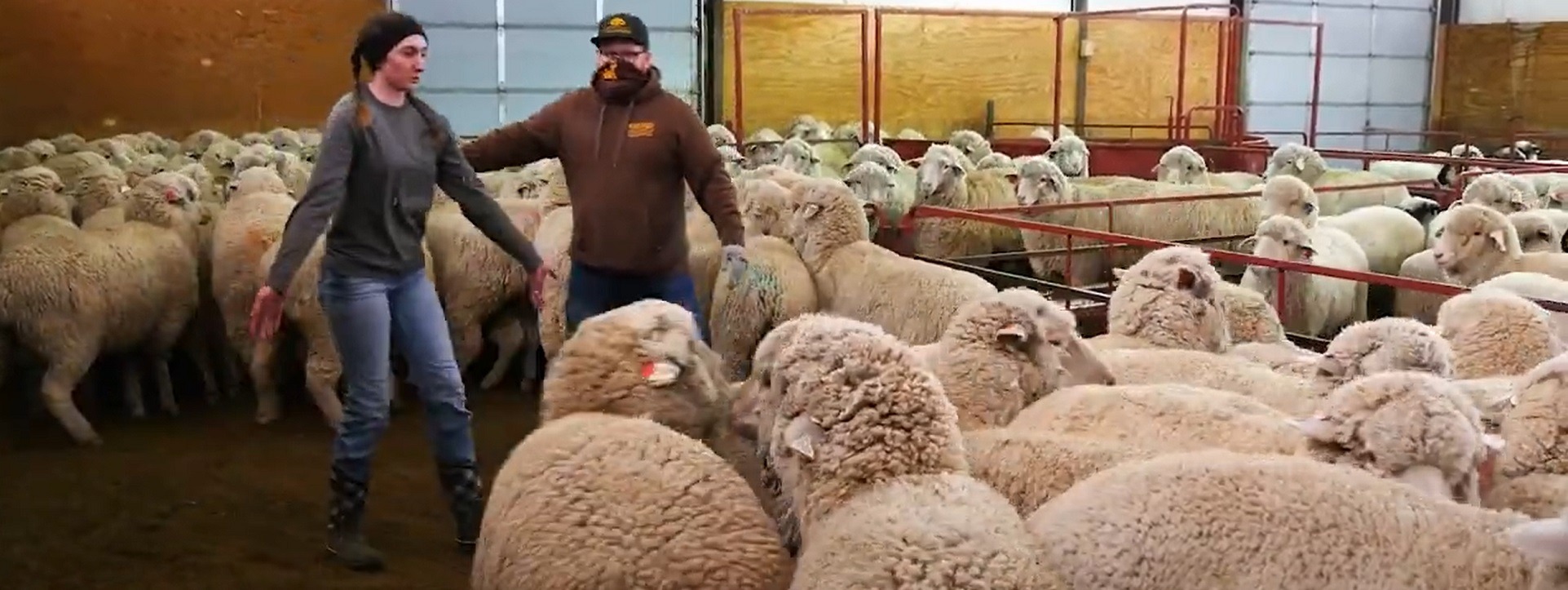
Cowboy Coffee

“We wish to suggest a structure

for the salt of deoxyribose nucleic acid (DNA).

This structure has novel features

which are of considerable biological interest….”

James Watson | “Nature” April 1953
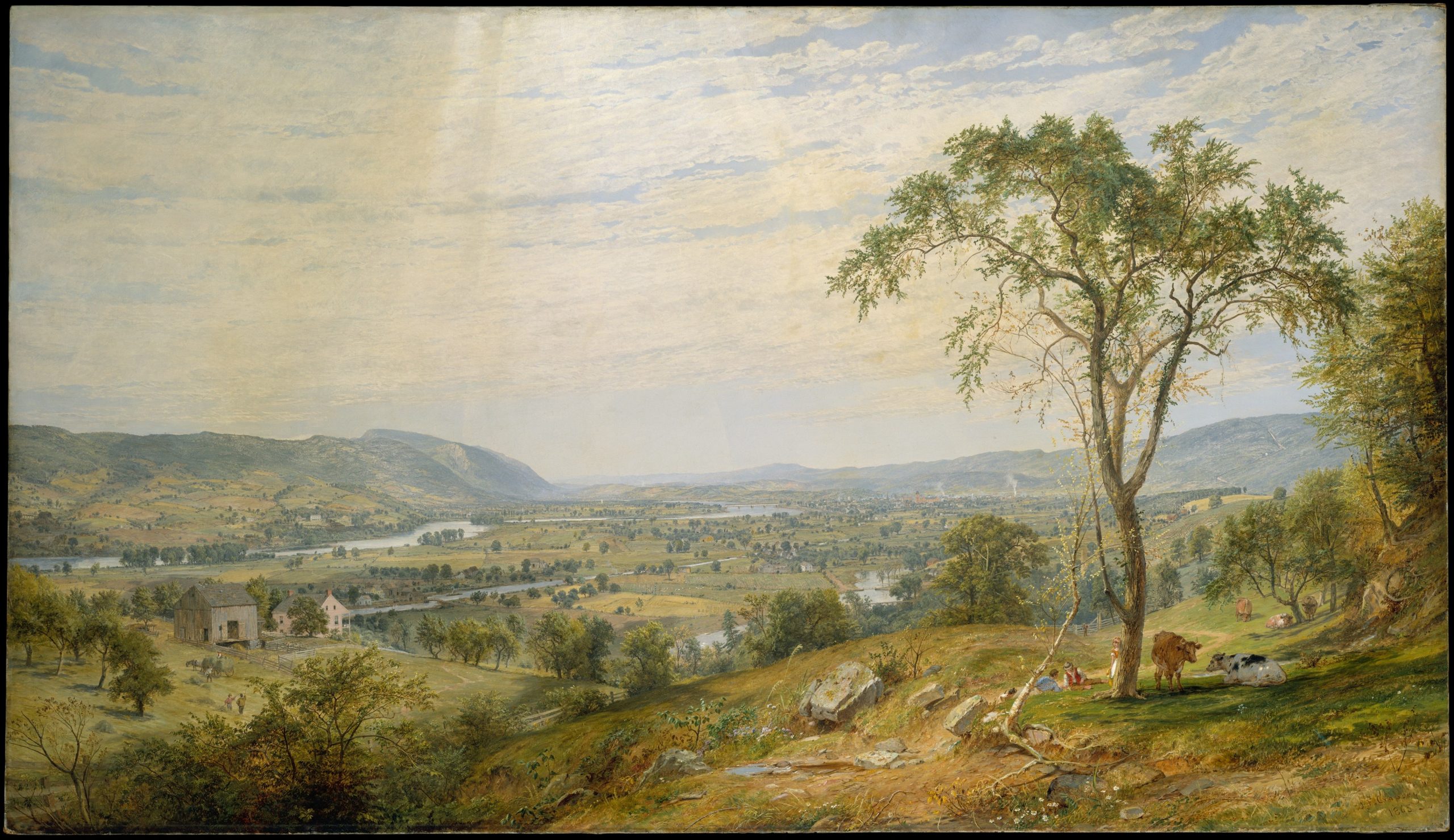
“The Valley of Wyoming” 1865 Jasper Cropsey

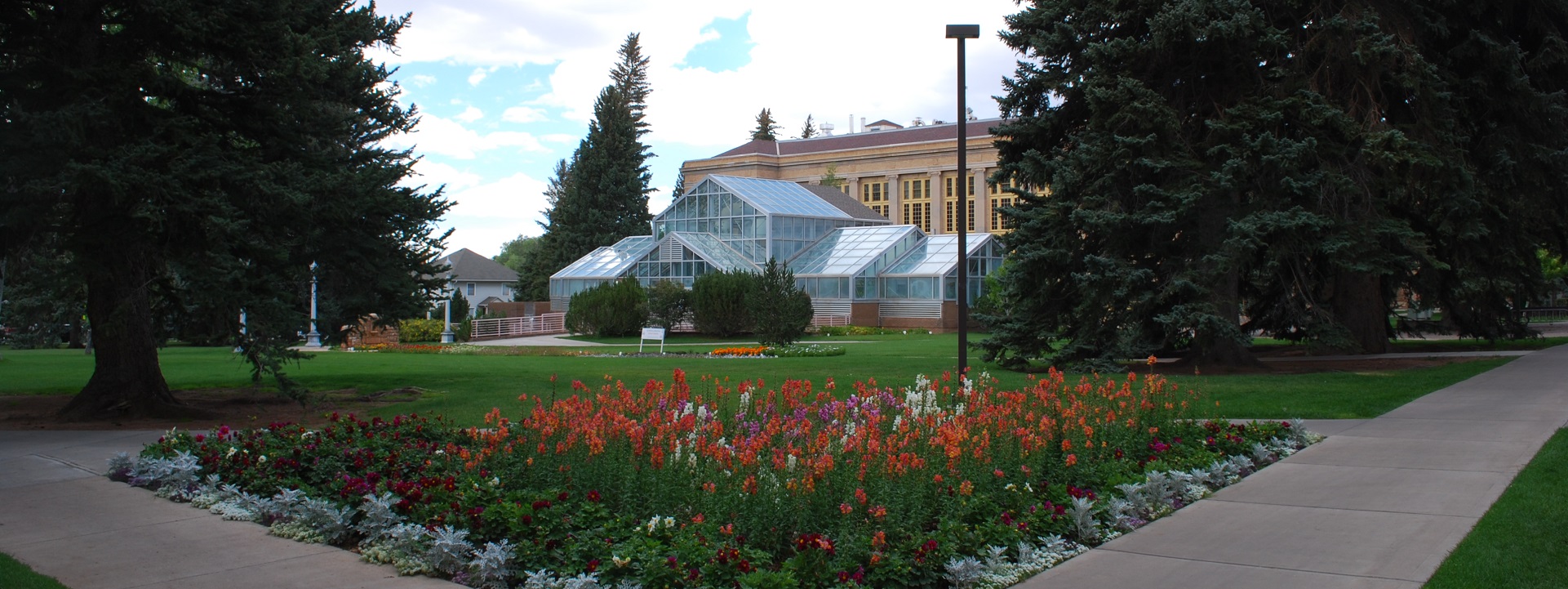
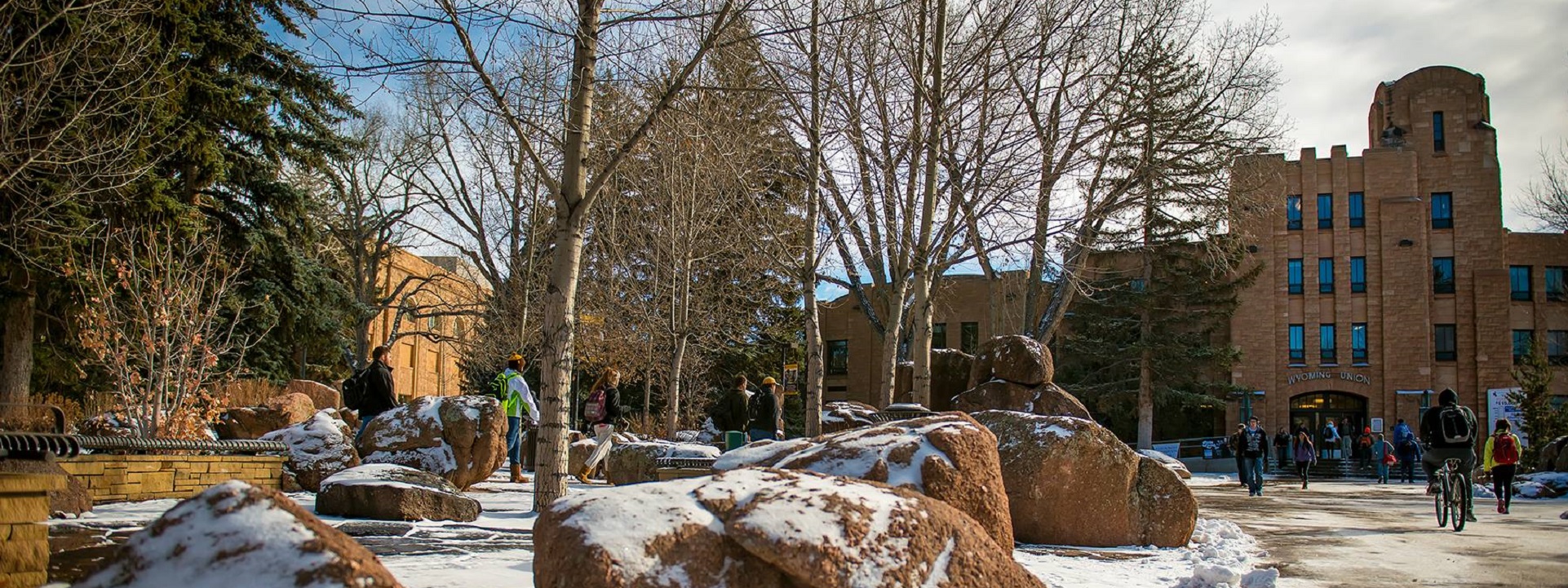
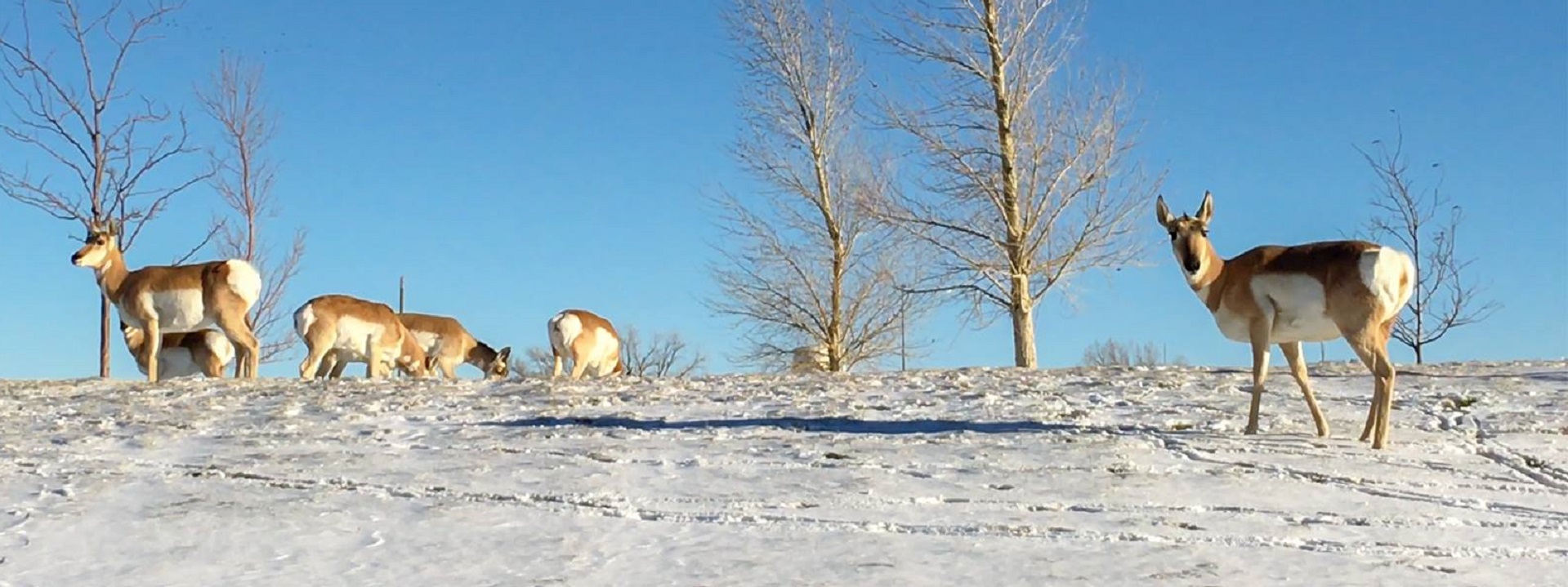
University of Wyoming 2021

This simple method preparing hot coffee evolved from open flame; out on the range.  The result is a strong, robust cup that retains grittiness due to the coarse grind and the absence of a filter. Cowboy coffee is more about utility and simplicity rather than precision and refinement, which aligns with the rugged and practical nature of cowboy life.  Here’s how it’s typically made:

Ingredients:

Coarsely ground coffee beans, water.

Equipment:

A pot (often a simple metal or enamel coffee pot), a heat source (campfire or portable stove), and a way to separate the grounds from the liquid (like pouring or using a fine mesh strainer).

Process:

Add coarsely ground coffee to the pot. The amount can vary based on personal preference, but it’s generally a couple of tablespoons of coffee per cup of water.

Add water to the pot. Again, the ratio of coffee to water can be adjusted based on taste preferences.

Place the pot on the heat source and bring it to a near-boil. Watch it carefully to avoid boiling over.

Once it’s heated, let it steep for a few minutes. Some cowboys might toss in a crushed eggshell to help settle the grounds.

Remove the pot from the heat and let it sit for a moment to allow the coffee grounds to settle.

Pour the coffee carefully to avoid pouring the grounds into your cup.

Locals swear by it:

“Cowboy coffee ain’t as easy as it looks. It takes some know-how to make it right.” – Unknown

“You can’t compromise with a cup of weak coffee.” – Cowboy Proverb

“There are only two things that a cowboy can’t do without – his horse and his coffee.” – Unknown

“A cowboy’s day starts with coffee and ends with whiskey.” – Unknown

“Life is too short for bad coffee.” – Unknown

“Cowboy coffee: where the grounds are meant to be chewed, not sipped.” – Unknown

"We were together. I forget the rest." -- Walt Whitman ('Leaves of Grass', 1855) "Everything I know is because of love" -- Leo Tolstoy

Wyoming

University of Alaska Ethnobotany: Bannock

Sustainable Brewing

This content is accessible to paid subscribers. To view it please enter your password below or send mike@standardsmichigan.com a request for subscription details.

Cranberries


Cranberry Mule: A holiday twist on the classic Moscow Mule, featuring cranberry juice, ginger beer, and vodka. Garnish with a slice of lime and fresh cranberries.  Here’s a simple recipe for a “Cranberry Mule”:

2 oz vodka
4 oz ginger beer
2 oz cranberry juice
1/2 oz fresh lime juice
Ice
Cranberries and lime slices for garnish
Instructions:

Fill a copper mug (or another glass of your choice) with ice.
Pour in the vodka and cranberry juice.
Add the fresh lime juice.
Top off with ginger beer.
Stir gently to combine the ingredients.
Garnish with cranberries and a lime slice.

Push-Cart Cold Brew

Standards IndianaIndiana University Total Net Position: $5.223B

The Science of Food Standards

BEAUJOLAIS NOUVEAU

Product Accreditation: Testing, Inspection & Certification

AFNOR Group: Association Française de Normalisation

The release of Beaujolais Nouveau is not just about the wine itself; it’s a cultural and marketing phenomenon that brings people together to celebrate the harvest season, promotes the wine industry, and contributes to the economic and cultural vitality of the regions involved.  The settlements listed below contribute significantly to wine-related research, education, and innovation. Some notable universities and research institutions in France that lead wine research include:

  1. University of Bordeaux (Institute of Vine and Wine Science): The University of Bordeaux, located in one of the world’s most famous wine regions, is renowned for its research in viticulture, oenology, and wine-related sciences. The Institute of Vine and Wine Sciences (ISVV) within the university is a key research center in this field.
  2. Montpellier SupAgro: Montpellier SupAgro, part of the Montpellier University of Excellence, is known for its expertise in agronomy, viticulture, and oenology. They offer research programs and collaborate with the wine industry.
  3. University of Burgundy: The University of Burgundy, situated in the heart of the Burgundy wine region, conducts research in oenology and viticulture. The Jules Guyot Institute is a leading research facility in the field.
  4. Institut des Sciences de la Vigne et du Vin (ISVV): Located in Bordeaux, this research institute is dedicated to vine and wine sciences and is affiliated with the University of Bordeaux.
  5. University of Reims Champagne-Ardenne: This university, located in the Champagne region of France, has expertise in Champagne production and conducts research related to winemaking and viticulture.

These institutions, along with various research centers and organizations throughout France, contribute to advancements in wine research, including topics like grape cultivation, wine production techniques, wine chemistry, and the study of wine regions and terroirs. They often collaborate with the wine industry and help maintain France’s position as a leader in the global wine industry.

Beaujolais Nouveau is produced under specific regulations and standards set by the French wine industry. However, there isn’t a specific international standard for Beaujolais Nouveau like there is for some other wines, such as those with controlled designations of origin (AOC) or protected designation of origin (PDO) status.

The production of Beaujolais Nouveau is governed by the rules and regulations of the Beaujolais AOC (Appellation d’Origine Contrôlée), which defines the geographical area where the grapes must be grown, the grape varieties allowed, and the winemaking techniques that can be used. The AOC regulations ensure a certain level of quality and authenticity for wines carrying the Beaujolais Nouveau label.

Winemakers producing Beaujolais Nouveau must follow these guidelines, including using the Gamay grape variety, employing specific vinification methods (such as carbonic maceration), and releasing the wine within a limited time frame after the harvest.

While the production standards are regulated at the national level in France, individual producers may have their own techniques and styles within the broader framework of the Beaujolais AOC regulations.

It’s important to note that the term “Beaujolais Nouveau” itself is not a specific indication of quality or adherence to particular winemaking practices; rather, it signifies a style of wine that is young, fresh, and meant to be consumed shortly after production. As a result, the characteristics of Beaujolais Nouveau can vary from producer to producer within the general guidelines set by the AOC

Institut National de l’Origine et de la Qualité

Latte Macchiato

2019 ProPublica Non-Profit Explorer | IRS 990 Net Assets $90.194M

Standards Tennessee

Trevecca Dining


Tennessee

Michigan Wine

This content is accessible to paid subscribers. To view it please enter your password below or send mike@standardsmichigan.com a request for subscription details.

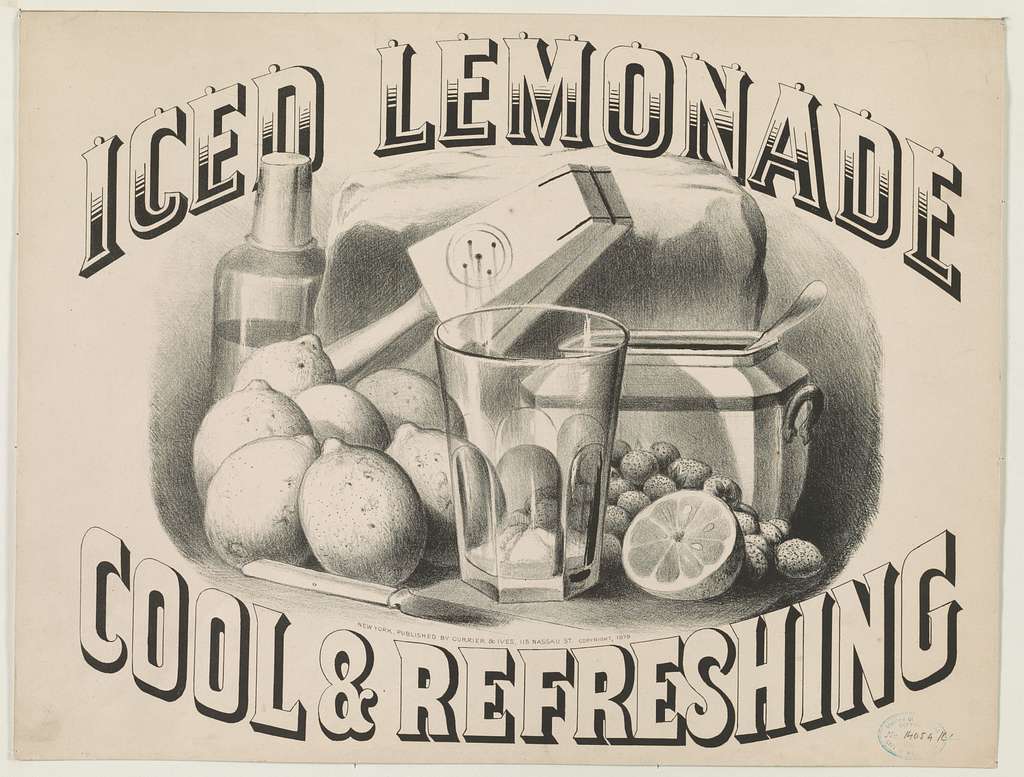
Lemonade


University of Florida College of Agriculture and Life Sciences

More

United States Department of Agriculture: Frozen Concentrate for Lemonade Grades and Standards

United States Food & Drug Administration: Canned Fruit Juices

Spoon University: My Perfect Lemonade Recipe

Standards Florida

Layout mode
Predefined Skins
Custom Colors
Choose your skin color
Patterns Background
Images Background
Standards Michigan
error: Content is protected !!
Skip to content