
Category Archives: @NSF_Intl

Loading
loading...

Drinking Water

“At the Water Trough” 1876 / J. Alden Weir

NSF International — founded by University of Michigan public health faculty during the polio pandemic of the 1950’s — has since grown to be one of the first names in standard setting for public health; drinking water safety high among its priorities.

NSF International continuously maintains its consensus products on a continuous maintenance basis.   NSF 53 Drinking Water Treatment Units is one of several related water safety titles in its bibliography:

It is the purpose of this Standard to establish minimum requirements for materials, design and construction, and performance of point-of-use and point-of-entry drinking-water treatment systems that are designed to reduce specific health-related contaminants in public or private water supplies. Such systems include point-of-entry drinking-water treatment systems used to treat all or part of the water at the inlet to a residential facility or a bottled water production facility, and includes the material and components used in these systems. This Standard also specifies the minimum product literature and labeling information that a manufacturer shall supply to authorized representatives and system owners, as well as the minimum service-related obligations that the manufacturer shall extend to system owners.

In last week’s ANSI Standards Action NSF International posted changes to NSF 53 Drinking Water Treatment Units; available at the link below:

ANSI Standards Action Pages 2 and 6

The proposed change remedies the lack of requirements for conditioning and conditioning volumes in the presence of microcystin; a type of toxin produced by freshwater blue-green algae.

Comments are due August 2nd. 

Because NSF International posts its redlines in ANSI standards action, and also on  NSF Online Workspace; it is easier respond to calls for public comment.  This facility is especially important in the public safety domain.

NSF Online Workspace

You may communicate directly with the NSF Joint Committee Chairperson, Mr. Tom Vyles (admin@standards.nsf.org) about arranging direct access as an observer or technical committee member.   Almost all ANSI accredited technical committees have a shortage of user-interests (compliance officers, manufacturers and installers usually dominate).  
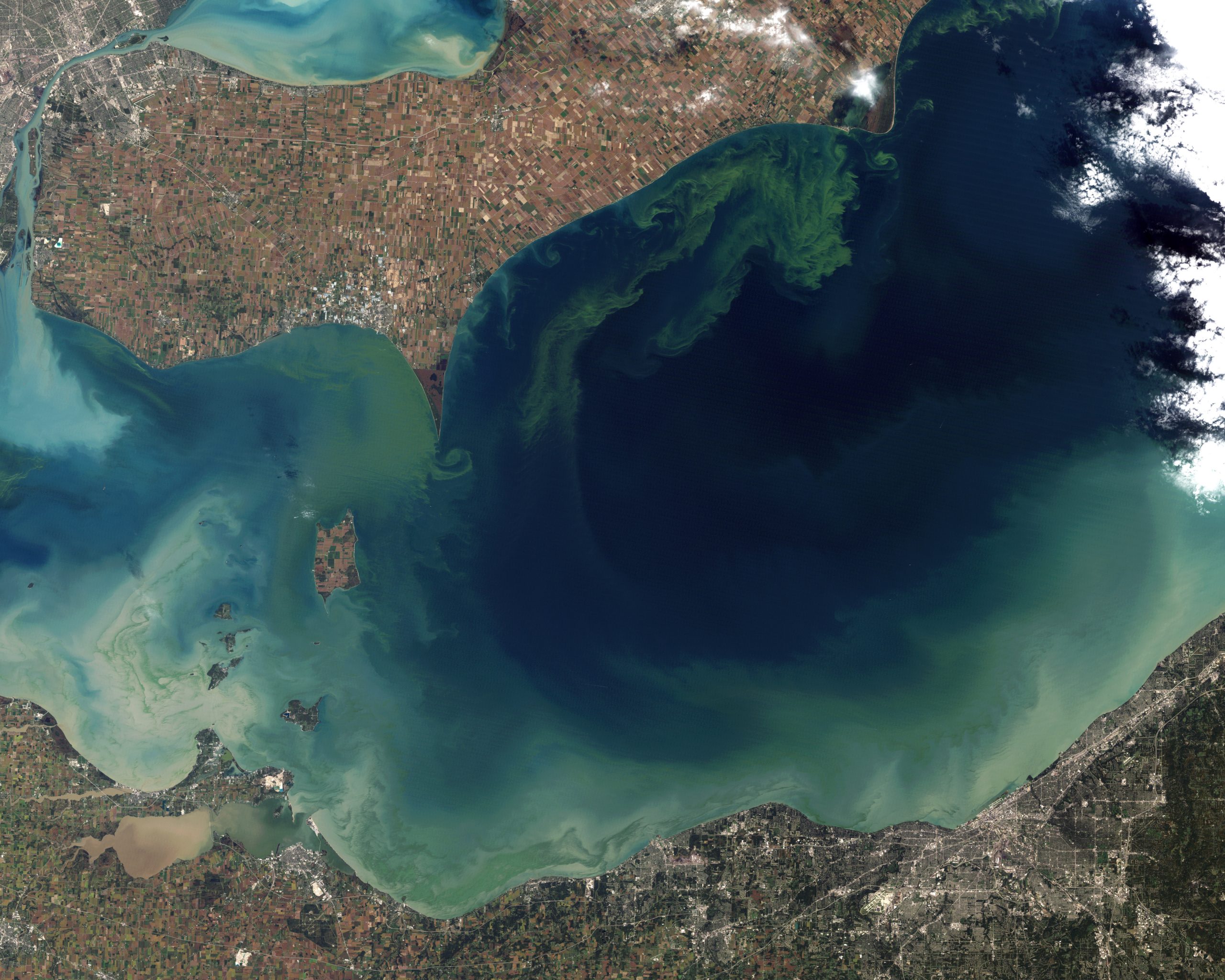
Lake Erie in October 2011, during an intense cyanobacteria bloom

We encourage front line staff with experience, data and war stories to participate by communicating with Tom Vyles.  We also host a periodic teleconference on the topic of the twenty-odd water safety and sustainability consensus products that affect #TotalCostofOwnership of education communities.  See our CALENDAR for the next Water and Sport teleconferences; open to everyone.

Issue: [13-89]

Category: Athletic Facilities. Water Safety

Colleagues: Mike Anthony, Ron George, Larry Spielvogel


Workspace / NSF International

This content is accessible to paid subscribers. To view it please enter your password below or send mike@standardsmichigan.com a request for subscription details.

NSF Greywater july 26

This content is accessible to paid subscribers. To view it please enter your password below or send mike@standardsmichigan.com a request for subscription details.

Archive: NSF 50 Recreational Water Facilities / Post

This content is accessible to paid subscribers. To view it please enter your password below or send mike@standardsmichigan.com a request for subscription details.

Sustainability Leadership for Photovoltaic Modules

“Landscape with the Fall of Icarus” / Bruegel, Pieter de Oude (1558)

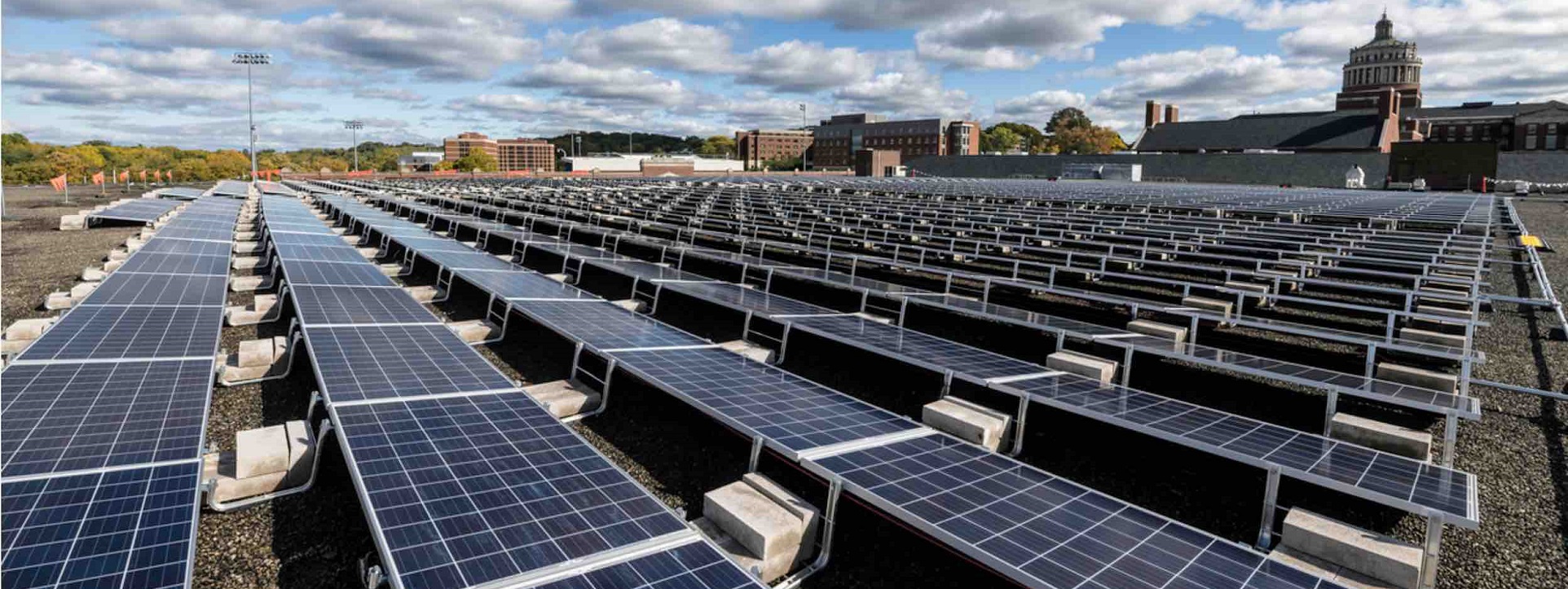
NSF International has launched a new revision cycle for its standard NSF 457 Sustainability Leadership Standard for Photovoltaic Modules.   The scope of this Standard includes PV modules for installation on, or integral with buildings, or to be primarily used as components of free-standing power-generation systems, including but not necessarily limited to:

— photovoltaic cells that generate electric power using solar energy;
— interconnects (materials that conduct electricity between cells);
— encapsulant (insulating material enclosing the cells and cell interconnects);
— superstrate (material forming primary light-facing outer surface) and substrate (material forming back outer surface) (e.g., glass, plastic films);
— wires used to interconnect photovoltaic modules and connect junction boxes to the balance of system equipment;
— frame or integrated mounting mechanism, if present.

The following are not included:

— balance of system equipment, such as cabling and mounting structures, equipment intended to accept the electrical output from the array, such as power conditioning units (inverters) and batteries, unless they are contained in the photovoltaic module;
— a photovoltaic cell that is a part of another device for which it produces the electricity, such as consumer or industrial electronic products (e.g., calculators, lights, textile) where the photovoltaic cell primarily provides the energy needed to make the electronic product function; and
— mobile photovoltaic cell where the inverter is so integrated with the photovoltaic cell that the solar cell requires disassembly before
recovery.

This Standard establishes measurable criteria for multiple levels of sustainability/environmental leadership achievement and performance throughout the lifecycle of the product. This Standard addresses multiple attributes and environmental performance categories including management of substances, preferable materials use, life cycle assessments, energy efficiency and water use,
responsible end-of-life management and design for recycling, product packaging, and corporate responsibility.

"Education is simply the soul of a society as it passes from one generation to another" - G.K. Chesterton

The landing page for NSF International standardization activity is linked below

NSF International Standards Home Page

The redline for this particular commenting opportunity for both revisions (i3r1) and (i4r1) posted in  ANSI Standards Action) is linked below:

https://standards.nsf.org/apps/group_public/download.php/49030/457i3r1%20JC%20Memo%20and%20ballot.pdf

Comments are due July 22, 2019

Send comments aburr@nsf.org (with optional copy to psa@ansi.org).  For more information you may contact Matthew Realff / Chairperson, Joint Committee on Photovoltaic Modules, Tel: (734) 913-5794.

We are happy to drill into the technical specifics of this standard any day at 11 AM Eastern time or during out monthly Energy Standards teleconference.  See our CALENDAR for the next online meeting; open to everyone.

Issue: [17-228]

Category: Electrical, Recycling

Colleagues: Mike Anthony, Richard Robben


LEARN MORE:

Solar Photovoltaic Modules – Sustainability Leadership Objectives

NSF Tableware

This content is accessible to paid subscribers. To view it please enter your password below or send mike@standardsmichigan.com a request for subscription details.

NSF 51 | Food Equipment Materials

This content is accessible to paid subscribers. To view it please enter your password below or send mike@standardsmichigan.com a request for subscription details.

Layout mode
Predefined Skins
Custom Colors
Choose your skin color
Patterns Background
Images Background
Standards Michigan
error: Content is protected !!
Skip to content