
Category Archives: Salutariness
- Home
- Archive by category "Salutariness" (Page 2)



History of the Kitchen


• In ancient times, kitchens were often located outside the main living quarters of a home. They were typically small, with an open hearth for cooking and a few basic utensils.
• During the Middle Ages, kitchens began to be built inside castles and manor houses. These kitchens were much larger and more complex than earlier versions, with multiple hearths, ovens, and cooking utensils.
• During the Renaissance, kitchens continued to become more elaborate, with the development of specialized cooking tools and the introduction of new cooking techniques. The kitchen also became a central gathering place for the household.
• With the onset of the Industrial Revolution, kitchens began to incorporate new technologies, such as gas stoves and refrigeration. As more people moved into cities, smaller kitchens became the norm.
• In the 20th century, the design and functionality of kitchens continued to evolve. The introduction of electricity and new materials, such as stainless steel, allowed for more efficient and hygienic kitchens. Open-plan kitchens, where the kitchen is integrated with the living and dining areas, also became popular.

“The Janitor” — A Short Documentary
The janitorial profession is not just about cleaning, it’s about creating a safe and healthy environment for people to live and work. A good janitor is like a good detective. They notice the things that others overlook, and they take care of problems before they become bigger problems.

Qualität der Wasserversorgung
#Standards helfen, Ergebnisse aus Forschungs- und Innovationsprozessen schneller zu marktfähigen Produkten und Dienstleistungen zu machen. Wie die Brücke erfolgreich geschlagen werden kann, erfahren Sie am 13. Juni live in Wien.💡🌍💫https://t.co/rupEcLC0qK #Bridgit pic.twitter.com/3vRVQjbWYq
— Austrian Standards (@ATstandards) May 20, 2019

Appliances
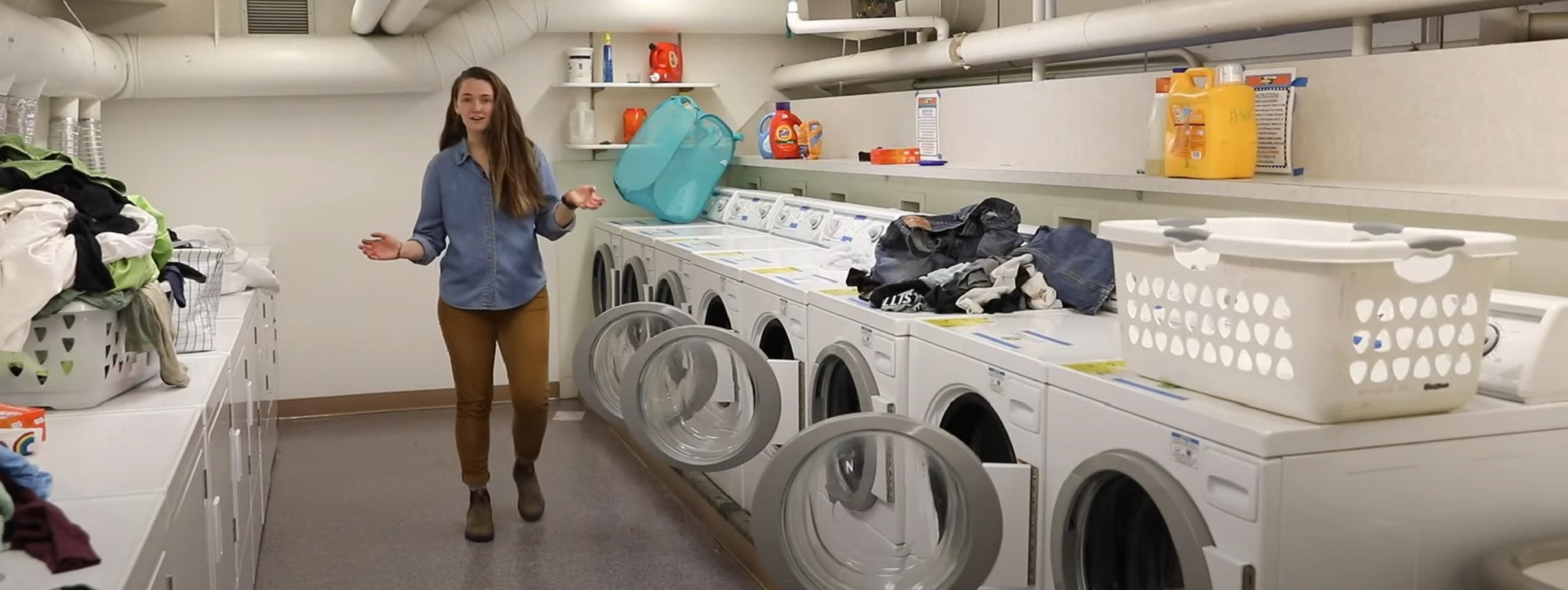
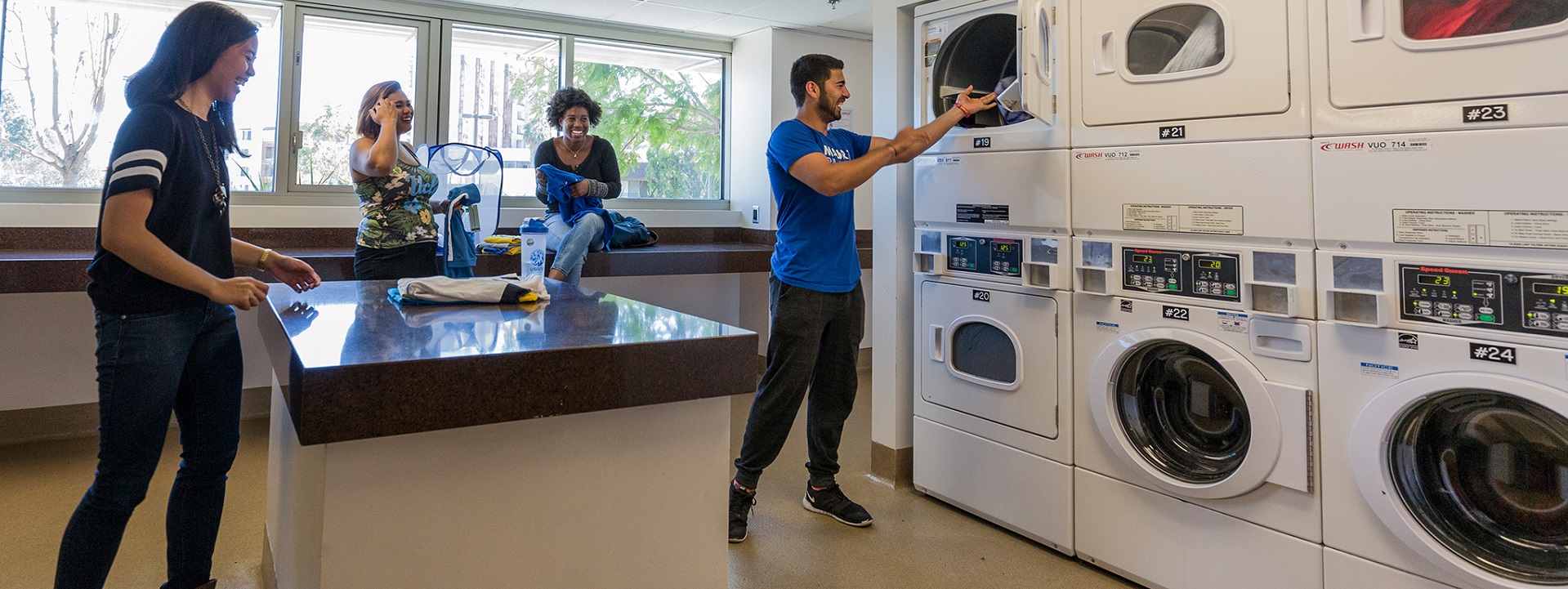
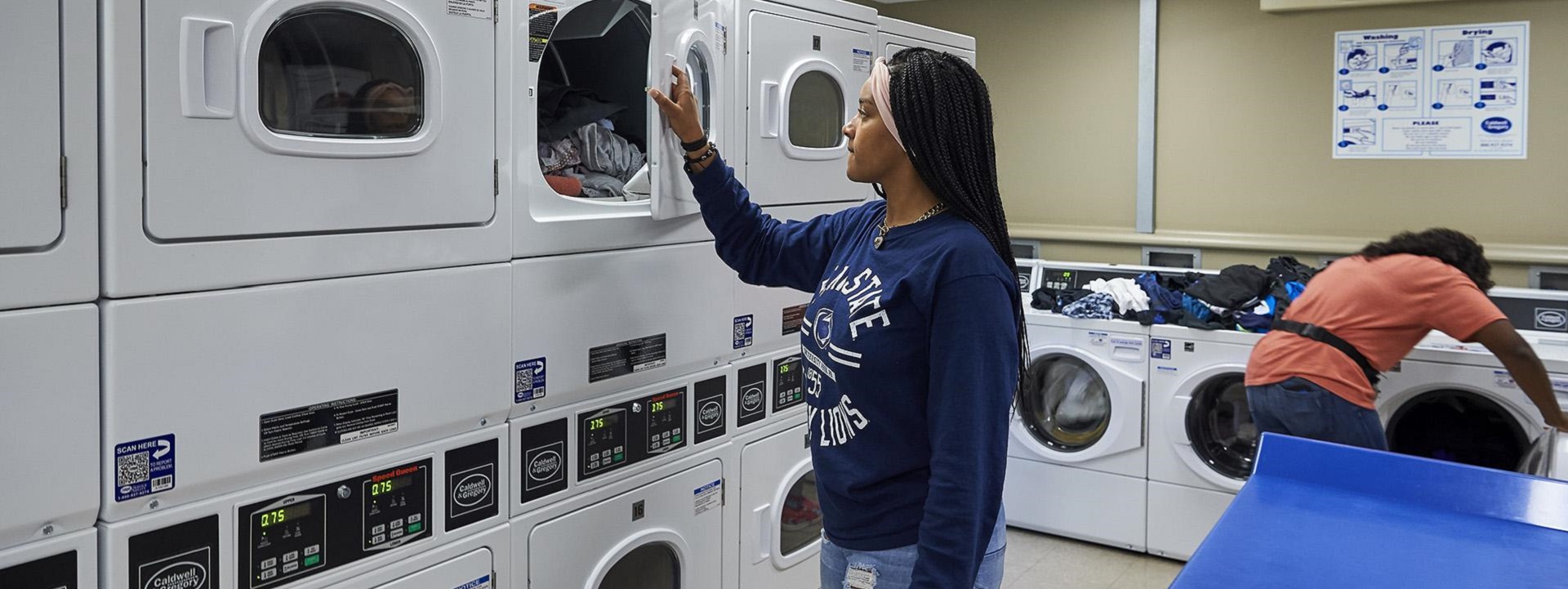
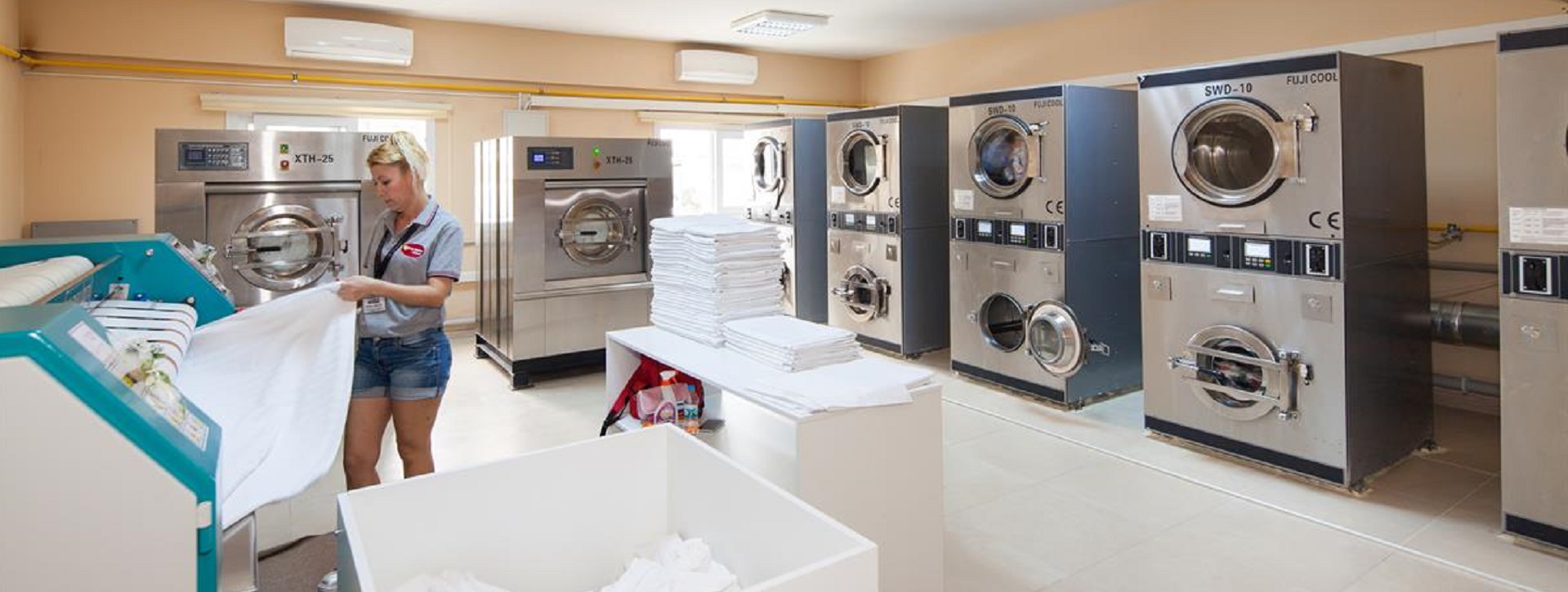
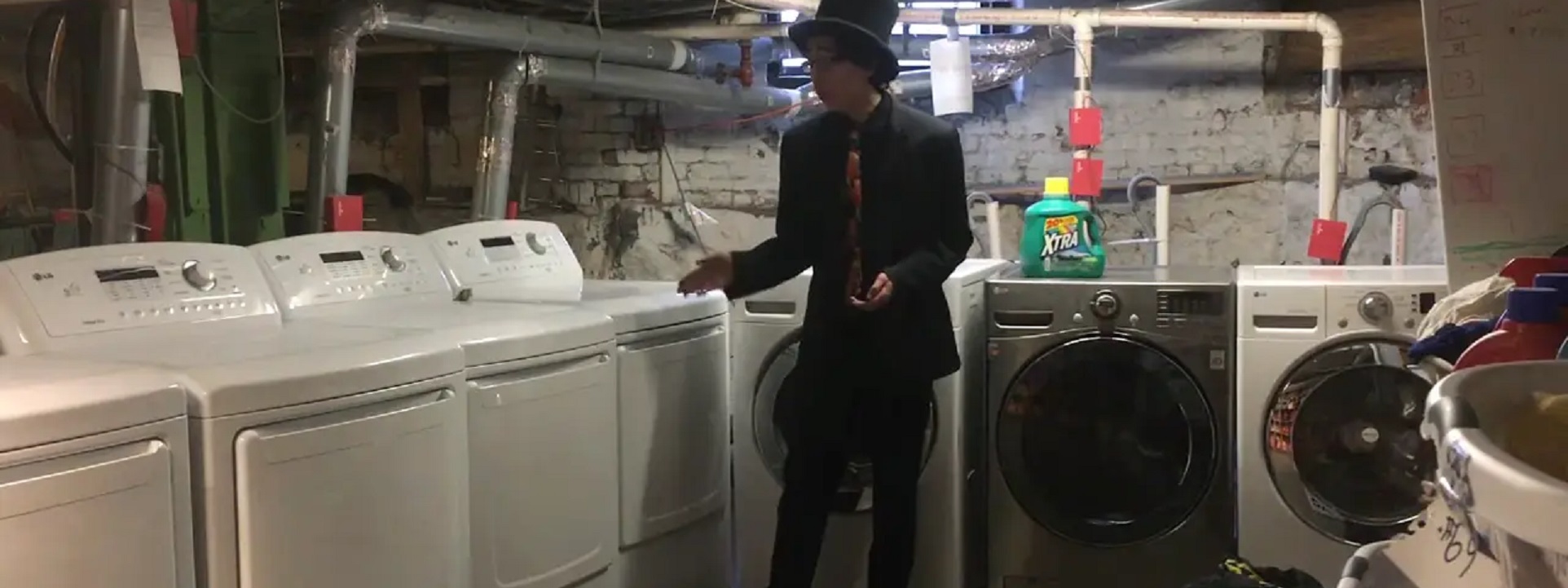
Most sanitation technologies are driven by electrical power — motors, pumps. heating and cooling elements, etc. The trajectory of product innovation, installation and maintenance practices are guided by electrical power capacity and availability.
Article 422 of the National Electrical Code covers safe wiring practices and is on the front end of new revision cycle. Comments on Public Input for the 2026 Revision will be received until 28 August 2024
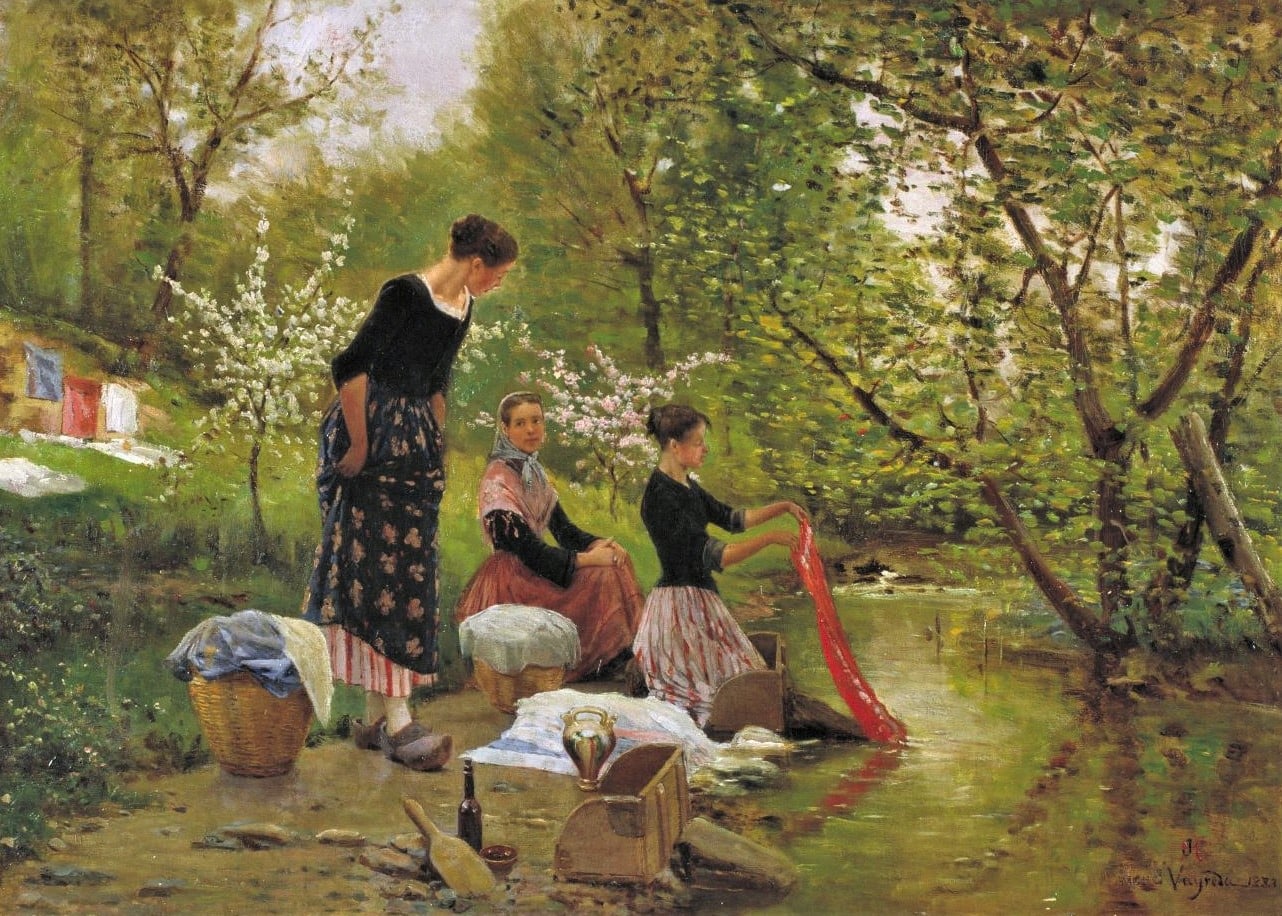
Las lavanderas (1883) (Museo Nacional de Cataluña) de Joaquín Vayreda (español, 1853-1903)

Legionellosis Risk Management
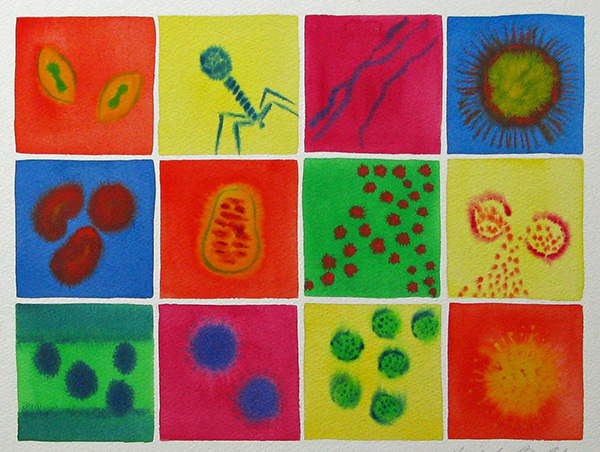
Image Credit: Lewis Laboratory University of Arkansas
The human mind evolved to believe in the gods.
It did not evolve to believe in biology.
— E.O. Wilson
The American Society of Heating and Refrigeration Engineers publishes two Legionella-related standards:
ASHRAE 188: Legionellosis: Risk Management for Building Water Systems.
ASHRAE 12: Managing (Minimizing) the Risk of Legionellosis Associated With Building Water Systems (Maintained continuously)
Legionella risk is a domain rich in possibilities for lawsuits so we should not be surprised that best practice titles in the ASHRAE suite — and other standards bibliographies — go unstable with new findings. We encourage facility units in education communities to contribute data to technical committees and to participate directly. you may access titles open for public comment at the link below:
ASHRAE Public Review Draft Standards
ASHRAE runs one of the best public consultation facilities in the United States. Its titles appear in most of our daily colloquia; this one best practice titles are on the standing agendas of our Energy, Mechanical, Water 200/Water 400 and Risk colloquia. See our CALENDAR for the next online meeting; open to everyone.

Columbia University
Issue: 12-42
Category: Mechanical Engineering, Occupational Health & Safety, Water
Colleagues: Richard Robben, Ron George, Larry Spielvogel

Custodial FTE Calculation.
This content is accessible to paid subscribers. To view it please enter your password below or send mike@standardsmichigan.com a request for subscription details.
UNIVERSITY CUSTODIANS SALIENDO ADELANTE AND STUDENT ENGAGEMENT PRACTICES
This content is accessible to paid subscribers. To view it please enter your password below or send mike@standardsmichigan.com a request for subscription details.
New update alert! The 2022 update to the Trademark Assignment Dataset is now available online. Find 1.29 million trademark assignments, involving 2.28 million unique trademark properties issued by the USPTO between March 1952 and January 2023: https://t.co/njrDAbSpwB pic.twitter.com/GkAXrHoQ9T
— USPTO (@uspto) July 13, 2023
Standards Michigan Group, LLC
455 East Eisenhower Parkway, Suite 300
Ann Arbor, MI 48108 USA
888-748-3670
DIRECTIONS
 |
 |
|
 |
 |
|
 |
 |