“Indianapolis hosted the Trials in 1924 when that Olympic team swam in Paris. One hundred years later, Trials are back in Indy as a team is selected for the Paris 2024 Olympic Games. The nation’s fastest swimmers will take to the water at Lucas Oil Stadium – the first time a pool will be built in an NFL Stadium.” — USA Swimming
Citizens of the Earth depend upon United States leadership in this technology for several reasons:
Development: The GPS was originally developed by the US Department of Defense for military purposes, but it was later made available for civilian use. The US has invested heavily in the development and maintenance of the system, which has contributed to its leadership in this area.
Coverage: The GPS provides global coverage, with 24 satellites orbiting the earth and transmitting signals that can be received by GPS receivers anywhere in the world. This level of coverage is unmatched by any other global navigation system.
Accuracy: The US has worked to continually improve the accuracy of the GPS, with current accuracy levels estimated at around 10 meters for civilian users and even higher accuracy for military users.
Innovation: The US has continued to innovate and expand the capabilities of the GPS over time, with newer versions of the system including features such as higher accuracy, improved anti-jamming capabilities, and the ability to operate in more challenging environments such as indoors or in urban canyons.
Collaboration: The US has collaborated with other countries to expand the reach and capabilities of the GPS, such as through the development of compatible navigation systems like the European Union’s Galileo system and Japan’s QZSS system.
United States leadership in the GPS has been driven by a combination of investment, innovation, collaboration, and a commitment to improving the accuracy and capabilities of the system over time.
The Timation Development Plan led to GPS. It uses the globe. The celestial transformation which was used to sell it to the Navy was based on celestial navigation which is based on the globe. pic.twitter.com/o75BgKgy4L
This content is accessible to paid subscribers. To view it please enter your password below or send mike@standardsmichigan.com a request for subscription details.
US academia has increasingly mirrored the dystopian control mechanisms in George Orwell’s 1984, particularly through the lens of Critical Race Theory (CRT) and its extensions into Diversity, Equity, and Inclusion (DEI) frameworks.
In Orwell’s novel, the Party enforces ideological conformity via Newspeak (a restricted language that limits thought), doublethink (holding contradictory beliefs), thoughtcrime (punishing unapproved ideas), and the rewriting of history to serve power.
CRT posits that racism is embedded in the structure of Western institutions. It rejects colorblindness and meritocracy as tools of “white supremacy,” framing individuals primarily by racial identity — oppressors versus the oppressed. In universities, this has evolved into mandatory trainings, curricula, and loyalty tests that prioritize “equity” (equal outcomes by group) over equality of opportunity.
Key Orwellian parallels include:
Language control resembling Newspeak: terms like “systemic racism,” “white fragility,” “microaggressions,” and “anti-racism” redefine reality so that disagreement signals complicity in oppression.
Doublethink: universities champion “diversity” while enforcing ideological uniformity, claiming to fight oppression while stigmatizing dissent as violence.
Thoughtcrime via cancel culture: surveys show high rates of self-censorship, with dissenting scholars facing social ostracism, investigations, or professional consequences.
History is reframed — America’s founding reduced to perpetual racial hierarchy — echoing the Ministry of Truth. Standpoint epistemology elevates “lived experience” of favored groups over empirical evidence and universal reason.
This agenda undermines academia’s core purpose: the pursuit of truth through open debate and evidence. Instead of rigorous inquiry, power — framed as “punching up” — dictates acceptable thought, eroding liberal education’s commitment to individualism and free expression.
Homage to Salvador Dalí’s famous painting “The Persistence of Memory (1931)”
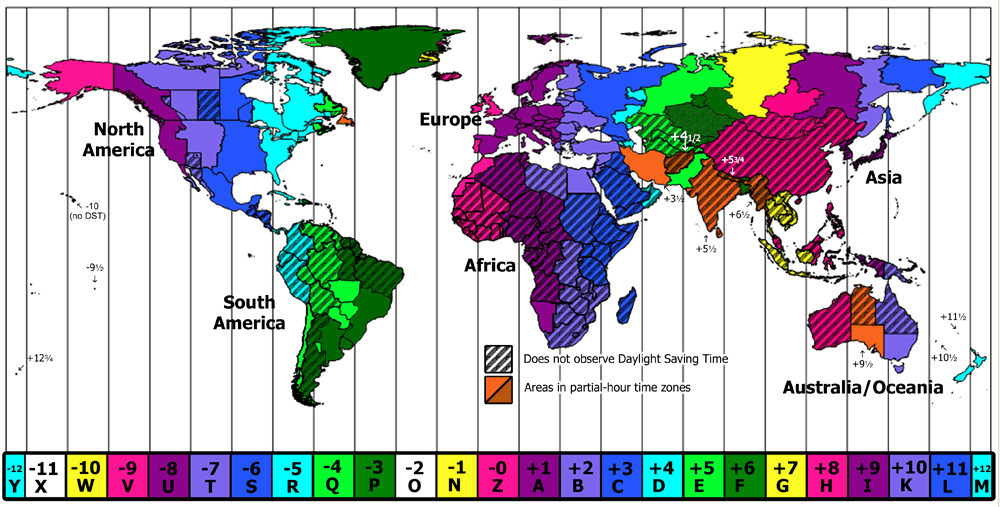
The time shift results in sunrise and sunset occurring approximately one hour later on the clock than the day before, providing more daylight in the evening and less in the morning.
Start Date: Daylight Saving Time begins on Sunday, March 9, 2025. This is the second Sunday in March, following the schedule established by theEnergy Policy Act of 2005.
Time Change: At 2:00 a.m. local standard time, clocks are set forward one hour to 3:00 a.m. local daylight time. This is often referred to as “springing forward.”
Geographic Scope: Most of the United States observes DST, except for Hawaii and most of Arizona (with the exception of the Navajo Nation, which does observe DST). U.S. territories such as American Samoa, Guam, the Northern Mariana Islands, Puerto Rico, and the U.S. Virgin Islands do not participate in DST.
Legal Basis: The rules are governed by the Uniform Time Act of 1966, as amended by the Energy Policy Act of 2005. The U.S. Department of Transportation oversees the implementation, while states and territories have the option to opt out of DST but cannot independently choose to make it permanent without federal approval.
“Time After Time (Cindy Lauper Cover) | University of Delaware
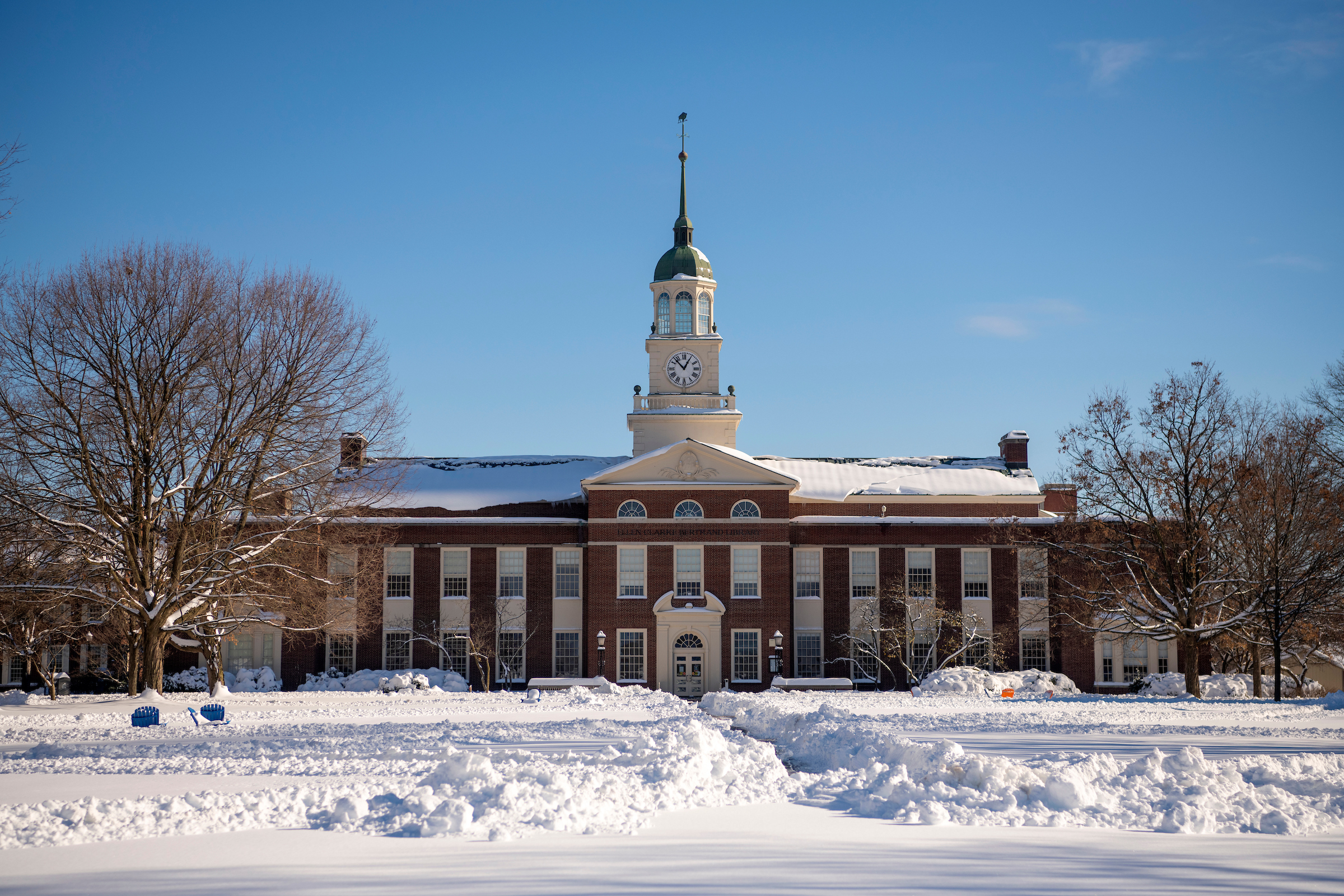
University of Wisconsin Eau Clair
The U.S. power grid operates on a synchronized frequency of 60 Hz, maintained across three major interconnections: Eastern, Western, and Texas. During the Daylight Saving Time (DST) switch—typically at 2:00 AM local time on the second Sunday in March (spring forward) or the first Sunday in November (fall back)—the grid’s synchronization is unaffected because it relies on Coordinated Universal Time (UTC), not local time. Grid operators, coordinated by entities like the North American Electric Reliability Corporation (NERC), ensure frequency stability through automatic generation control (AGC) systems, which adjust power output to match demand in real time.
Ω
The DST shift doesn’t disrupt this process. When clocks spring forward (e.g., 2:00 AM becomes 3:00 AM), demand may briefly drop as human activity adjusts, but AGC systems respond instantly, balancing generation and load. In the fall, when clocks fall back (e.g., 2:00 AM repeats), a temporary demand spike might occur, but the grid’s inertial stability—provided by large rotating generators—and real-time monitoring prevent desynchronization. Operators may pre-schedule minor adjustments, but the system’s design, rooted in UTC-based frequency regulation, ensures seamless operation. Thus, while local time shifts, the grid’s 60 Hz hum remains steady across the transition.
“Gather Ye Rosebuds While Ye May” John Herrick | John William Waterhouse
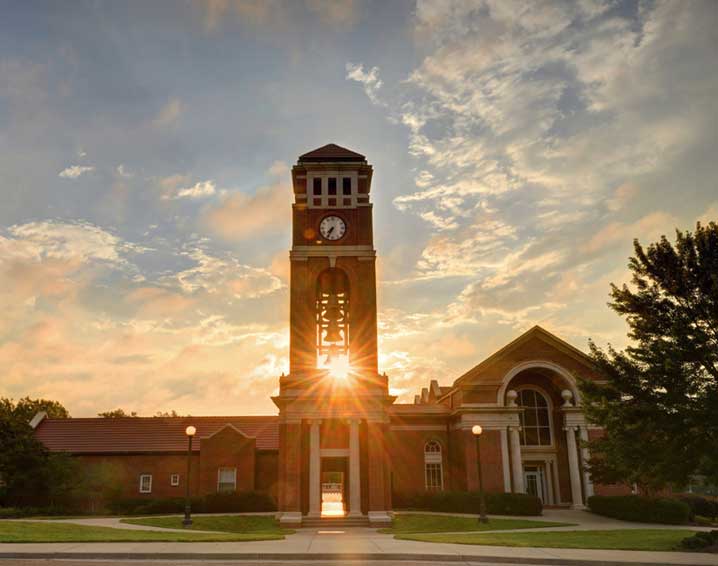
“The Sound of Noon” on the Charlottesville Campus
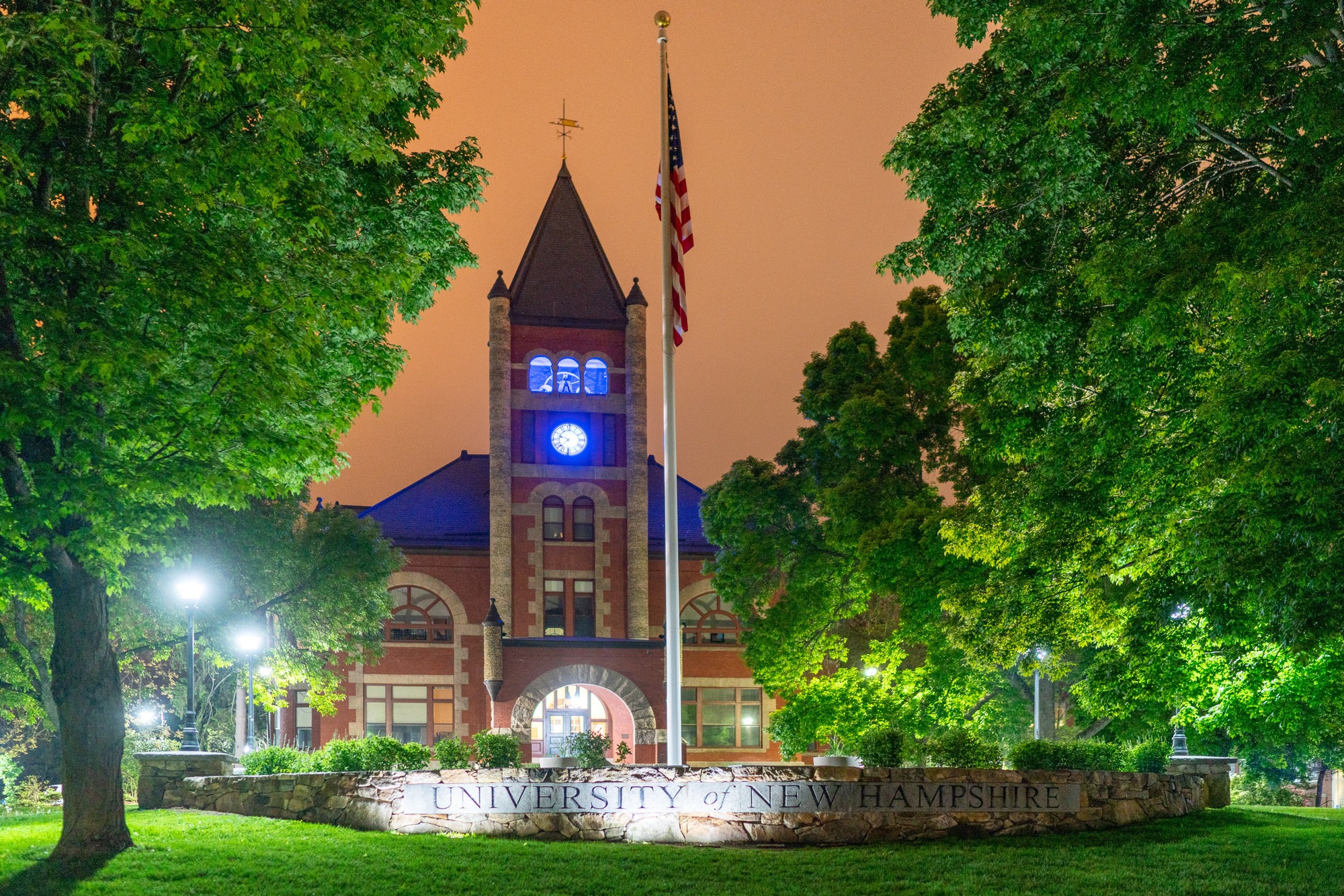
University of New Hampshire
Good luck to all those helping to move their student in to UoB accommodation this weekend! It will be a busy time with lots of students moving in, but there will be lots of support on the day, so just ask!
There’s also lots to do on campus too so come along & have a wander around pic.twitter.com/xZHG3RA2z4
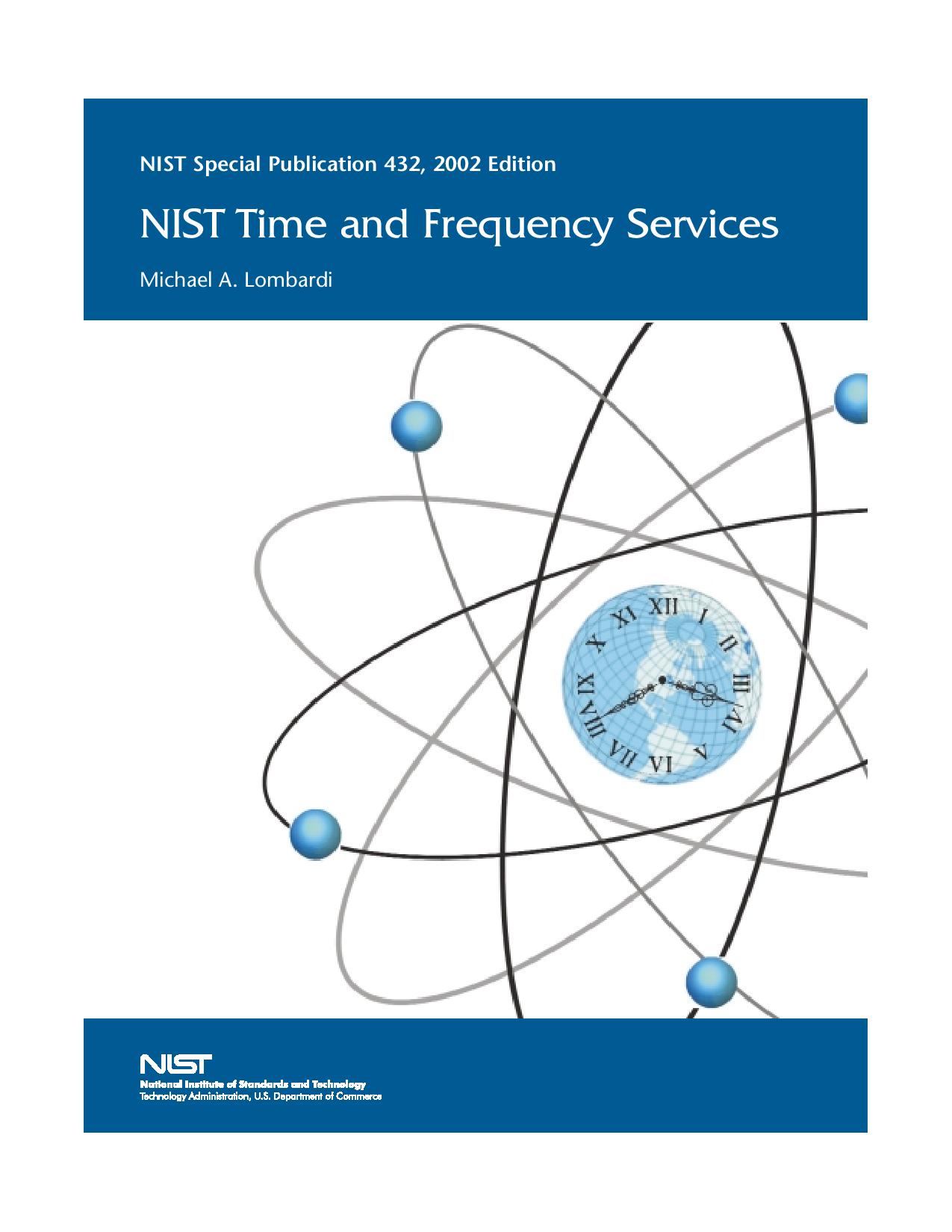
The National Institute of Standards and Technology is responsible for maintaining and disseminating official time in the United States. While NIST does not have a direct role in implementing clock changes for daylight saving time, it does play an important role in ensuring that timekeeping systems across the country are accurate and consistent.
Prior to the implementation of daylight saving time, NIST issues public announcements reminding individuals and organizations to adjust their clocks accordingly. NIST also provides resources to help people synchronize their clocks, such as the time.gov website and the NIST radio station WWV.
In addition, NIST is responsible for developing and maintaining the atomic clocks that are used to define Coordinated Universal Time (UTC), the international standard for timekeeping. UTC is used as the basis for all civil time in the United States, and it is the reference time used by many systems, including the Global Positioning System (GPS) and the internet.
Overall, while NIST does not have a direct role in implementing clock changes for daylight saving time, it plays an important role in ensuring that timekeeping systems across the country are accurate and consistent, which is essential for the smooth implementation of any changes to the system.
“Tyme” was used in Middle English and earlier forms of the language, and it was commonly found in historical texts, poetry, and manuscripts of that time. It was used to refer to the passage of time, an era, or a specific moment in history.
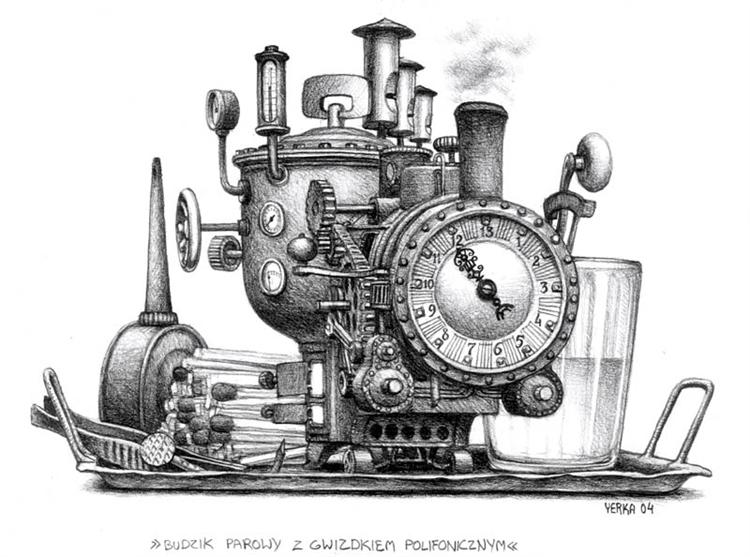
“Steam alarm clock with a polyphonic whistle” 2004 Jacek Yerka
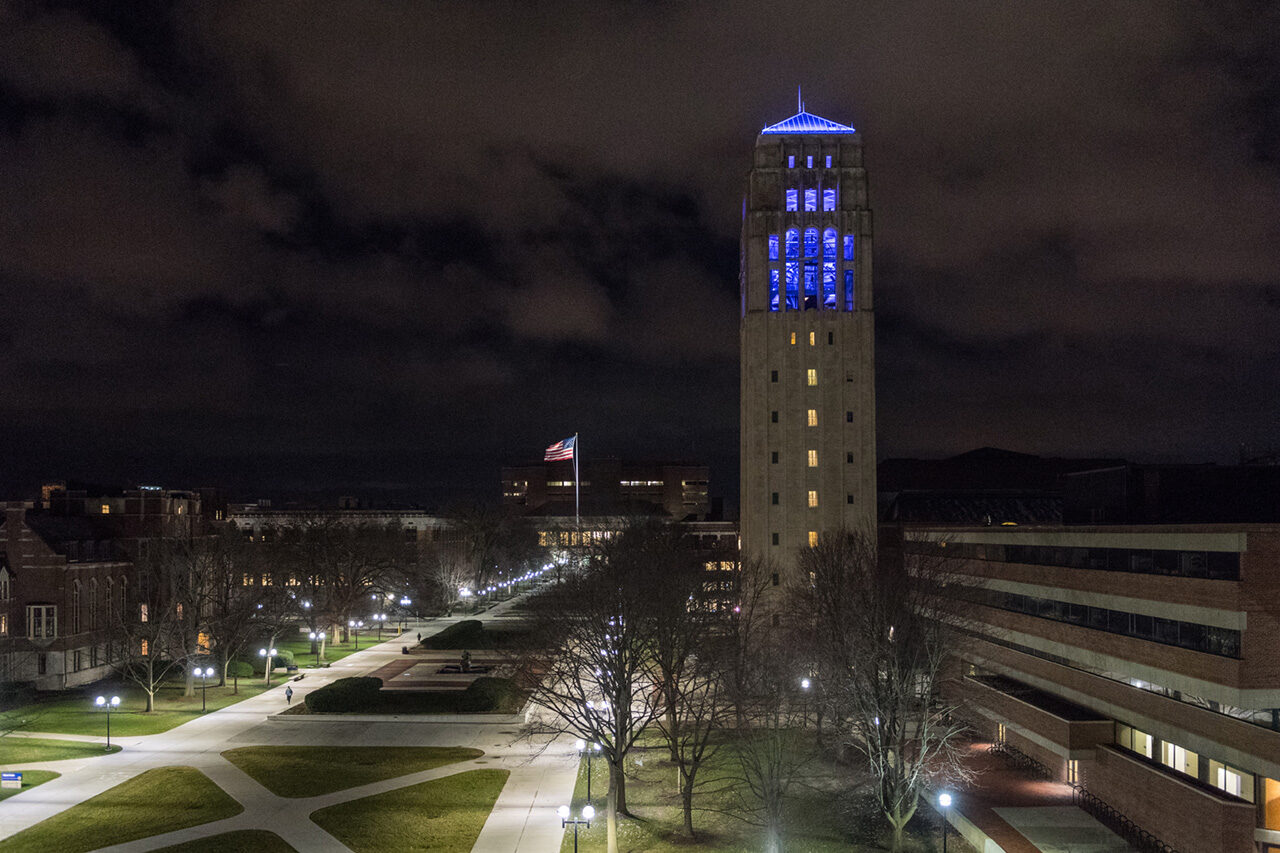
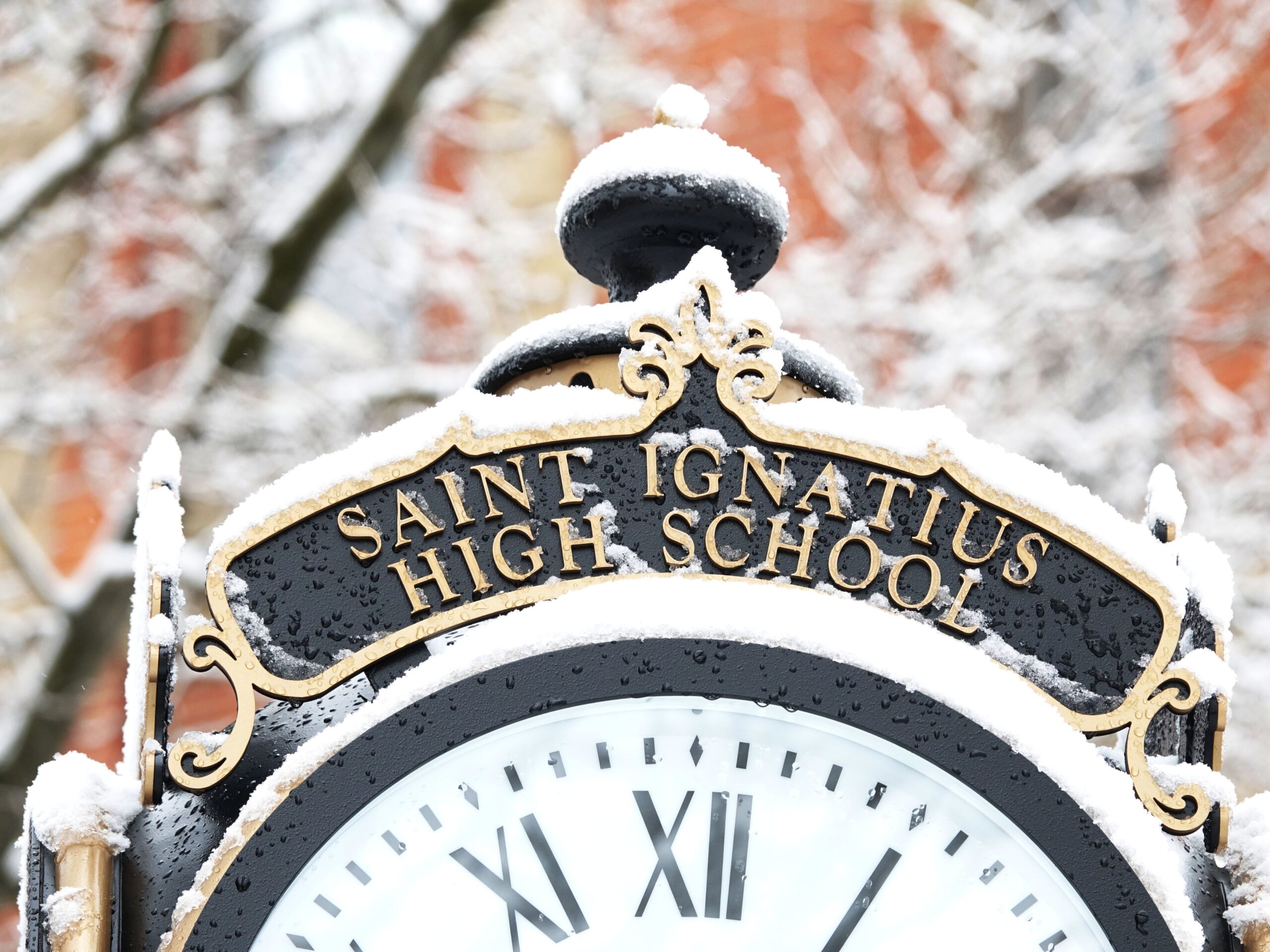
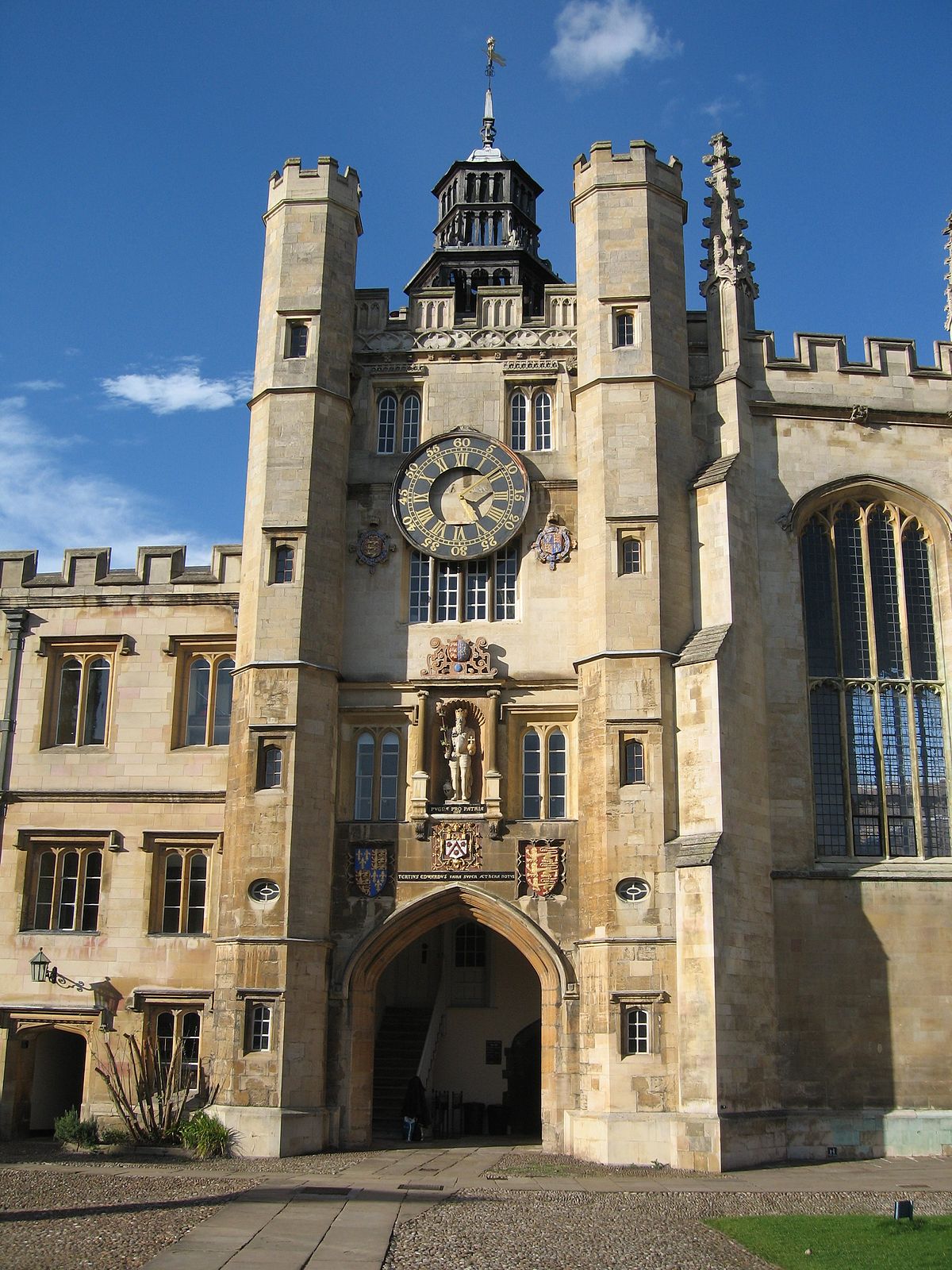
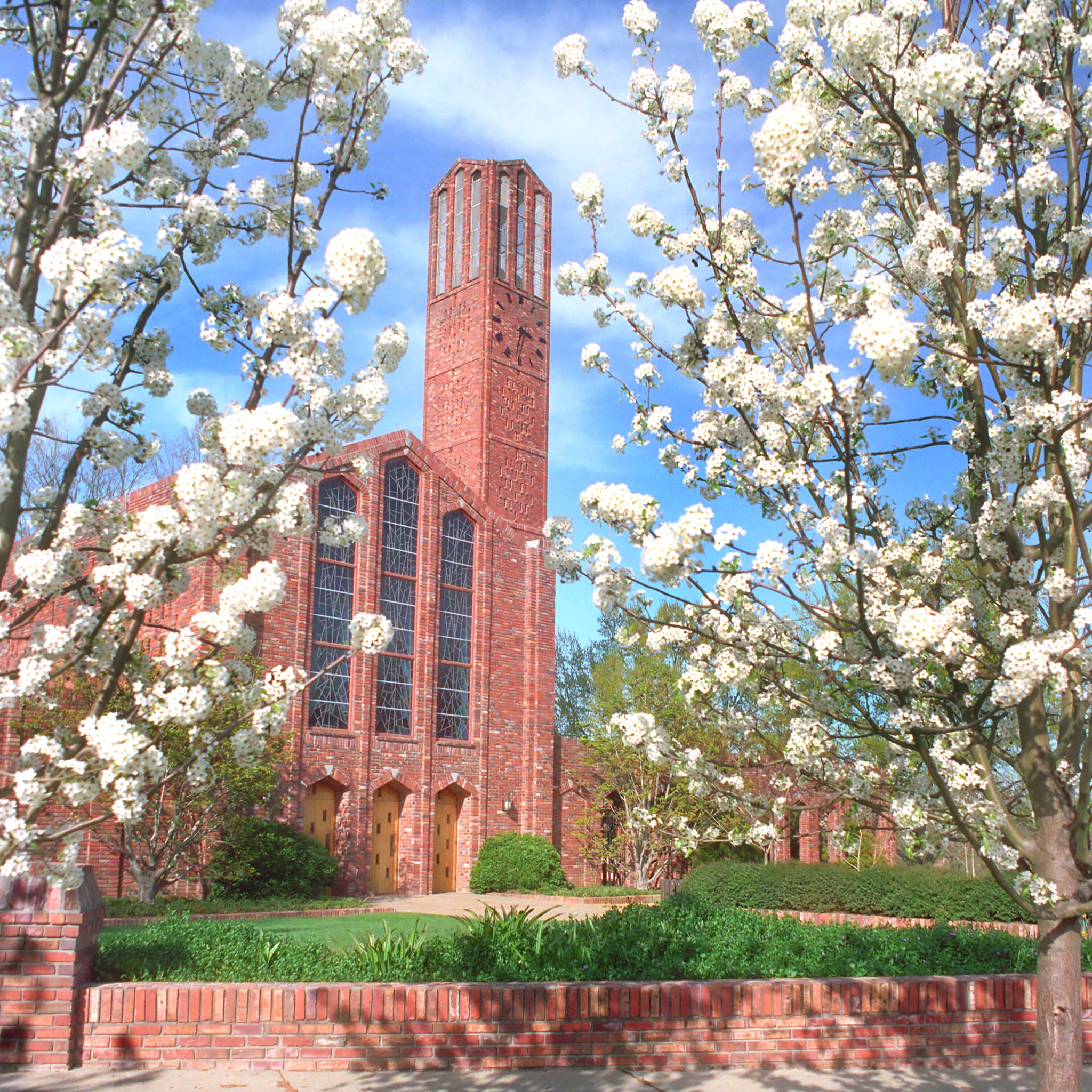
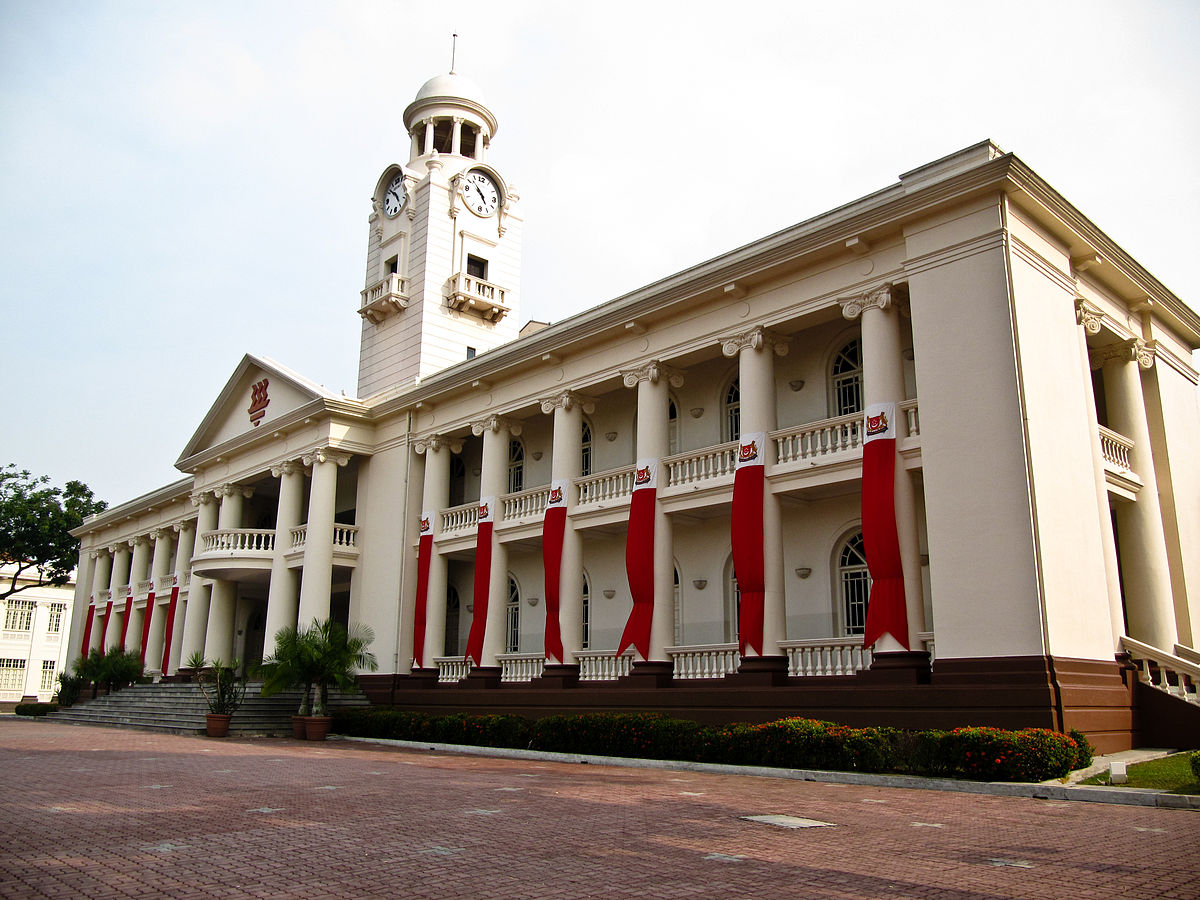
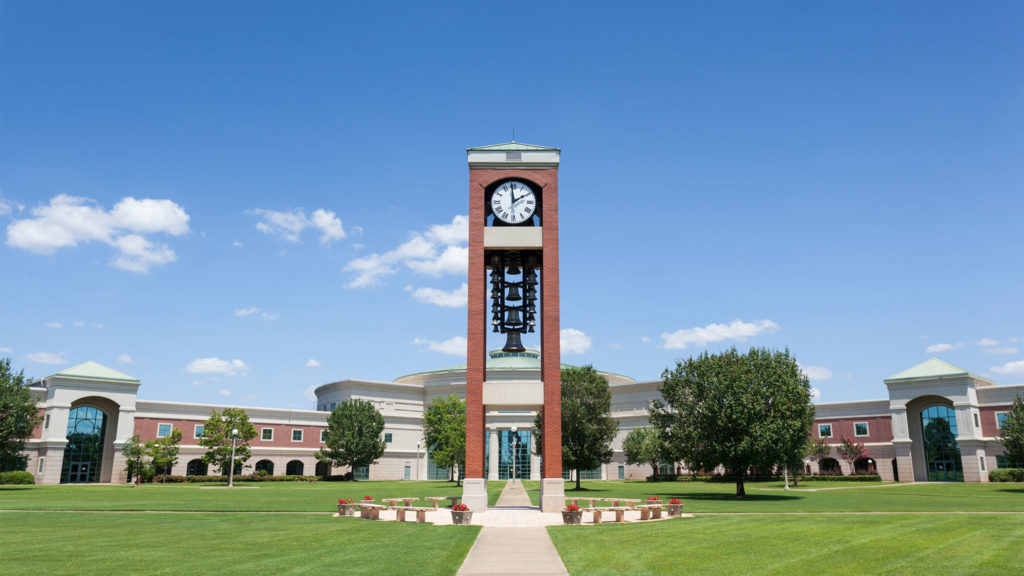
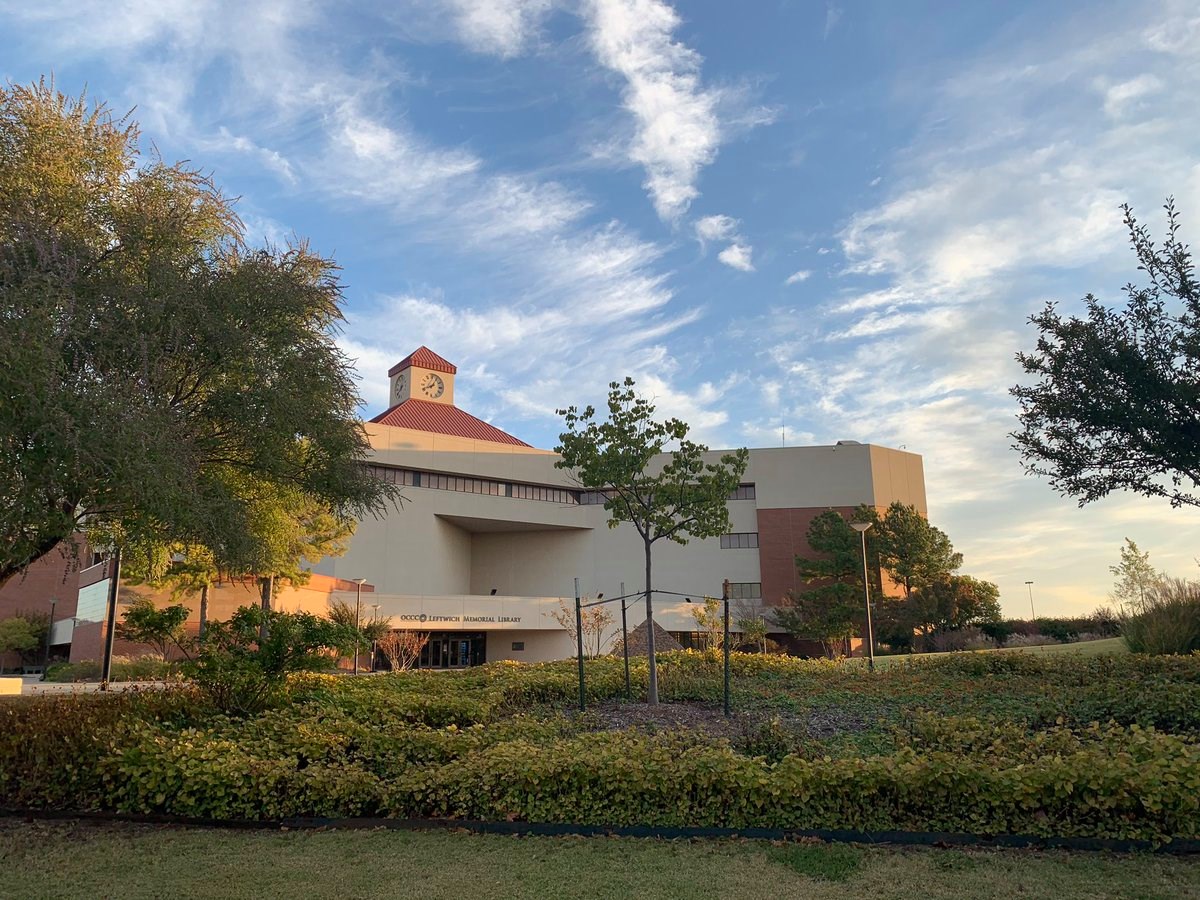
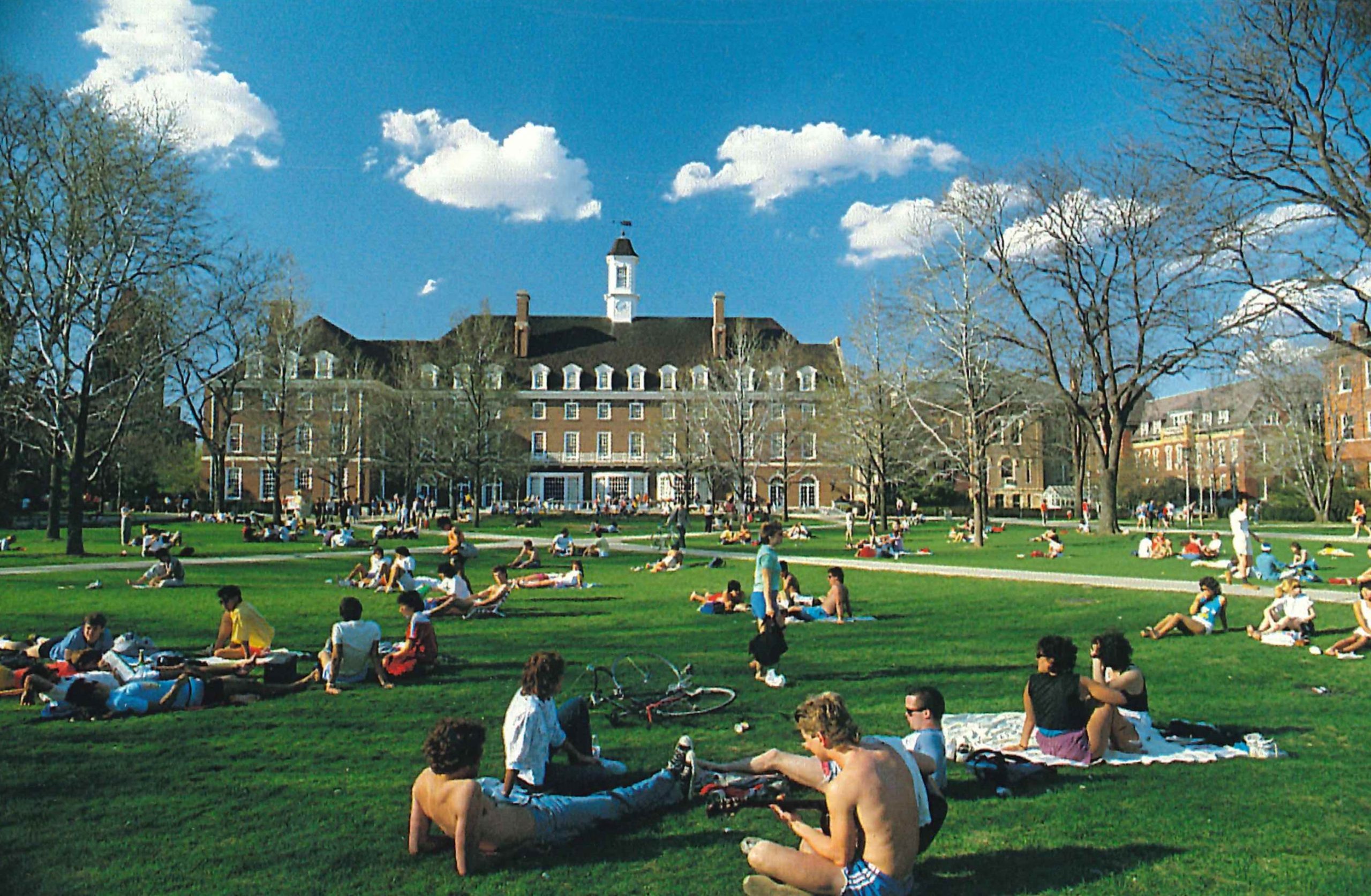
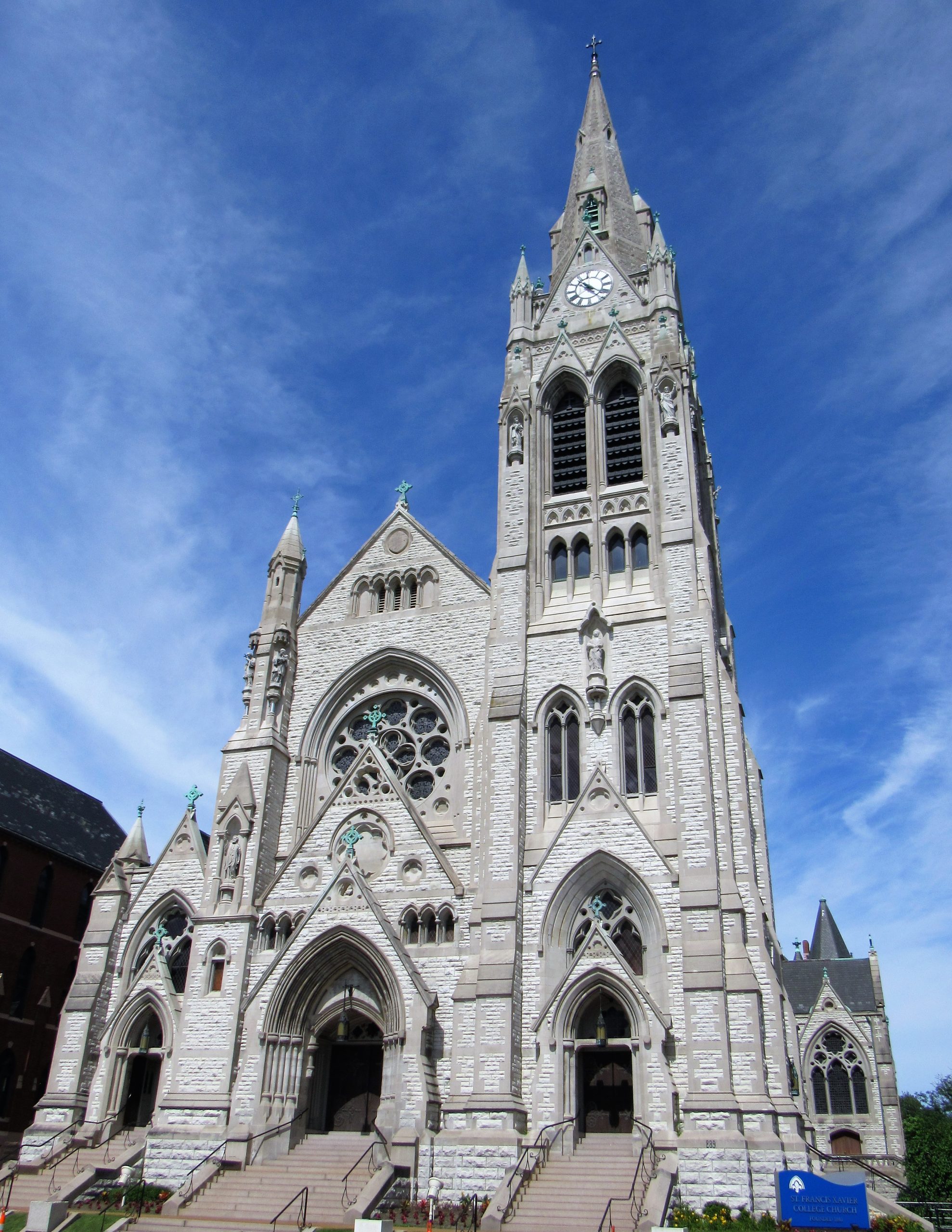
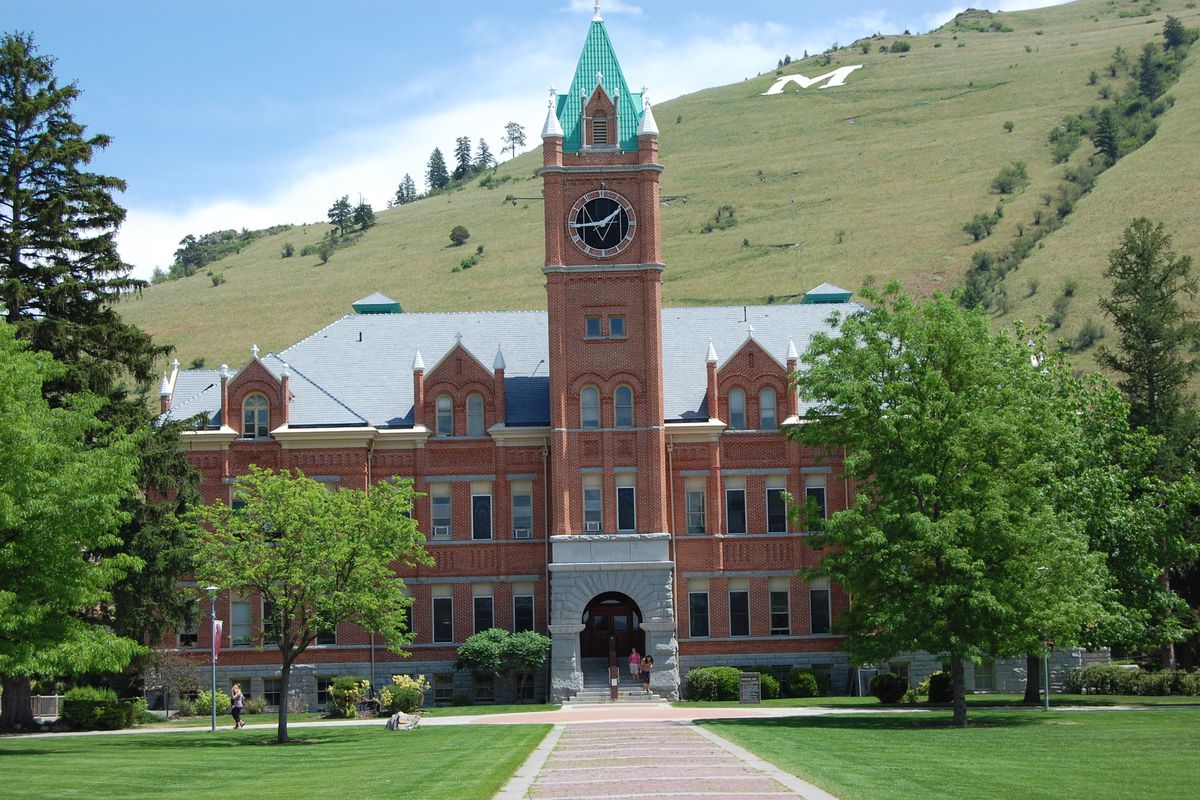
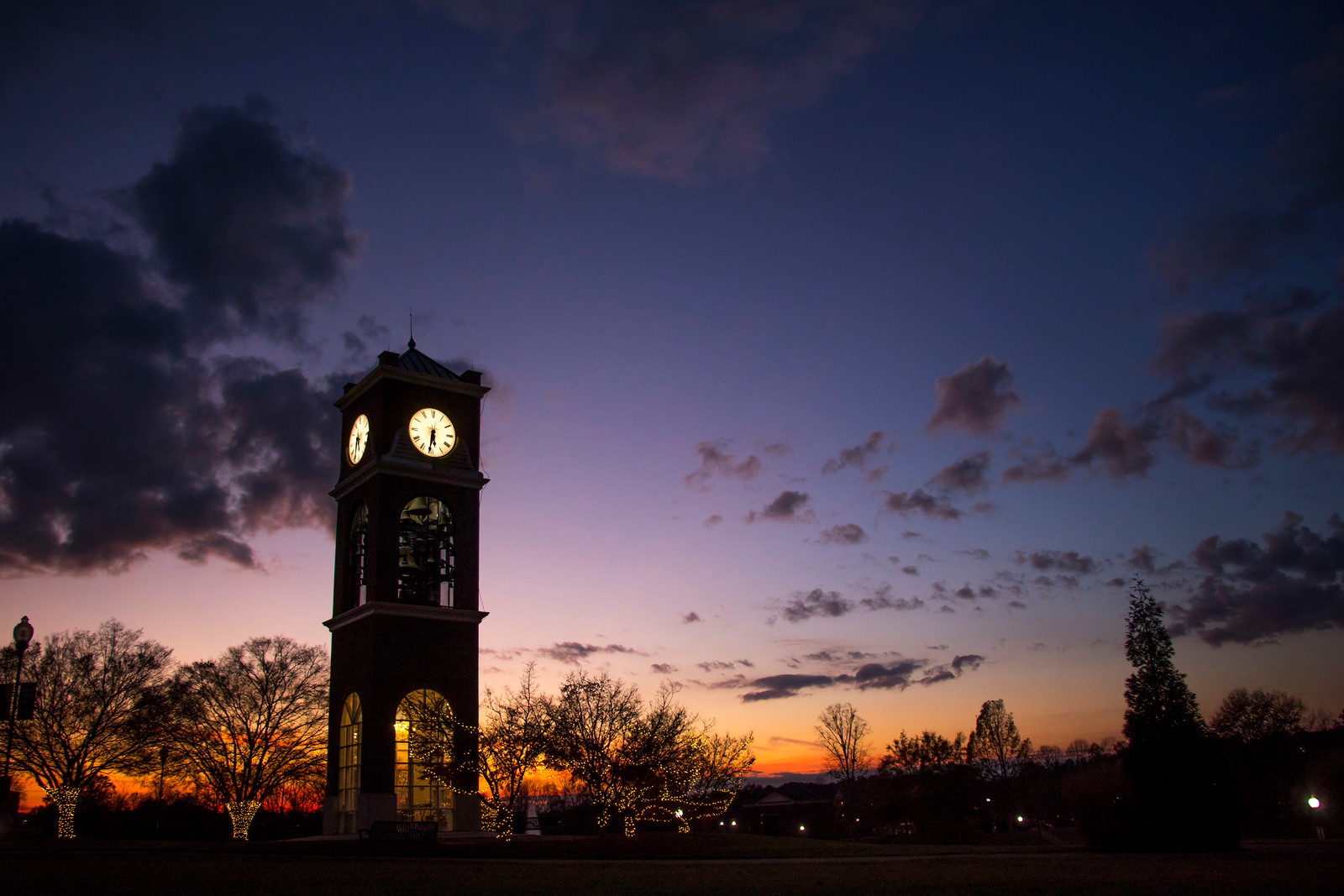
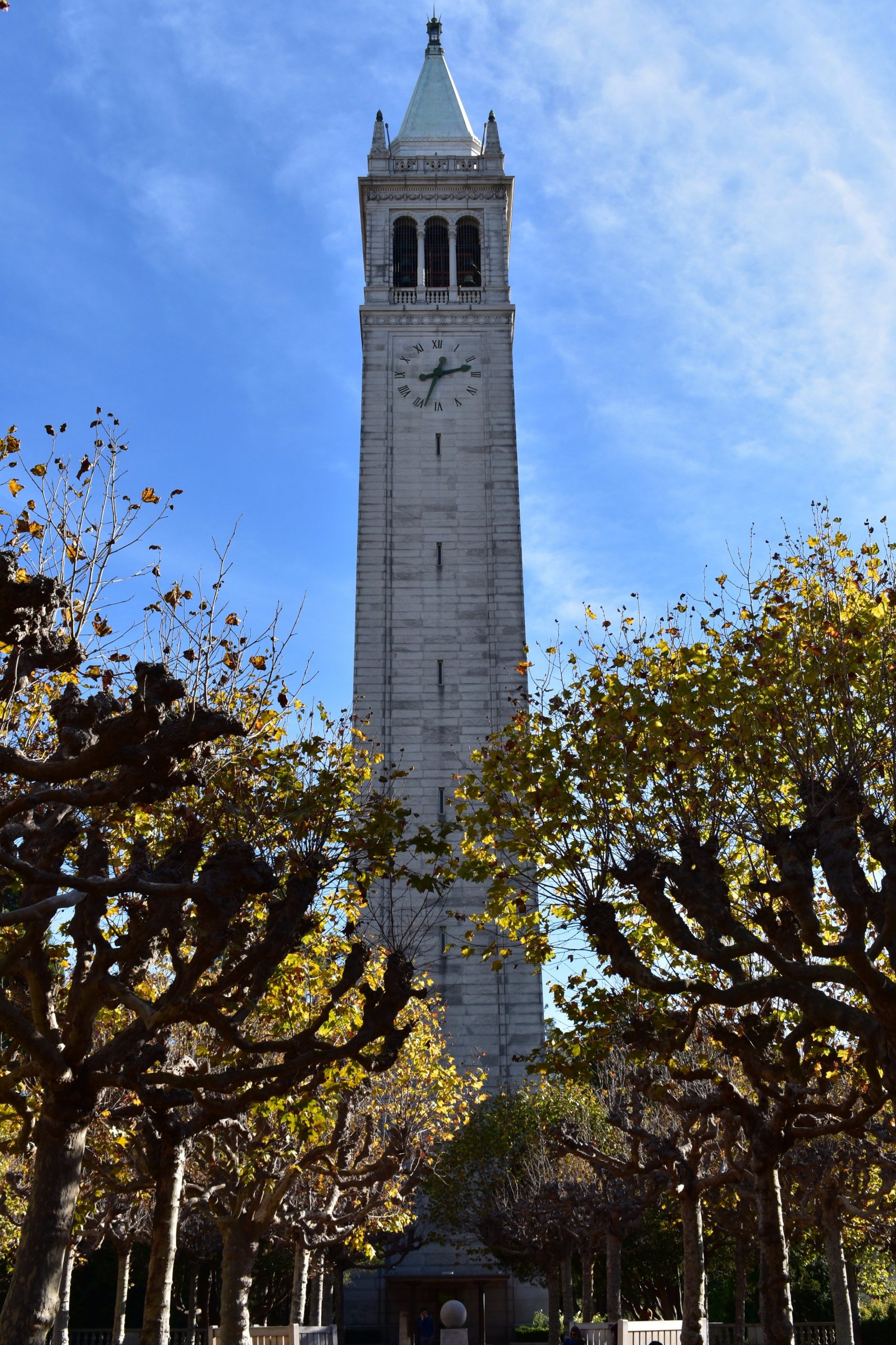
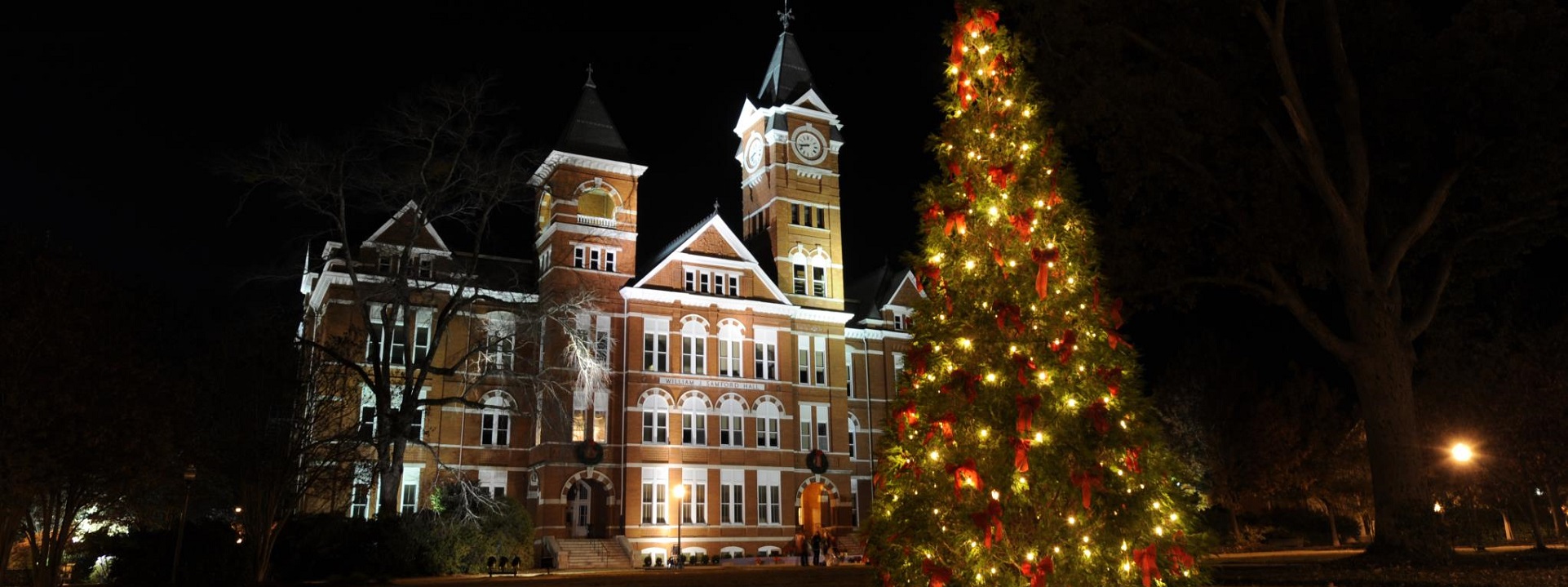
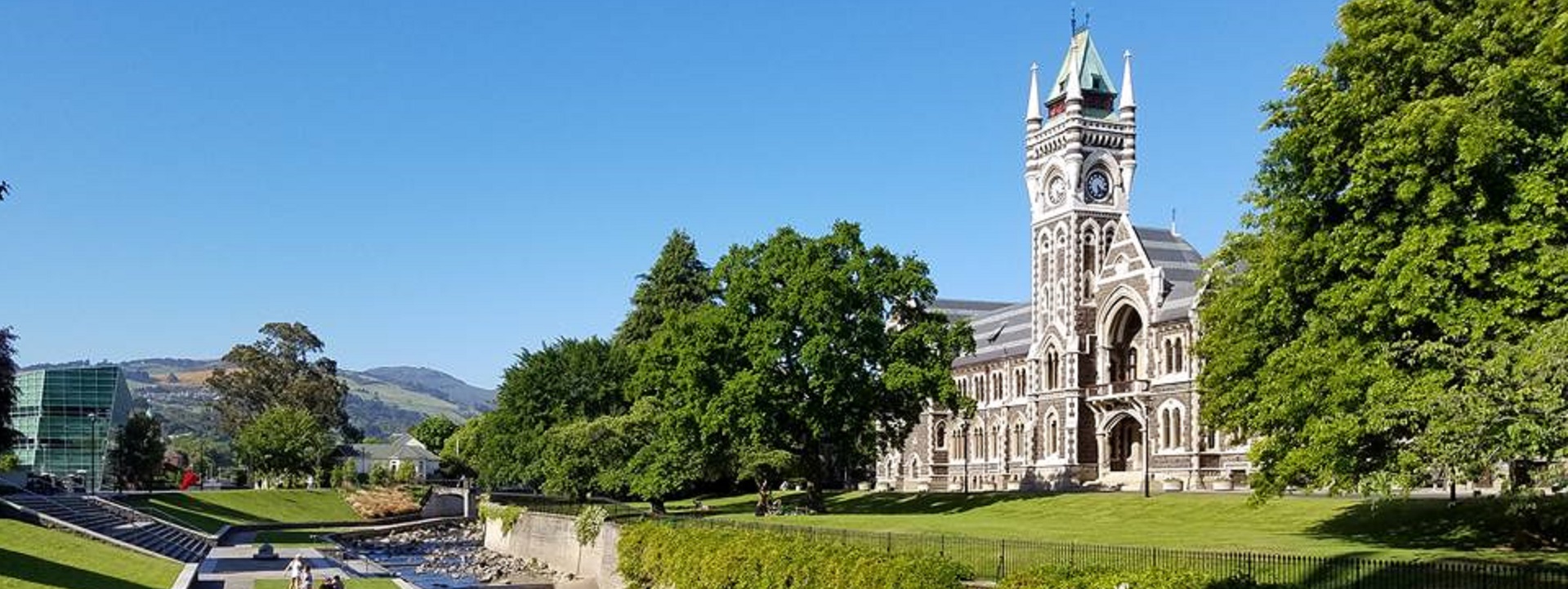
Today at 16:00 UTC we refresh our understanding of the technical standards for the timing-systems that maintain the temporal framework for daily life in education communities. The campus clock continues as a monument of beauty and structure even though digitization of everything has rendered the central community clock redundant.
Most leading practice discovery (and innovation) is happening with the Network Time Protocols (NTP) that synchronize the time stamps of widely separated data centers. In operation since before 1985, NTP is one of the oldest Internet protocols in current use and underlies the Internet of Things build out. NTP is particularly important in maintaining accurate time stamps for safety system coordination and for time stamps on email log messages.
Use the login credentials at the upper right of our home page.
New update alert! The 2022 update to the Trademark Assignment Dataset is now available online. Find 1.29 million trademark assignments, involving 2.28 million unique trademark properties issued by the USPTO between March 1952 and January 2023: https://t.co/njrDAbSpwBpic.twitter.com/GkAXrHoQ9T