
NFPA 70 committees are replacing the legacy **Class 1, Class 2 and Class 3** circuit classifications with the more functional concept of **power-limited circuits** as part of the NEC’s broader reorganization. The older classifications evolved across separate articles and applications, producing overlapping terminology, requirements and wiring rules that became increasingly difficult to apply as controls, communications, PoE, LED lighting and other low-energy technologies converged. The new framework organizes requirements around available electrical power and associated hazards rather than historical circuit labels. The objective is greater consistency, easier navigation and a code structure better suited to emerging power and communications technologies.
Archives
- Home
- Event Page 13


Language 100
“He who does not speak foreign languages
knows nothing about his own.“
— Johann Wolfgang von Goethe
Daily Beast (August 22, 2025): Dems Ban These Words to Stop Sounding Like ‘Crazy People’
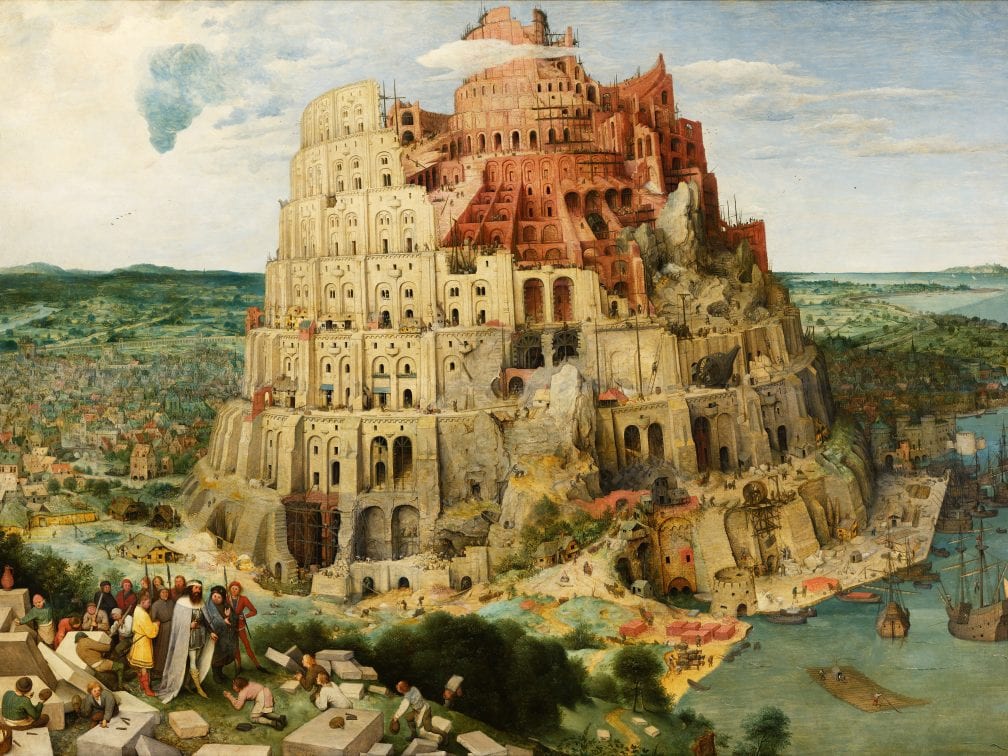
“The Tower of Babel” 1563 / Pieter Bruegel the Elder
Here’s a rough breakdown of the top languages on the web:
English: 55.4% – Russian: 6.6% – Japanese: 5.4% – Spanish: 5.2% – Chinese: 4.6%
One of the most contentious aspects of best practice discovery and promulgation in any domain, and no less so in educational settlements, is an agreed-upon vocabulary and shared understanding. As we explain elsewhere in this history, when a counter-party disagrees with you, he simply switches out the vocabulary — i.e. changes definitions or adds or subtracts from the traditional meanings of things. So we approach this topic several times a year to confirm our bearing on the meaning of things.

We observe National Poetry Month in the United States and Canada every year with an inquiry into changes in the (meaning of) definitions at the foundation of best practice literature; frequently the subject of sporty debate among experts writing codes and standards for the built environment of education communities.
In the United Kingdom, National Poetry Month is celebrated in October, and it is known as “National Poetry Day” which has been observed since 1994. It is an initiative of the Forward Arts Foundation, which aims to encourage people to read, write and perform poetry.
Other countries also have their own poetry celebrations, such as World Poetry Day, which is observed annually on March 21 by UNESCO (United Nations Educational, Scientific and Cultural Organization) to promote the reading, writing, and teaching of poetry worldwide.
In past years we used a Tamil mnemonic because Tamil is the oldest surviving language and remains the spoken language of 80-odd million people of South Asia. Alas, use of Tamil confounds our WordPress content management system so in 2024 we began coding this topic in American English
“The language of Europe is translation”
— Umberto Eco
Latin Phrases You Should Know. pic.twitter.com/Erq61gVW29
— Learn Latin (@latinedisce) May 5, 2024
Once median household income is adjusted for cost of living, Utah emerges as the wealthiest state in the nation and Mississippi yet again ranks last. Source: https://t.co/AN3JZqtNnF pic.twitter.com/kv8U3LZlvh
— Simon Kuestenmacher (@simongerman600) January 3, 2025
Superintelligence
President Trump’s September 22, 2026 address to the United Nations General Assembly
The developing sequence itself may be significant: artificial intelligence → generative AI → frontier AI → agentic AI → capability thresholds → superintelligence. Formal standards organizations are standardizing much of the first half of this vocabulary while laboratories are still creating much of the second. There is not yet a mature standards catalog specifically for superintelligence. Instead, a vocabulary and governance architecture is forming around frontier AI, general-purpose AI, capability thresholds, evaluation, scaling and catastrophic risk.
ISO/IEC 22989 — Artificial intelligence concepts and terminology
The foundational vocabulary standard for artificial intelligence. It establishes common concepts and terms — a natural Language Monday starting point because a new technical order first requires a stable language.
ISO/IEC 42001:2023 — Artificial intelligence — Management system
The international AI management-system standard. It applies policies, responsibilities, risk controls and continual improvement to organizations developing or using AI.
ISO/IEC 23894:2023 — Artificial intelligence — Guidance on risk management
Guidance for identifying and managing AI-related risks throughout organizational activities. Its technology-neutral approach makes it relevant as AI capabilities increase.
ISO/IEC 42005:2025 — AI system impact assessment
A newer part of the standards architecture providing a structured approach to assessing the consequences associated with AI systems.
NIST Artificial Intelligence Risk Management Framework (AI RMF)
A voluntary U.S. framework organized around four functions: Govern, Map, Measure and Manage. NIST is developing the framework alongside guidance addressing generative AI.
NIST AI 200-2 — TEVV-Athlon Framework for Evaluating AI Systems
An emerging framework for Testing, Evaluation, Verification and Validation (TEVV) of AI systems, including large language, multimodal and agentic systems.
Responsible Scaling Policy (RSP)
An emergent private specification rather than a consensus standard. It links increasingly capable AI models with progressively stronger safety, evaluation and security requirements.

“Composition A” 1923 Piet Mondrian

About Last Night
Calendar Symbology in Playing Cards | Poker

Snow College | Sanpete County Utah 435
I’ve been workin’ all week
And I’m tired and I don’t wanna sleep
I wanna have fun
It’s time for a good time 🎶🎶 pic.twitter.com/ZpcApYdpGn— 𝕏 Farm Girl (@Igotqueries) May 31, 2025
University Of Exeter | Southwest England
Evensonghttps://t.co/VjMxKlTlDa
@DRKoncerthuset@uni_copenhagen pic.twitter.com/2tQqnNWVs7— Standards Michigan (@StandardsMich) February 16, 2025
About last night… pic.twitter.com/qV5bgmCHYm
— University of Iowa (@uiowa) February 14, 2025
This is a simply delightful sketch animation of a ballet dancer. I was trying to get some different effects and style effects than usual.
(Prompt in following tweets.)
#Veo2 pic.twitter.com/fyznNWl3Mt— Jason Baldridge (@jasonbaldridge) January 17, 2025
Evensonghttps://t.co/VjMxKlTlDa@DRKoncerthuset@uni_copenhagen pic.twitter.com/fwLmoK8VoS
— Standards Michigan (@StandardsMich) December 1, 2024
Full Postgame Video from Columbus 〽️ #GoBlue pic.twitter.com/YE9vSPDmAH
— Michigan Football on UMGoBlue (@UMGoBlog) November 30, 2024
Michigan Beats Ohio Again!!! #Goblue pic.twitter.com/mXbPA2VBoK
— Dave Portnoy (@stoolpresidente) November 30, 2024
1011….
THE GAME
LFGOOOOOOOOO
BLUE!!!!
💙💛〽️💛💙
The Team, The Team, The Team
Ride or die, until the wheels fall off!! #team145 #goblue #michigannation #thegame24 #beatosu #thosethatstay #smashball pic.twitter.com/rEpdJxL5pM— 🌹🏆Dollface🏆🌹 (@dollface_10) November 30, 2024
Student section 🤝 Mr. Brightside pic.twitter.com/hz7OQe6ayr
— Michigan Athletics 〽️ (@UMichAthletics) September 1, 2024
#SeniorSunday 〽️💙⚽️#GoBlue pic.twitter.com/eBqLGkkWqH
— Chloe Nugent (@chloe11_07) September 1, 2024
Student section 🤝 Mr. Brightside pic.twitter.com/hz7OQe6ayr
— Michigan Athletics 〽️ (@UMichAthletics) September 1, 2024
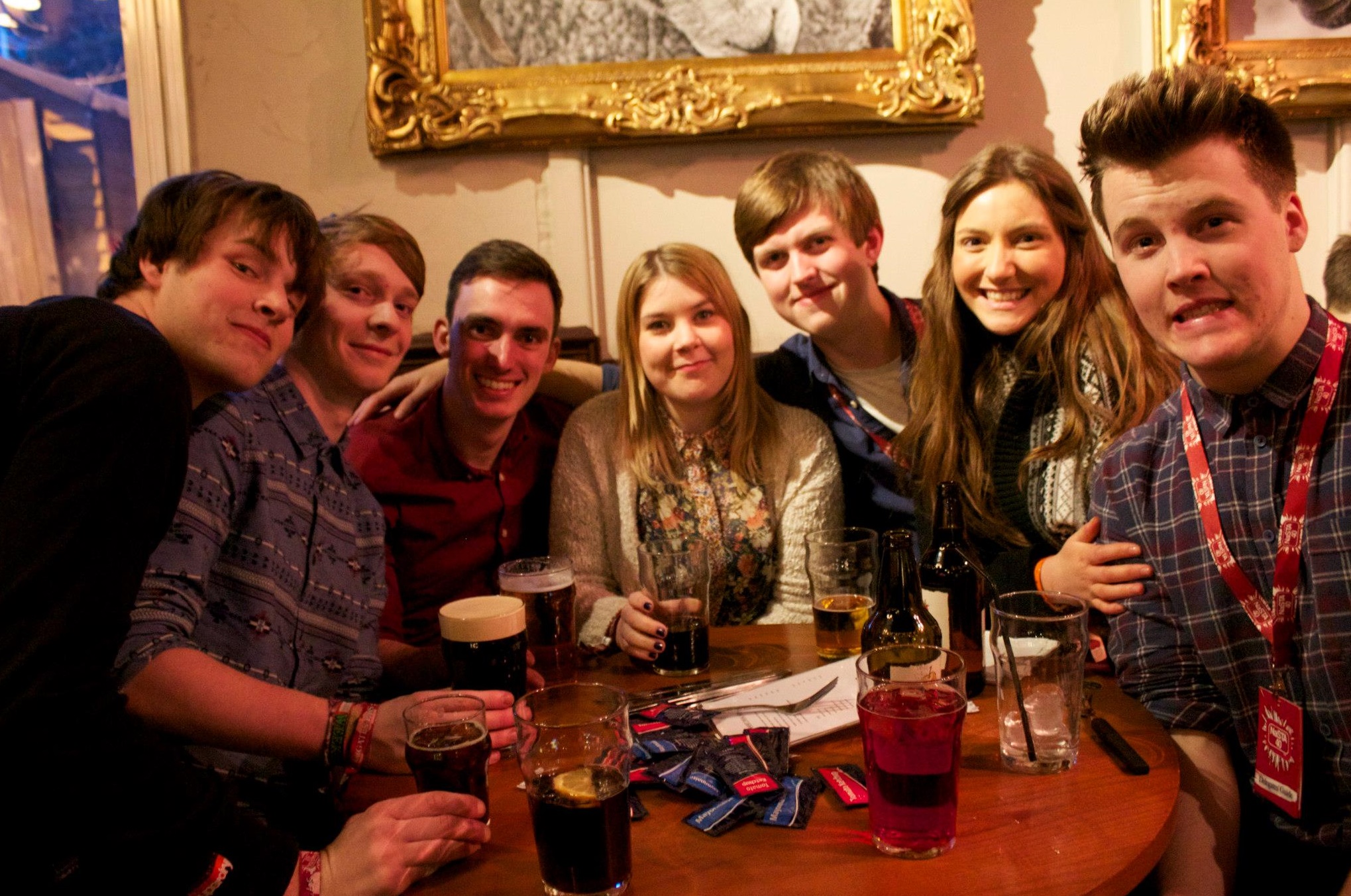
Pints in a pub on the King’s Road. Chelsea, London, in the summer of 1967. pic.twitter.com/f6MeyDigwo
— Bobbie (@bo66ie29) August 31, 2024
Bucolia 100
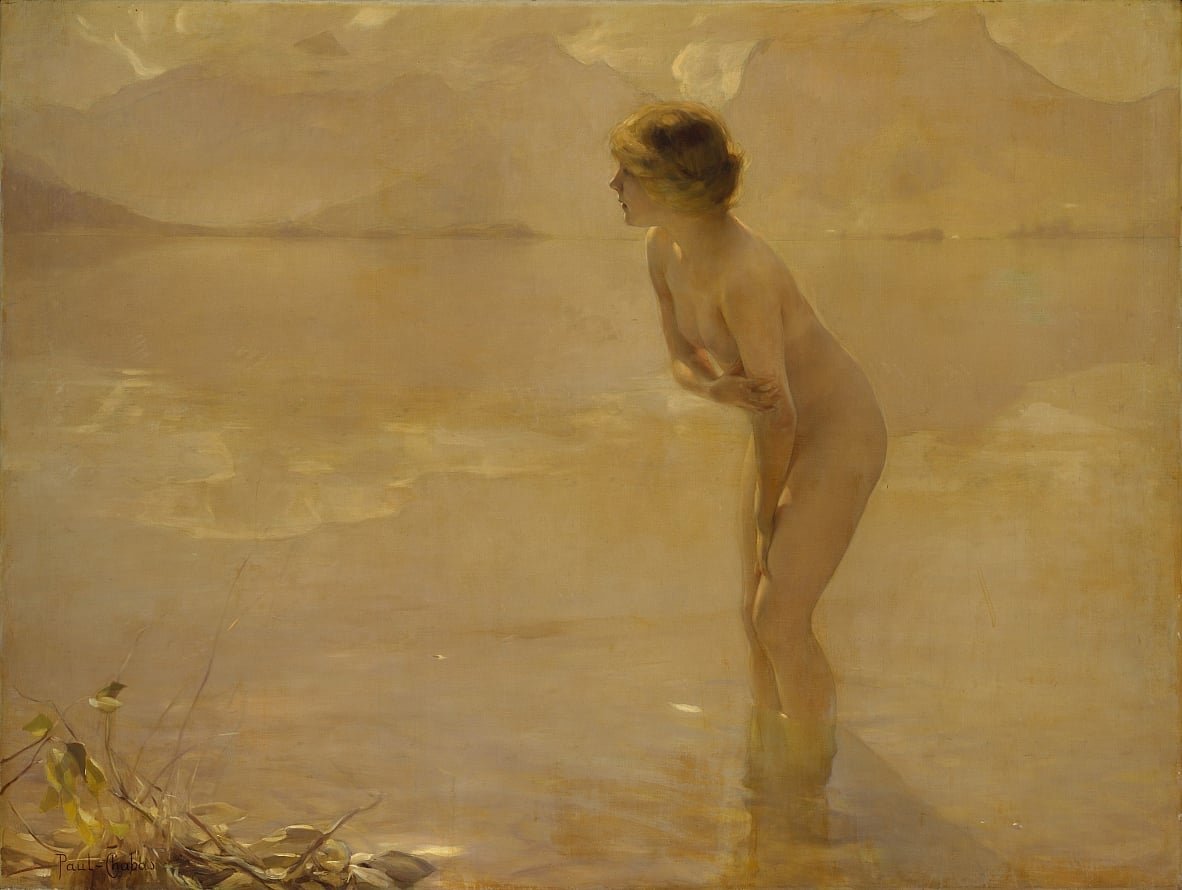
“September Morn” | Paul Émile Chabas

Review of development in safety and sustainability best practice catalogs for education community outdoor environment.
The Shire horses are back to harvest the @Kings_College wildflower meadow. Majestic 😍 pic.twitter.com/kHAWUzGVUj
— Gabriela Montejo-Kovacevich 🇪🇺 (@gmkov) August 14, 2023
The Shire horses are back to harvest the @Kings_College wildflower meadow. Majestic 😍 pic.twitter.com/kHAWUzGVUj
— Gabriela Montejo-Kovacevich 🇪🇺 (@gmkov) August 14, 2023
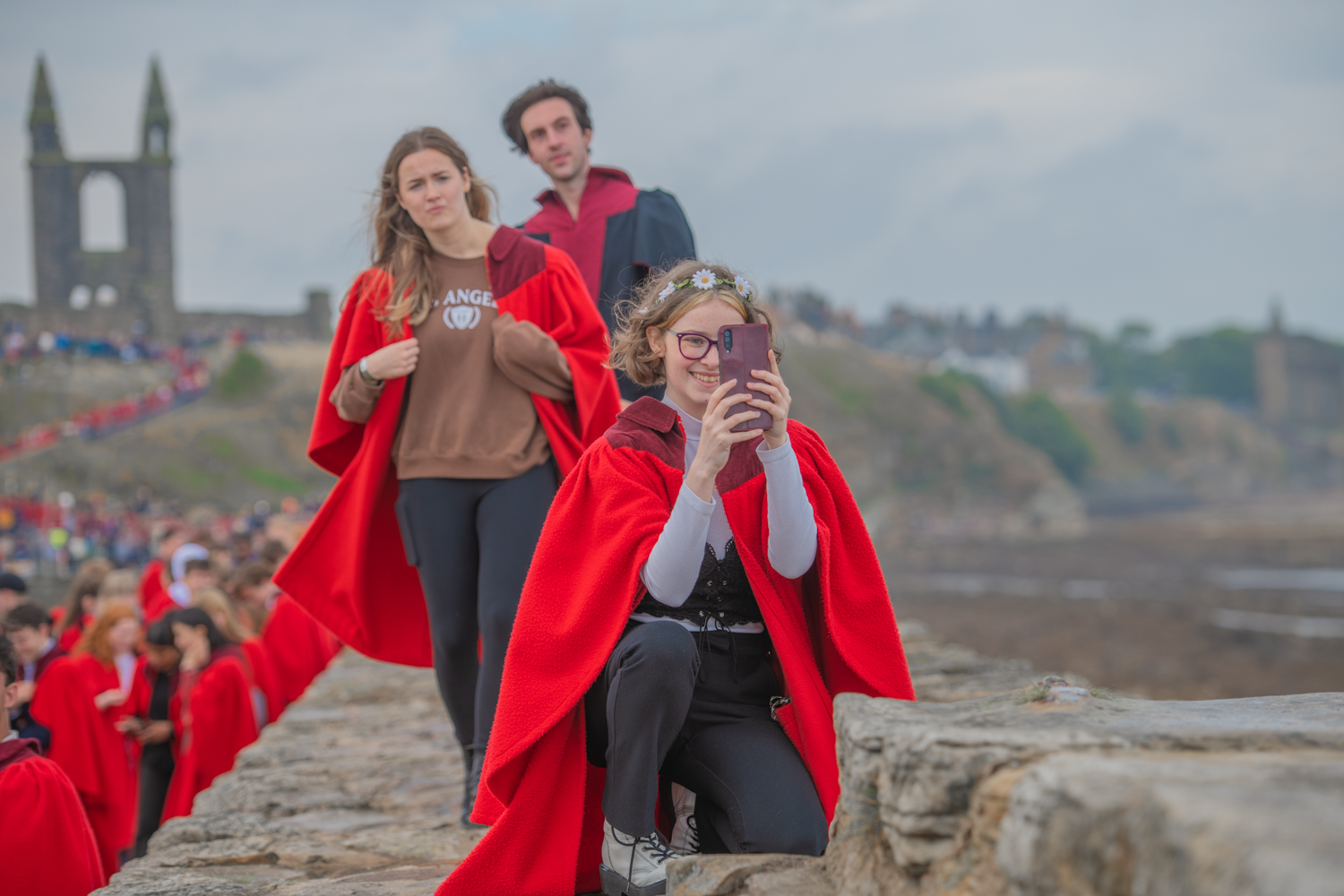

Lockers
This content is accessible to paid subscribers. To view it please enter your password below or send mike@standardsmichigan.com a request for subscription details.
New update alert! The 2022 update to the Trademark Assignment Dataset is now available online. Find 1.29 million trademark assignments, involving 2.28 million unique trademark properties issued by the USPTO between March 1952 and January 2023: https://t.co/njrDAbSpwB pic.twitter.com/GkAXrHoQ9T
— USPTO (@uspto) July 13, 2023
Standards Michigan Group, LLC
455 East Eisenhower Parkway, Suite 300
Ann Arbor, MI 48108 USA
888-748-3670
DIRECTIONS
 |
 |
|
 |
 |
|
 |
 |