
Archives
- Home
- Event Page 7

loading...



Nourriture d’automne
University of British Columbia: Food grown inside the residence hall. Orchard Commons has begun harvesting greens from a hydroponic Building-Integrated Agriculture pod immediately beside the dining hall. Standard electrical connection, LED lighting, architecture, food service, energy, research and campus operations all converge here.
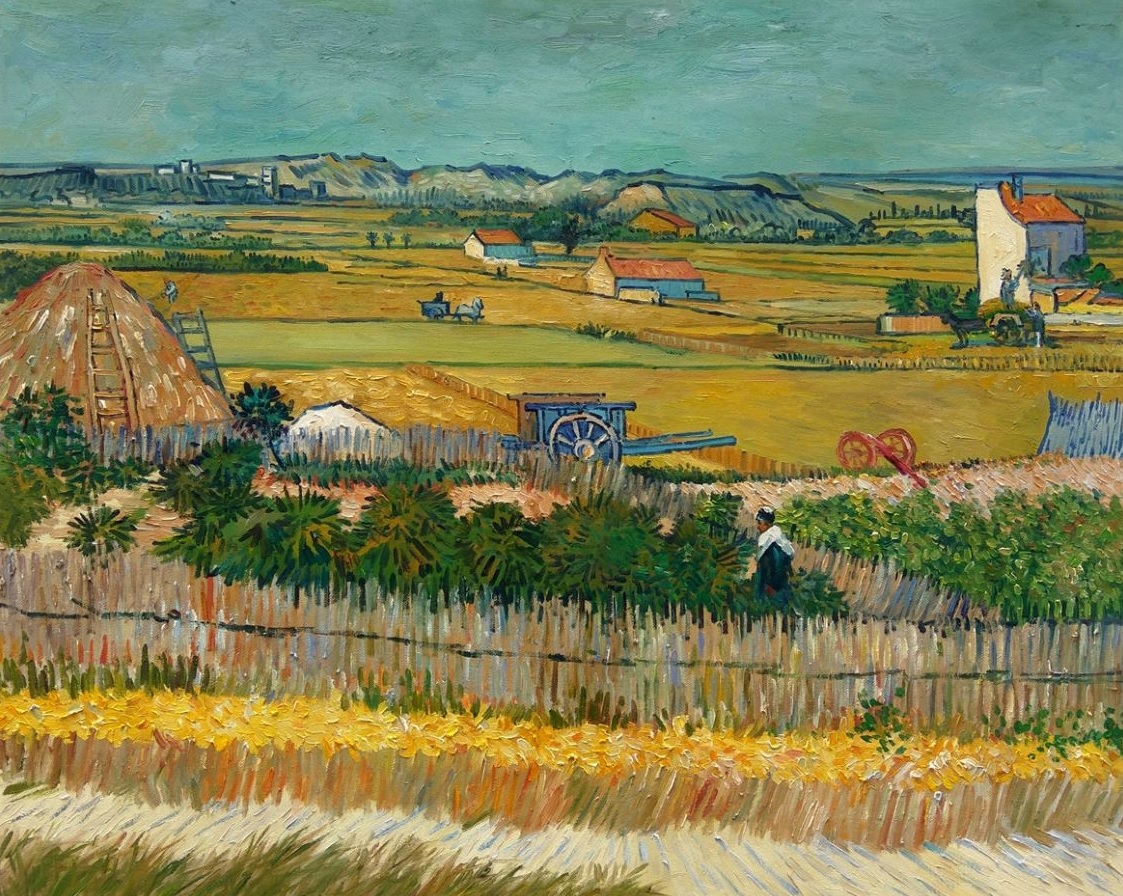

Overview of codes and standards relevant to the food service enterprises in K-12 schools, college and university student housing, athletic venues and university-affiliated healthcare systems.

Fine Arts 200
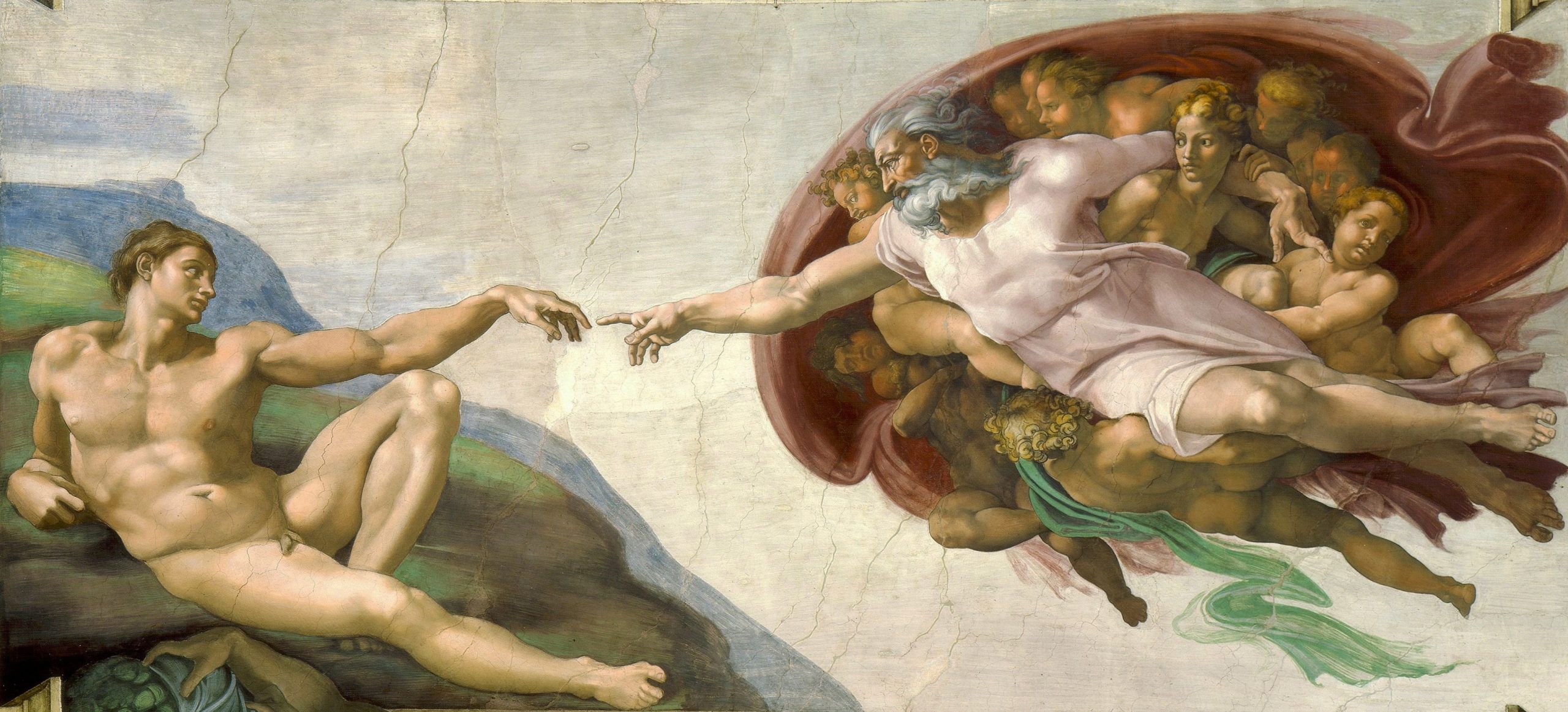
There are written fine arts standards that have been developed by various organizations and educational bodies. These standards provide a framework for what students should know and be able to do in the arts at different grade levels. Here are a few examples of fine arts standards:
National Core Arts Standards: The National Core Arts Standards were developed by the National Coalition for Core Arts Standards and outline what students should know and be able to do in dance, media arts, music, theater, and visual arts at different grade levels.
State Fine Arts Standards: Many states have their own fine arts standards that are aligned with the National Core Arts Standards but may be tailored to reflect the unique needs and priorities of the state; e.g., State of Ohio Fine Art Standards
International Baccalaureate Arts Standards: The International Baccalaureate (IB) program offers arts standards as part of their curriculum framework for the arts. These standards are designed to develop students’ creative and critical thinking skills in the arts.
Arts Education Partnership National Standards for Arts Education: The Arts Education Partnership has developed national standards for arts education that cover the four major artistic disciplines: dance, music, theater, and visual arts.
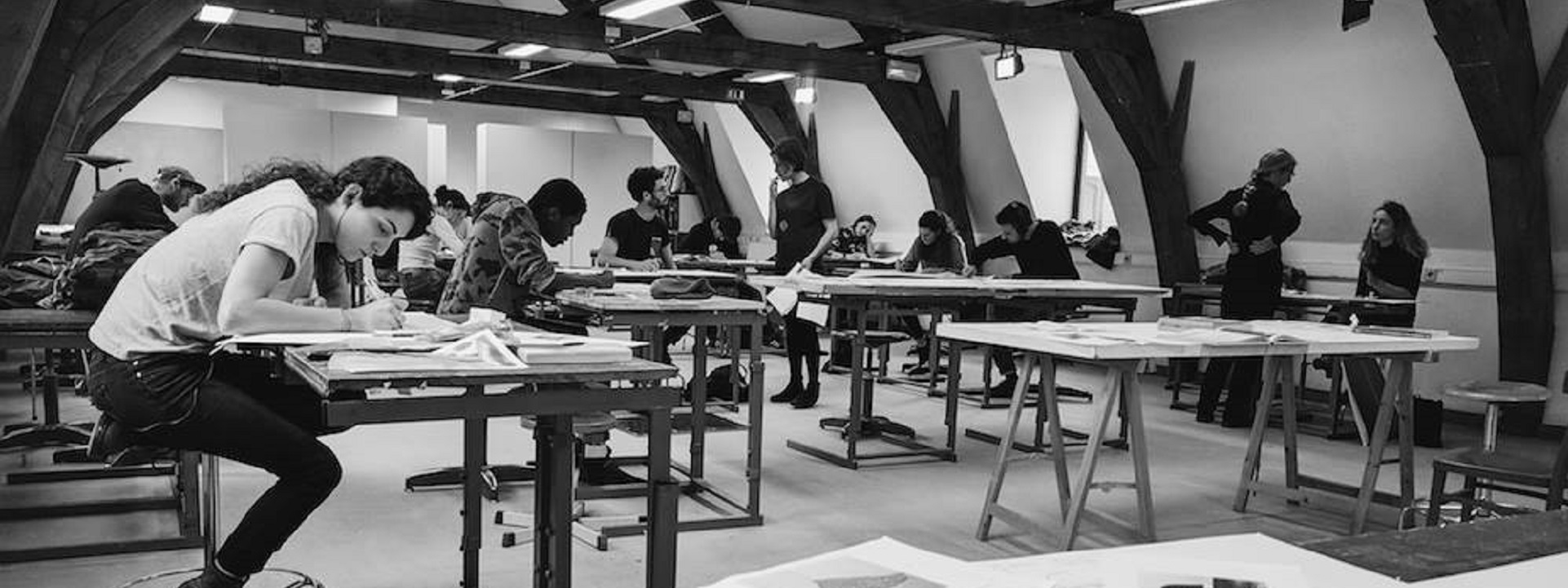
Today at 15:00 UTC we drill into the technical specifics that contribute to the safety and sustainability of spaces used for the teaching, practice and
display of the fine arts. These occupancies are typically at greater risk than classrooms because they usually contain volatile fluids for artistic painting
or biologic specimen preservation, kilns for pottery, fabrics and related machinery for teaching fashion design and practice.
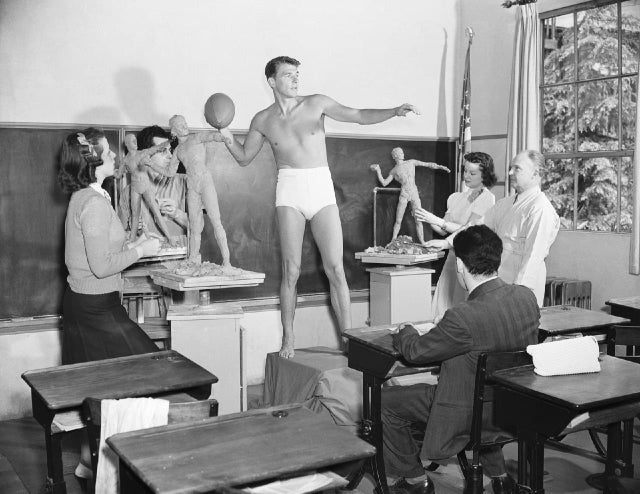
Good morning friends! Here’s a little painting I did that was inspired by my solo camping trips in Wyoming & Montana.
Make it a great day ☀️ pic.twitter.com/cqMwYxK9Kk
— Erica (@EricaArndts) October 23, 2025

Elevators & Lifts
|
Going Up: Uncovering the Art Deco Elevators of Landmarked Building Interiors Architectural Digest: Why The Chrysler Building is a New York City Icon |
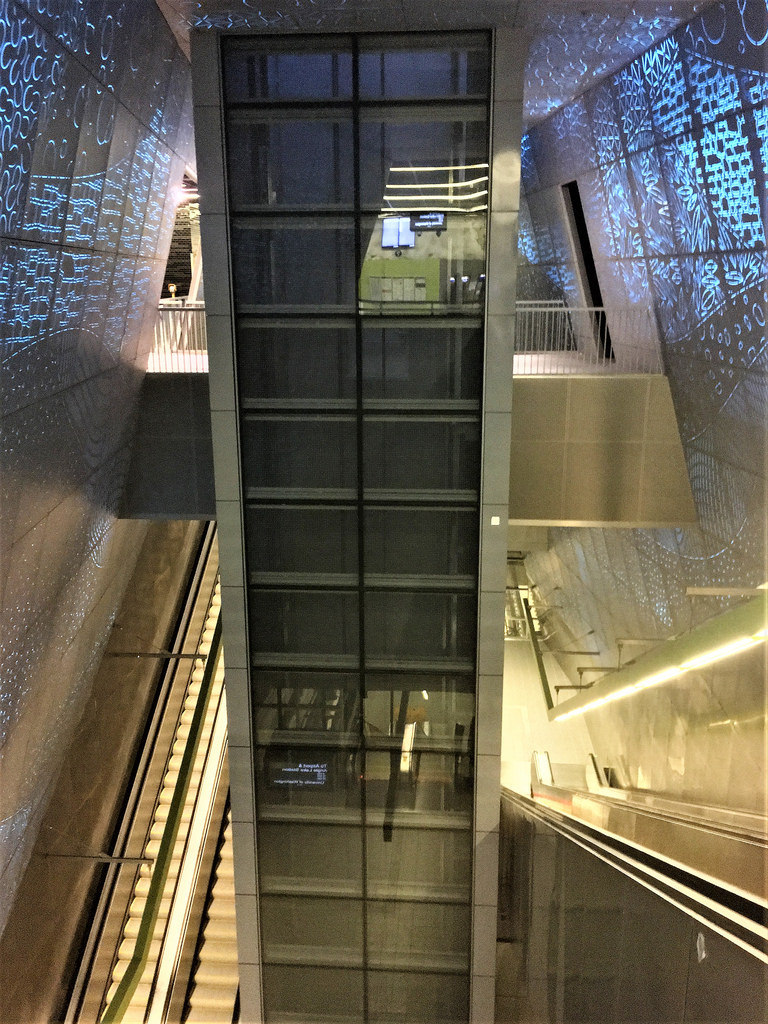
University of Wisconsin Stadium Elevator
Many education communities have 100’s of elevators and escalators. This is a difficult space for driving costs down
(because of strong manufacturer and labor presence) but we will give the “old college try”
Eric and Shari Schlesinger met in Hardwick’s elevator on move-in day in 1972, leading to a 42-year marriage.@TempleUnivhttps://t.co/3QTh51f4JB pic.twitter.com/Ek5vD9s5lF
— Standards Michigan (@StandardsMich) January 17, 2023
Normalize bringing your baby with you.🤍 pic.twitter.com/qztfkDpCo7
— Clare Anne Ath (@clareanneath) December 11, 2024



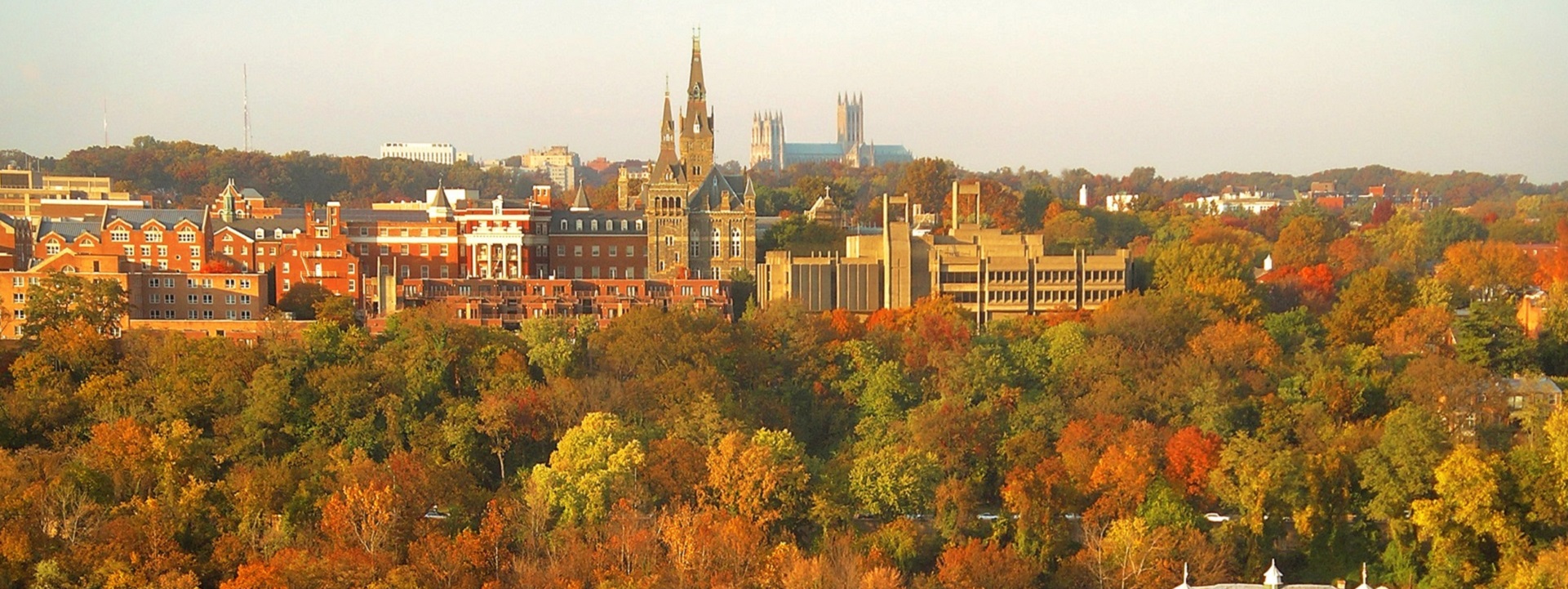


Underground
This content is accessible to paid subscribers. To view it please enter your password below or send mike@standardsmichigan.com a request for subscription details.
New update alert! The 2022 update to the Trademark Assignment Dataset is now available online. Find 1.29 million trademark assignments, involving 2.28 million unique trademark properties issued by the USPTO between March 1952 and January 2023: https://t.co/njrDAbSpwB pic.twitter.com/GkAXrHoQ9T
— USPTO (@uspto) July 13, 2023
Welcome
Standards Michigan Group, LLC
455 East Eisenhower Parkway, Suite 300
Ann Arbor, MI 48108 USA
888-748-3670
DIRECTIONS
 |
 |
|
 |
 |
|
 |
 |
Layout mode
Predefined Skins
Custom Colors
Choose your skin color
Patterns Background
Images Background
error: Content is protected !!
Skip to content