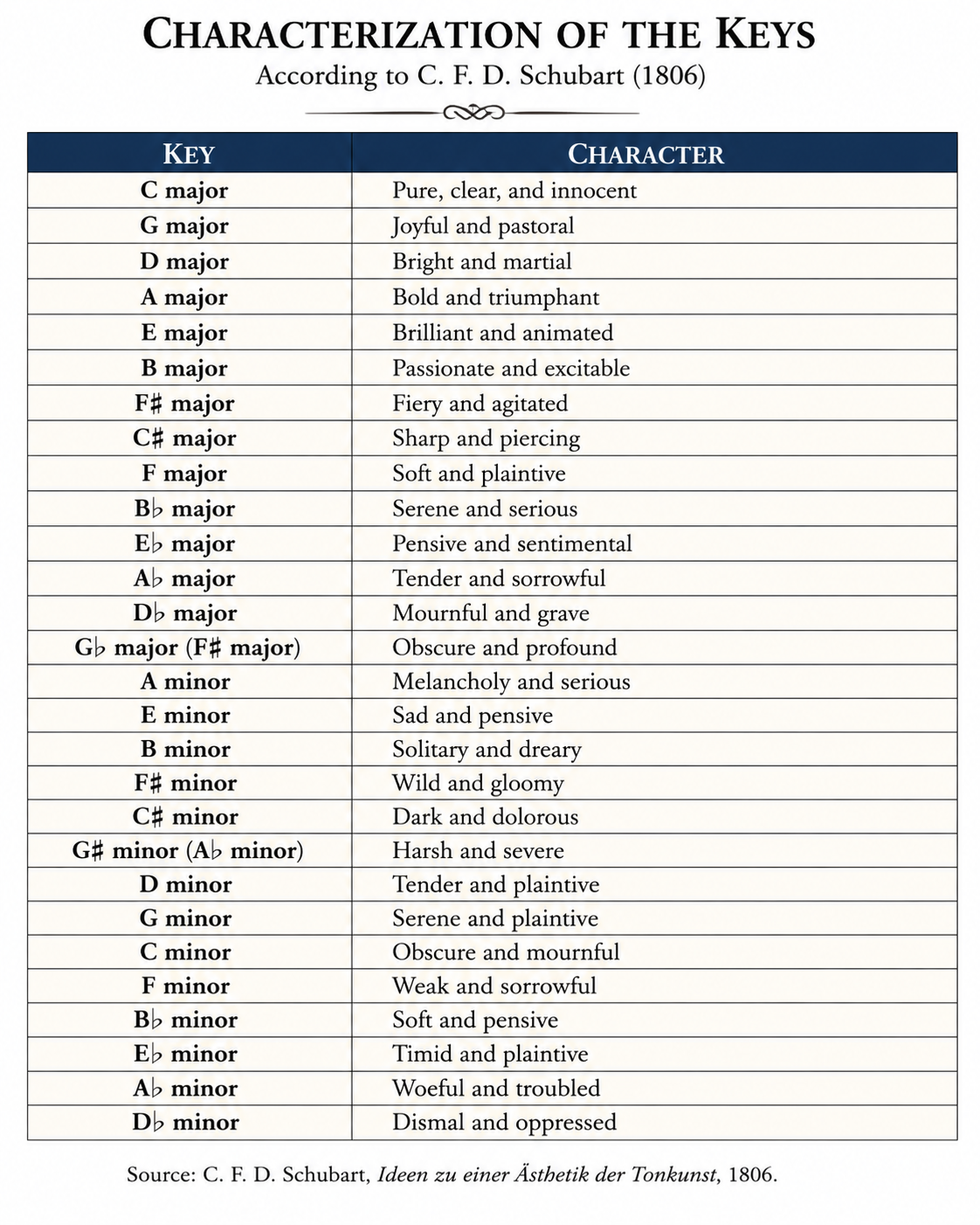
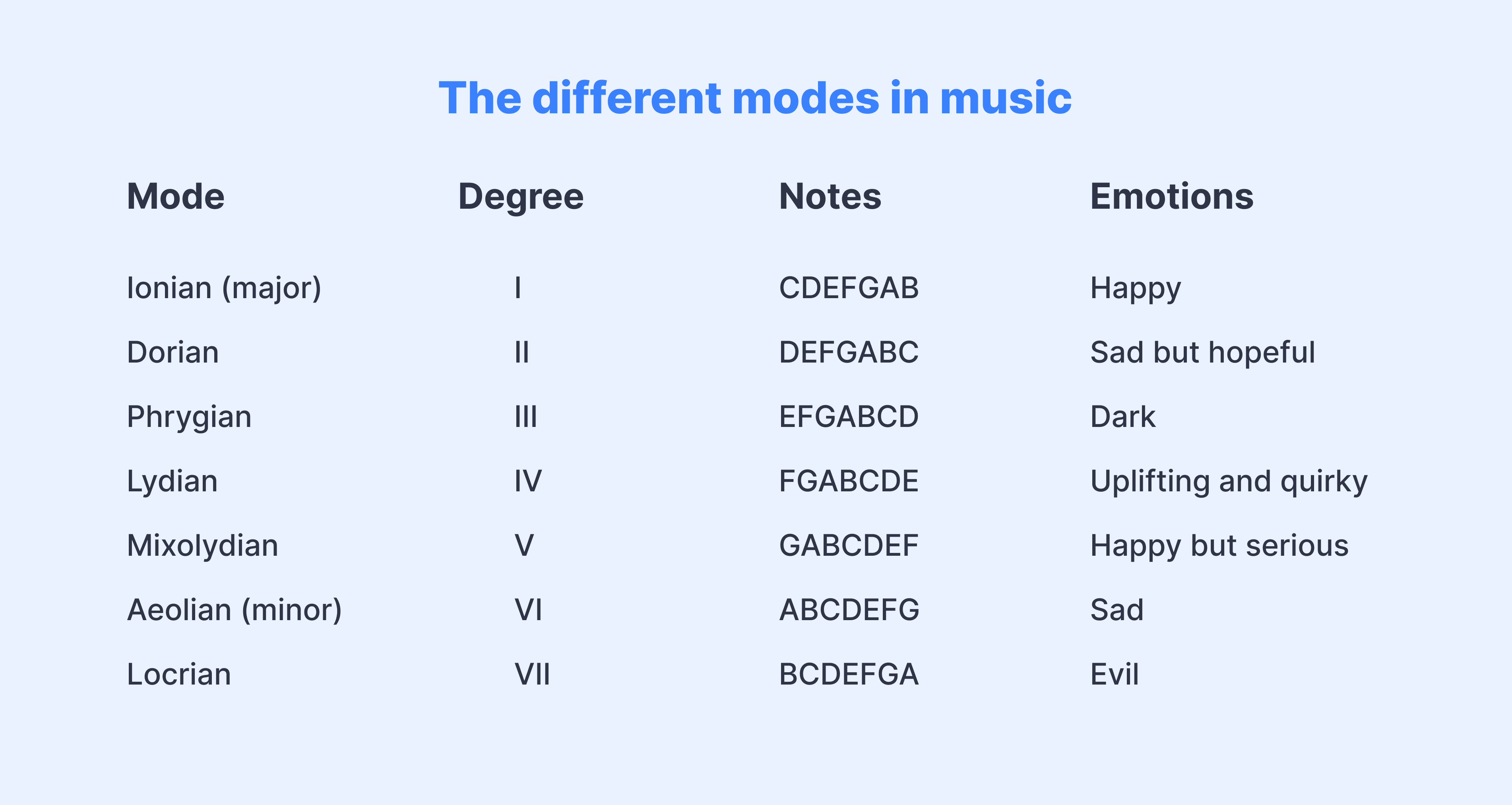
Western music became a global standard mainly through power, technology, and institutions; educational settlements among them. Staff notation, tuning, keys, instruments, conservatory instruction, recording technology all contributed.
European colonialism (16th–20th centuries) spread it via missionaries, military bands, schools, and administrations. Staff notation enabled precise, portable transmission of complex music across empires. Modernizing states (Meiji Japan, Atatürk’s Turkey, others) later adopted it as a symbol of progress.
Technological advantages accelerated this: equal temperament and standardized instruments (especially the piano) could be mass-produced and exported. Recording, radio, film, and later streaming—largely pioneered or dominated by Western industries—scaled the music worldwide far beyond oral traditions.
In the 20th century, American (and British) economic and media power made jazz, rock, pop, and English-language songs the commercial lingua franca. English itself acts as infrastructure for global circulation. Conservatories and schools worldwide teach Western theory and repertoire as the baseline, creating lasting path dependence.
It is not absolute. Local traditions persist vigorously, and hybrid forms (Afrobeats, K-pop, Latin pop, Bollywood, etc.) dominate much of today’s popular music—Western harmony, instruments, and production fused with indigenous elements. African and African-American innovations also reshaped Western popular music itself.
In essence, the same forces that projected Western science, industry, and political influence also projected its music. The result is a shared global infrastructure of notation, instruments, and media that most professional and commercial music now uses, while local cultures continue to adapt and enrich it.