Tag Archives: April

Loading
loading..

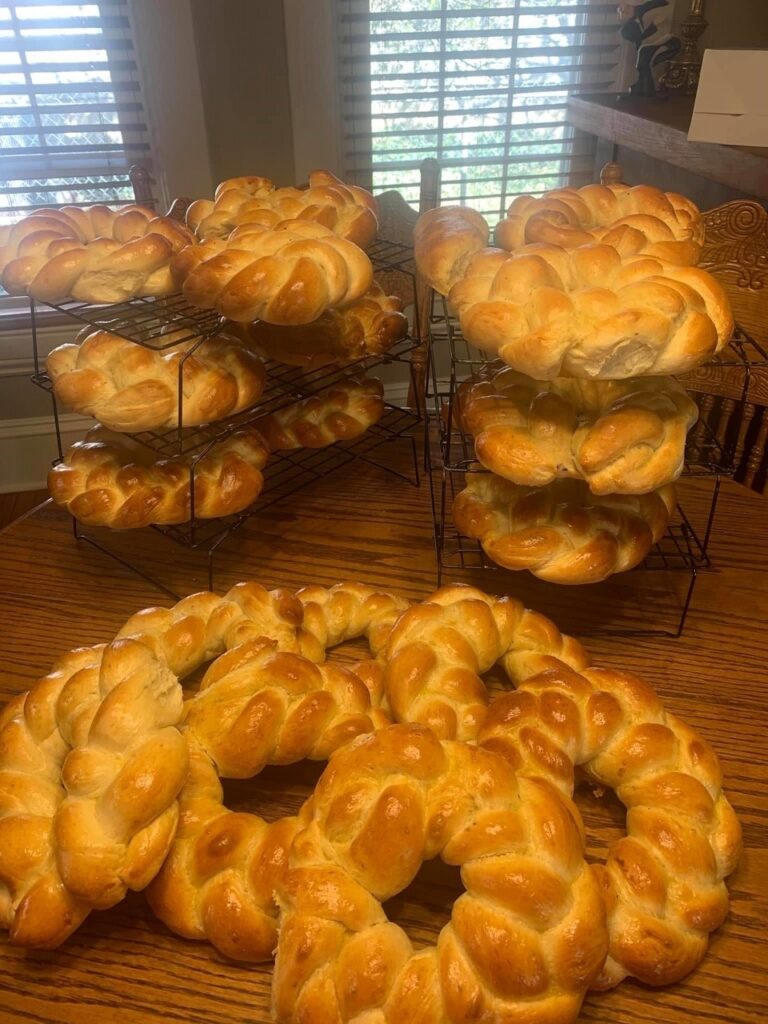
Easter Bread & Yaupon Tea

“Every year as Easter approaches, if you are lucky, you might catch the scent of baking bread and fragrant anise wafting in the air in my hometown of Clarksburg, West Virginia.  Easter bread, sweet and flavored with anise seed, is a holiday ritual in the Italian-American community here.  With roots stretching back to Calabria, making Easter bread is a foodways tradition that now thrives in North Central West Virginia”  — Lori Hostuttler, Assistant Director at West Virginia & Regional History Center

Standards West Virginia | Lane Department of Computer Science & Electrical Engineering


Yaupon Drink: A Medicine Bundle in the Atlantic World

Steven P. Carriger Jr, University of Tennessee, Knoxville

Abstract. This dissertation examines yaupon drink, a tea made from yaupon holly along with other ingredients, as a medicine bundle in the Atlantic World. Originally a medicinal drink used by Native Americans across the what is today the American South, over time the tea became a trade good demanded by the Spanish and a medicinal herb sought by European botanists and medical practitioners. Chapter One traces yaupon’s origins across the southeast and bundles the drink into the many cosmic and social connections it held. Chapter Two shows how the Spanish colonial presence offered an alternative to yaupon in Florida, through Christianity and its Sacraments even as the Spanish themselves began to commodify it, demanding it as an item of tribute. Chapter Three looks beyond Spanish Florida into the interior of the southeast as Creek, Cherokee, and Natchez towns negotiated the “Shatter Zone” and shows how towns of the Native Americans preserved or changed how they used yaupon in response to European colonialism. Chapter Four explains how the yaupon became a part of medicine and gardens in early modern Europe and how its leaves negotiated the changes that the Enlightenment brought. Using archaeology and European narrative histories, this dissertation examines yaupon drink within its relational fields, recognizing its affordances and how these help write a small piece of a decolonized history of the tangled relationships among Native Americans and Europeans in Southeast and the larger Atlantic World.

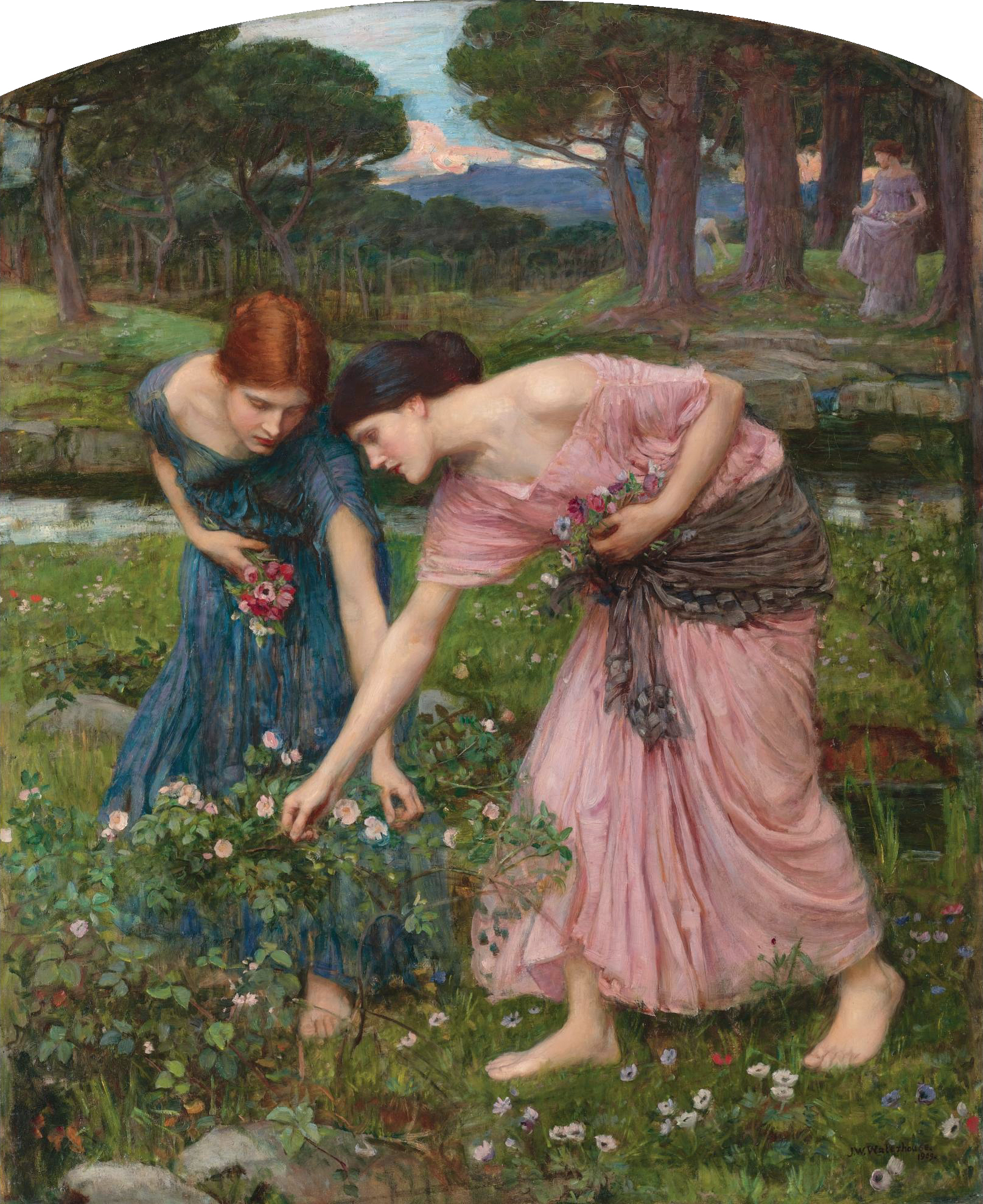
“Spring Turning” 1936 Grant Wood

Related:

Easter Bread (Bosca) & Cowboy Coffee

“Gelukkige Koningsdag!” Stamppot

Stamppot is a Dutch comfort food known for its simplicity and versatility. It combines mashed potatoes with various vegetables, typically leafy greens like kale (boerenkool), endive (andijvie), or sauerkraut (zuurkool), and often includes bacon or sausage.

The name “stamppot” comes from the Dutch words “stampen” (to mash) and “pot” (pot). The dish is prepared by mashing the boiled potatoes and vegetables together in a single pot. The result is a  slightly chunky mixture of mashed potatoes and vegetables.

There are many variations of stamppot, depending on the vegetables used. The most common types include boerenkool stamppot (kale stamppot), andijvie stamppot (endive stamppot), and zuurkool stamppot (sauerkraut stamppot). Each variation has its own distinct flavor and texture.

Stamppot runs deep in the Netherlands and is considered a staple of Dutch cuisine. It’s a dish that brings people together, especially during the traditional “Hutspot Day” (Hutspotfeest) celebrations in some regions.


Related: Dutch Student Stew

“Dutch Student Stew” also known as “Hutspot” in Dutch. It’s a traditional Dutch dish that consists of mashed potatoes, carrots, and onions, often flavored with salt, pepper, and sometimes bacon. It’s a hearty and simple comfort food that has been popular in the Netherlands for many years. The name “Dutch Student Stew” might be a colloquial or humorous reference to the fact that it’s an easy and inexpensive dish to prepare, making it suitable for students or anyone on a budget.

Nederland

Language

This content is accessible to paid subscribers. To view it please enter your password below or send mike@standardsmichigan.com a request for subscription details.

Hosanna to the Son of David

Matthew 21:1-11 recounts the events of Palm Sunday, the triumphal entry of Jesus into Jerusalem:

1 As they approached Jerusalem and came to Bethphage on the Mount of Olives, Jesus sent two disciples, 2 saying to them, “Go to the village ahead of you, and at once you will find a donkey tied there, with her colt by her. Untie them and bring them to me. 3 If anyone says anything to you, say that the Lord needs them, and he will send them right away.”

4 This took place to fulfill what was spoken through the prophet: 5 “Say to Daughter Zion, ‘See, your king comes to you, gentle and riding on a donkey, and on a colt, the foal of a donkey.'”

6 The disciples went and did as Jesus had instructed them. 7 They brought the donkey and the colt and placed their cloaks on them for Jesus to sit on. 8 A very large crowd spread their cloaks on the road, while others cut branches from the trees and spread them on the road. 9 The crowds that went ahead of him and those that followed shouted, “Hosanna to the Son of David!” “Blessed is he who comes in the name of the Lord!” “Hosanna in the highest heaven!”

10 When Jesus entered Jerusalem, the whole city was stirred and asked, “Who is this?”

11 The crowds answered, “This is Jesus, the prophet from Nazareth in Galilee.”

The term “Hosanna” originates from Hebrew and is often translated as “Save, we pray” or “Save us, we pray.” It is an expression of adoration, praise, and supplication.  It’s origins lie in the events of Palm Sunday, which commemorates Jesus Christ’s triumphant entry into Jerusalem. According to the Gospels, Jesus rode into Jerusalem on a donkey while crowds of people laid palm branches and their cloaks on the road, shouting “Hosanna to the Son of David! Blessed is he who comes in the name of the Lord! Hosanna in the highest heaven!”

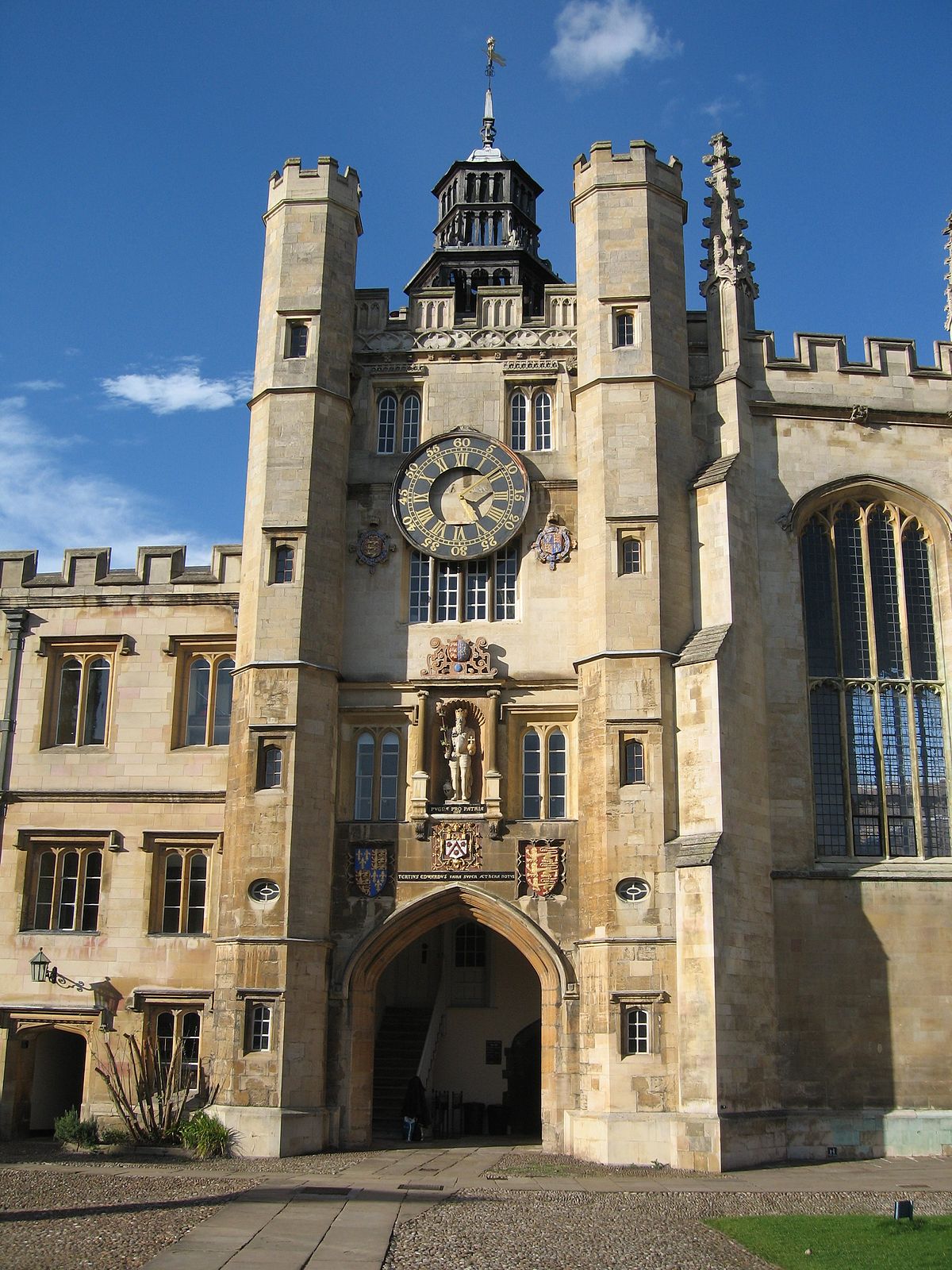
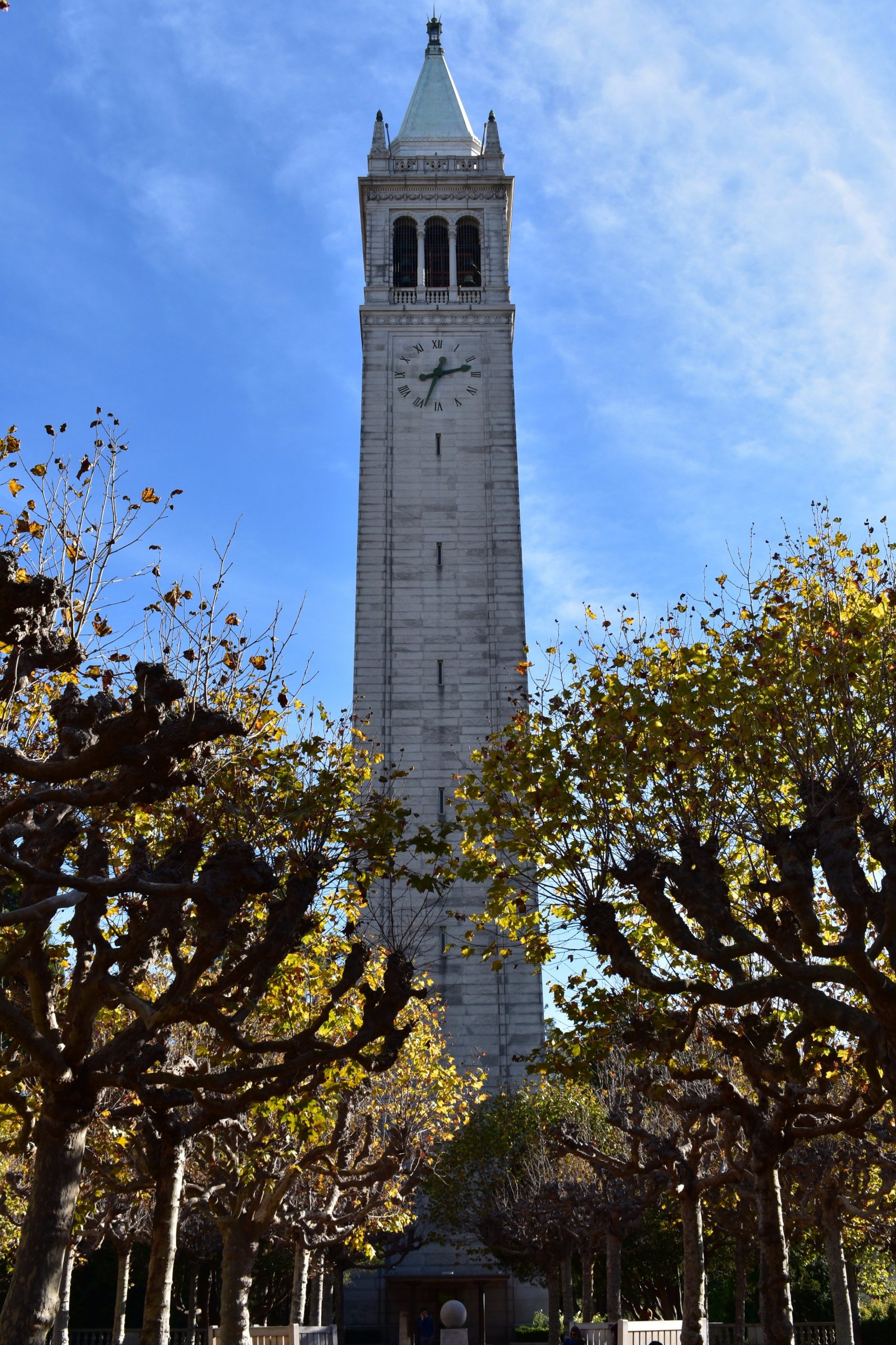
Mechanical Clock from 1895 Still Ticking

Located in the Mechanical Engineering Building this clock has been keeping time for over 120 years and its ticking can be heard throughout the building. The clock was built by the Seth Thomas Clock Company and was installed in 1904.

The clock’s mechanism is powered by weights that are wound up manually twice a week. It has a pendulum that swings back and forth, keeping time with remarkable accuracy. The clock is also equipped with a chime that rings every quarter hour, as well as a striking mechanism that sounds the hours.

Over the years, the clock has undergone several renovations and restorations to keep it in good working order. In 2009, the clock was fitted with an electric motor to assist in winding the weights, but it still operates primarily through mechanical means.

Original Heavilon Hall clock installed in Gatewood Wing

Copeland “American Symphony No. 3”

This content is accessible to paid subscribers. To view it please enter your password below or send mike@standardsmichigan.com a request for subscription details.

Layout mode
Predefined Skins
Custom Colors
Choose your skin color
Patterns Background
Images Background
Standards Michigan
error: Content is protected !!
Skip to content