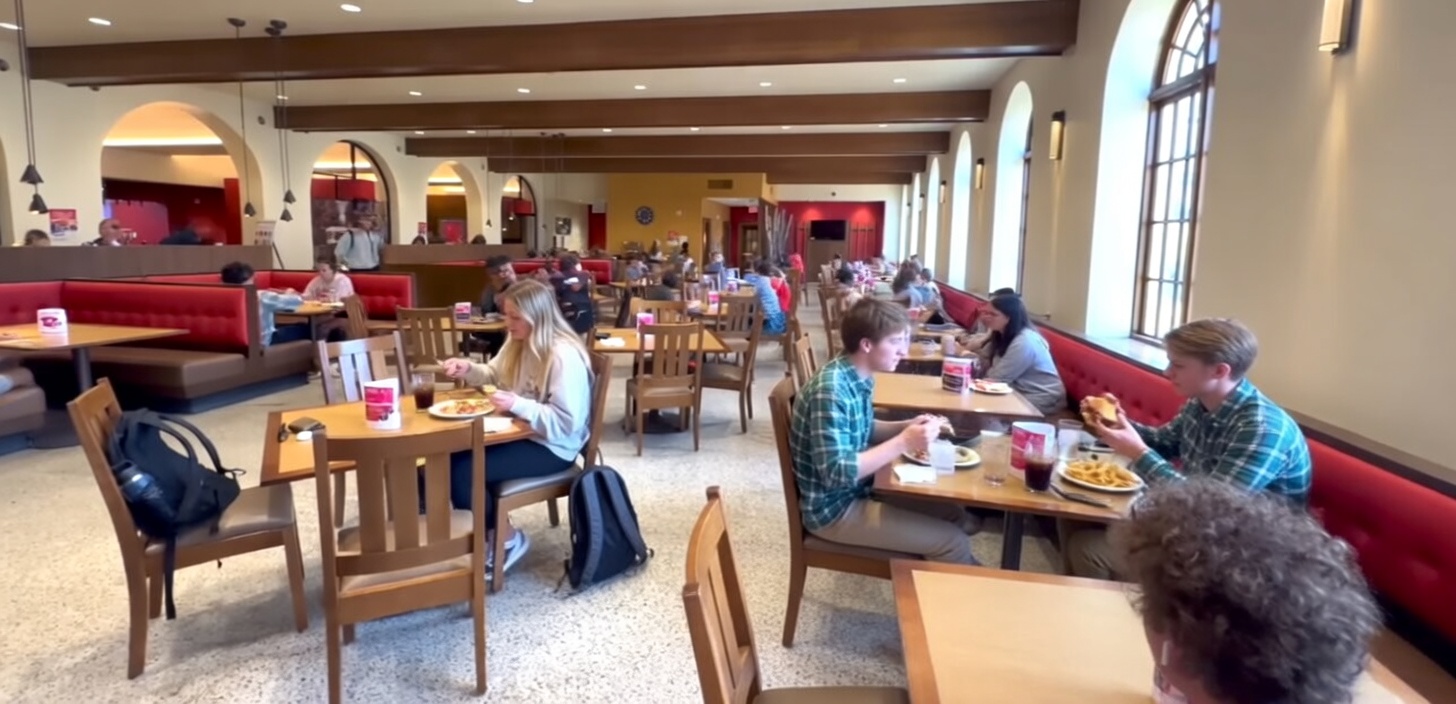
It’s actually good to see college kids on Spring Break drinking & socializing instead of playing video games alone in their room on a macrodose edible.
See the clip that caused your grandma to email me & call me a “disgusting person” here: pic.twitter.com/E00Xqx06Wy
Ingredients: Traditional Welsh cakes are made from basic ingredients including flour, butter, sugar, eggs, and sometimes dried fruit such as currants or raisins. The ingredients are mixed together to form a dough, which is then rolled out and cut into rounds before being cooked on a griddle or bakestone.
Cooking Method: Welsh cakes are typically cooked on a griddle or bakestone, which gives them a slightly crispy exterior while remaining soft and tender on the inside. They are cooked in batches and flipped halfway through to ensure even cooking.
Variations: While the basic recipe for Welsh cakes remains relatively consistent, there are variations in flavor and texture across different regions and families. Some recipes may include additional ingredients such as spices (e.g., cinnamon or nutmeg) or flavorings (e.g., vanilla extract).
Occasions: Welsh cakes are enjoyed year-round but are particularly associated with special occasions and holidays in Wales, such as St. David’s Day (the national day of Wales) or traditional tea times. They are often served warm with a sprinkle of sugar or a spread of butter.
“Resipî (Welsh):
Cyfansoddiadau: Mae cacennau Cymreig traddodiadol yn cael eu gwneud o bethau sylfaenol gan gynnwys blawd, menyn, siwgr, wyau, ac weithiau ffrwythau sych fel llygaid neu rysáit. Mae’r cyfansoddiadau’n cael eu cymysgu gyda’i gilydd i greu cwrel, yna’n ei ymlwybro ac yn ei dorri’n gronynnau cyn cael ei goginio ar griw neu farwydd bobi.
Dull Coginio: Fel arfer, coginir cacennau Cymreig ar griw neu farwydd bobi, sy’n rhoi arnynt allanol ychydig o grisial tra maent yn parhau’n feddal ac yn drwchus yn y tu mewn. Maent yn cael eu coginio mewn loti a’u troi hanner ffordd drwy i sicrhau coginio cyson.
Amrywiadau: Er bod y resipî sylfaenol ar gyfer cacennau Cymreig yn parhau’n gymharol gyson, ceir amrywiadau mewn blas a thestun ar draws gwahanol rannau a theuluoedd. Gall rhai resipî gynnwys cyfansoddiadau ychwanegol fel sur (e.e., sinamon neu nythwydd) neu flasurau (e.e., ekstrac fansila).
Digwyddiadau: Mae pobl yn mwynhau cacennau Cymreig drwy gydol y flwyddyn, ond maent yn arbennig o gysylltiedig â digwyddiadau arbennig ac ar wyliau yng Nghymru, megis Dydd Gŵyl Dewi (diwrnod cenedlaethol Cymru) neu amserau te traddodiadol. Yn aml maent yn cael eu gweini’n gynnes gyda phwdin o siwgr neu sgrws o fetys.”
“Beware the Ides of March” is a famous warning from Shakespeare’s Julius Caesar. In the play, a soothsayer tells Caesar on February 15, 44 BC, to beware the “Ides of March”—the 15th day of March in the Roman calendar. The phrase foreshadows Caesar’s assassination on that exact date by senators including Brutus. It has since become a cultural idiom symbolizing impending danger, betrayal, or a fateful day to be cautious
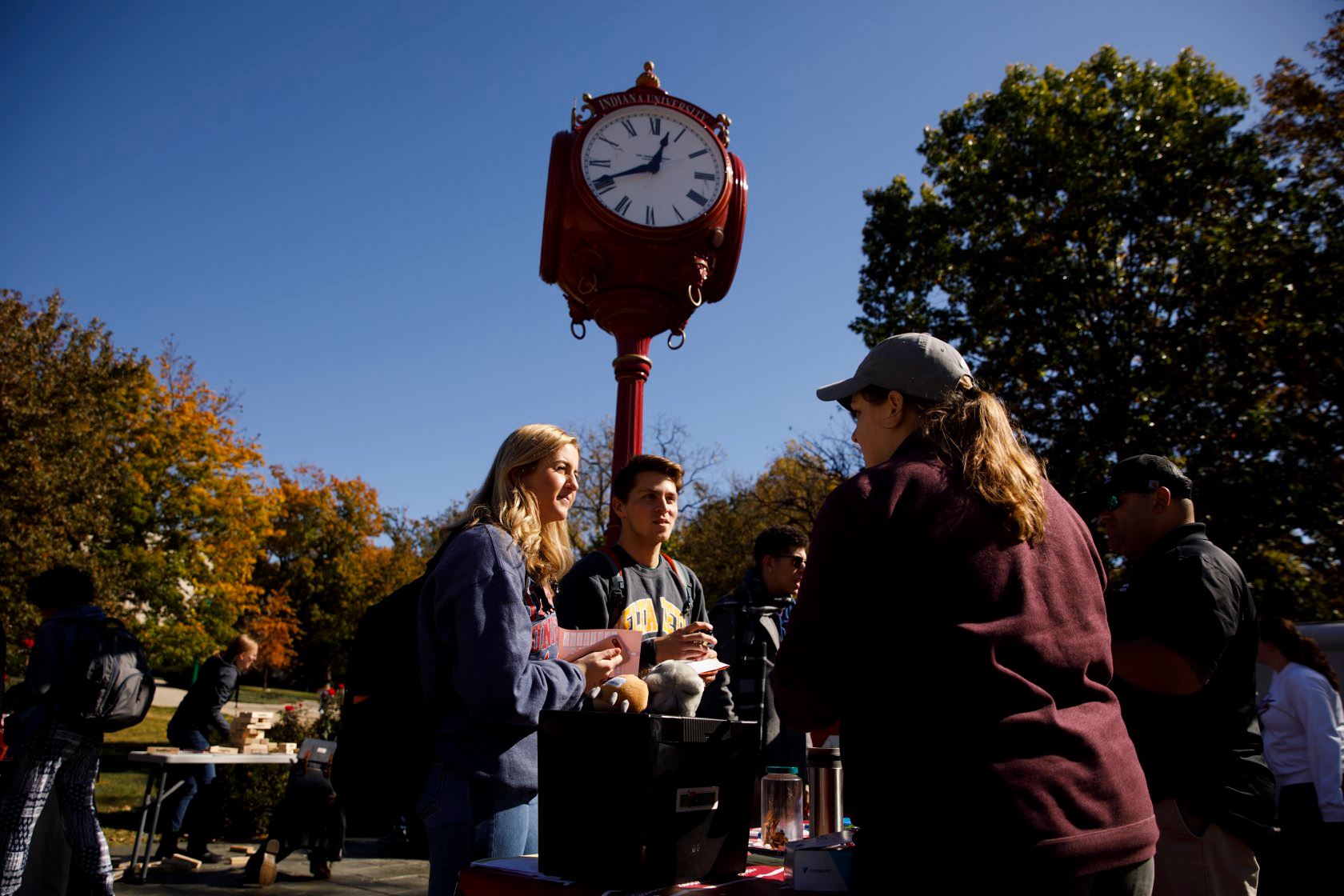
Homage to Salvador Dalí’s famous painting “The Persistence of Memory (1931)”
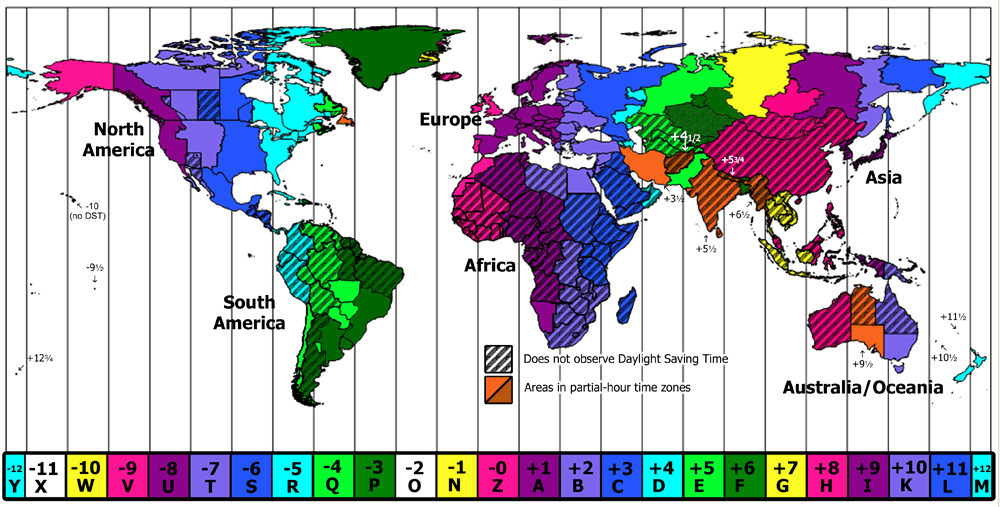
The time shift results in sunrise and sunset occurring approximately one hour later on the clock than the day before, providing more daylight in the evening and less in the morning.
Start Date: Daylight Saving Time begins on Sunday, March 9, 2025. This is the second Sunday in March, following the schedule established by theEnergy Policy Act of 2005.
Time Change: At 2:00 a.m. local standard time, clocks are set forward one hour to 3:00 a.m. local daylight time. This is often referred to as “springing forward.”
Geographic Scope: Most of the United States observes DST, except for Hawaii and most of Arizona (with the exception of the Navajo Nation, which does observe DST). U.S. territories such as American Samoa, Guam, the Northern Mariana Islands, Puerto Rico, and the U.S. Virgin Islands do not participate in DST.
Legal Basis: The rules are governed by the Uniform Time Act of 1966, as amended by the Energy Policy Act of 2005. The U.S. Department of Transportation oversees the implementation, while states and territories have the option to opt out of DST but cannot independently choose to make it permanent without federal approval.
“Time After Time (Cindy Lauper Cover) | University of Delaware
University of Wisconsin Eau Clair
The U.S. power grid operates on a synchronized frequency of 60 Hz, maintained across three major interconnections: Eastern, Western, and Texas. During the Daylight Saving Time (DST) switch—typically at 2:00 AM local time on the second Sunday in March (spring forward) or the first Sunday in November (fall back)—the grid’s synchronization is unaffected because it relies on Coordinated Universal Time (UTC), not local time. Grid operators, coordinated by entities like the North American Electric Reliability Corporation (NERC), ensure frequency stability through automatic generation control (AGC) systems, which adjust power output to match demand in real time.
Ω
The DST shift doesn’t disrupt this process. When clocks spring forward (e.g., 2:00 AM becomes 3:00 AM), demand may briefly drop as human activity adjusts, but AGC systems respond instantly, balancing generation and load. In the fall, when clocks fall back (e.g., 2:00 AM repeats), a temporary demand spike might occur, but the grid’s inertial stability—provided by large rotating generators—and real-time monitoring prevent desynchronization. Operators may pre-schedule minor adjustments, but the system’s design, rooted in UTC-based frequency regulation, ensures seamless operation. Thus, while local time shifts, the grid’s 60 Hz hum remains steady across the transition.
A good understanding of waves in shallow water, typically in coastal regions, is important for several environmental and societal issues: submersion risks, protection of harbors, erosion, offshore structures, wave energies, etc.https://t.co/E6T2woxQ67@_CIRM@CIGLR_UMpic.twitter.com/DUnk6rlFW9
Today we review live public consultation notices from standards setting organizations creating best practice literature and policy templates for water safety and sustainabilityhttps://t.co/sM4vKIpRTKpic.twitter.com/T5kJ1LpYrC
A good understanding of waves in shallow water, typically in coastal regions, is important for several environmental and societal issues: submersion risks, protection of harbors, erosion, offshore structures, wave energies, etc.https://t.co/E6T2woxQ67@_CIRM@CIGLR_UMpic.twitter.com/DUnk6rlFW9
“Microfiber Release to Water, Via Laundering, and to Air, via Everyday Use: A Comparison between Polyester Clothing with Differing Textile Parameters”
University of Plymouth @PlymUni
Consiglio Nazionale delle Ricerche @CNRsocial_https://t.co/suKmOp56HDpic.twitter.com/kJ0uFFwmAN
Boiler University https://t.co/p8HkfwQh5b
Ritchie and Steven discuss steam boiler mathematics: Horsepower, Pounds Per Hour, Boiler Horsepower Formula, Pounds Per Hour Formula, Convert Steam to hot water formula, Heat exchanger, Steam Load@WareIncpic.twitter.com/EosfgvE01S
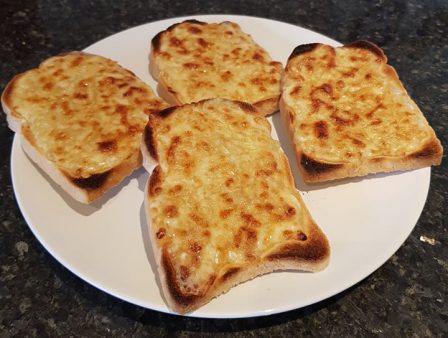
What started as a tongue-in-cheek 18th-century English jest about Welsh poverty and cheese-loving habits has since found its way onto college town pub-fusion menus. Not a bit of rabbit in it. The phylogenetic origin of Domino’s Stuffed Cheesy Bread.
Corned beef and cabbage traditionally comprise a St. Patrick’s Day meal. While St Patrick’s Day is celebrated around the world, corned beef is strictly an Irish-American tradition. It isn’t the national dish of Ireland nor the food you would eat on St. Patrick’s Day in Dublin.
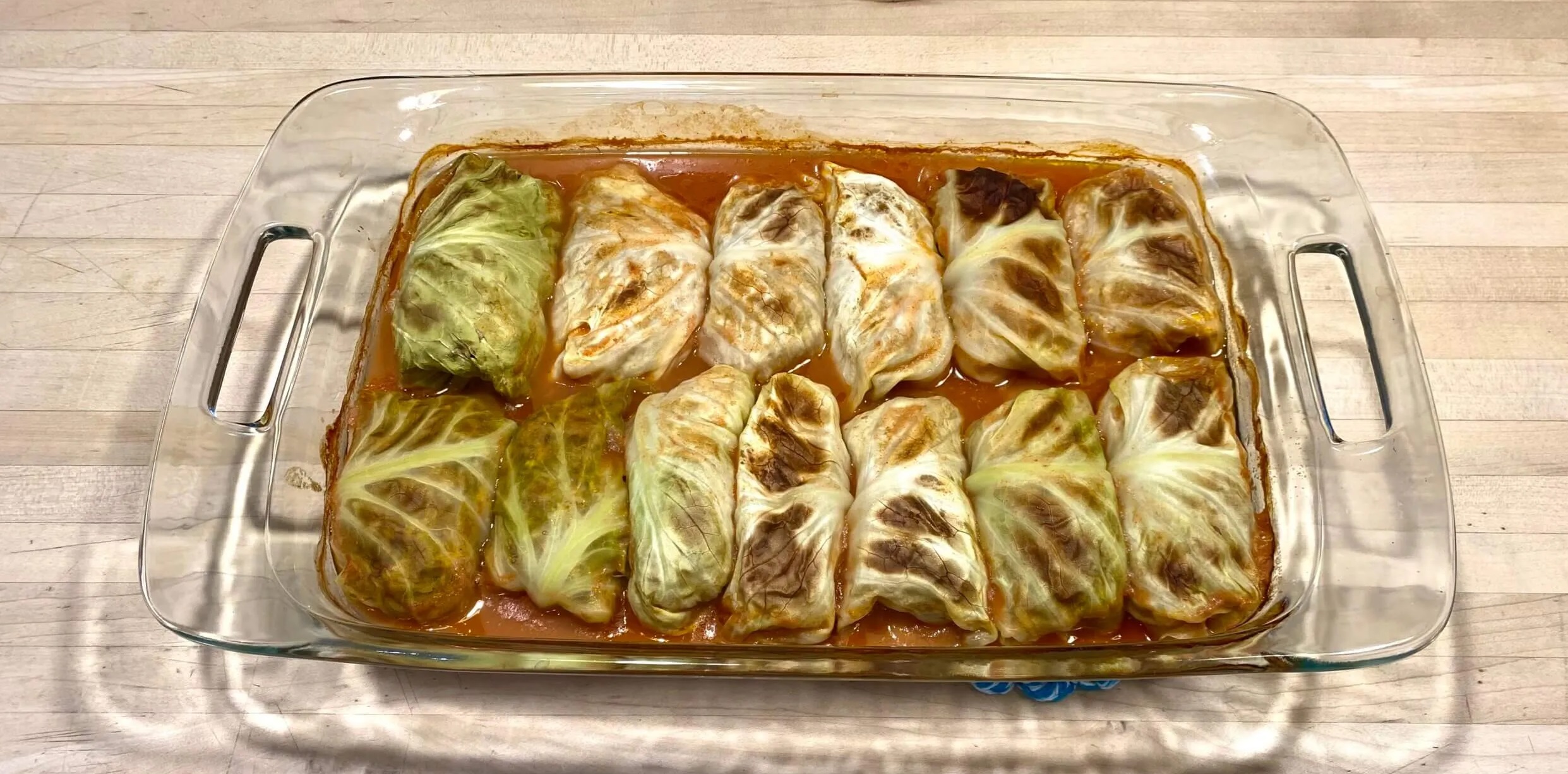
Mix all ingredients together. Cut the core from a head of cabbage. Cook cabbage until just heated through and leaves are pliable. Peel off leaves. Put a handful of filling in each leaf and roll up the leaf. Place cabbage rolls in a baking dish.
Mix the remaining half can of tomato sauce with an equal amount of water. Pour this over the cabbage rolls. Cook in a moderate oven about one and a half hours. Serve the gravy on this dish on mashed potatoes.
The Shamrock Shake tradition centers on festive St. Patrick’s Day celebrations hosted by the Collegiate Recovery Program. Each March (e.g., events on March 7, 2024, and March 12, 2026), students gather for free Shamrock Shakes—minty green treats—alongside crafts, games, and sober fun at locations like Serenity Place. This annual event promotes community, recovery support, and holiday spirit in a welcoming, alcohol-free environment for all WVU students.
Story County Iowa Scones
There is a foodway path from the English Civil War (1642–1651) to the culinary traditions from Puritan diaspora to the American Midwest. Along with it home traditions of moral discipline and frugality that persist and is reflected in the relative… pic.twitter.com/eqBQhecHHL
New update alert! The 2022 update to the Trademark Assignment Dataset is now available online. Find 1.29 million trademark assignments, involving 2.28 million unique trademark properties issued by the USPTO between March 1952 and January 2023: https://t.co/njrDAbSpwBpic.twitter.com/GkAXrHoQ9T