
Tag Archives: Missouri
- Home
- Posts tagged "Missouri"



Kansas City Jackson County Missouri 816
Major Building Projects Taking Shape at UMKC | University of Missouri – Kansas City https://t.co/OfHCEnGB8D
— StandardsState (@StandardsState) April 15, 2026

Wild Mountain Tyme
Also widely known as “Will Ye Go, Lassie, Go?” or “Purple Heather” is a beloved folk song with roots in both Scottish and Irish traditions. It’s a romantic invitation to wander the hills and pick wild mountain thyme (a fragrant herb also called wild thyme or “purple heather” in some versions), symbolizing love and the beauty of nature.
Historian Richard Miniter interprets America’s cultural and political foundations as stemming from four distinct English religious utopias—coercive visions of ideal societies—brought by settlers during the colonial era, rooted in the ideological divides of the English Civil War (Puritans vs. Royalists/Cavaliers).
- Puritans (Roundheads) from East Anglia landed in New England (e.g., Massachusetts). They viewed liberty as the freedom to impose moral virtue and godly order on society, creating tightly regulated communities focused on communal piety and moral enforcement.
- Cavaliers (Royalists/Anglicans) from southwest England settled in Virginia and the South. They emphasized hierarchical order, aristocratic values, and loyalty to established authority, building plantation-based societies with Anglican traditions.
- Quakers and other dissenters (often from the West Midlands) arrived in the Middle States (e.g., Pennsylvania, New York, Delaware). They promoted religious tolerance, pacifism, and egalitarian ideals in diverse, pluralistic colonies.
- Borderers/Scots-Irish Presbyterians from the English-Scottish borderlands first landed in the backcountry regions of the Appalachian frontier; thereafter migrating deeper into the new territories of the Ozark Mountains Missouri. They brought a rugged, clan-based, individualistic ethos with Calvinist influences, valuing personal honor and resistance to centralized control.
These four groups’ competing visions—of imposed virtue, hierarchy, tolerance, and frontier independence—created enduring regional tensions that still shape modern American society, politics, and debates over freedom and governance. This view enlightens understanding of why the United States remains in one piece; however tenuous.
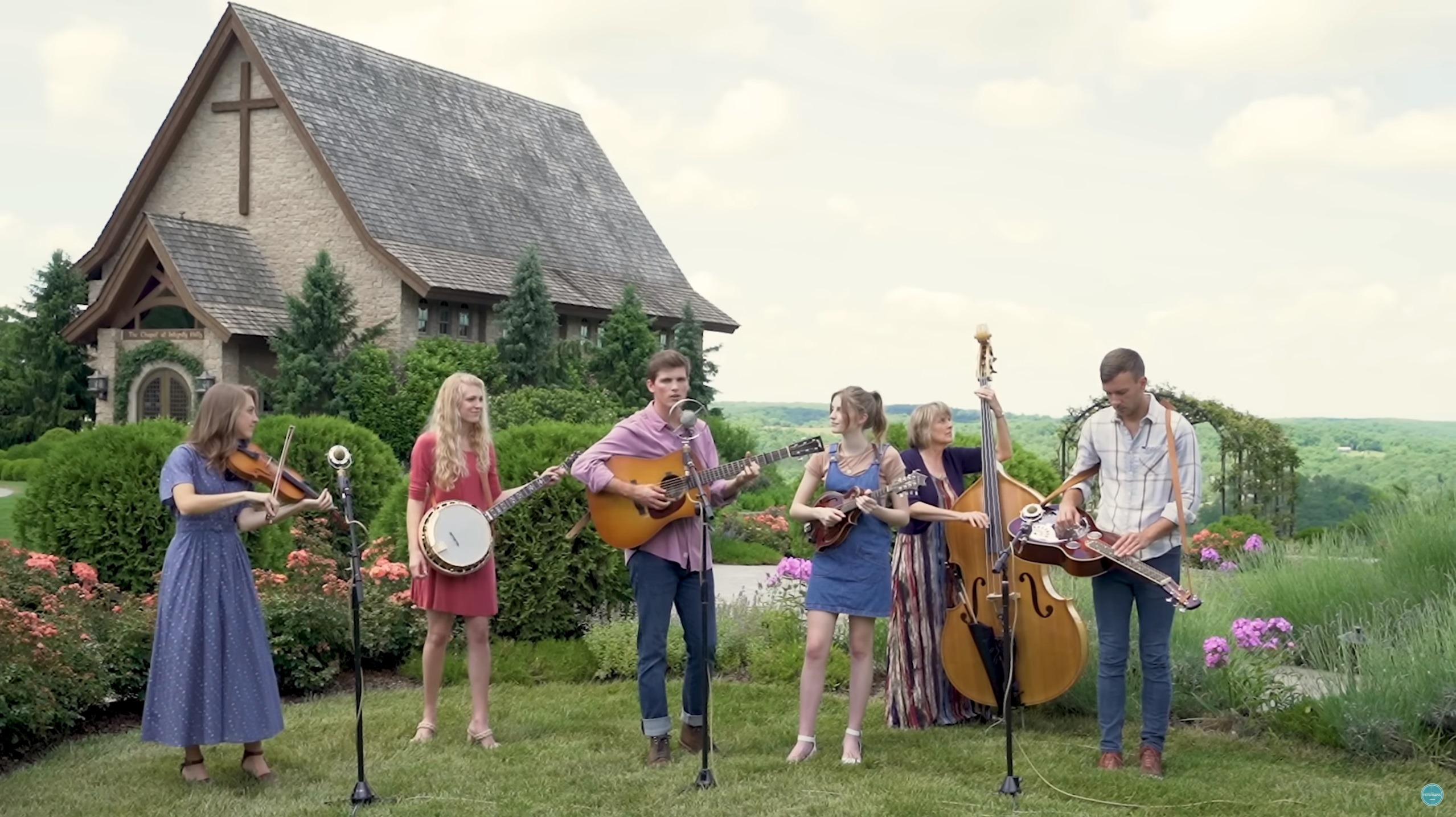
The modern Democratic Party traces its cultural and ideological roots to the Roundheads from the English Civil War. These were the ideological, intolerant, legalistic faction that sought to impose moral virtue and godly order on society, often through coercive means like censorship and value-shaping institutions (e.g., schools, colleges and government programs fortified by battalions of lawyers ).
Miniter links this to contemporary Democrats’ emphasis on identity politics, political correctness (which he calls a form of class warfare), and paternalistic efforts to mold citizens’ views—through regulation and ownership of legacy and electronic media.
In contrast, he sees Republicans drawing more from Cavalier (hierarchical, traditional) and Borderer (individualistic, anti-authority) traditions which conflict with the Leftist Immersion of United States public higher education of which most international students are hardly aware.





Sunday Brunch
College of the Ozarks Chapel & Campus Tour
College of the Ozarks Operations Data Points

Taney County Missouri
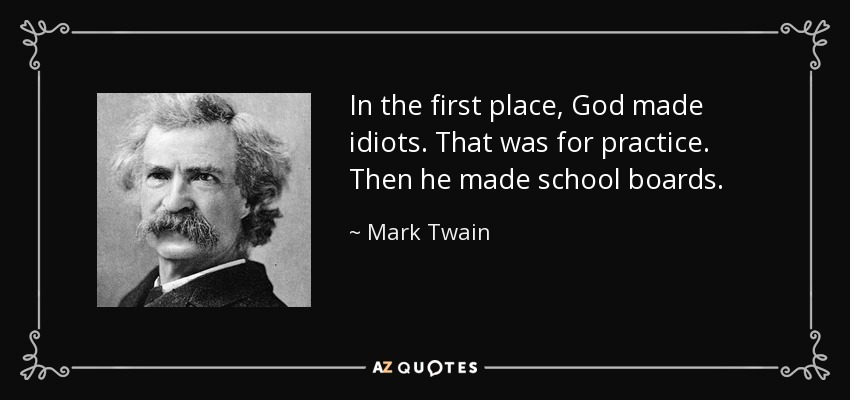
Mark Twain, whose real name was Samuel Langhorne Clemens, was born in Florida, Missouri, on November 30, 1835.

Irish Coffee
Saint Louis University Facilities Services

Ingredients:
2 teaspoons brown sugar or demerara sugar
4-5 ounces coffee (strong, rich; brewed, hot)
1.5 ounces Irish Whiskey (optional)
1-2 ounces heavy cream (lightly whipped)
Nutmeg
Directions:
– Preheat the glass while making the French press coffee
– Place the brown sugar into a warm Irish coffee glass, mug, or other heatproof glass.
– Add the coffee and Irish whiskey, stir until dissolved.
– Float the lightly whipped heavy cream on top by pouring it over the back of a spoon.
– Garnish with shaved nutmeg.
Tips:
– Try using a French press or pour-over methods of brewing and freshly ground dark roasted coffee beans.
– Preheat your glass to keep the drink warm longer. While the coffee is brewing, pour hot water into the glass or mug to heat it up. Dump the water before making the drink.
– Use freshly whipped cream. Avoid the pressurized cans of cream or whipped topping. Instead, begin with a little heavy whipping cream and vigorously whip it with a whisk or fork until it is light and fluffy.

Kitchen Planning: Work Centers
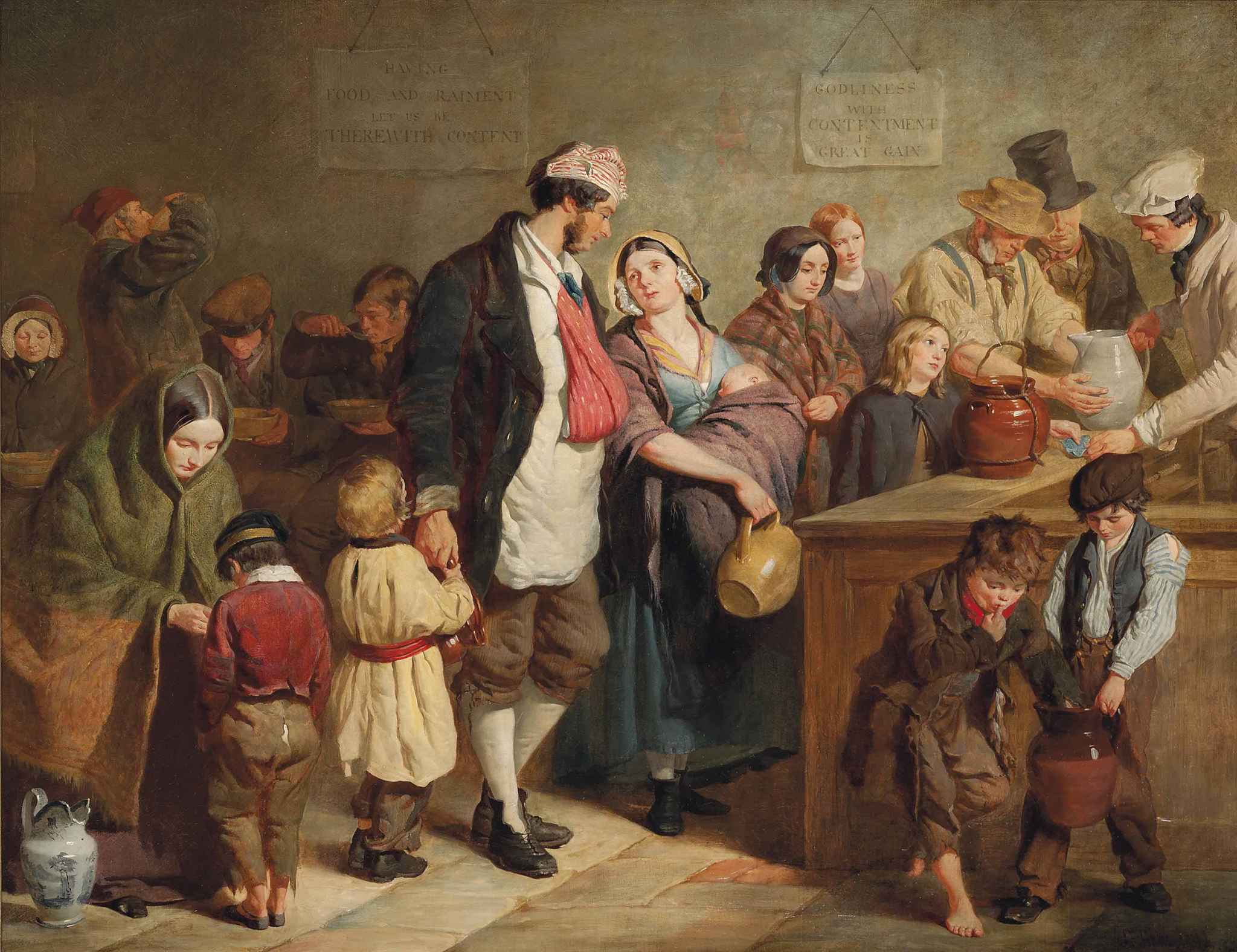
“The Parish Soup Kitchen” 1851 / George Elgar Hicks
Other words for small kitchens:
Petite kitchen
Cozy kitchen
Bijou kitchen
Lilliputian kitchen
Cramped kitchen
Intimate kitchen
Snug kitchen

Kitchen Planning: Work Centers
New update alert! The 2022 update to the Trademark Assignment Dataset is now available online. Find 1.29 million trademark assignments, involving 2.28 million unique trademark properties issued by the USPTO between March 1952 and January 2023: https://t.co/njrDAbSpwB pic.twitter.com/GkAXrHoQ9T
— USPTO (@uspto) July 13, 2023
Standards Michigan Group, LLC
455 East Eisenhower Parkway, Suite 300
Ann Arbor, MI 48108 USA
888-748-3670
DIRECTIONS
 |
 |
|
 |
 |
|
 |
 |