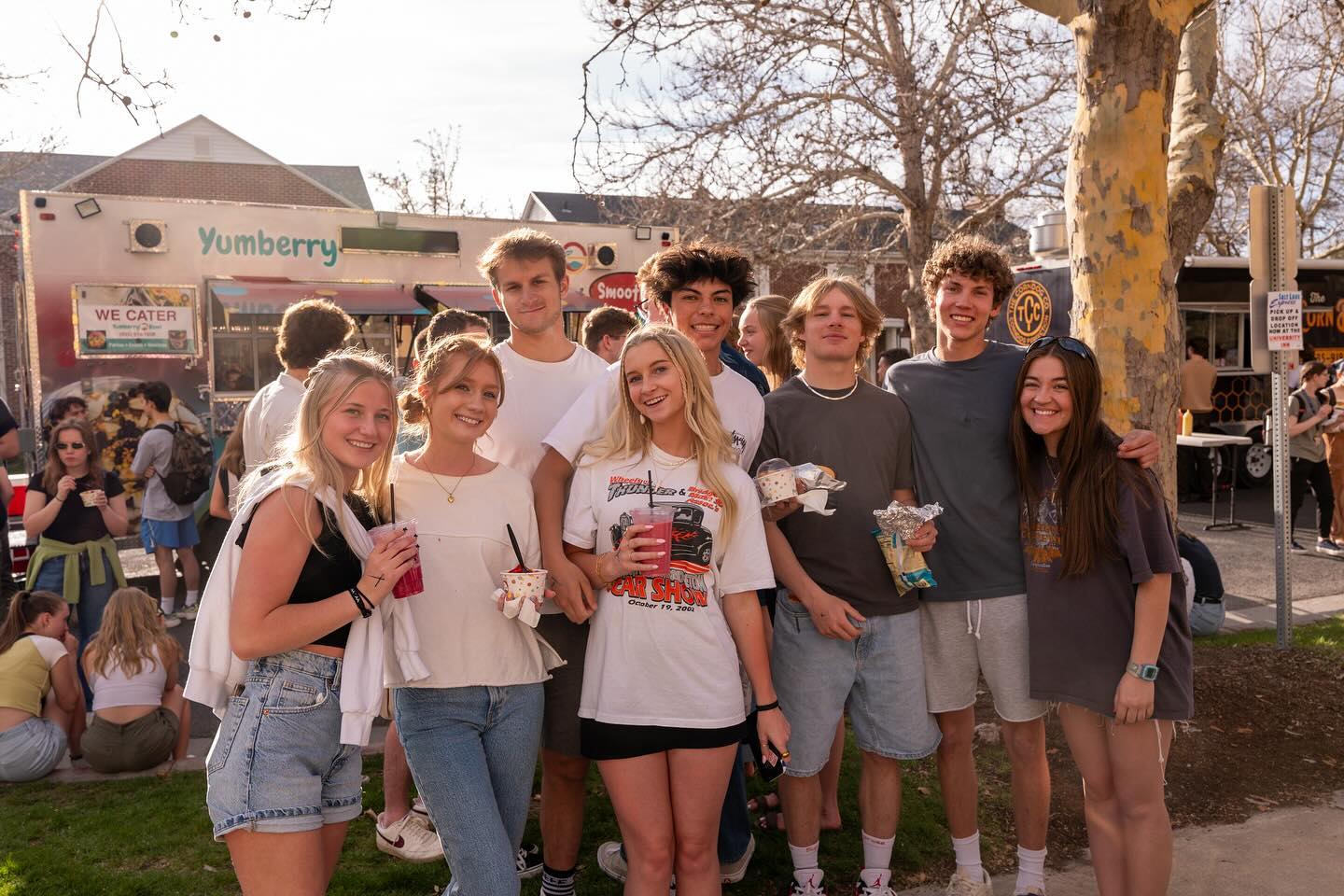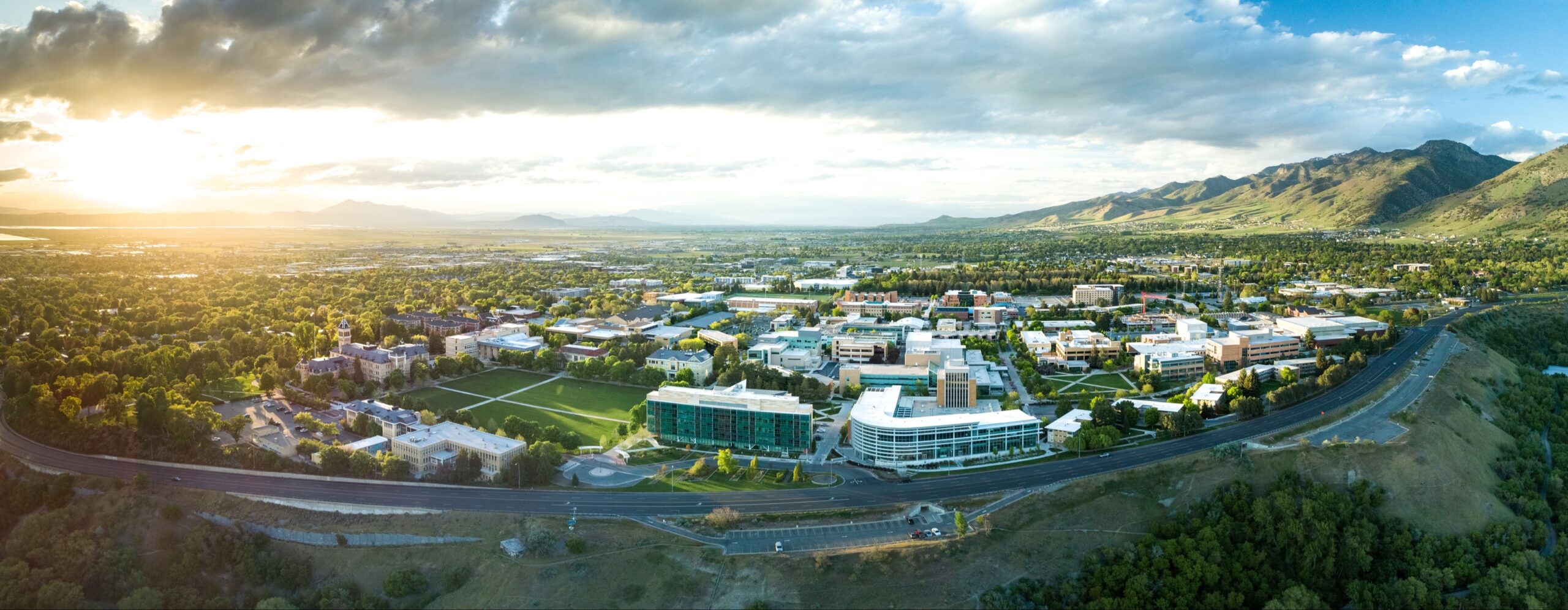
The Center provides comprehensive healthcare services to students. Located on the Logan campus, the clinic offers a range of medical services including general health check-ups, vaccinations, mental health support, and chronic disease management. Staffed by experienced physicians, nurse practitioners, and support staff, the clinic aims to address both physical and mental health needs. Students can access acute care for illnesses and injuries, preventive care, women’s health services, and counseling.
The clinic also provides lab services, prescriptions, and referrals to specialists when needed. With a focus on promoting wellness and healthy lifestyles, the USU Student Health Clinic ensures that students receive quality care in a supportive environment, contributing to their overall well-being and academic success. The clinic operates on an appointment basis, with some walk-in availability, and is committed to maintaining confidentiality and respect for all students.
In contemporary America, beauty sometimes arrives in the dock accused of carrying an old accomplice: power.
The argument has a history. Standards called beautiful — in faces, bodies, buildings, painting and language — were often established when Western institutions were overwhelmingly European. What one generation
called proportion, harmony or refinement, another may therefore suspect of being merely preference hardened into authority.
But this leaves a larger question unanswered. Abuse of a standard does not prove that standards are impossible. Nor does the history of exclusion establish that beauty itself excludes.
A cathedral, a garden, a melody or a well-made room can move people who share neither ancestry nor politics.
Perhaps beauty is troublesome precisely because it makes a larger claim: that amid our differences, some things may still be worth admiring together.
An English paraphrase of the Canticle of the Sun (or Laudes Creaturarum), written by St. Francis of Assisi in 1224–1225: Francis composed the poem in Umbrian Italian while recovering from illness, praising God through all creation. William H. Draper translated and adapted it into English in 1919 for a children’s Whitsuntide festival in Leeds, England. The 1623 tune Lasst uns erfreuen was paired with it, giving the hymn its majestic, joyful character.
It is widely sung in Protestant and Catholic churches, especially at Easter, harvest festivals, and creation-themed services. It celebrates God’s glory reflected in nature and calls all creatures—sun, moon, wind, water, fire, and humanity—to praise their Creator.
Brigham Young University Idaho is a private university located in Rexburg, Idaho, United States. It is owned and operated by The Church of Jesus Christ of Latter-day Saints and is a part of the Church Educational System which recognizes moral absolutes at the foundation of a federal democratic republic that makes their university possible. It offers a variety of undergraduate degrees in fields such as business, education, health, and the humanities. The university also offers online courses and programs for distance learners.
One unique aspect of BYU-Idaho is its emphasis on the integration of faith and learning. All students, regardless of their religious background, are required to take religion courses as part of their degree program. The university also has a code of conduct that includes standards for dress, grooming, behavior, and academic honesty.
This content is accessible to paid subscribers. To view it please enter your password below or send mike@standardsmichigan.com a request for subscription details.
John Williams composed the official theme for the 2002 Winter Olympics in Salt Lake City as a grand cantata-fanfare for orchestra and chorus, premiered by the Mormon Tabernacle Choir and Utah Symphony. The piece directly draws from the Olympic motto “Citius, Altius, Fortius”(“Faster, Higher, Stronger”), originally coined in Latin by modern Olympics founder Pierre de Coubertin in 1894, but rooted in the ancient Greek ethos of athletic excellence, striving, and human potential celebrated by authors like Pindar and Aristotle.
Williams opens with the choir emphatically chanting “Citius! Altius! Fortius!” repeatedly, building heroic orchestral swells to evoke triumphant effort and glory—mirroring ancient ideals of arete (virtue through competition) and pushing limits, as in Aristotle’s praise of those who act and compete rather than merely possess talent. He innovatively adds “Clarius” (“clearer”) in the finale, suggesting clarity of mind alongside physical prowess, extending the motto to encompass intellectual and spiritual elevation of The Games.
There are a few campuses in the USA and UK where chickens are allowed to roam freely, often as part of educational programs or sustainability initiatives.
In the USA, some examples include:
University of California, Davis: The campus has a farm that includes free-range chickens as part of its agricultural programs. Bard College: They have a farm that features free-range chickens, contributing to their sustainable agriculture practices.
In the UK, examples include:
University of Edinburgh: They have had initiatives where chickens roam freely as part of urban farming projects. Kingston University: Their campus has included chickens in community gardening efforts. These programs often emphasize sustainability, education, and the benefits of local food production.
Small scale chicken farming, as in residential and even in educational settlements, are regulated at the local level by municipalities, cities, or counties. Local ordinances vary widely with some common elements including:
Zoning Laws: These laws determine whether residential areas can keep chickens and in what capacity. Some areas may prohibit chickens entirely, while others may allow a limited number.
Permit Requirements: Some localities require residents to obtain a permit to keep chickens.
Coop Specifications: Regulations may include specific requirements for chicken coops, such as size, location, and sanitation standards.
Noise and Nuisance Laws: Rules may be in place to manage noise and odors, ensuring that chickens do not become a nuisance to neighbors.
Health and Safety Codes: These codes can cover the cleanliness of the area where chickens are kept, as well as guidelines for feeding and waste disposal to prevent attracting pests or creating health hazards.
New update alert! The 2022 update to the Trademark Assignment Dataset is now available online. Find 1.29 million trademark assignments, involving 2.28 million unique trademark properties issued by the USPTO between March 1952 and January 2023: https://t.co/njrDAbSpwBpic.twitter.com/GkAXrHoQ9T