“With this weekly post we want to introduce you into the culinary range of the English speaking world. Each week we present you an iconic dish and give you information around its origin, preparation and eating habits. This week we are visiting the Big Apple – New York. Bagels can be regarded as a true American melting-pot meal.” — von Nadja Wostiera (Language graduate and blog author)
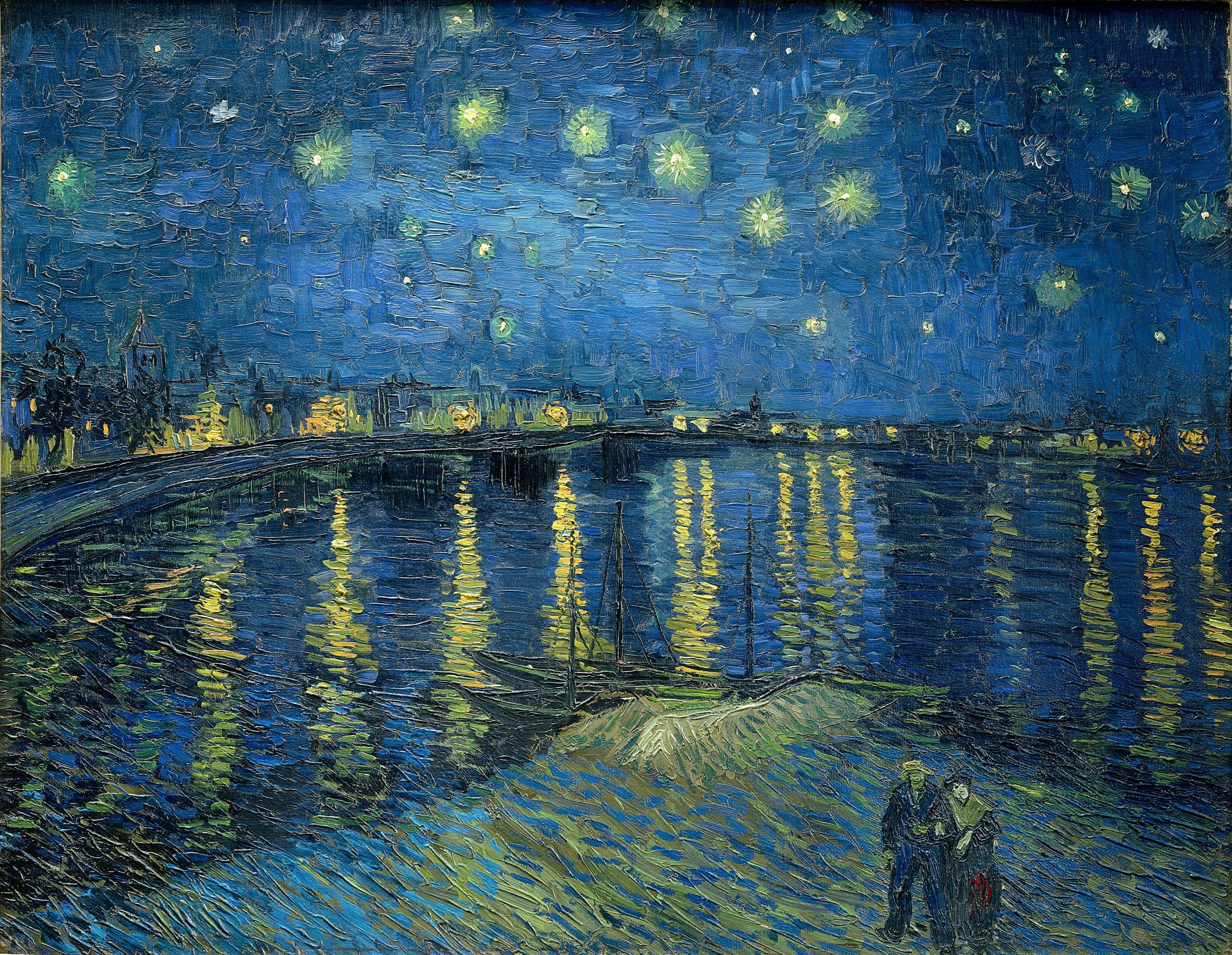
“Starry Night Over the Rhône” 1888 Vincent van Gogh
Today we refresh our understanding of the moment in illumination technologies for outdoor lighting systems— related but different from our exploration of building interior illumination systems in Illumination 200. Later in 2024 we will roll out Illumination 400 (Holiday illumination) and Illumination 500 which explores litigation related to public illumination technology. As cities-within-cities the shared perimeter of a campus with the host municipality has proven rich in legal controversy and action.
Illumination technology was the original inspiration for the electric utility industry; providing night-time security and transforming every sector of every economy on earth. Lighting load remains the largest component of any building’s electric load — about 35 percent– making it a large target for energy regulations.
Our inquiry begins with selections from the following documents…
2023 National Electrical Code: Article 410 (While the bulk of the NEC concerns indoor wiring fire hazards, there are passages that inform outdoor lighting wiring safety)
…and about 20 other accredited, consortia or ad hoc standards developers and publishers aligned principally with vertical incumbents. Illumination was the original inspiration (i.e. the first “killer app”) for the electrical power industry in every nation. Its best practice literature reflects a fast-moving, shape-changing domain.
Click in today with the login credentials at the upper right of our home page.
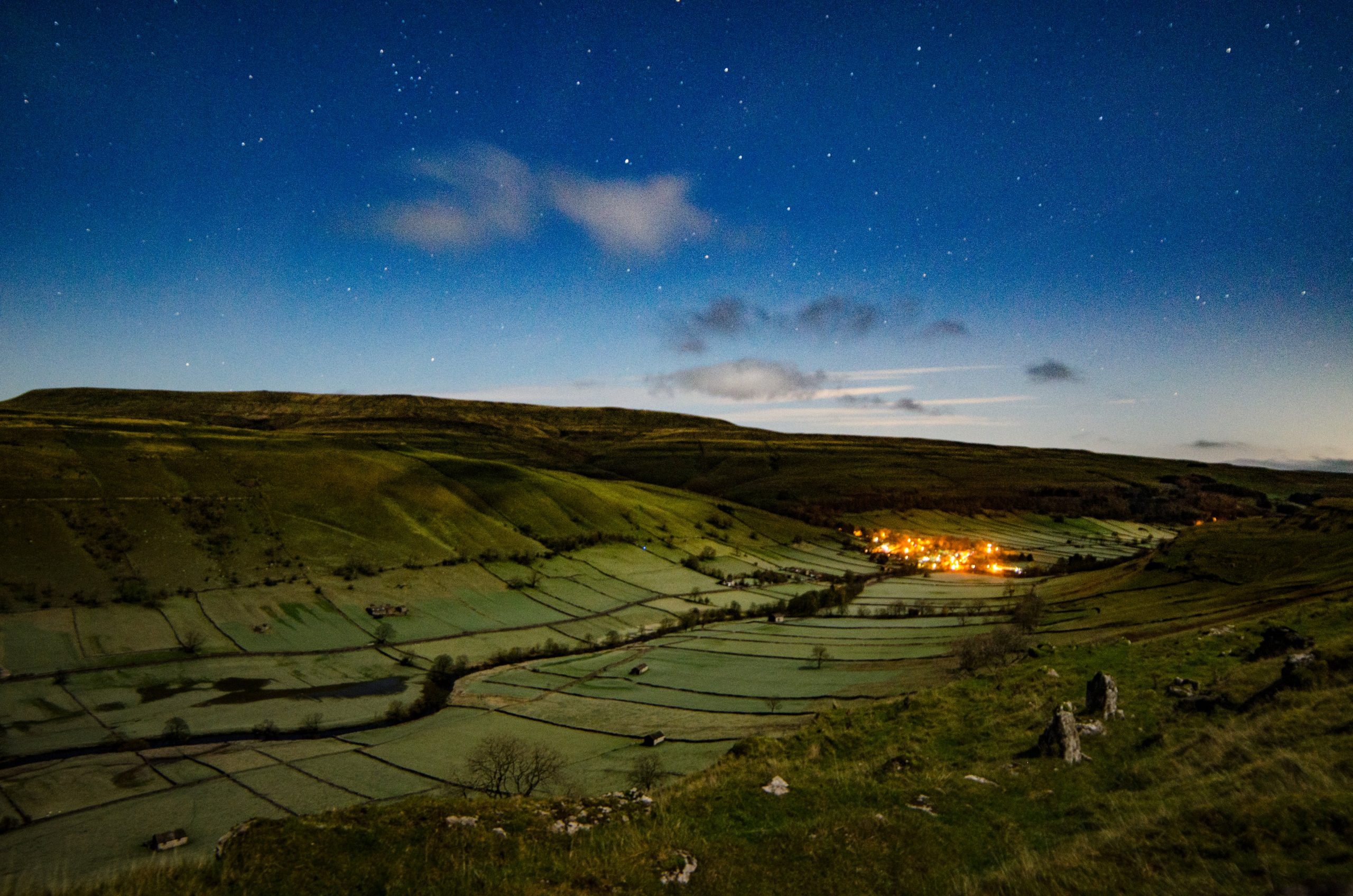
Upper Wharfedale Primary Federation School District Yorkshire Dales
Outdoor lighting systems can be owned and maintained by different entities depending on the context and location. Here are some examples of ownership regimes for outdoor lighting systems:
Public ownership: In this case, outdoor lighting systems are owned and maintained by the local government or municipal authority. The lighting may be installed in public spaces such as parks, streets, and other outdoor areas for the safety and convenience of the public.
Private ownership: Outdoor lighting systems may be owned by private individuals or organizations. For example, a business owner may install outdoor lighting for security or aesthetic reasons, or a homeowner may install outdoor lighting in their garden or yard.
Co-owned: Outdoor lighting systems may be owned jointly by multiple entities. For example, a residential community may jointly own and maintain outdoor lighting in their shared spaces such as parking areas, community parks, or recreational facilities.
Utility ownership: Outdoor lighting systems may be owned and maintained by utility companies such as electric or energy companies. These companies may install and maintain street lights or other lighting systems for the public good.
Third-party ownership: In some cases, a third-party entity may own and maintain outdoor lighting systems on behalf of a public or private entity. For example, a lighting contractor may install and maintain lighting in a public park on behalf of a local government.
The ownership regime of an outdoor lighting system can have implications for issues such as installation, maintenance, and cost-sharing. It is important to consider ownership when designing and implementing outdoor lighting systems to ensure their long-term effectiveness and sustainability.
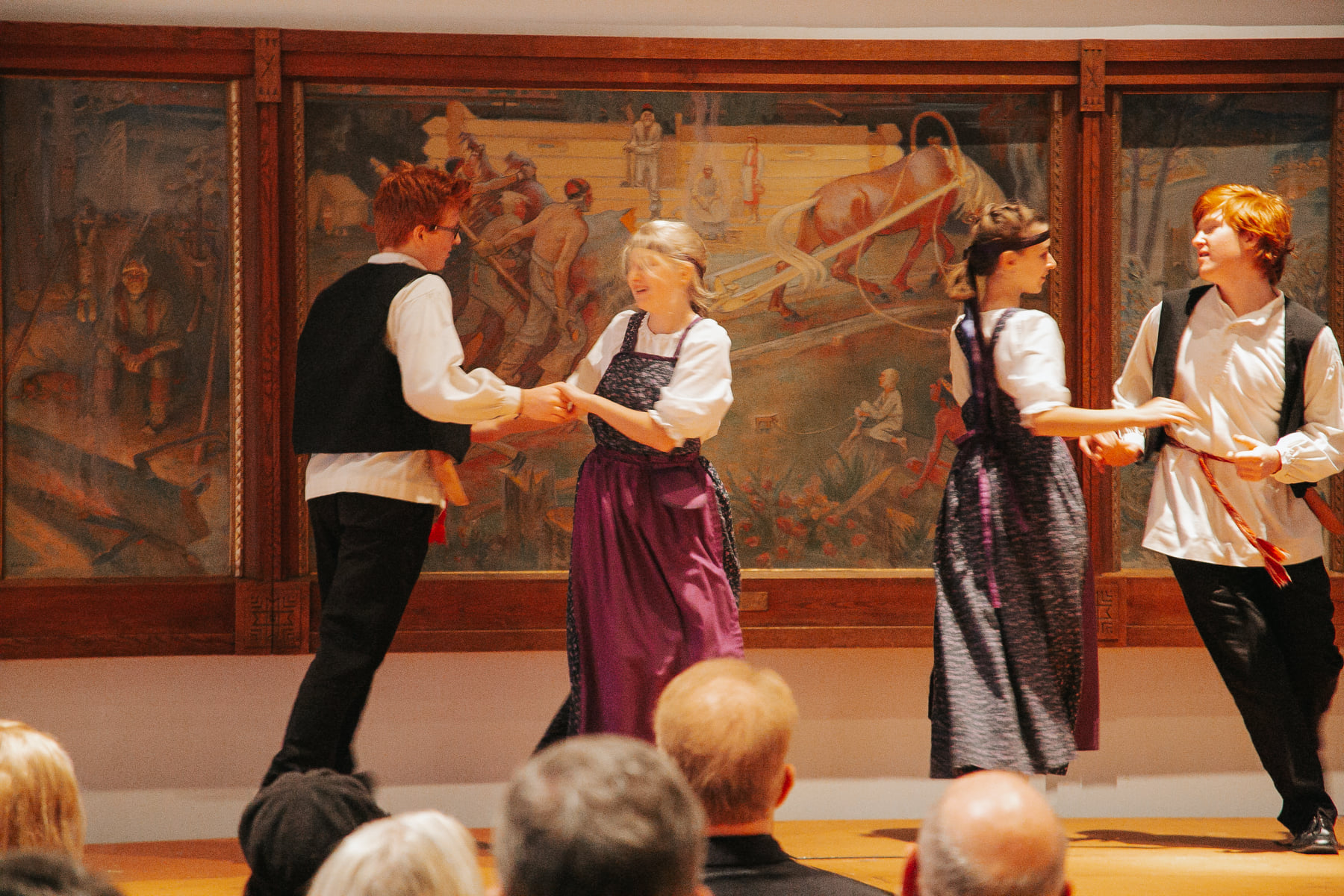
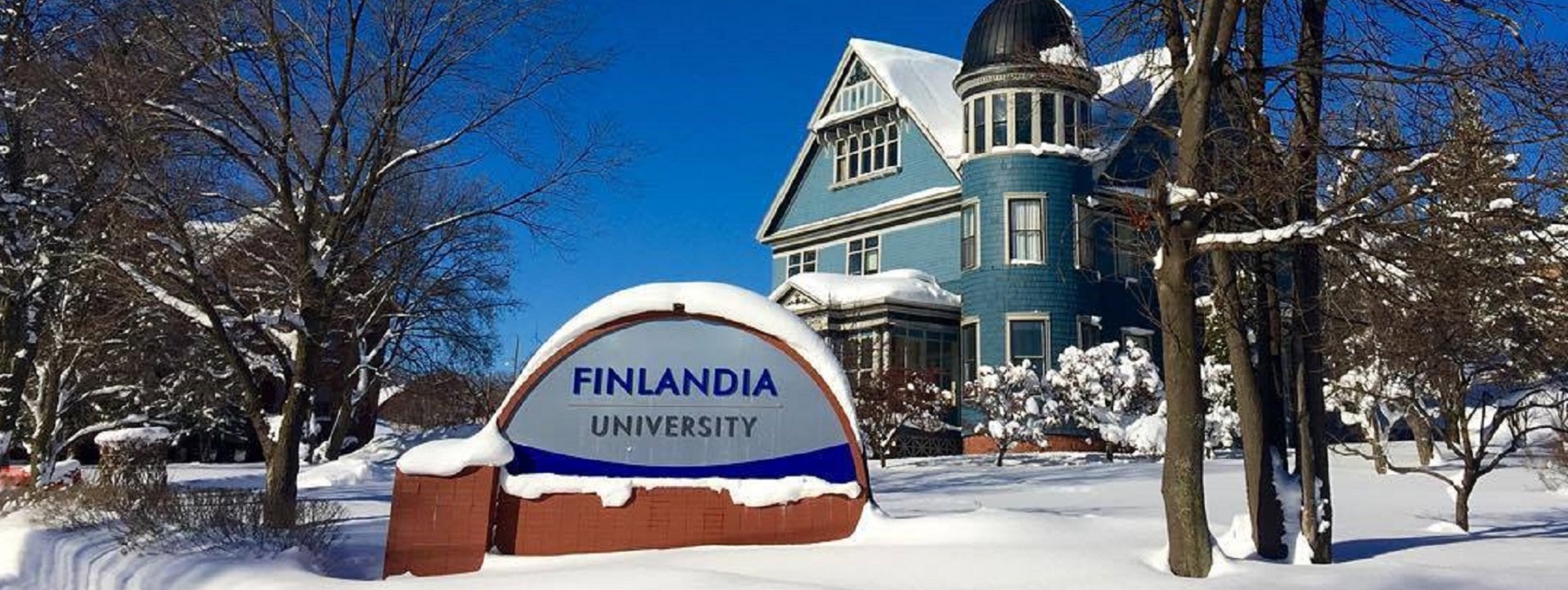
One-hundred-twenty-five years ago, hardy and hard-working Finnish Lutheran immigrants founded a school in Michigan’s Upper Peninsula. Their lives were marked by a gritty quality captured in the Finnish term, sisu – grit and perseverance in the face of adversity. Citing financial difficulties related to demographic changes, the Board of Trustees announced that the Class of 2023 was Finlandia’s final graduating class.
“The Board of Trustees and University President Timothy Pinnow stated the extremely difficult decision is the result of an intensive analysis of Finlandia’s operations after exploring all potentially feasible strategic alternatives, including the rigorous search for new partnerships and reorganization of the institution’s finances. With financial challenges impacting liberal arts colleges throughout the country, Finlandia is no exception….
The combination of demographic changes, with fewer high school graduates available, a steep decrease in interest in going to college among those graduates, a dwindling endowment, and an unbearable debt load have made Finlandia no longer viable…
…Finlandia University has finalized eight Teach-Out Agreements with Adrian College, Bay College, Michigan Technological University, Northeast Wisconsin Technical College, Northern Michigan University, University of Dubuque, Waldorf University, and Wartburg College. Several non-partnering institutions have also made commitments to supporting FinnU students in incredible ways…”
Last year, Finlandia University awarded over 3 million dollars to dreamers, achievers and future entrepreneurs. See if you qualify for Finlandia’s Rise Together Free Tuition Scholarship by visiting https://t.co/7Mbd7e6iLSpic.twitter.com/09LBPPg8cG
Child Enrichment Center | Beaufort County South Carolina | Mike Anthony’s cousin Laura — retired from the public schools — works with the children here now.
Open agenda; Not Too Organized. Whatever anyone wants to talk about. We meet once a month like this. Use the login credentials at the upper right of our home page.
Dinner recipe for Advent Sundays from the School of Hospitality Business Management at WSU’s Carson College of Business. Executive Chef Jamie Callison developed the recipe for Washington State Magazine’s November 2019 issue. He was assisted by Chef de Cuisine Jason Butcherite and Student Culinary Lead Justin Walker. Recipe features local honey and seasoning.
Historians’ best guess as to the origin of eggnog dates back to the English Middle Ages, where a warm, milky ale called ‘posset’, was consumed. Posset was often consumed with eggs and figs; eggs, figs, dairy, and sherry were products that only the wealthy could afford to enjoy at the time. Eggnog was thought to have arrived in the U.S. prior to the revolutionary war. Whereas most of the eggnog consumed in Britain was by the upper class (with sherry), as eggnog advanced throughout the U.S. like a milky river of frothy delight, it was generally consumed with rum or bourbon.
Because the agricultural-based colonies were flush with chickens and cows, the consumption of eggnog was not limited to crusty upper class Brits, but rather a drink that most people throughout the American colonies could enjoy. In fact, food historian, Emelyn Rude (2015), author of “How Eggnog (Almost) Changed the World”, explains that consumption of eggnog was a popular holiday pastime of many, even including West Point cadets, such as Edgar Allen Poe and Jefferson Davis.
New update alert! The 2022 update to the Trademark Assignment Dataset is now available online. Find 1.29 million trademark assignments, involving 2.28 million unique trademark properties issued by the USPTO between March 1952 and January 2023: https://t.co/njrDAbSpwBpic.twitter.com/GkAXrHoQ9T