
Federal Communications Commission | USDA Agricultural Radio



Illinois State University | Facilities Services



Student Musicians Perform Backyard Concerts | University of North Dakota@UofNorthDakotahttps://t.co/mOy8oKr6Ke pic.twitter.com/X8gobawkrQ
— Standards Michigan (@StandardsMich) June 24, 2023
The Alerus is electric! ⚡️ #LGH
#UNDproud @UNDfootball https://t.co/eNUZRTkkkF
— U of North Dakota (@UofNorthDakota) September 28, 2024
§
While there isn’t a universally standardized pizza that everyone agrees upon, certain types of pizza have become iconic and widely recognized. Some of these include:
Margherita Pizza: This classic pizza features tomato sauce, fresh mozzarella cheese, fresh basil, and a drizzle of olive oil. It’s named after Queen Margherita of Italy.
Pepperoni Pizza: Topped with tomato sauce, mozzarella cheese, and slices of pepperoni (a cured pork and beef sausage).
Margarita Pizza: Similar to the Margherita, but without the basil. It typically has tomato sauce, fresh mozzarella, and sometimes a drizzle of olive oil.
Neapolitan Pizza: This style originated in Naples, Italy. It has a thin, soft, and chewy crust with simple and fresh ingredients like San Marzano tomatoes, mozzarella, fresh basil, and olive oil.
New York Style Pizza: Characterized by its large, foldable slices with a thin and flexible crust. It’s often topped with tomato sauce and mozzarella cheese.
Chicago Deep-Dish Pizza: Known for its thick crust, this pizza has layers of cheese, toppings, and tomato sauce. It’s baked in a deep pan, resulting in a substantial and hearty pizza.
Sicilian Pizza: Square-shaped and thick-crusted, Sicilian pizza is often topped with tomato sauce, mozzarella, and various toppings.
California Pizza: Often associated with innovative and non-traditional toppings, California-style pizza might include ingredients like barbecue chicken, goat cheese, arugula, and more.
North Dakota doesn’t have one iconic, universally recognized “official” pizza style that the whole country talks about. The state is more known for hearty, loaded, comfort-food pizzas that reflect Midwestern tastes — generous toppings, practical portions, and creative local twists. Pizza here often leans toward heavily topped pies (think “the more toppings, the better”), with locals frequently praising places that pile on ingredients rather than keeping things minimalist.
Overall, North Dakota pizza is more about satisfying, no-fuss, topping-heavy eats that pair perfectly with cold winters than about rigid “style” rules.
Next week, @kipras_r and I will be at Como – Optical Probes 2023 conference to try some authentic Italian pizza. If you'd like to meet up, drop me a message or simply catch us at the conference! See you there! #OpticalProbes2023 #femtoinfluencer @light_con pic.twitter.com/7vdMCFaOfN
— Greta Bučytė (@GretaBucyte) September 5, 2023
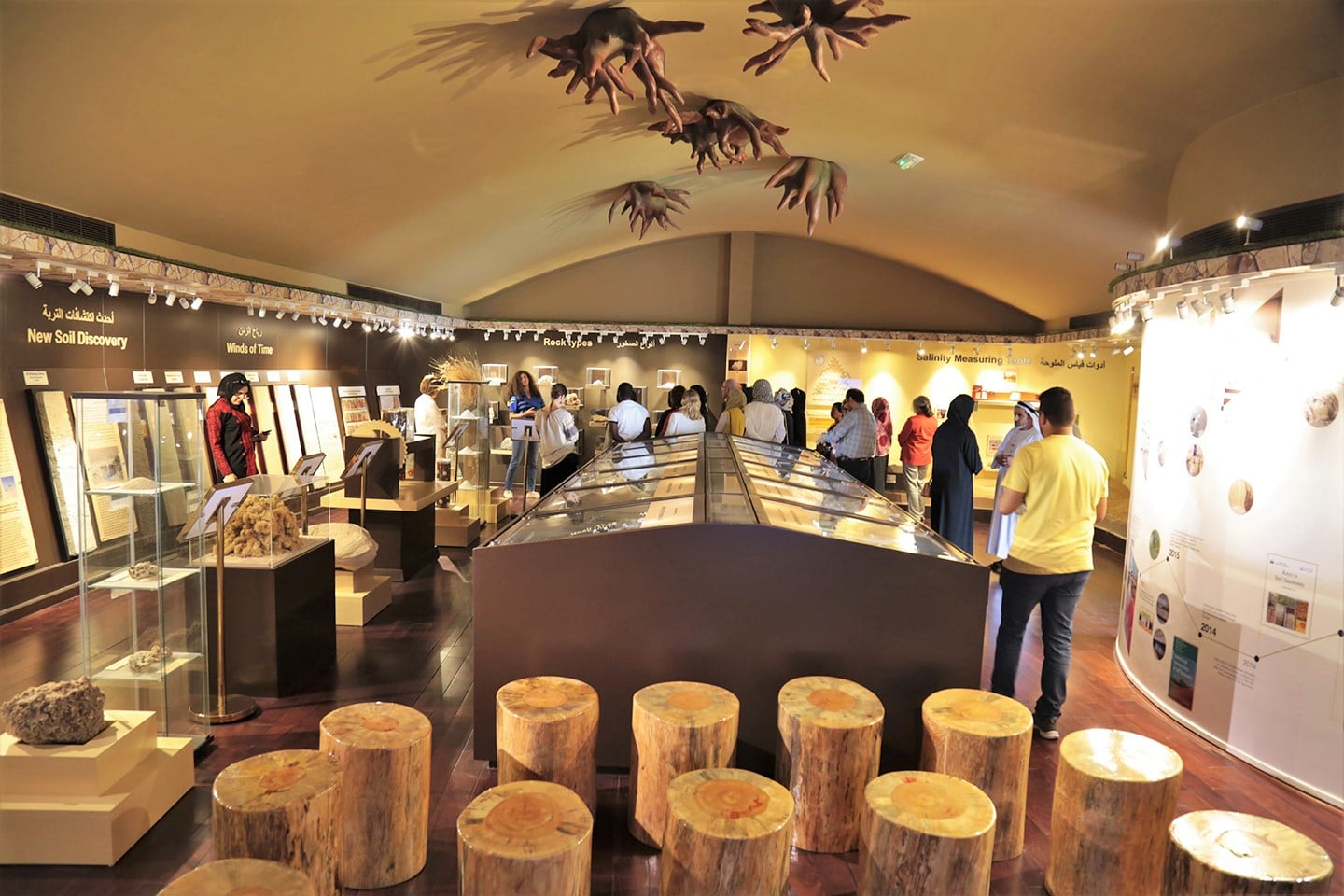
The World Soil Museum hosts a range of educational programs and workshops for students, researchers, and other visitors who are interested in learning more about soil science. These programs cover topics such as soil classification, soil management, and soil conservation, and they are designed to help people understand the vital role that soils play in supporting agriculture, ecosystems, and human societies around the world.

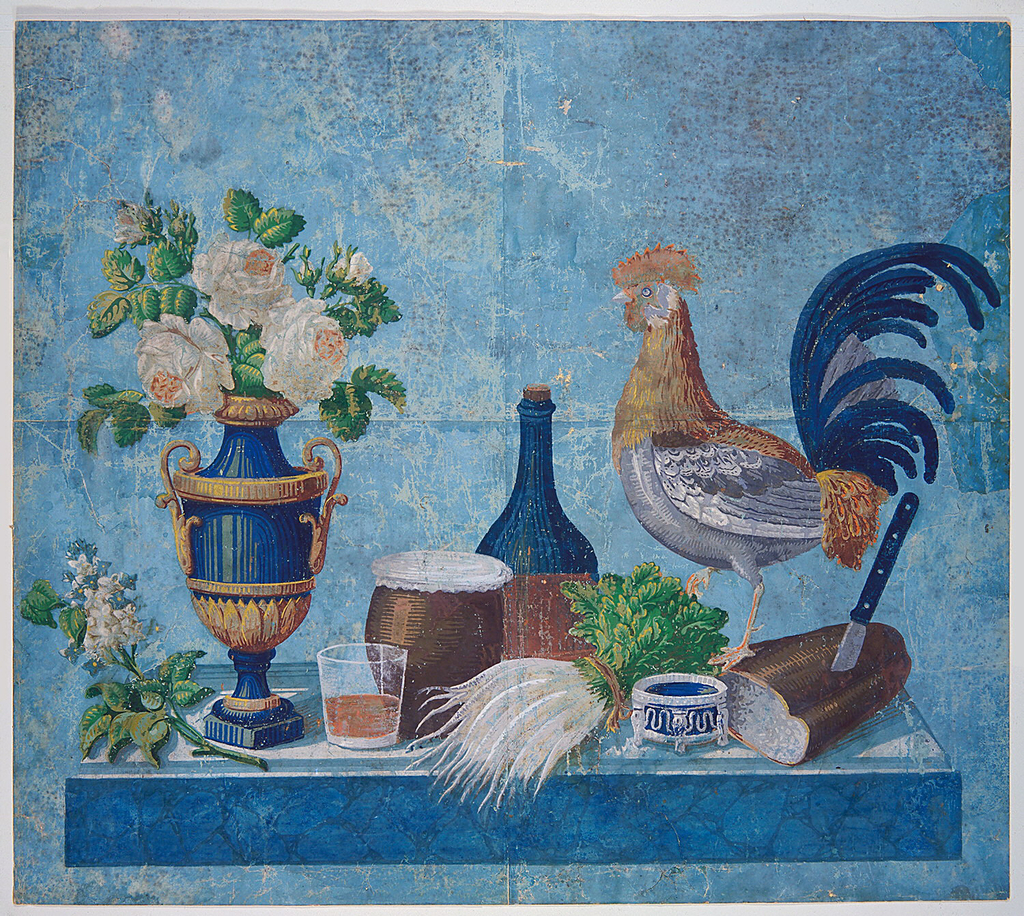
Overdoor, France, ca. 1825; | Smithsonian Design Museum
Education communities have significant food safety responsibilities. Risk gets pushed around global food service counterparties; a drama in itself and one that requires coverage in a separate blog post.*
Since 2013 we have been following the development of food safety standards; among them ANSI/NSF 2: Food Equipment one of a constellation of NSF food safety titles whose provisions cover bakery, cafeteria, kitchen, and pantry units and other food handling and processing equipment such as tables and components, counters, hoods, shelves, and sinks. The purpose of this Standard is to establish minimum food protection and sanitation requirements for the materials, design, fabrication, construction, and performance of food handling and processing equipment.
It is a relatively stable standard; developed to support conformance revenue for products. A new landing page seems to have emerged in recent months:
https://www.nsf.org/testing/food
Manufacturers are required to meet the NEC and CEC electrical codes to have their food equipment sold and used in the United States and Canada. Watch our video for more details. pic.twitter.com/d0vUf4zUl2
— NSF (@NSF_Intl) June 30, 2023
You may be enlightened by the concepts running through this standard as can be seen on a past, pre-pandemic agenda:
NSF 2 Food Safety 2019 Meeting Packet – Final Draft
NSF 2 Food Safety 2019 Meeting Summary – August 21-22 Ann Arbor NSF Headquarters
NSF 2 Food Equipment Fabrication Agenda – FEF – TG – 2021-01-12
Not trivial agendas with concepts that cut across several disciplines involving product manufacture, installation, operation and maintenance. We find a very strong influence of organizations such as Aramark and Sodexo. More on that in a separate post.
From https://t.co/CW9veo96yh: Food Equipment Standards https://t.co/ZwBF9Yr5s0
— Standards Michigan (@StandardsMich) September 19, 2025

Ranchview High School Cafeteria / Irving, Texas
This committee – along with several other joint committees –meets frequently online. If you wish to participate, and receive access to documents that explain the scope and scale of NSF food safety standards, please contact Allan Rose, (734) 827-3817, arose@nsf.org. NSF International welcomes guests/observers to nearly all of its standards-setting technical committees. We expect another online meeting hosted by this committee any day now.
Keep in mind that all NSF International titles are on the standing agenda of our Nourriture (Food) colloquia; open to everyone. See our CALENDAR for the next meeting.
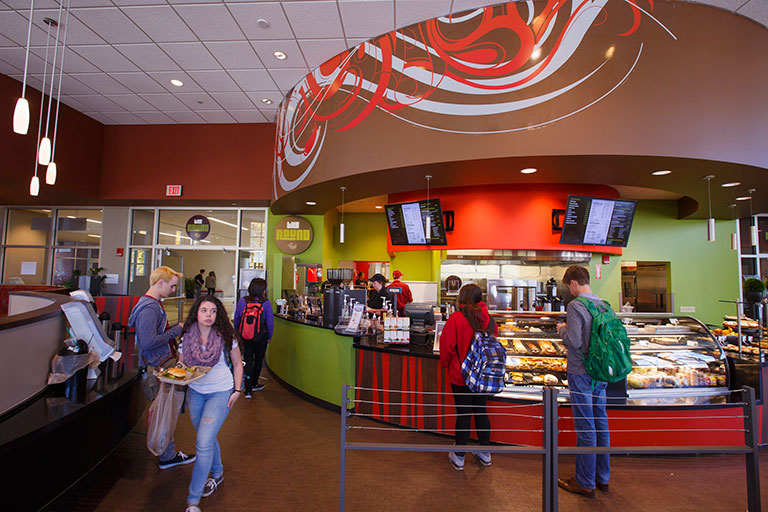
University of Indiana
Issue: [13-113] [15-126]
Category: Facility Asset Management, Healthcare, Residence Hall, Athletics
Colleagues: Mike Anthony, Tracey Artley, Keith Koster, Richard Robben
LEARN MORE:
ANSI Blog | Changes to NSF 2 Food Safety Equipment Standard
NSF International Food Safety 2018 Meeting Summary – 2018-08-22 – Final Draft
2017 Food Code | US Food & Drug Administration
Hygiene Requirements For The Design Of Meat And Poultry Processing Equipment
Standards Iowa | Standards North Carolina
Aramark | Compass Group | Sodexo
Standards Michigan: Food | Kitchen | Farm Agriculture
Americans eat too much:

Extension Service Report on Catfish
Some places just feel like home. From the big-time SEC experience to the even bigger opportunities, here’s what makes Mississippi State unforgettable. pic.twitter.com/rUjxUnq6FM
— Mississippi State (@msstate) August 29, 2025
Mississippi State University Facilities Management
A few Catfish from this year since I’ve been bad about posting! pic.twitter.com/hYFKgWDh3E
— Hannah Barron (@HannahBarron96_) July 13, 2025
“Europe today has little desire to reproduce itself,
fight for itself or even take its own side in a argument.
By the end of the lifespans of most people currently alive,
Europe will not be Europe and the peoples of Europe
will have lost the only place in the world we had to call home”
– Douglas Murry (“The Strange Death of Europe”)
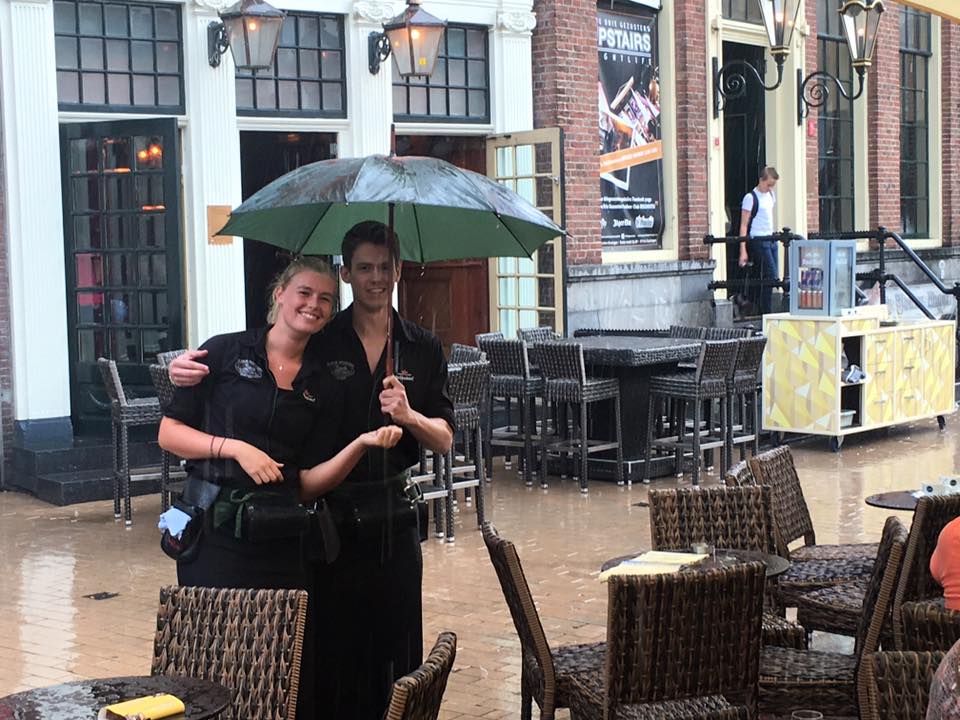
Large European universities such as Rijksuniversiteit Groningen are integrated into the fabric of the surrounding city. There are several ways in which this integration takes place:
Physical location: Many European universities are located in the heart of the city, often in historic buildings that have been repurposed for educational use. This central location means that the university is easily accessible to students and the general public, and that it is often surrounded by other cultural institutions, such as museums, theaters, and libraries.
Student life: The presence of a large student population can have a significant impact on the city’s culture and economy. Many European cities have developed a vibrant student culture, with cafes, bars, and other venues catering to the needs and interests of young people. This can help to create a sense of community between the university and the city, and can also bring economic benefits to local businesses.
Research and innovation: Large European universities are often at the forefront of research and innovation, and they can be important drivers of economic growth in the surrounding region. Many universities work closely with local businesses and industries, and they may also collaborate with other universities and research institutions in the area.
Cultural exchange: Universities can be important centers of cultural exchange, both for international students and for local residents. Many European universities offer language classes and other cultural programs that are open to the public, and they may also host lectures, concerts, and other events that are designed to promote cross-cultural understanding.

The integration of large European universities into the city is a complex and multifaceted process that can have a significant impact on the social, cultural, and economic life of the surrounding region.
The origin of brown cafés can be traced back to the 17th century, during the Dutch Golden Age. At that time, the Netherlands was a prosperous and influential trading nation, and Amsterdam was a bustling city with a thriving port. Sailors, merchants, and locals needed places to socialize, relax, and conduct business, leading to the emergence of taverns and pubs.
The term “brown café” is believed to have originated from the brownish stains that formed on the walls and ceilings due to tobacco smoke, candle soot, and other atmospheric elements. These stains gave the cafés a distinct, cozy ambiance and a sense of history.
Brown cafés became an integral part of Dutch culture, serving as communal gathering spots for people of all walks of life. They were places where locals would meet friends, engage in conversations, enjoy a drink, and sometimes play board games like chess or backgammon. Over time, brown cafés became associated with an authentic, unpretentious, and relaxed atmosphere, attracting both locals and tourists.
The unique charm of brown cafés lies in their preserved historical interiors, with old wooden furniture, dim lighting, and a wide selection of local beers and spirits. Many brown cafés still retain their original character, transporting visitors back in time and providing a cozy retreat from the hustle and bustle of modern life.
While the concept of brown cafés originated in the Netherlands, similar types of establishments can also be found in other European countries, such as Belgium and parts of Germany. However, the term “brown café” is primarily associated with the Dutch tradition of cozy, atmospheric, and convivial drinking establishments.

Of Beauty and Consolation: Roger Scruton
Studenten van @RSMErasmus passen het vak #standaardisatie toe in de praktijk. Komende maand helpen zij vijf ondernemers van @TheGrnVillage met #normalisatie vraagstukken rondom hun #innovatie.
Wij zijn benieuwd naar de resultaten.#learningcommunity #praktijkonderwijs pic.twitter.com/OIpPXQpGsf
— NEN (@NEN_nl) February 13, 2023
“A drink to the living, a toast to the dead.”
— Some guy.
“John Barleycorn” is a figure in English and Scottish folklore who represents the personification of barley and the alcoholic beverages made from it, such as beer and whiskey. In folklore, John Barleycorn is often depicted as a person who is subjected to various forms of mistreatment and violence, such as being crushed, ground, and fermented, before eventually being reborn in the form of alcoholic beverages.
The figure of John Barleycorn has been the subject of various poems, songs, and other works of literature throughout English and Scottish history. One of the most famous works about John Barleycorn is the traditional English folk song of the same name, which tells the story of John Barleycorn’s journey from a growing plant to a fully fermented alcoholic beverage. The song has been covered by many artists over the years, including the British group Traffic.
The legend of John Barleycorn is not widely known in the United States, but it does have some cultural resonance in certain regions and among certain groups of people. The legend is a traditional British folk song that tells the story of a man named John Barleycorn, who is personified as a personification of the cereal crop barley, which is used to make beer and other alcoholic beverages. Some breweries in the US have even named beers after John Barleycorn, as a nod to the traditional English roots of brewing. The legend of John Barleycorn also has some resonance in American literature and popular culture. The American author Jack London wrote a novel titled “John Barleycorn” in 1913, which was a semi-autobiographical account of his own struggles with alcoholism. The novel has since become a classic of American literature and is still widely read today.
The UT Extension was established as part of the national Cooperative Extension System created by the Smith-Lever Act of 1914. Tennessee’s legislature authorized its Agricultural Extension Service in 1913, with operations beginning around 1914 as the outreach arm of the University of Tennessee’s land-grant mission. It helps Tennesseans improve their quality of life and solve practical problems by delivering research-based knowledge in agriculture and natural resources, family and consumer sciences, 4-H youth development, and community economic development.
“All Carolinas” meal at Fountain Dining Hall this Wednesday, September 23
More than half of this year’s American Institute of Architects North Carolina (@AIA_NC) awards were won by @NCStateDesign students, faculty and alumni. 👏 Explore their projects: https://t.co/0J28nxhgC2 pic.twitter.com/ACpEgAQfsN
— NC State University (@NCState) January 19, 2024
North Carolina State University Facilities
New update alert! The 2022 update to the Trademark Assignment Dataset is now available online. Find 1.29 million trademark assignments, involving 2.28 million unique trademark properties issued by the USPTO between March 1952 and January 2023: https://t.co/njrDAbSpwB pic.twitter.com/GkAXrHoQ9T
— USPTO (@uspto) July 13, 2023
Standards Michigan Group, LLC
455 East Eisenhower Parkway, Suite 300
Ann Arbor, MI 48108 USA
888-748-3670
 |
 |
|
 |
 |
|
 |
 |