Two universes mosey down the street
Connected by love and a leash and nothing else.
Mostly I look at lamplight through the leaves
While he mooches along with tail up and snout down,
Getting a secret knowledge through the nose
Almost entirely hidden from my sight.
We stand while he’s enraptured by a bush
Till I can’t stand our standing any longer
And haul on the leash to bring him away.
He lives in the moment, which is good for him,
But when I see a stone wall, I think of Greece,
The sort of place he’d have a lot to say about—
The sniffable pots and broken statues,
The seas, the Ionic evenings all in a row.
But he just gives a yelp and comes running over
To smell my palm, and what can I do but
Smile and bend down to give him a hello?
Open source standards development is characterized by very open exchange, collaborative participation, rapid prototyping, transparency and meritocracy. The Python programming language is a high-level, interpreted language that is widely used for general-purpose programming. Python is known for its readability, simplicity, and ease of use, making it a popular choice for beginners and experienced developers alike. Python has a large and active community of developers, which has led to the creation of a vast ecosystem of libraries, frameworks, and tools that can be used for a wide range of applications. These include web development, scientific computing, data analysis, machine learning, and more.
Another important aspect of Python is its versatility. It can be used on a wide range of platforms, including Windows, macOS, Linux, and even mobile devices. Python is also compatible with many other programming languages and can be integrated with other tools and technologies, making it a powerful tool for software development. Overall, the simplicity, readability, versatility, and large community support of Python make it a valuable programming language to learn for anyone interested in software development including building automation.
As open source software, anyone may suggest an improvement to Python(3.X) starting at the link below:
Python can be used to control building automation systems. Building automation systems are typically used to control various systems within a building, such as heating, ventilation, air conditioning, lighting, security, and more. Python can be used to control these systems by interacting with the control systems through the building’s network or other interfaces.
There are several Python libraries available that can be used for building automation, including PyVISA, which is used to communicate with instrumentation and control systems, and PyModbus, which is used to communicate with Modbus devices commonly used in building automation systems. Python can also be used to develop custom applications and scripts to automate building systems, such as scheduling temperature setpoints, turning on and off lights, and adjusting ventilation systems based on occupancy or other variables. Overall, Python’s flexibility and versatility make it well-suited for use in building automation systems.
.@PyCon US 2025 is a wrap, and our hearts are full with #Python community love! Thanks to every single one of you who organized, volunteered, attended, & sponsored 🐍🫶 #PyConUS
The PSF office will be closed May 26-28 so our staff can rest & recover. See you back online soon! pic.twitter.com/Sy1hiRmvw4
— Python Software Foundation (@ThePSF) May 27, 2025
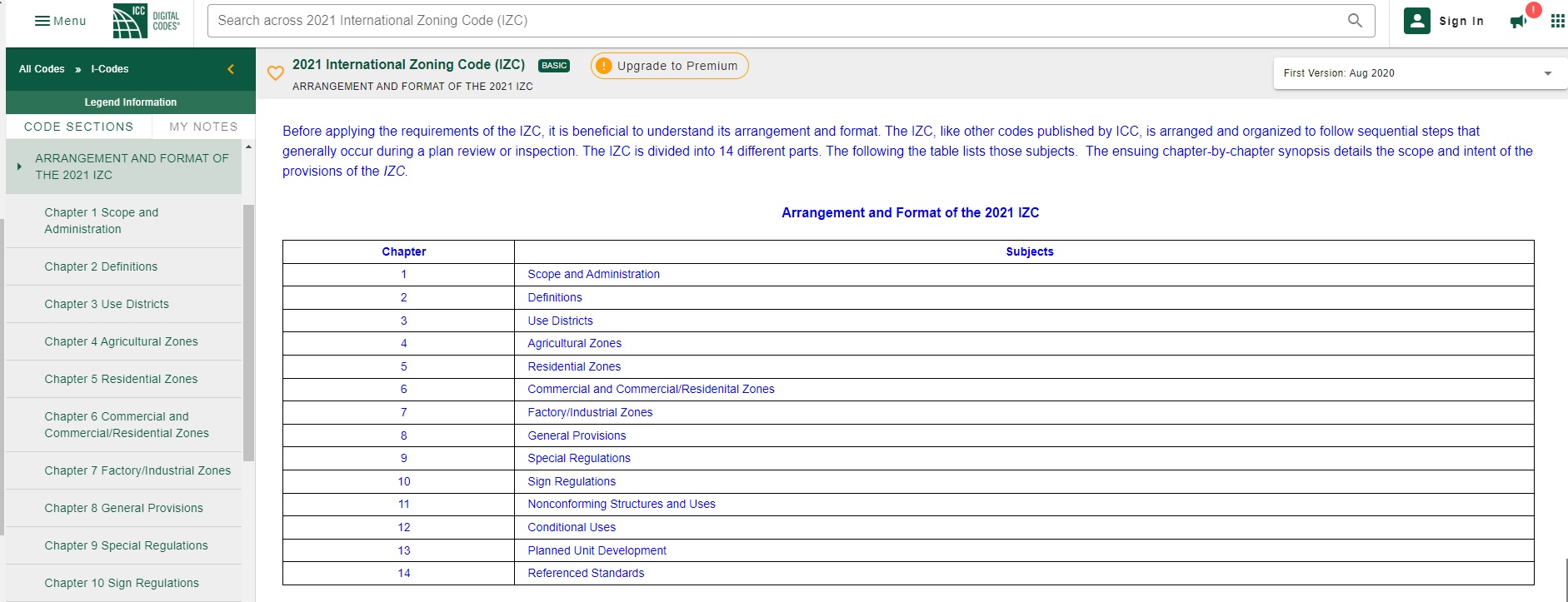
The purpose of the code is to establish minimum requirements to provide a reasonable level of health, safety, property protection and welfare by controlling the design, location, use or occupancy of all buildings and structures through the regulated and orderly development of land and land uses within this jurisdiction.
CLICK IMAGE
Municipalities usually have specific land use or zoning considerations to accommodate the unique needs and characteristics of college towns:
Mixed-Use Zoning: Cities with colleges and universities often employ mixed-use zoning strategies to encourage a vibrant and diverse urban environment. This zoning approach allows for a combination of residential, commercial, and institutional uses within the same area, fostering a sense of community and facilitating interactions between students, faculty, and residents.
Height and Density Restrictions: Due to the presence of educational institutions, cities may have specific regulations on building height and density to ensure compatibility with the surrounding neighborhoods and maintain the character of the area. These restrictions help balance the need for development with the preservation of the existing urban fabric.
Student Housing: Cities with colleges and universities may have regulations or guidelines for student housing to ensure an adequate supply of affordable and safe accommodations for students. This can include requirements for minimum bedroom sizes, occupancy limits, and proximity to campus.
Parking and Transportation: Given the concentration of students, faculty, and staff, parking and transportation considerations are crucial. Cities may require educational institutions to provide parking facilities or implement transportation demand management strategies, such as promoting public transit use, cycling infrastructure, and pedestrian-friendly designs.
Community Engagement: Some cities encourage colleges and universities to engage with the local community through formalized agreements or community benefit plans. These may include commitments to support local businesses, contribute to neighborhood improvement projects, or provide educational and cultural resources to residents.
This is a relatively new title in the International Code Council catalog; revised every three years in the Group B tranche of titles. Search on character strings such as “zoning” in the link below reveals the ideas that ran through the current revision:
Reed v. Town of Gilbert (2015): This Supreme Court case involved a challenge to the town of Gilbert, Arizona’s sign code, which regulated the size, location, and duration of signs based on their content. The court held that the sign code was a content-based restriction on speech and therefore subject to strict scrutiny.
City of Ladue v. Gilleo (1994): In this Supreme Court case, the court struck down a municipal ordinance that banned the display of signs on residential property, except for signs that fell within specific exemptions. The court held that the ban was an unconstitutional restriction on the freedom of speech.
Metromedia, Inc. v. San Diego (1981): This Supreme Court case involved a challenge to a San Diego ordinance that banned off-premises advertising signs while allowing on-premises signs. The court held that the ordinance was an unconstitutional restriction on free speech, as it discriminated against certain types of speech.
City of Ladue v. Center for the Study of Responsive Law, Inc. (1980): In this Supreme Court case, the court upheld a municipal ordinance that prohibited the display of signs on public property, but only if the signs were posted for longer than 10 days. The court held that the ordinance was a valid time, place, and manner restriction on speech.
City of Boerne v. Flores (1997): This Supreme Court case involved a challenge to a municipal sign code that regulated the size, location, and content of signs in the city. The court held that the sign code violated the Religious Freedom Restoration Act, as it burdened the exercise of religion without a compelling government interest.
“Panoramic View of the Greek Amphitheatre at Syracuse” 18th Century Abraham Louis Rodolphe Ducros
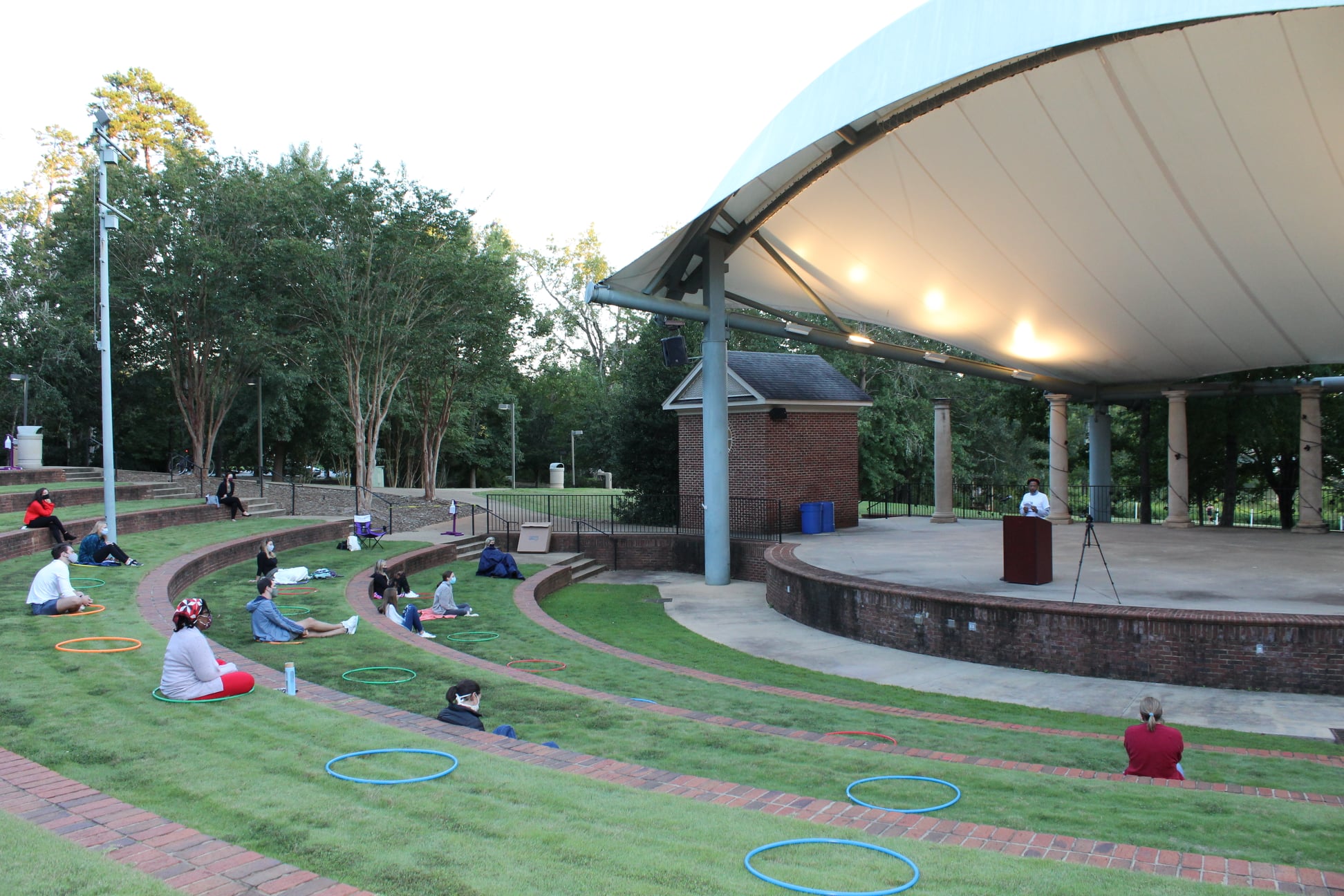
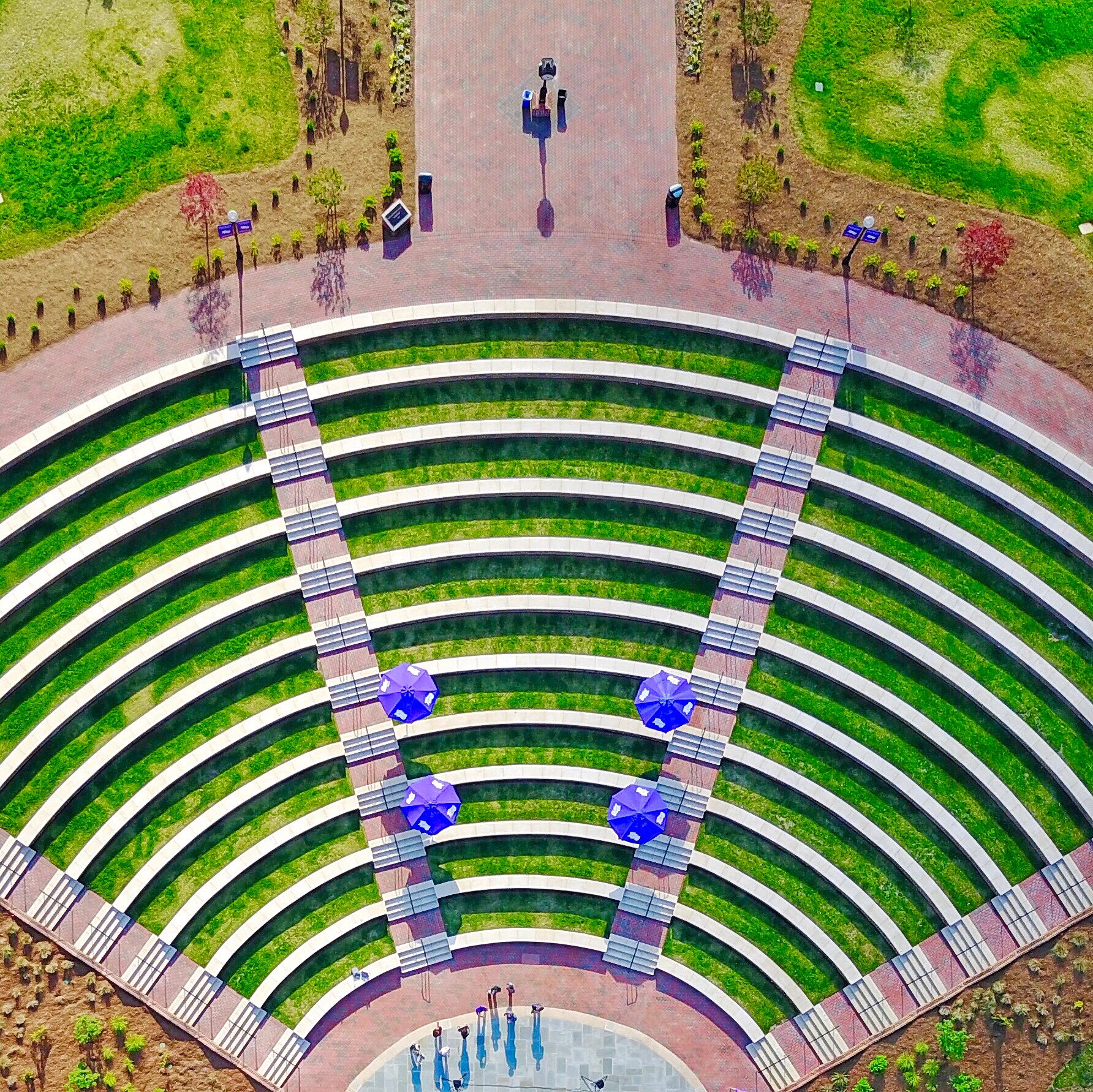
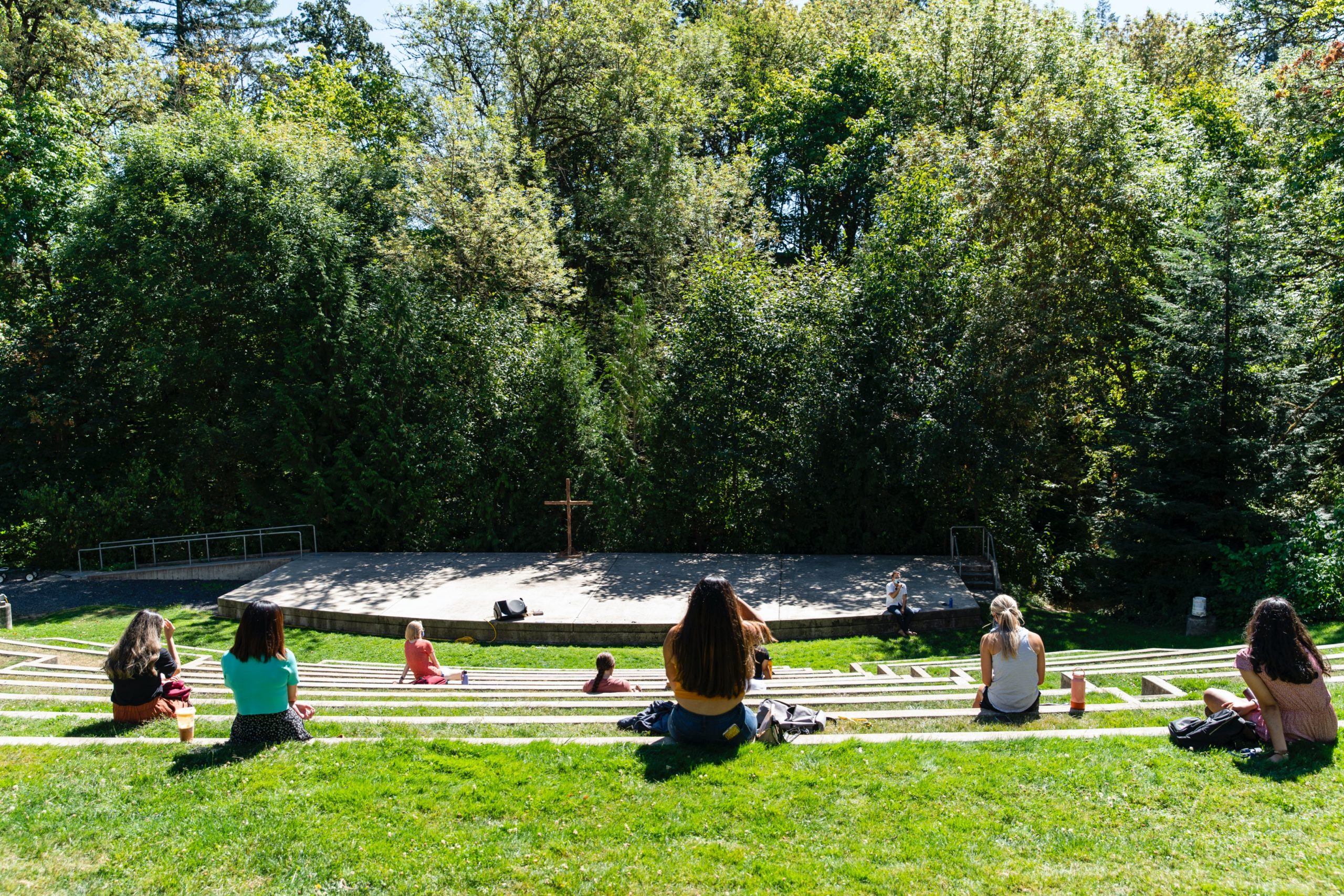
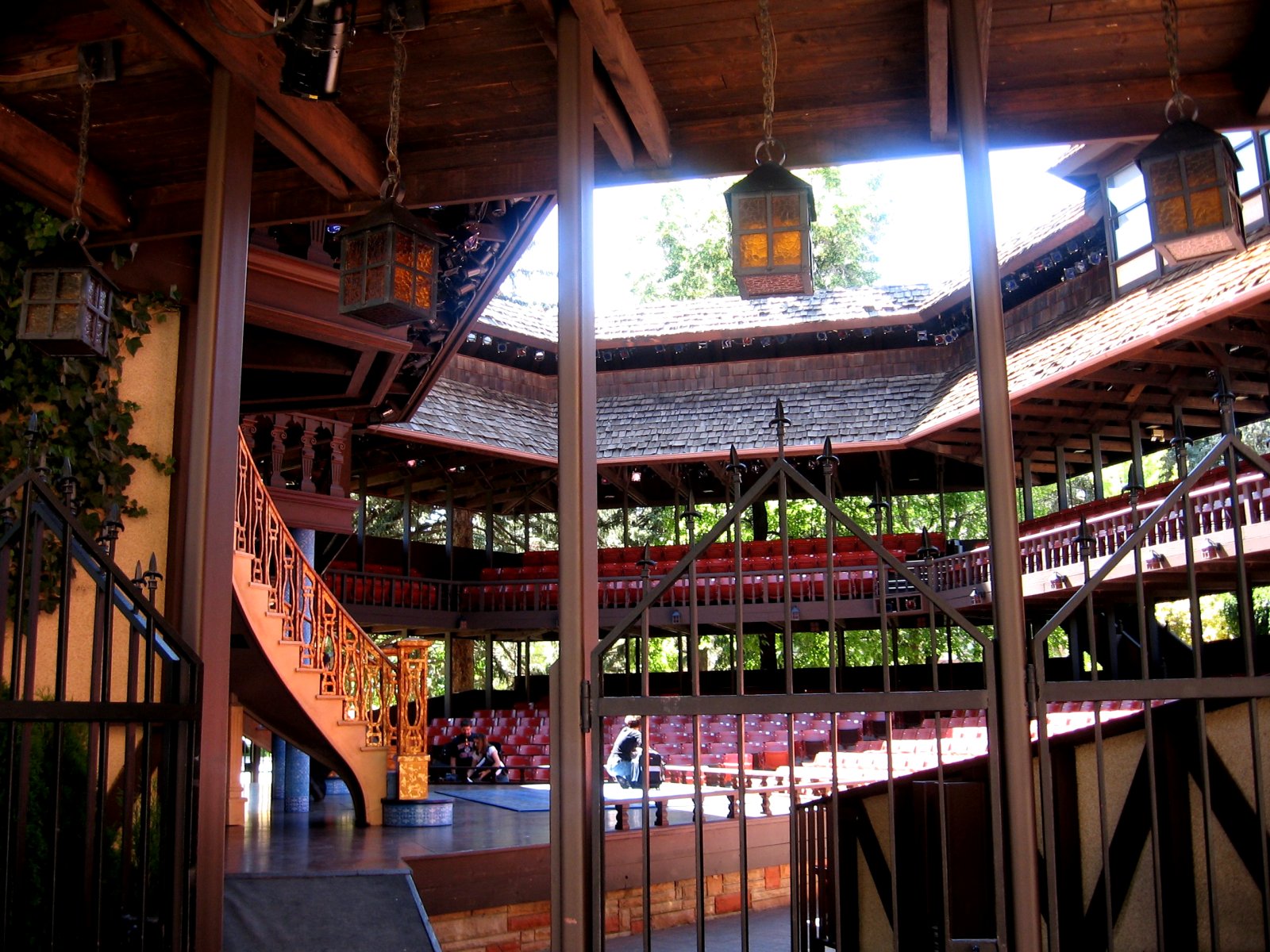
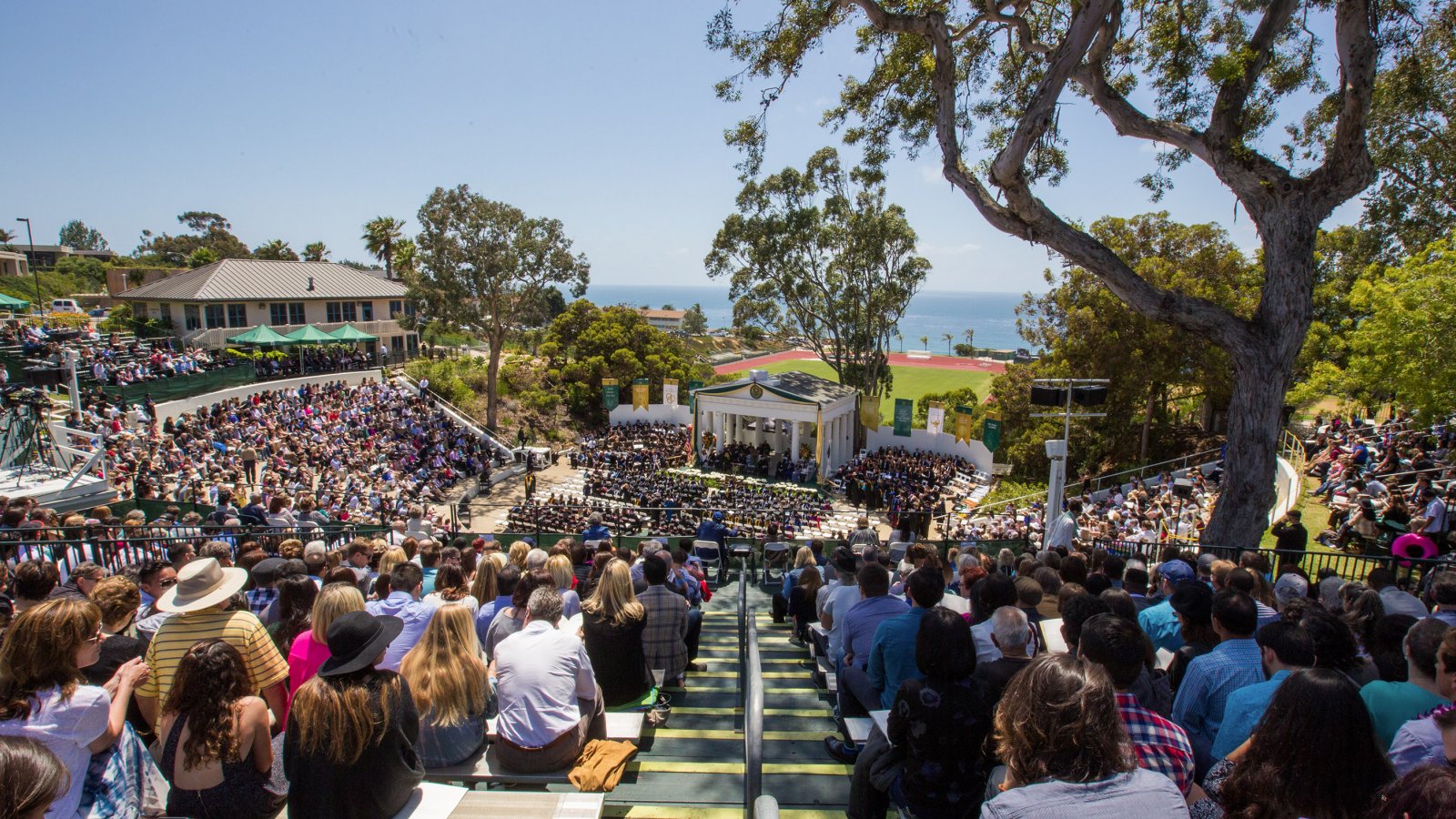
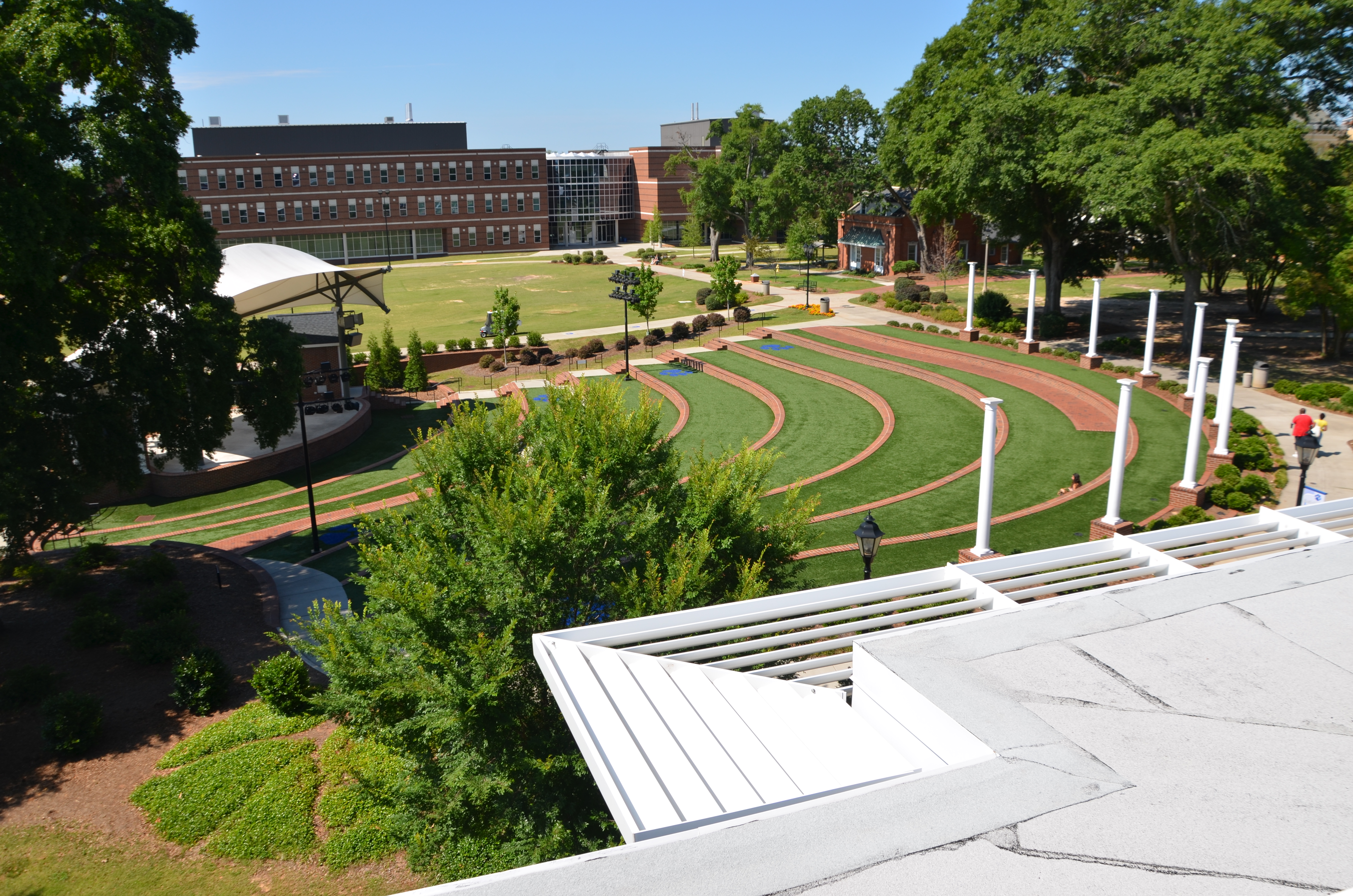
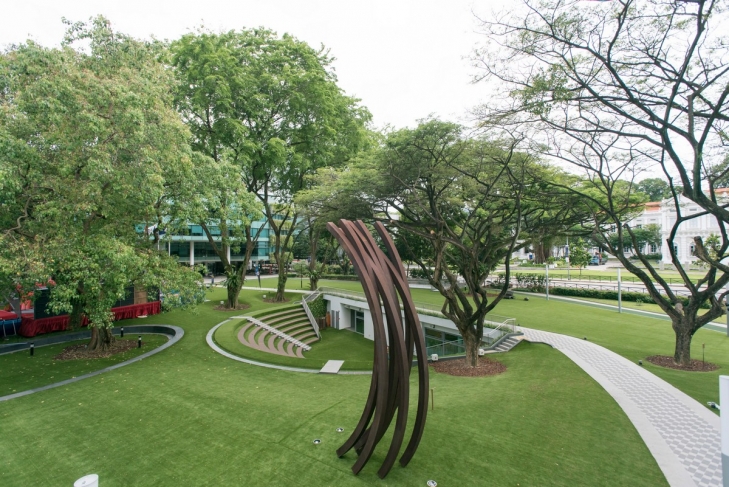
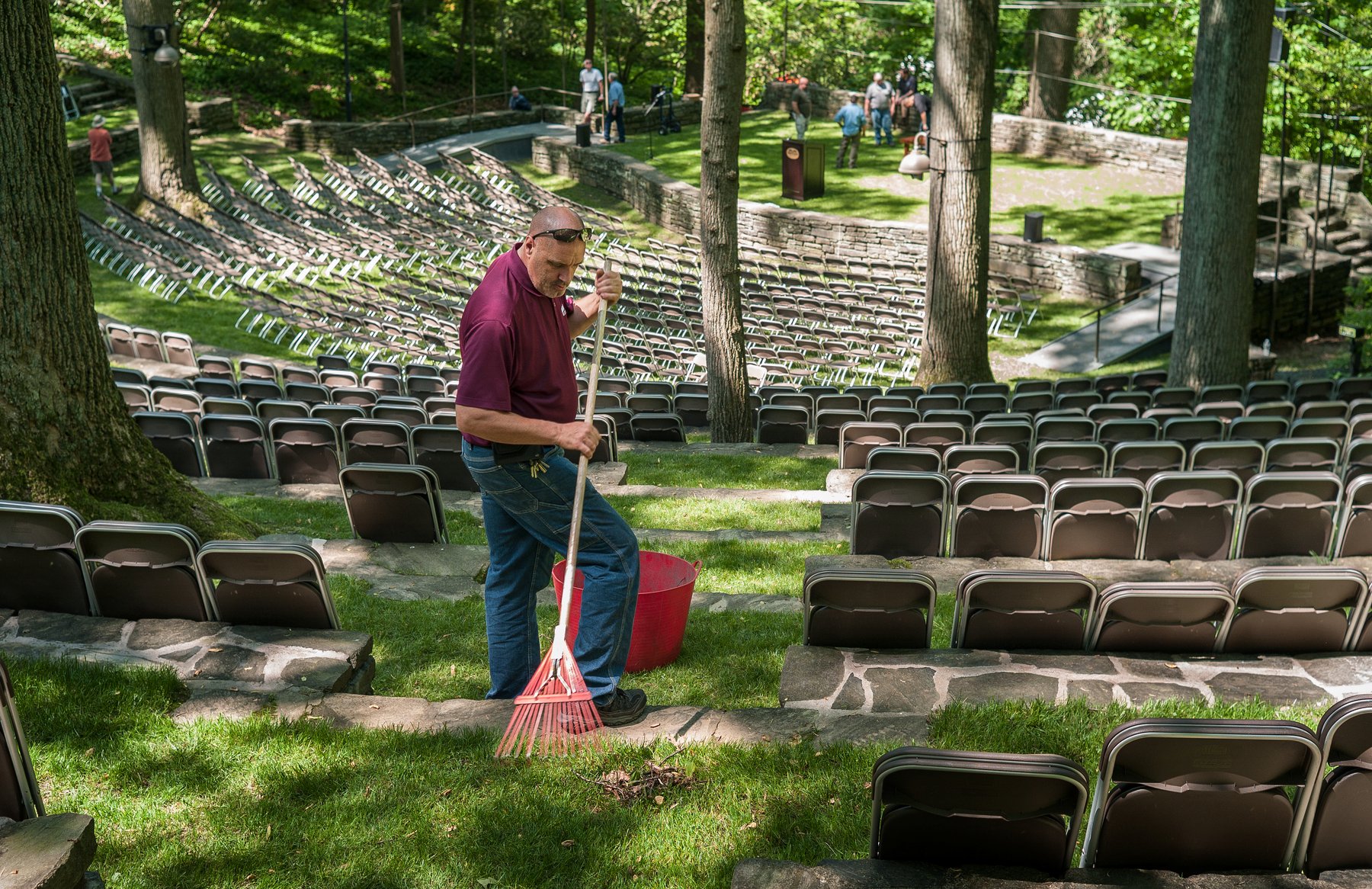
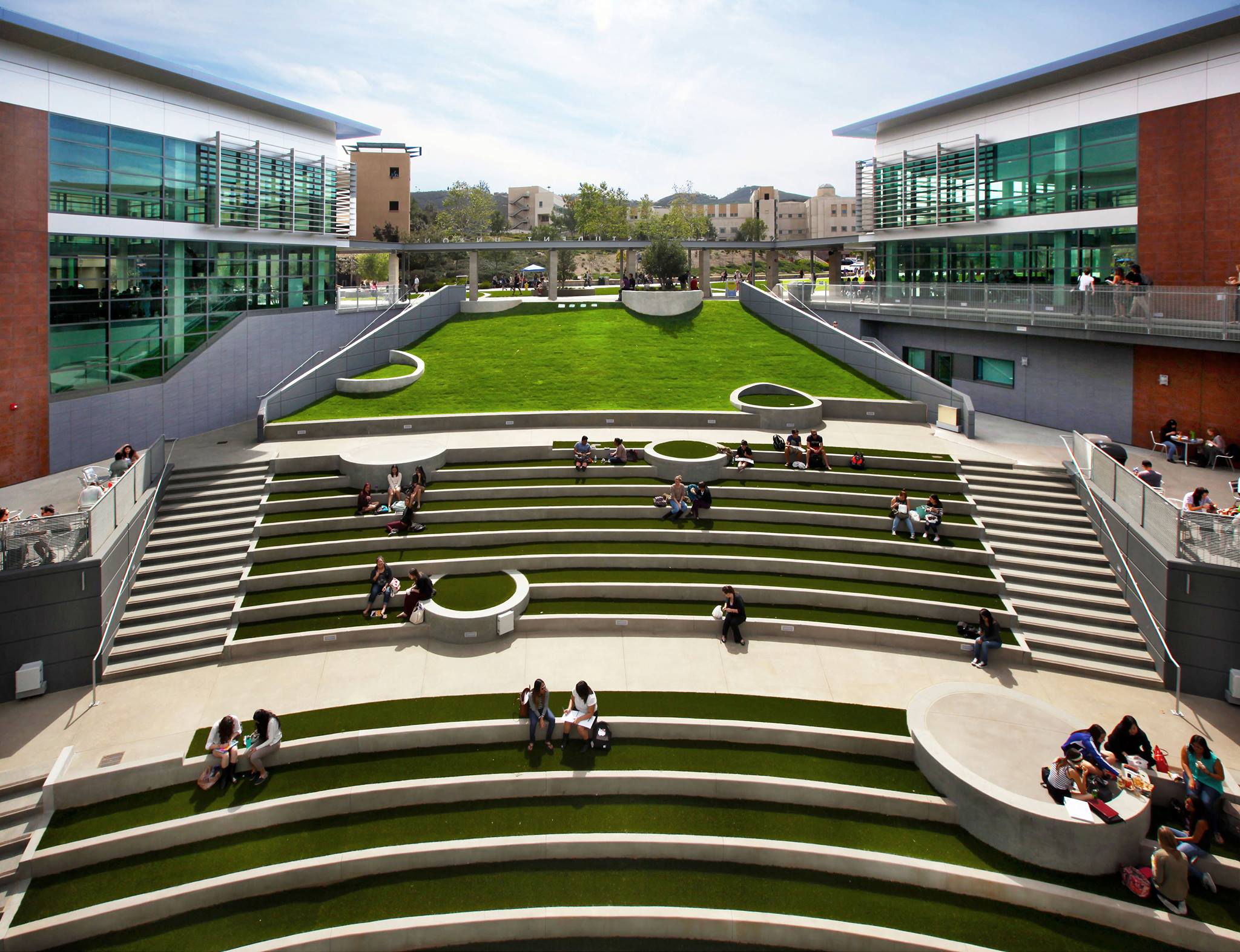
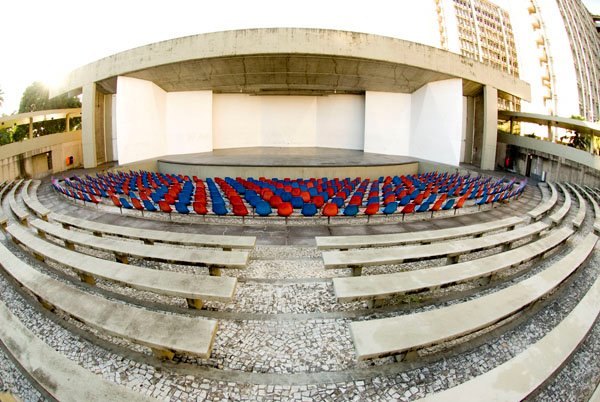
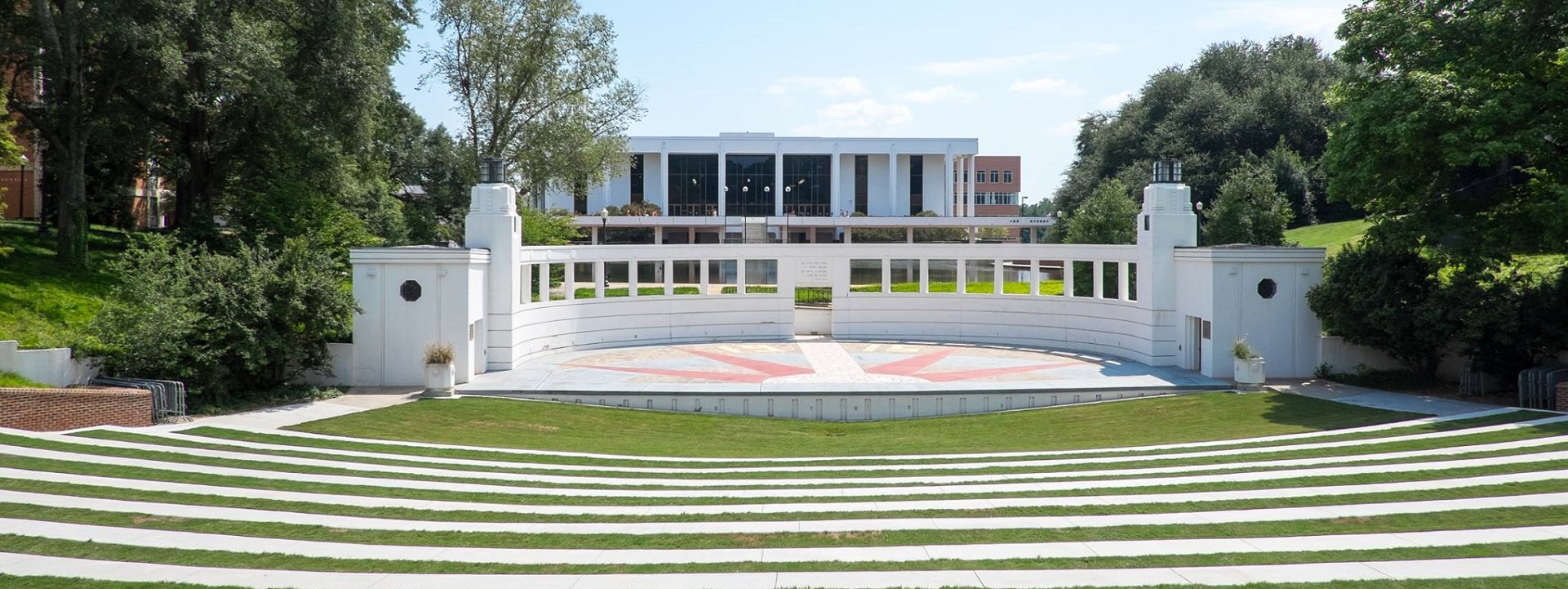
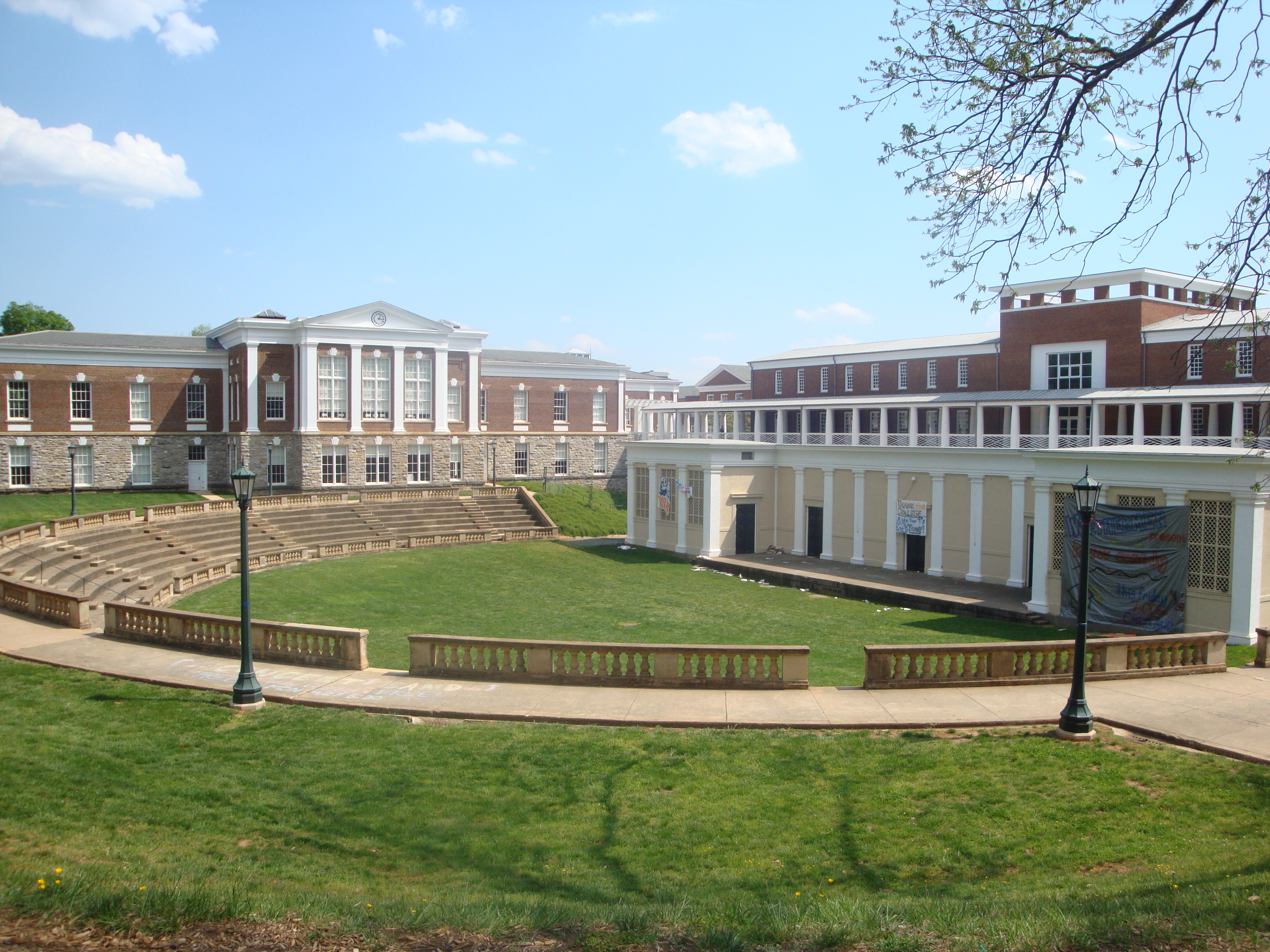
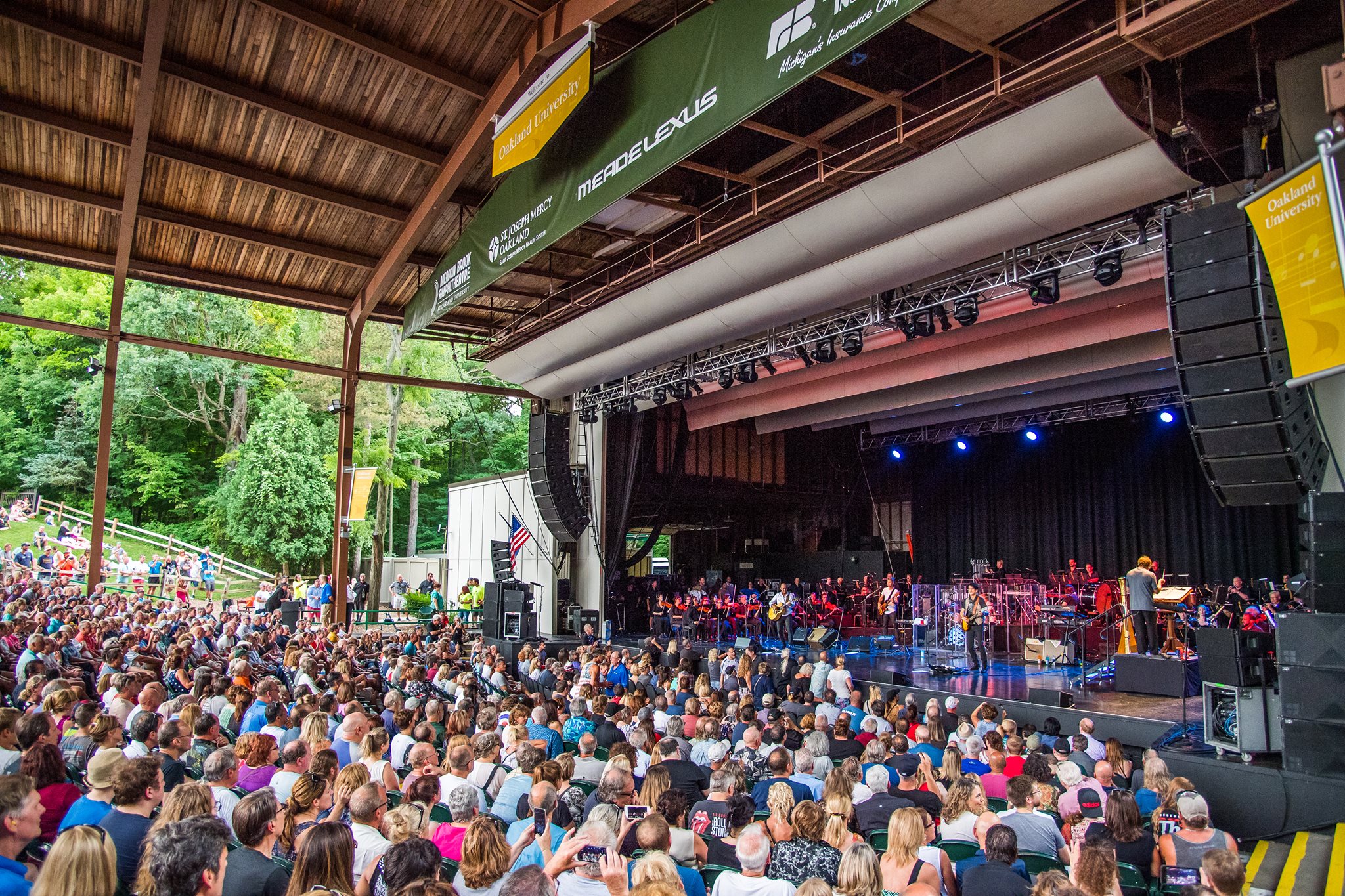
From from time to time — particularly in the months of fairer weather, when many events are hosted outdoors — we break form from the grind of responding to c0nsultations to simply enjoy these spaces See our CALENDAR for our periodic Lively c0lloquia when we drill down into technical specifics.
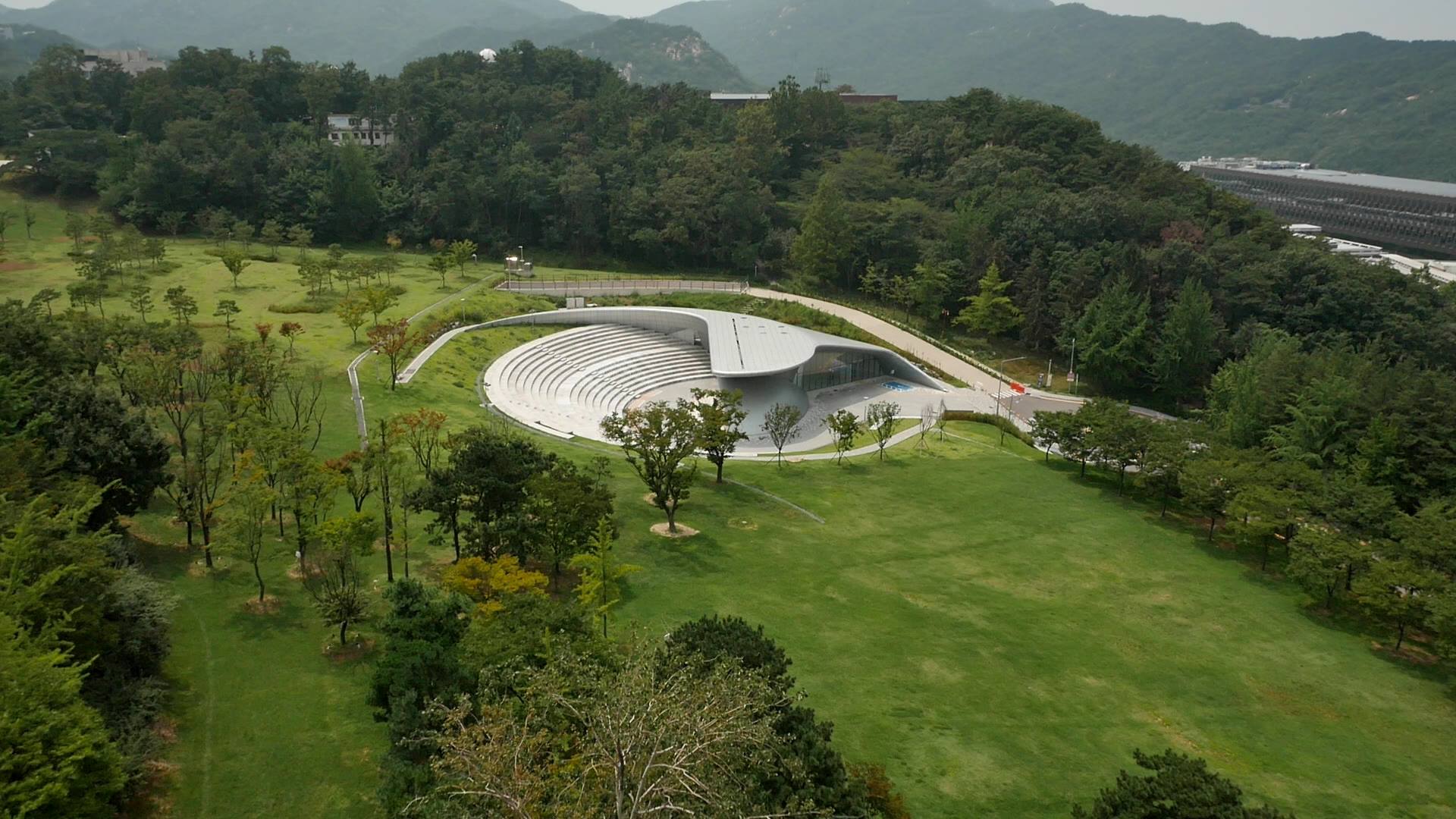
서울대학교
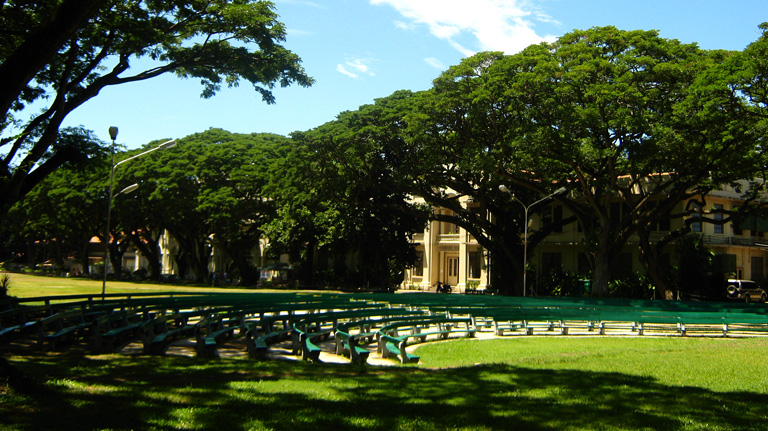
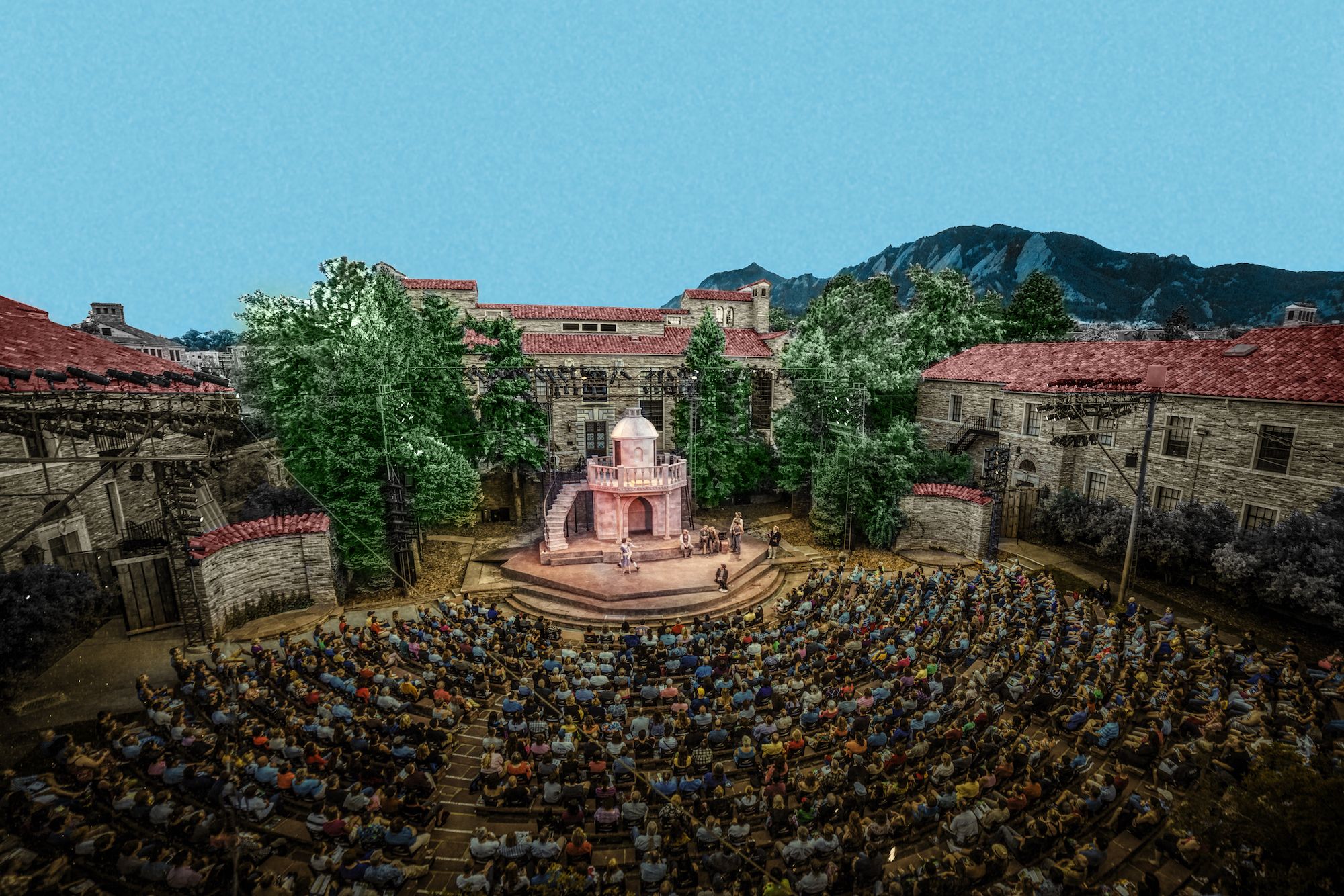
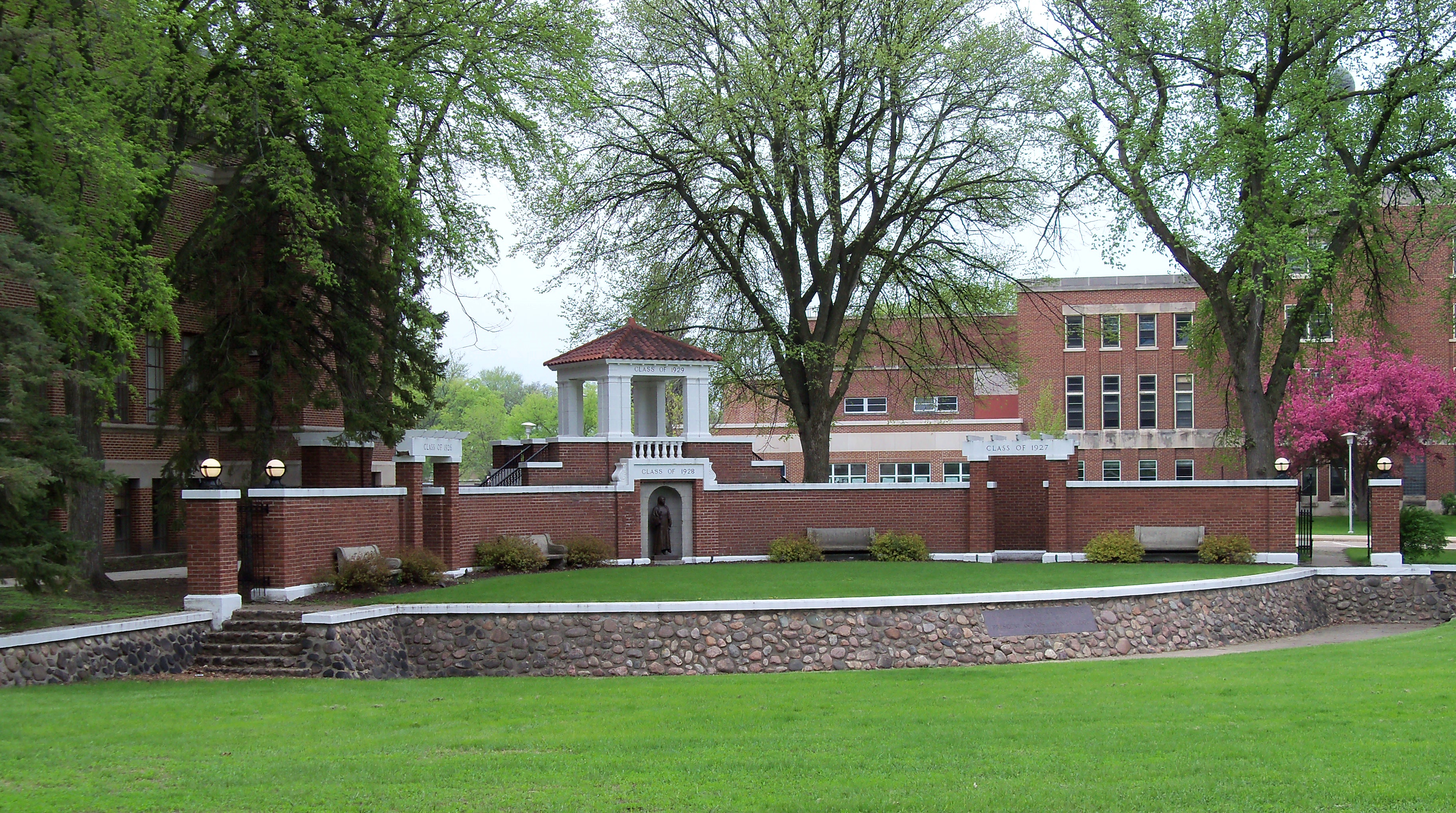
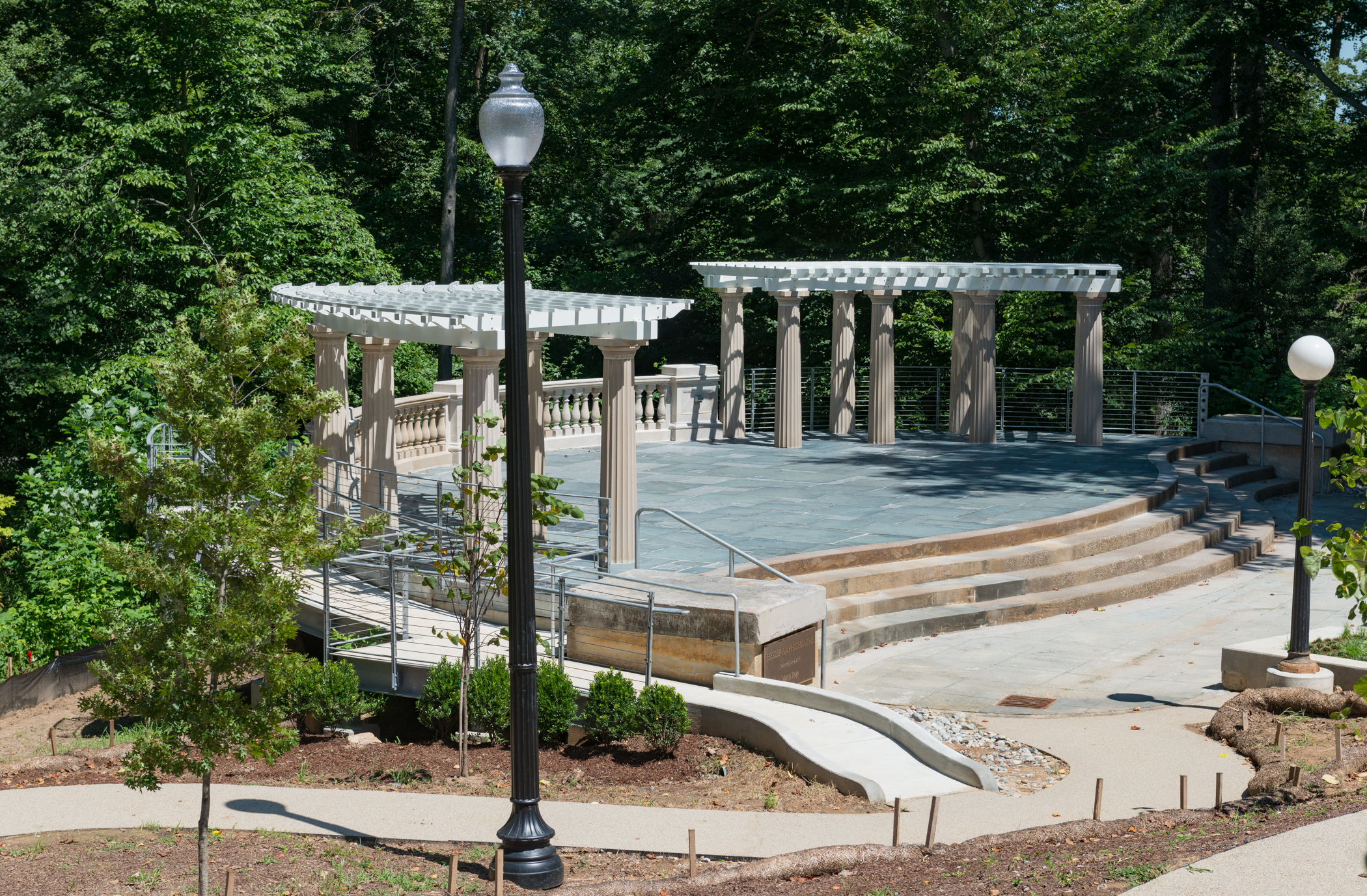
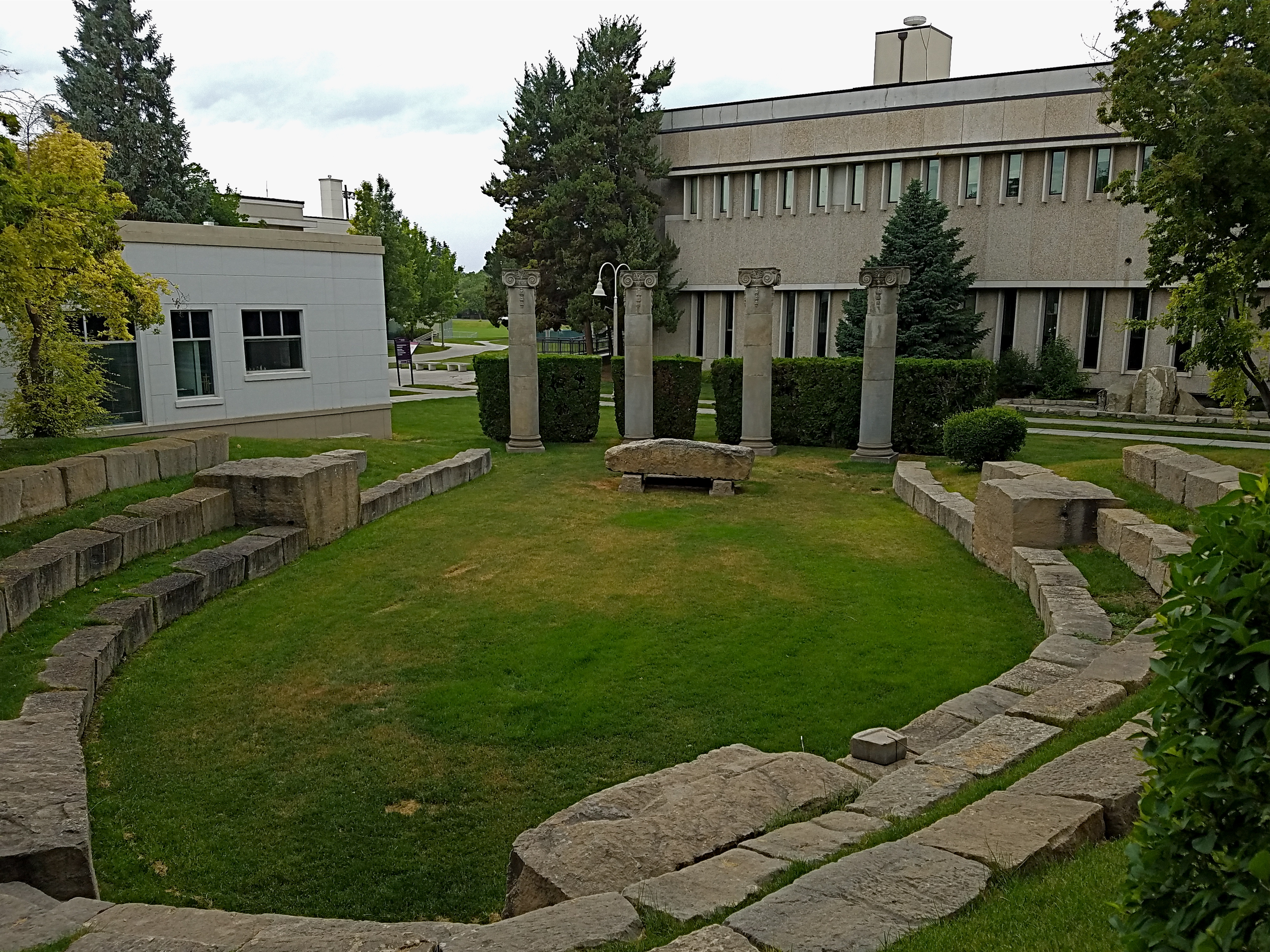
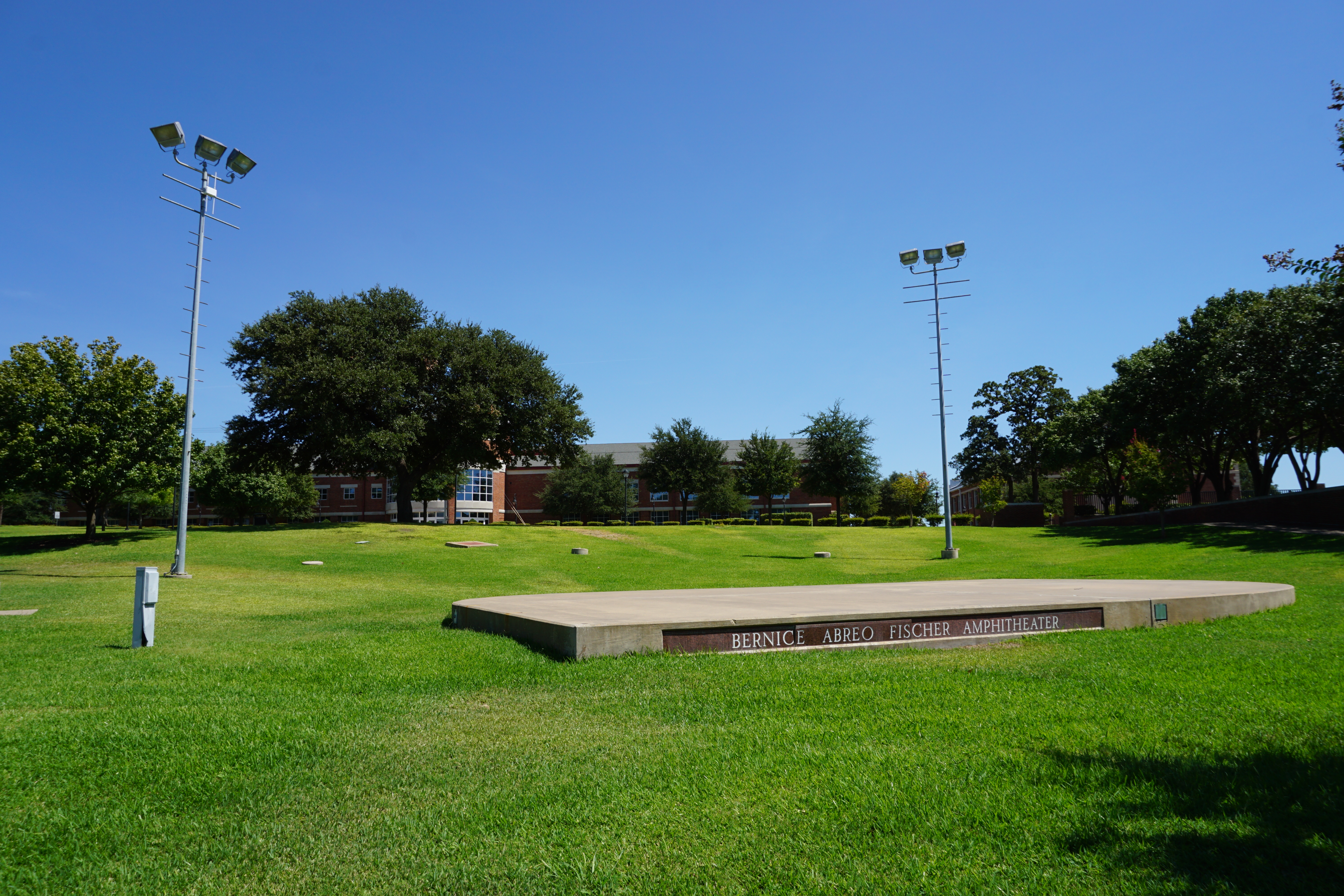
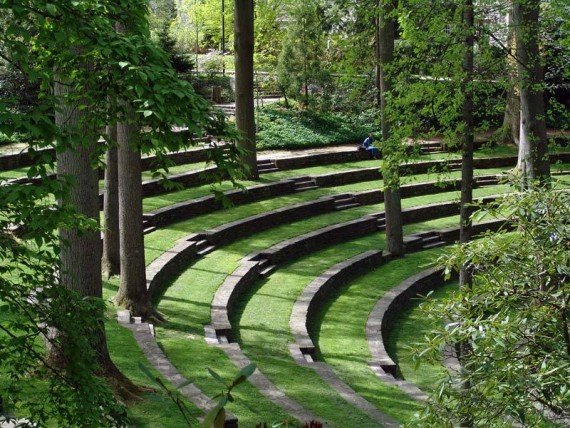
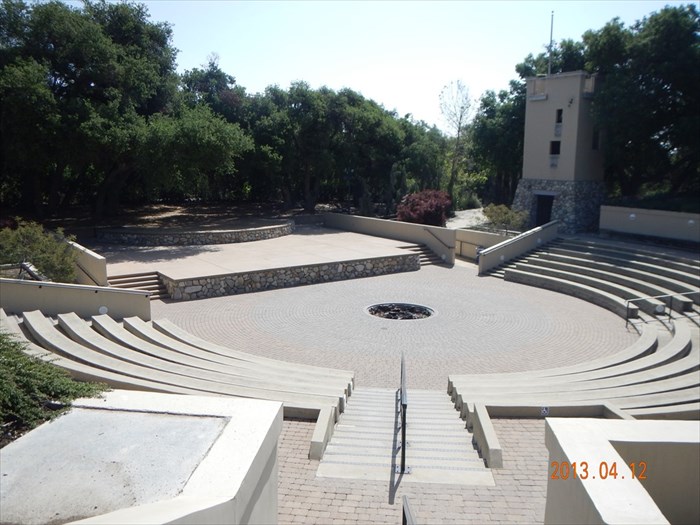
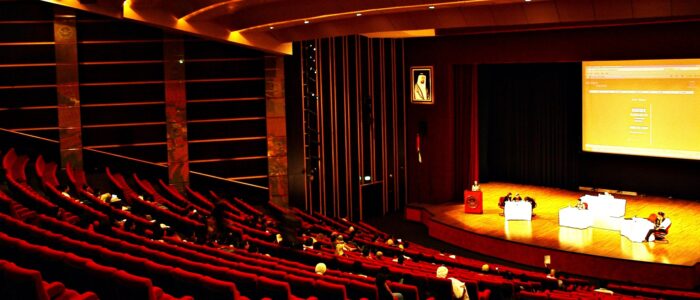
Outdoor amphitheaters rely upon a broad ecosystem of consensus standards that quietly support every performance. Among them:
NFPA — National Electrical Code, including Articles 518, 520, 525 and related provisions
SMPTE — media production and broadcast systems
Audio Engineering Society (AES) — professional sound systems
Illuminating Engineering Society (IES) — site and performance lighting
ASTM International — seating, concrete, accessibility and materials
ASCE — structural loading for stages, roofs and canopies
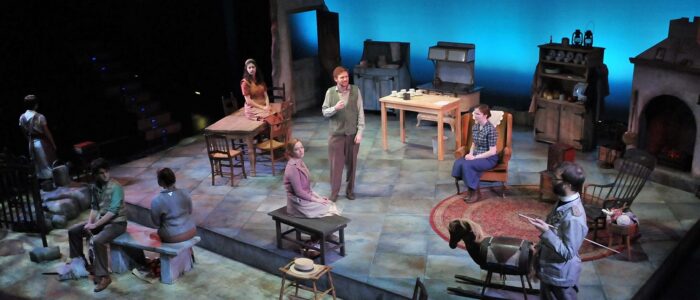
“ I think that the theater is the initial glamorizer of thought; where it can be told – without too much disguise but without too much directness either – the secrets, and thereby its antipathies and sympathies – the secrets and the knowledge of the human heart…
…I think that makes the art of the theater as important as the doctor or the psychologist or the Minister…
…I think it’s vitally important that the world knows itself and I think the theater is one of the most immediate means of expression towards that end…”
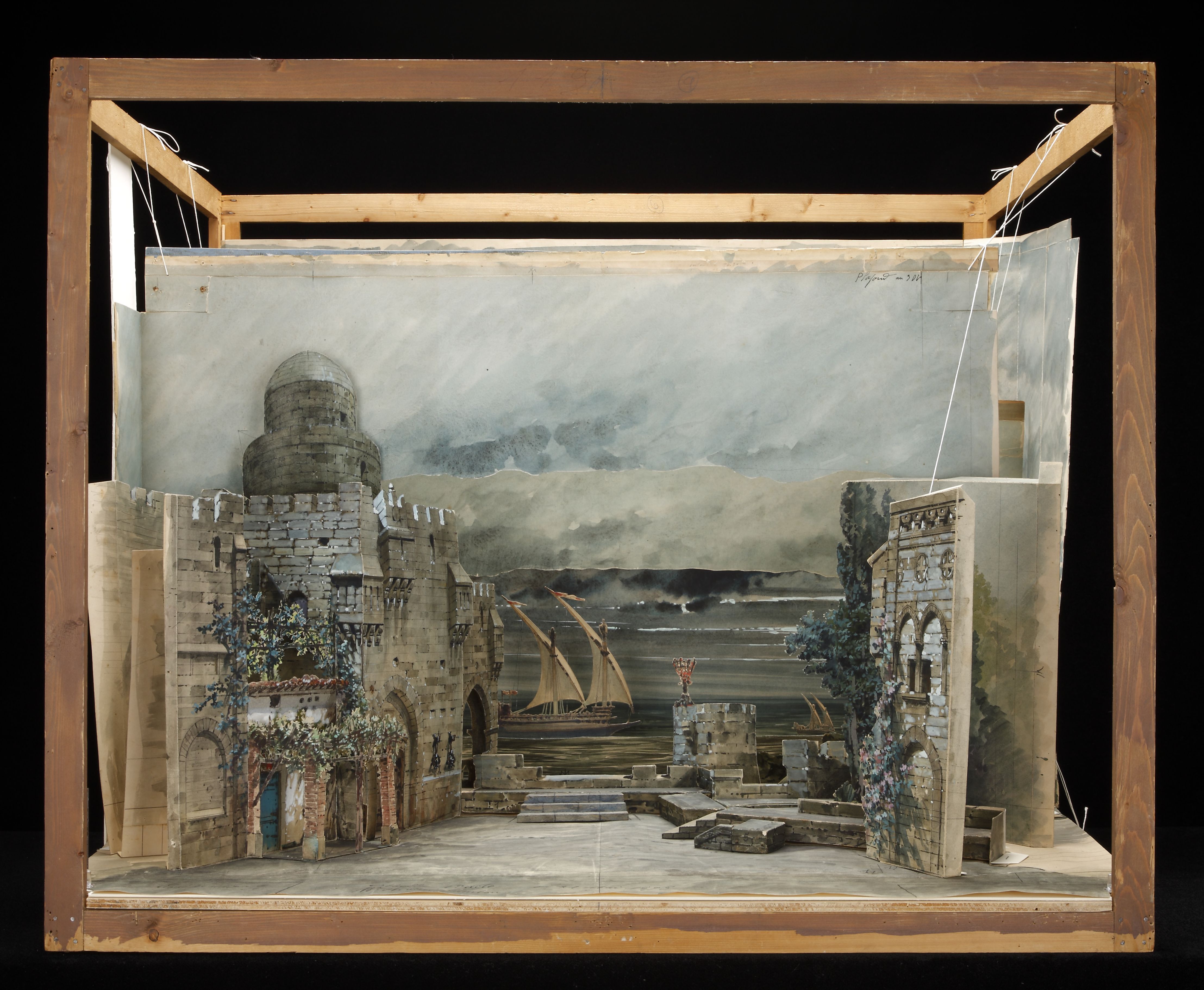
Set design model by Marcel Jambon for an 1895 Paris production of Giuseppe Verdi’s Otello
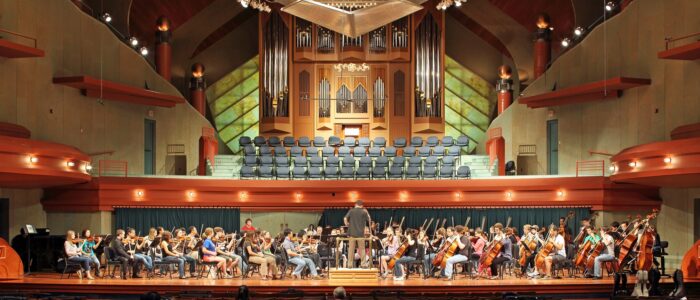
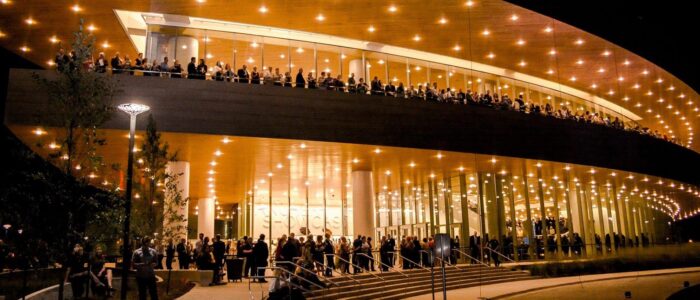
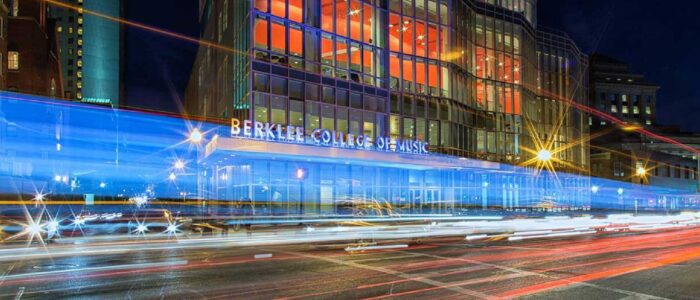
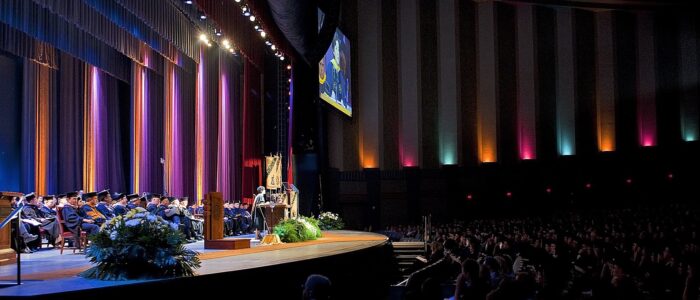
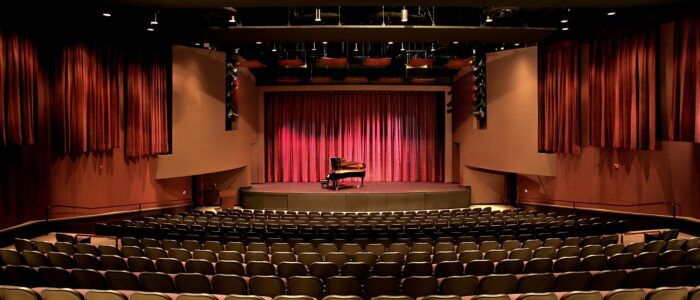
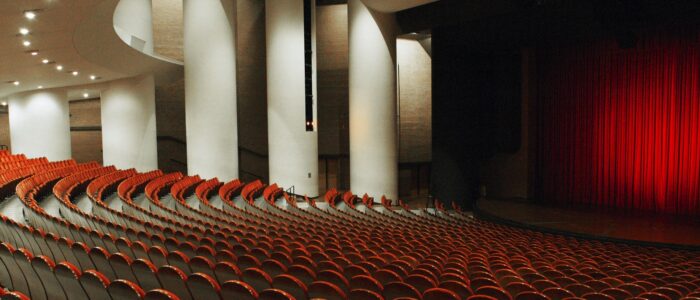
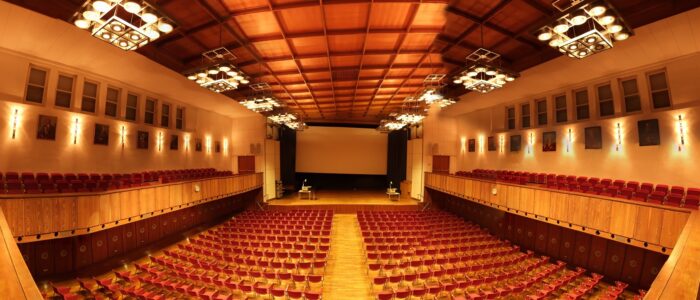
Demand for live events in college towns — what is now called “entertainment content” — is gathering pace; owed somewhat to an older demographic that prefers expanded social interaction to the online entertainment offerings that the younger demographic prefers*. We see an expansion of the market in the construction of architecturally astonishing buildings; though the circumstances of pandemic has changed everything.
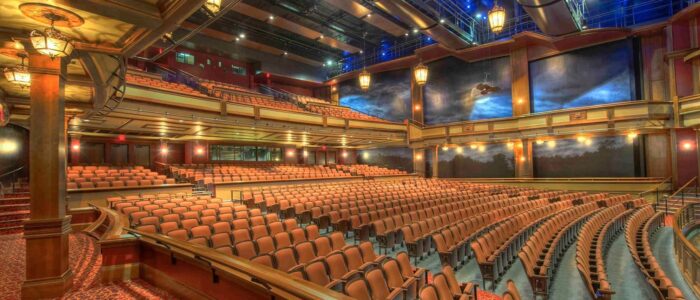
Today our interest lies in the complex safety and sustainability characteristics of the physical infrastructure — with particular interest in the fire protection, environmental air and electrotechnologies required to make them safe and sustainable. This facility class is far more complicated technologically and operates at significantly higher risk than, say, classrooms or office space.
The Entertainment Services and Technology Association is one of the first names in trade associations that support the ‘business of show business’ through networking, safe practices, education, and representation. We follow the standards making activity of its technical committees and monitor public commenting opportunities. ESTA releases markups of its consensus products for public comment at a fairly brisk pace on its standards development landing page:
You may obtain an electronic copy at the link above, along with a comment form. Send your comments to Karl Ruling, (212) 244-1505, standards@esta.org with an optional copy to psa@ansi.org). We encourage our colleagues in school districts and in colleges and universities large and small; with responsibilities for the safety and sustainability of cultural resource properties, media centers, performance venues to participate in the ESTA technical standards development program.
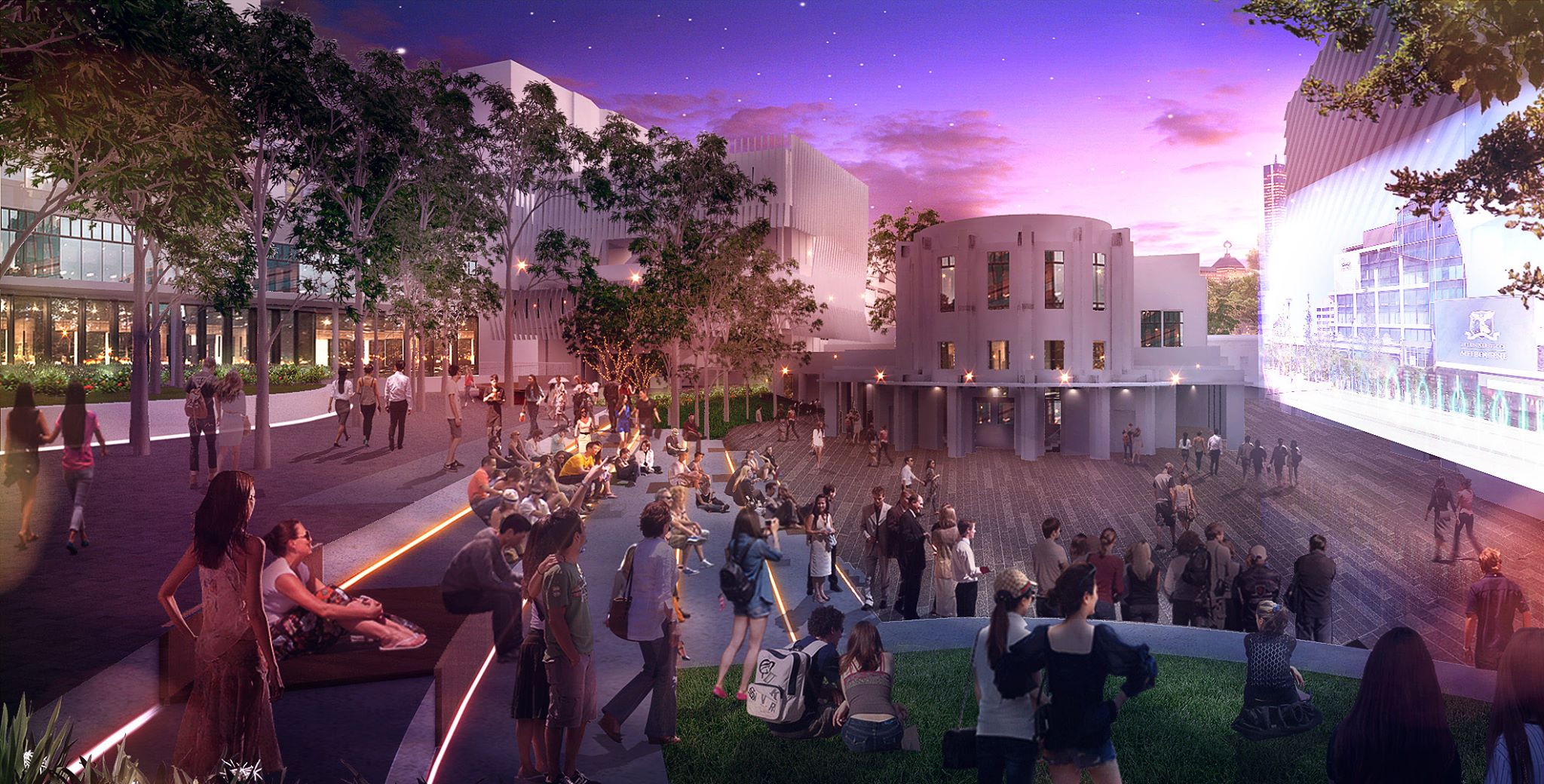
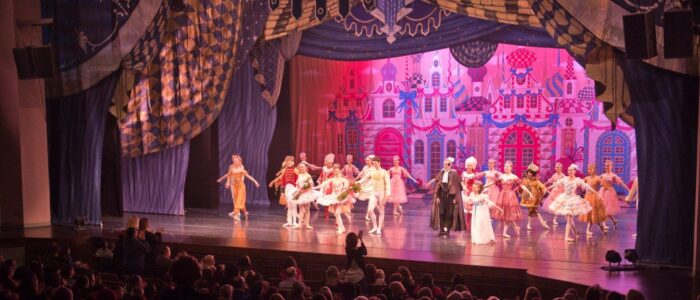
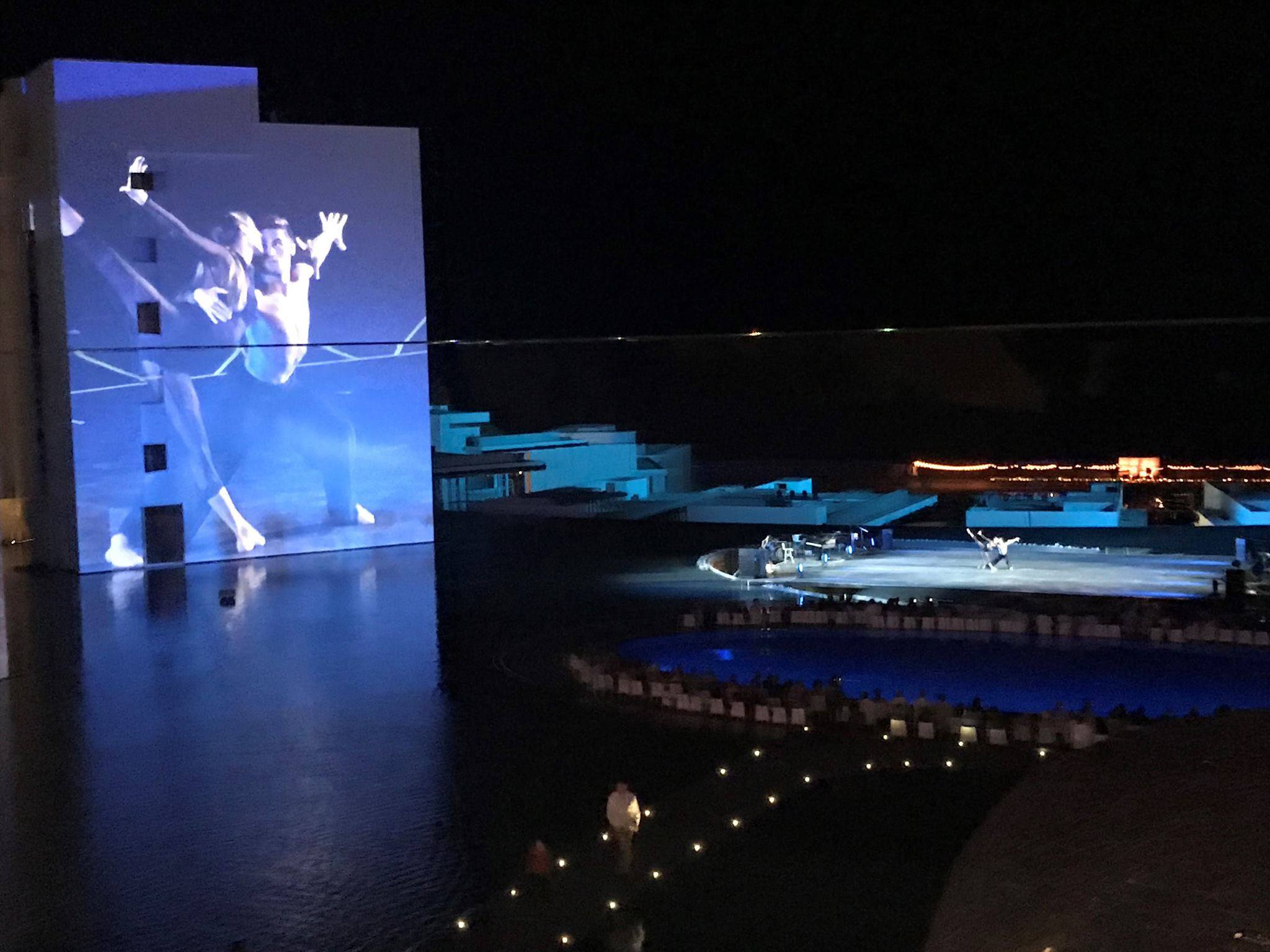
Glorya Kaufman School of Dance / University of Southern California
We keep the ESTA suite on the standing agenda of our Lively Arts colloquia; open to everyone. See our CALENDAR for the next online meeting.
Since the electrotechnologies for the lively arts have evolved into complex, interoperable systems we also collaborate with the IEEE Education & Healthcare Facilities Committee on technical specifics. That committee meets online four times per month in European and American time zones.
“We’re all actors: We all play different roles in different situations.”
Marlon Brando
Issue: [Various]
Category: Electrical, Infotech, Lively Arts,
Colleagues: Mike Anthony, Christine Fischer, Mike Hiler, Nehad El-Sherif
Today at the usual hour we review the standards, codes, regulations and best practice literature for the safety and sustainability of facilities for teaching skills needed for supporting families.
You could hear a pin drop in this room 📌 So focused practicing for their exam 🧑🏻🍳 pic.twitter.com/lHw20avgnL
“John Barleycorn” is a figure in English and Scottish folklore who represents the personification of barley and the alcoholic beverages made from it, such as beer and whiskey. In folklore, John Barleycorn is often depicted as a person who is subjected to various forms of mistreatment and violence, such as being crushed, ground, and fermented, before eventually being reborn in the form of alcoholic beverages.
The figure of John Barleycorn has been the subject of various poems, songs, and other works of literature throughout English and Scottish history. One of the most famous works about John Barleycorn is the traditional English folk song of the same name, which tells the story of John Barleycorn’s journey from a growing plant to a fully fermented alcoholic beverage. The song has been covered by many artists over the years, including the British group Traffic.
The legend of John Barleycorn is not widely known in the United States, but it does have some cultural resonance in certain regions and among certain groups of people. The legend is a traditional British folk song that tells the story of a man named John Barleycorn, who is personified as a personification of the cereal crop barley, which is used to make beer and other alcoholic beverages. Some breweries in the US have even named beers after John Barleycorn, as a nod to the traditional English roots of brewing. The legend of John Barleycorn also has some resonance in American literature and popular culture. The American author Jack London wrote a novel titled “John Barleycorn” in 1913, which was a semi-autobiographical account of his own struggles with alcoholism. The novel has since become a classic of American literature and is still widely read today.
New update alert! The 2022 update to the Trademark Assignment Dataset is now available online. Find 1.29 million trademark assignments, involving 2.28 million unique trademark properties issued by the USPTO between March 1952 and January 2023: https://t.co/njrDAbSpwBpic.twitter.com/GkAXrHoQ9T