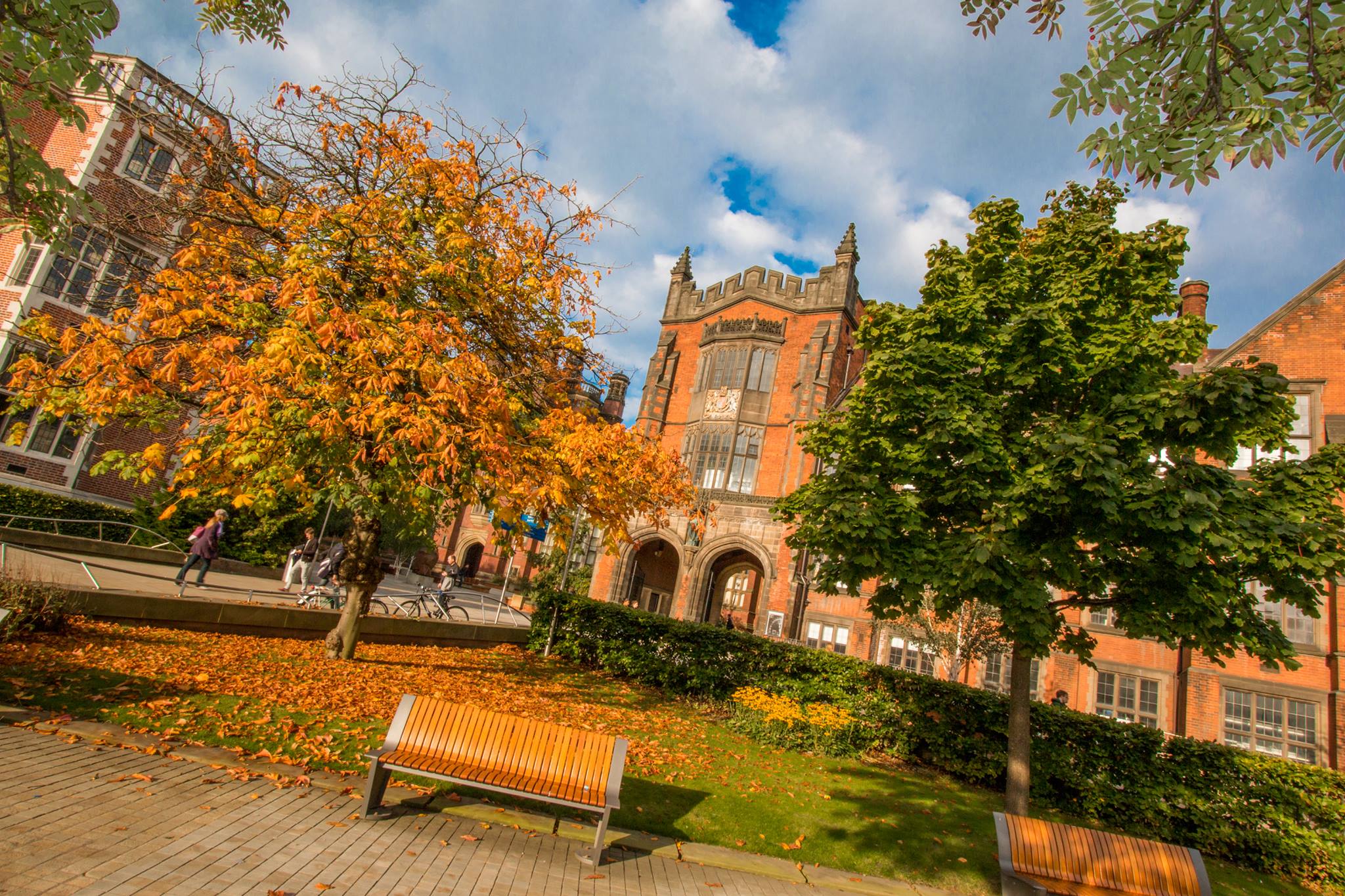
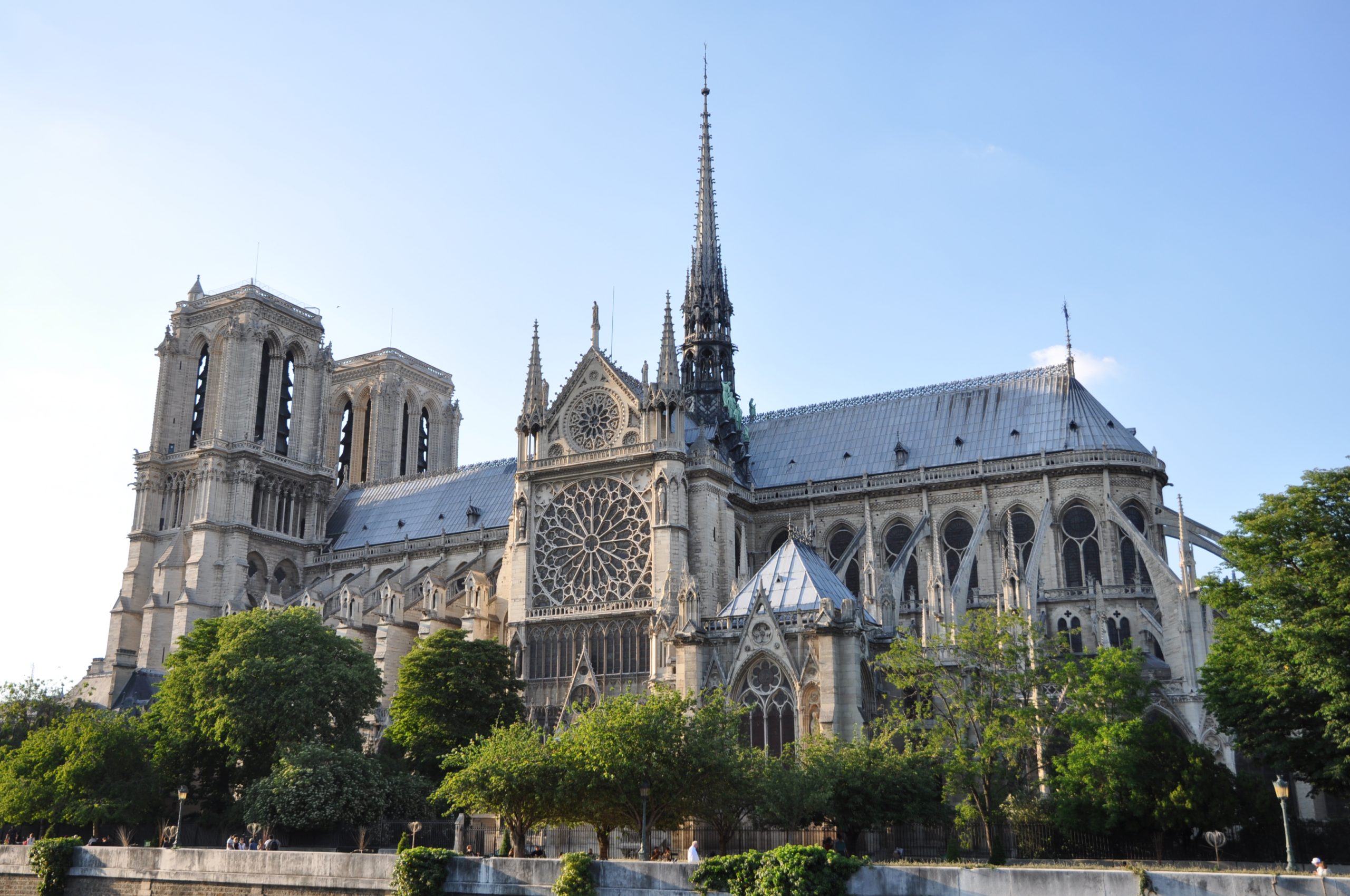
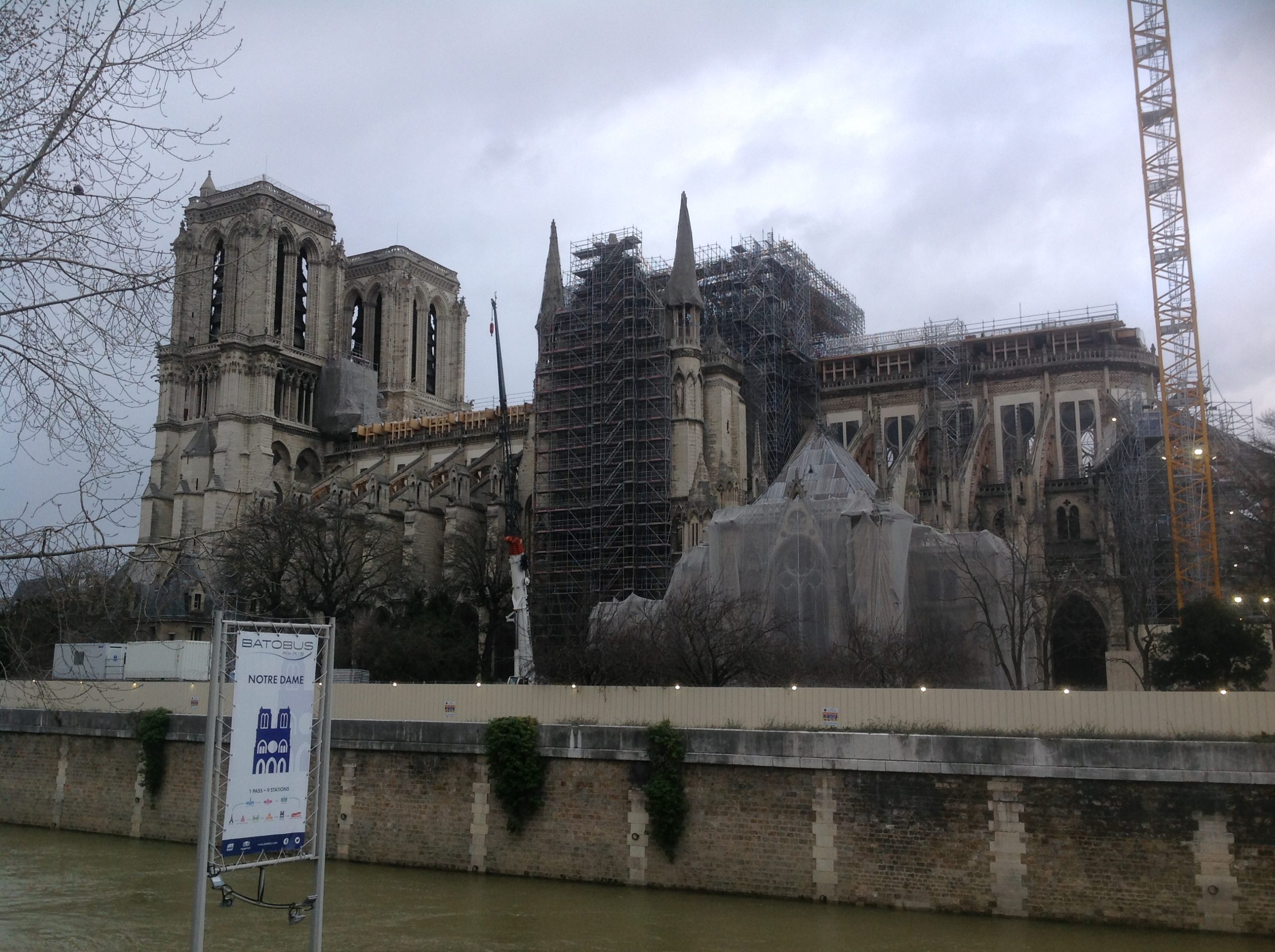
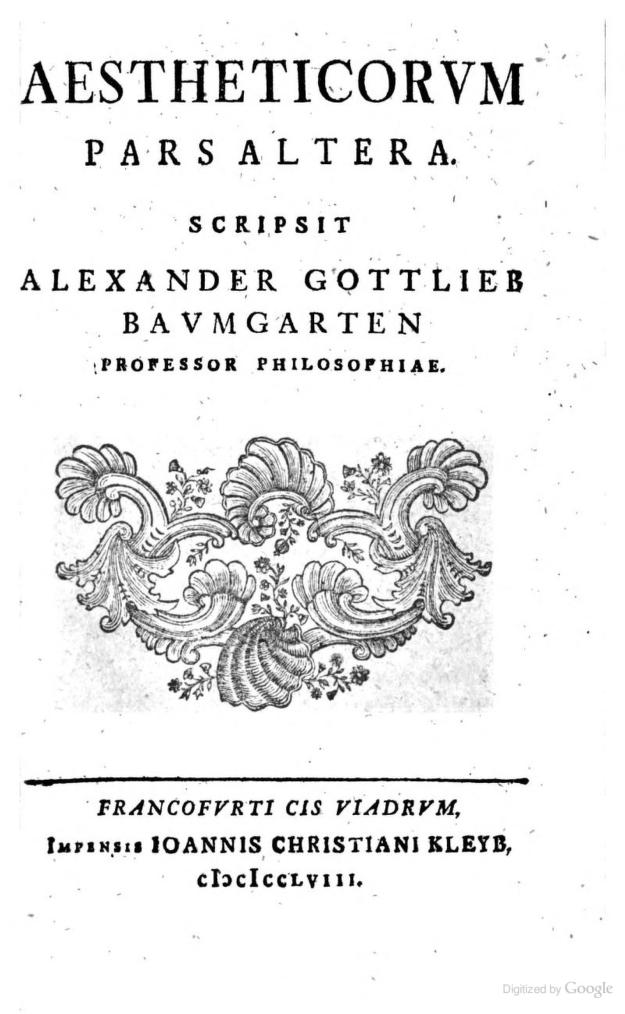
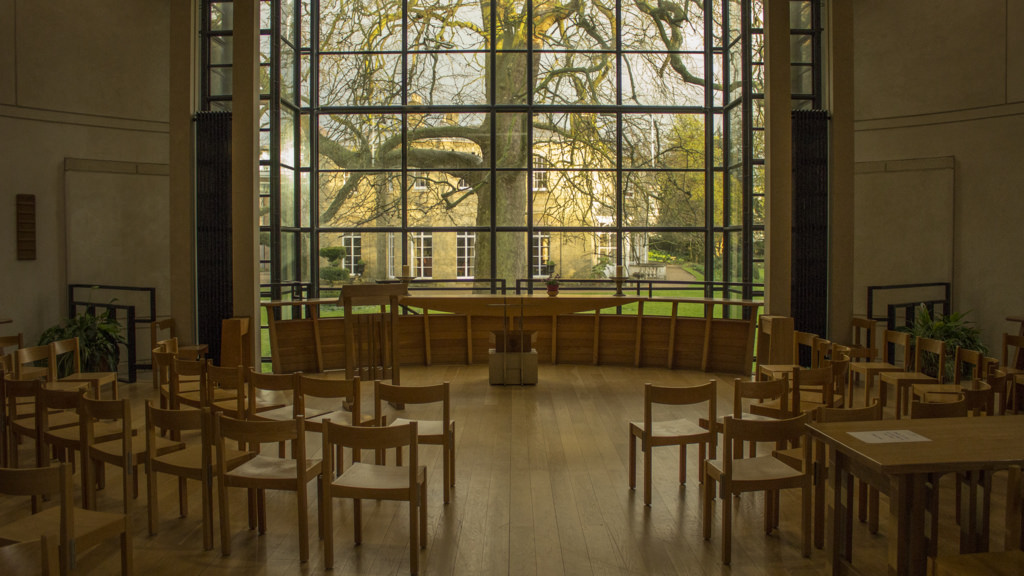
Newcastle University, founded in 1834 as the School of Medicine and Surgery, evolved into a university in 1963. Its origins are intertwined with the advancement of medical education in Newcastle. Like many European universities its main “campus’ is integrated into the heart of the city.
This hymn is a celebration of God’s creation and the beauty of nature, and it has become a popular choice for services that focus on gratitude and thanksgiving.
Hymn written by Folliott S. Pierpoint, an English poet and hymnist; published in 1864 and sung to the tune “Dix”, which was composed by Conrad Kocher in 1838.
For the beauty of the earth, For the beauty of the skies, For the love which from our birth Over and around us lies,
Refrain: Lord of all, to thee we raise This our joyful hymn of praise.
For the beauty of each hour Of the day and of the night, Hill and vale, and tree and flower, Sun and moon, and stars of light,
(Refrain)
For the joy of human love, Brother, sister, parent, child, Friends on earth and friends above, For all gentle thoughts and mild,
(Refrain)
For thy church that evermore Lifteth holy hands above, Offering up on every shore Her pure sacrifice of love,
(Refrain)
For thyself, best Gift Divine, To the world so freely given, For that great, great love of thine, Peace on earth, and joy in heaven. (Refrain)
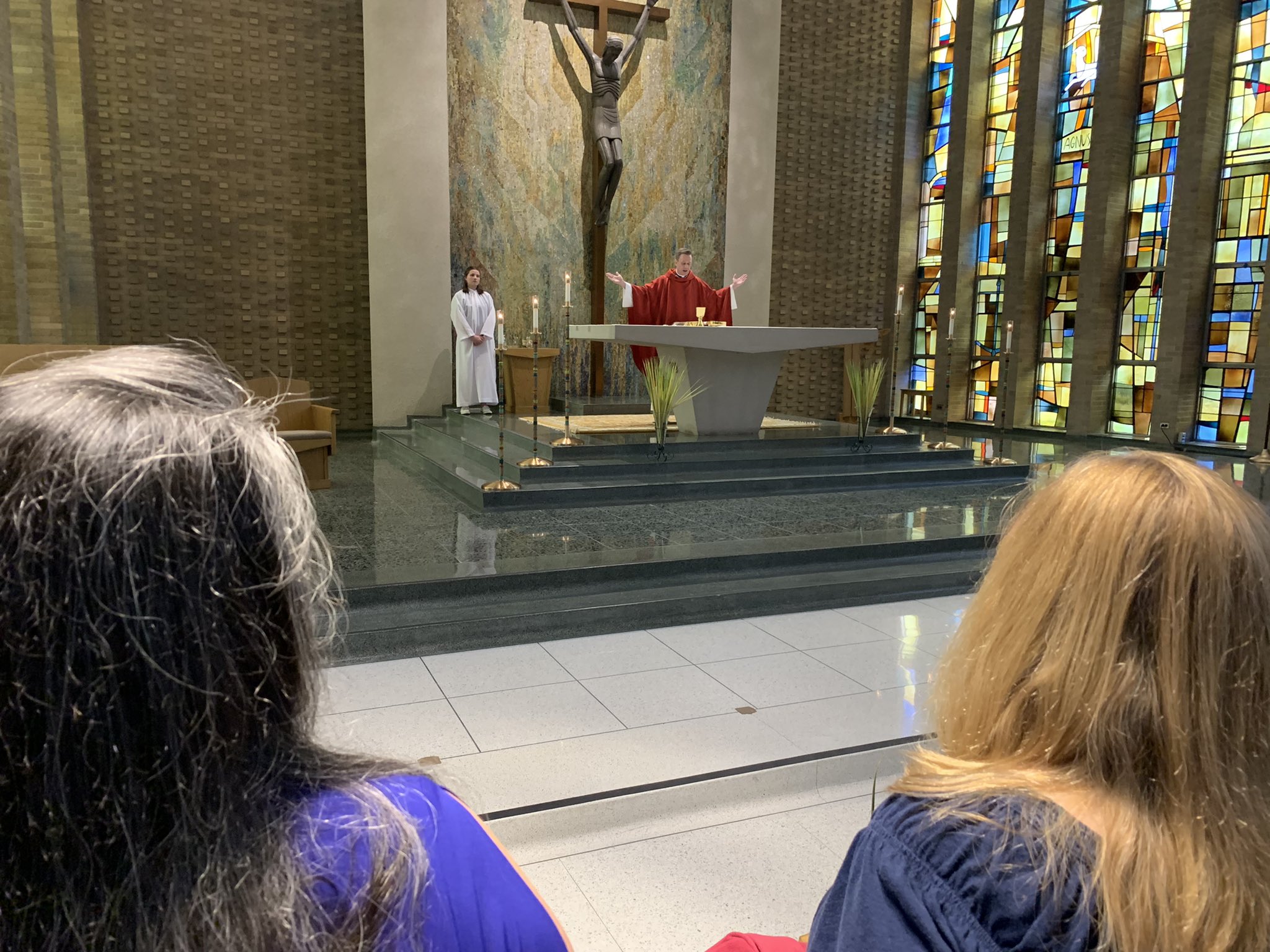
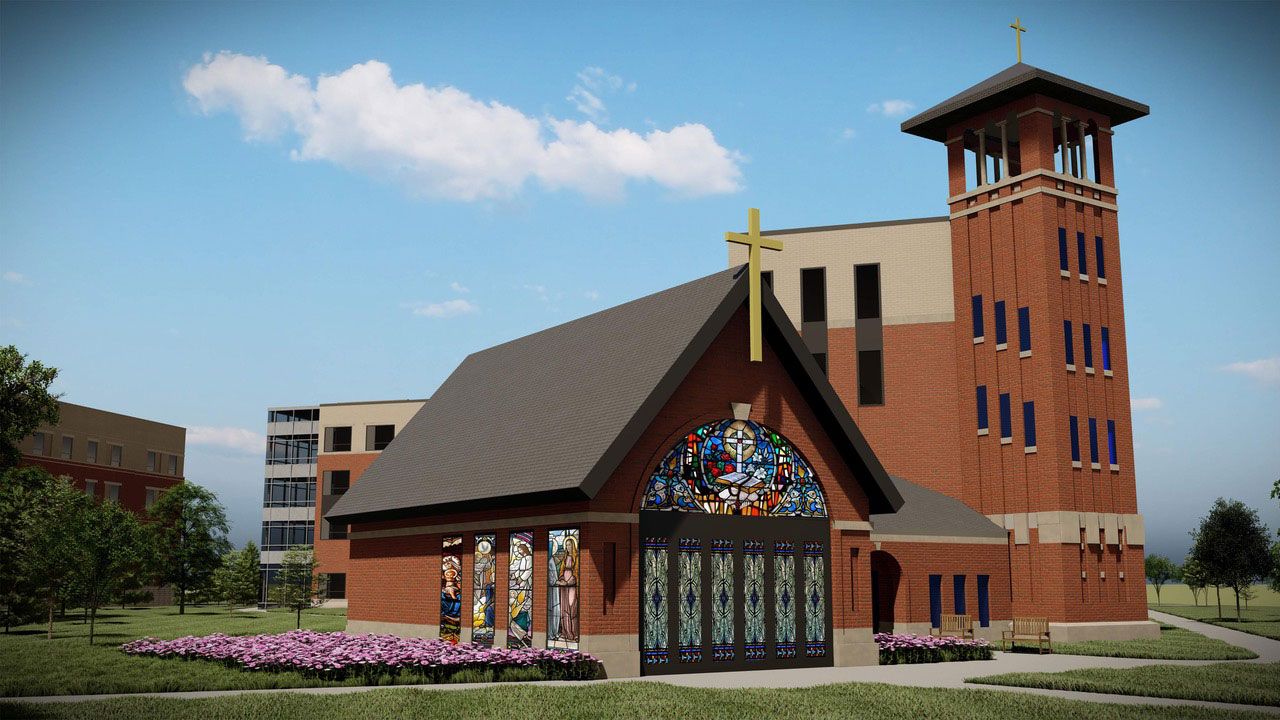
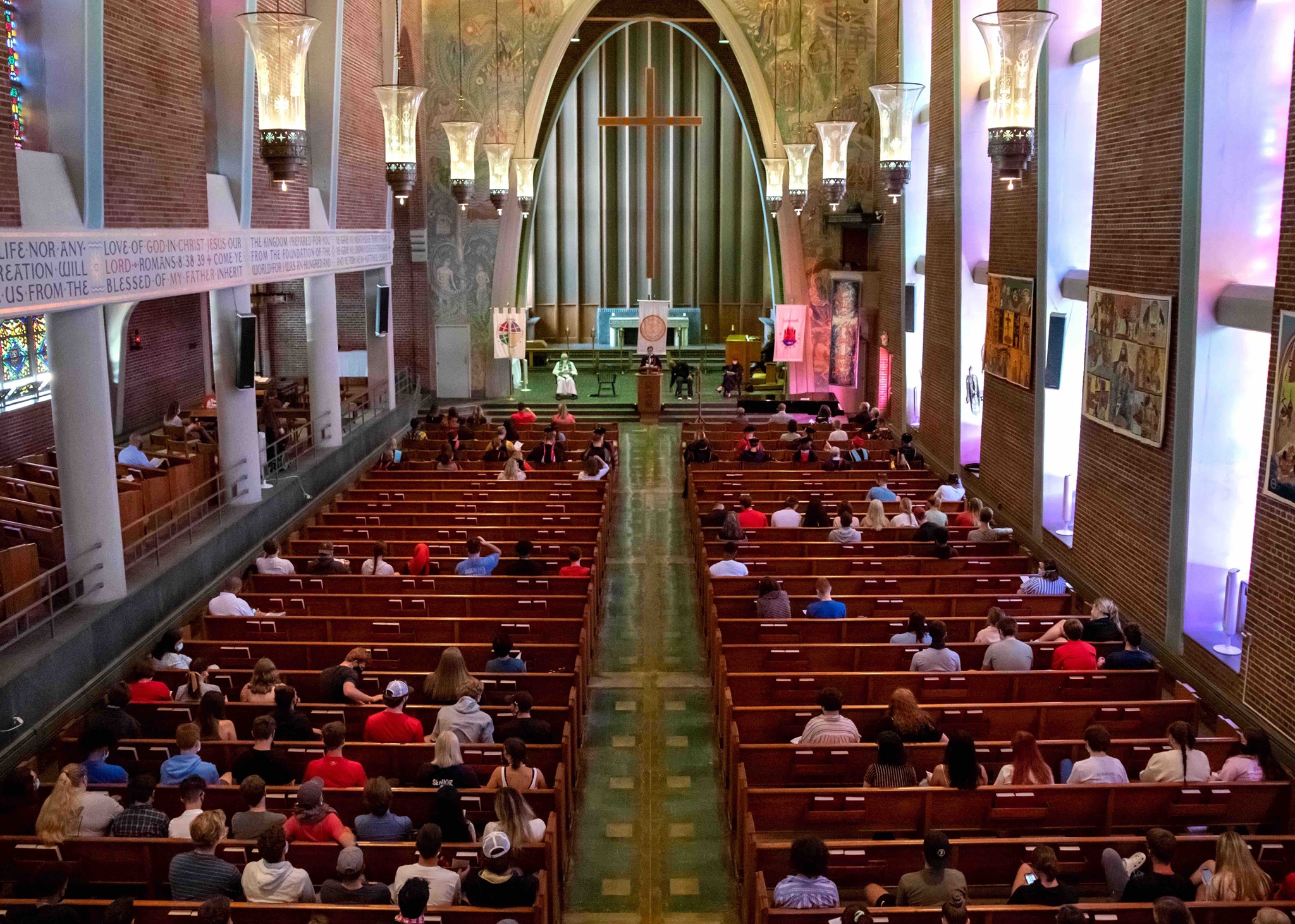
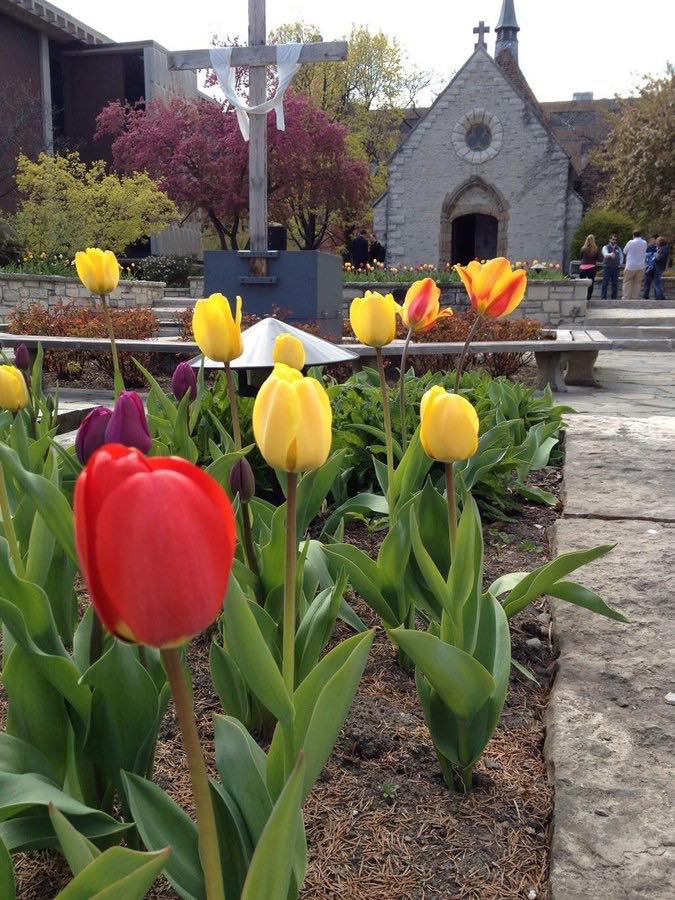
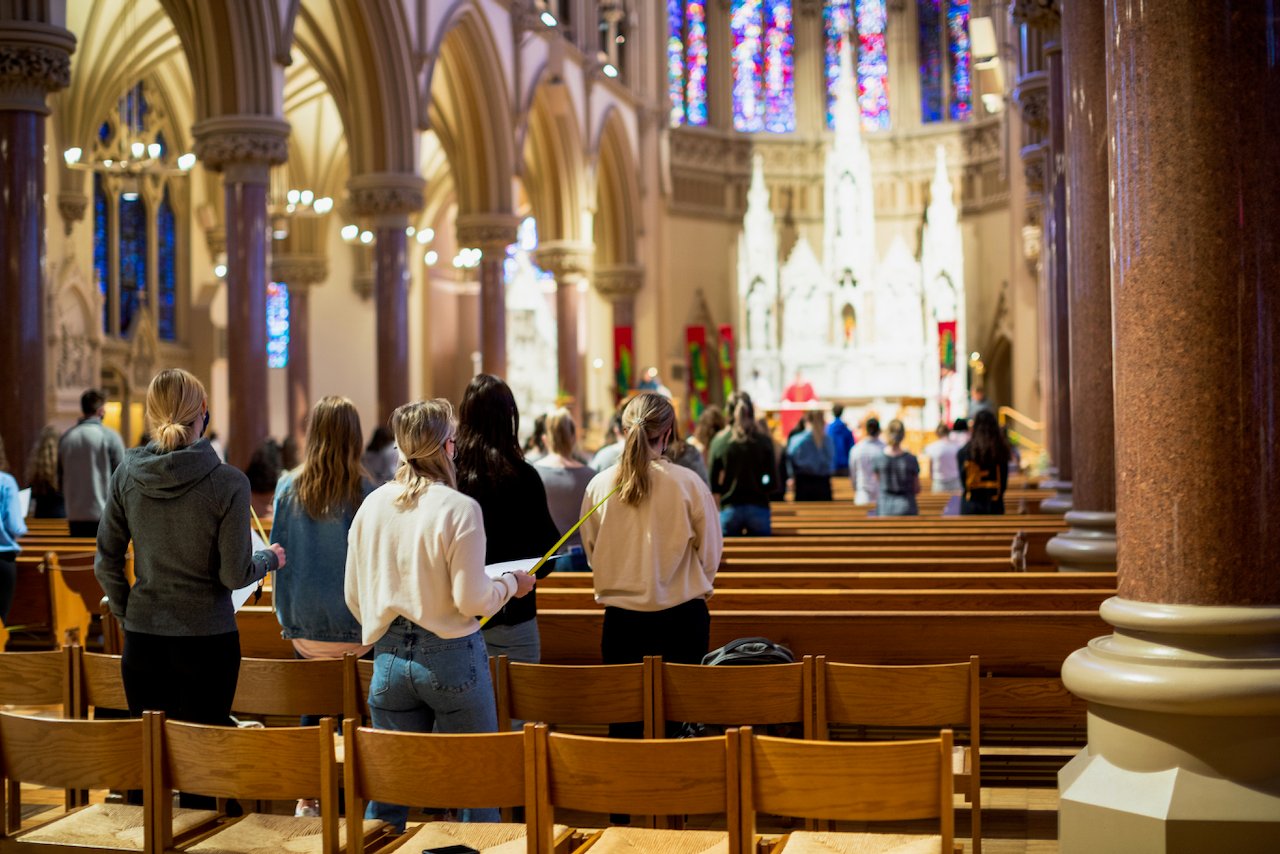
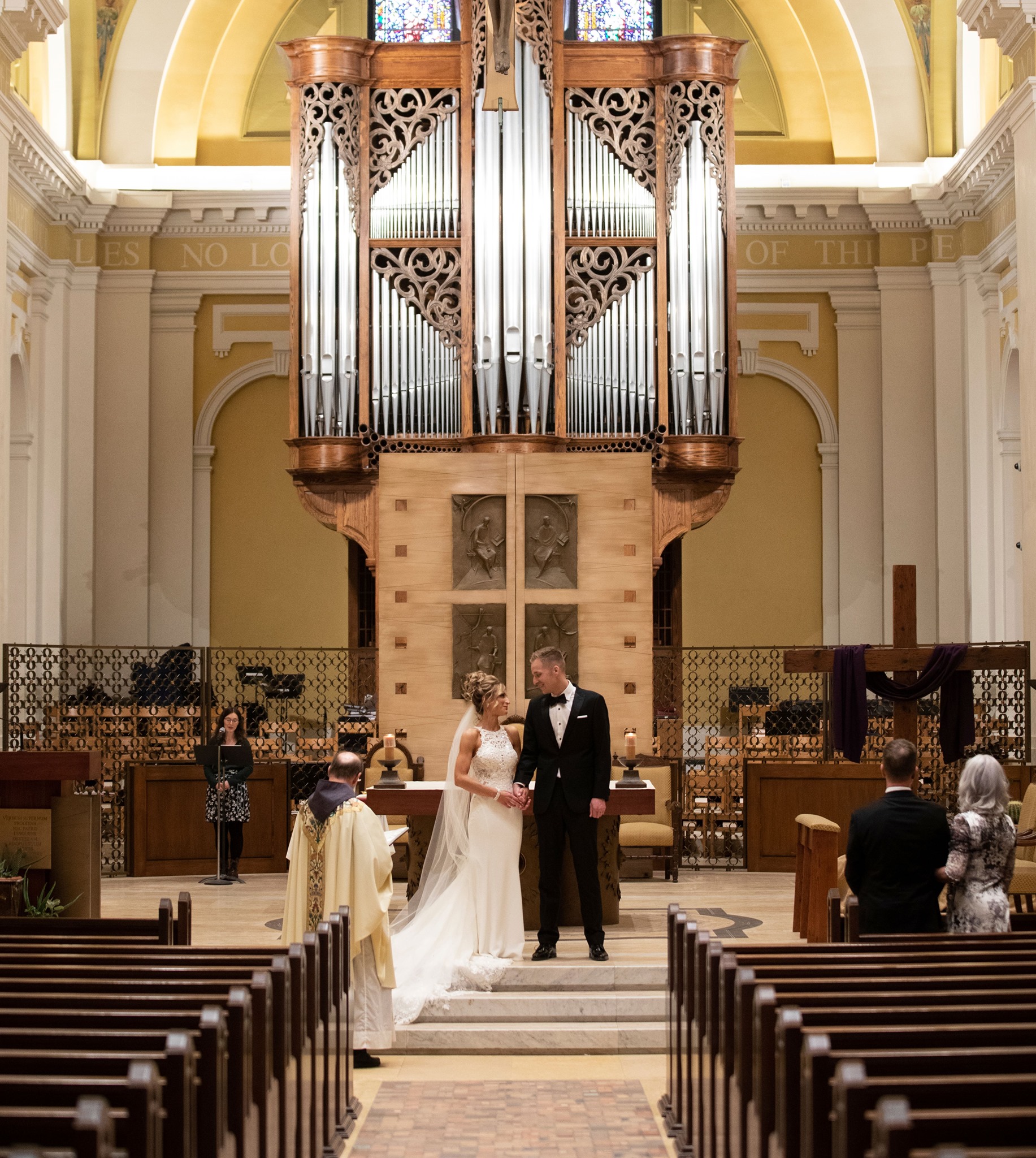
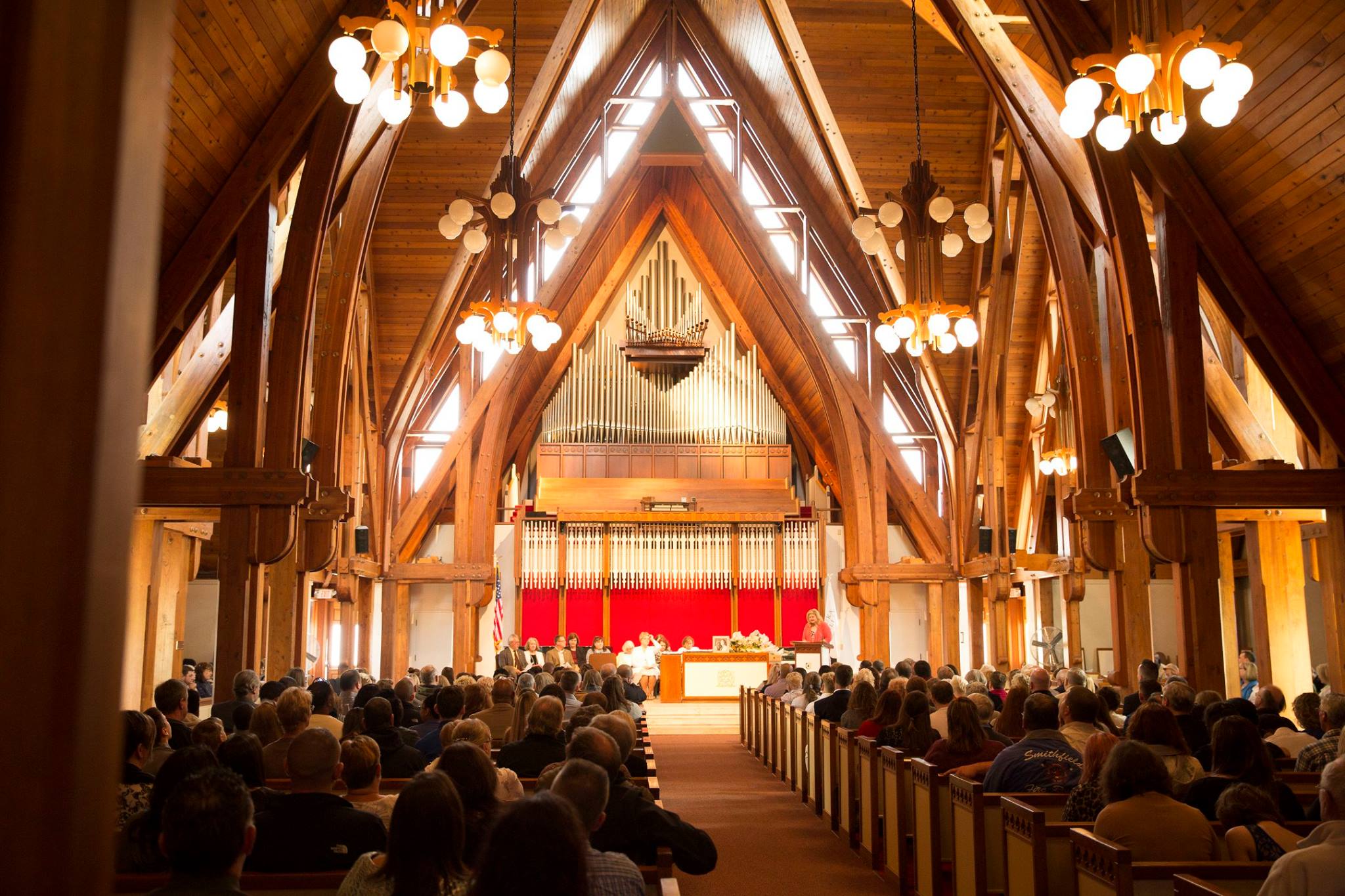
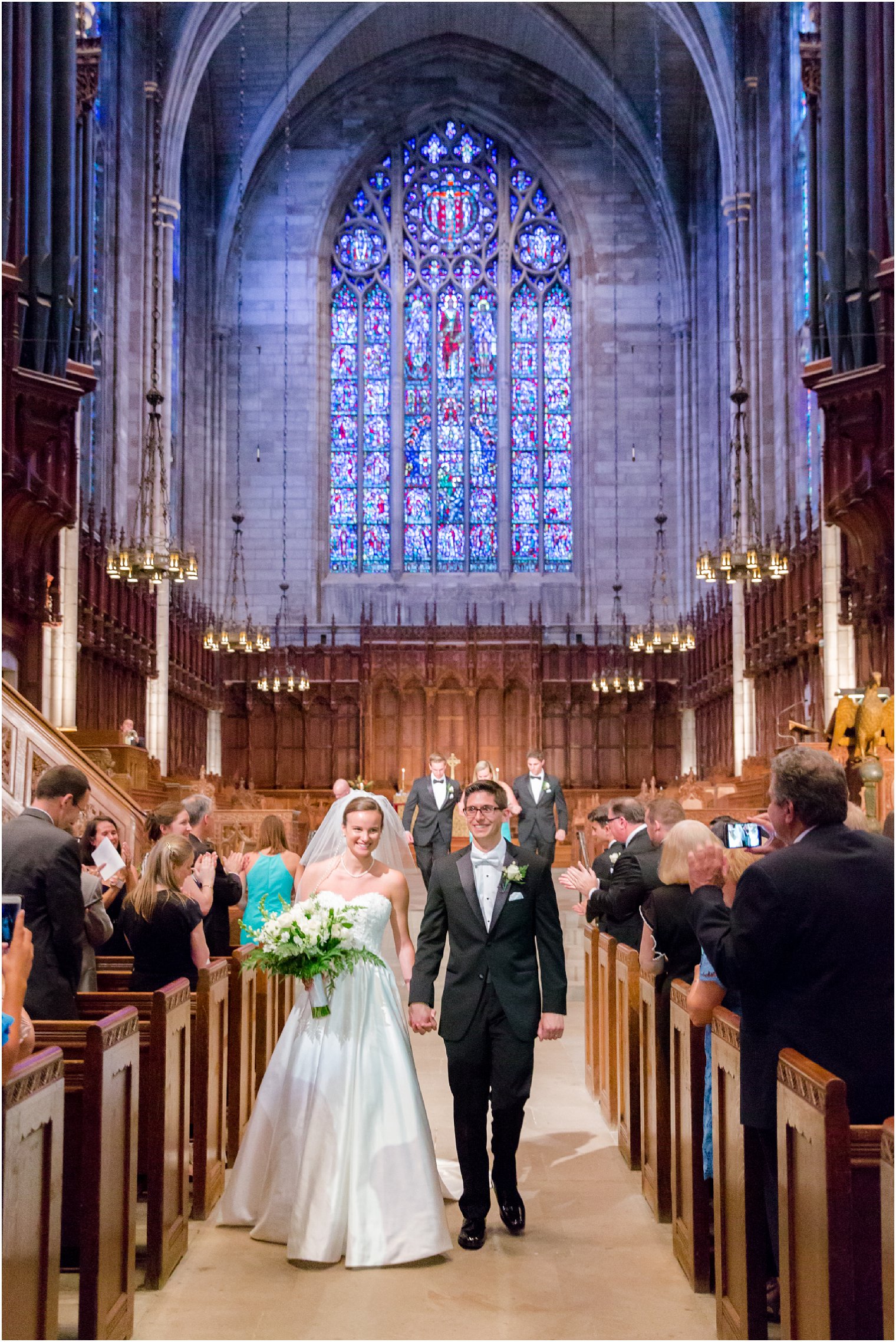
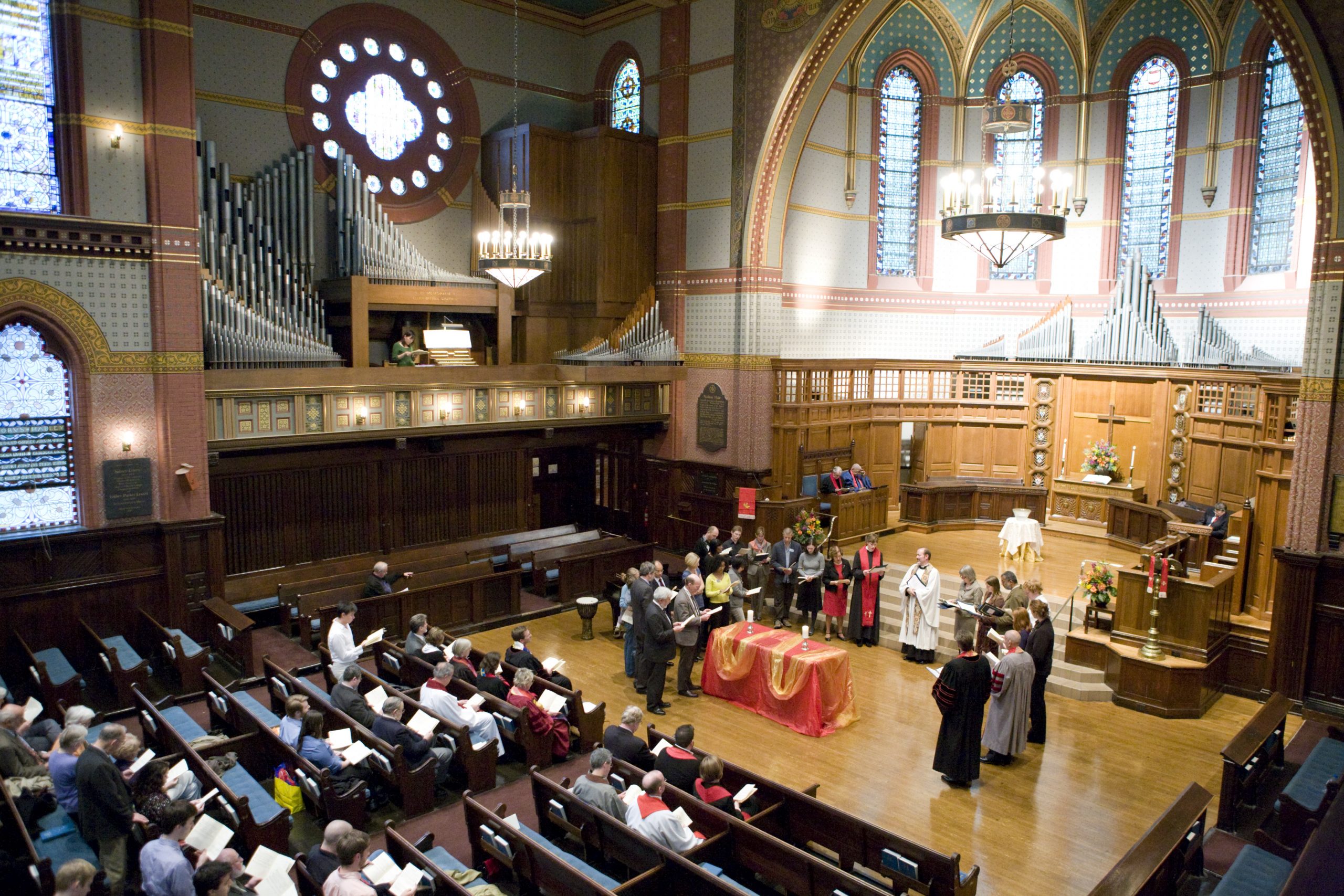
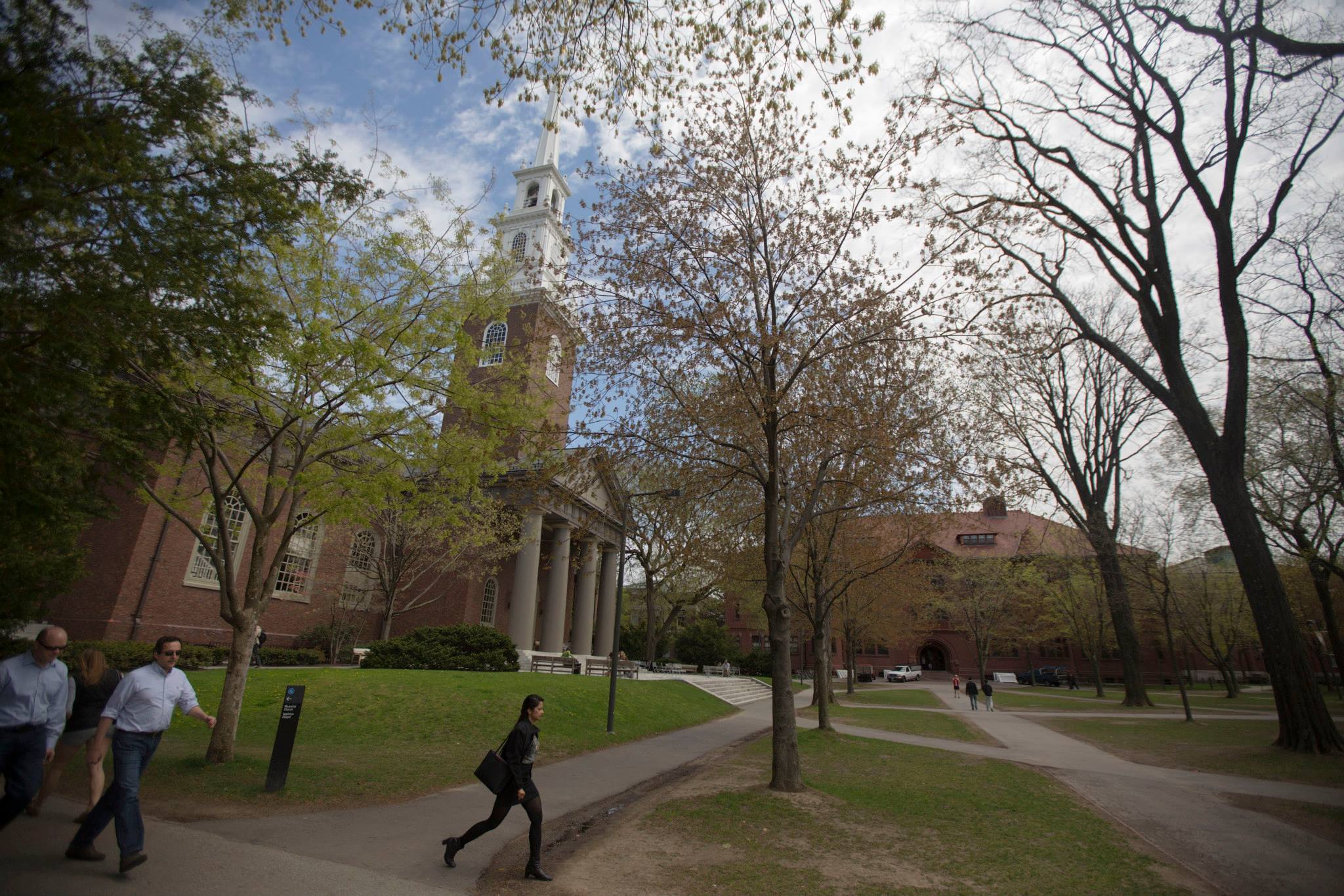
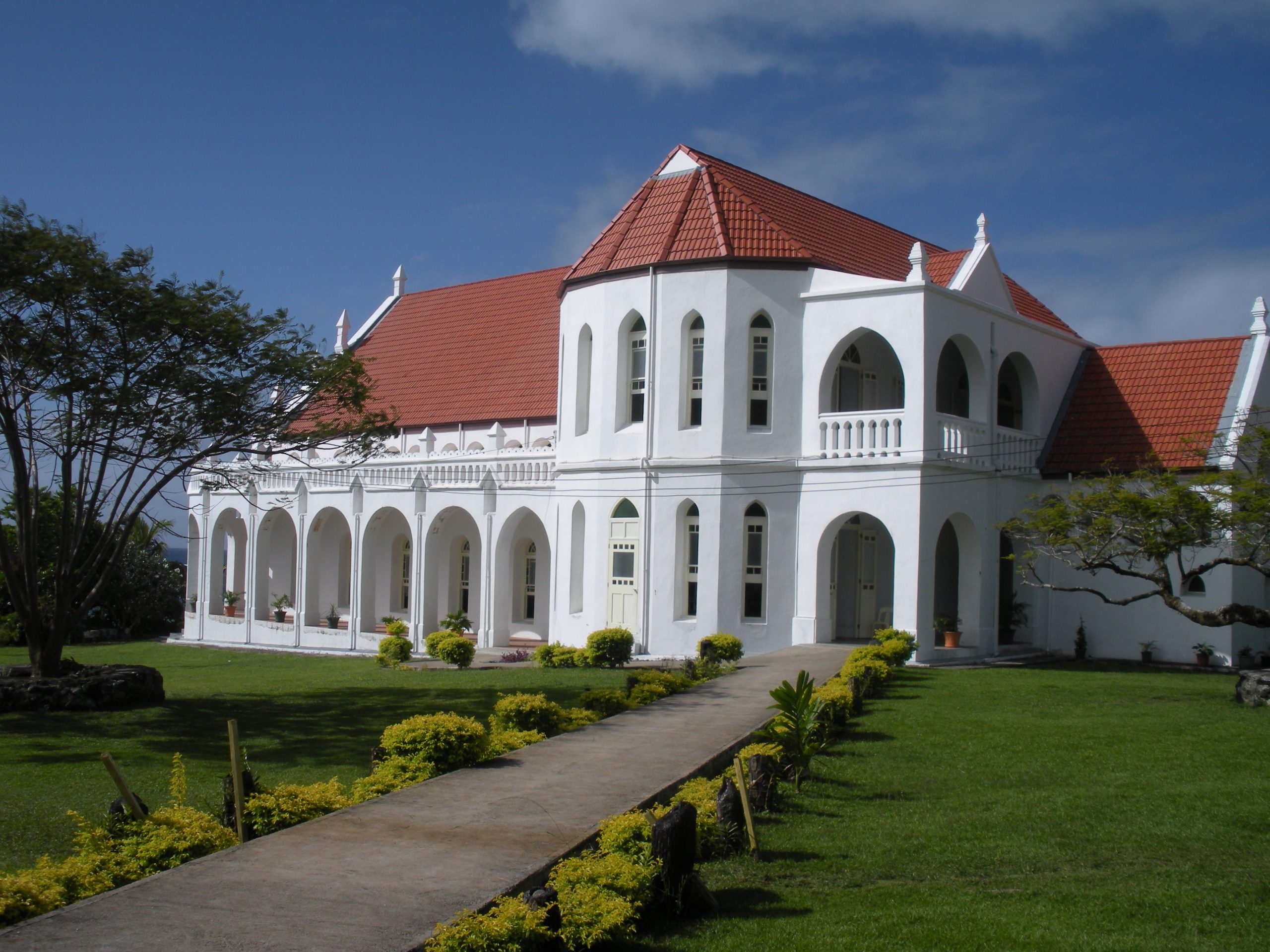
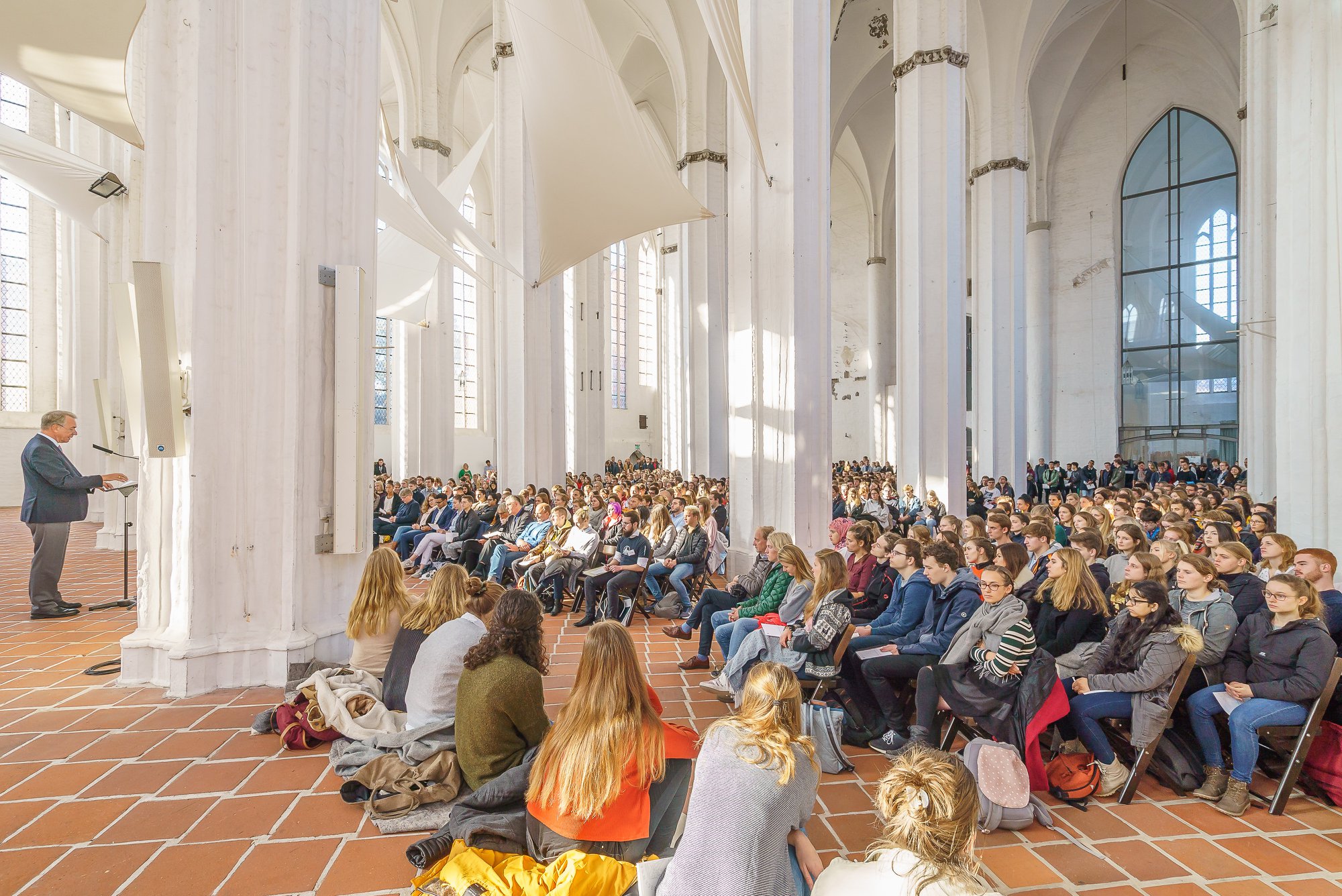
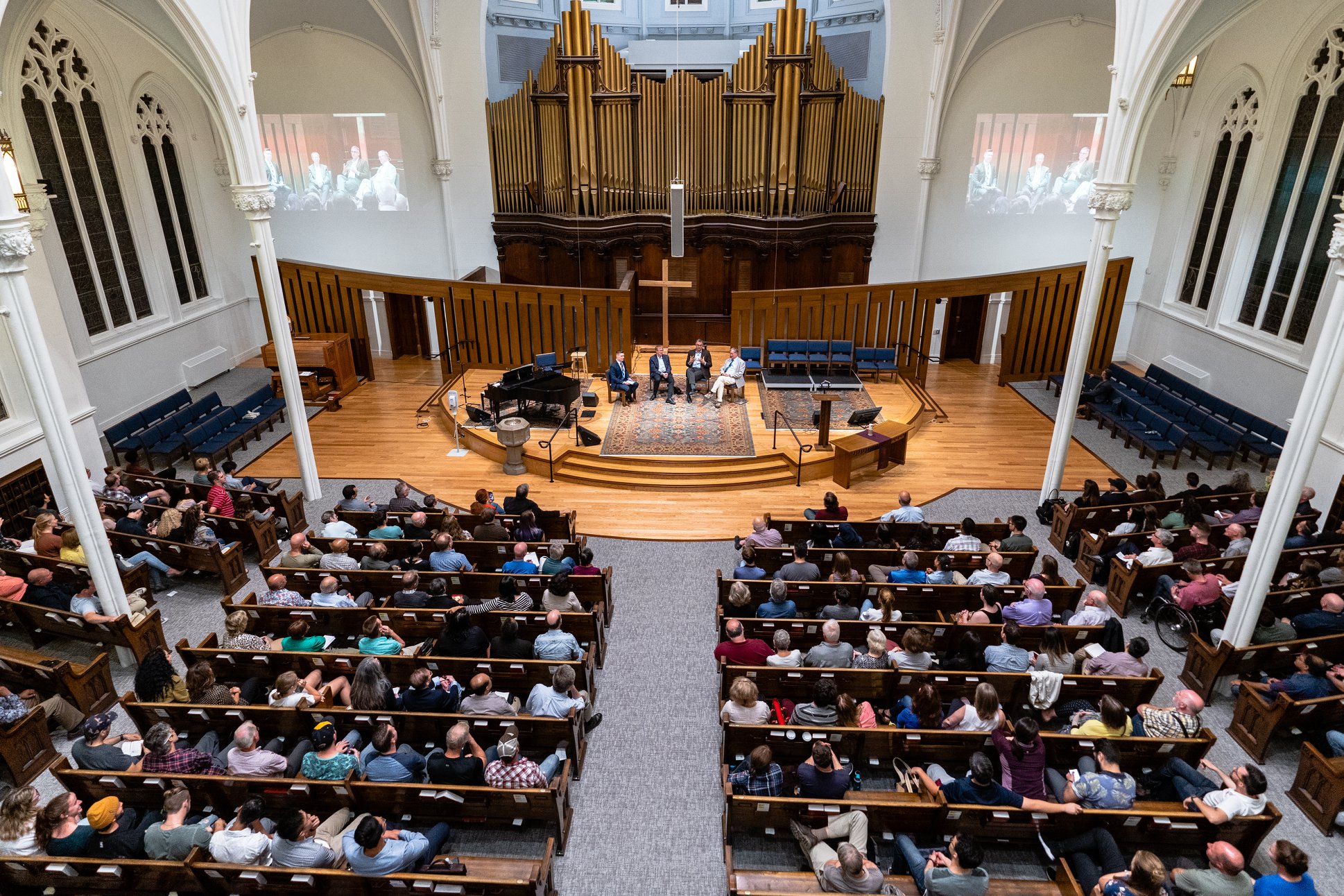
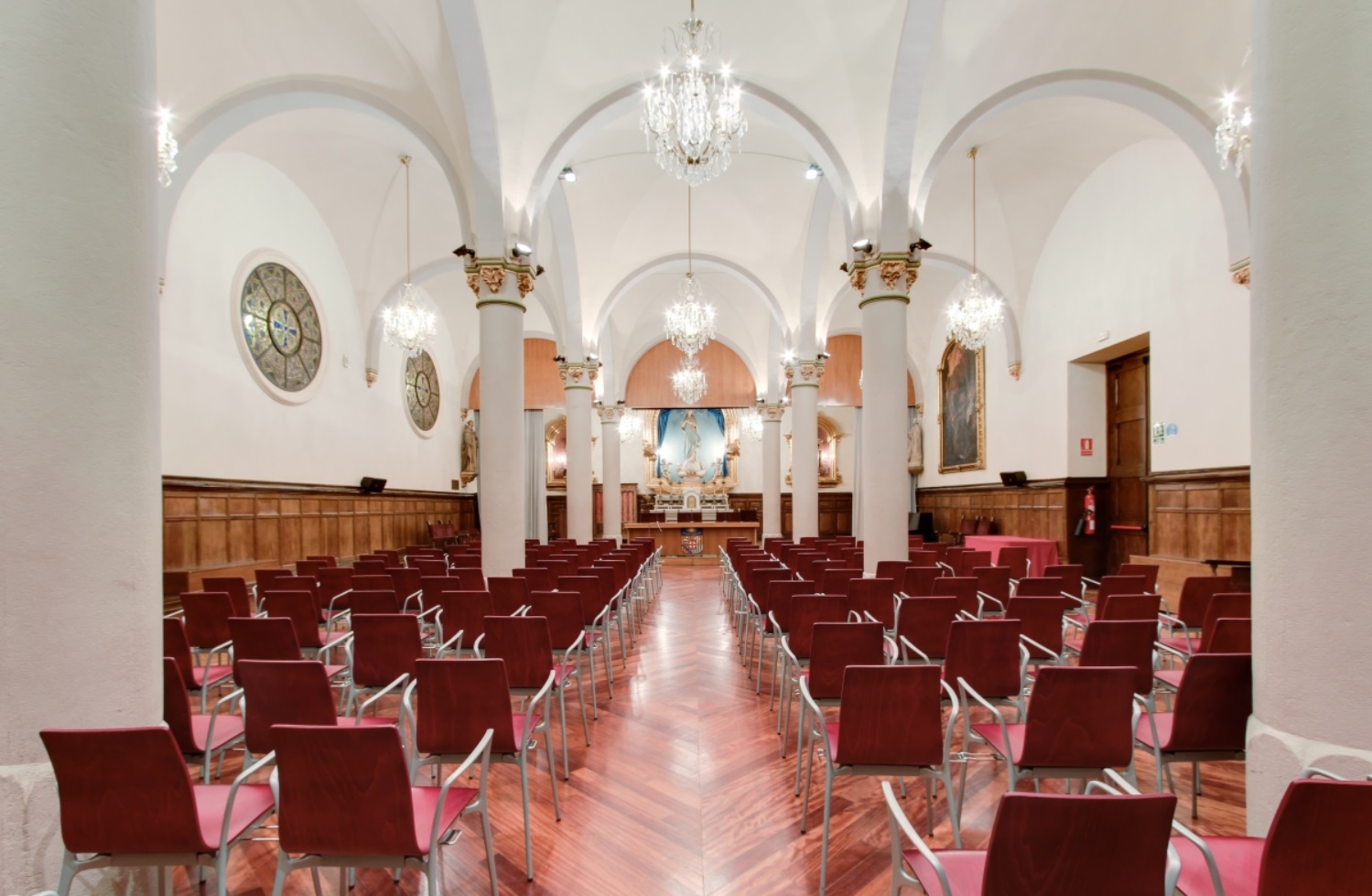
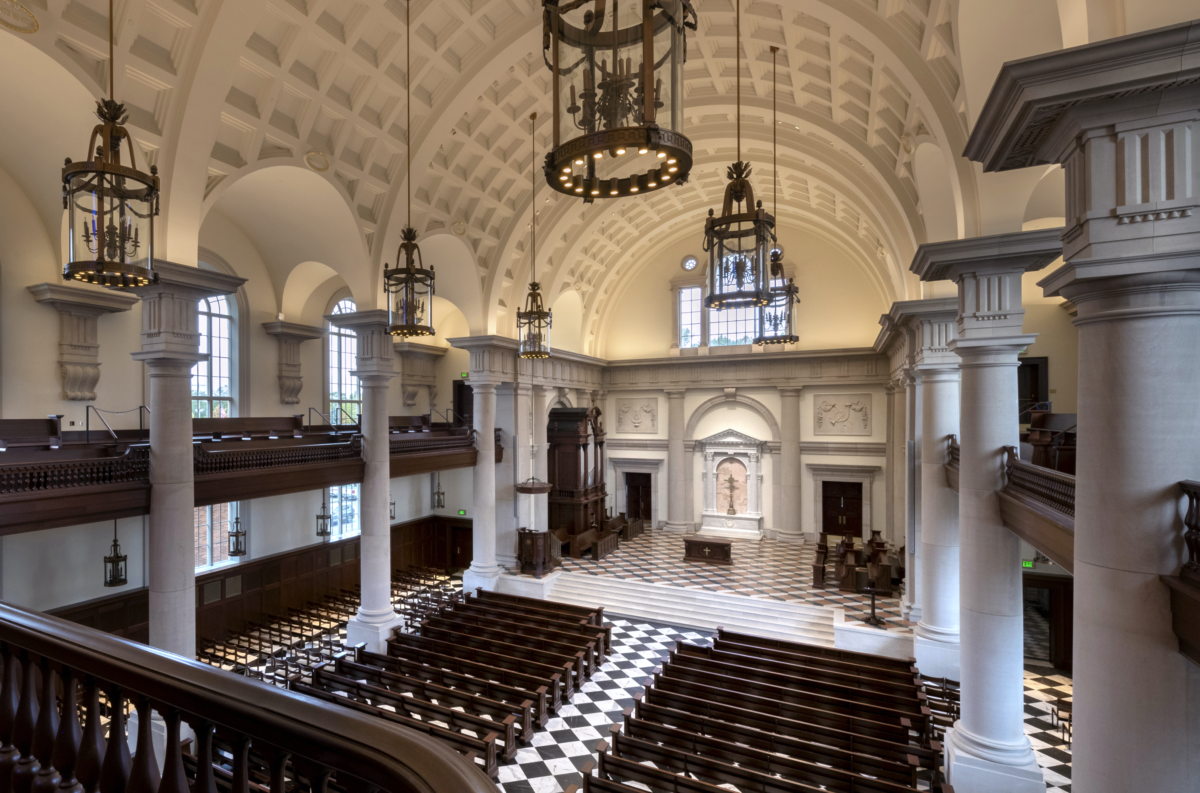
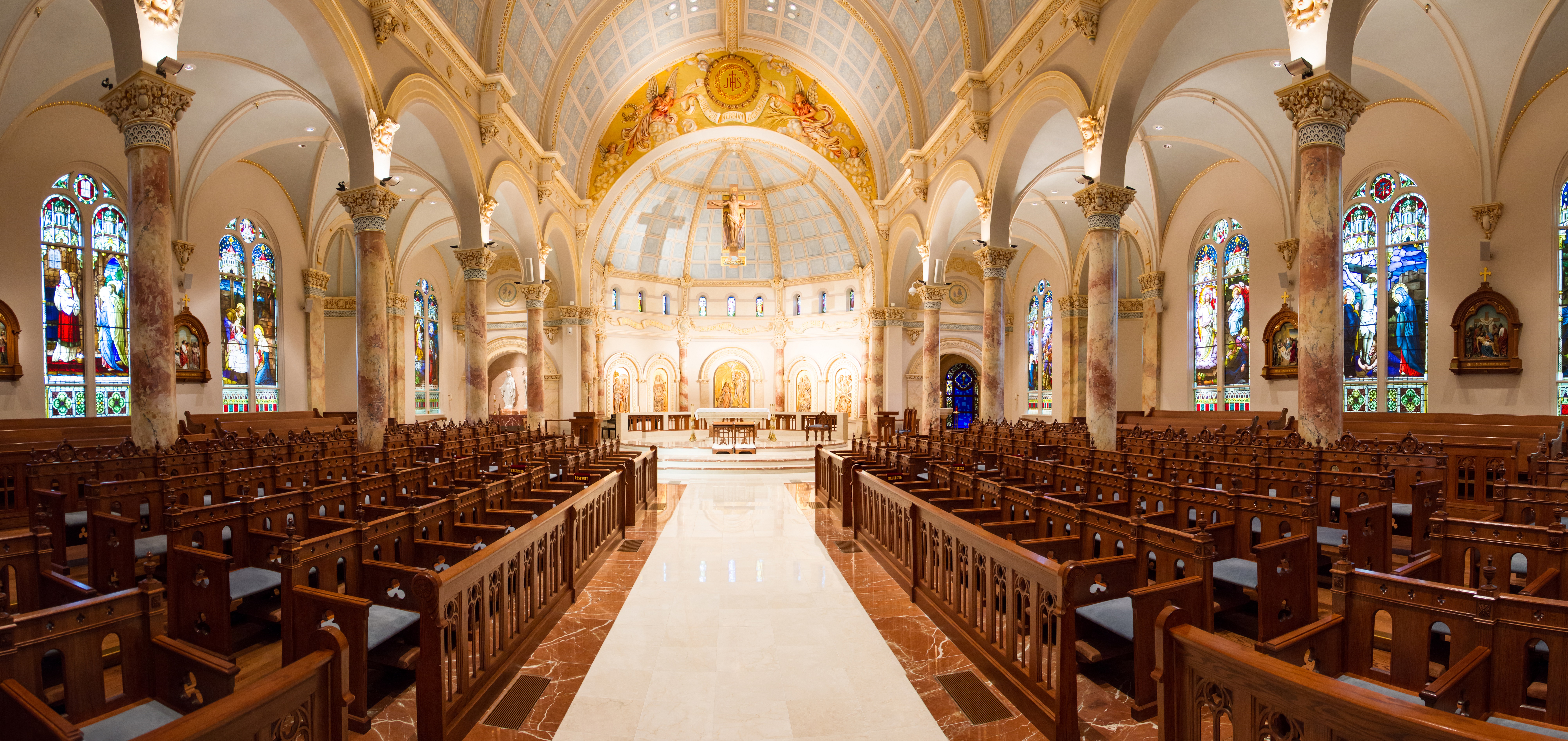
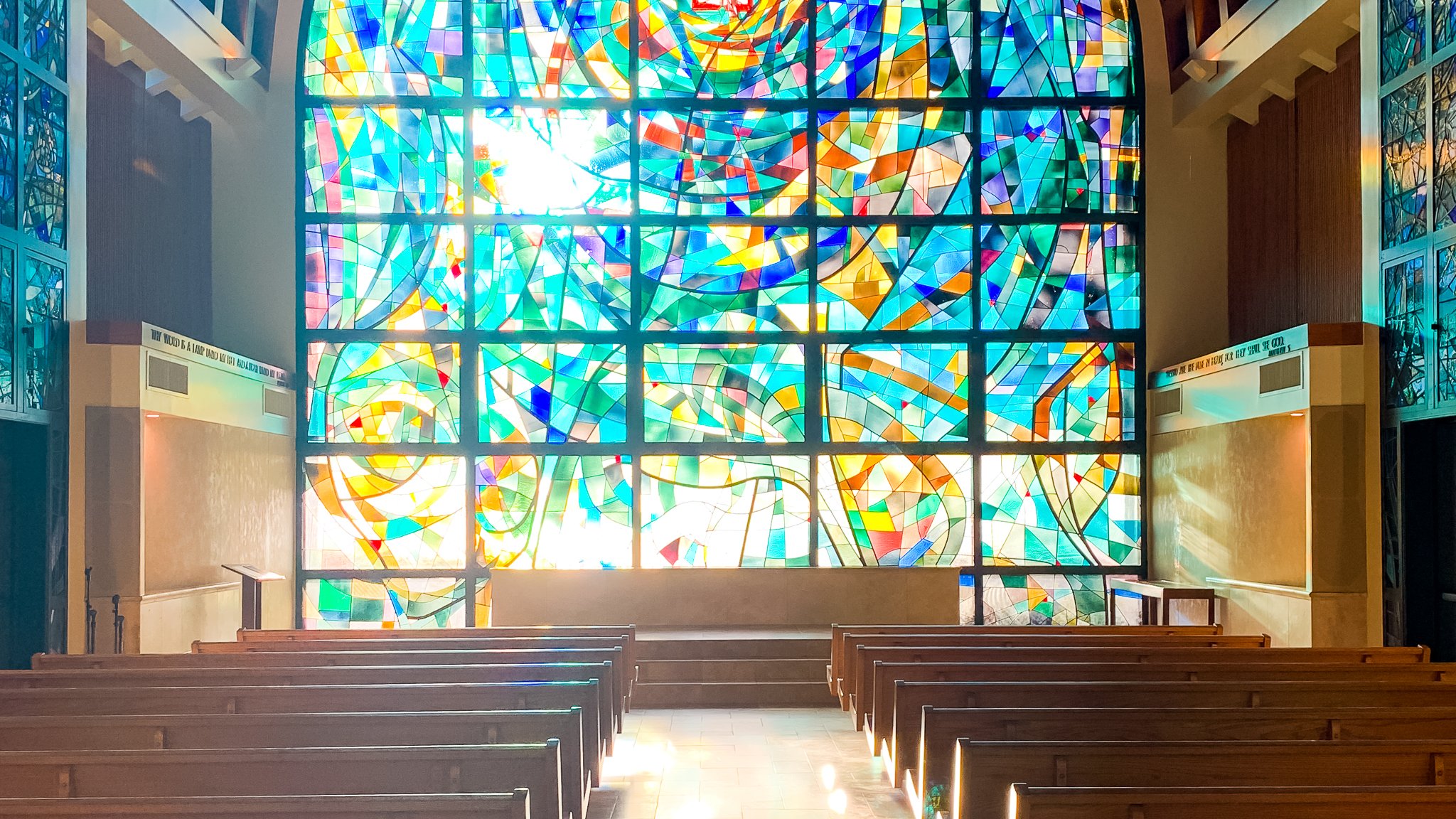
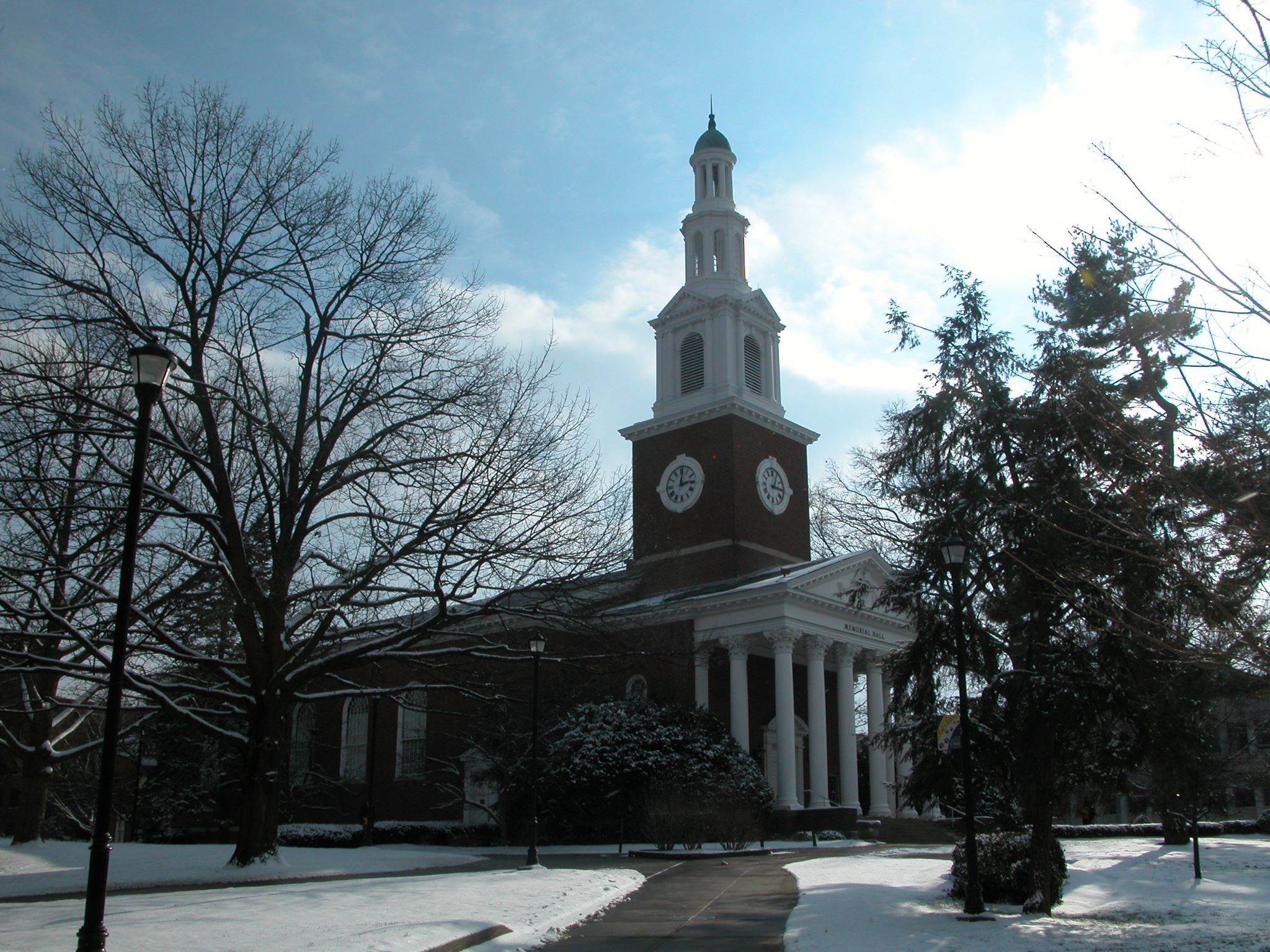
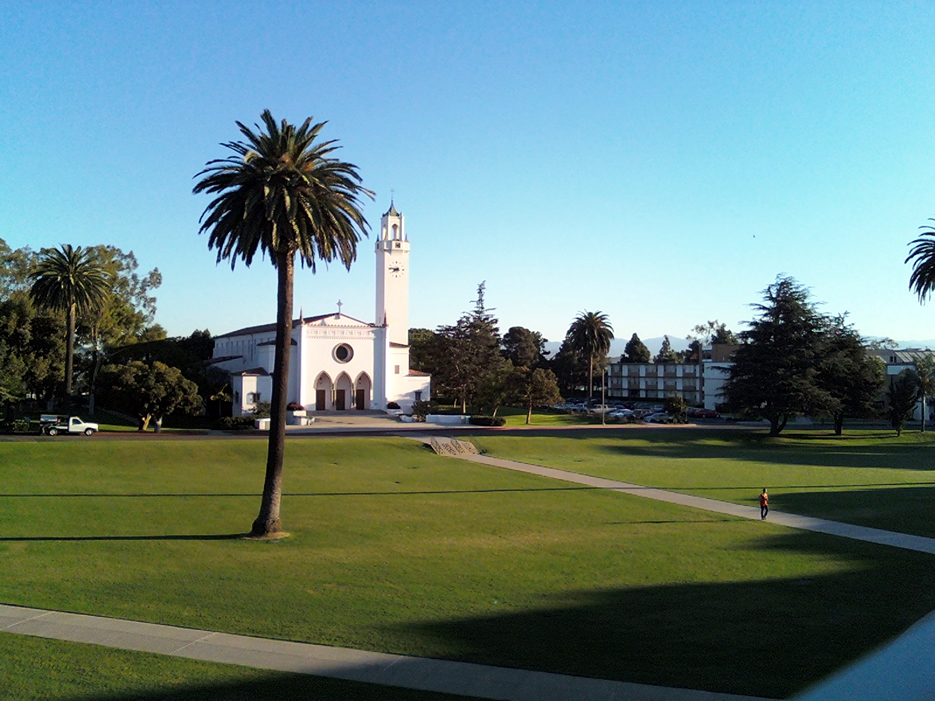
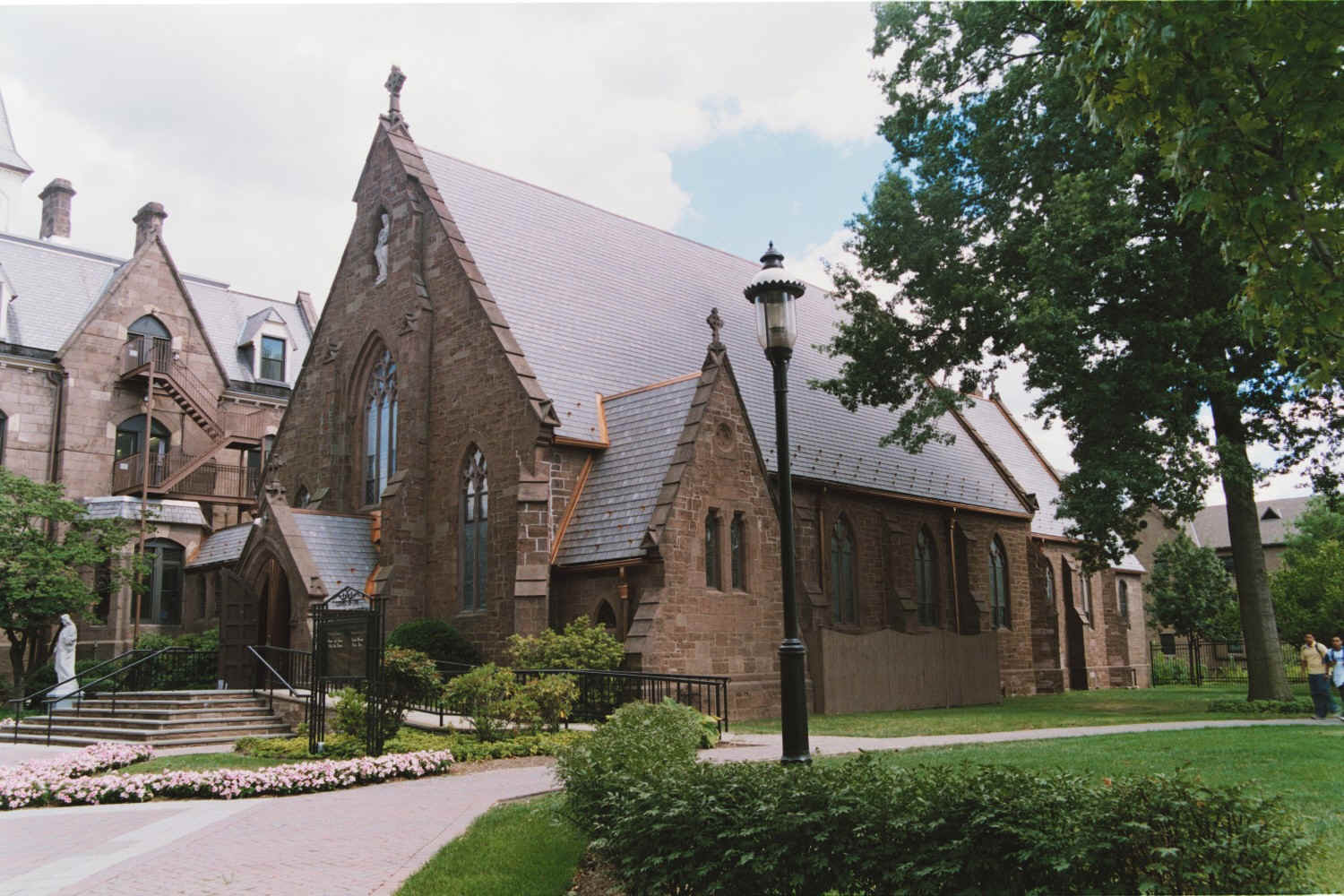
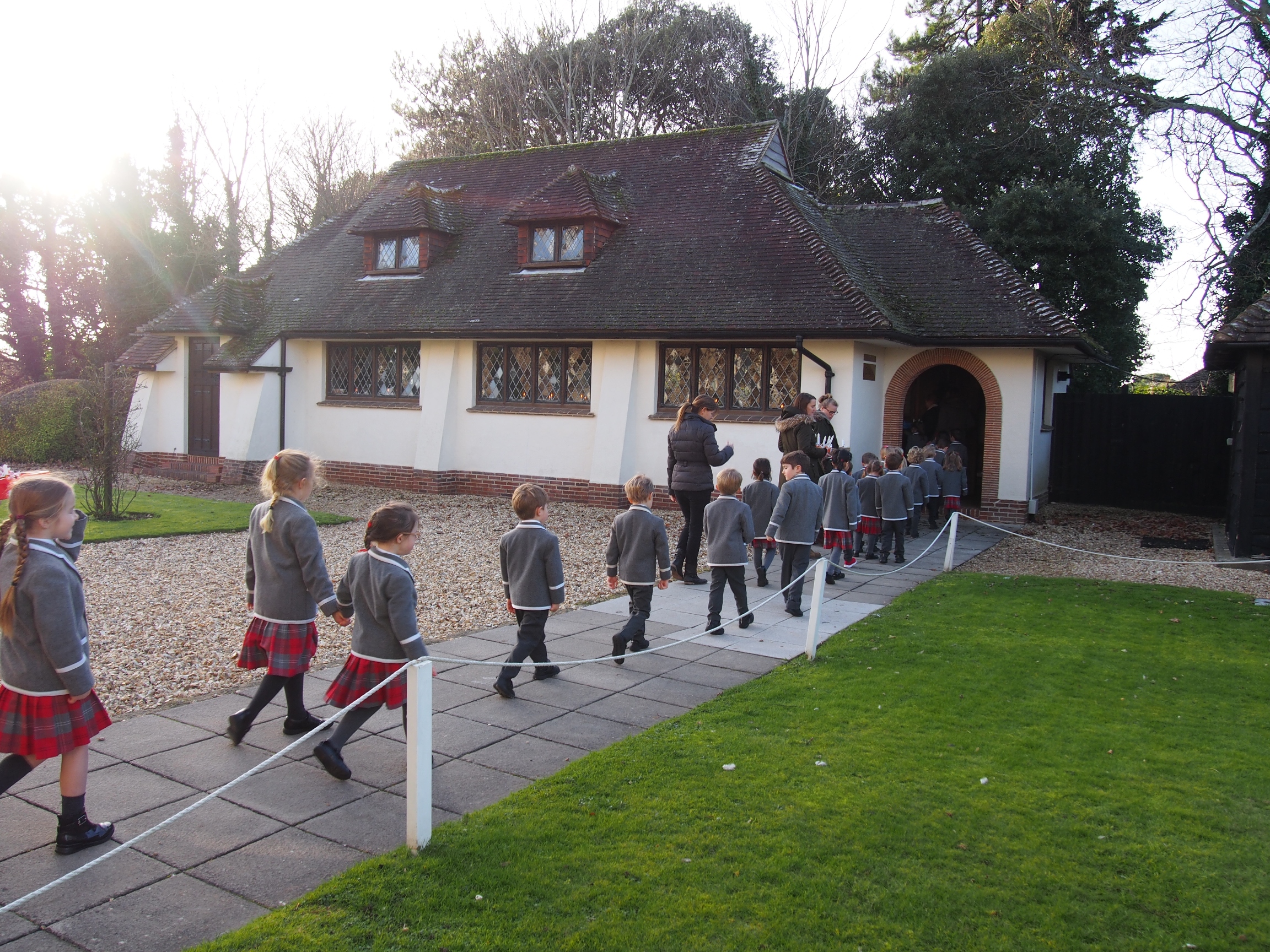
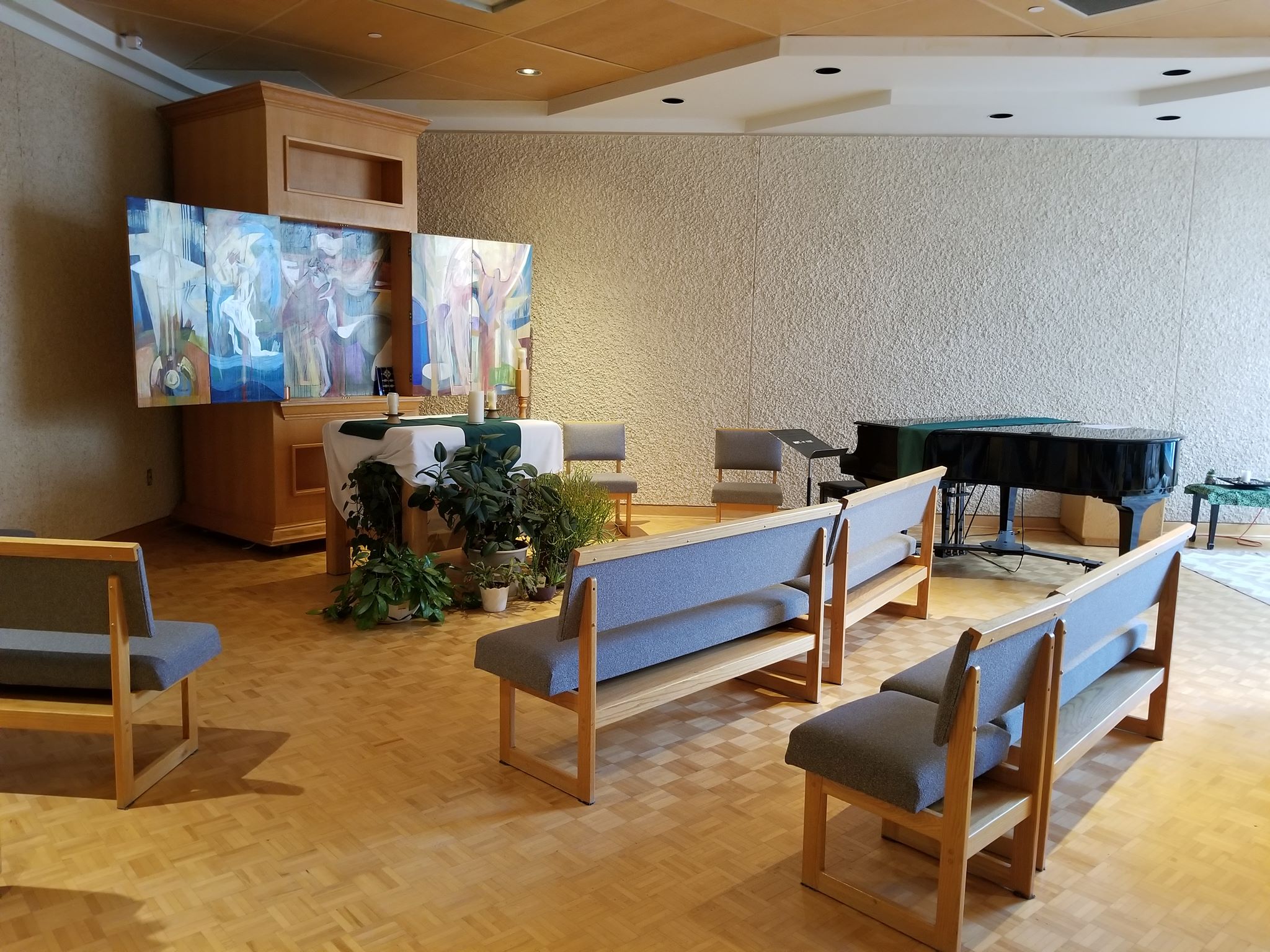
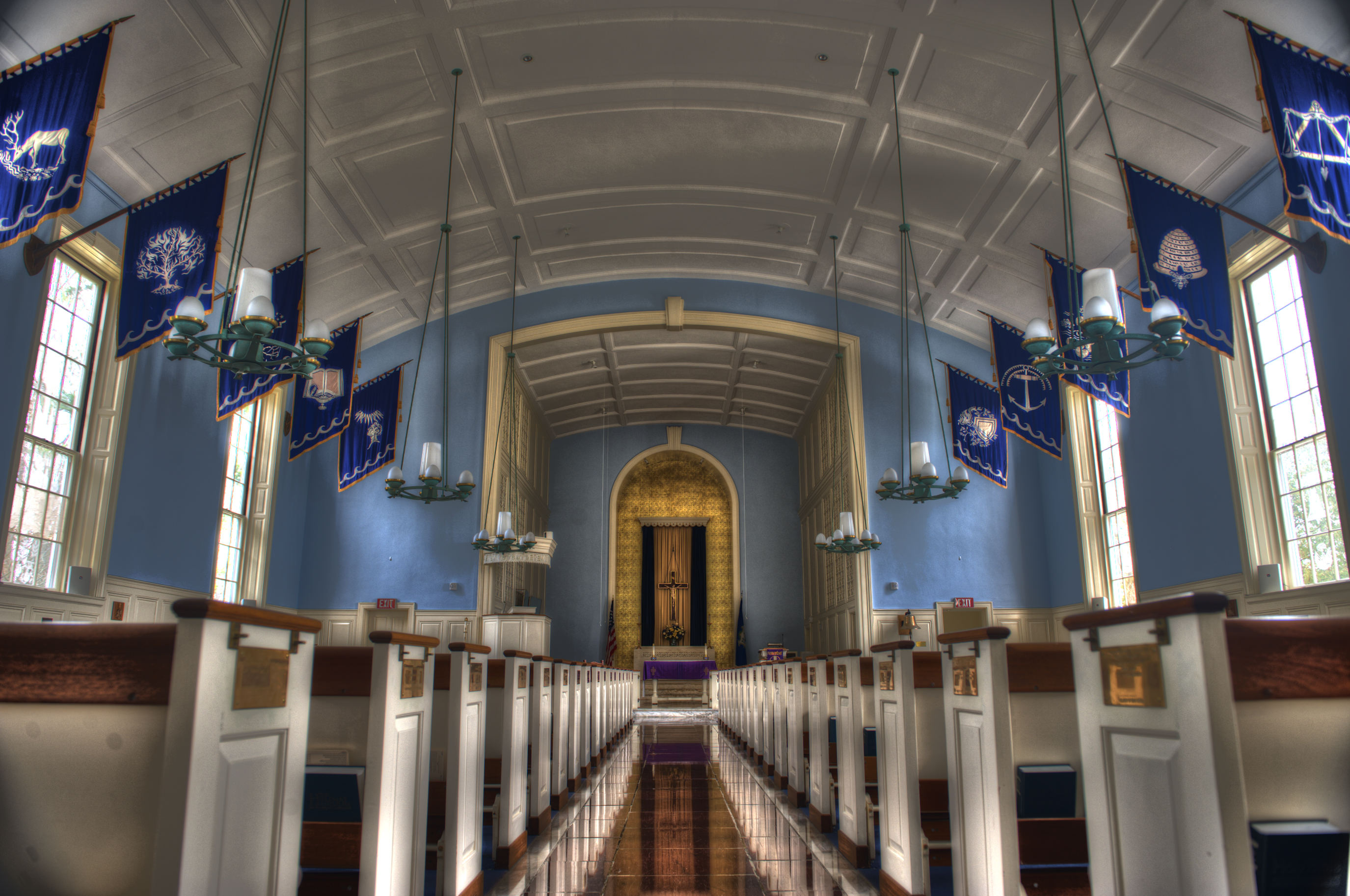
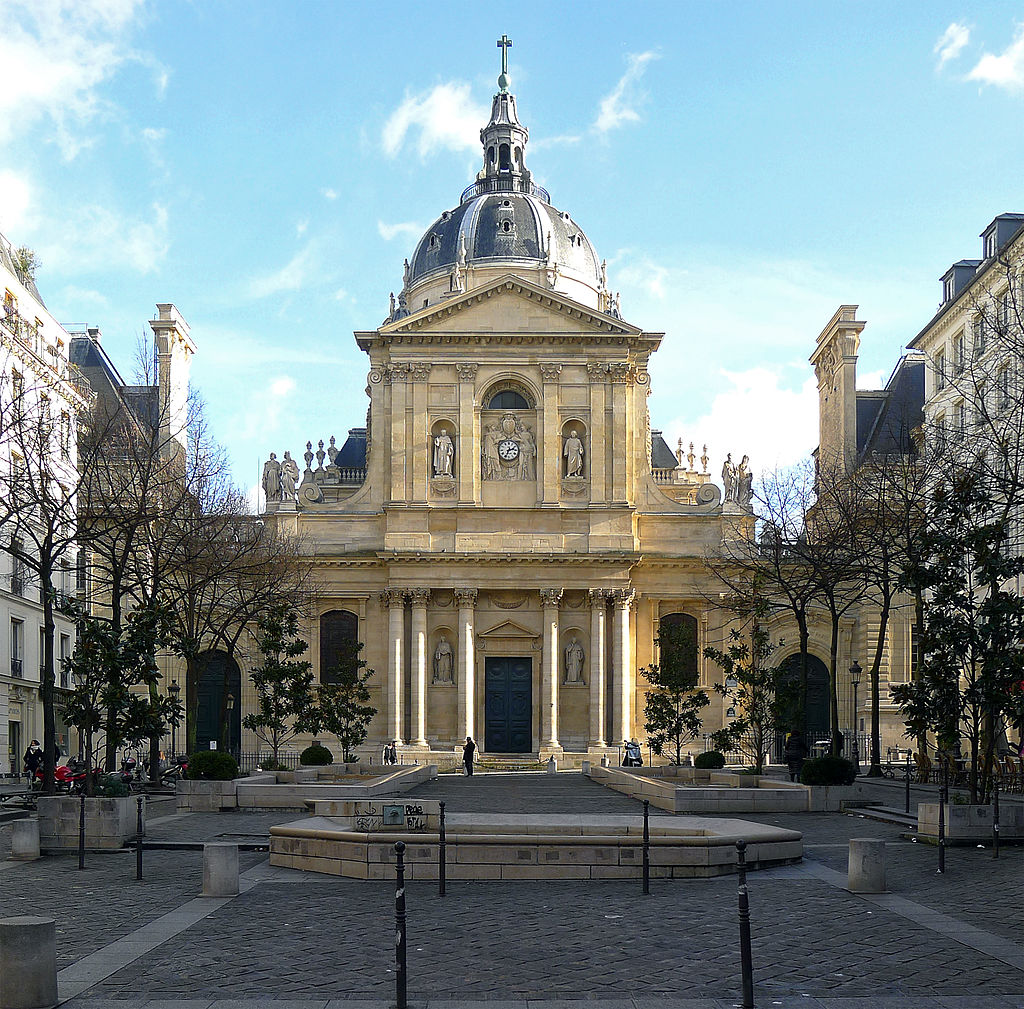
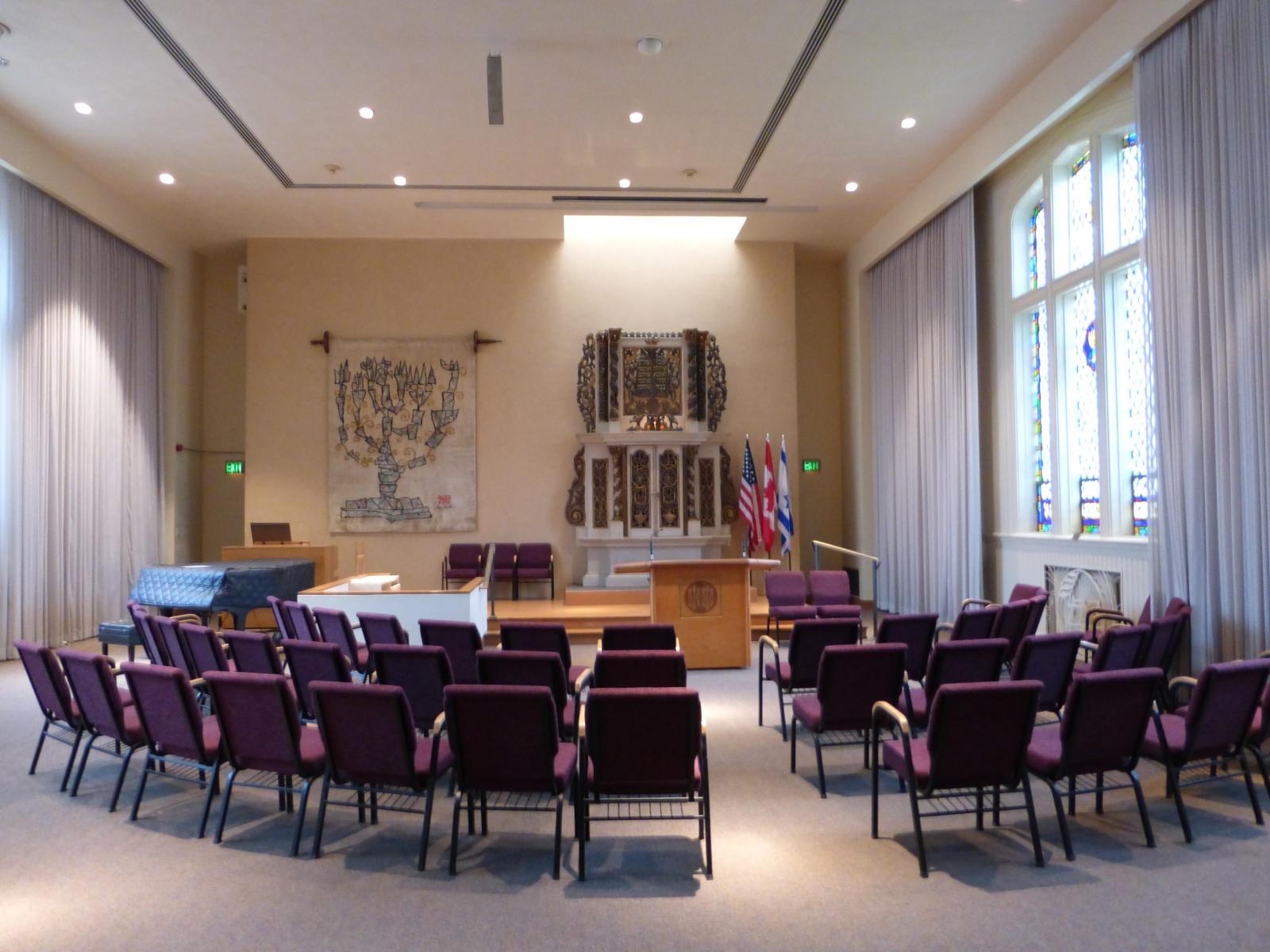
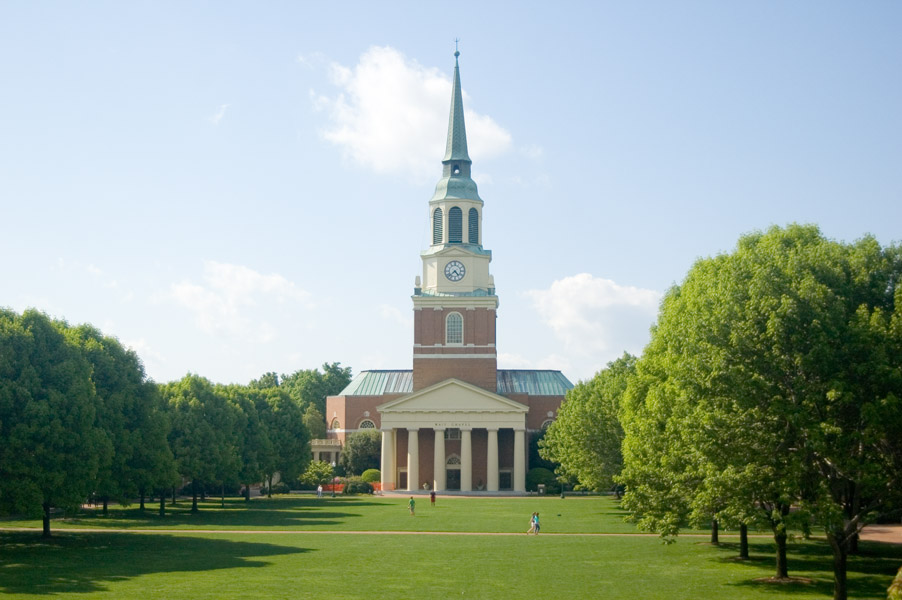
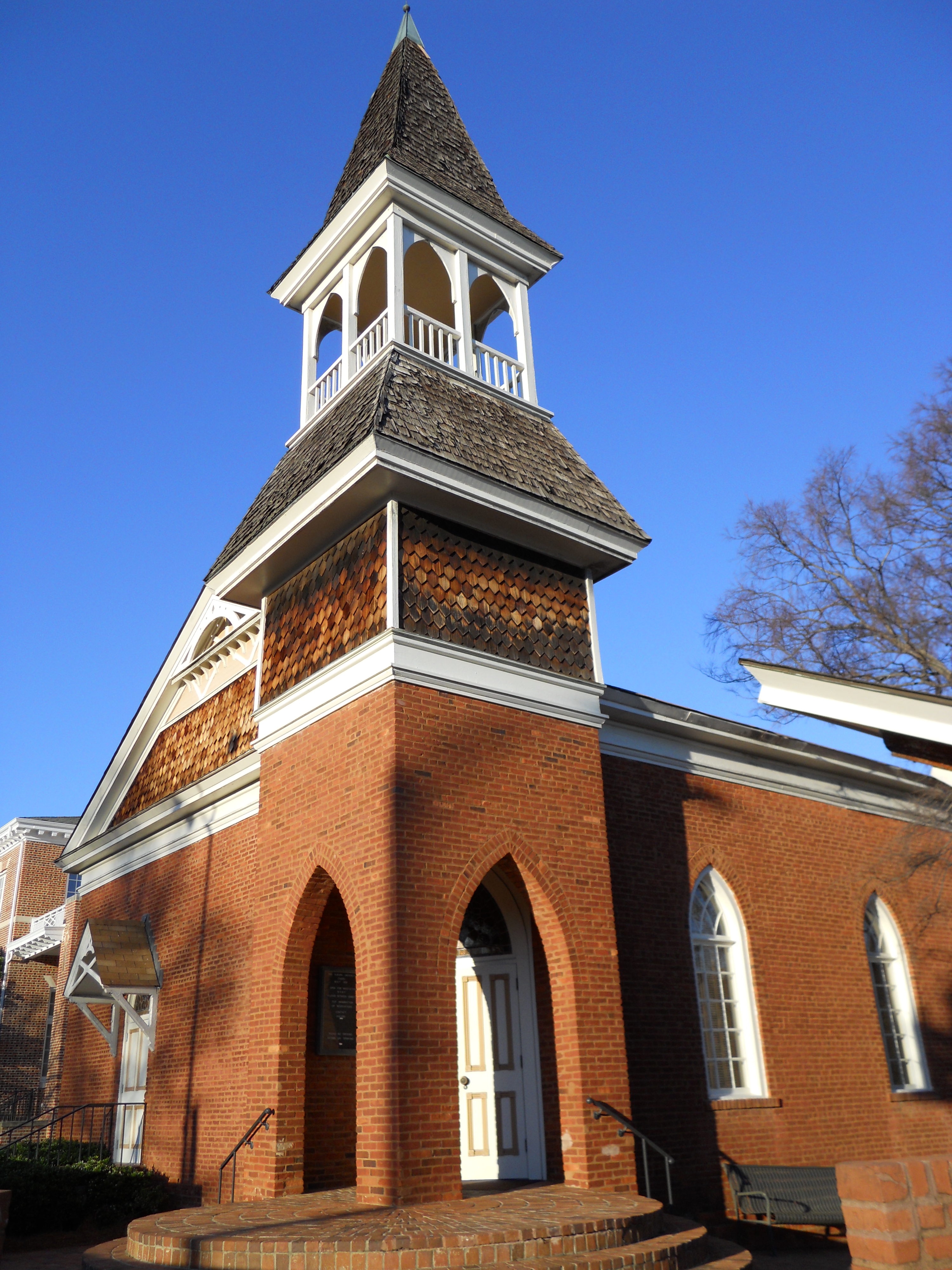
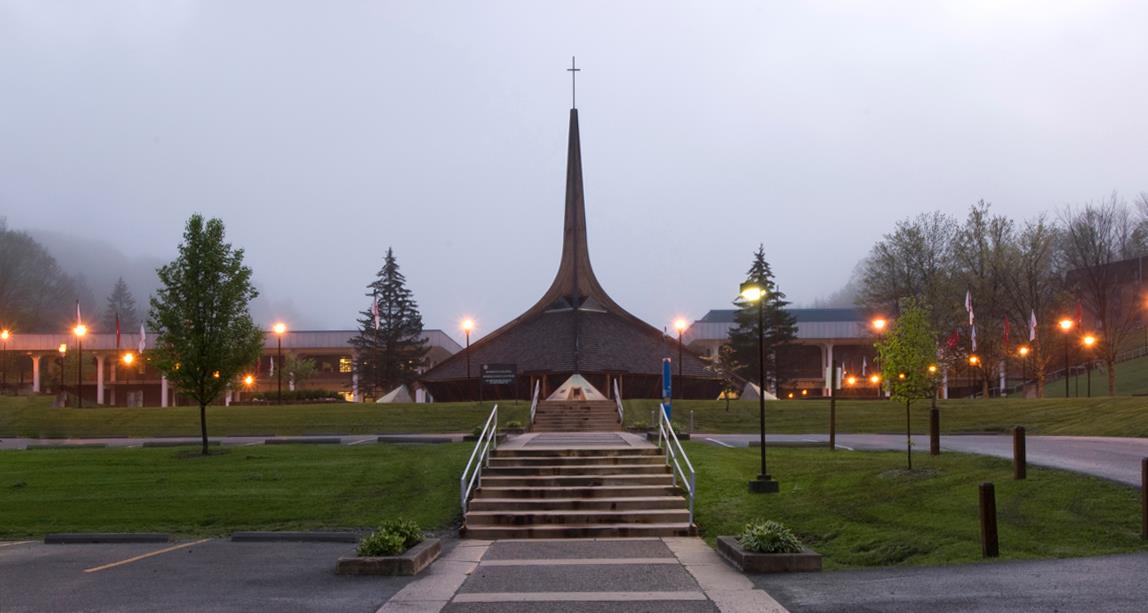
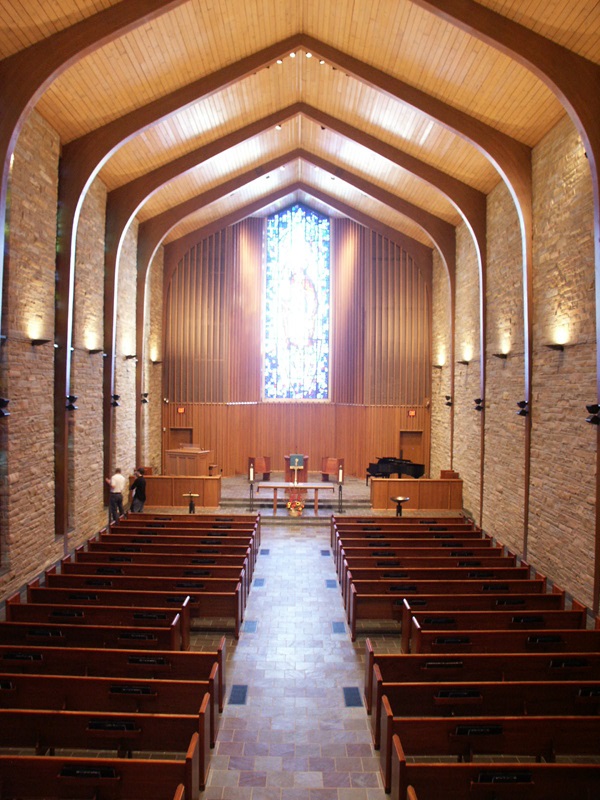
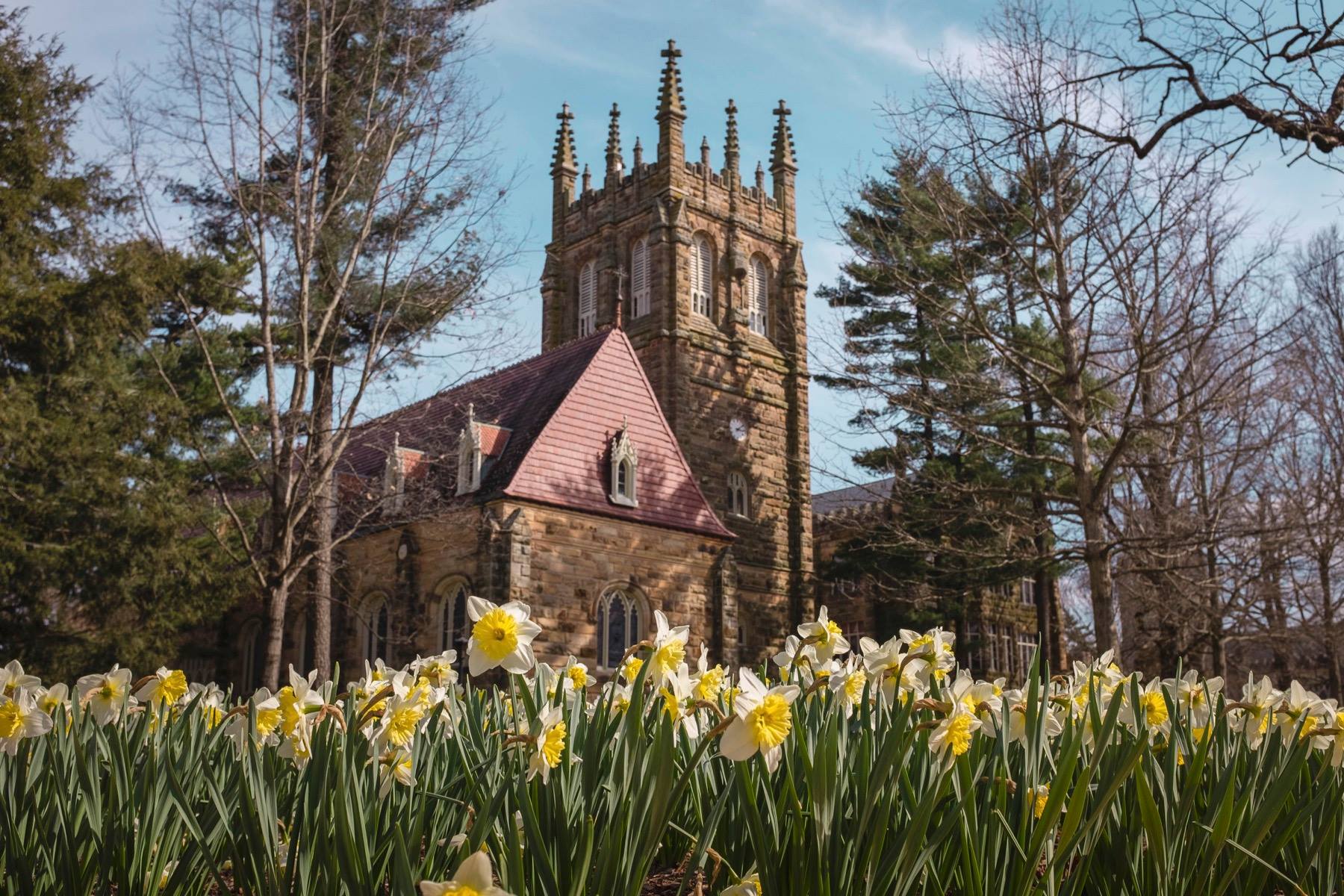
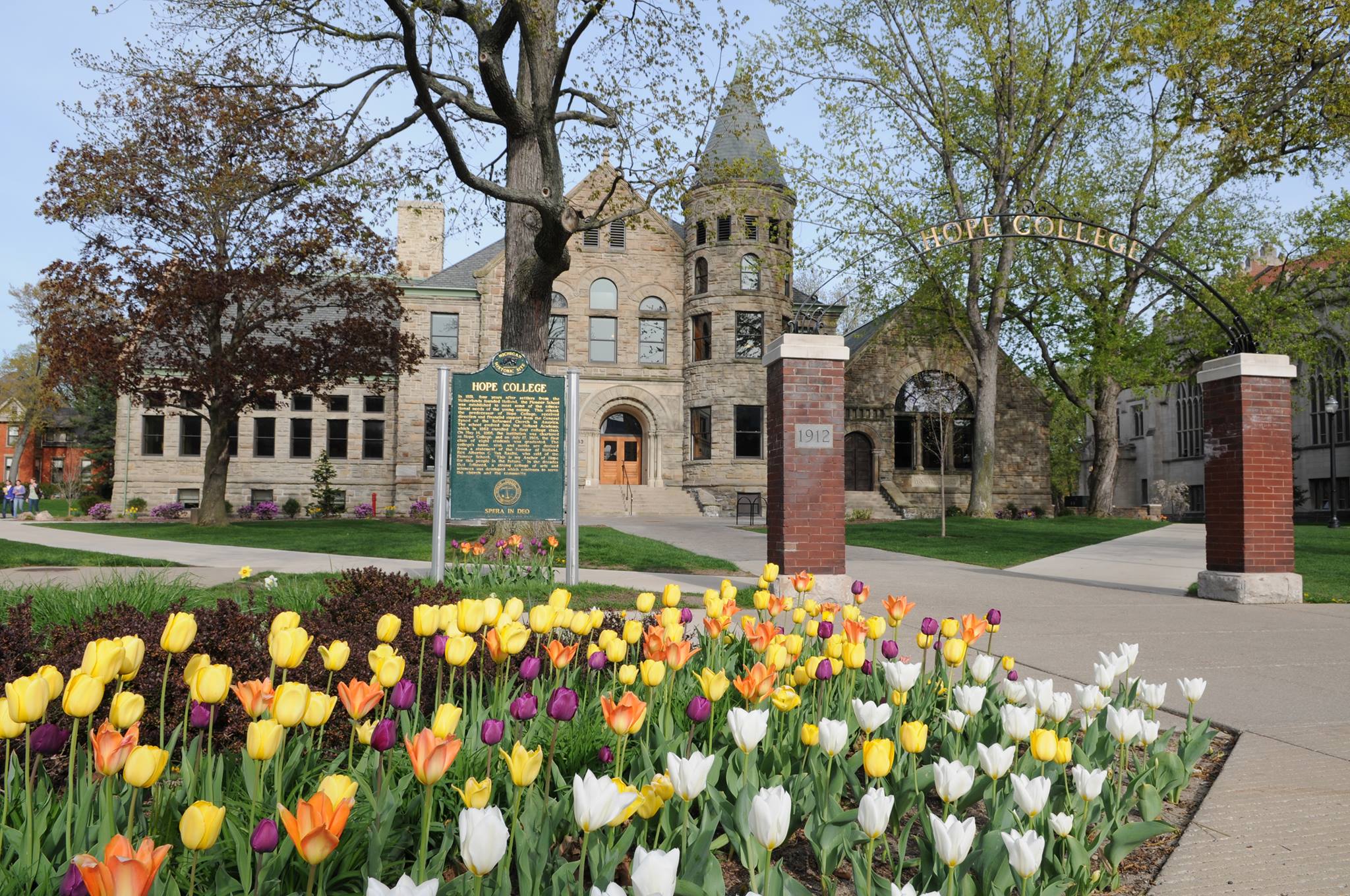
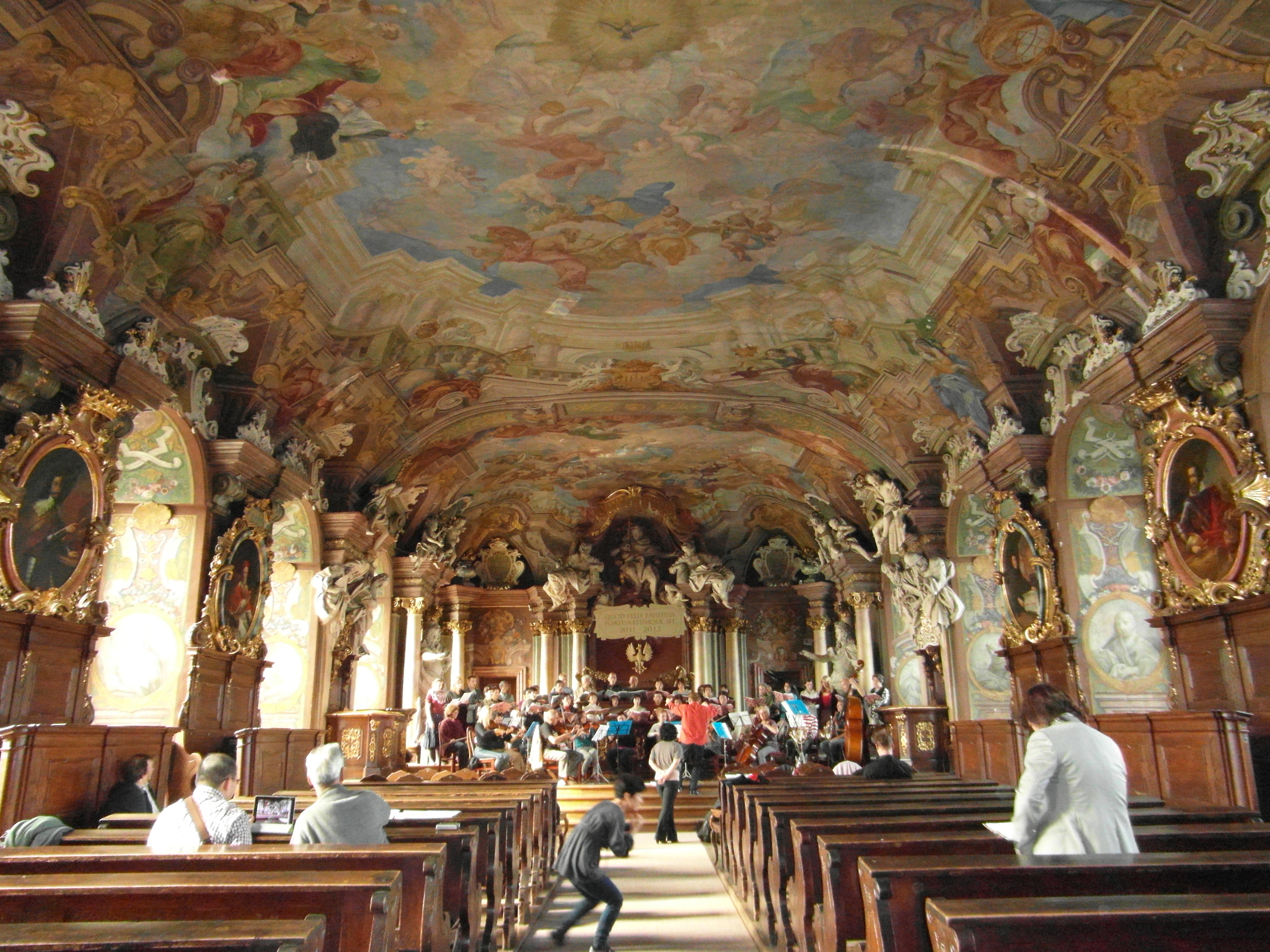
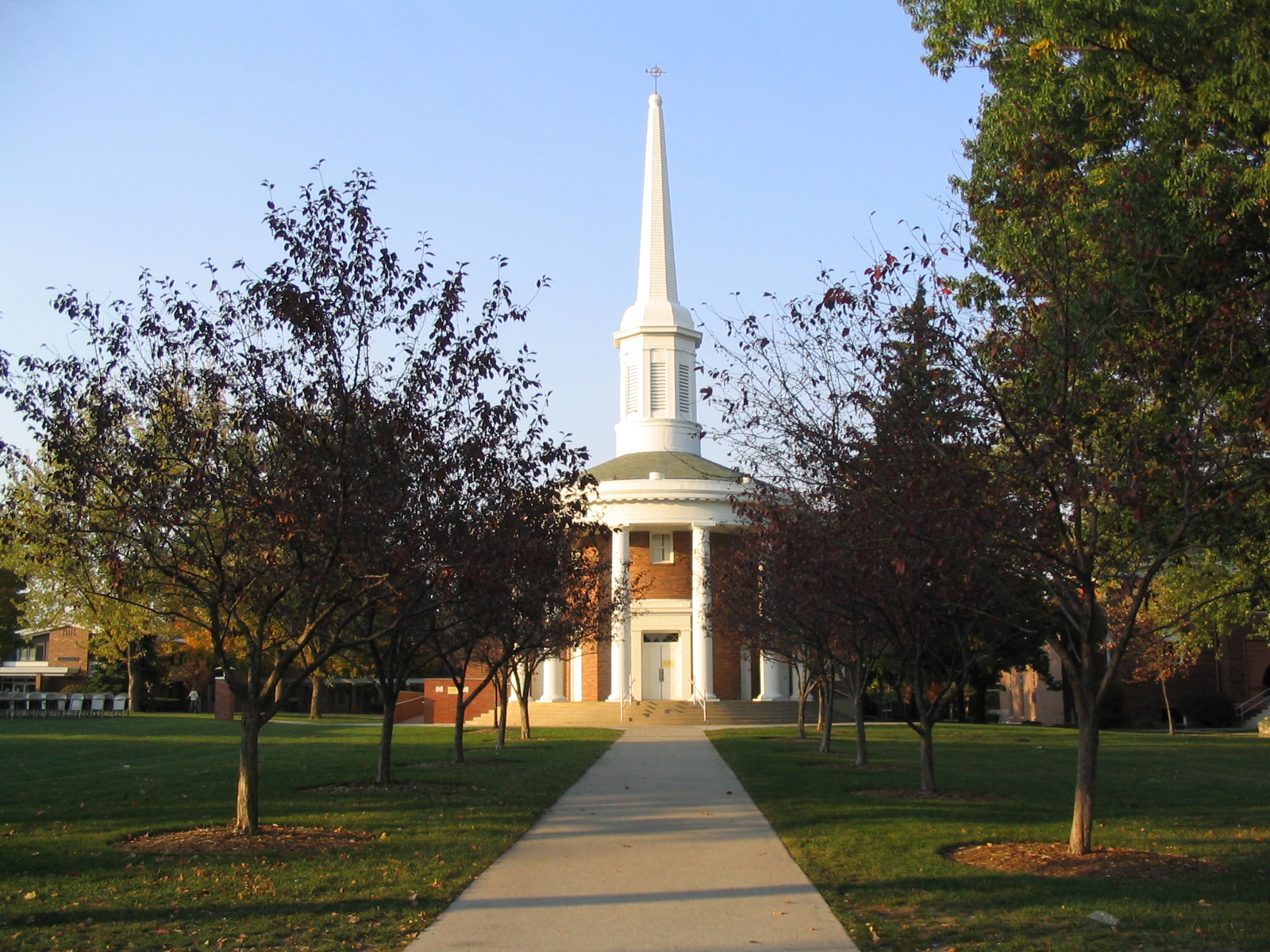
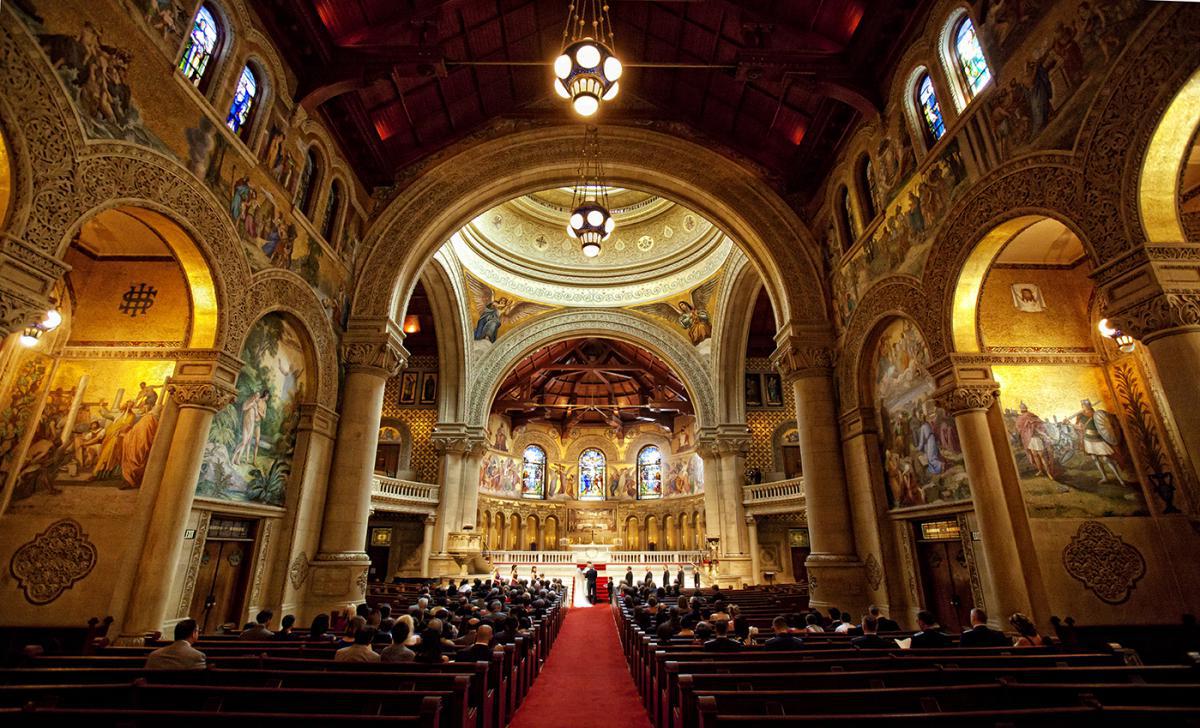
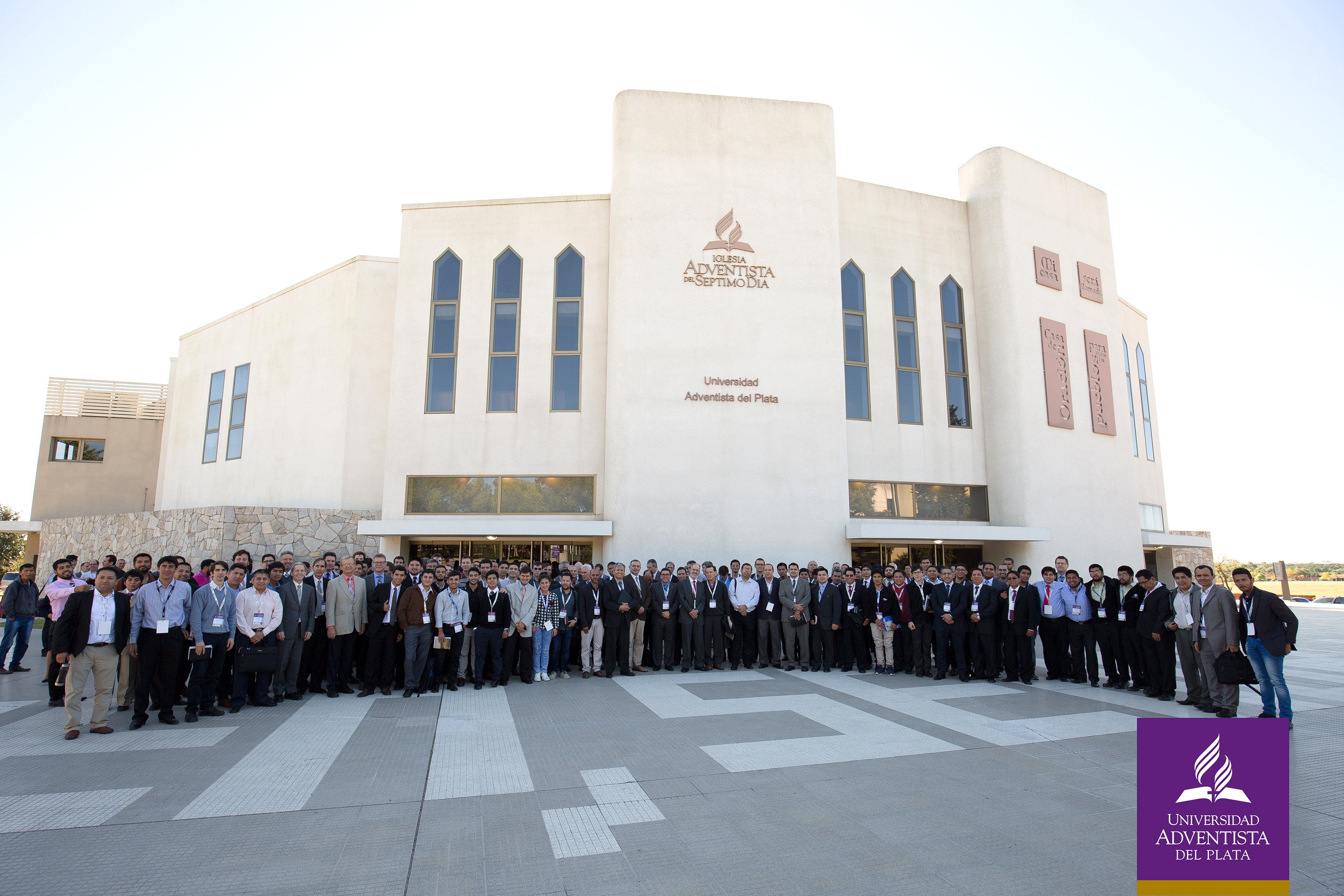
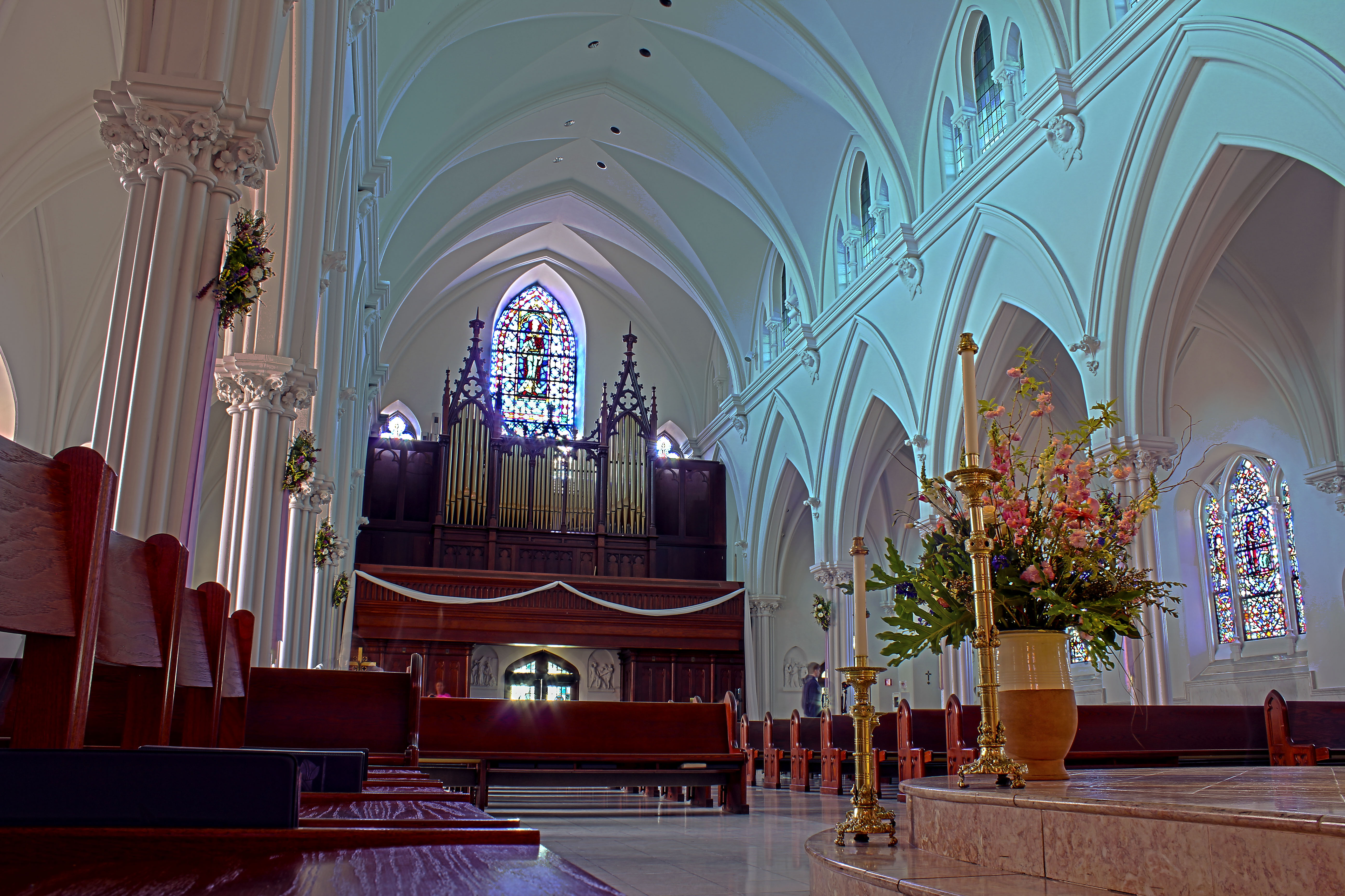
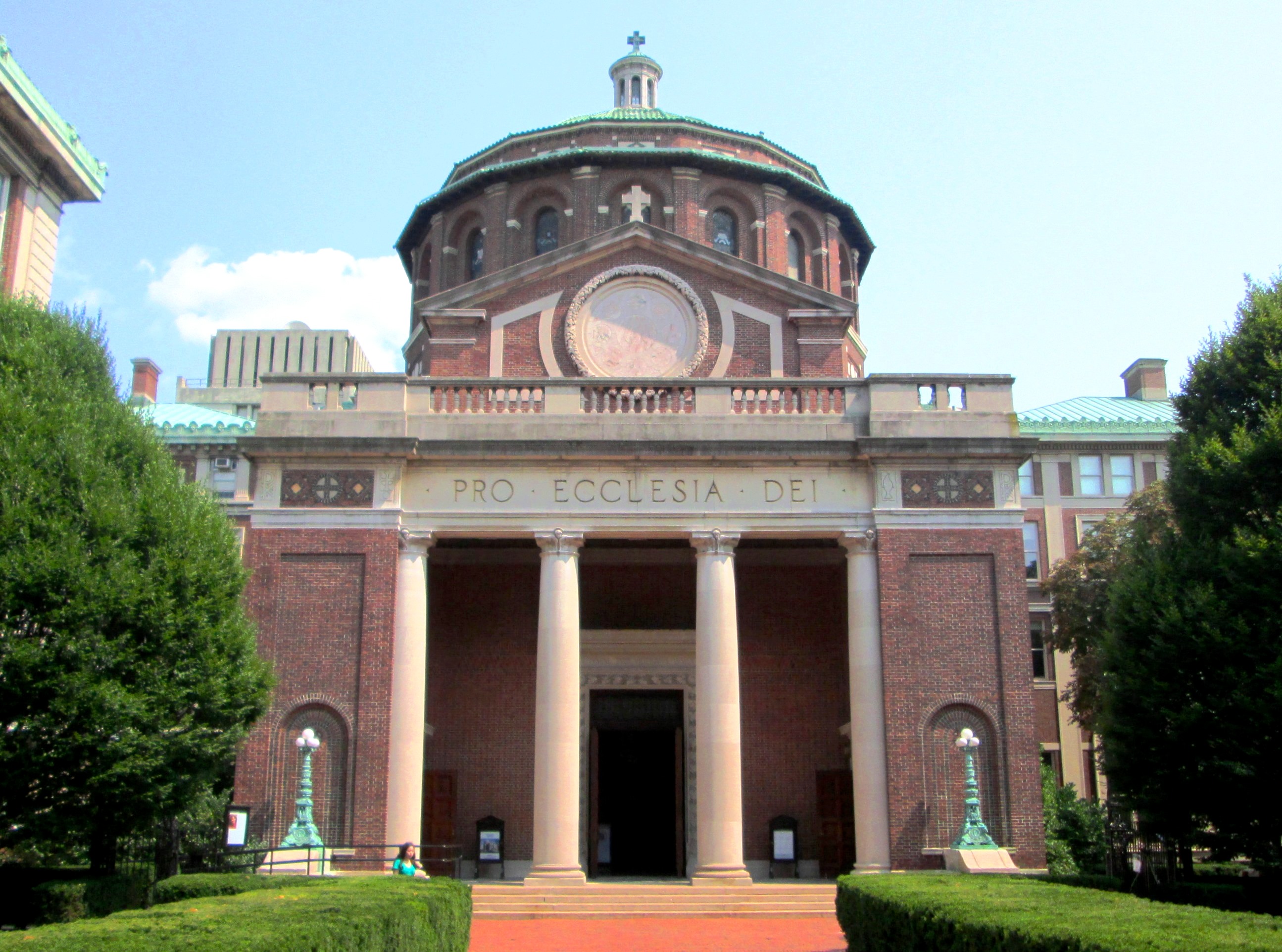
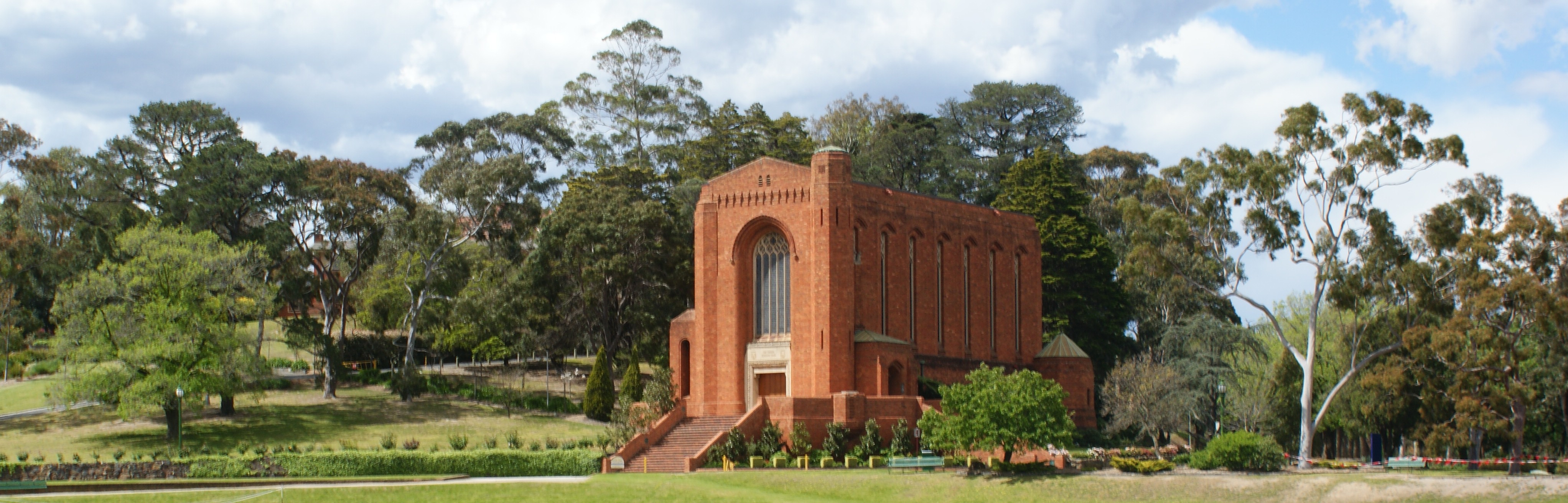
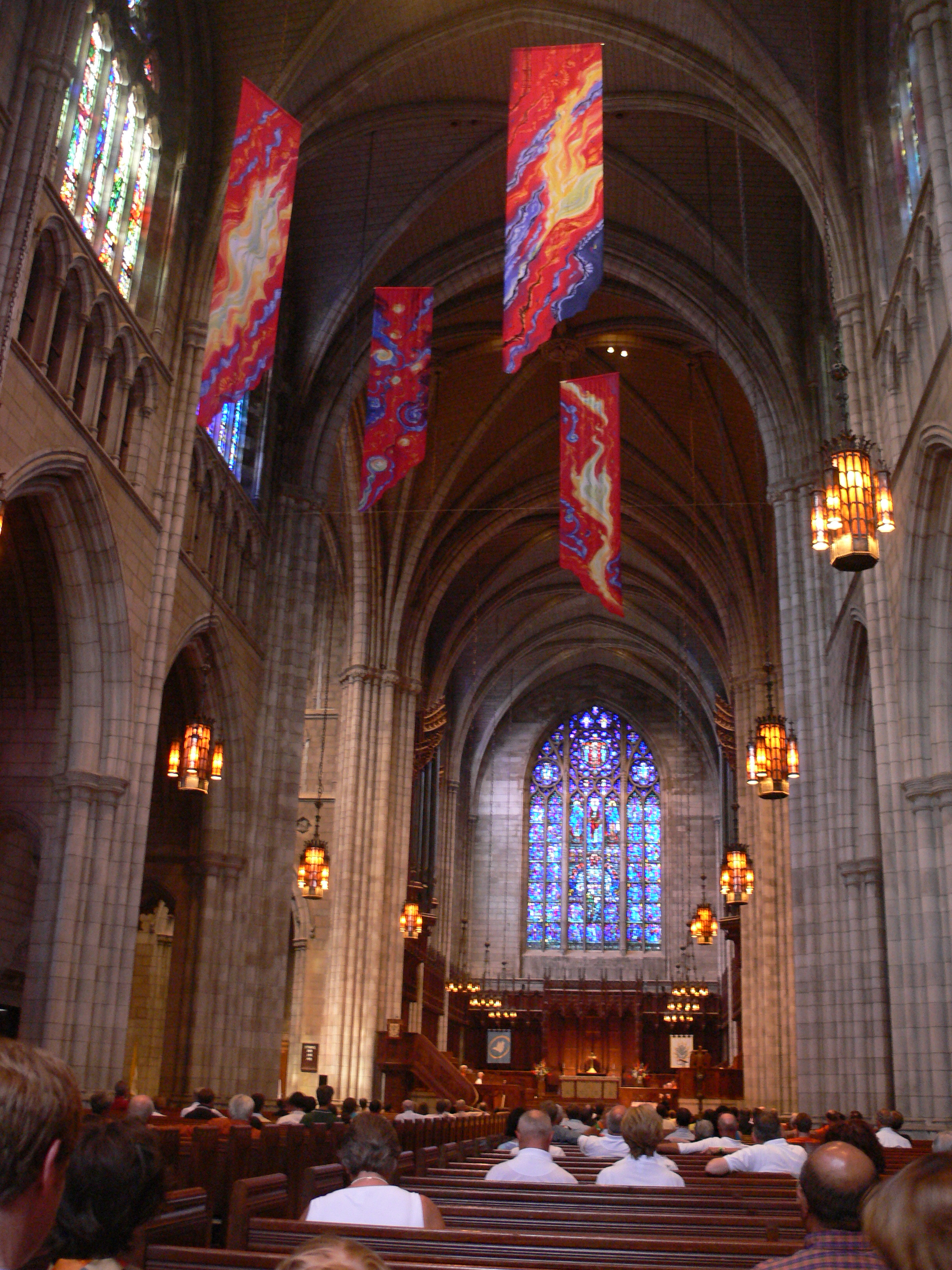
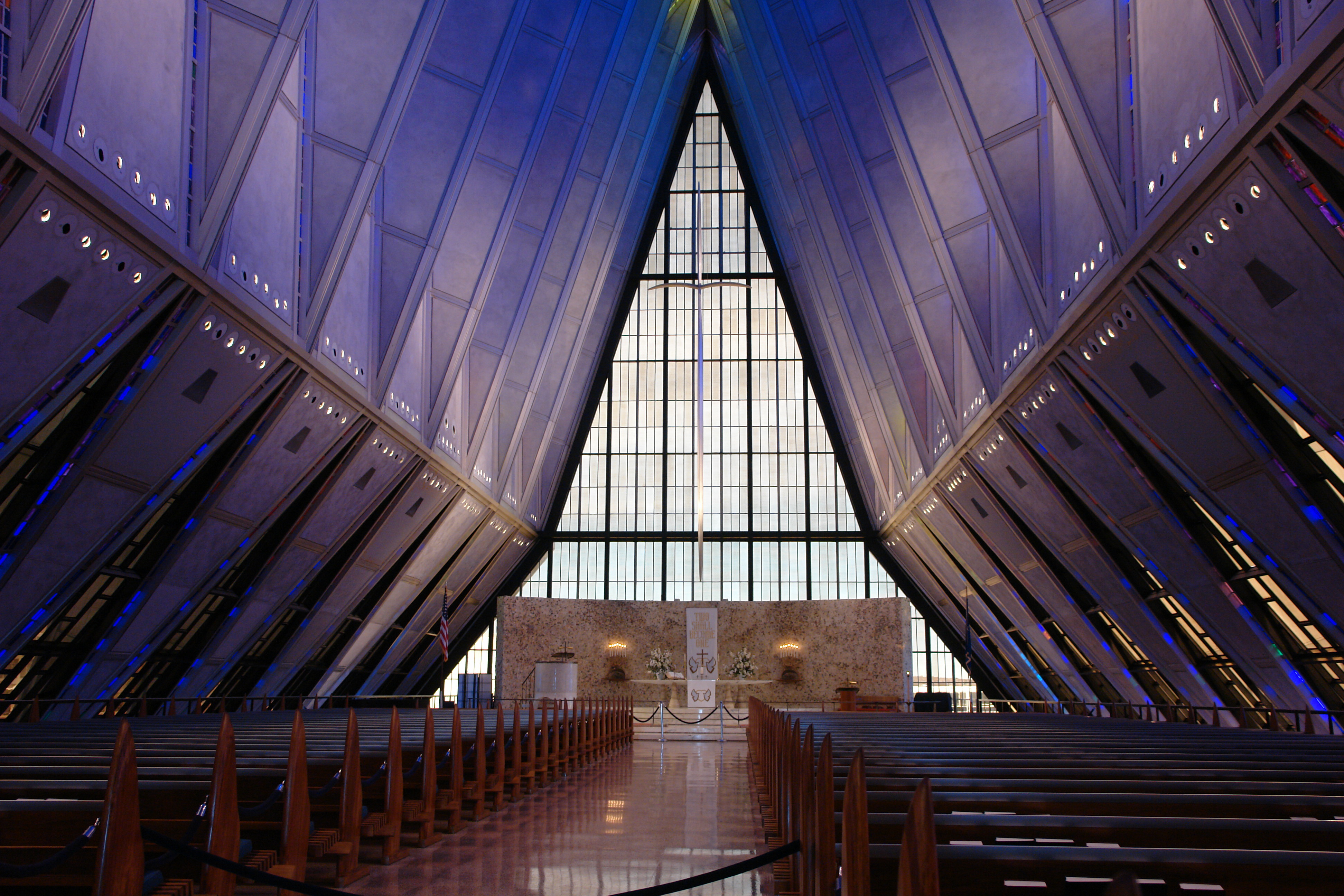
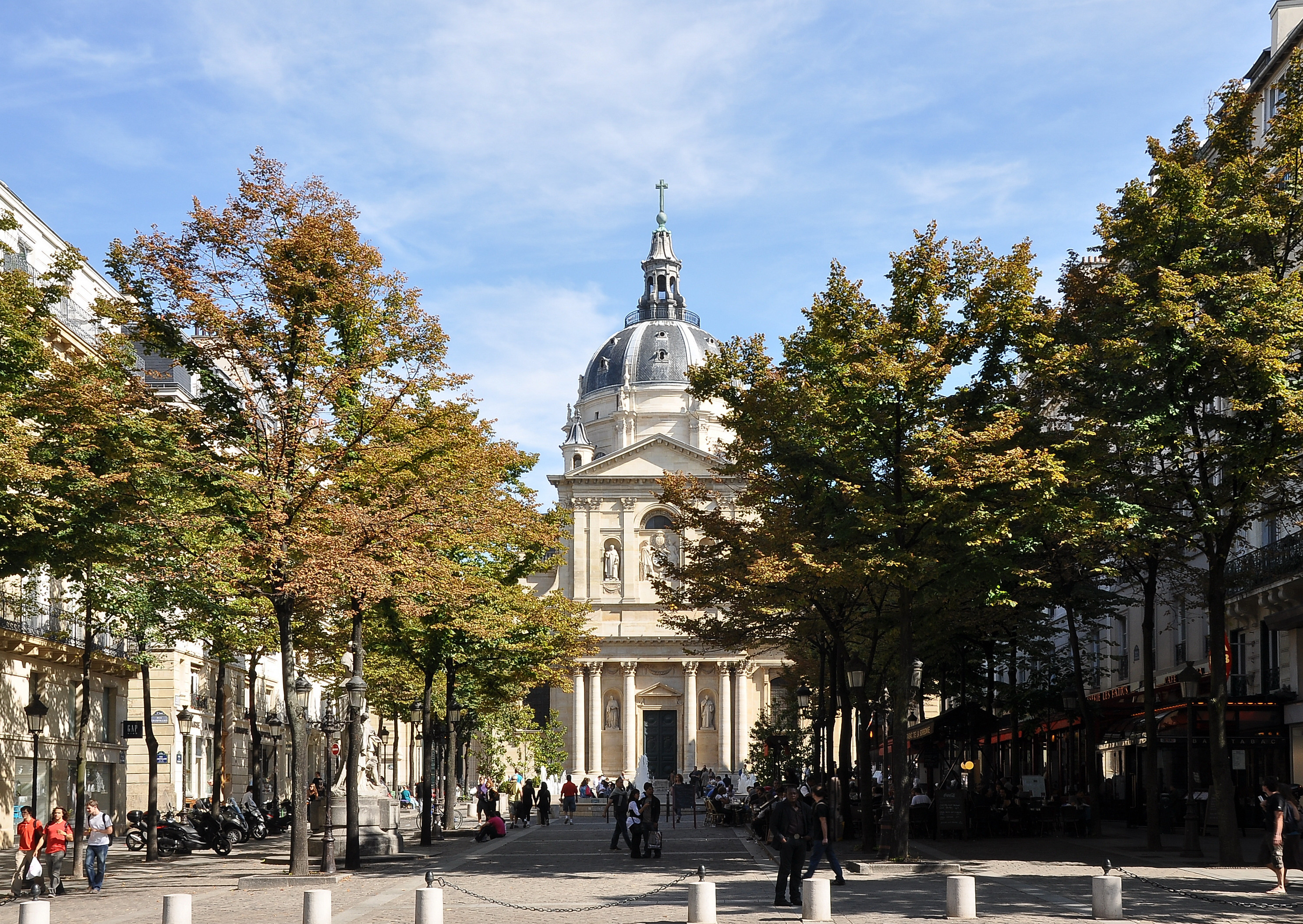
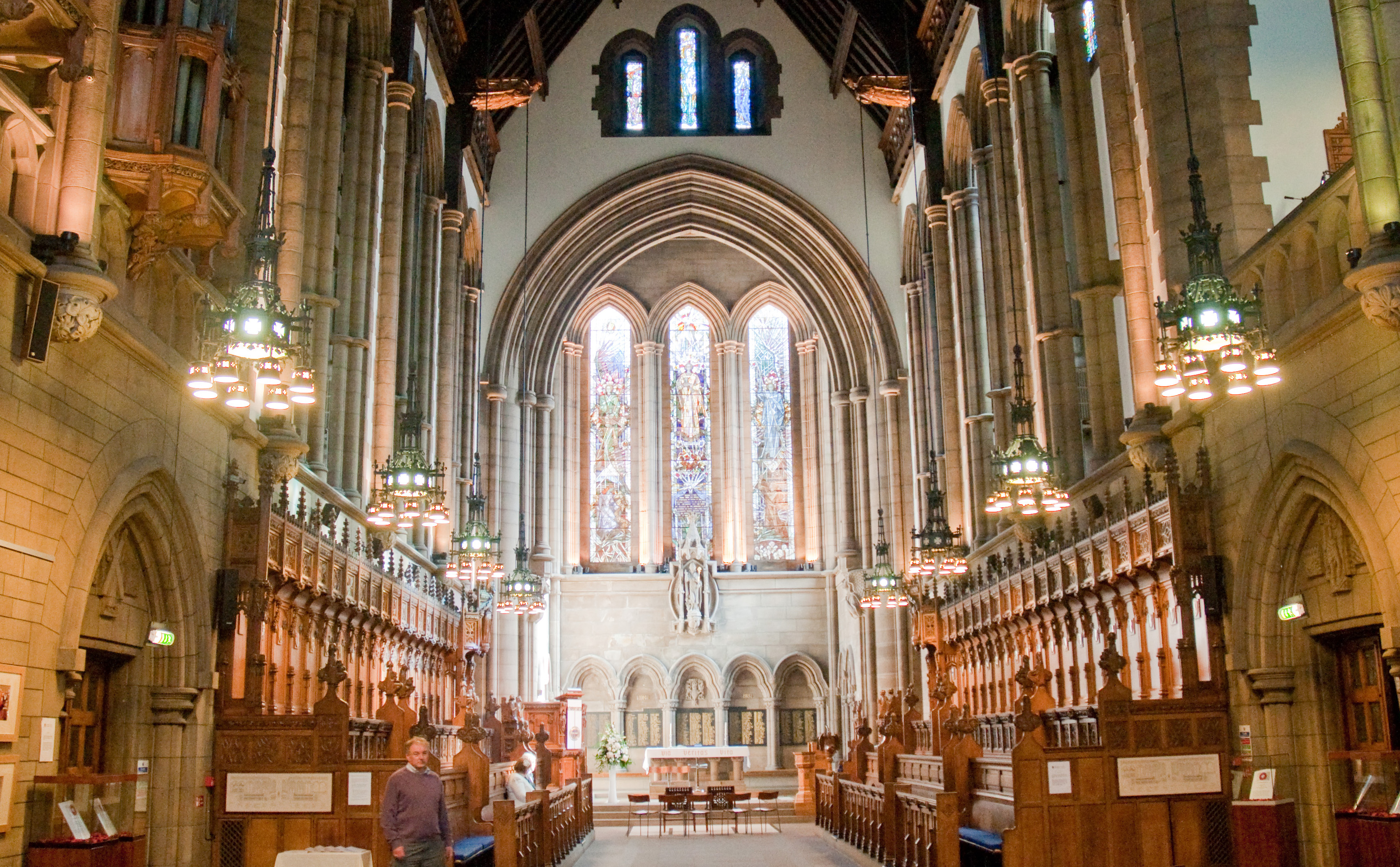
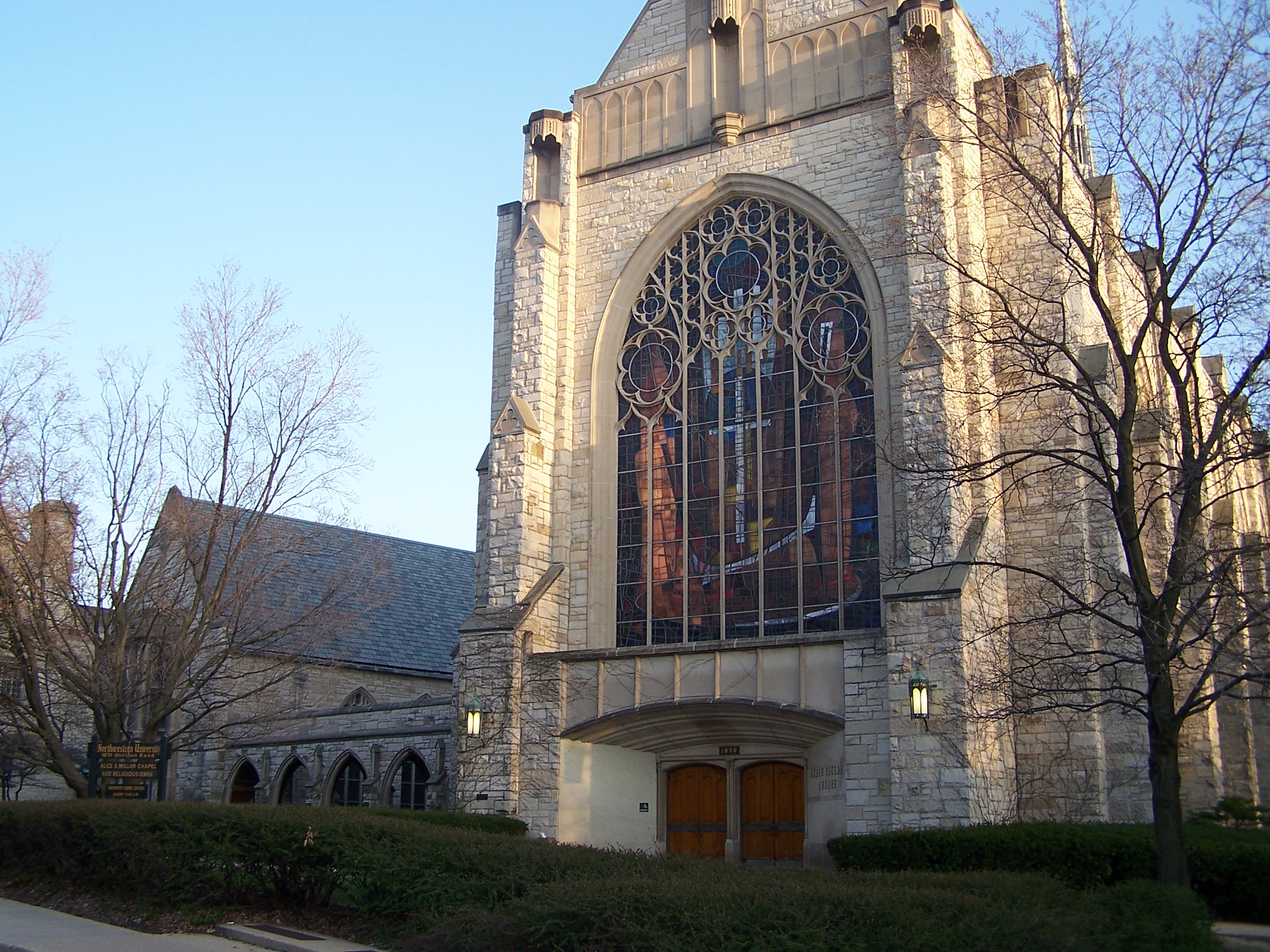
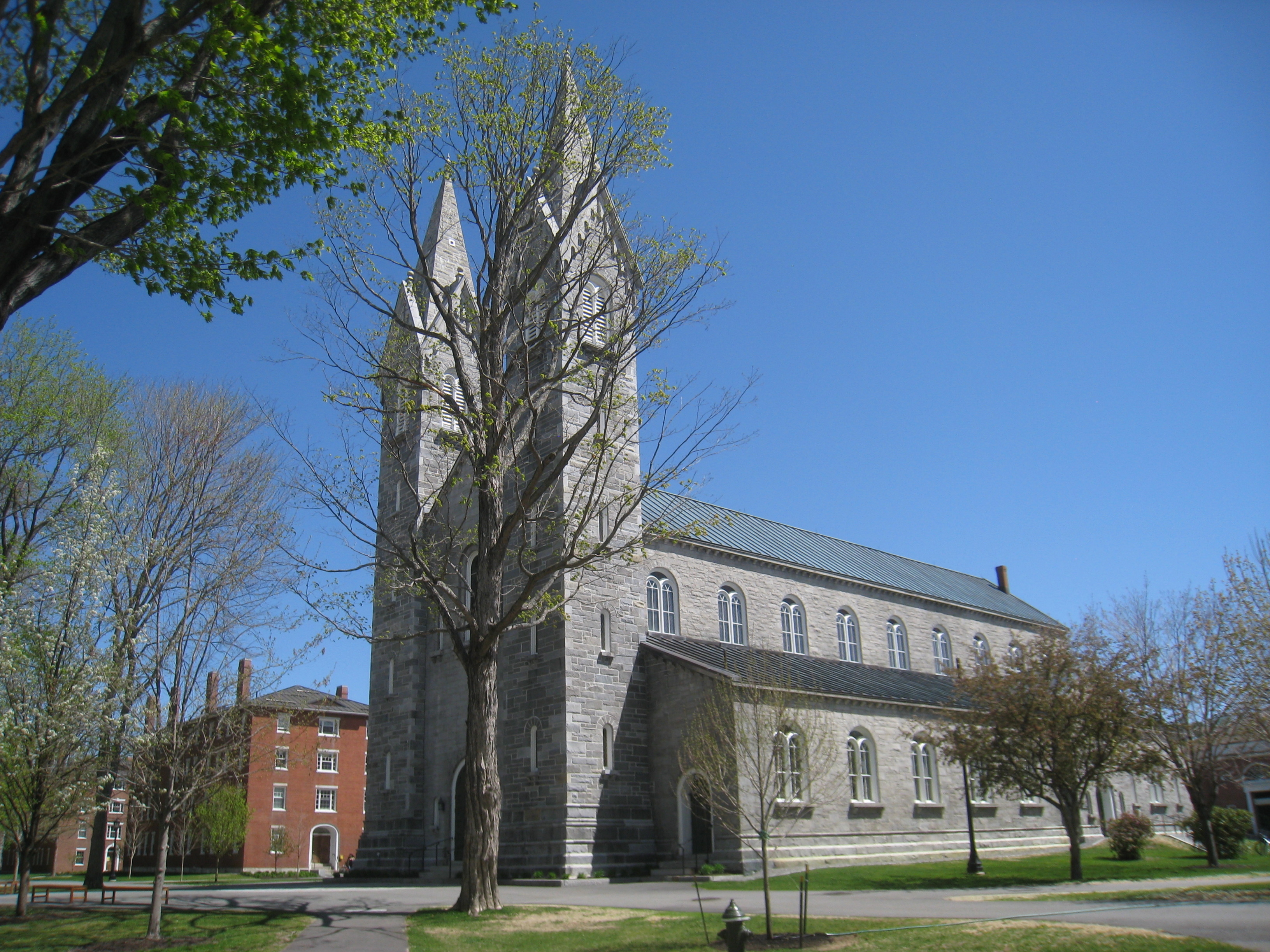
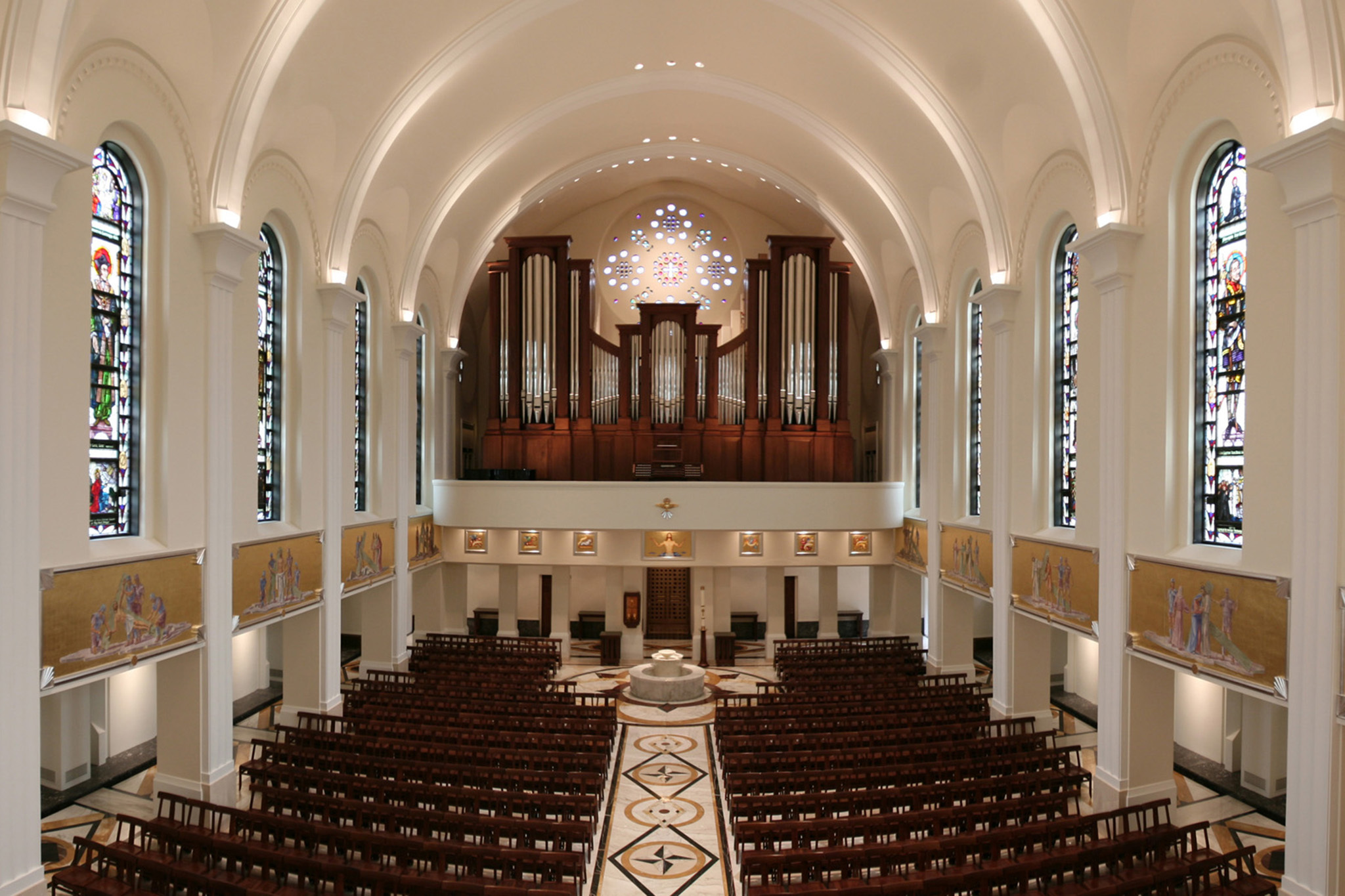
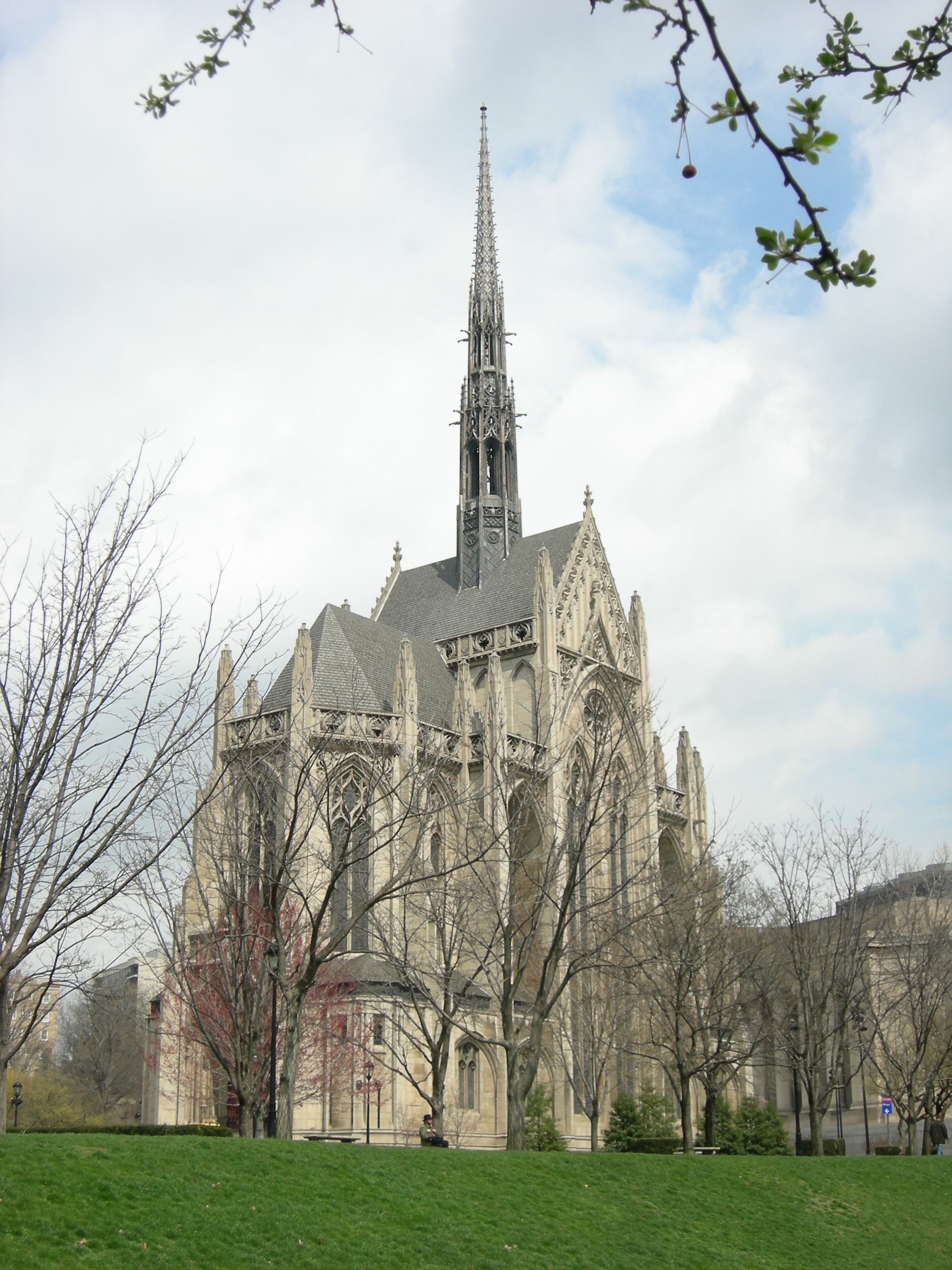
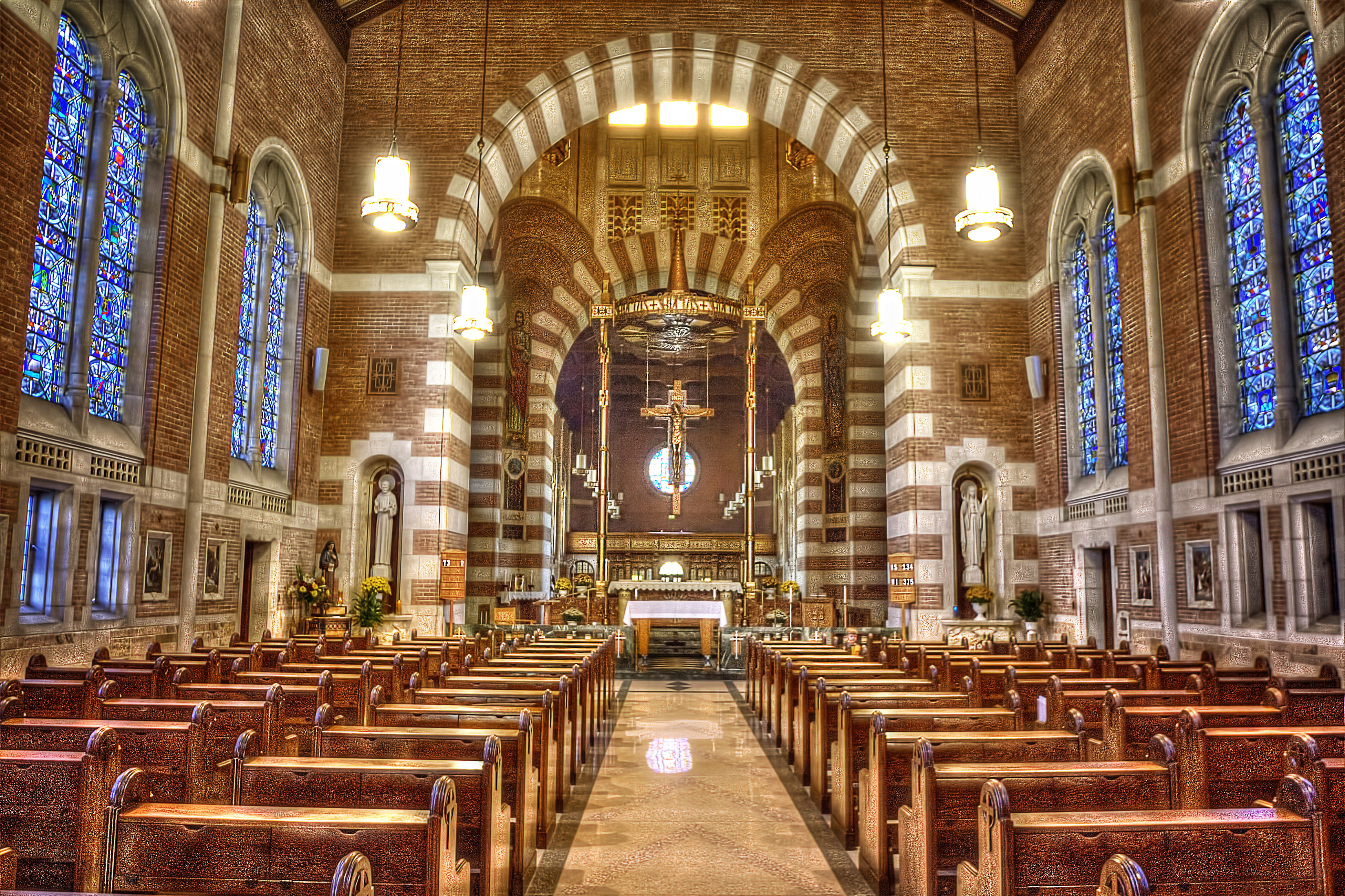
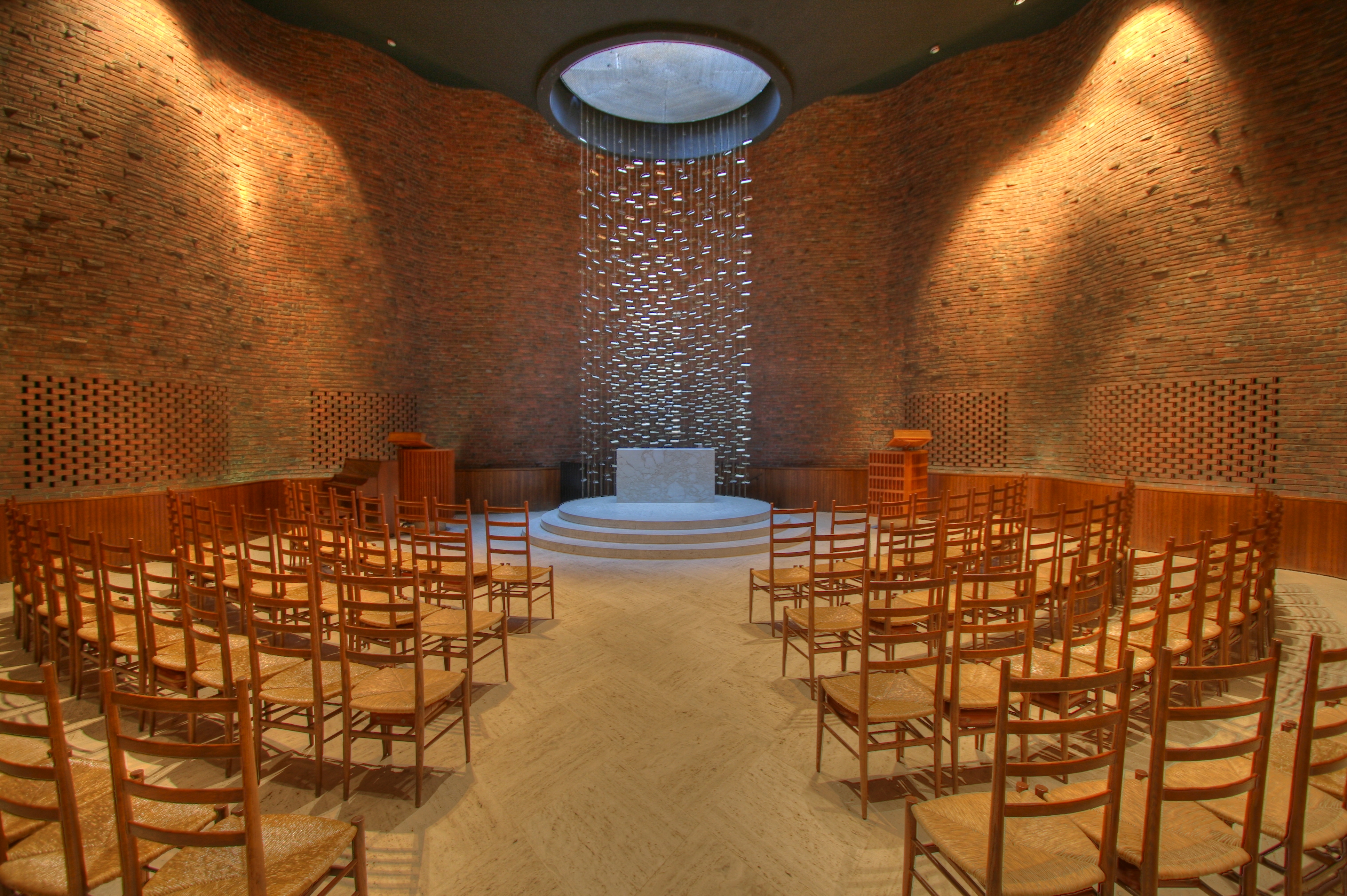
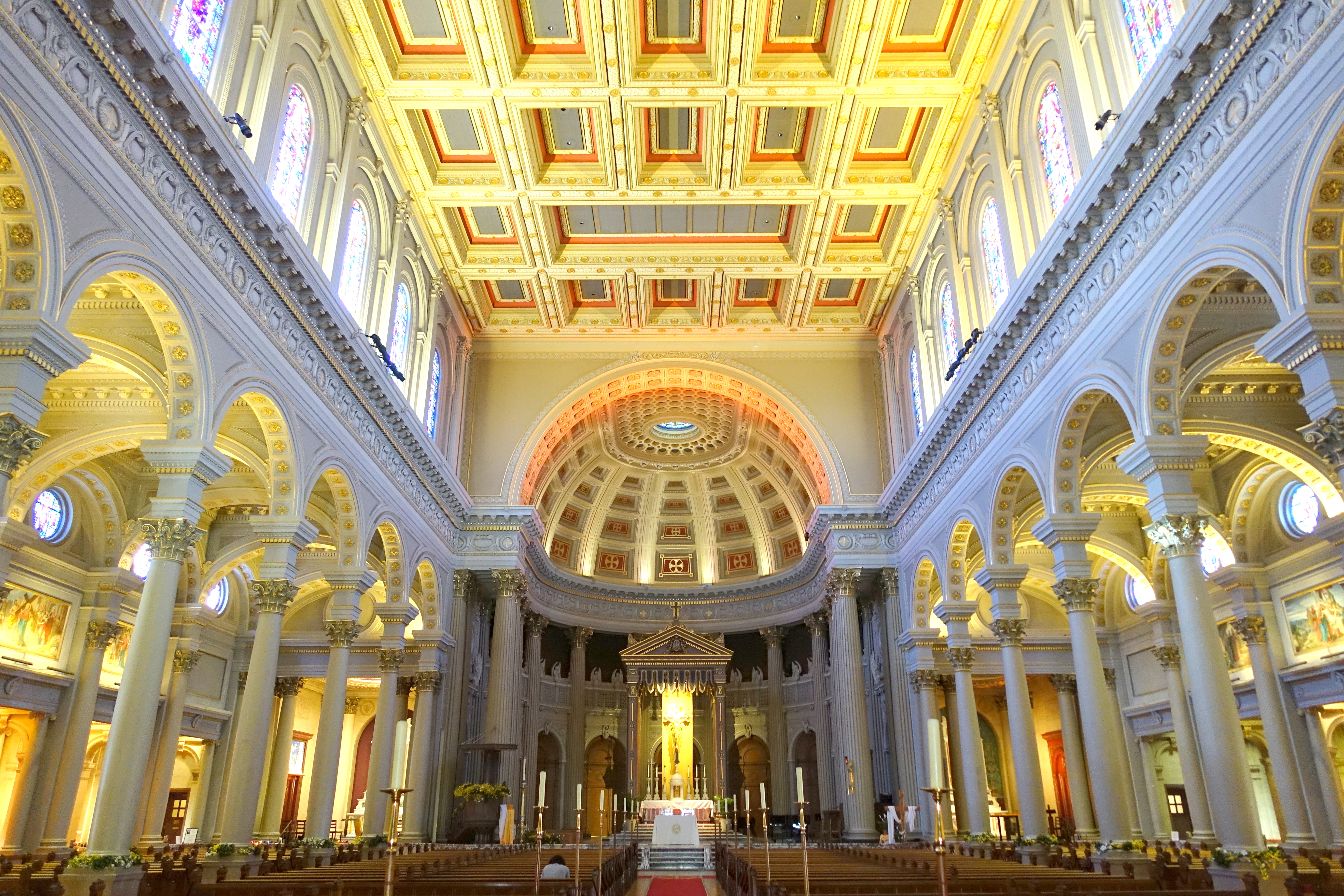
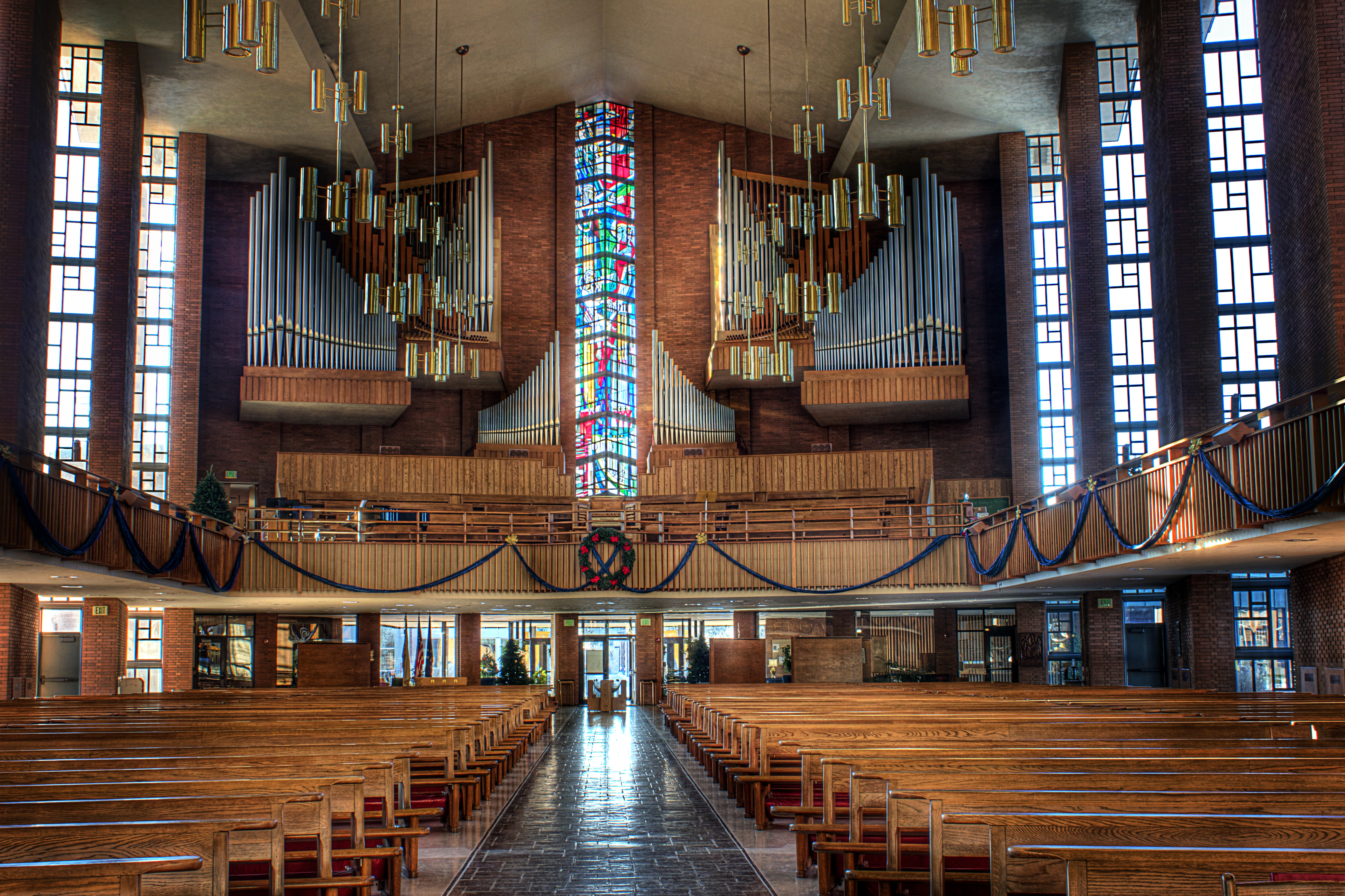
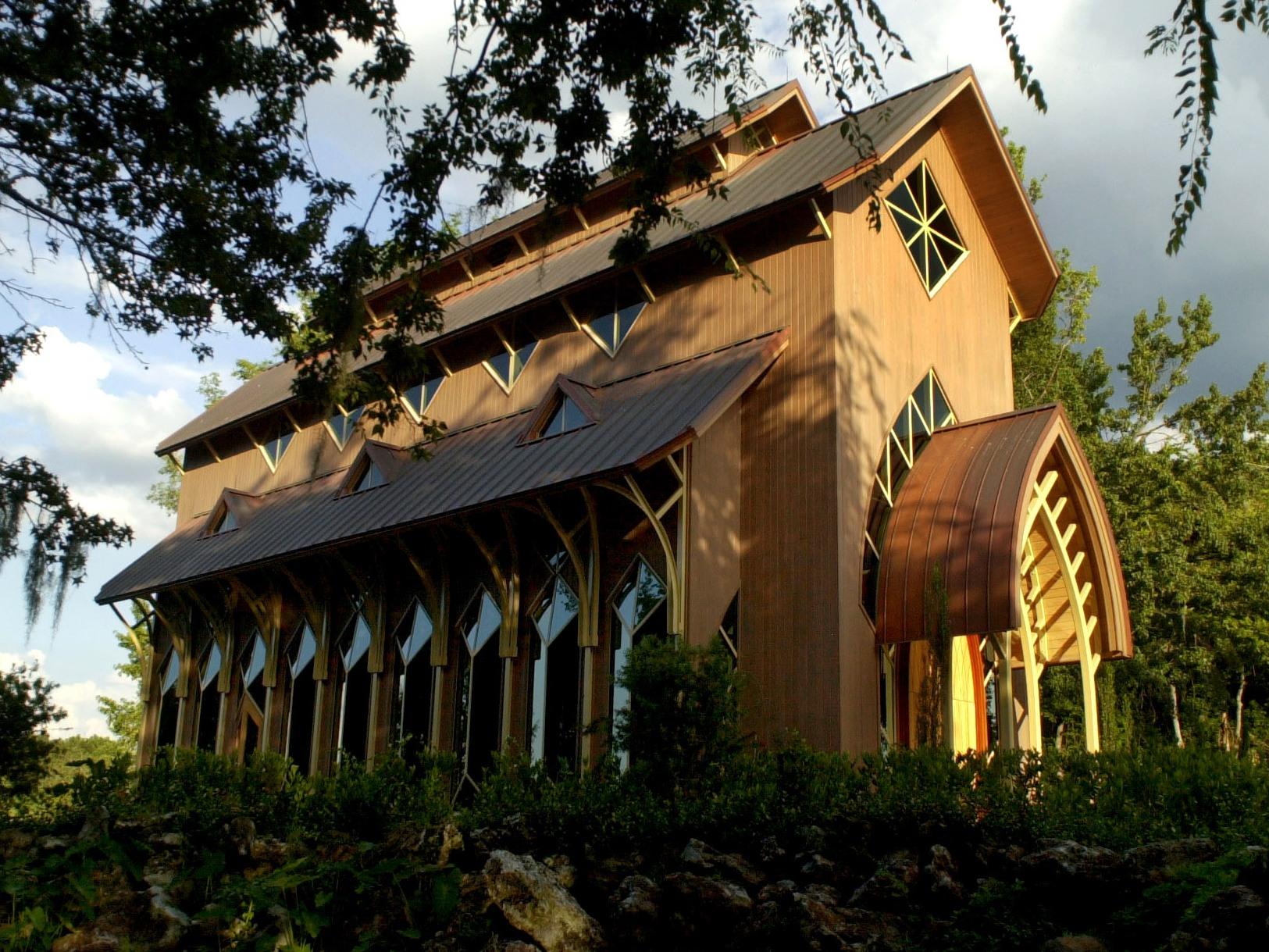

The founding of many education communities is inspired by faith communities. In many of them the place of worship was the very first building. College and university chapels are central places of worship for students, staff and faculty, and provide a space for solitude and reflection. A place for feeling at home in the world.
There are several hundred technical standards, or parts of standards, that govern how churches and chapels are made safe and sustainable. Owing to innovations in construction, operation and management methods, those standards move, ever so slightly, on a near-daily basis. They are highly interdependent; confounded by county-level adaptations; and impossible to harmonize by adoption cycle. That movement tracked here as best we can within the limit of our resources and priorities. That’s why it’s best to simply click into our daily colloquia if you have a question or need guidance.
Richard Miniter observes that the United States was founded as four distinct religious utopias, each originating from different regions and historical periods in England (and the broader British Isles). These groups, shaped by conflicts like the English Civil War, brought competing visions of society, governance, and faith that continue to influence American culture and politics today.1. New England Puritans (from East Anglia): Strict, communal Calvinists seeking a “city upon a hill” with moral oversight and collective piety.
2. Cavalier culture in Virginia and the South (from southwest England): Hierarchical, Anglican/Royalist tradition emphasizing order, honor, and aristocratic values.
3. Middle States (influenced by the West Midlands): More tolerant, pluralistic Quaker and other nonconformist approaches fostering commerce and individual liberty.
4. Appalachian borderlands (from the English-Scottish border): Scots-Irish Presbyterian folkways stressing independence, martial honor, and anti-authoritarian egalitarianism.These enduring subcultures create ongoing tensions over freedom, authority, and religion in America.
Today is the Feast of Corpus Christi.
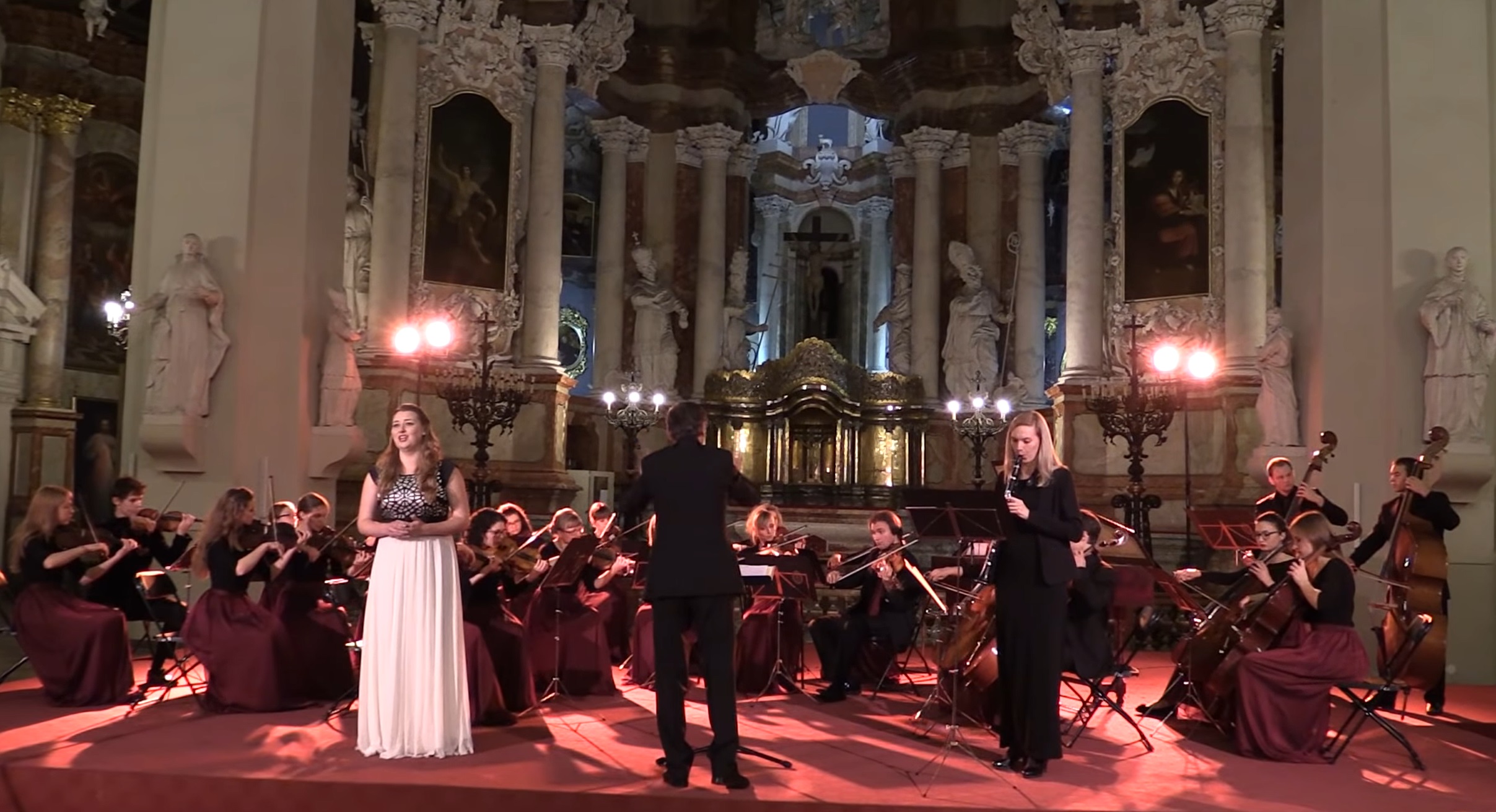
The 13th century Eucharistic chant of Ave verum corpus was set to music by Mozart in 1791 to be sung especially to celebrate the feast day.
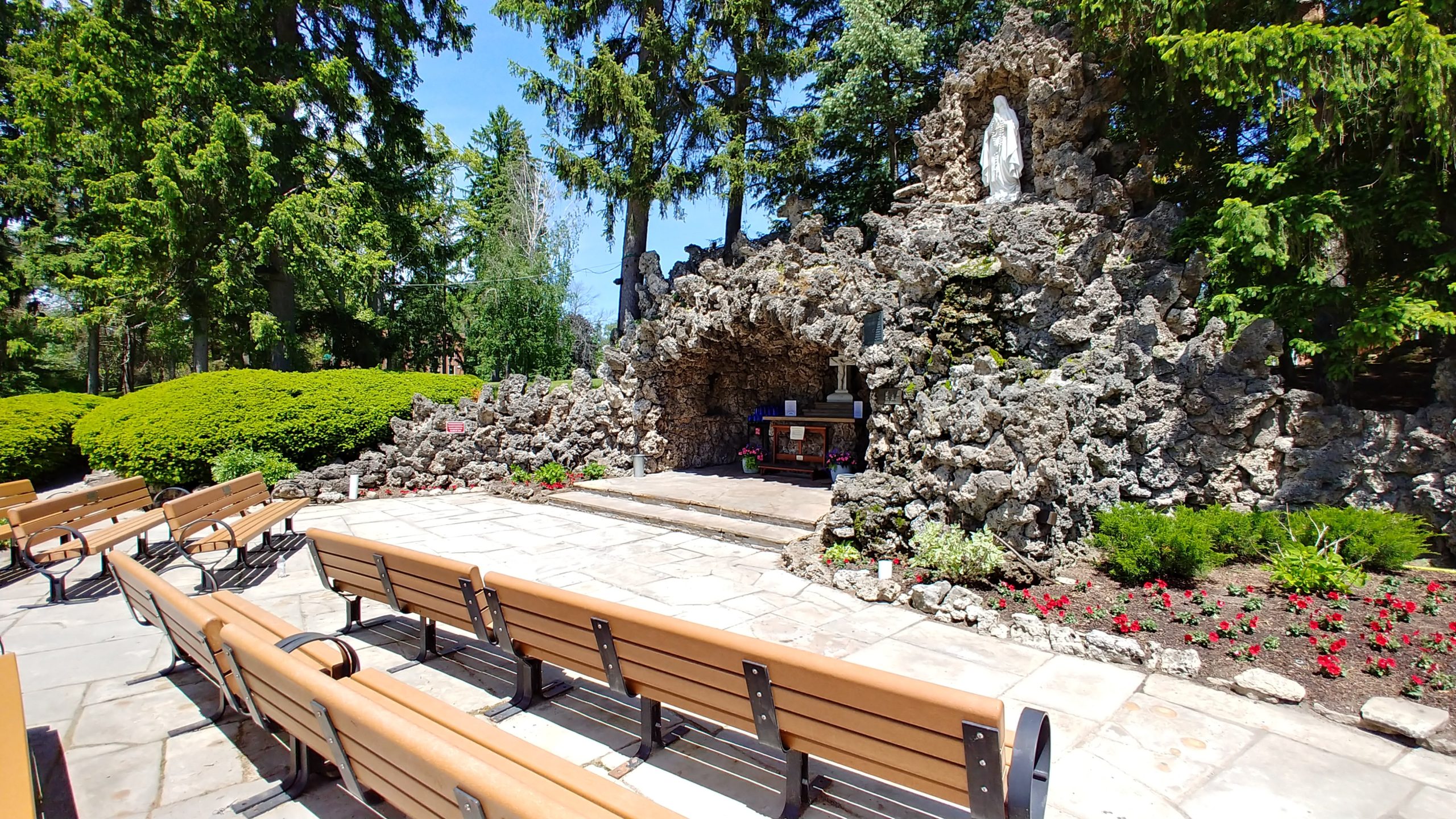
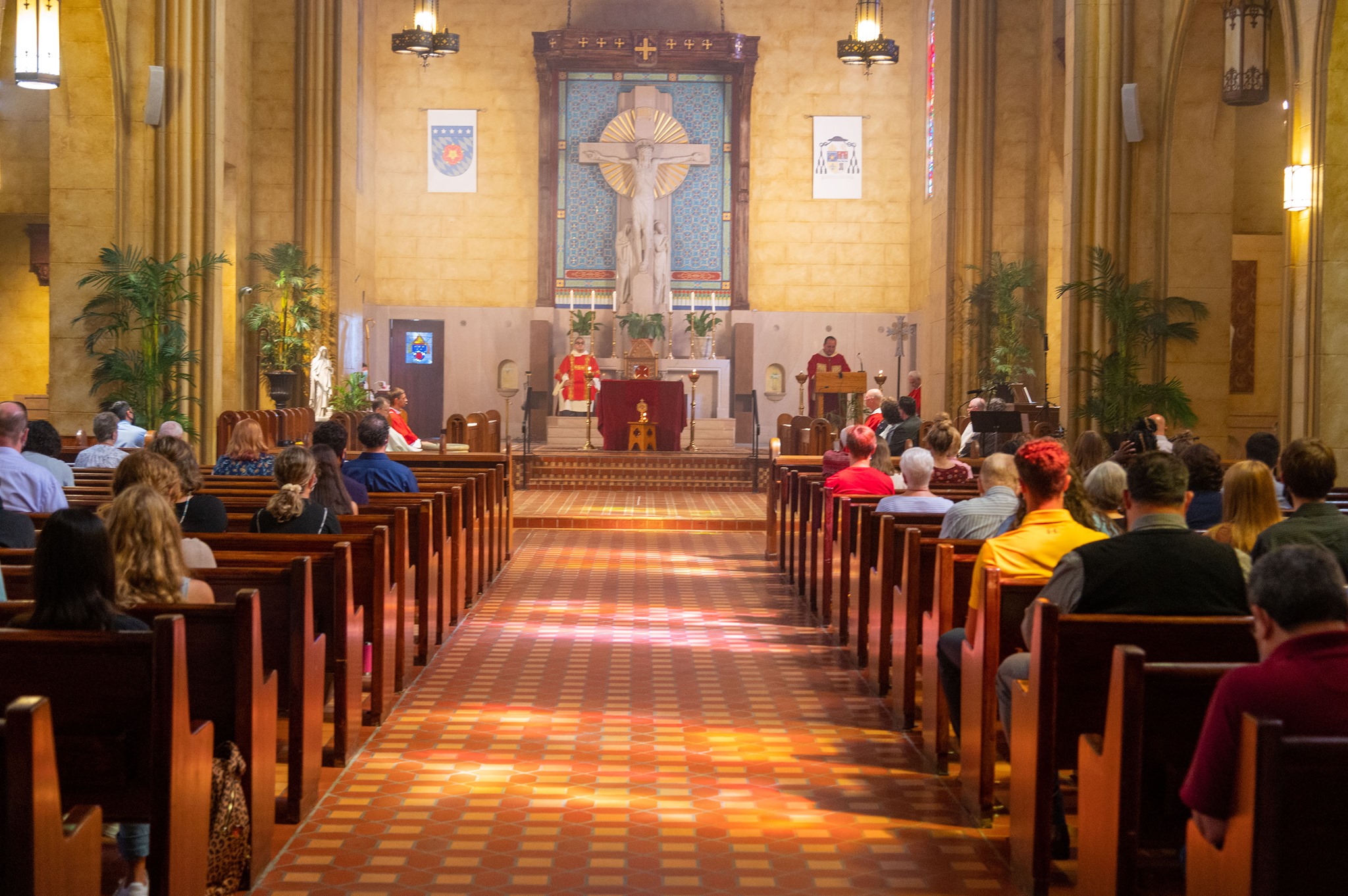
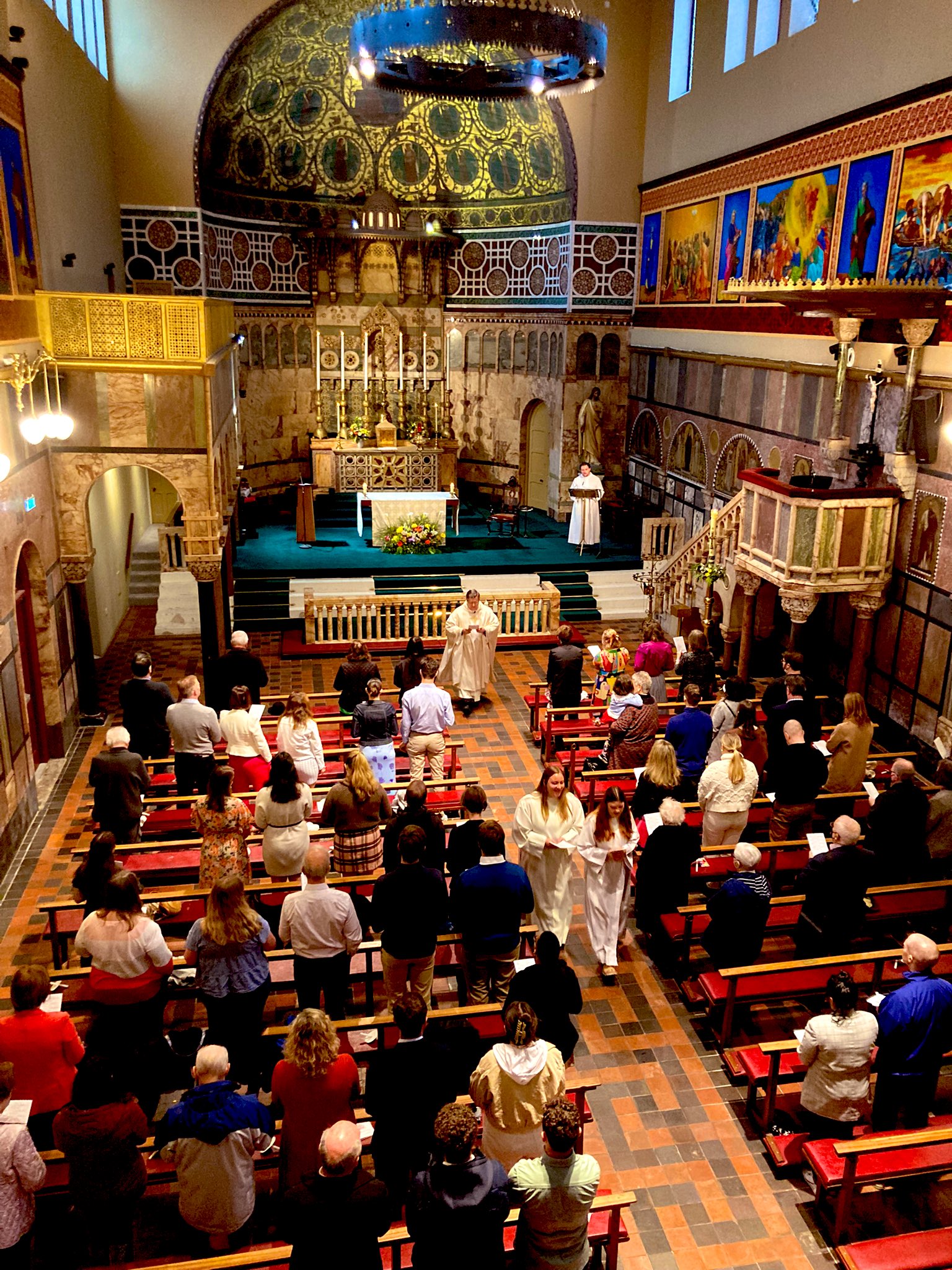
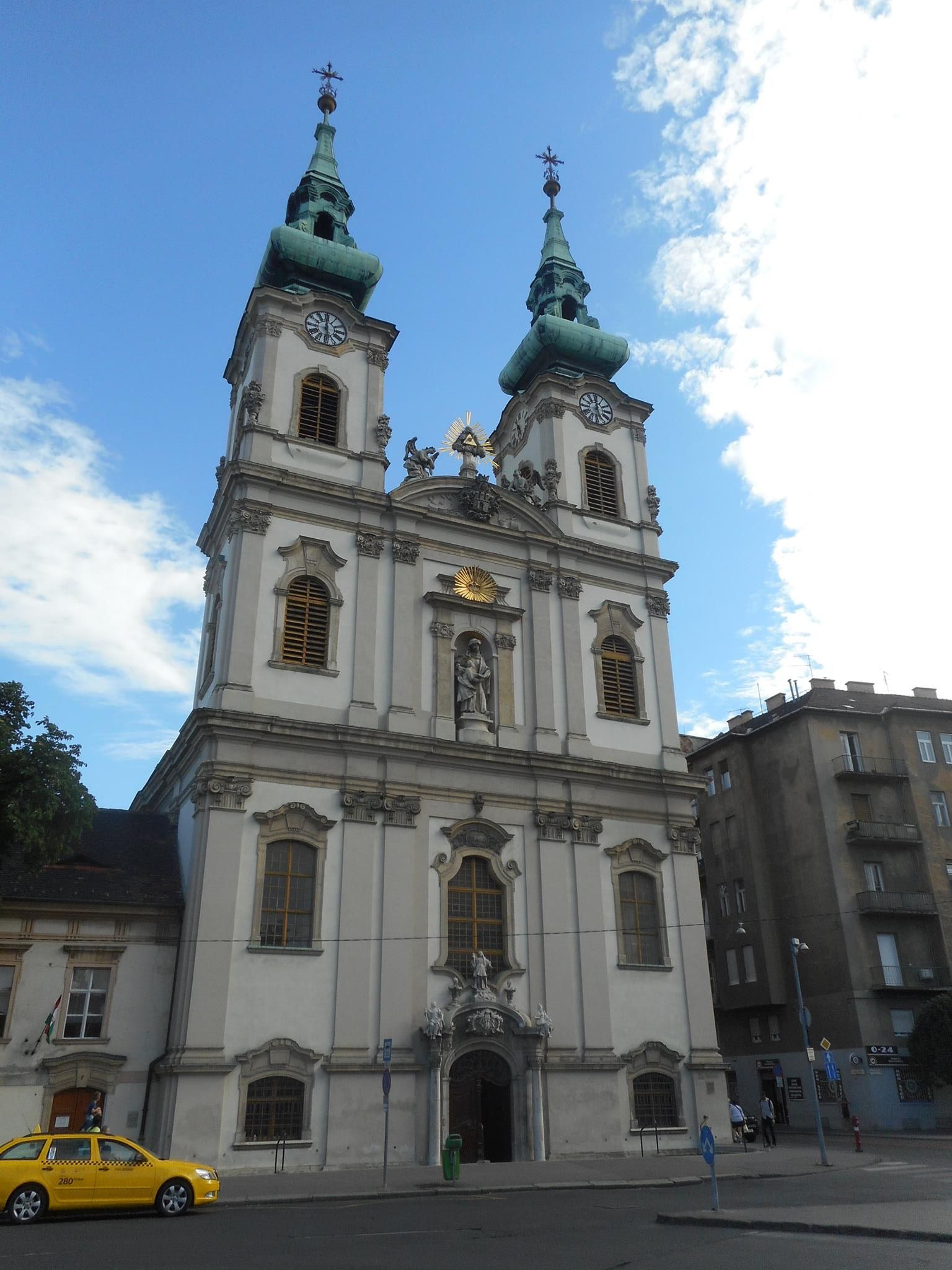
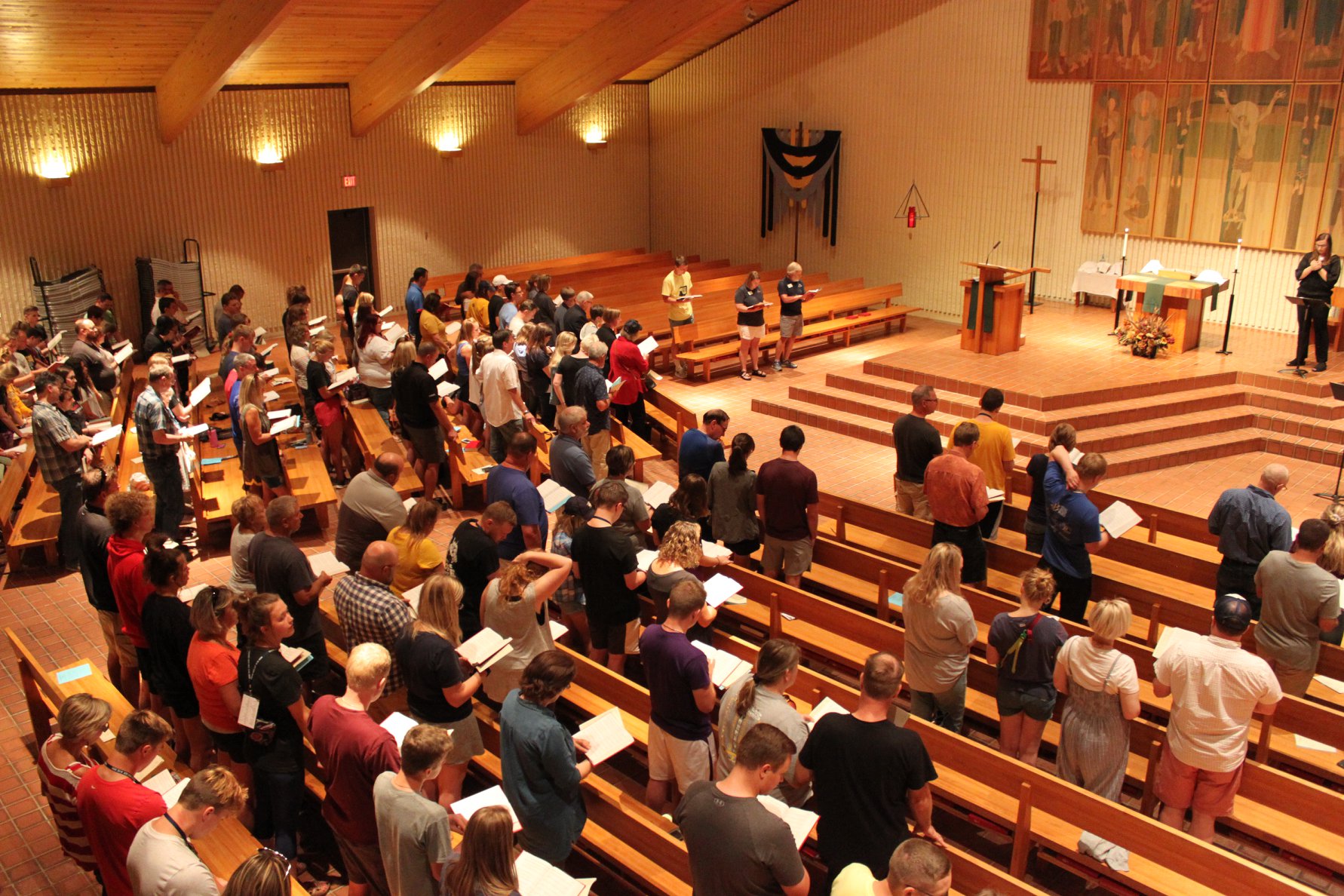
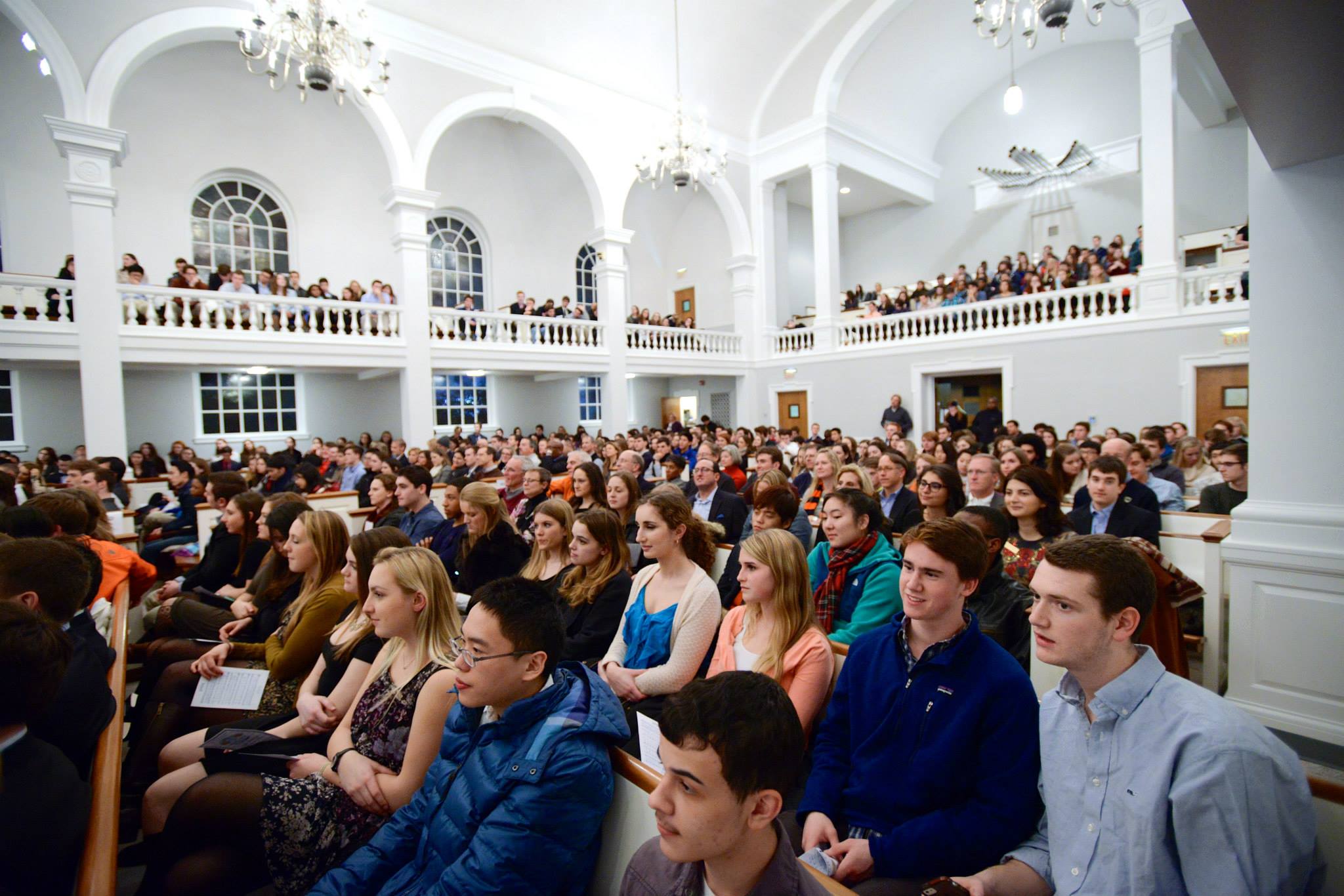
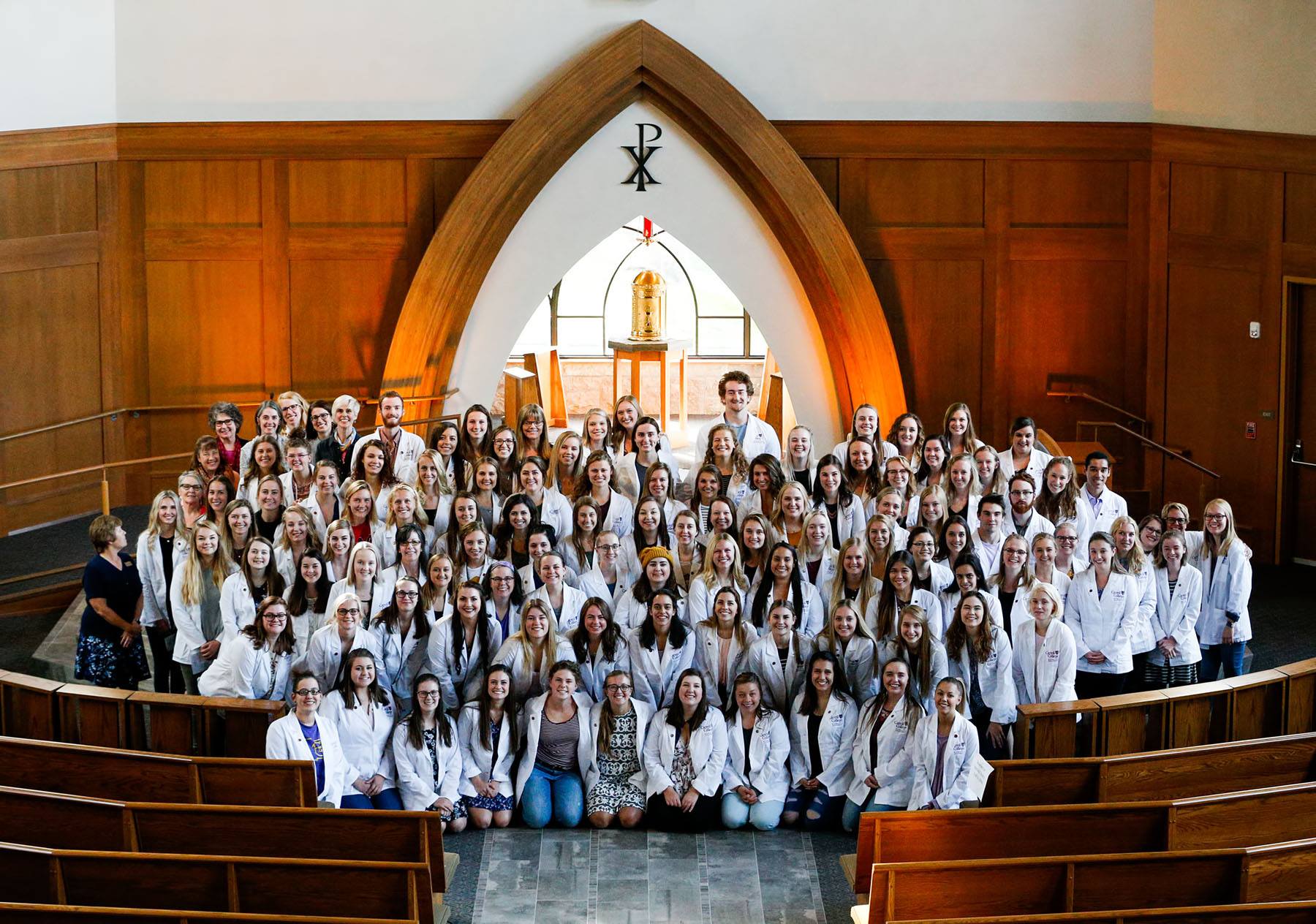
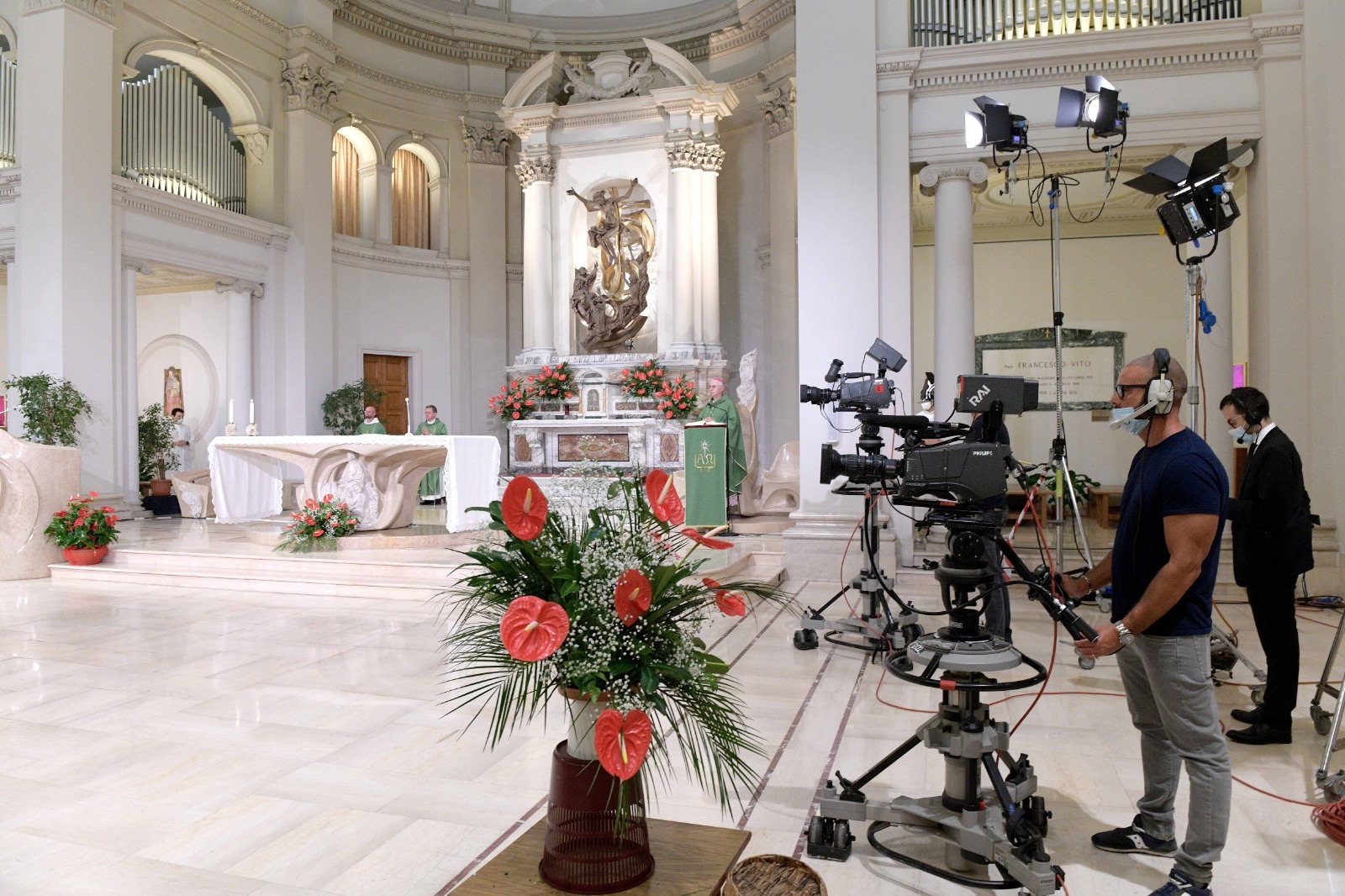
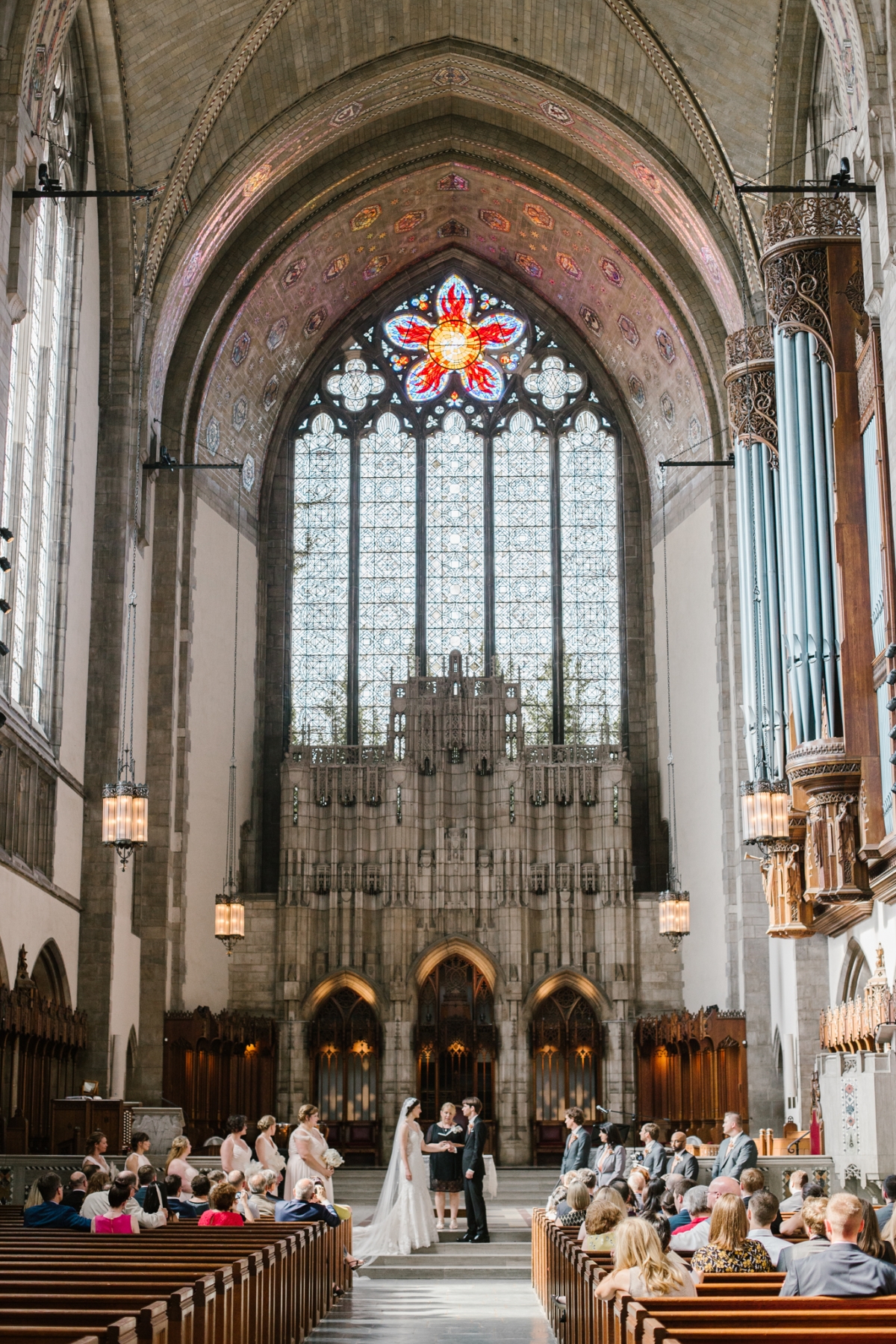
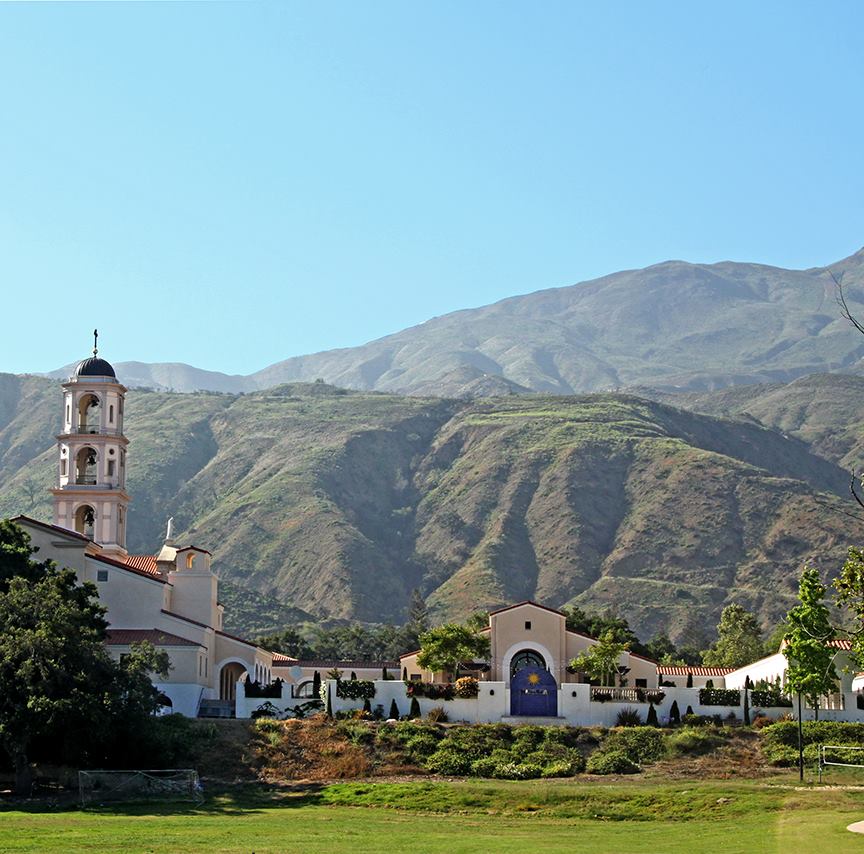
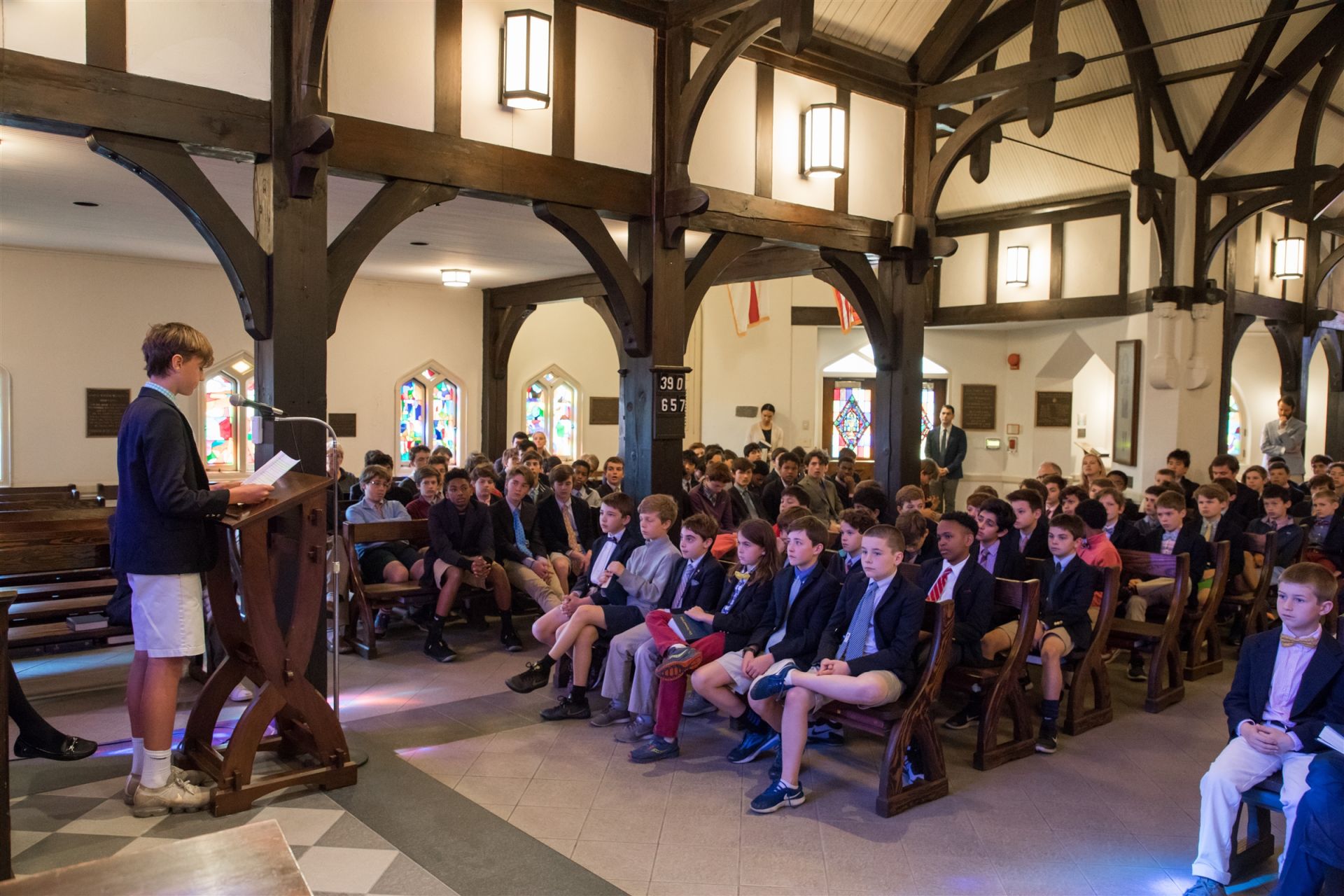
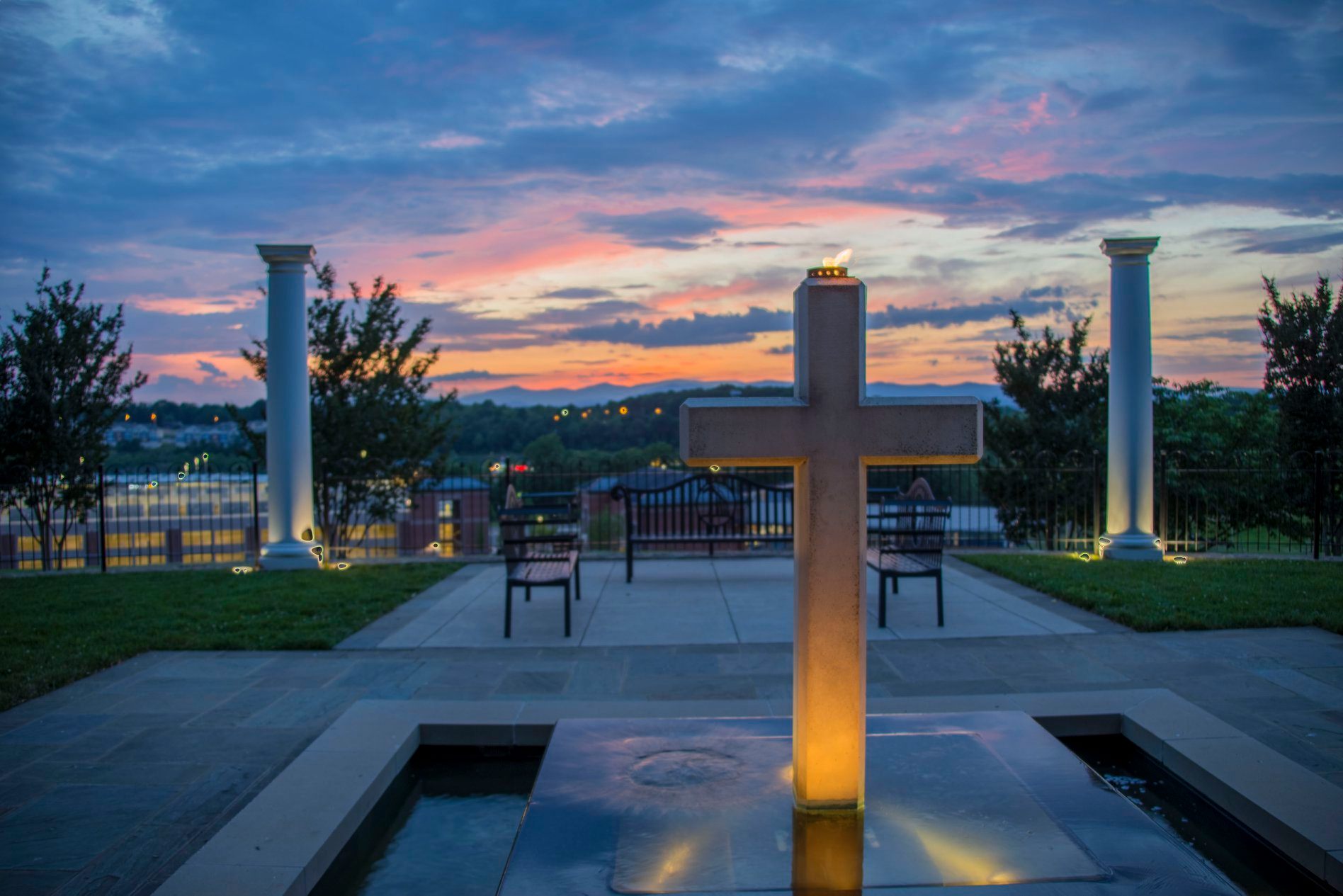
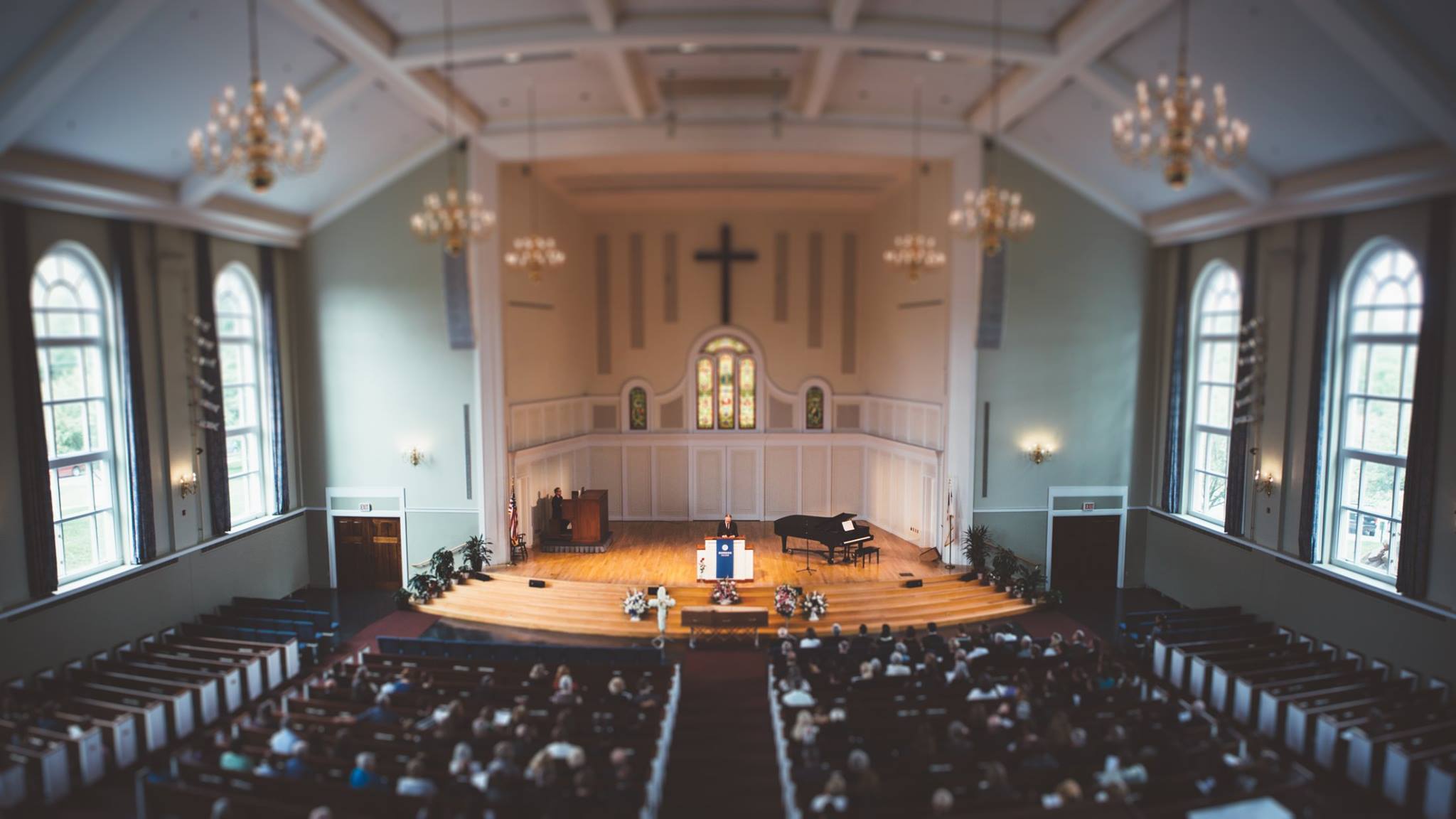
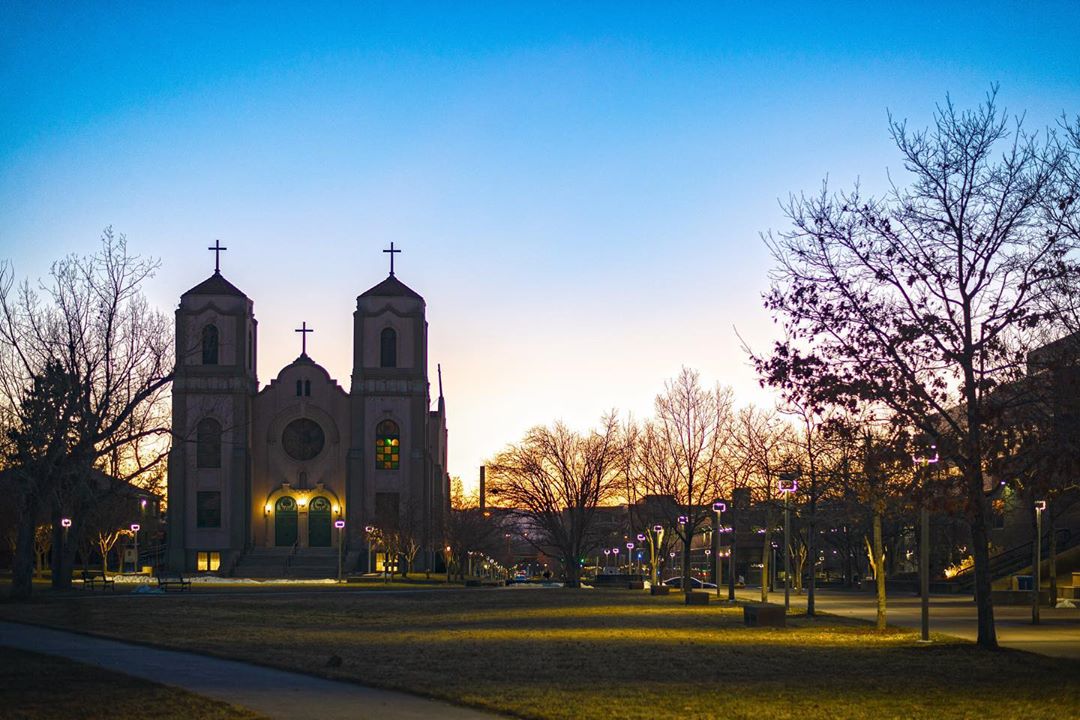
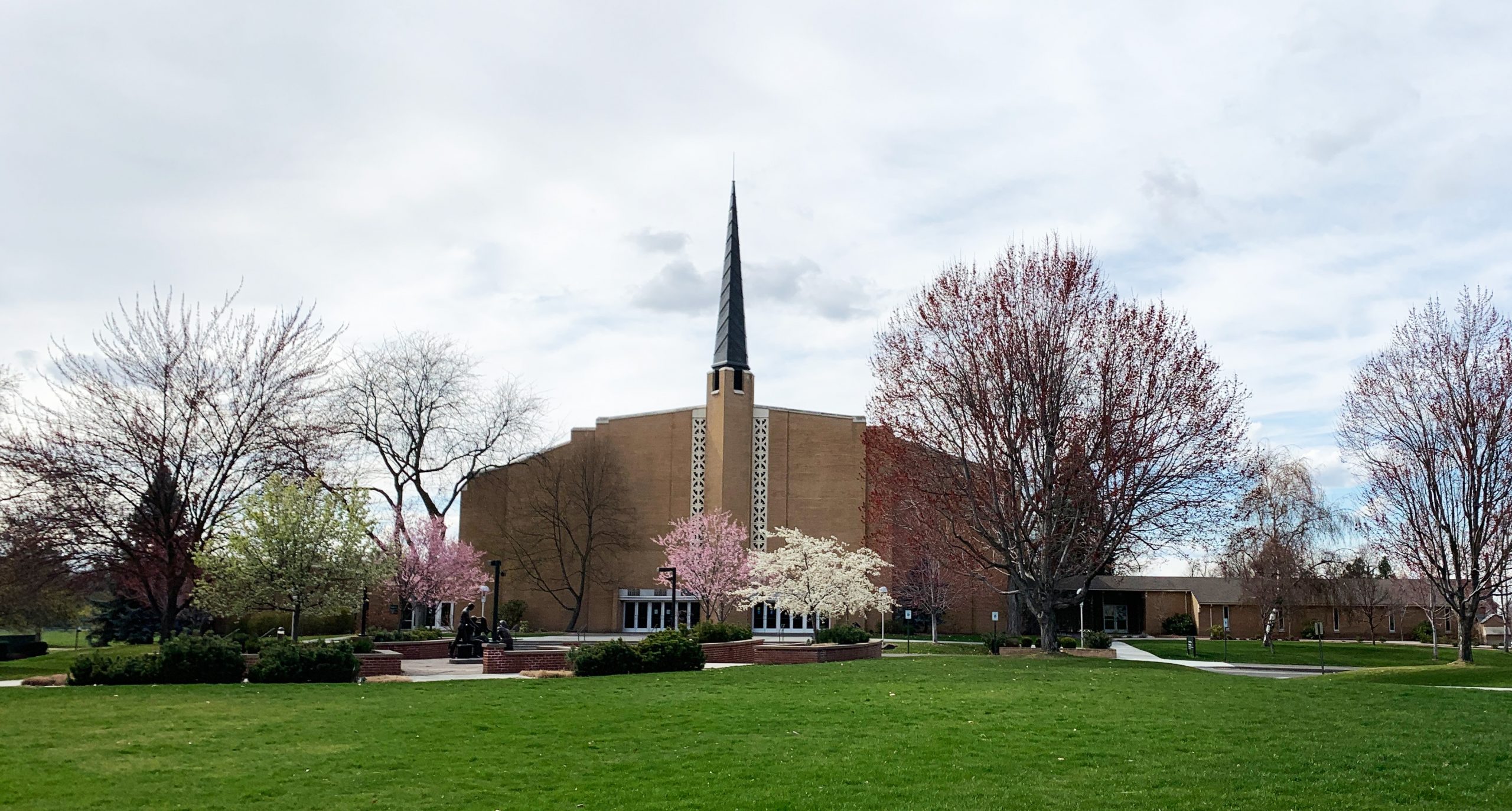
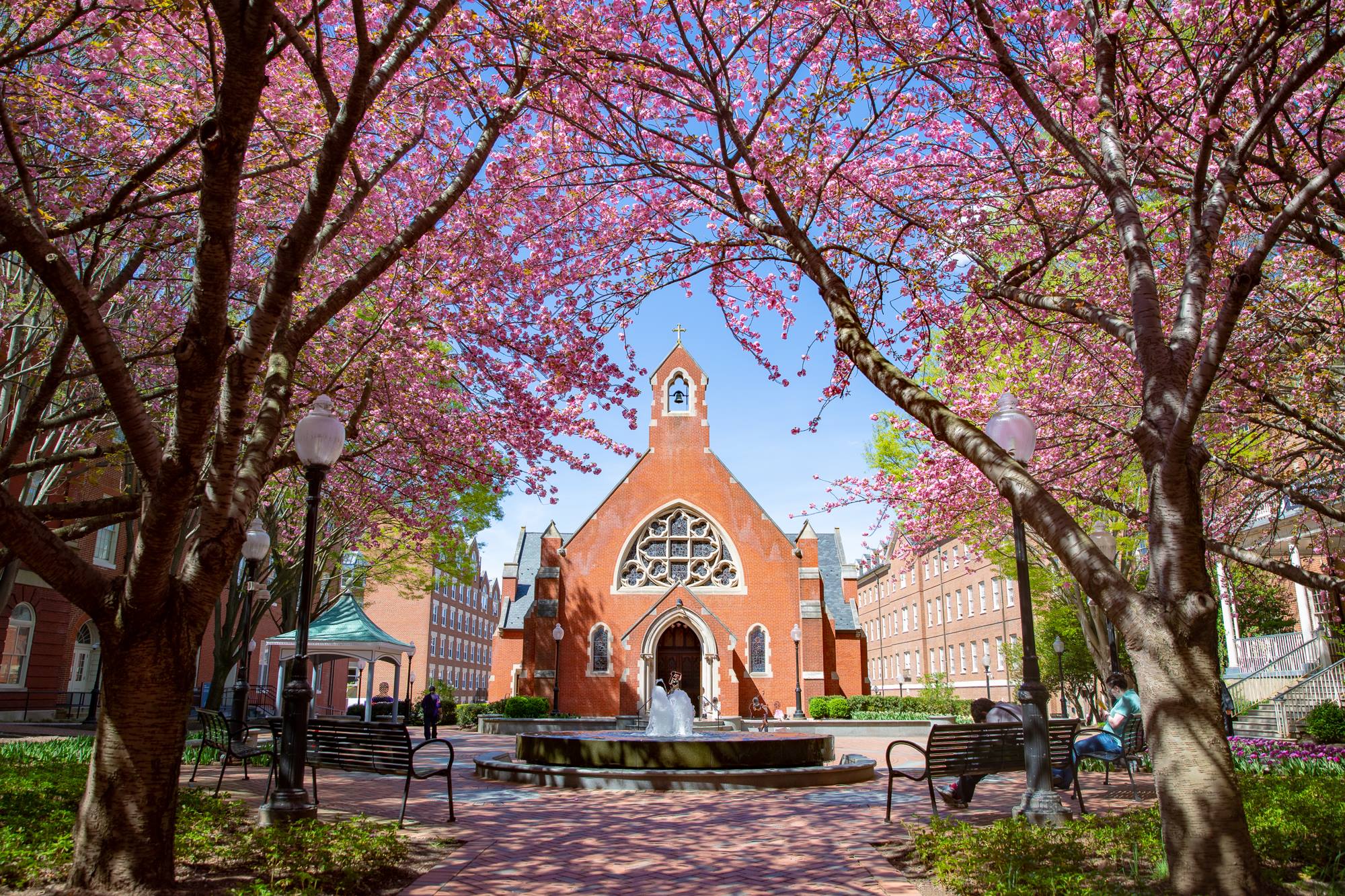
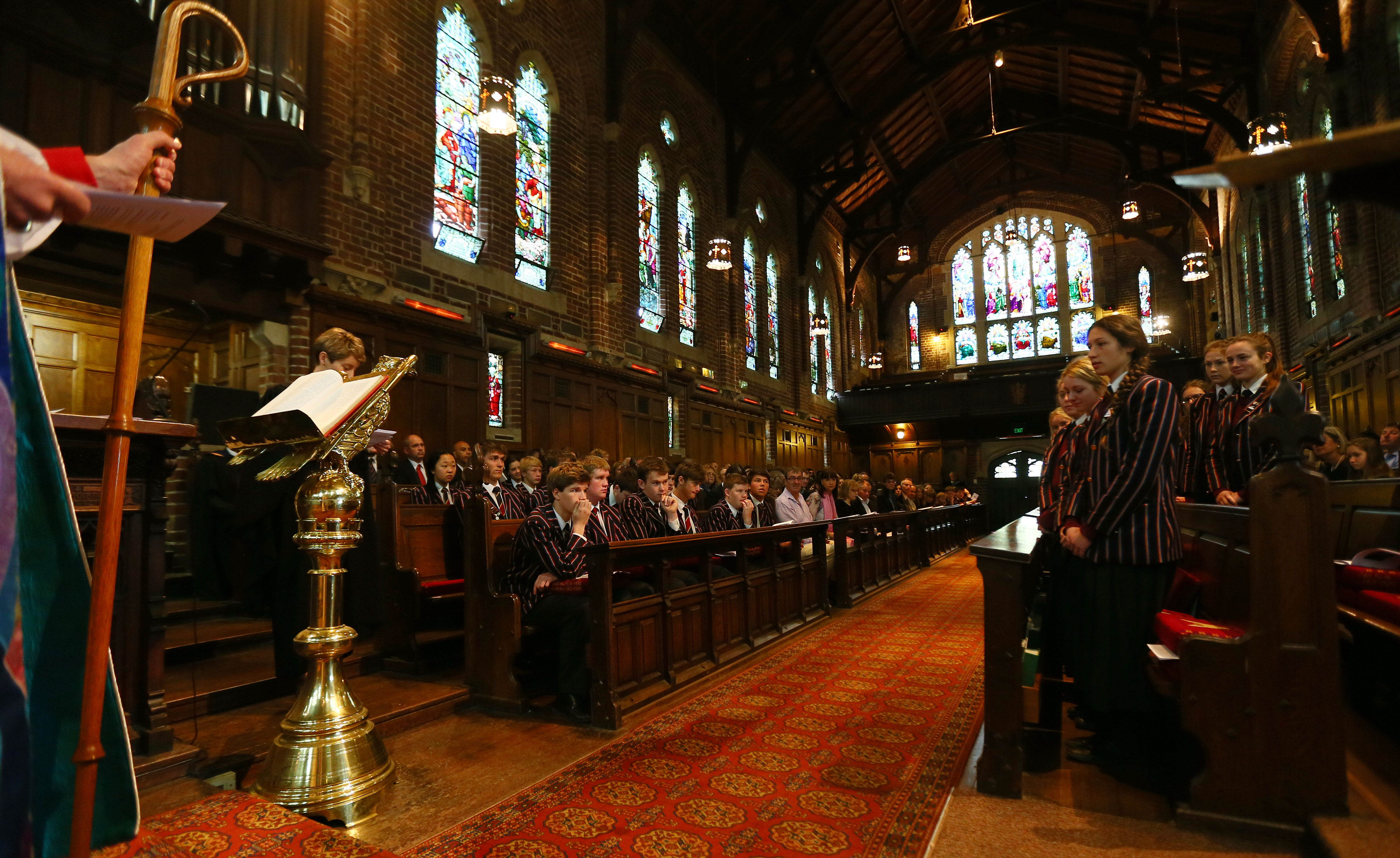
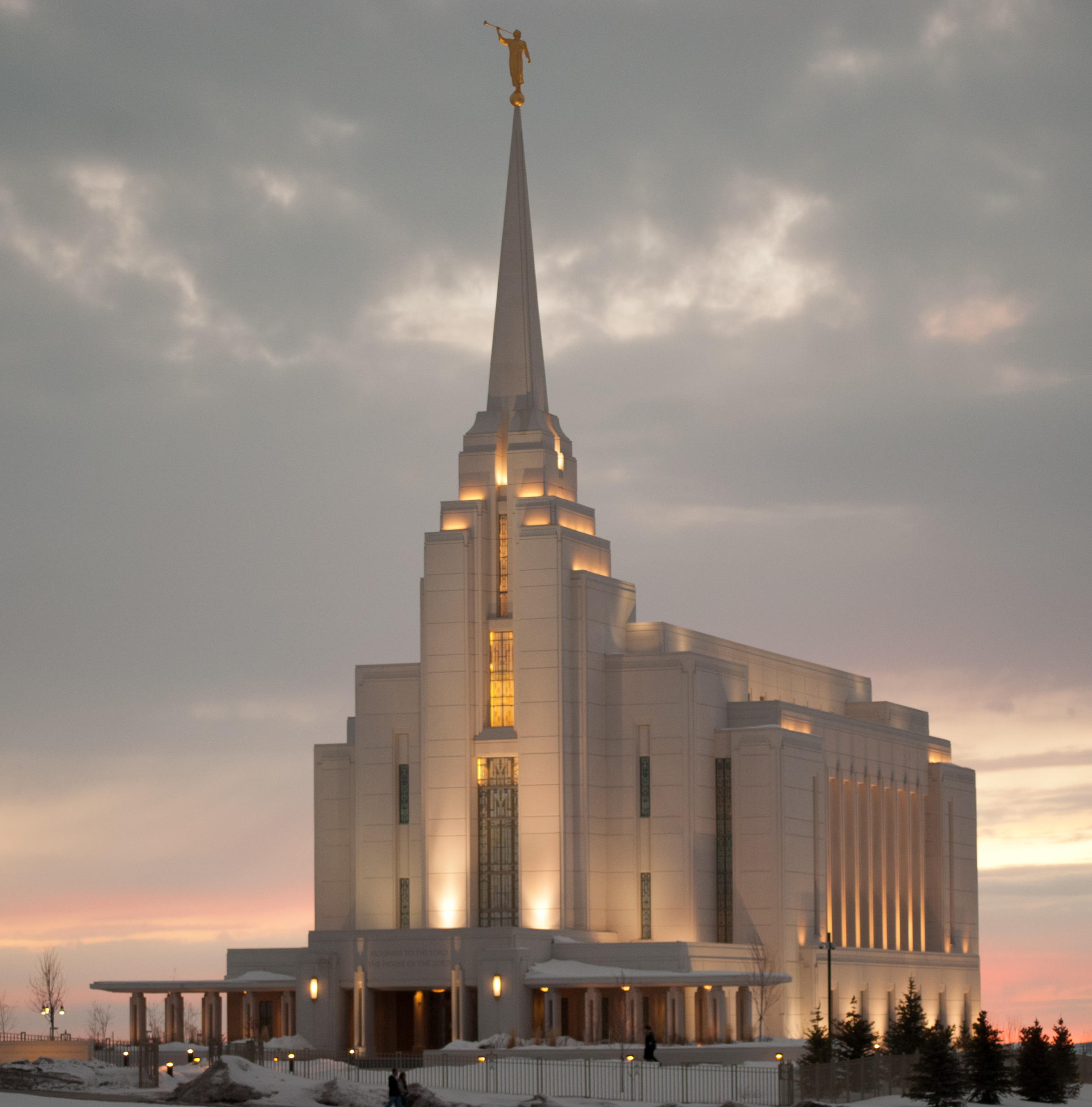
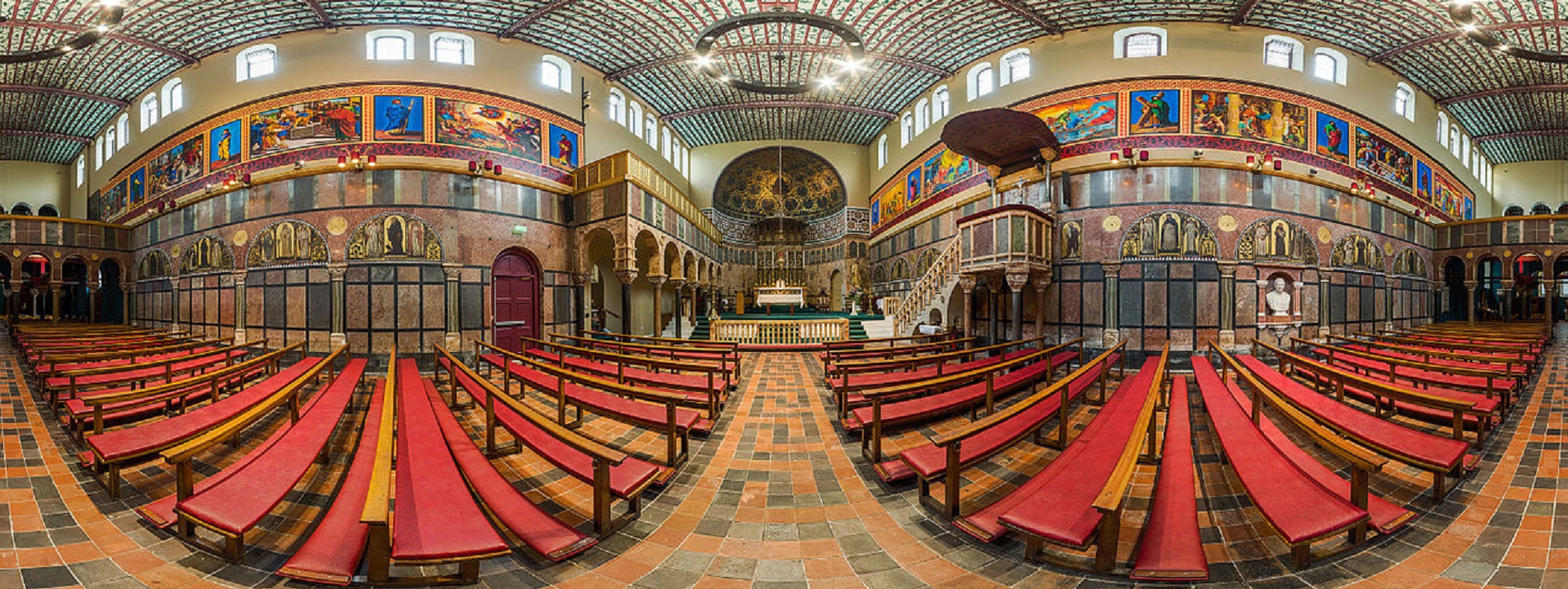
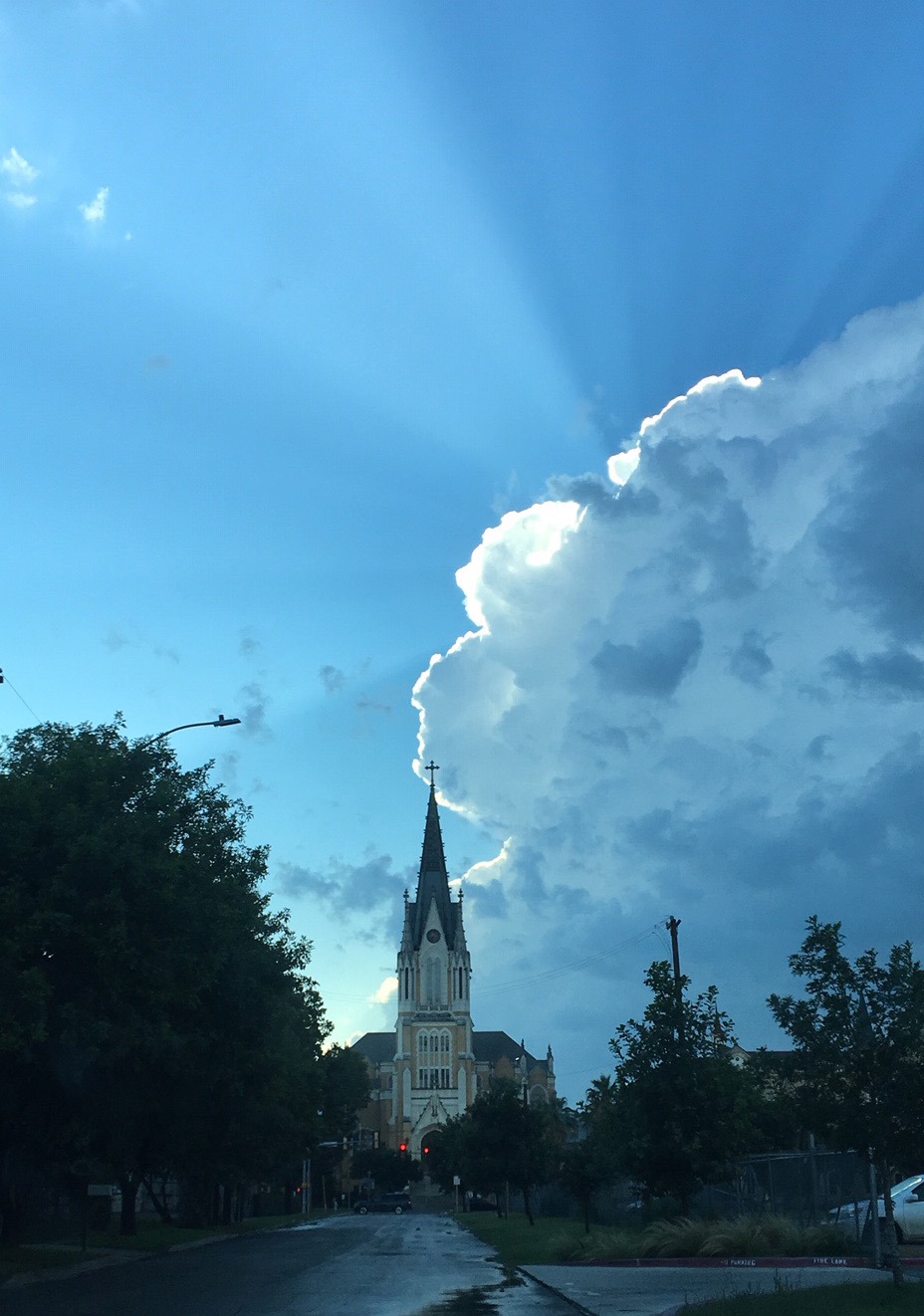
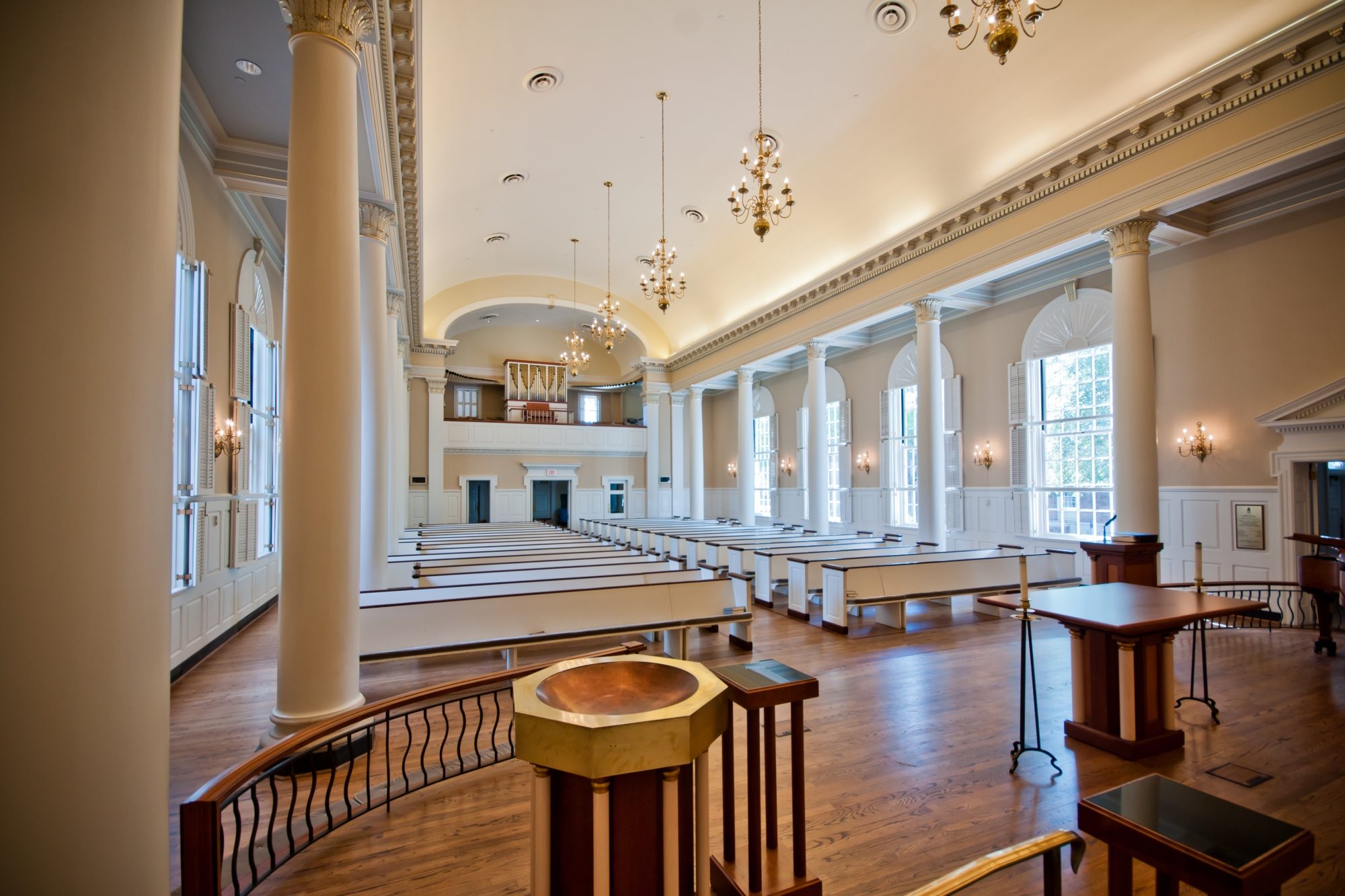
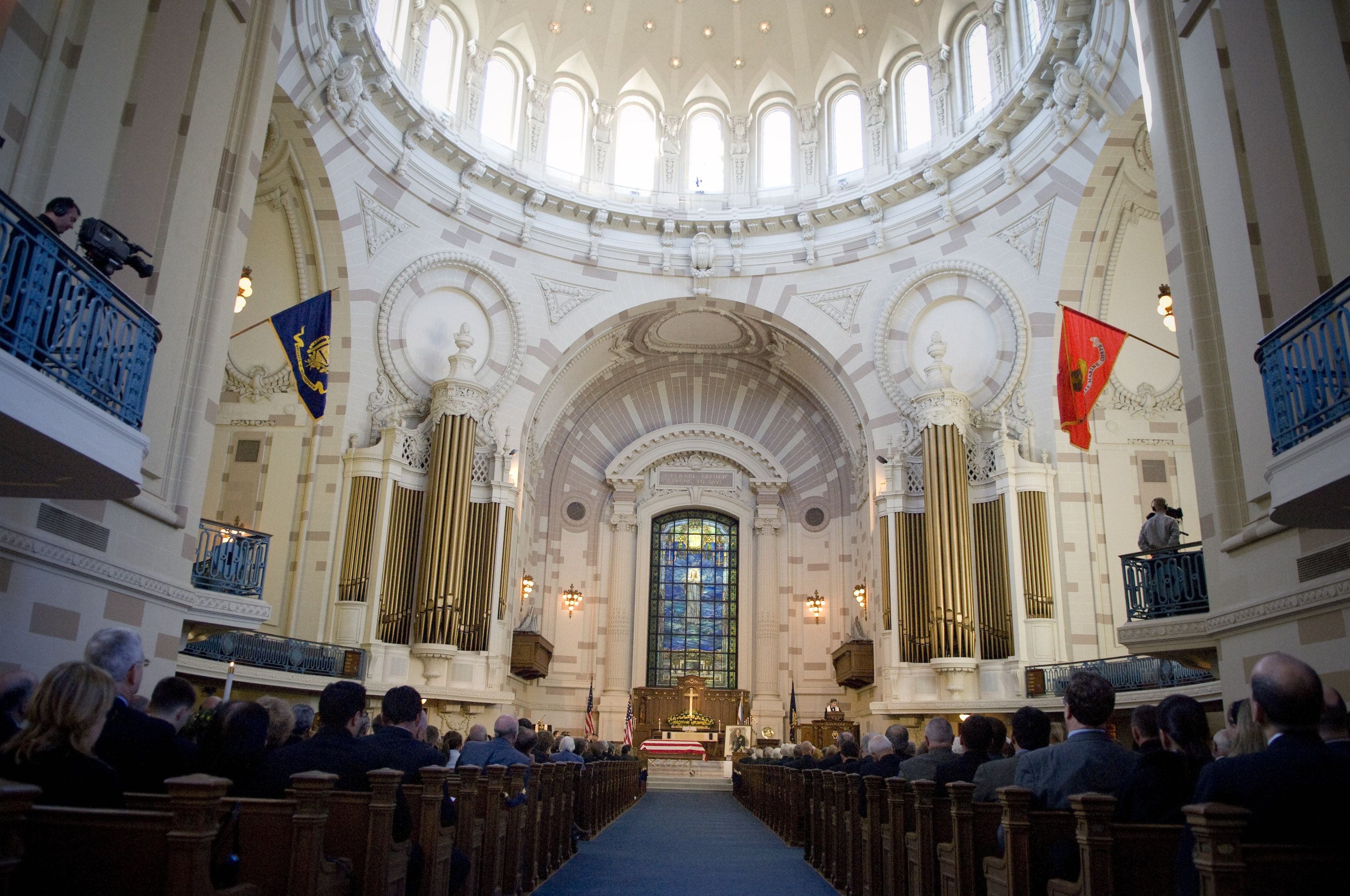
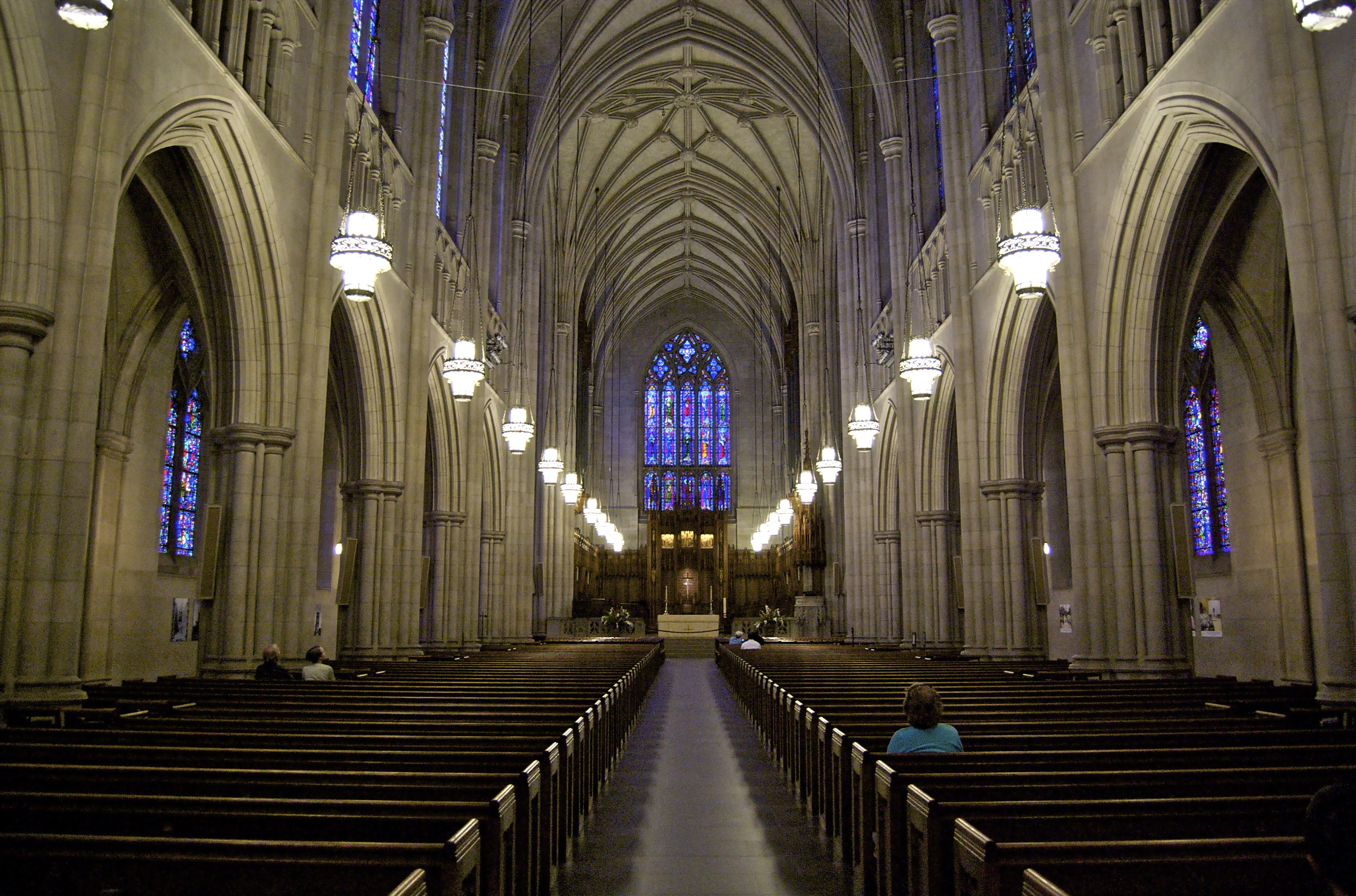
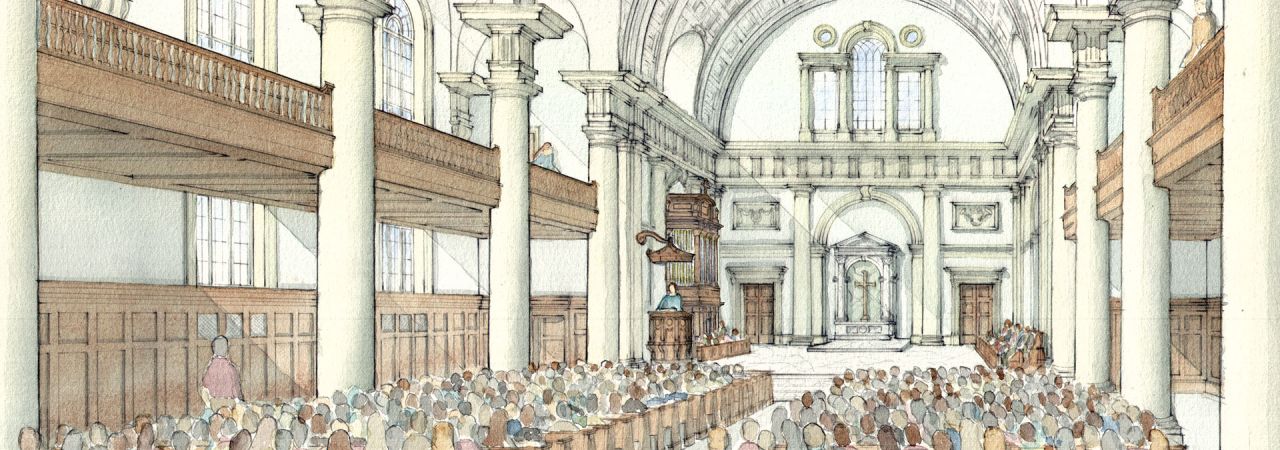
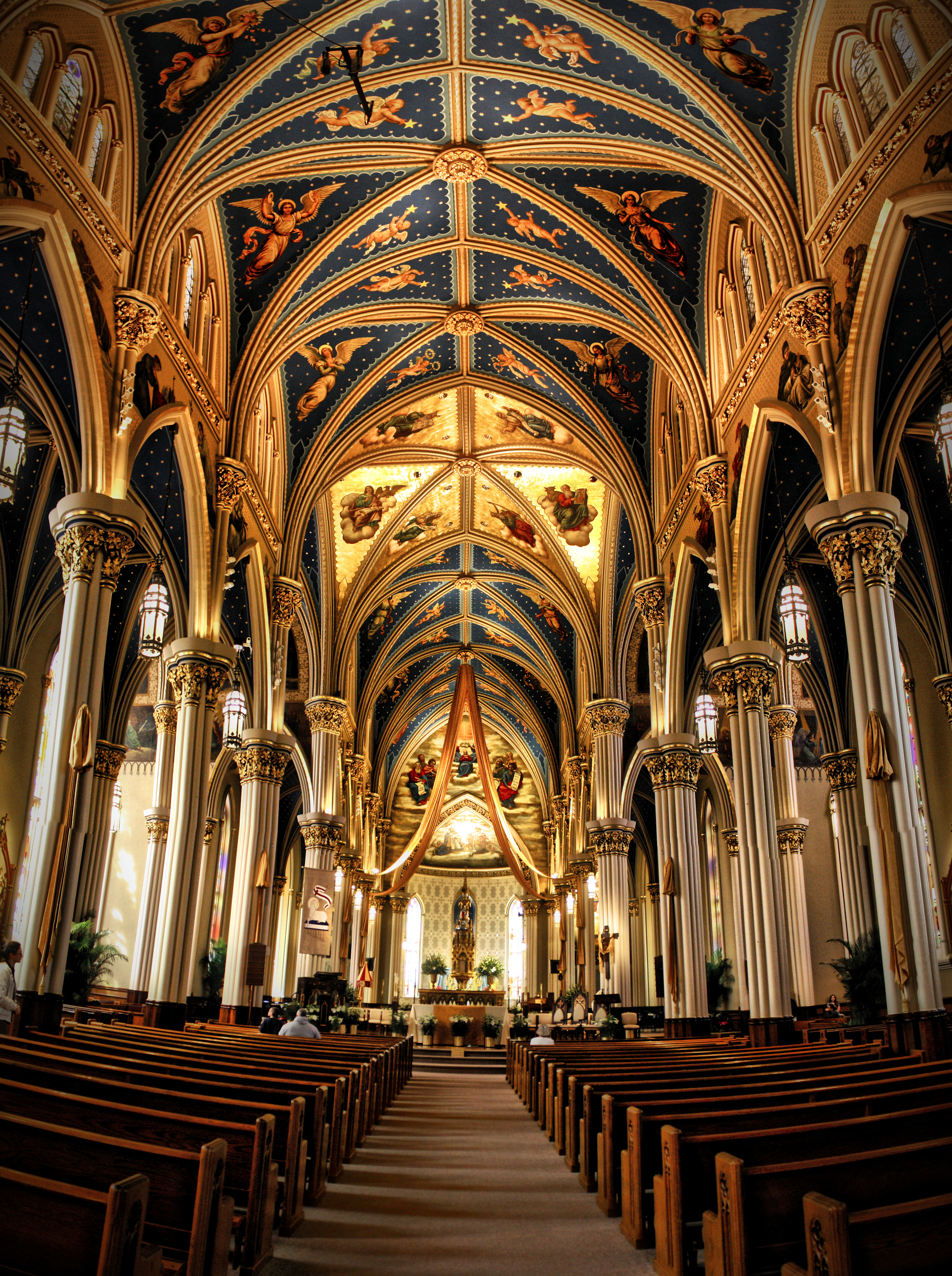
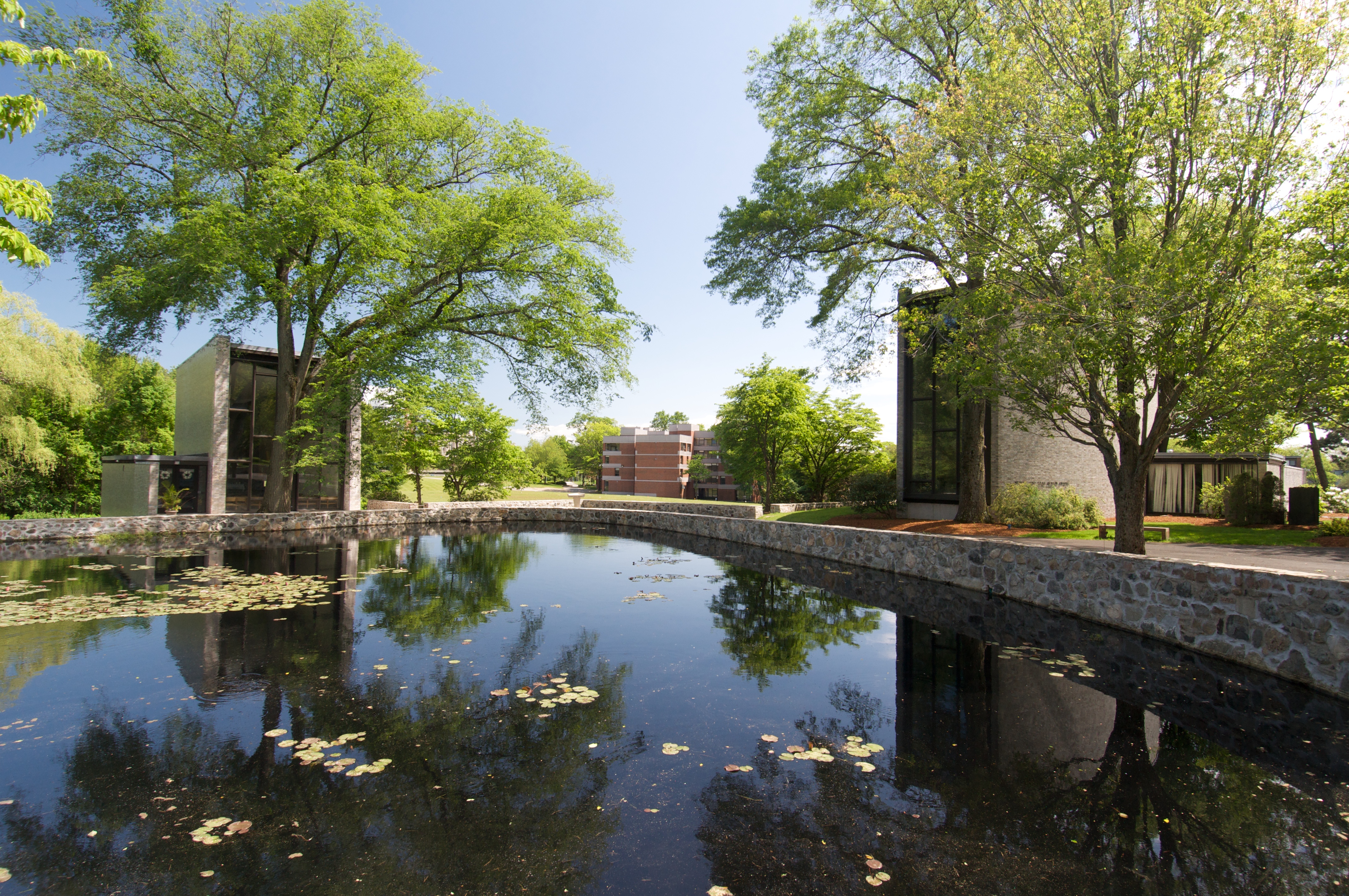
The image criteria of our WordPress theme does not permit many images of college and university chapels to be shown fully-dimensioned on sliders or widget galleries. We reproduce a few of the outsized images here and leave the complexities of financing, designing, building and maintaining of them in a safe and sustainable manner for another day. CLICK HERE for the links to our Sacred Space Standards workspace.
Click on any image for author attribution, photo credit or other information*.
The World Soil Museum hosts a range of educational programs and workshops for students, researchers, and other visitors who are interested in learning more about soil science. These programs cover topics such as soil classification, soil management, and soil conservation, and they are designed to help people understand the vital role that soils play in supporting agriculture, ecosystems, and human societies around the world.
In Federalist No. 2, John Jay [1764 Graduate of King’s College; now Columbia University] argues that a strong union under the Constitution will promote peace and prosperity, which are conducive to the spread of religion and morality:
“Providence has been pleased to give this one connected country to one united people—a people descended from the same ancestors, speaking the same language, professing the same religion, attached to the same principles of government, very similar in their manners and customs… These considerations, and many others that might be mentioned, prove, and experience confirms it, that artificial distinctions and separations of [America’s] land are essentially unnatural; and that they may be eradicated and extirpated by the united and advisable efforts of individuals and communities…”
The Federalist Papers discuss themes of morality, social order, and the importance of a cohesive society, they do not explicitly emphasize the importance of Christian faith to the American constitutional republic. The authors generally focused on principles of governance, political theory, and the structure of the proposed Constitution.
“The experience of the sacred is a universal phenomenon,
found in all human societies, however primitive or complex.”
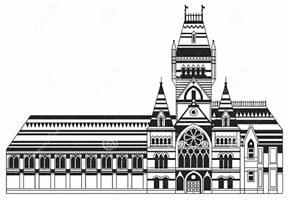
Harvard’s Memorial Chapel, also known as Memorial Church, was designed by the architectural firm Coolidge, Shepley, Bulfinch, and Abbott. The church was dedicated on Armistice Day, November 11, 1932, as a memorial to Harvard alumni who died in World War I.
John Harvard, the namesake of Harvard University, was a 17th-century English minister lived on campus from 1607 – 1638 and conformed to Puritan ideal of dedicating Sundays to worship, prayer, and rest.
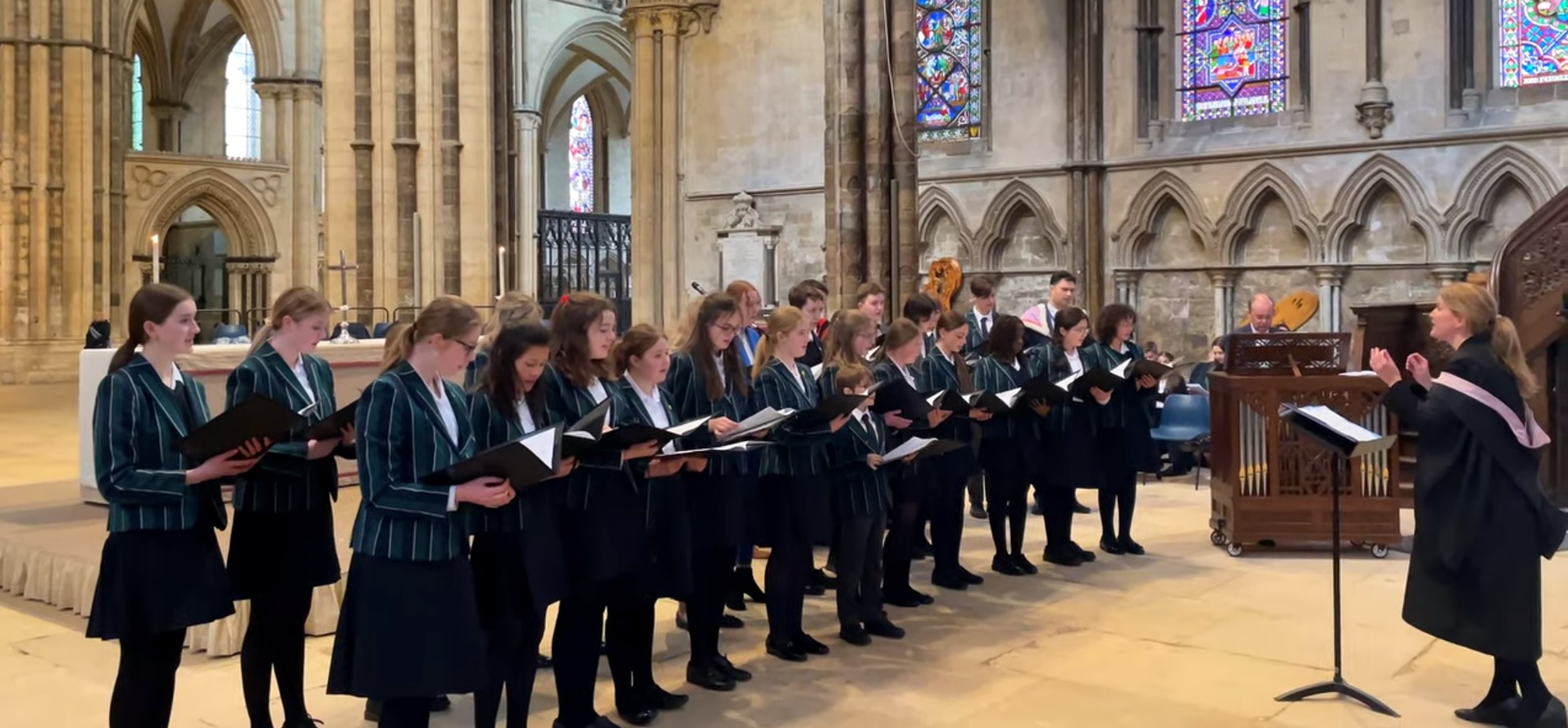
This hymn traces back to the 16th century; also known as “The Old Hundredth”. The hymn first appeared in the Anglo-Genevan Psalter, a collection of psalms and hymns used by English-speaking Protestant congregations in Geneva and later in England. The tune is credited to Louis Bourgeois, a French composer and music editor who collaborated on the Genevan Psalter. The psalter was influenced by the work of John Calvin and other Reformed theologians.
Observed the fourth Sunday of Lent, known as Laetare Sunday, a day when the strict fasting rules of Lent are traditionally relaxed. The name referred to the practice of returning to one’s “mother church”—the main church or cathedral of the region—for a special service. Over time, this evolved into a day when people, especially young servants and apprentices working away from home, were given time off to visit their families and attend their home parish church and sharing Simnel Cake.
New update alert! The 2022 update to the Trademark Assignment Dataset is now available online. Find 1.29 million trademark assignments, involving 2.28 million unique trademark properties issued by the USPTO between March 1952 and January 2023: https://t.co/njrDAbSpwBpic.twitter.com/GkAXrHoQ9T