“Patience is the companion of wisdom.”



“…The solar panels will populate the gothic chapel roof, producing an approximate 105,000 kWh of energy a year – enough to run the chapel’s electricity, and saving around £20,000 in energy bills per year. The college confirmed that any excess energy would be sold off to the national grid.
Solar Panels on King’s College Chapel Roof
Solar panels perform better when listening to music:
A 2013 study by researchers at Imperial College London and Queen Mary University of London showed that solar panels actually work better when exposed to music, of multiple genres. Scientists at the university proved that when exposed to high pitched sounds, like those found in rock and pop music, the solar cells’ power output increased by up to 40 percent. Classical music was also found to increase the solar cells’ energy production, but slightly less so than rock and pop, as it generally plays at a lower pitch than pop and rock. Whether they know it or not, British band Coldplay are just one of the artists benefitting from this research. During their 2021 tour, they installed solar photovoltaic panels in the build-up to each show, “behind the stage, around the stadium and where possible in the outer concourses”…
BS 7671 Requirements for Electrical Installations
The Major Differences in Electrical Standards Between the U.S. and Europe
Representative Calculation: (WAG)
To determine how much electrical power and lighting 12 kilowatts (kW) will provide for an educational facility, we need to consider the following factors:
We start with lighting.
Now we need to allocate power to other loads.
Breakdown:
Summary
The exact capacity will vary based on specific facility needs and equipment efficiency.
This is happening Thursday at Peterhouse:
13:00 – 13:30
Fellows Orientation
14:00 – 15:30
Session I: Scruton’s Aesthetics
A. O’Hear
F. Hörcher
A. Frost
16:00 – 17:00
Session II: Art and Modernity
C. Varry
J. Kolata
17:30 – 19:00
Keynote I: Beauty and the Sacred
D. Hedley
J. Orr pic.twitter.com/EYnWIbDwtl— Ferenc Hörcher (@HorcherF) September 13, 2023
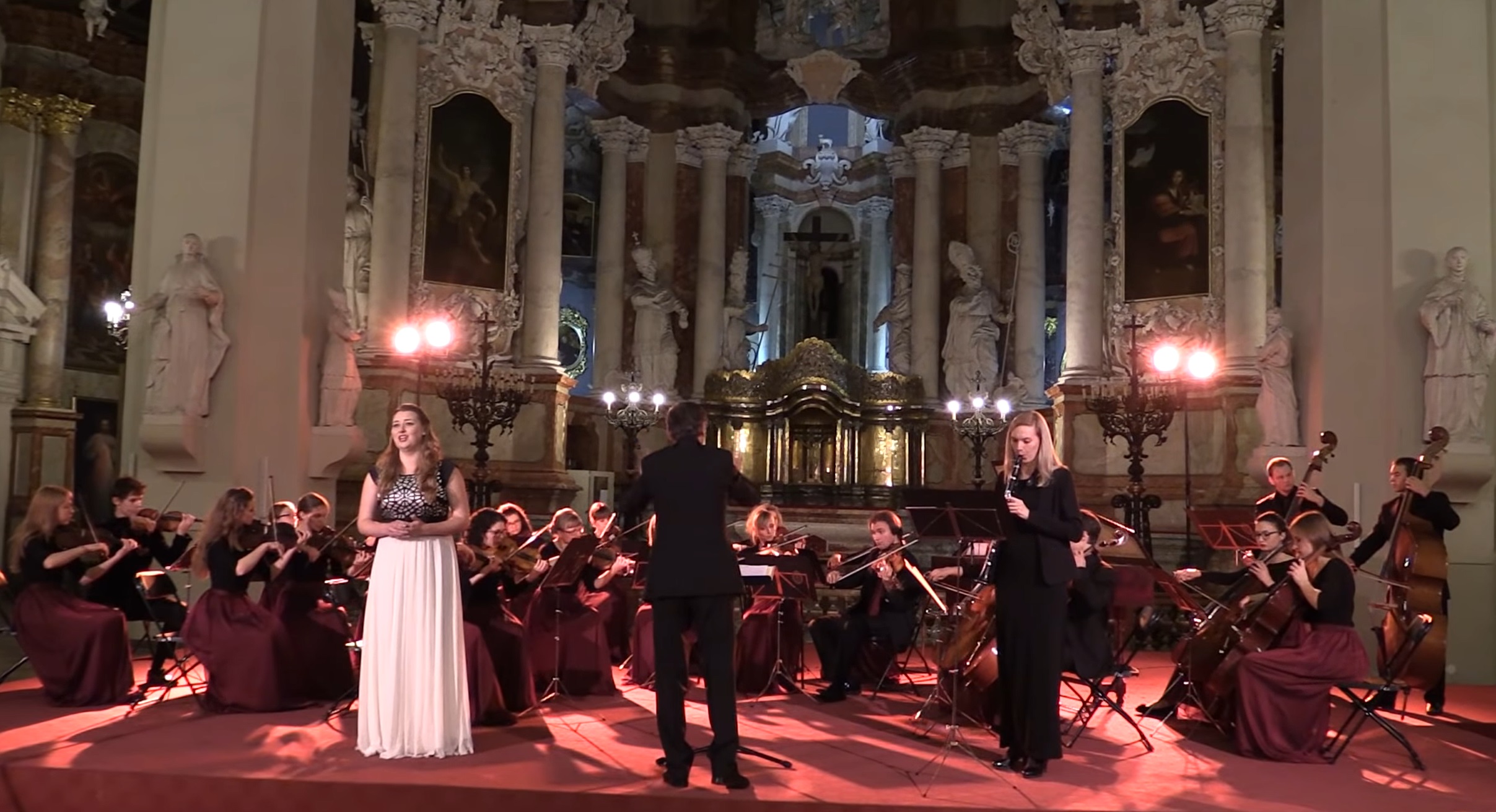
Abstract. Insights into the history and future of western civilization are found by applying information theory to the acoustical communication channel (ACC) of its worship spaces. Properties of the ACC have both influenced and reflected the choice of message coding (e.g., speech or music) at various times. Speech coding is efficient for acoustically dry ACCs, but hopeless for highly time-dispersive ACCs. Music coding is appropriate for time dispersive (reverberant) ACCs. The ACCs of synagogues, early Christian house churches, and many Protestant churches are relatively acoustically “dry” and thus well suited to spoken liturgies.
The spoken liturgy, dominant in synagogues, was carried over to early Christian churches, but became unworkable in Constantinian cathedrals and was largely replaced with a musical liturgy. After a millennium, the cathedral acoustic was altered to suit the doctrinal needs of reformation churches with its renewed emphasis on the spoken word. Worship forms continue to change, and the changes are reflected in the properties of the ACC. The pulpits of electronic churches may be evolving into radio and television performance spaces and naves into worshipers’ living rooms.
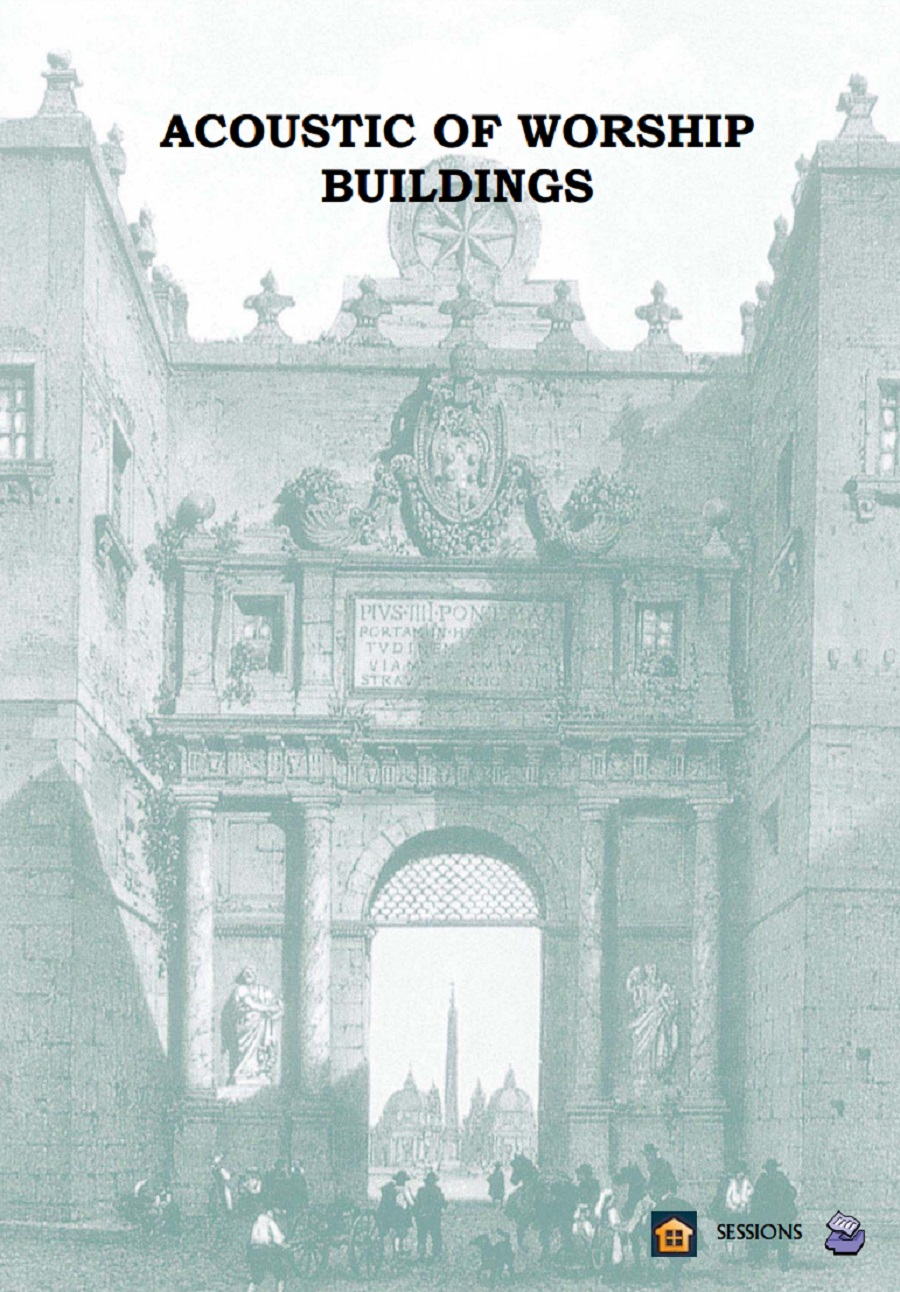
CLICK IMAGE

"Shenandoah" | King's College Choirhttps://t.co/VRpzzKPoKA@ChoirOfKingsCamhttps://t.co/1arQmfueQ0 pic.twitter.com/QcyPr56n52
— Standards Michigan (@StandardsMich) September 10, 2023
The Art of Harmony
“Music is often called a universal language.
Why can we listen to Mozart’s sonatas or Bach’s compositions a thousand times and still find joy?
Music’s layers of meaning are inexhaustible. Even centuries later, these masterpieces continue to teach us about… pic.twitter.com/Pq8SHCRpub
— Peterson Academy (@petersonacademy) November 23, 2024
Occupancy classification is a first principle in all International Code Council consensus products. Chapels and churches associated with educational institutions are grouped with all other “Places of Religious Worship” in Section 303.4 Assembly Group A-3. You may find the text of this section in the current 2024 edition in the link below:
2024 International Building Code | Section 303 | Assembly Group A
For the next few weeks we will sort through issues appearing in the transcript below:
2025 Group B Committee Action Agenda (2630 Pages)
Recent incidents in the tragic city of Minneapolis inspire revisiting the standards of care listed below:
Targeted Violence and Active Shooters: Incidents like mass shootings have increased, with 54% of attacks on U.S. houses of worship involving armed assaults, often motivated by religious or racial hatred (67% of cases). Comprehensive emergency plans and training are critical.
Vandalism and Arson: These are common, with over 400 attacks on U.S. churches since 2020, including property damage and desecration. Surveillance cameras and regular security audits can deter such acts.
Theft: Donation boxes, religious artifacts, and personal belongings are frequent targets. Access control and monitoring valuables reduce risks.
Cybersecurity Threats: Houses of worship are vulnerable to hacking, ransomware, and data breaches, especially as they rely on digital platforms. Implementing cybersecurity best practices is essential.
Internal Threats: Risks from disgruntled employees or volunteers, including theft or fraud, necessitate thorough background checks and clear protocols for handling sensitive information.
Proactive measures like risk assessments, security teams, and collaboration with law enforcement can mitigate these threats while maintaining a welcoming environment
Related:
Why is the State of Minnesota such a hot mess?
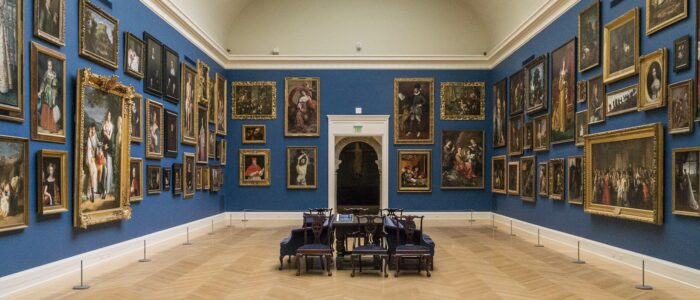
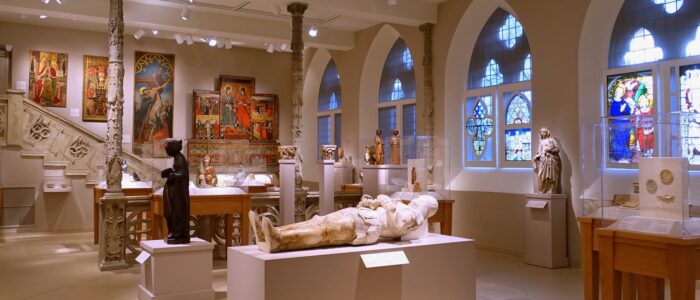
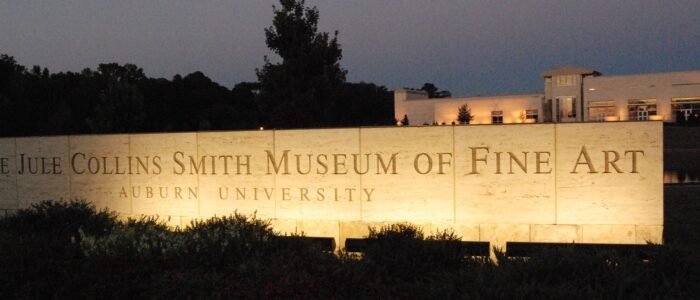
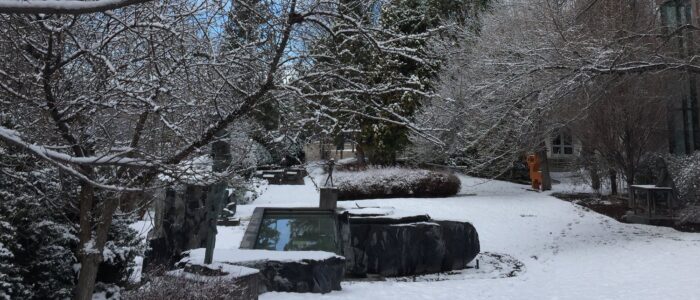
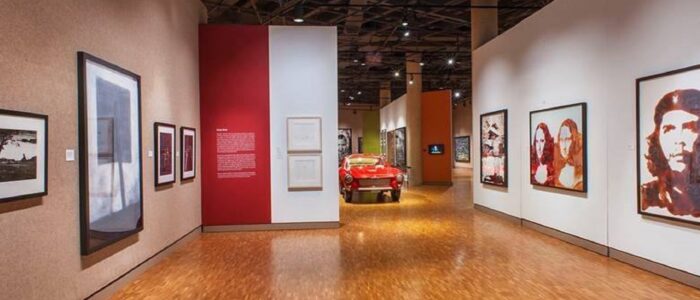
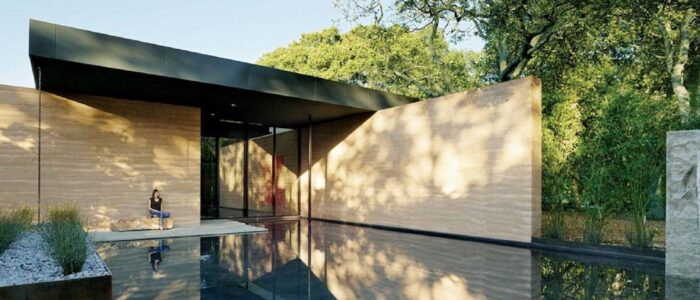
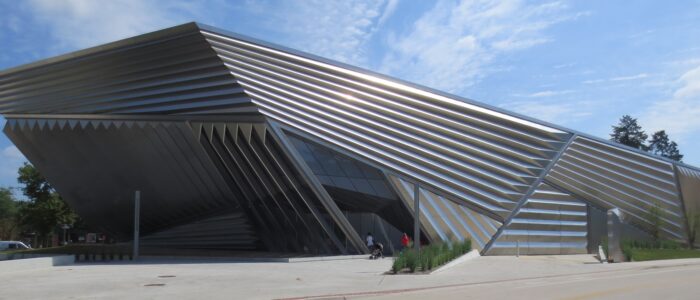
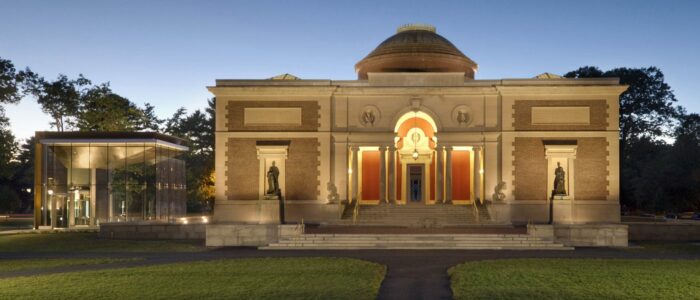
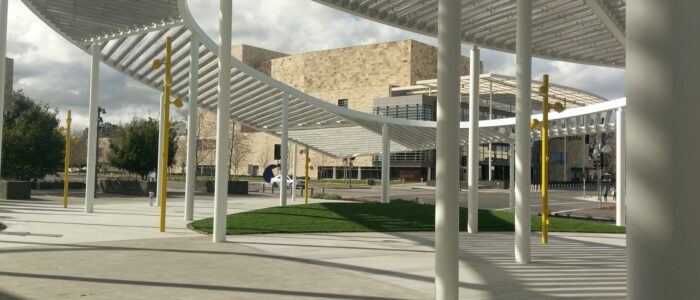
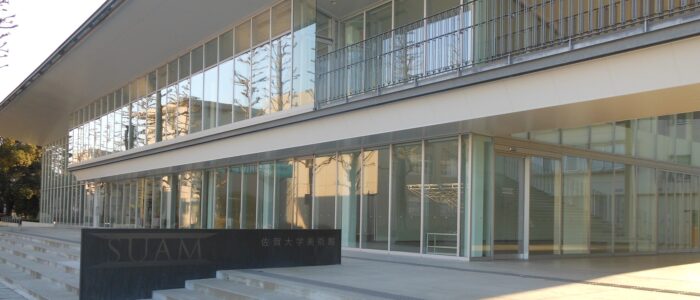
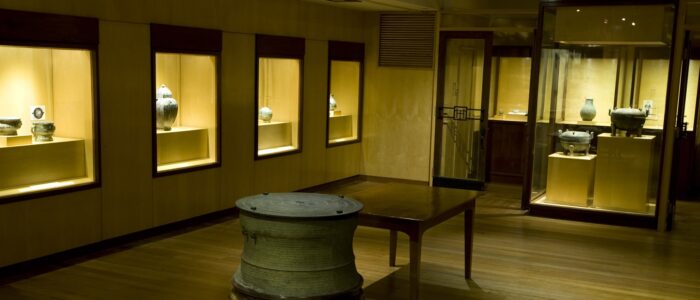
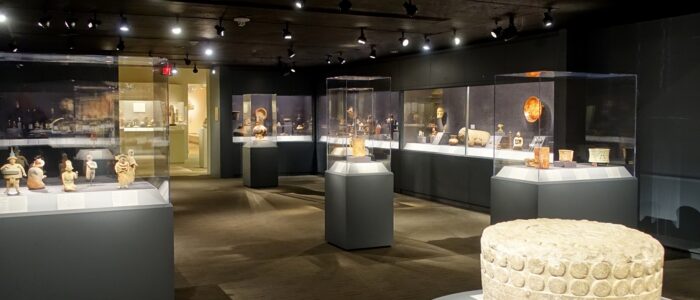
“We have art in order not to perish from the Truth”
— Friedrich Nietzsche
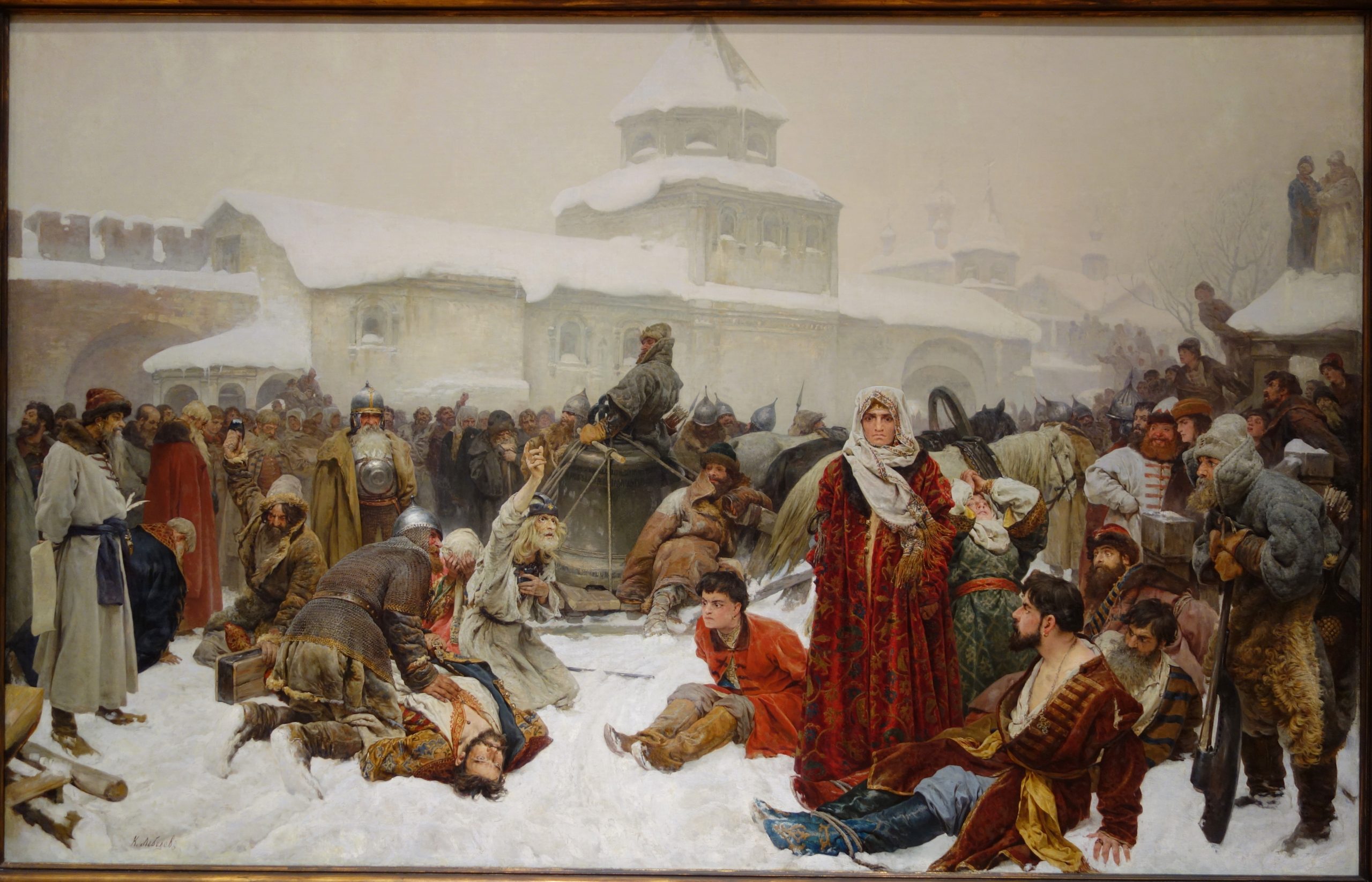
We occasionally break from our focus on the technology and management of these “cities-within-cities” and dwell briefly on the primary business of the academy. Academic museums and galleries provide a setting for conveying inherited wisdom to the next generation of cultural leaders. We include in this gallery examples of architectural art of the buildings themselves. Click on images for more artist and location credit. Technical information about safety and sustainability of this facility class appears at the bottom of this page.
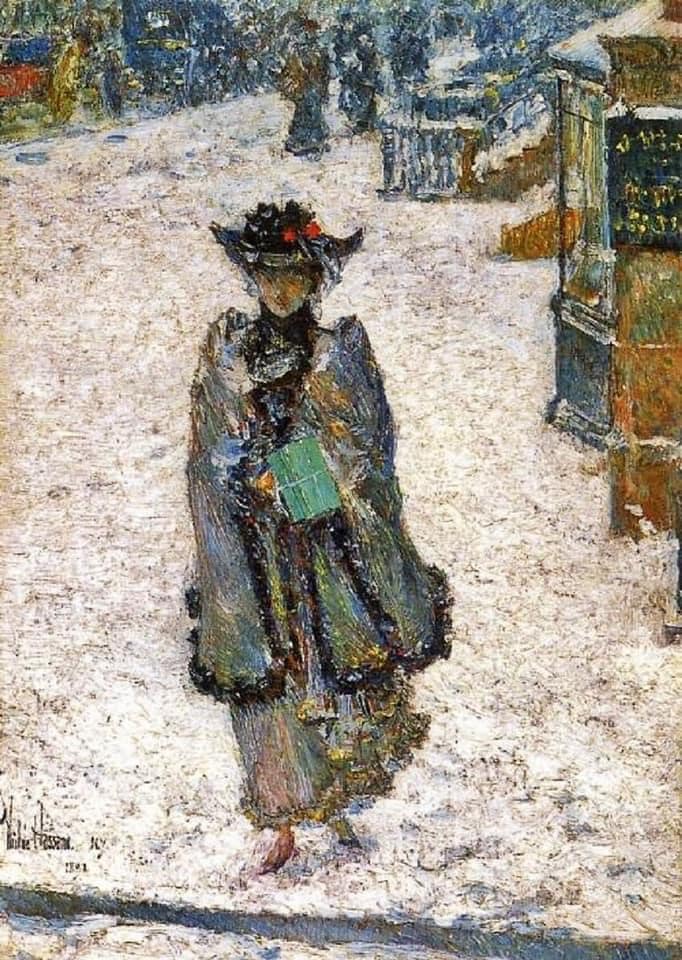
“Street Scene, Christmas Morning” 1982 Frederick Childe Hassam | Smith College Museum of Art
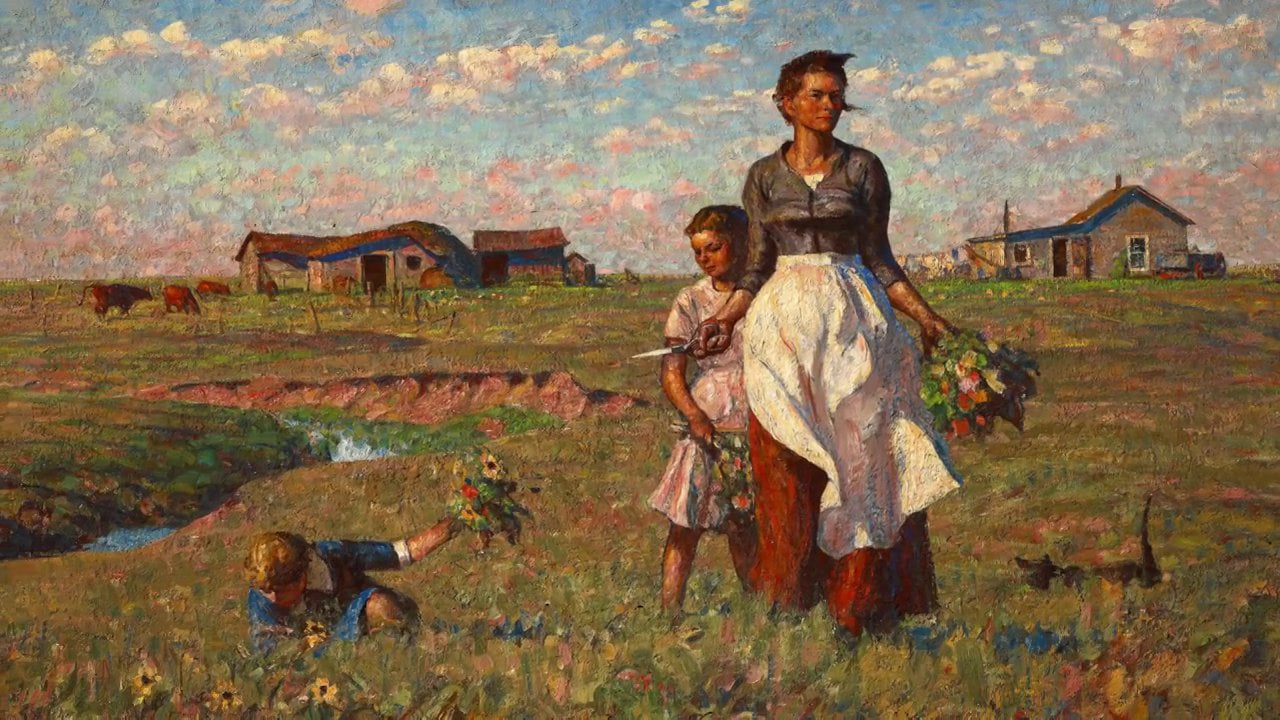
“The Prairie is My Garden” | Harvey Dunn (1884-1952) | South Dakota State University Art Museum
_-_Google_Art_Project.jpg)
“La Débâcle or Les Glaçons” (1880) | Claude Monet | University of Michigan Museum of Art
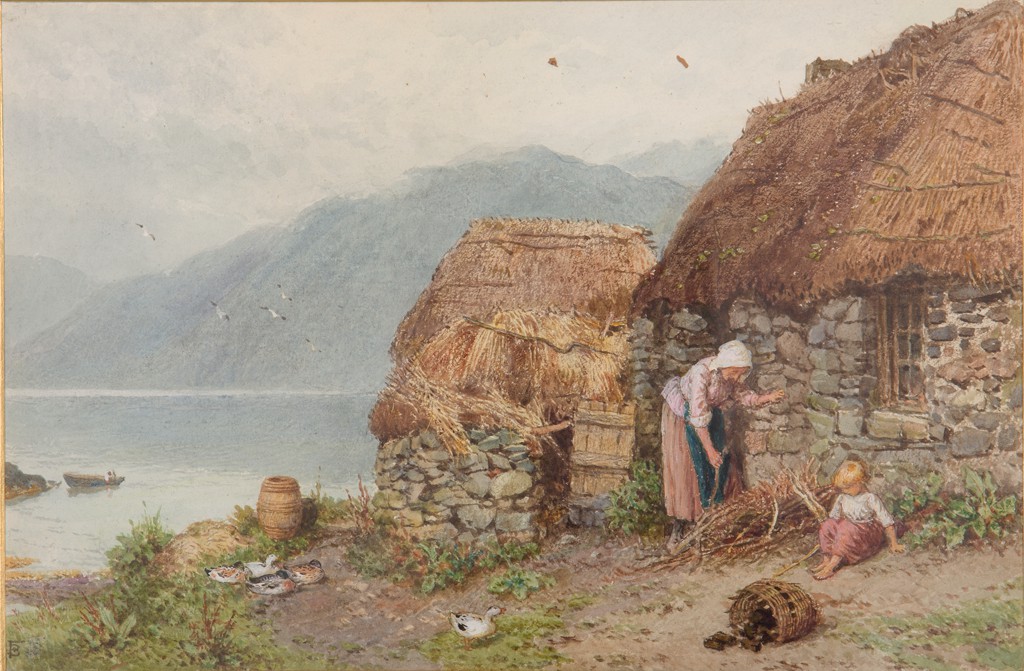
Harvard University Art Museum | “Thatched-Roof Cottage by a Lake” | Myles Birket Foster (1825 – 1899)
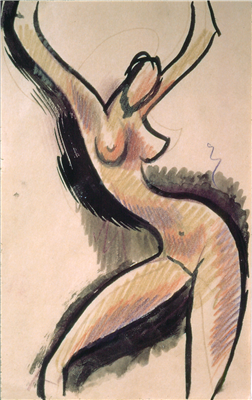
“Dancer” c. 1923 José Miguel Covarrubias Duclaud | Museum of Art & Archeology University of Missouri

Brigham University Museum of Art | “Crossing the Mississippi on the Ice” | C.C.A. Christensen (1878)
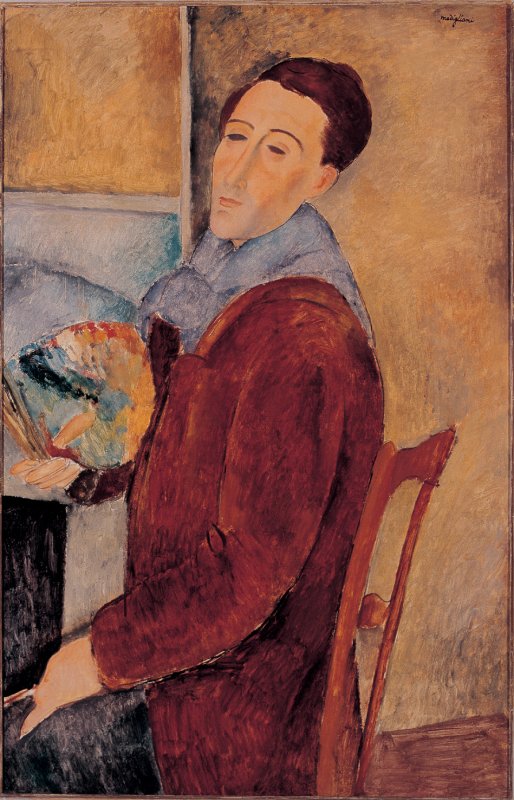
Self-portrait, 1919 Amedeo Modigliani /Museu de Arte Contemporânea da Universidade de São Paulo
.jpg)
Princeton University Art Museum | “Shinnecock, Long Island” | William Merritt Chase (1896)

Georgetown University Museum of Art | “Fujiyama from Kawaibashi, at Tokaido” (circa 1880) | Kusakabe Kimbei
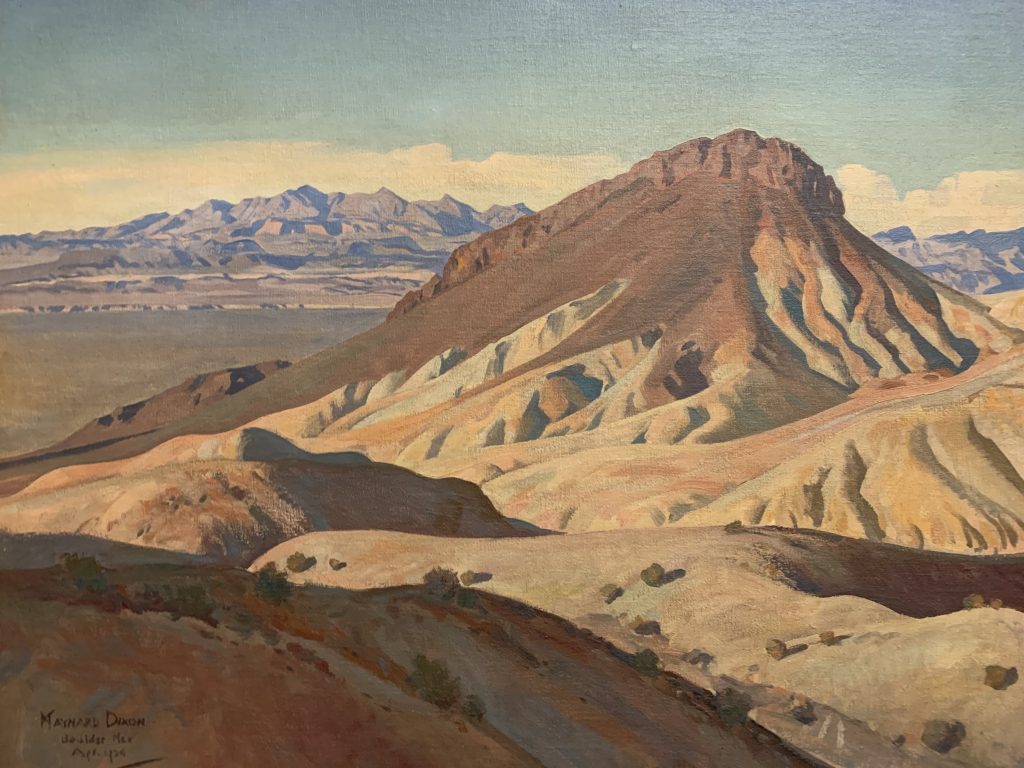
“Volcanic Cones” 1934 Maynard Dixon | Brigham Young University

University of Virginia Museum of Art | “The Natural Bridge, Virginia” | Frederic Edwin Church (1852)
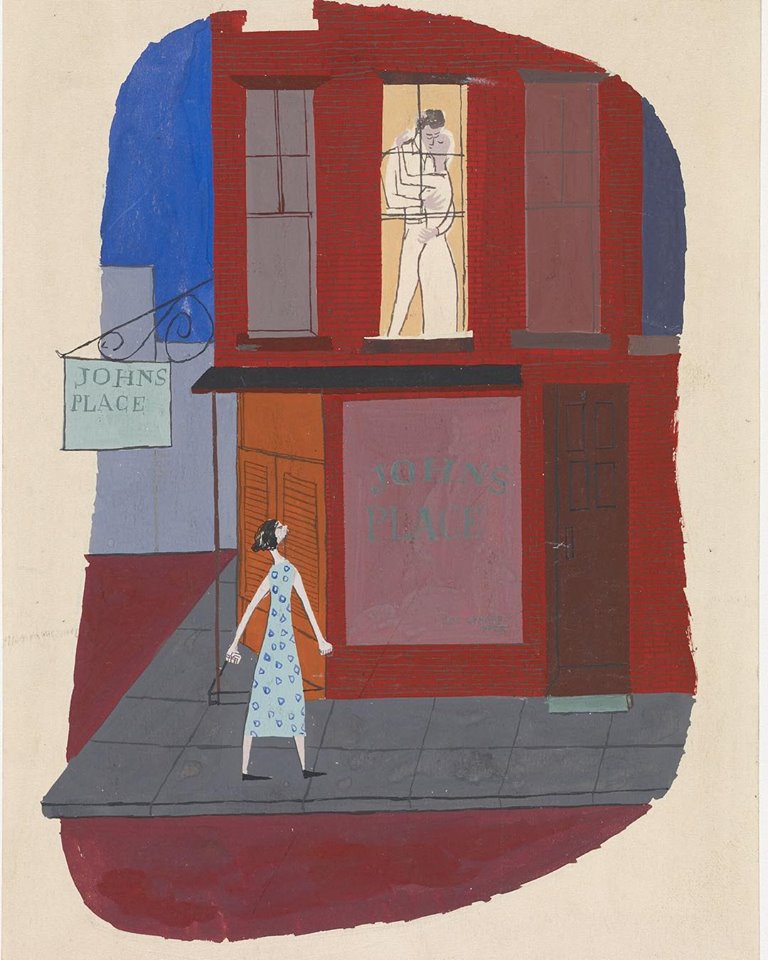
Colby College Museum of Art | “Frankie and Johnny” | Alex Katz (1948-1949)
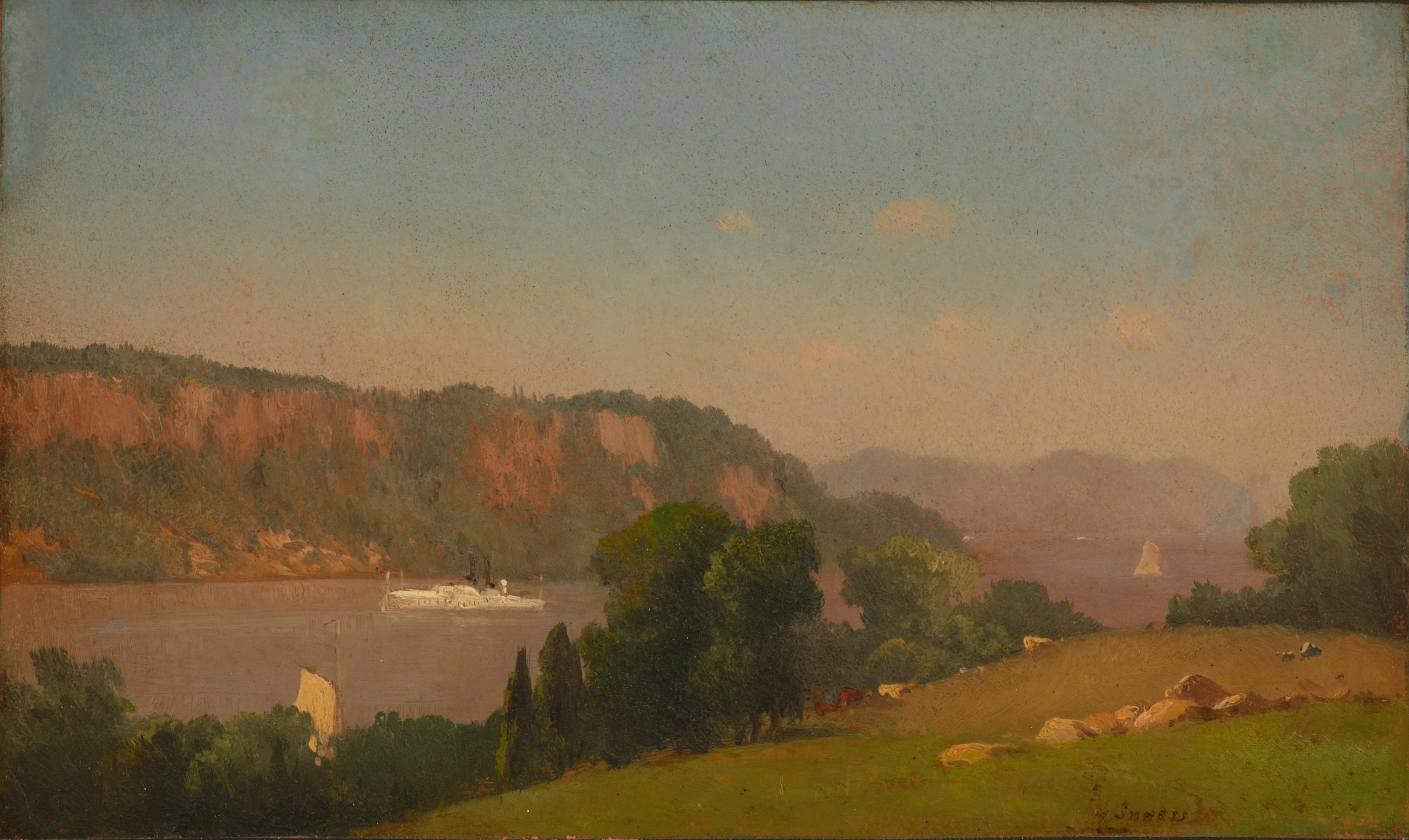
Bowdoin College Museum of Art | View on the Hudson | George Inness
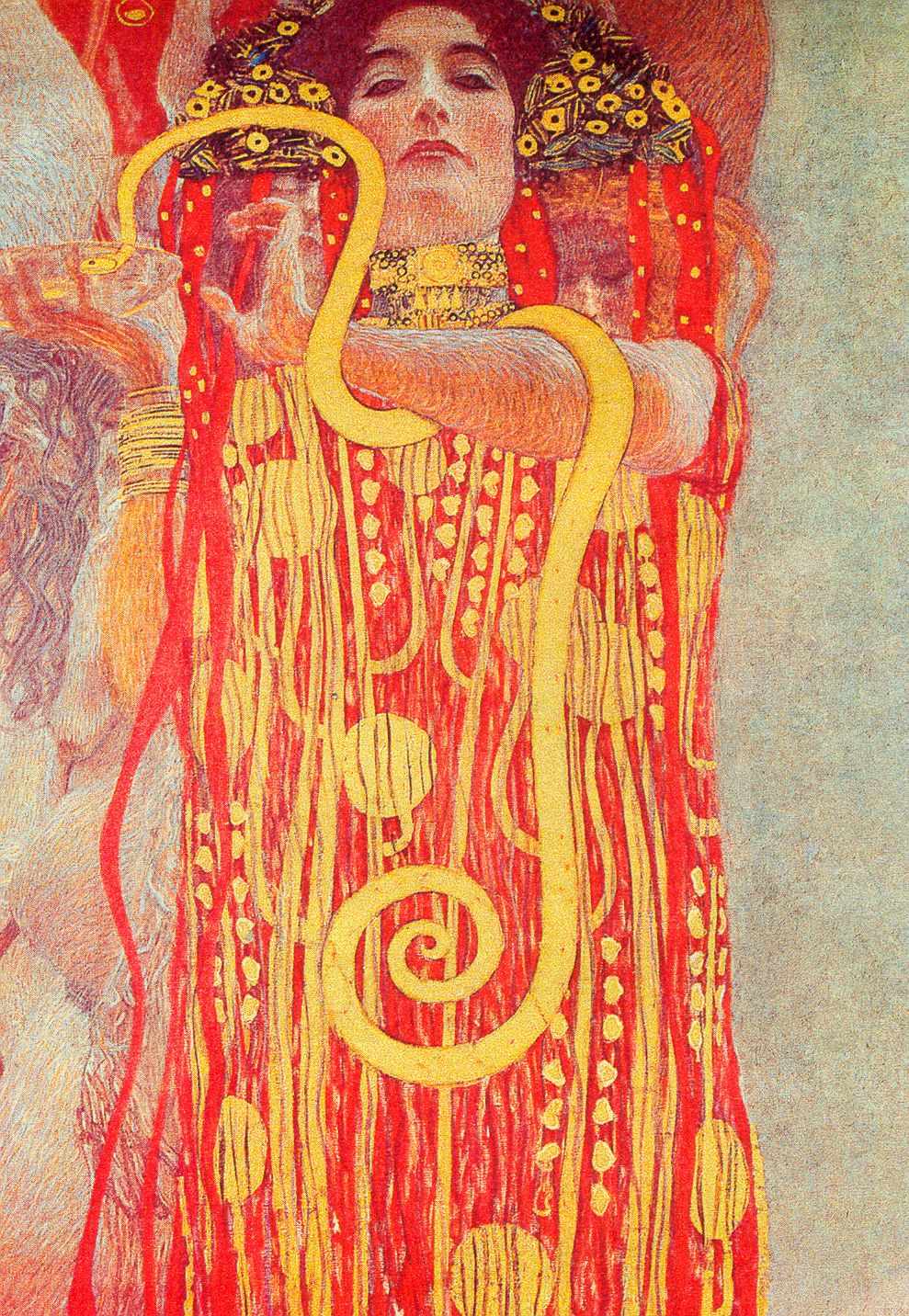
University of Vienna Ceiling Paintings (Medicine)
-Monet.jpg)
Princeton University Art Museum | “Water Lilies and Japanese Bridge” | Claude Monet (1899)
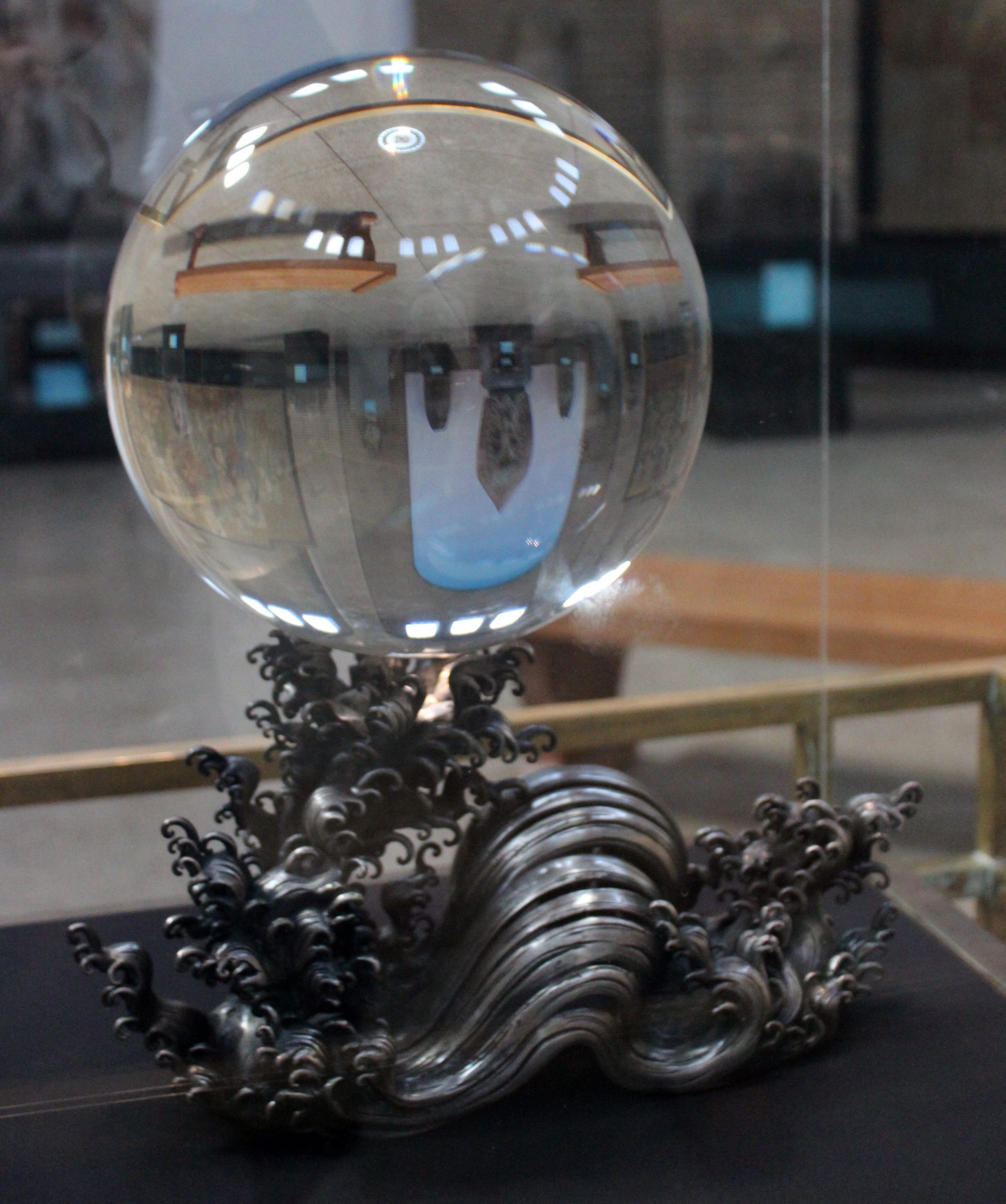
Dinastía Qing / Penn University Museum
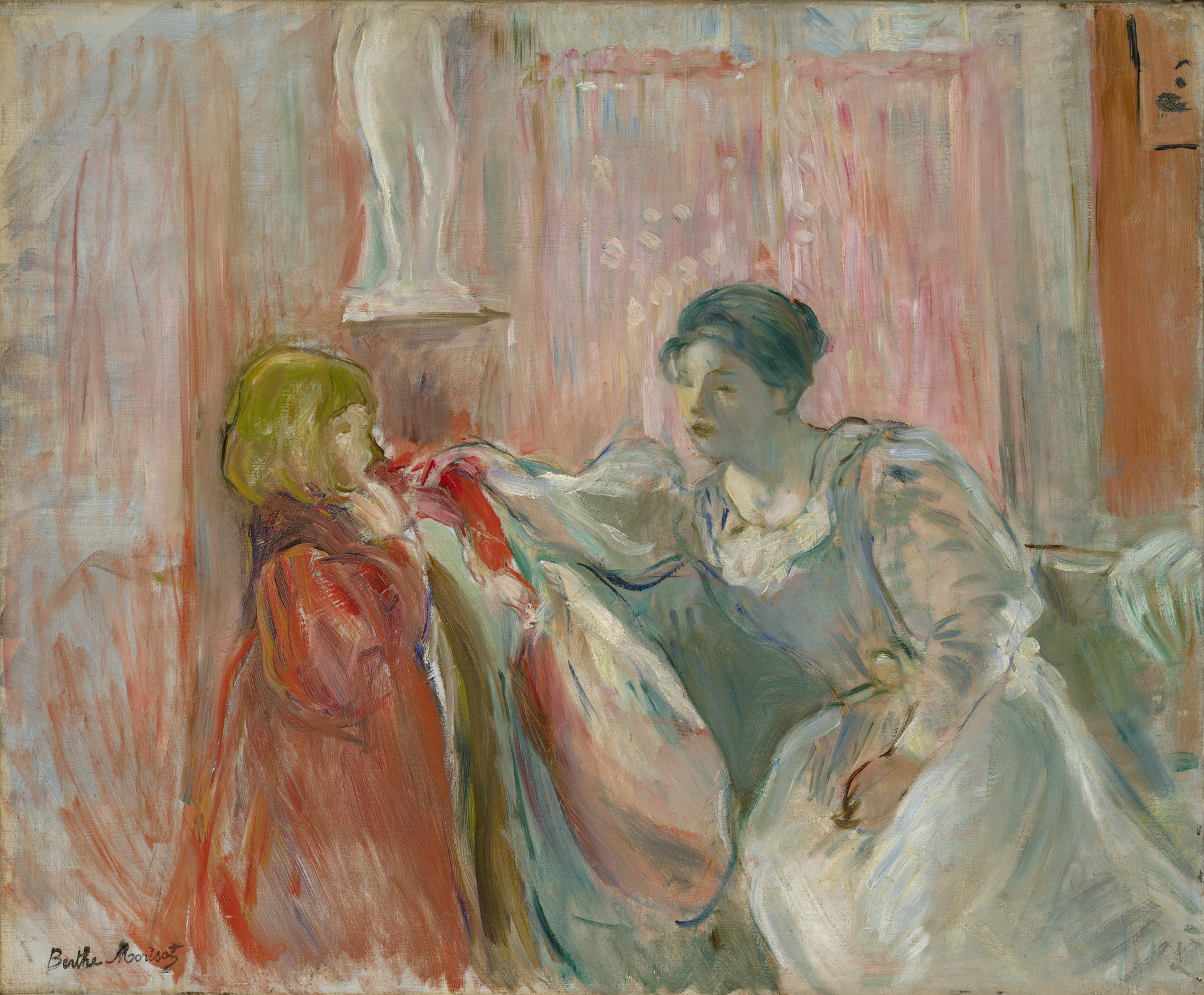
Yale University Art Museum | “Young Woman and Child | Berthe Morisot (1966)

Princeton University Art Museum | “Mount Adams, Washington” | Albert Bierstadt (1875)

Michigan State University | Broad Art Museum
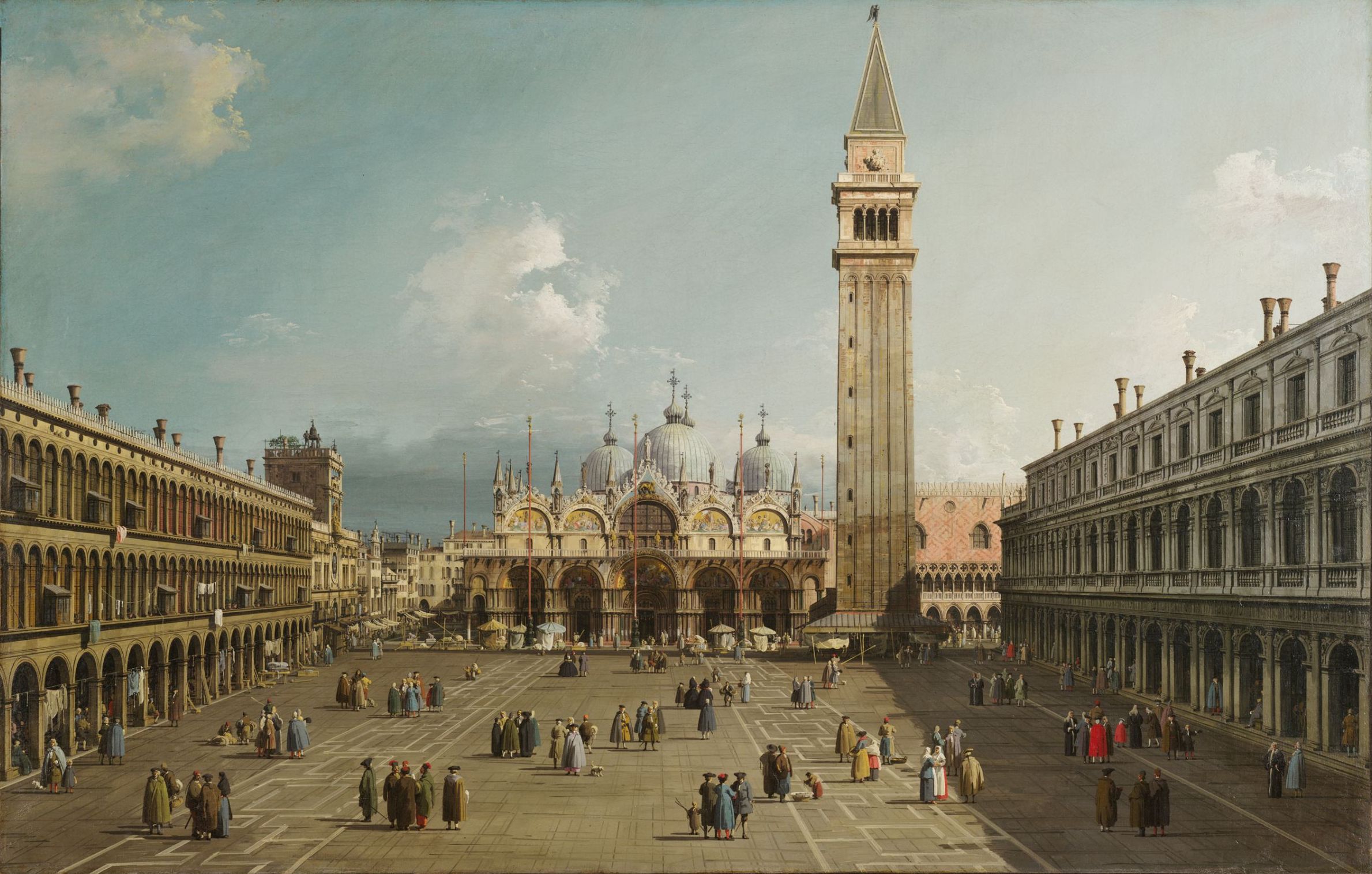
“Piazza San Marco with the Basilica by Canaletto, 1730” / Harvard University Art Museum
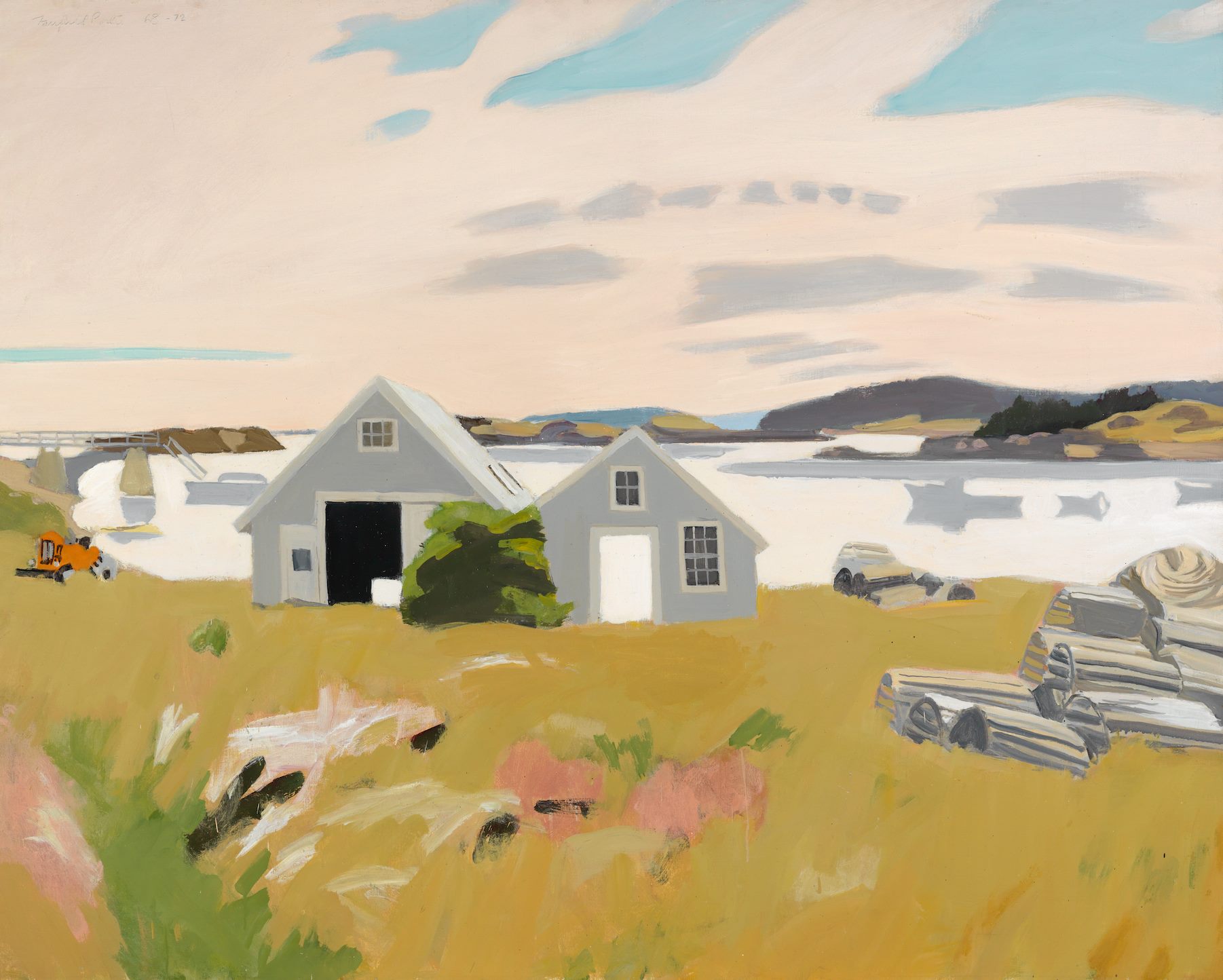
“Boathouses and Lobster Pots” | Fairfield Porter | Amherst College Art Museum

Harvard University | In the Sierras, Lake Tahoe (Albert Bierstadt)

Stanford University Art Museum

“Indians Playing Lacrosse on the Ice” 1934 Yale University Art Gallery

Stanford University | “The Burghers of Calais” by Auguste Rodin

University of Texas | Indians of the Northwest (Thomas Hill)

Arizona State University Art Museum

Yale University | The Battle of Bunker Hill (John Trumbull)

Dante Gabriel Rossetti | La Pia de Tolomei | University of Kansas Art Museum
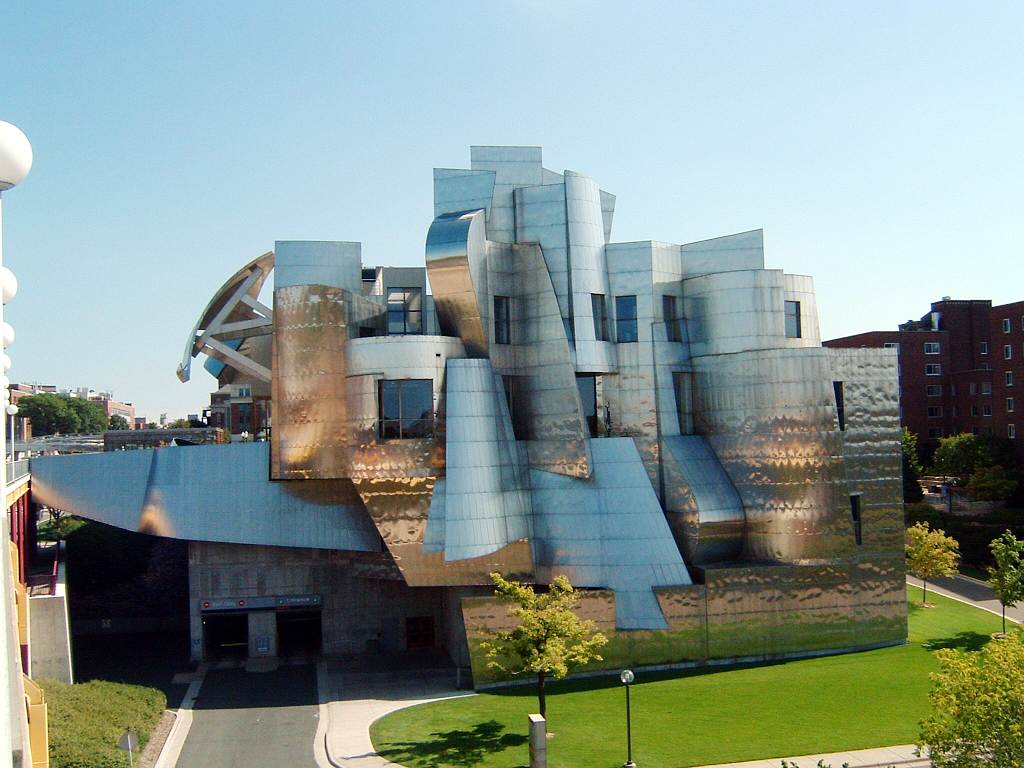
University of Minnesota Art Museum
LEARN MORE:
“The Church is not a gallery for the exhibition of eminent Christians,
but a school for the education of imperfect ones.”
— Henry Ward Beecher
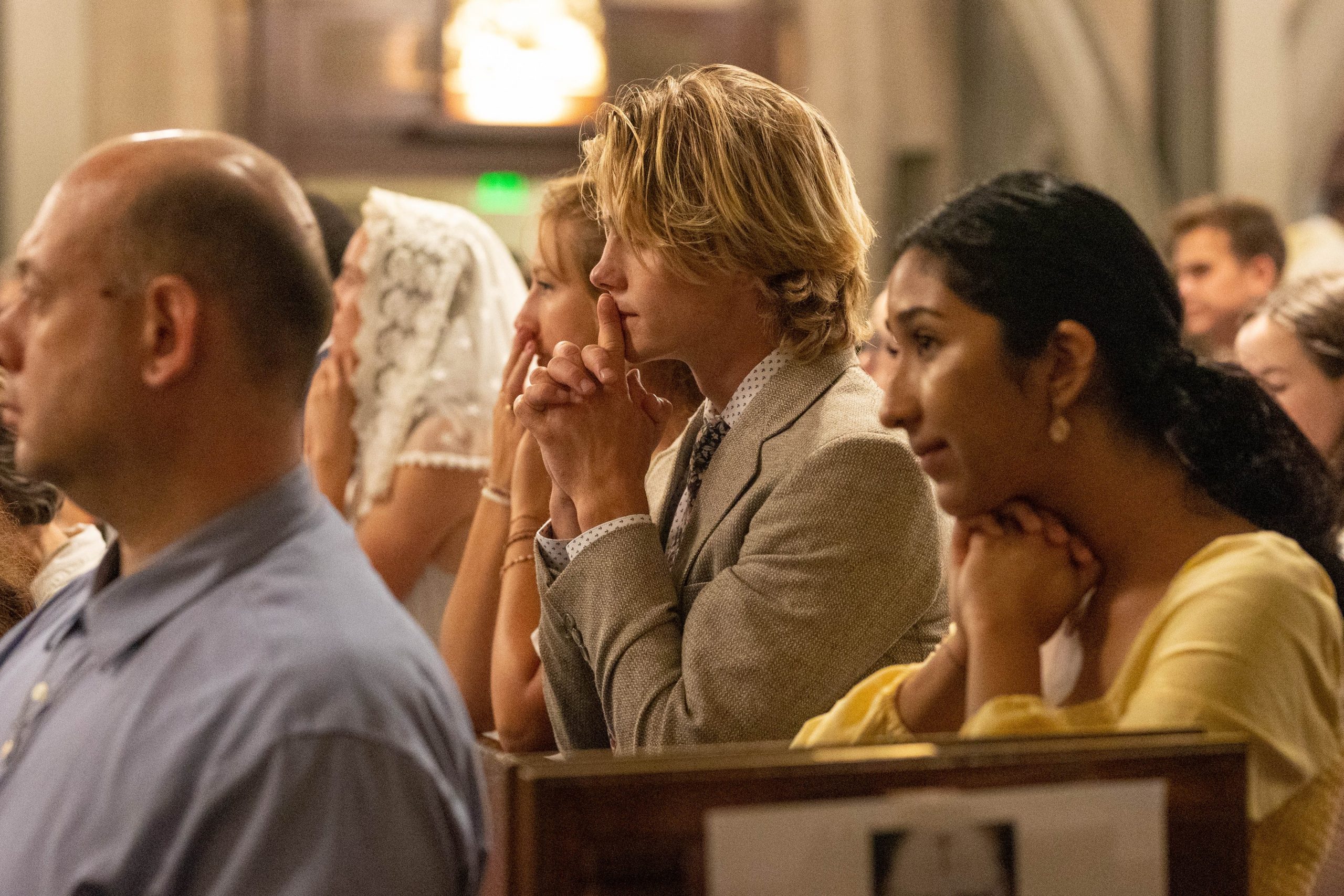
WEBCAST Committee Action Hearings, Group A #2
2024 International Building Code: Chapter 3 Occupancy Classification and Use
In the International Code Council catalog of best practice literature we find the first principles for safety in places of worship tracking in the following sections of the International Building Code (IBC):
“303.1.4: Accessory religious educational rooms and religious auditoriums with occupant loads less than 100 per room or space are not considered separate occupancies.” This informs how fire protection systems are designed.
Section 305 Educational Group E
“305.2.1: Rooms and spaces within places of worship proving such day care during religious functions shall be classified as part of the primary occupancy.” This group includes building and structures or portions thereof occupied by more than five children older than 2-1/2 years of age who receive educational, supervision or personal care services for fewer than 24 hours per day.
Section 308 Institutional Group I
“308.5.2: Rooms and spaces within places of religious worship providing [Group I-4 Day Care Facilities] during religious functions shall be classified as part of the primary occupancy. When [Group I-4 Day Care Facilities] includes buildings and structures occupied by more than five persons of any age who receive custodial care for fewer than 24 hours per day by persons other than parents or guardians, relatives by blood, marriage or adoption, and in a place other than the home of the person cared for.
Tricky stuff — and we haven’t even included conditions under which university-affiliated places of worship may expected to be used as community storm shelters.
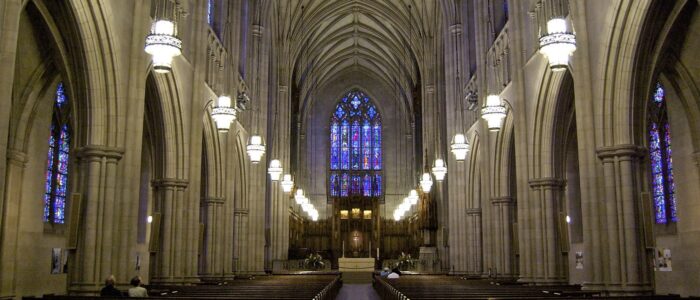
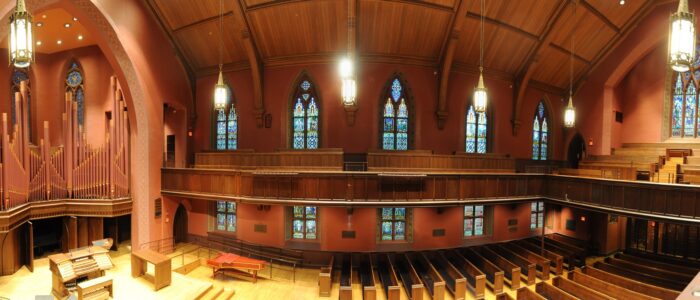
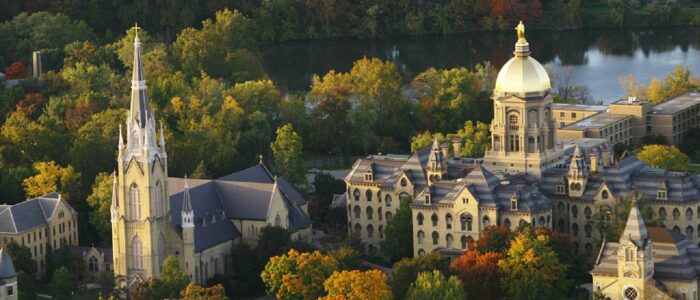
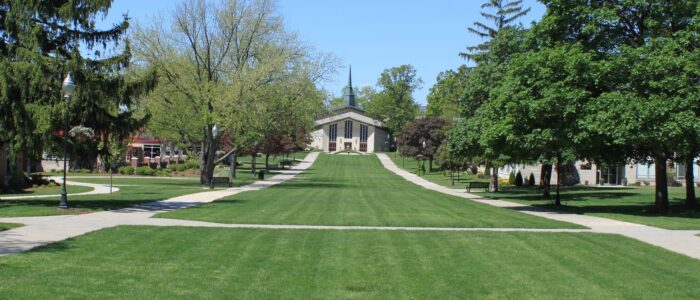
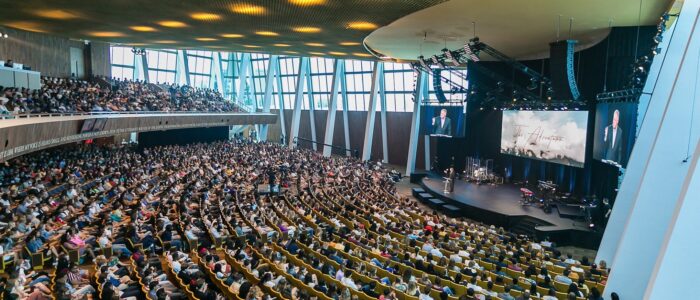
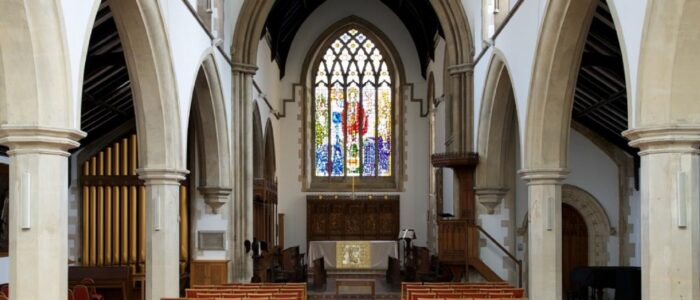
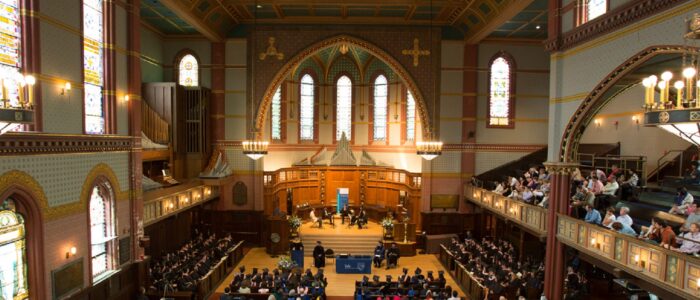
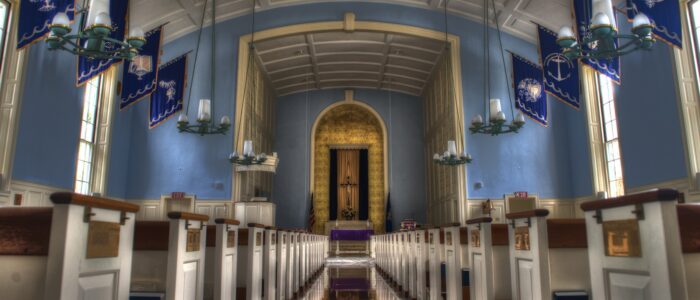
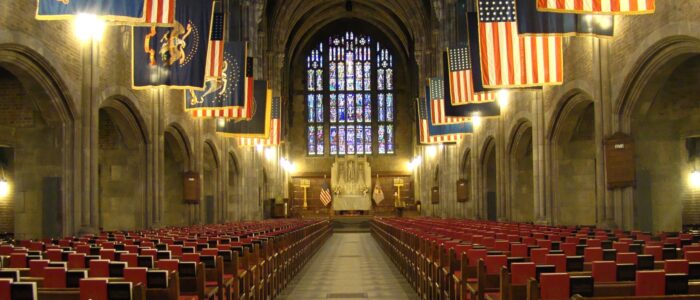
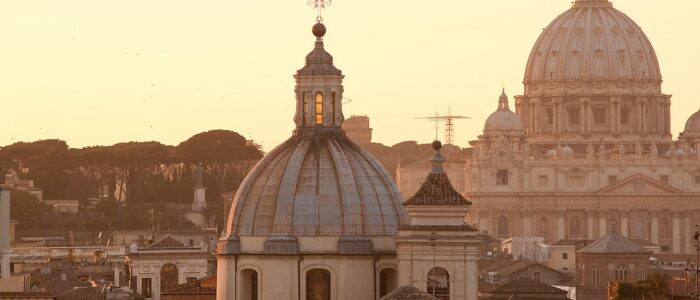
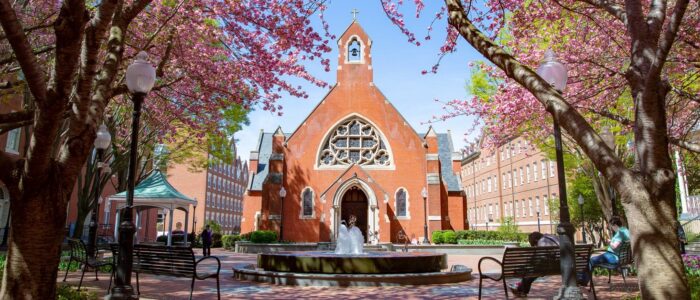
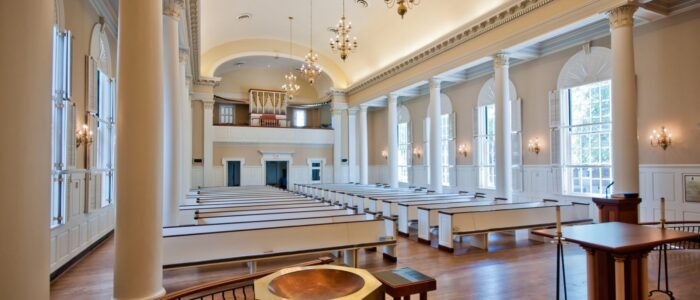
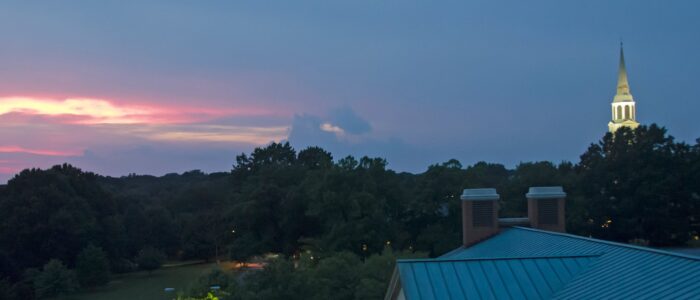
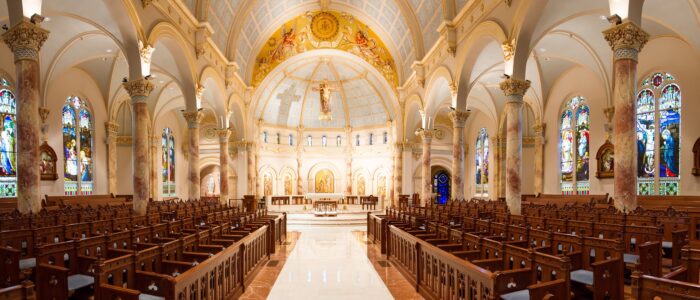
2024/2025/2026 ICC CODE DEVELOPMENT SCHEDULE
Public response to Committee Actions taken in Orlando in April will be received until July 8th.
Because standard development tends to be a backward-looking domain it is enlightening to understand the concepts in play in previous editions. The complete monograph of proposals for new building safety concepts for places of worship for the current revision cycle is linked below:
2021/2022 Code Development: Group B
A simple search on the word “worship” will reveal what ideas are in play. With the Group B Public Comment Hearings now complete ICC administered committees are now curating the results for the Online Governmental Consensus Vote milestone in the ICC process that was completed December 6th. Status reports are linked below:
2018/2019 Code Development: Group B
Note that a number of proposals that passed the governmental vote are being challenged by a number of stakeholders in a follow-on appeals process:
A quick review of the appeals statements reveals some concern over process, administration and technical matters but none of them directly affect how leading practice for places of worship is asserted.
We are happy to get down in the weeds with facility professionals on other technical issues regarding other occupancy classes that are present in educational communities. See our CALENDAR for next Construction (Ædificare) colloquium open to everyone.
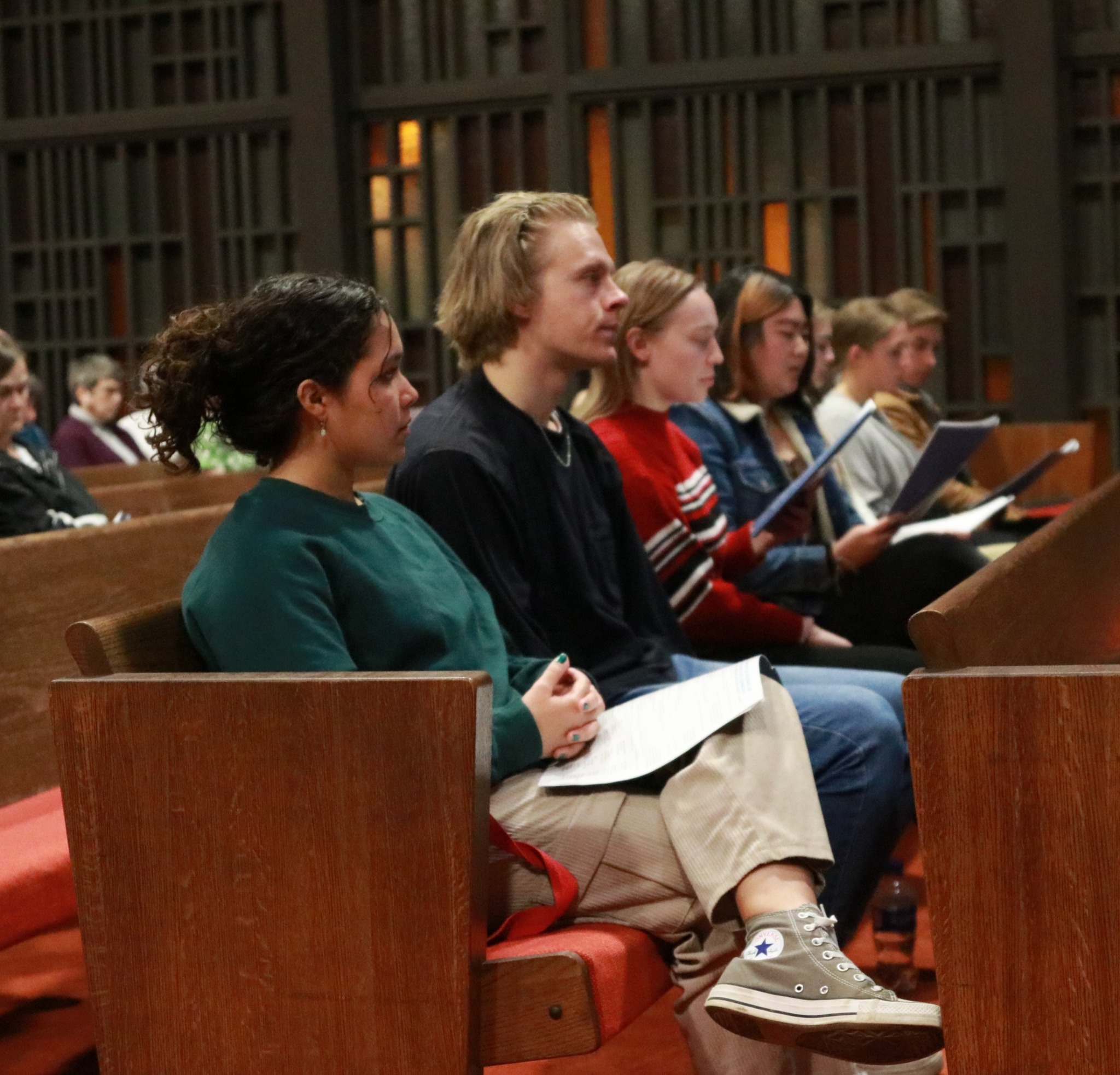
Issue: [17-353]
Category: Chapels
Colleagues: Mike Anthony, Jack Janveja, Richard Robben, Larry Spielvogel
More
Religion is a culture of faith; science is a culture of doubt. pic.twitter.com/H6dgJ5DnSC
— Prof. Feynman (@ProfFeynman) October 8, 2023
At Piazza del Popolo in Rome, the curved stone walls reflect and focus sound, so even a whisper travels clearly across.
It’s a natural acoustic phenomenon called the whispering gallery effect. pic.twitter.com/B7GdvT9QRM
— Massimo (@Rainmaker1973) August 9, 2026
St. Olaf Choir in Norway | In the Fjords
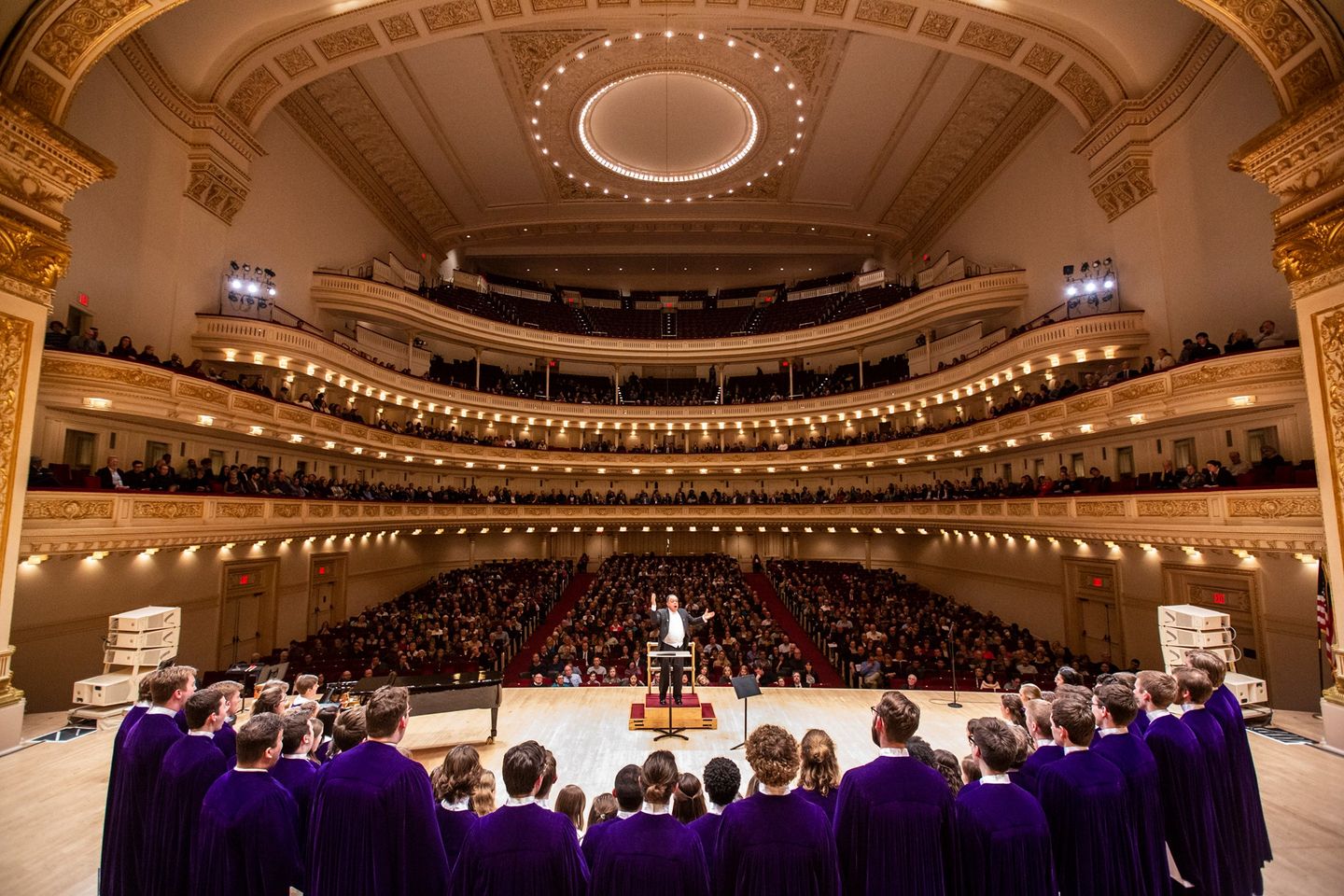
The authorship of the hymn “What Wondrous Love Is This?” is unknown, and it is believed to be a traditional American folk hymn that emerged in the early 19th century. The hymn is sometimes attributed to American composer and music educator William Walker, who included it in his songbook “Southern Harmony” in 1835. It has become a beloved hymn in many Christian traditions, particularly during the season of Lent and Holy Week, as it helps worshippers reflect on the depth and meaning of Jesus Christ’s sacrifice.
History of Western Civilization Told Through the Acoustics of its Worship Spaces
New update alert! The 2022 update to the Trademark Assignment Dataset is now available online. Find 1.29 million trademark assignments, involving 2.28 million unique trademark properties issued by the USPTO between March 1952 and January 2023: https://t.co/njrDAbSpwB pic.twitter.com/GkAXrHoQ9T
— USPTO (@uspto) July 13, 2023
Standards Michigan Group, LLC
455 East Eisenhower Parkway, Suite 300
Ann Arbor, MI 48108 USA
888-748-3670
 |
 |
|
 |
 |
|
 |
 |