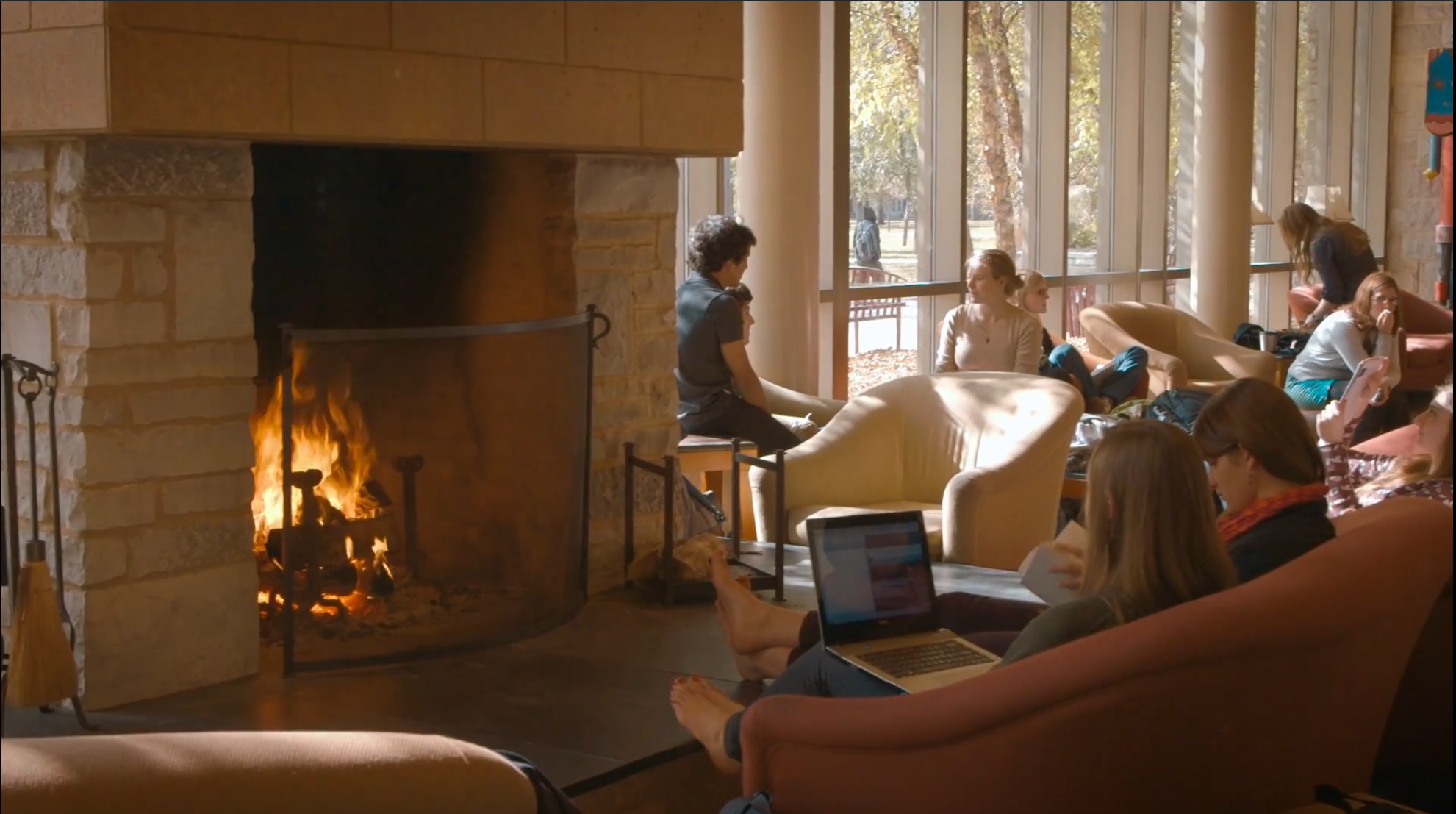
Many accommodations such as dormitories, fraternities and sororities have working fireplaces — wood burning and natural gas. Community spaces such as student unions, libraries and recreation spaces also have fireplaces as a central feature.
The purpose of NFPA 211 is to reduce fire hazards by discovering and promulgating best practice for the safe removal of flue gases, the proper installation of solid fuel-burning appliances, and the correct construction and installation of chimneys, fireplaces, and venting systems. The current 2019 Edition is linked below:
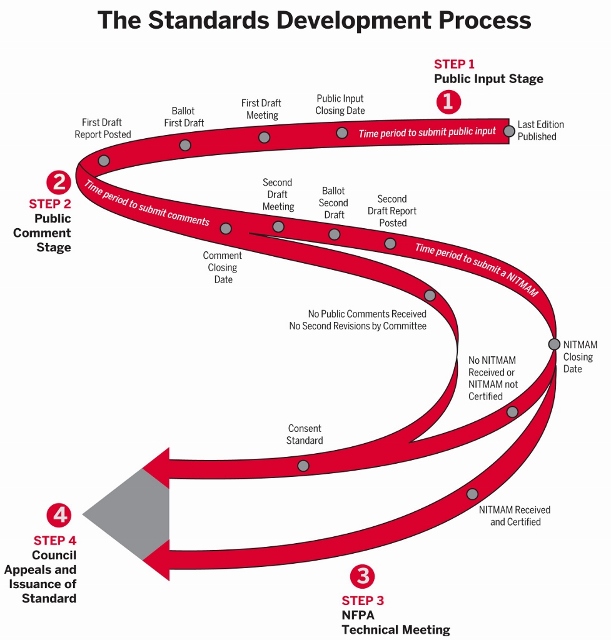
The 2024 has been released. To guide our inquiry into safety and sustainability concepts for the 2027 Edition we like review the developmental transcripts of previous edition:
US K-12 schools (public school districts) spend approximately $8 billion annually on energy costs, including electricity, which ranks as the second-largest operating expense after teacher salaries. This figure, cited by the U.S. Department of Energy and EPA, reflects nationwide totals, with much of it electricity-related due to lighting, HVAC, and other needs; efficiency improvements could save 10-30%.
For colleges and universities, specific nationwide electricity or total energy cost aggregates are less uniformly reported in recent sources, but higher education institutions face substantial utility bills—often over $100,000 per large building annually—with campuses consuming significant power for 24/7 operations, research labs, and facilities.
US healthcare systems, particularly hospitals, incur high electricity costs due to continuous operation and intensive equipment use. Individual hospitals often pay $600,000 to over $2 million yearly on electricity alone, with average energy costs around $3-4 per square foot; inpatient facilities consume nearly twice the electricity per square foot of average commercial buildings.These sectors represent major institutional energy consumers, where efficiency upgrades yield significant savings.
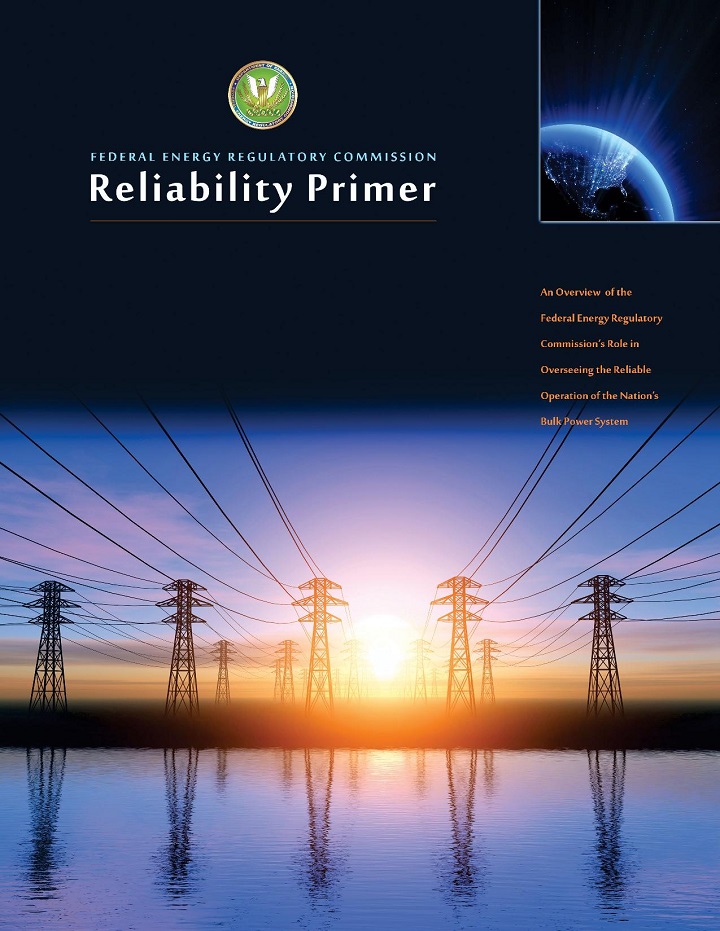
The Federal Energy Regulatory Commission is an independent agency within the U.S. federal government that regulates interstate transmission of electricity, natural gas, and oil. It oversees wholesale energy markets, pipeline infrastructure, and hydroelectric projects, ensuring fair rates and reliability. While independent, FERC operates under the Department of Energy’s umbrella but does not take direct orders from the executive branch.
FERC enforces energy laws, approves infrastructure projects, and regulates market competition. FERC plays a crucial role in balancing economic, environmental, and energy security concerns, aiming to maintain a stable and efficient energy system across the United States. Since the U.S. shares interconnected electricity grids with Canada and Mexico, FERC’s decisions on transmission rules and pricing affect energy flows and grid reliability in both countries.
Our interest lies in closing a technical gap that exists upstream from the building service point and downstream from the utility supply point. Some, not all of it, can be accomplished with titles in the IEEE catalog.
Given the dominance of vertical incumbents in the electric power domain, we have submitted a tranche of reliability concepts into the ASHRAE, NFPA and ICC catalogs — not so much with the expectation that they will be gratefully received — but that our proposals will unleash competitive energies among developers of voluntary consensus standards.
One of our proposals was heard at the April-May and October meetings of the International Code Council. We are happy to discuss the outcome of that proposal any day at the usual hour.
In power system engineering, availability and reliability are two important concepts, but they refer to different aspects of the system’s performance.
Reliability:
Reliability refers to the ability of a power system to perform its intended function without failure for a specified period under given operating conditions. It is essentially a measure of how dependable the system is.
Reliability metrics often include indices such as the frequency and duration of outages, failure rates, mean time between failures (MTBF), and similar measures.
Reliability analysis focuses on identifying potential failure modes, predicting failure probabilities, and implementing measures to mitigate risks and improve system resilience.Availability:
Availability, on the other hand, refers to the proportion of time that a power system is operational and able to deliver power when needed, considering both scheduled and unscheduled downtime.
Availability is influenced by factors such as maintenance schedules, repair times, and system design redundancies.
Availability is typically expressed as a percentage and can be calculated using the ratio of the uptime to the total time (uptime plus downtime).
Availability analysis aims to maximize the operational readiness of the system by minimizing downtime and optimizing maintenance strategies.
Reliability focuses on the likelihood of failure and the ability of the system to sustain operations over time, while availability concerns the actual uptime and downtime of the system, reflecting its readiness to deliver power when required. Both concepts are crucial for assessing and improving the performance of power systems, but they address different aspects of system behavior.
Comment:These 1-hour sessions tend to be administrative in substance, meeting the minimum requirements of the Sunshine Act. This meeting was no exception. Access to the substance of the docket is linked here.
On Monday June 13th, Federal Energy Regulatory Commission commissioners informed the House Committee on Energy and Commerce that the “environmental justice” agenda prohibits reliable dispatchable electric power needed for national power security. One megawatt of natural gas generation does not equal one megawatt of renewable generation. The minority party on the committee — the oldest standing legislative committee in the House of Representatives (established 1795) — appears indifferent to the reliability consequences of its policy.
“Our nation’s continued energy transition requires the efficient development of new transmission infrastructure. Federal and state regulators must address numerous transmission-related issues, including how to plan and pay for new transmission infrastructure and how to navigate shared federal-state regulatory authority and processes. As a result, the time is ripe for greater federal-state coordination and cooperation.”
At the July 20th meeting of the Federal Energy Regulatory Commission Tristan Kessler explained the technical basis for a Draft Final Rule for Improvements to Generator Interconnection Procedures and Agreements, On August 16th the Commission posted a video reflecting changes in national energy policy since August 14, 2003; the largest blackout in American history.
“Public art is form of street life, a means to articulate the implicit values of a city when its users occupy the place of determining what the city is.” — Malcolm Miles
The Oxford Union Society is the world’s most prestigious debating society, with an unparalleled reputation for bringing international guests and speakers to Oxford. Since 1823, the Union has been promoting debate and discussion not just in Oxford University, but across the globe.
Life-cycle cost of education community settings are informed by climate change assumptions. In addition to the flow of research money to faculty for laboratory space, graduate student support, supercomputer installations, conference travel; these assumptions inform the architectural character of a campus — i.e. the design and operation its buildings and infrastructure. These assumptions swing back and forth over these eternal institutions with cyclical assumptions about global cooling and global warming. In the late 1960’s academic researchers found evidence of global cooling. Fifty years on academic researchers assume the earth is warming. We just roll with it as we do with all the other policy “givens” we accommodate. Stewardship of the planet — keeping it clean for those who follow us — Yes. Catastrophilia — the love of catastrophone so well documented in history — not so much.
As with all emotional issues, language changes mightily. We refer you to our journey through technical standard language HERE.
According to a report by the Congressional Research Service, federal funding for climate research and related activities totaled approximately $13.8 billion in fiscal year 2020. This funding was distributed across various agencies and programs, including the National Science Foundation’s Climate and Large-Scale Dynamics program, National Oceanic and Atmospheric Administration’s climate Program Office, and the Department of Energy’s Office of Science.
Not included in this figure is the opportunity cost and loss of brand identity of not conforming to the climate change agenda.
New update alert! The 2022 update to the Trademark Assignment Dataset is now available online. Find 1.29 million trademark assignments, involving 2.28 million unique trademark properties issued by the USPTO between March 1952 and January 2023: https://t.co/njrDAbSpwBpic.twitter.com/GkAXrHoQ9T