Tag Archives: Stadium

Loading
loading..

Audio Standards

“A Dance to the Music of Time” 1640 Nicolas Poussin


“The voice of the intellect is a soft one,

but it does not rest until it has gained a hearing.”

— Sigmund Freud


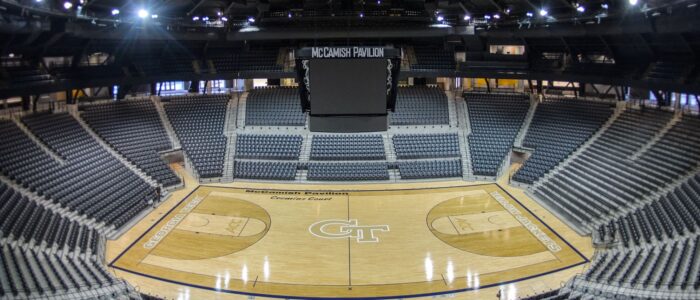
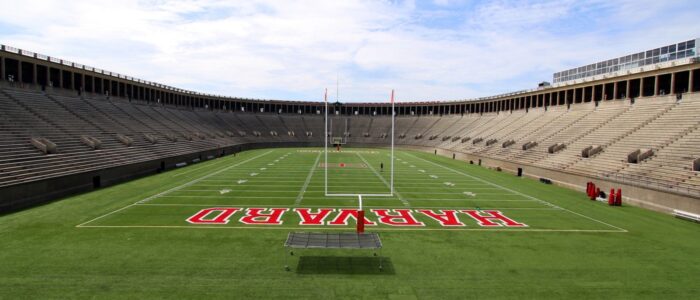
The education industry provides a large market for occupancy classes — athletic stadiums, student assembly spaces, performance theaters, large lecture halls– that depend upon effective audio systems*.   To an unexpected degree the structural engineering, specification of materials and electrical system design and operation is informed by acoustical considerations.  So does the integration of fire safety and mass notification systems into normal state enterprises so it is wise to follow and, ideally, participate in leading practice discovery and promulgation of audio standards.

The Audio Engineering Society — one of the first names in this space — has a due process platform that welcomes public participation.   All of its standards open for public comment completed their revision cycle mid-November as can be seen on its standards development landing page below:
AES Standards Development

Note that AES permits access to those revision even after the comment deadline.  You are encouraged to communicate directly with the Direct communication with the standards staff at Audio Engineering Society International Headquarters, 551 Fifth Avenue, Suite 1225, New York NY 10176,  Tel: +1 212 661 8528

We keep the AES suite on the standing agenda of our periodic Lively Arts teleconference.  See our CALENDAR for the next online meeting.

This facility class is one of most complex occupancy classes in education facilities industry so we also collaborate with experts active in the IEEE Education & Healthcare Facilities Committee. Much of the AES suite references, and borrows from, International Electrotechnical Commission system integration and interoperability standards.   The IEEE E&H committee meets online again four times monthly in European and American time zones.  The meeting dates are available on the IEEE E&H website

Media production audio visual

Issue: [19-23]

Category: Electrical, Academic,  Athletics, Fire Safety, Public Safety, #WiseCampus

Contact: Mike Anthony, Jim Harvey

*Mass notification systems are governed by NFPA 72 and, while life safety wiring is separate from other wiring, the management of these systems involve coordination between workgroups with different business objectives and training.


LEARN MORE:

Archive / Audio Engineering Society


Synthetic Turf Guidelines

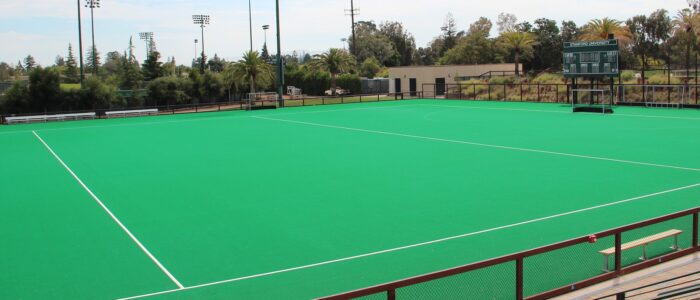
The Synthetic Turf Council is a 501(c)6 non-profit trade association serving the synthetic turf industry.  Its vision is to improve the world through synthetic turf.  Its mission is to serve as the global forum to promote, develop, grow and advocate for the synthetic turf industry.   As a voice in its industry, it promotes the benefits of synthetic turf systems, it provides credentialing services and, for our purpose produces a bibliography of consensus products relevant to the education facility industry:

Synthetic Turf Council Technical Guidelines

You may communicate directly with the Council at the link below:

Synthetic Turf Council Contact Information

We do not find any open public consultations at the moment but we keep the Council’s consensus products in on the standing agenda of our Sport teleconferences. See our CALENDAR for the next online meeting.


LEARN MORE:

White Papers & Technical Presentations


sport, mercury, athletic

Track & Field

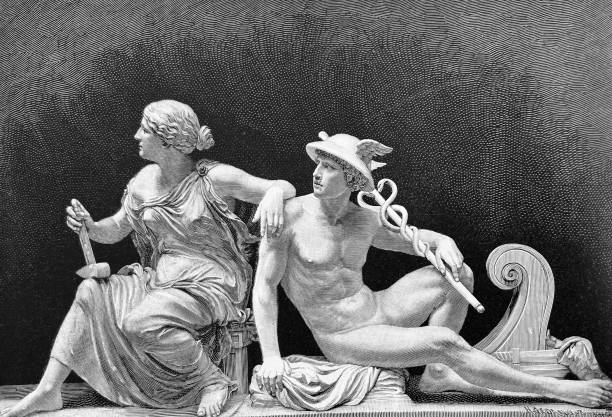
Aphrodite and Hermes, god of sport

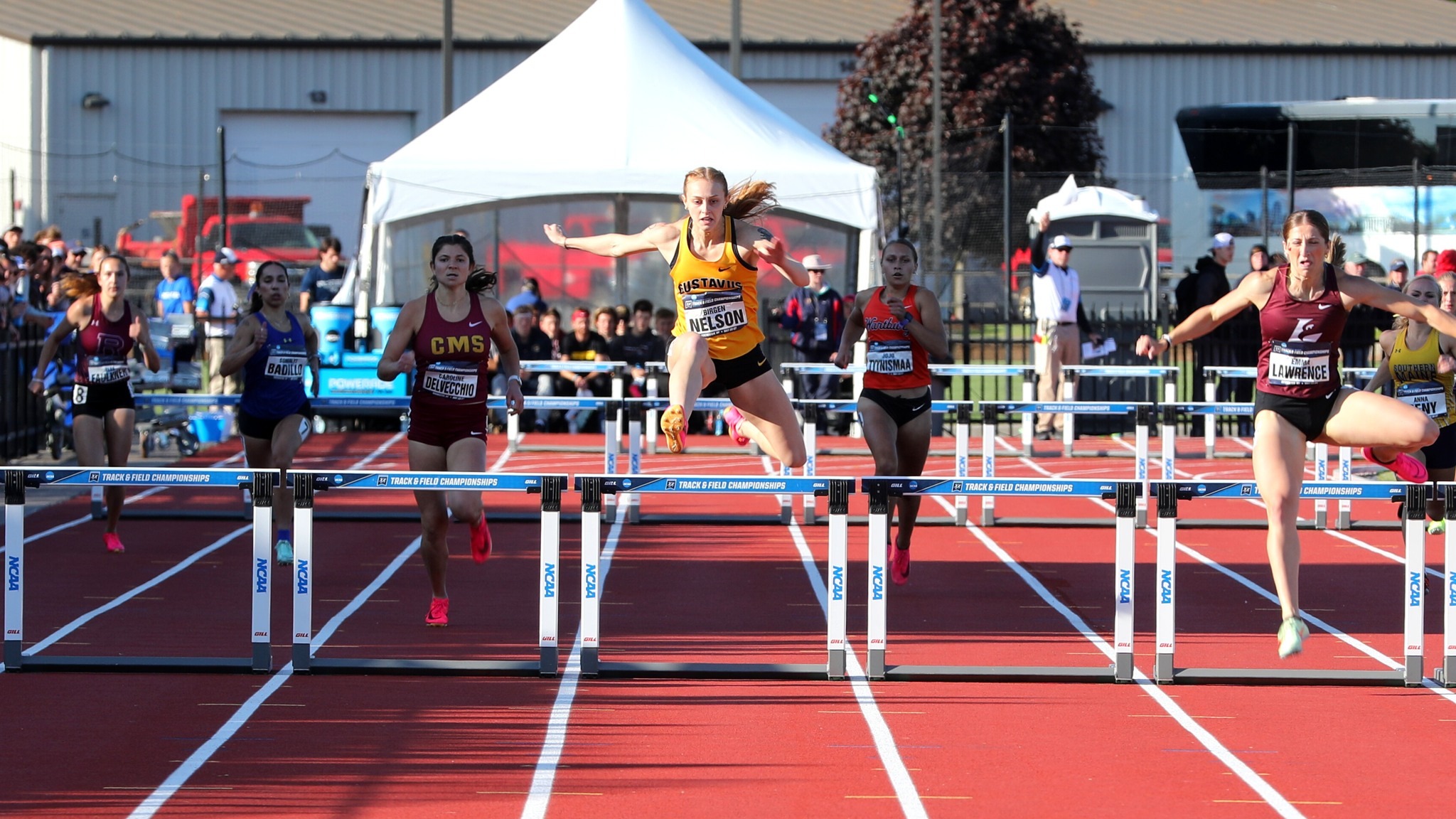
Gustavus Adolphus College | Nicollet County Minnesota


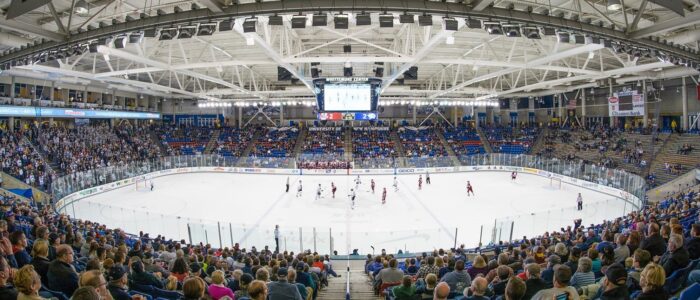
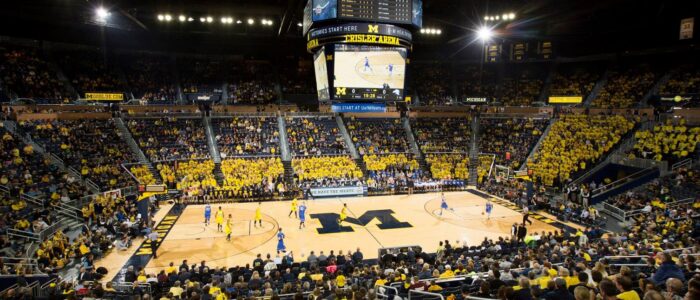
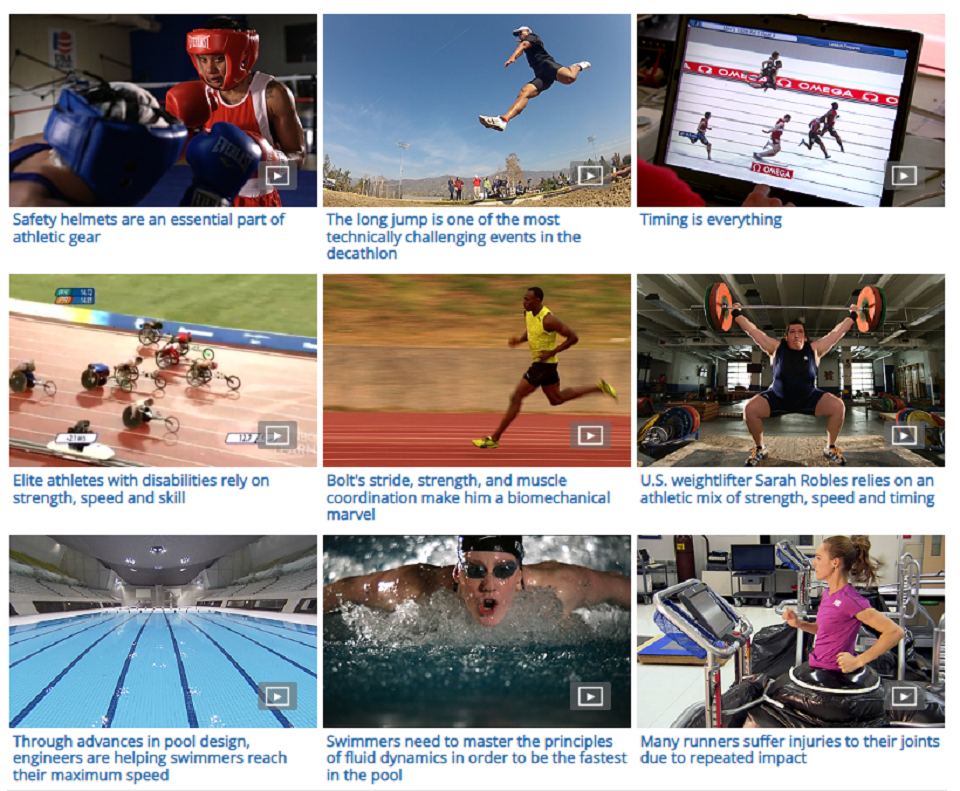
Recreational sports, athletic competition, and the facilities that support it, are one of the most visible activities in any school, college or university in any nation.  Arguably, these activities resemble religious belief and practice.   Enterprises of this kind have the same ambition for safety and sustainability at the same scale as the academic and healthcare enterprises.  

According to IBISWorld Market Research, Sports Stadium Construction was a $6.1 billion market in 2014, Athletic & Sporting Goods Manufacturing was a $9.2 billion market in 2015, with participation in sports increasing 19.3 percent by 2019 — much of that originating in school, college and university sports and recreation programs.  We refer you to more up to date information in the link below:

Sports & Athletic Field Construction Industry in the US – Market Research Report

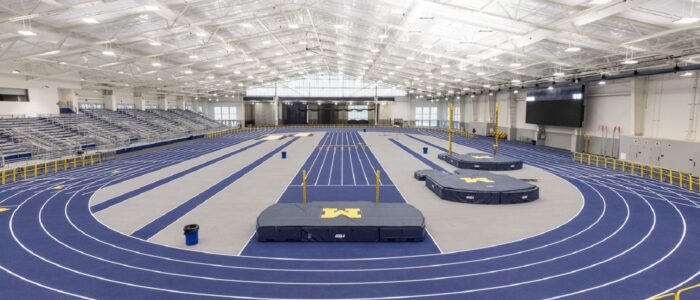
Today at the usual time we will update our understanding of the physical support systems for the track and field activity listed below:

  1. Sprinting: Races over short distances, typically 100m, 200m, and 400m.
  2. Middle-distance running: Races covering distances between sprinting and long-distance running, such as 800m and 1500m.
  3. Long-distance running: Races over longer distances, including 3000m, 5000m, 10,000m, and marathons.
  4. Hurdling: Races where athletes jump over hurdles at set distances, such as 110m hurdles (for men) and 100m hurdles (for women).
  5. Steeplechase: A long-distance race that includes hurdles and a water jump.
  6. Racewalking: A form of walking competition where athletes race over various distances while maintaining contact with the ground.
  7. Relays: Team races where athletes take turns running a specified distance before passing a baton to the next runner. Common relay distances include 4x100m and 4x400m.
  8. High jump: Athletes attempt to jump over a horizontal bar placed at measured heights without knocking it down.
  9. Pole vault: Athletes use a pole to vault themselves over a high bar.
  10. Long jump: Athletes sprint down a runway and jump as far as possible into a sandpit.
  11. Triple jump: Athletes perform a hop, step, and jump sequence into a sandpit, with distances measured from the takeoff board to the nearest mark made in the sand by any part of the body.
  12. Shot put: Athletes throw a heavy metal ball for distance.
  13. Discus throw: Athletes throw a discus, a heavy circular object, for distance.
  14. Javelin throw: Athletes throw a javelin, a spear-like object, for distance.
  15. Hammer throw: Athletes throw a heavy metal ball attached to a wire and handle for distance.
  16. Decathlon (men) / Heptathlon (women): Multi-event competitions where athletes compete in ten (decathlon) or seven (heptathlon) different track and field events, with points awarded for performance in each event.

Open to everyone.  Log in with the credentials at the upper right of our home page.

Issue: [19-46]

Category: Athletics and Recreation, International,

Contact: Mike Anthony, Jack Janveja, Christine Fischer


More

Sports, Recreational Facilities & Equipment

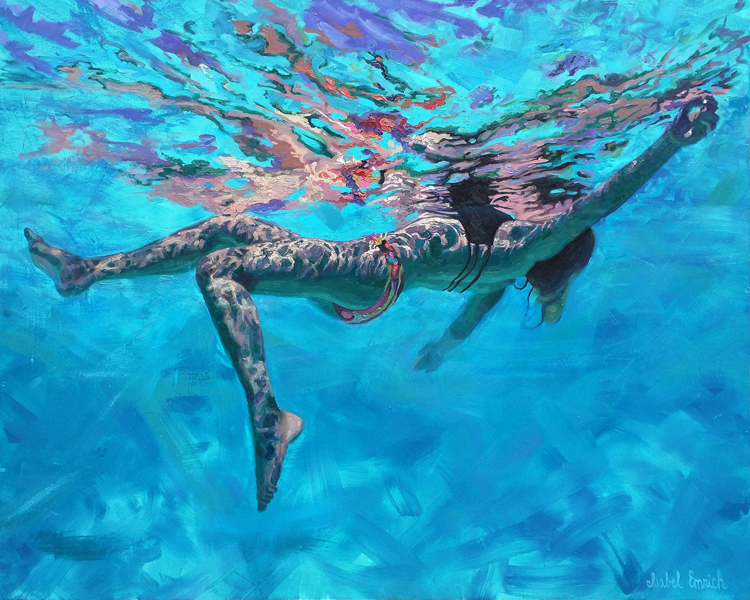
“Dancing Reflections” 2015 Isabel Emrich | Academy of Art University California

Recreational sports, athletic competition, and the facilities that support it, are one of the most visible activities in any school, college or university in any nation.   Enterprises of this kind have the same ambition for safety and sustainability at the same scale as the academic and healthcare enterprises.  

According to IBISWorld Market Research, Sports Stadium Construction was a $6.1 billion market in 2014, Athletic & Sporting Goods Manufacturing was a $9.2 billion market in 2015, with participation in sports increasing 19.3 percent by 2019 — much of that originating in school, college and university sports and recreation programs.  We refer you to more up to date information in the link below:

Sports & Athletic Field Construction Industry in the US – Market Research Report

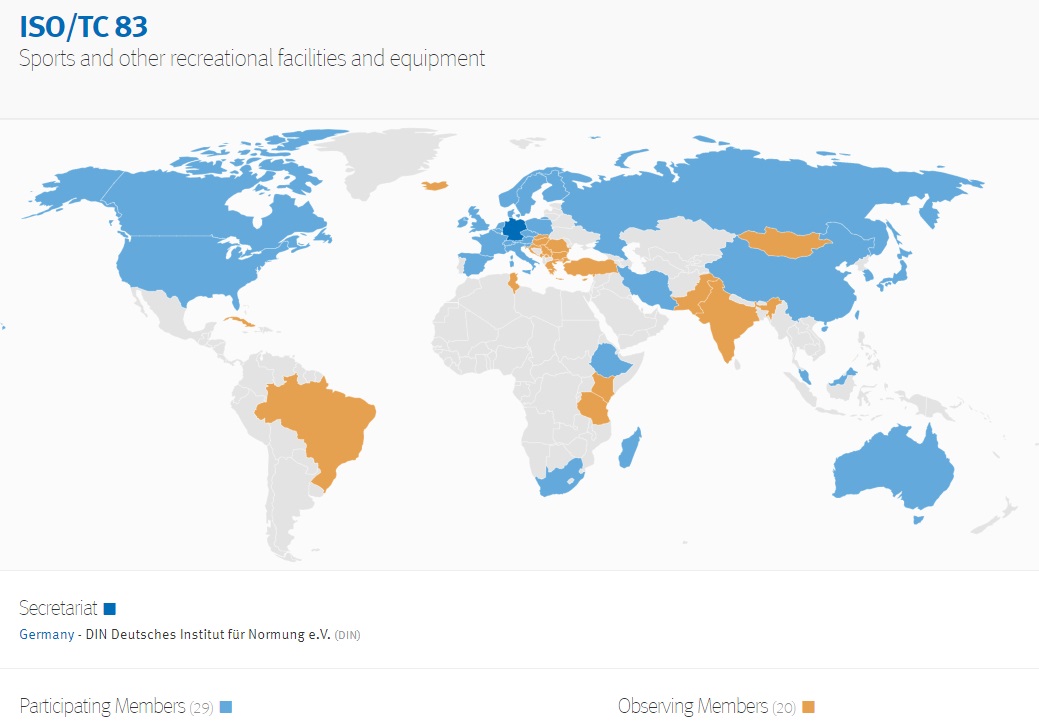
We track leading practice discovery in titles released by International Standards Organization’s  ISO/TC 83: Sports and other recreational facilities and equipment.  The German Deutsches Institut für Normung (DIN) iss the global Secretariat and ASTM International as the US Technical Advisory Group Administrator. 

From the ISO TC/83 prospectus:

BUSINESS PLAN | ISO/TC 83 Sports and recreational equipment | EXECUTIVE SUMMARY

Standards by ISO/TC 83

Academic units in the US that want to offer their sports management or international studies students a front row seat on the technology and management of sport may want to participate in  ISO/TC/83 business.  To start, organizations within the United States may communicate directly with ASTM International, West Conshohocken, PA 19428-2959, Phone: (610) 832-9804.   Contact: Joe Khoury (jkoury@astm.org).

"It was one of those March days when the sun shines hot and the wind blows cold: when it is summer in the light, and winter in the shade." — Charles Dickens (1860 'Great Expectations')

We refresh our understanding of the current status of best practice literature at least once per month during our Sport colloquia.  See our CALENDAR for the next online meeting; open to everyone.

Issue: [19-46]

Category: Athletics and Recreation, International,

Contact: Mike Anthony, Jack Janveja, Christine Fischer


LEARN MORE:

International harmonized stage codes

Mixed Gender Sport by Design

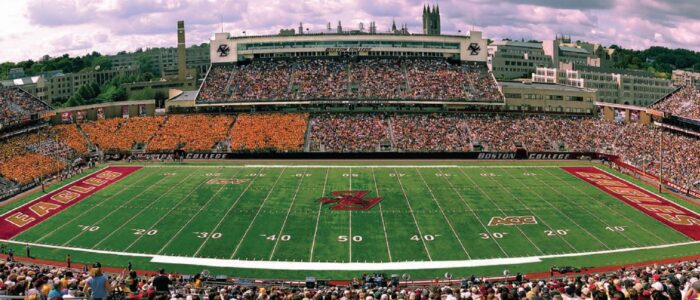
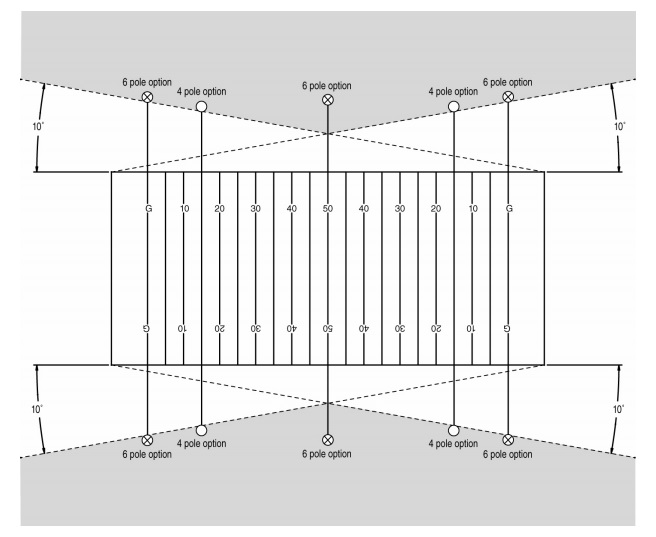
Football Field Lighting

CLICK ON IMAGE


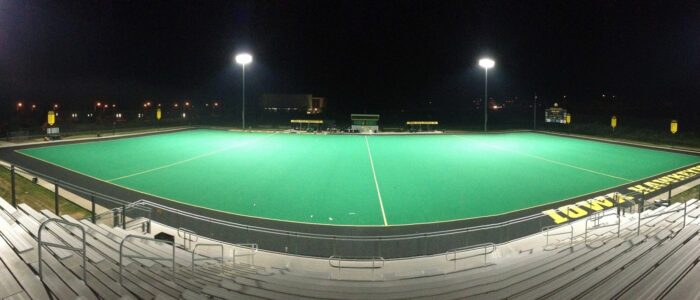
After athletic arena life safety obligations are met (governed legally by NFPA 70, NFPA 101, NFPA 110,  the International Building Code and possibly other state adaptations of those consensus documents incorporated by reference into public safety law) business objective standards come into play.   The illumination of the competitive venue itself figures heavily into the quality of digital media visual experience and value.

For almost all athletic facilities,  the consensus documents of the Illumination Engineering Society[1], the Institute of Electrical and Electronic Engineers[2][3] provide the first principles for life safety.  For business purposes, the documents distributed by the National Collegiate Athletic Association inform the standard of care for individual athletic arenas so that swiftly moving media production companies have some consistency in power sources and illumination as they move from site to site.  Sometimes concepts to meet both life safety and business objectives merge.

The NCAA is not a consensus standard developer but it does maintain a library of recommended practice documents for lighting the venues for typical competition and competition that is televised.

NCAA Best Lighting Practices

 It welcomes feedback from subject matter experts and front line facility managers.

Our own monthly walk-through of athletic and recreation facility codes and standards workgroup meets monthly.  See our CALENDAR for the next Sport or Lighting teleconferences; open to everyone.


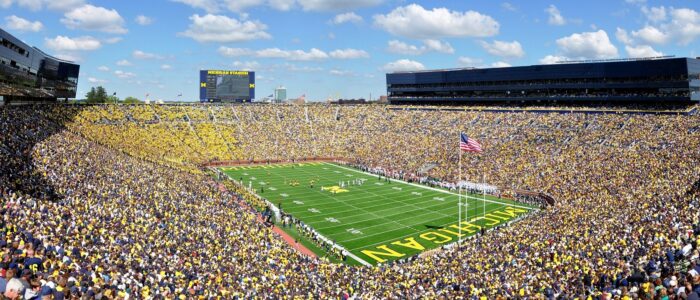
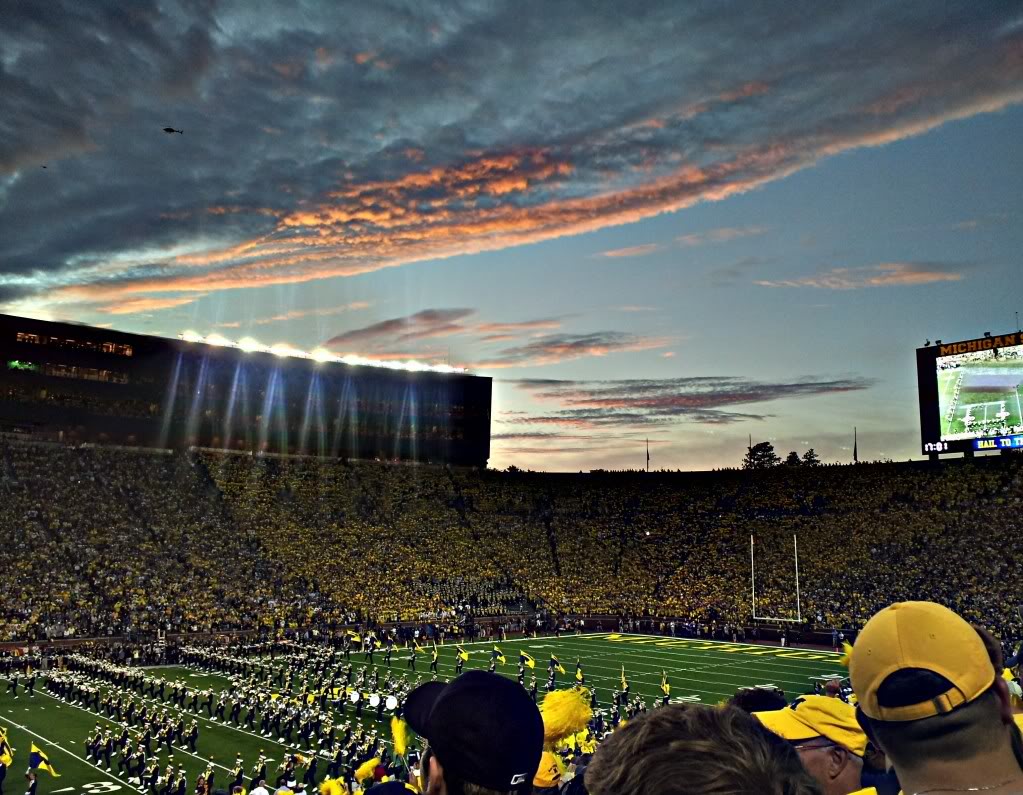
Often called “The Big House” Michigan Stadium is the largest football stadium in the world.

Issue: [15-138]

Category: Electrical, Architectural, Lively, Athletics

Colleagues: Mike Anthony, Jim Harvey, Jack Janveja, George Reiher


[1] Illumination Engineering Handbook | Sports and Recreational Area Lighting

[2] IEEE 3001.9 Recommended Practice for Design of Power Systems for Supplying Lighting Systems for Commercial & Industrial Facilities

[3] IEEE 3006.1 Power System Reliability

[4]  The Measurement Method of Light Distribution Emitted from Sports Facilities Using Unmanned Aerial Vehicles

[5] Slaton High School Tiger Stadium Lighting Case Study

[6] Liberty High School Football Stadium Case Study


Readings / Sport, Culture & Society

…”Sport is an extraordinarily important phenomenon that pervades the lives of many people and has enormous impact on society in an assortment of different ways. At its most fundamental level, sport has the power to bring people great joy and satisfy their competitive urges while at once allowing them to form bonds and a sense of community with others from diverse backgrounds and interests and various walks of life. Sport also makes clear, especially at the highest levels of competition, the lengths that people will go to achieve victory as well as how closely connected it is to business, education, politics, economics, religion, law, family, law, family, and other societal institutions. Sport is, moreover, partly about identity development and how individuals and groups, irrespective of race, gender, ethnicity or socioeconomic class, have sought to elevate their status and realize material success and social mobility”….
(CLICK ON IMAGES)

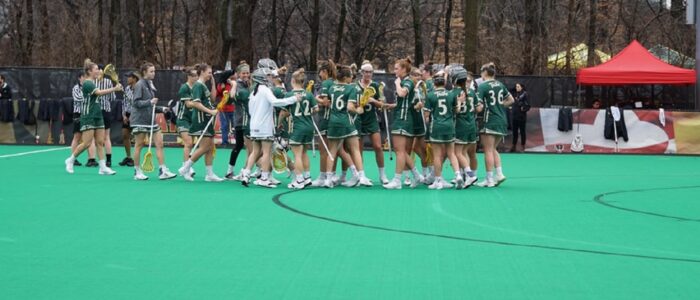
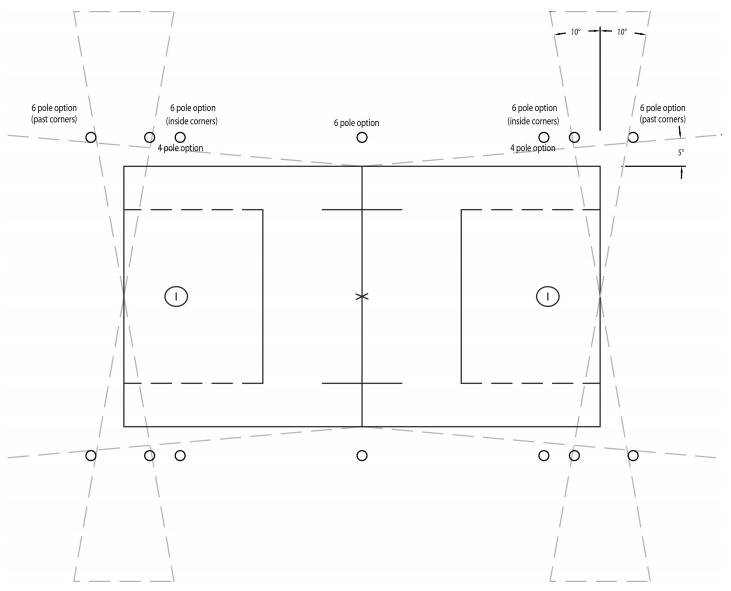
Lacrosse Field Lighting

Best Lighting Practices: Lacrosse Standard Intercollegiate Play


After athletic arena life safety obligations are met (governed legally by NFPA 70, NFPA 101, NFPA 110,  the International Building Code and possibly other state adaptations of those consensus documents incorporated by reference into public safety law) business objective standards come into play.   The illumination of the competitive venue itself figures heavily into the quality of digital media visual experience and value.

For almost all athletic facilities,  the consensus documents of the Illumination Engineering Society[1], the Institute of Electrical and Electronic Engineers[2][3] provide the first principles for life safety.  For business purposes, the documents distributed by the National Collegiate Athletic Association inform the standard of care for individual athletic arenas so that swiftly moving media production companies have some consistency in power sources and illumination as they move from site to site.  Sometimes concepts to meet both life safety and business objectives merge.

The NCAA is not a consensus standard developer but it does have a suite of recommended practice documents for lighting the venues for typical competition and competition that is televised.

NCAA Best Lighting Practices

 It welcomes feedback from subject matter experts and front line facility managers.

Our own monthly walk-through of athletic and recreation facility codes and standards workgroup meets monthly.  See our CALENDAR for the next online Athletics & Recreation facilities; open to everyone.

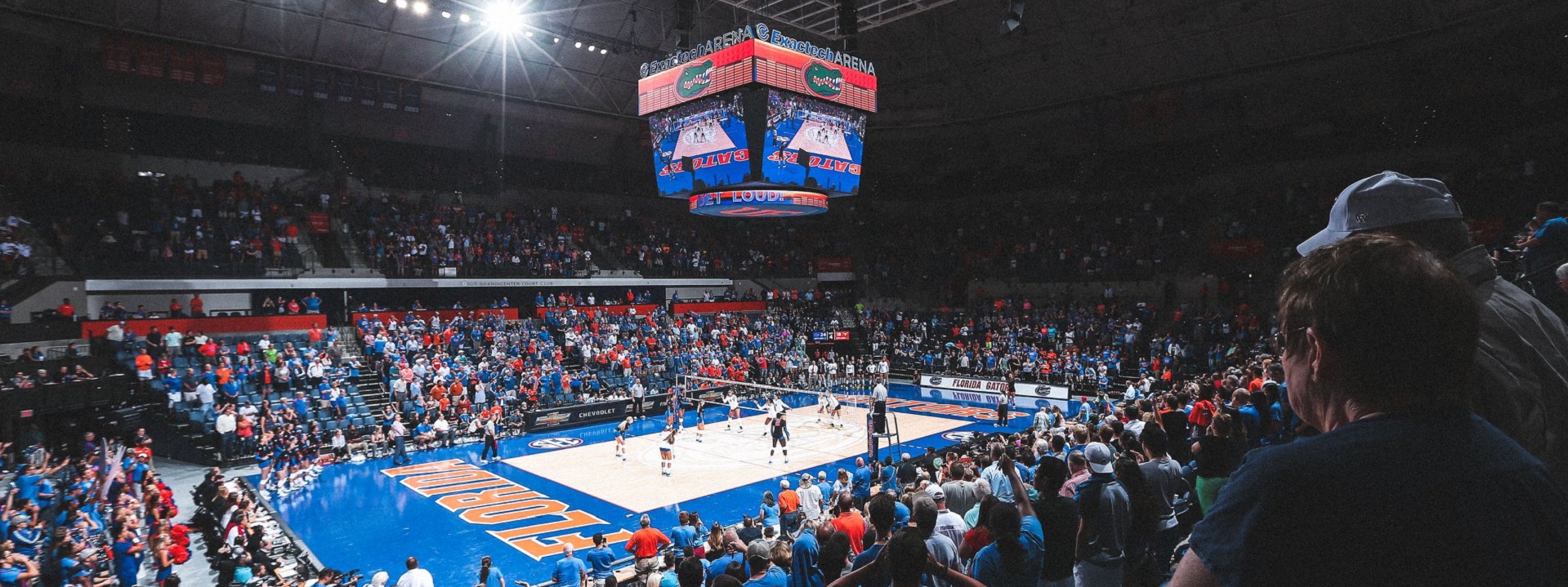
University of Florida

Issue: [15-138]*

Category: Electrical, Architectural, Arts & Entertainment Facilities, Athletics

Colleagues: Mike Anthony, Jim Harvey, Jack Janveja


[1] Illumination Engineering Handbook

[2] IEEE 3001.9 Recommended Practice for Design of Power Systems for Supplying Lighting Systems for Commercial & Industrial Facilities

[3] IEEE 3006.1 Power System Reliability


* Issue numbering before 2016 dates back to the original University of Michigan codes and standards advocacy enterprise 

Layout mode
Predefined Skins
Custom Colors
Choose your skin color
Patterns Background
Images Background
Standards Michigan
error: Content is protected !!
Skip to content