


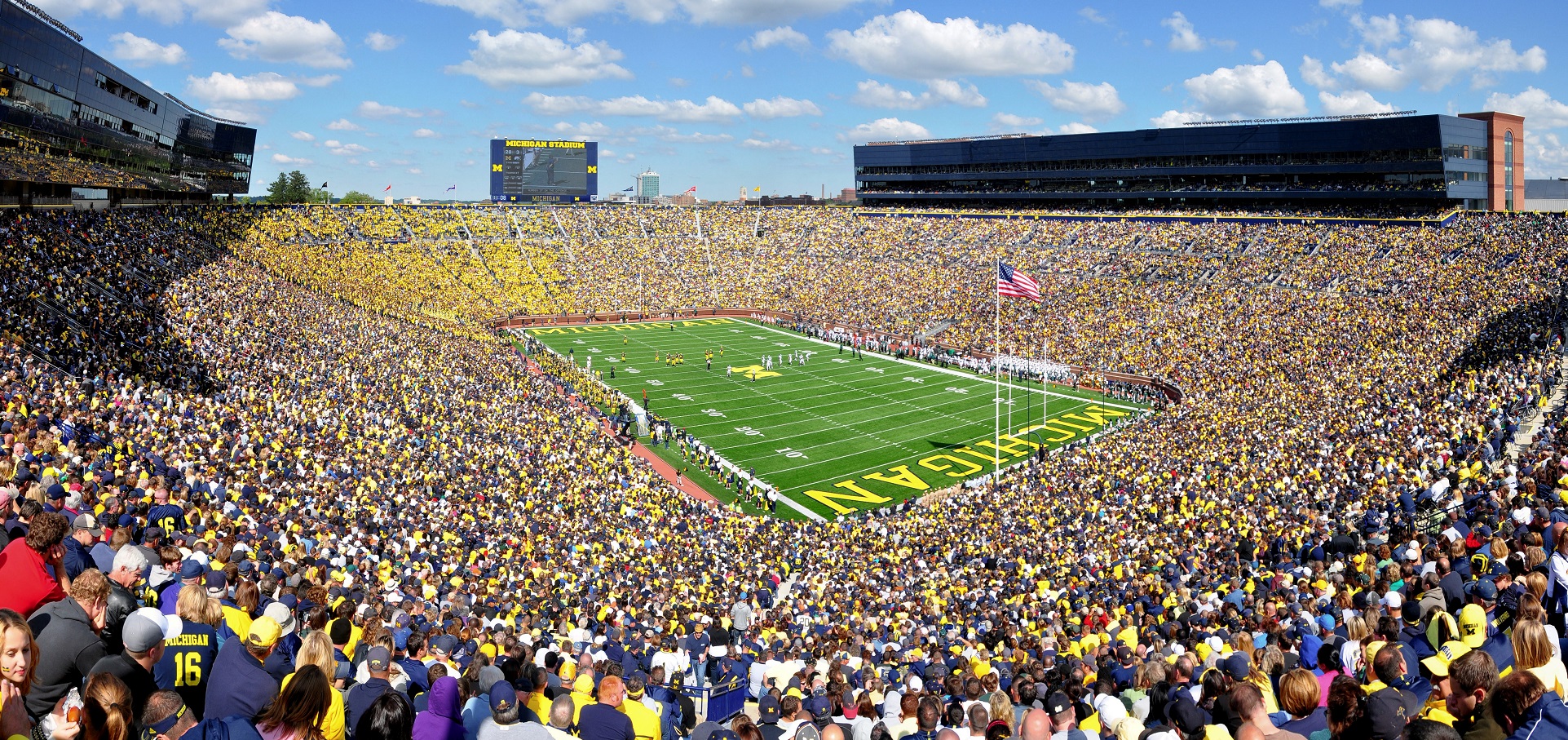
Today at the usual hour we examine the codes and standards that inform the deployment of distributed antenna systems for private 5G networks. While not every campus has full small cell density yet (deployment is ongoing and varies by size/location), it’s increasingly common on major ones to support “smart campus” initiatives and handle peak loads during athletic events such as football stadiums we know rather well.
Federal Regulations (Primarily FCC)
- FCC Small Cell Order (FCC 18-133, 2018, with ongoing updates/clarifications through 2025): Defines “small wireless facilities” (e.g., antennas ≤3 cubic feet, equipment ≤28 cubic feet total, structures ≤50 feet or limited height increases). Establishes “shot clocks” (presumptive review timelines: 60 days for collocations on existing structures, 90 days for new builds). Limits state/local fees (presumptive caps: ~$500 one-time, ~$270 annual recurring, unless justified by actual costs). Prohibits regulations that “prohibit or have the effect of prohibiting” service under Sections 253 and 332(c)(7) of the Communications Act. Allows reasonable, objective, published aesthetic requirements if no more burdensome than for other infrastructure.
- FCC RF Exposure Limits (updated 2019–2020, reaffirmed in recent proceedings): Maximum Permissible Exposure (MPE) guidelines for general public (e.g., ~580–1,000 µW/cm² depending on frequency) and occupational limits. All small cells must comply; local governments are preempted from regulating based on RF health/environmental effects if compliant. Requires RF compliance reports/certification in applications.
- NEPA (National Environmental Policy Act) and NHPA (National Historic Preservation Act) Streamlining: FCC has categorical exclusions/exemptions for many small cell deployments to speed environmental and historic reviews.
- Section 6409(a) of the Spectrum Act (2012, codified at 47 U.S.C. § 1455(a)): Mandates approval of collocation/modification requests on existing structures unless it substantially changes physical dimensions (with clarifications on concealment elements).
Electrical and Safety Codes
- National Electrical Code (NEC, NFPA 70): Applies to wiring, grounding, power distribution, surge protection, and service equipment for small cell installations (e.g., power supplies, rectifiers, enclosures). Often referenced for Class 2/Class 4 power systems in remote powering setups.
- National Electrical Safety Code (NESC): Governs utility pole attachments, clearances, climbing space, and overhead/underground installations (critical for pole-mounted small cells).
Structural and Engineering Standards
- ANSI/TIA-222 (Structural Standard for Antenna Supporting Structures, Antennas, and Small Auxiliary Structures, latest revisions e.g., -H or -I): Primary standard for structural design, wind/ice loading, risk categorization (often Risk Category I or II for small cells), foundation, and mounting on poles/towers. Used for pole modifications, new small cell poles, and load calculations.
- International Building Code (IBC) / ASCE 7: Often cross-referenced with TIA-222 for seismic, wind, and load requirements in structural reviews.
- AASHTO (American Association of State Highway and Transportation Officials) standards: For attachments near roadways or on traffic poles.
Other Relevant Standards and Guidelines
- 3GPP Technical Specifications: For 5G NR (New Radio) air interface, equipment interoperability, and performance (e.g., Release 15+ for standalone 5G).
- Small Cell Forum Documents: Industry best practices (e.g., definitions, siting considerations, product specs), though not mandatory codes.
- State-Specific Small Cell Laws: Many states (e.g., Utah, Texas, California, Colorado) have statutes streamlining permitting, capping fees, setting ROW access rules, and aligning with FCC preemption (e.g., Texas Chapter 284, Utah Small Wireless Facilities Deployment Act).
- Local Design/Aesthetic Guidelines: Cities (e.g., Denver, San José, Salt Lake City) adopt standards for concealment, placement, height, materials, and integration (must be reasonable/objective per FCC to avoid preemption).
Related: