


ICC Means of Egress | NFPA Means of Egress
Classical architects, drawing from ancient Greek and Roman traditions (as codified by Vitruvius), regarded building entrances as the primary expression of venustas (beauty), alongside strength and utility. Entrances served as grand thresholds, symbolizing transition from the profane exterior to the ordered interior.They achieved beauty through harmonious proportion, symmetry, and the golden ratio, ensuring visual delight.
Porticos with elegant columns (Doric, Ionic, or Corinthian), entablatures, and pediments framed doorways, creating majestic first impressions. These elements conveyed prestige, invited reverence, and embodied ideal order, making the entrance the façade’s focal point of timeless elegance and civic or domestic dignity.
We present improvements that are possible on the University of Michigan Ann Arbor campus. We acknowledge that interior design and functionality may have to change.

Mason Hall South Entrance NOW | University of Michigan
Standards of beauty for building entrances in architecture emphasize creating a welcoming, harmonious, and memorable first impression. Core principles draw from timeless design tenets like proportion, scale, balance, and emphasis, ensuring the entrance feels appropriately sized relative to the overall structure and surroundings—neither overwhelming nor insignificant.
A beautiful entrance often features symmetry or thoughtful asymmetry for visual harmony, grand yet human-scaled elements like arches, columns, porticos, or recessed doorways that add depth and shelter. Materials matter: high-quality doors (glass for transparency, wood for warmth, or metal for modernity) combined with textures that complement the building’s style create tactile and visual appeal.
Ultimately, beauty arises from blending functionality (accessibility, security, weather protection) with emotional impact: an entrance that feels inviting, ordered, and reflective of the building’s purpose or cultural context.

Mason Hall South Entrance IMPROVED | University of Michigan
Means of egress rules, primarily from the International Building Code (IBC) and NFPA 101, dictate the number and sizes of exit doors to ensure safe evacuation.
Number of exits: Most spaces require at least two exits when the occupant load exceeds 49 (for many occupancies like assembly, business, or mercantile). Loads of 501–1,000 need three exits, and over 1,000 require four or more. Single exits are allowed for low-occupant areas (often ≤49 people) with limited travel distances.
Sizes: Exit doors must provide a minimum clear opening width of 32 inches (813 mm). Required total egress width is calculated from occupant load (typically 0.2 inches per person for nonsprinklered buildings or 0.15 inches for sprinklered), distributed across exits. Doors swing in the egress direction for loads over 50 and must remain operable without keys or special effort.
These ensure adequate capacity and redundancy during emergencies. We treat security standards separately. See our CALENDAR
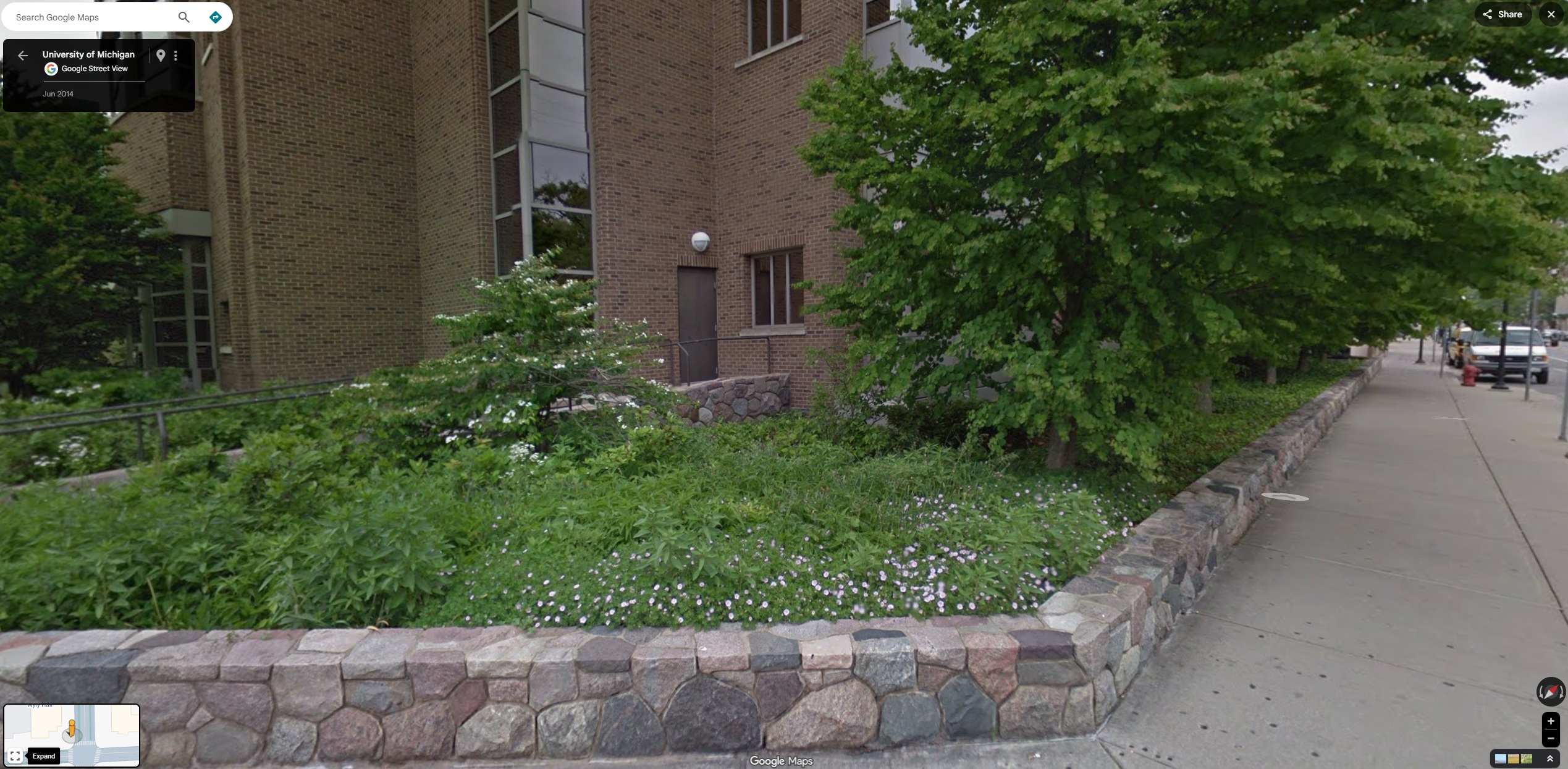
Existing Southeast corner of Wyly Hall
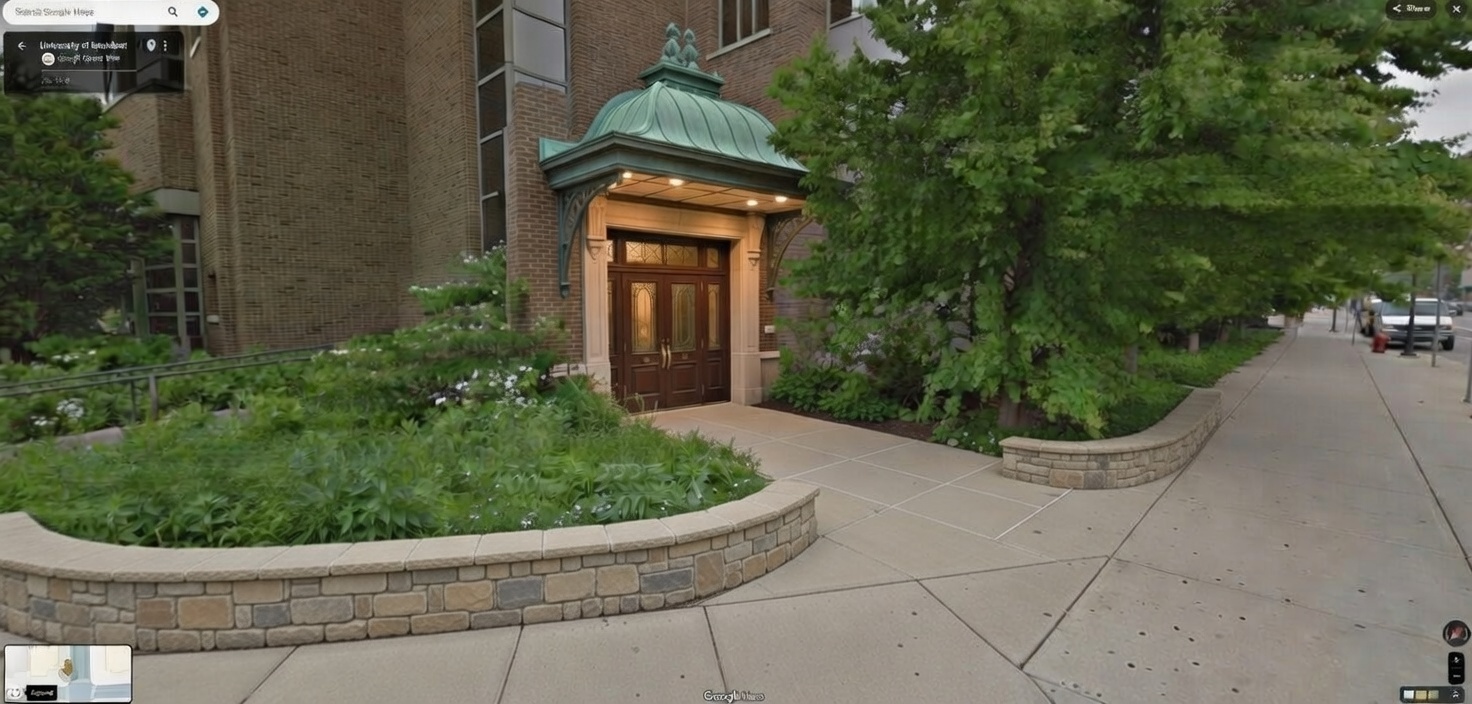
Improved Southeast corner of Wyly Hall





