


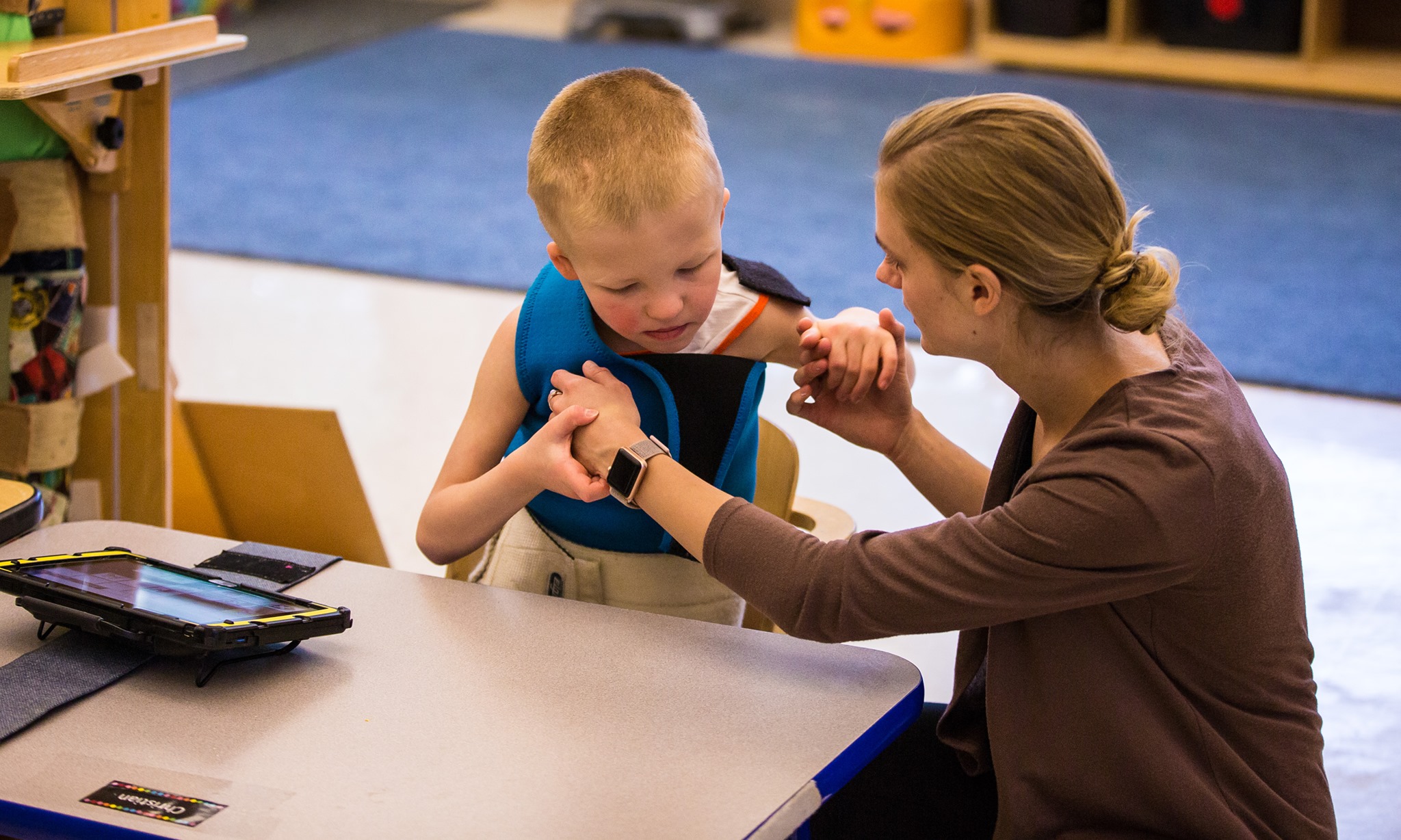
The Watson Institute | Allegheny County 412
Special education classrooms are governed not by one standard, but by the intersection of building, fire, electrical, accessibility, environmental and educational requirements. Among the dominant U.S. codes and standards are:
- International Building Code (IBC)
- International Existing Building Code (IEBC)
- International Fire Code (IFC)
- NFPA 101 — Life Safety Code
- NFPA 70 — National Electrical Code (NEC)
- NFPA 72 — National Fire Alarm and Signaling Code
- ICC A117.1 — Accessible and Usable Buildings and Facilities
- 2010 ADA Standards for Accessible Design
- ASHRAE Standard 62.1 — Ventilation and Acceptable Indoor Air Quality
- ASHRAE Standard 55 — Thermal Environmental Conditions for Human Occupancy
- ASHRAE Standard 90.1 — Energy Standard for Sites and Buildings Except Low-Rise Residential Buildings
- ANSI/ASA S12.60 — Acoustical Performance Criteria, Design Requirements and Guidelines for Schools
- IES Lighting Library / ANSI-IES recommendations
- ASCE 7 — Minimum Design Loads and Associated Criteria for Buildings and Other Structures
- IDEA, ADA and Section 504 regulatory framework
The resulting classroom is therefore a systems problem: accessibility, acoustics, lighting, ventilation, electrical power, signaling, emergency egress and assistive technology all meet in the same room.






