
Author Archives: mike@standardsmichigan.com
- Home
- Articles posted by mike@standardsmichigan.com (Page 187)



Hosanna to the Son of David
Matthew 21:1-11 recounts the events of Palm Sunday, the triumphal entry of Jesus into Jerusalem:
1 As they approached Jerusalem and came to Bethphage on the Mount of Olives, Jesus sent two disciples, 2 saying to them, “Go to the village ahead of you, and at once you will find a donkey tied there, with her colt by her. Untie them and bring them to me. 3 If anyone says anything to you, say that the Lord needs them, and he will send them right away.”
4 This took place to fulfill what was spoken through the prophet: 5 “Say to Daughter Zion, ‘See, your king comes to you, gentle and riding on a donkey, and on a colt, the foal of a donkey.'”
6 The disciples went and did as Jesus had instructed them. 7 They brought the donkey and the colt and placed their cloaks on them for Jesus to sit on. 8 A very large crowd spread their cloaks on the road, while others cut branches from the trees and spread them on the road. 9 The crowds that went ahead of him and those that followed shouted, “Hosanna to the Son of David!” “Blessed is he who comes in the name of the Lord!” “Hosanna in the highest heaven!”
10 When Jesus entered Jerusalem, the whole city was stirred and asked, “Who is this?”
11 The crowds answered, “This is Jesus, the prophet from Nazareth in Galilee.”
The term “Hosanna” originates from Hebrew and is often translated as “Save, we pray” or “Save us, we pray.” It is an expression of adoration, praise, and supplication. It’s origins lie in the events of Palm Sunday, which commemorates Jesus Christ’s triumphant entry into Jerusalem. According to the Gospels, Jesus rode into Jerusalem on a donkey while crowds of people laid palm branches and their cloaks on the road, shouting “Hosanna to the Son of David! Blessed is he who comes in the name of the Lord! Hosanna in the highest heaven!”


The Elephant in the Brain
This content is accessible to paid subscribers. To view it please enter your password below or send mike@standardsmichigan.com a request for subscription details.

Italian Baked Lasagna

Serves 12: Click Image
Ingredients:
½ onion, chopped
2 (16-ounce) jars low-sodium spaghetti sauce
½ teaspoon salt
1 teaspoon Italian seasoning
1 package frozen spinach, thawed
2 eggs, beaten
2 cups low-fat, low sodium cottage cheese
1 pound no cook lasagna noodles
1 pound low-fat mozzarella cheese, grated
½ cup low-fat Parmesan cheese, grated
Cooking oil spray
Directions:
Preheat the oven to 350 degrees.
Spray skillet with cooking oil spray. Add the garlic and onion, cook until soft.
Add spaghetti sauce, salt, and Italian seasoning and mix well. Simmer on low heat for 15 minutes.
Squeeze all of the water out of the spinach.
In a separate bowl, combine eggs, spinach, and cottage cheese.
Spray a 9″ x 12″, deep sided baking pan with cooking oil spray. Arrange a layer of noodles across bottom of the pan.
Add a layer of spaghetti sauce, cottage cheese mixture, and mozzarella cheese.
Add a second layer of pasta, the sauce, and cheese mixture. Repeat until pan is almost full.
Add one more layer of noodles and top with more spaghetti sauce. Sprinkle with parmesan cheese.
Bake at 350 degrees for 40 to 45 minutes, or until the cheese is bubbly. Allow to set for 5 to 10 minutes before cutting into portions.




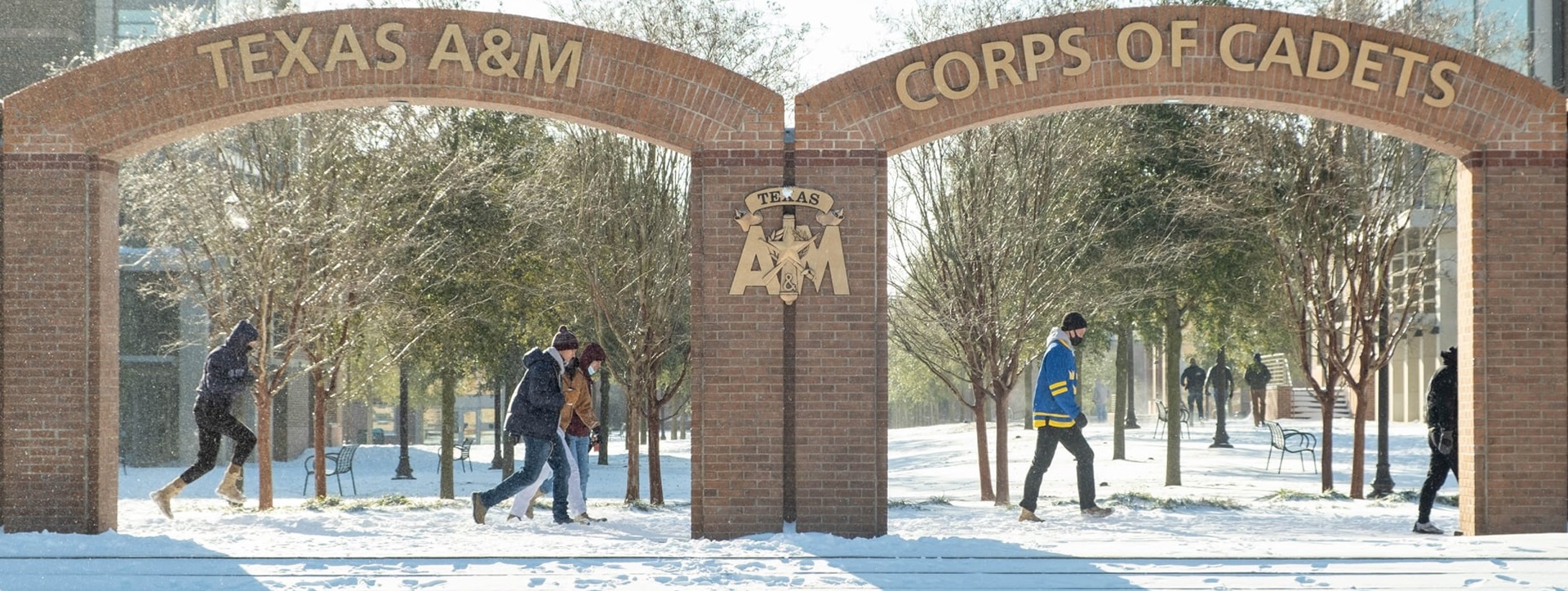
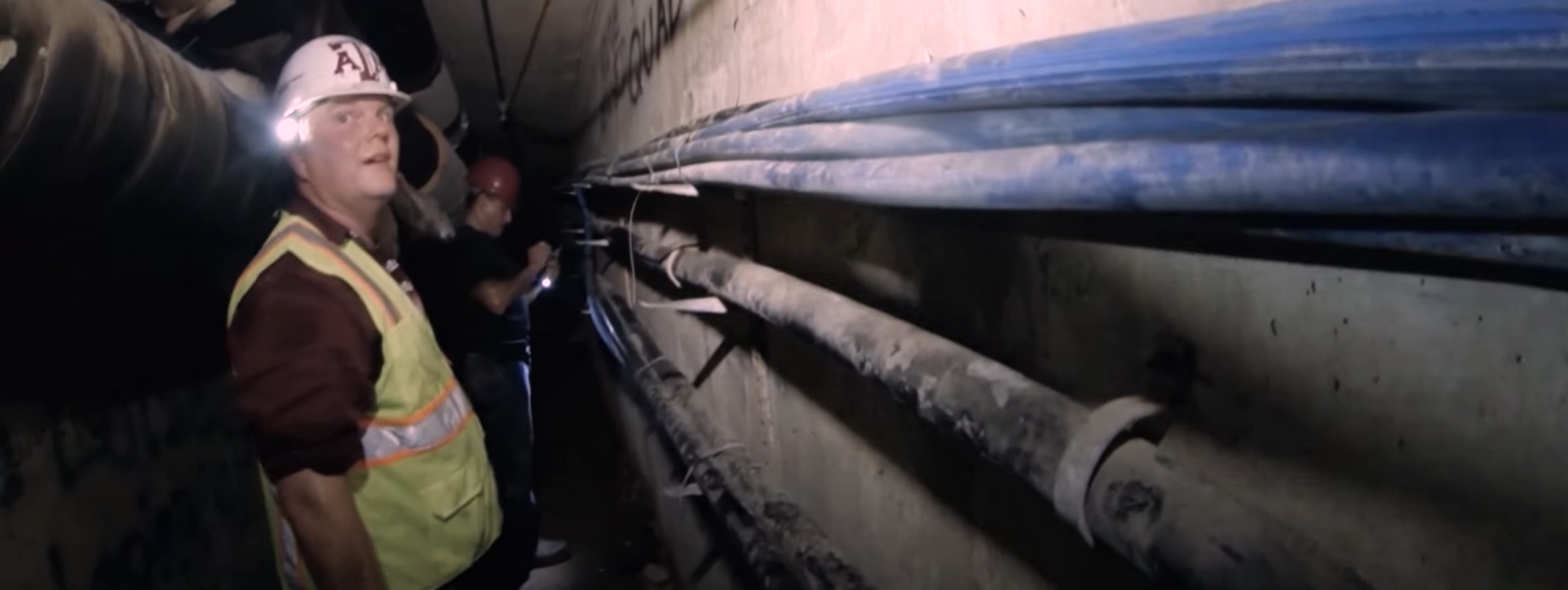


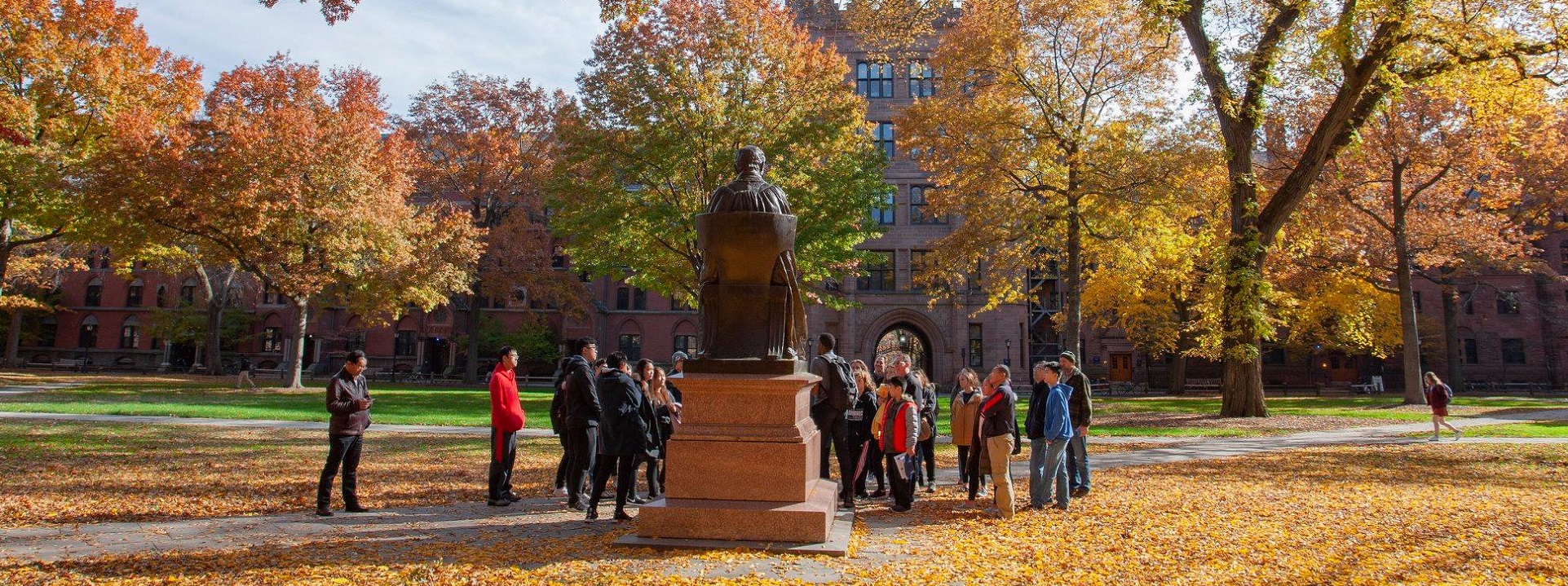
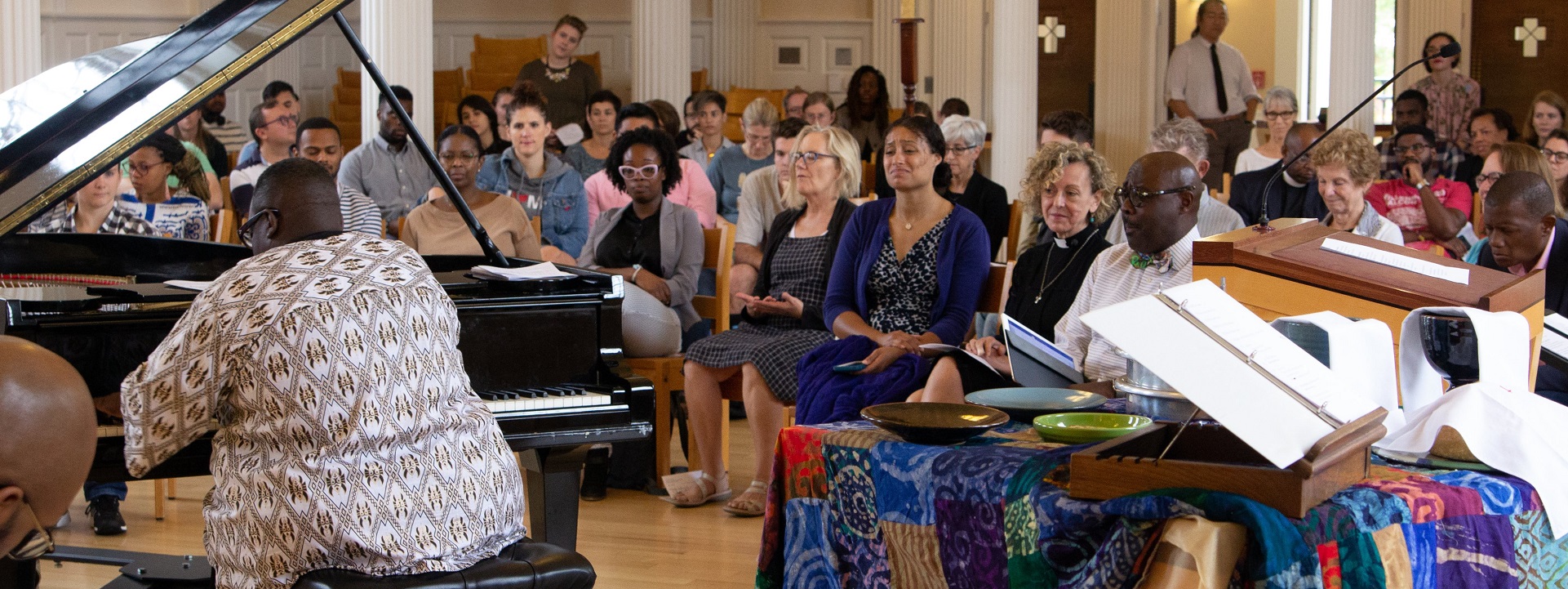
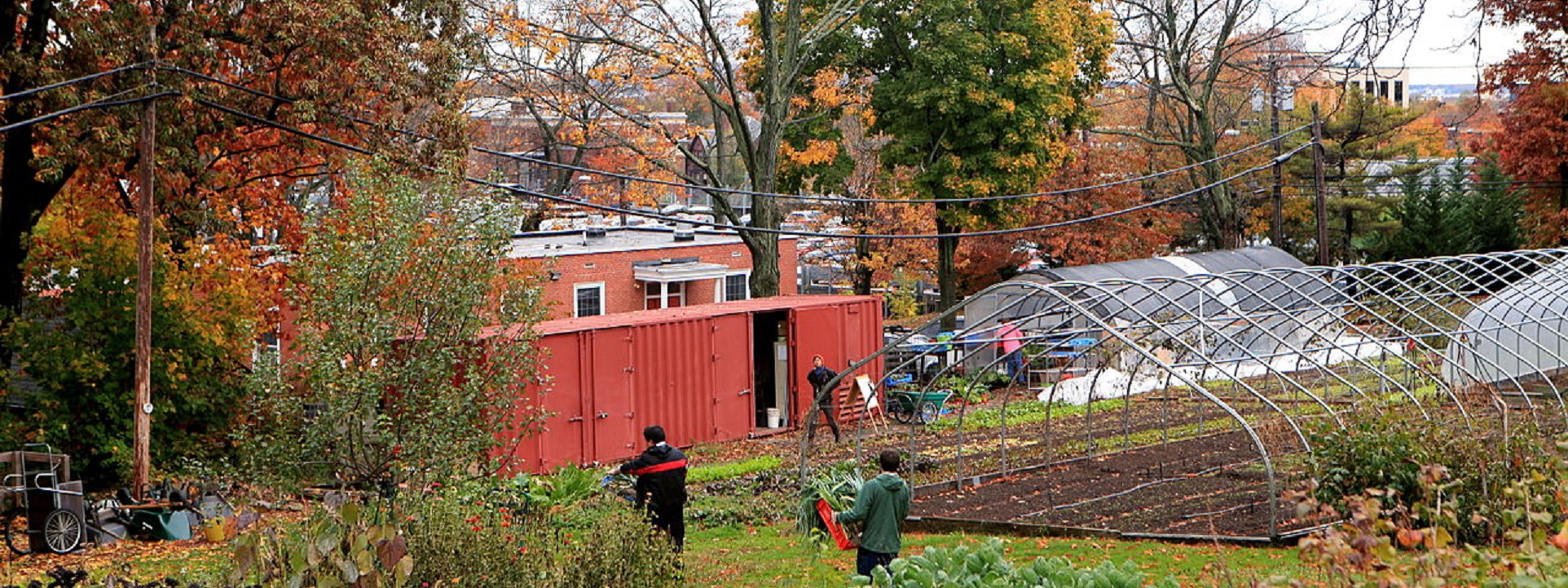
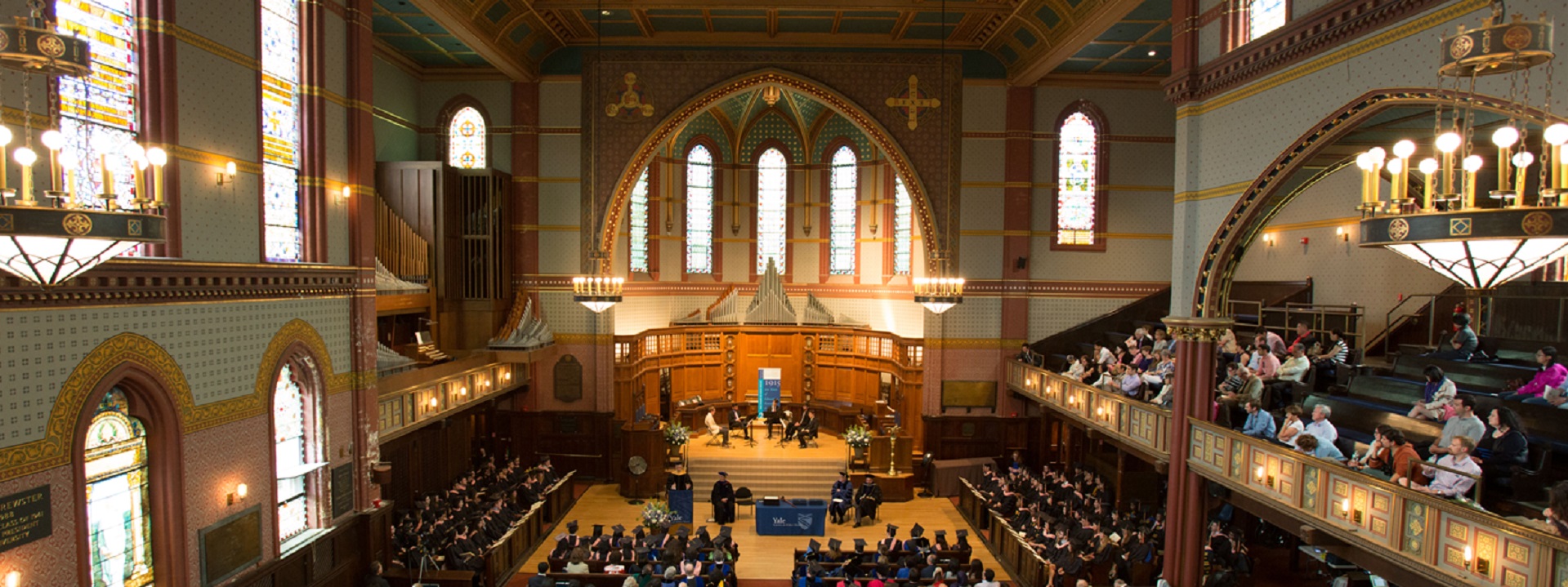
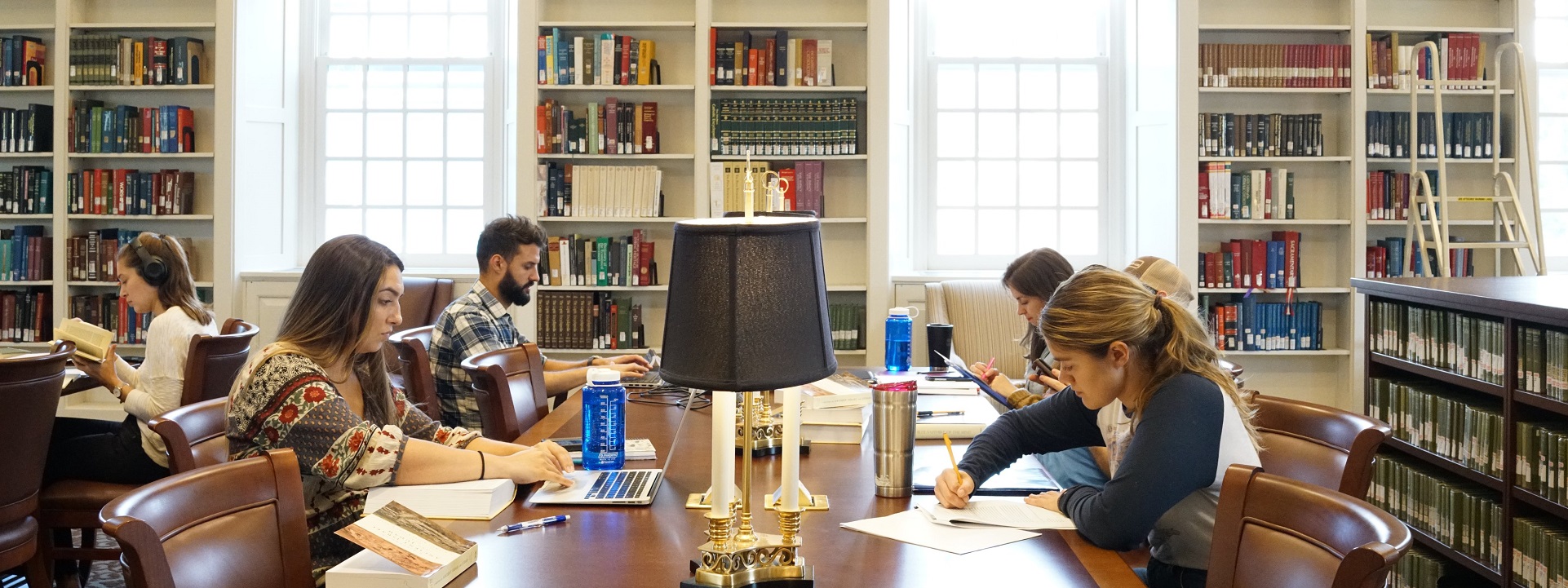


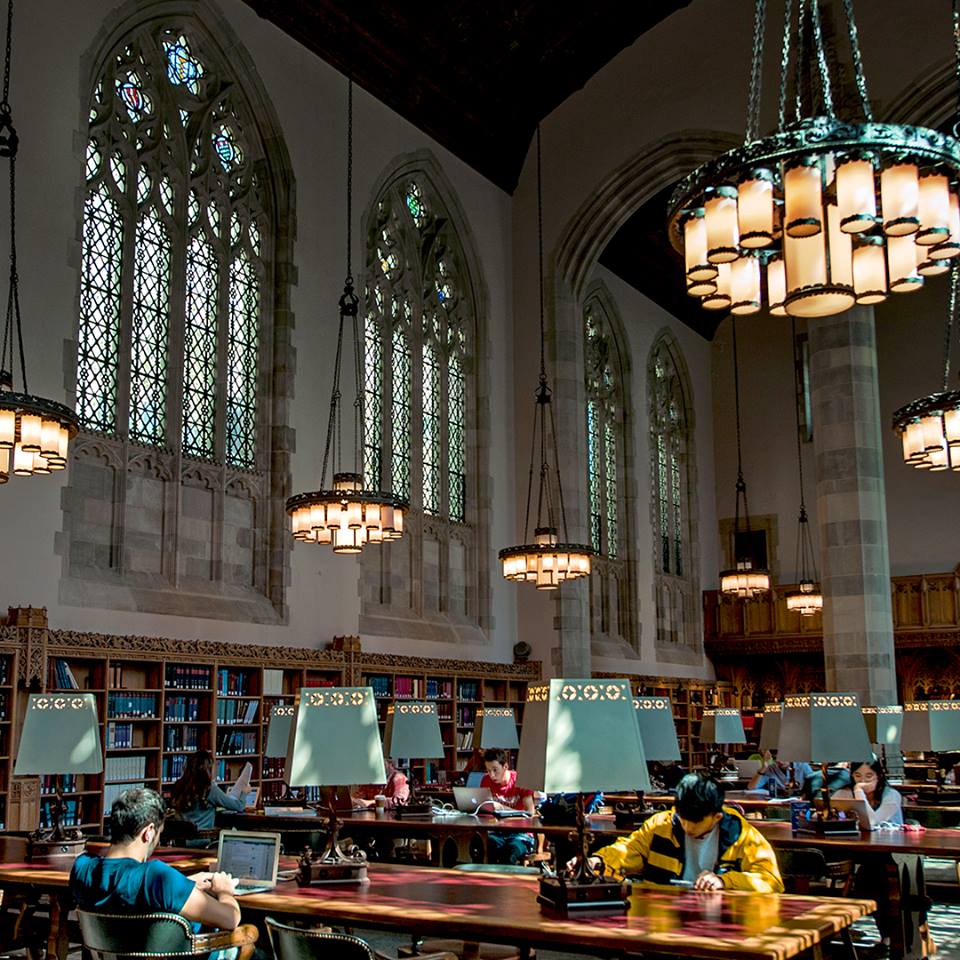

George W. Bush Presidential Library and Museum
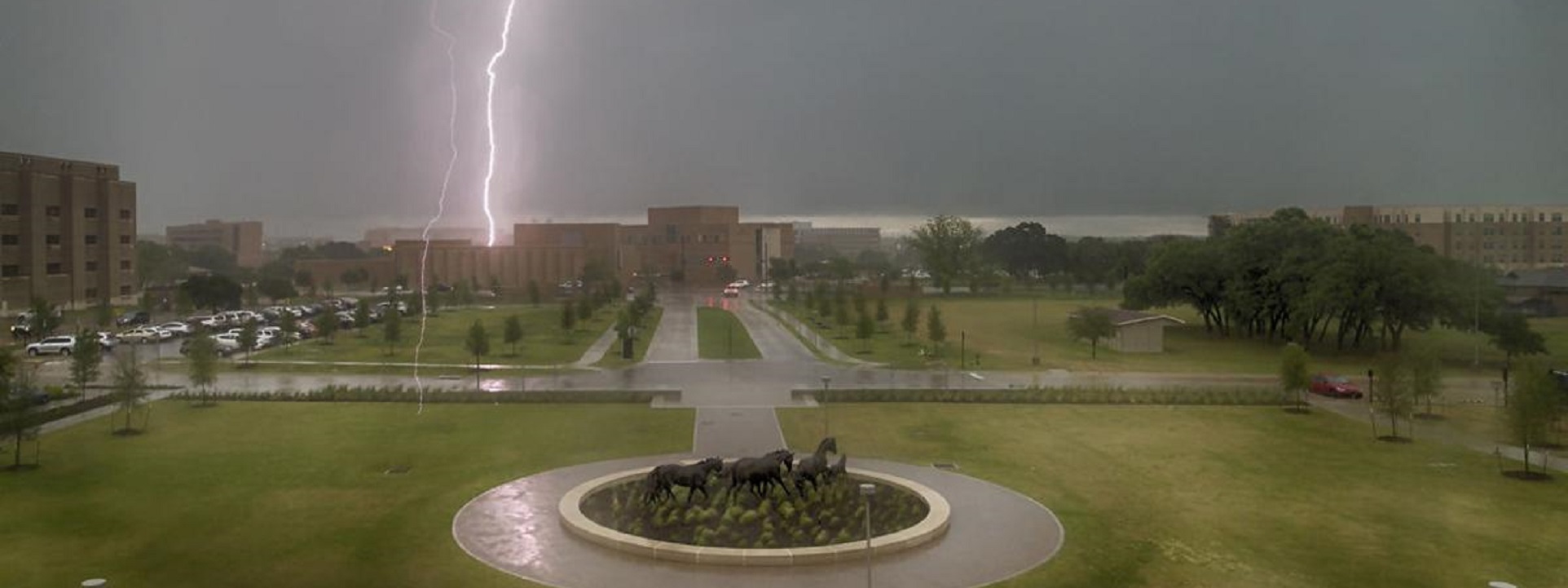
The George W. Bush Presidential Library and Museum, located on the campus of Southern Methodist University in Dallas, Texas, was designed by architect Robert A.M. Stern. The library was dedicated on April 25, 2013, and it serves as the official library and museum for the 43rd President of the United States, George W. Bush.
Robert A.M. Stern is a prominent American architect known for his work on various projects, including academic buildings, museums, and residential structures. His design reflects a traditional and monumental architectural style that combines elements of classicism with contemporary design features. The library, located on the campus of Southern Methodist University in Dallas, Texas, was opened to the public in 2013.
Here are some features of the Stern design:
- Neo-Classical Style: Robert Stern’s design for the George W. Bush Library draws inspiration from classical architectural elements, particularly evident in the grandeur of its facade. The building features symmetrical lines, grand columns, and a sense of balance and proportion reminiscent of classical architecture.
- Materials: The exterior of the library is clad in Texas Cordova Cream limestone, which gives the building a timeless and elegant appearance. The use of this indigenous stone connects the library to its Texas roots while also conveying a sense of permanence and strength.
- Grand Entrance: The entrance to the library is marked by a grand portico supported by tall columns, evoking the imagery of ancient Greek and Roman temples. This creates a sense of importance and significance befitting a presidential library.
- Light-filled Interior: Inside the library, natural light floods the space through expansive windows and skylights, creating an inviting and uplifting atmosphere. The interior spaces are designed to be open and airy, with high ceilings and ample room for exhibits and displays.
- Landscape Design: Surrounding the library is a carefully landscaped campus that includes native Texas plantings, walking paths, and outdoor gathering spaces. The landscape design complements the architecture of the building and provides visitors with opportunities for reflection and relaxation.
We refer to him as American Vitruvius, given his influence on the architecture of so many educational settlements; reflecting classical elegance with contemporary functionality.



Evensong “A Boy and A Girl”
| The University Academic Choir was founded in 1948 and has a wide-ranging repertoire that includes classical, folk, and sacred music. The choir is also involved in promoting the cultural heritage of Poland and building cultural connections with other countries around the world. |
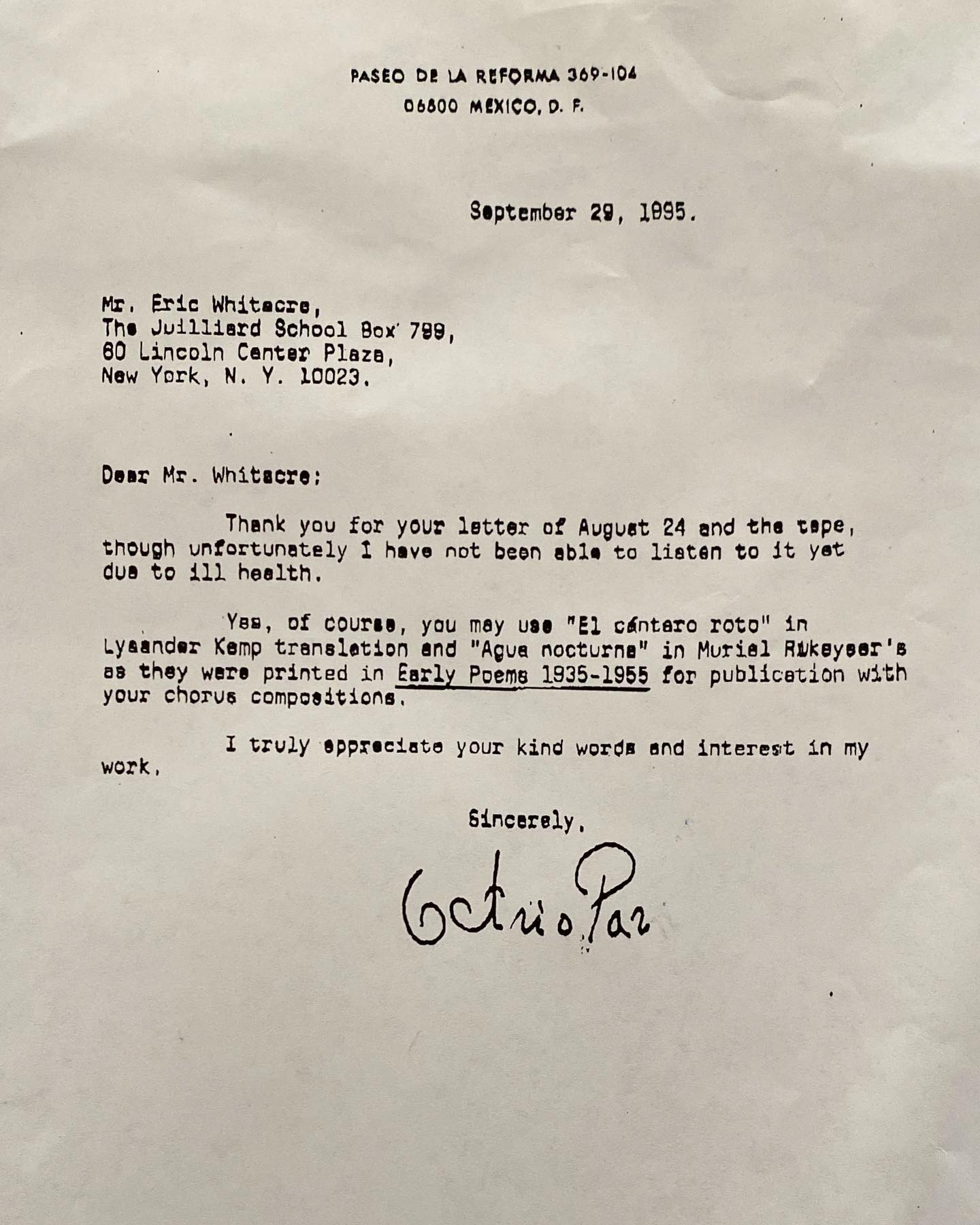
Eric Whitacre: Original poem Octavio Paz

History of Western Civilization Told Through the Acoustics of its Worship Spaces
New update alert! The 2022 update to the Trademark Assignment Dataset is now available online. Find 1.29 million trademark assignments, involving 2.28 million unique trademark properties issued by the USPTO between March 1952 and January 2023: https://t.co/njrDAbSpwB pic.twitter.com/GkAXrHoQ9T
— USPTO (@uspto) July 13, 2023
Standards Michigan Group, LLC
2723 South State Street | Suite 150
Ann Arbor, MI 48104 USA
888-746-3670
DIRECTIONS
 |
 |
|
 |
 |
|
 |
 |