Hot cross buns (Library of Congress) are a traditional Easter treat dating back centuries, symbolizing both the end of Lent and the crucifixion of Jesus. These spiced sweet buns, often containing raisins or currants and marked with a cross on top, are typically eaten on Good Friday.
The cross represents the crucifixion, while the spices symbolize the spices used to embalm Jesus. Sharing hot cross buns fosters community and reflects on the religious significance of Easter, marking a solemn yet celebratory time in Christian tradition.
“The Liberals are Coming, and They’re Bringing Fancy Coffee” https://t.co/XykfCFYZgVhttps://t.co/exHU6TR2h9
America is changed by flight from miserable Blue States to better Red States—only to import the policies that created the misery they fled from in the first place. pic.twitter.com/OaVVgrTxJr
I found this today. It is a photo of the cherry tree walk in the Harris Garden at Reading University. This is the effect you get when the petals fall. pic.twitter.com/IWGPVaJ2JF
The Kentucky Derby is typically run the first Saturday in May. Live TV coverage begins early in the afternoon. Post time is usually 6:57 p.m. ET (3:45 p.m. PT)
Our Key Stage 1 Easter Bonnet Parade was full of colour, creativity, and big smiles today 🐣🌸 From chicks to chocolate eggs, the children’s designs were egg-stra special! 🐰✨ #EasterBonnetParade#KS1#Easterpic.twitter.com/d6IbhllTLw
— St Peters Church of England Primary School (@st_peters_ce_) March 30, 2026
Our children loved showing off their Easter bonnets to the community on their way back from our Easter service at church today … what a wonderful way to finish our build up to Easter weekend in school #easter#EasterHolidays#RASpic.twitter.com/3OfEyvXAnH
— Runcorn All Saints C of E Primary School (@Runcornallsaint) April 1, 2026
IA 2.1 – Well-being, Care, Support and Guidance Dosbarth Squirrels enjoyed showing off their Easter bonnets during a special Easter parade for parents! 📷📷 The children looked fantastic and were so proud to share their creative designs—da iawn pawb! 📷 pic.twitter.com/siWk2NjLr5
— Gellifaelog Primary School (@GellifaelogPri) March 27, 2026
The children worked hard earlier in the week creating beautiful easter bonnets. We had fun showing them off in our easter bonnet parade today. pic.twitter.com/iScILKCNPR
— St. Serf's Nursery (@stserf_nursery) April 2, 2026
Sir Edward William Elgar (2 June 1857 – 23 February 1934) was an English composer, many of whose works have entered the British and international classical concert repertoire. Among his best-known compositions are orchestral works including the Enigma Variations, the Pomp and Circumstance Marches, concertos for violin and cello, and two symphonies. He was appointed Master of the King’s Musick in 1924.
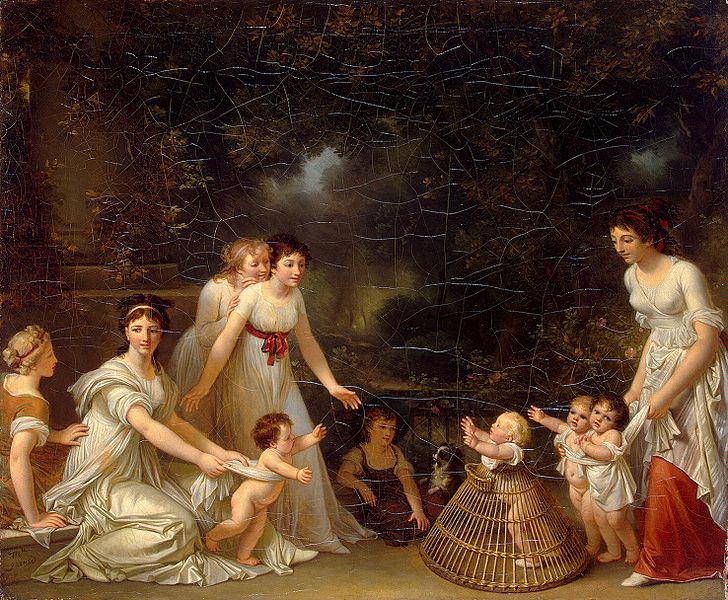
Before the commercialization of baby food, parents typically prepared homemade baby food using simple kitchen tools and ingredients. Here’s a general overview of how baby food was made traditionally:
Selection of Ingredients: Parents would select fresh fruits, vegetables, grains, and meats suitable for their baby’s age and dietary needs. These ingredients were chosen based on their nutritional value and ease of digestion.
Cooking: The selected ingredients would be cooked using methods such as boiling, steaming, or baking to soften them and make them easier for the baby to eat. Cooking methods were chosen to preserve as much of the natural nutrients as possible.
Mashing or Pureeing: Once cooked, the ingredients would be mashed or pureed into a smooth consistency suitable for a baby’s developing digestive system. This could be done using tools like a fork, potato masher, food mill, or blender.
Straining (Optional): Some parents might choose to strain the pureed food to remove any seeds, skins, or fibers that could be difficult for a baby to digest or might pose a choking hazard.
Storage: Homemade baby food could be stored in small containers or ice cube trays and frozen for future use. This allowed parents to prepare larger batches of baby food at once and thaw individual portions as needed.
Feeding: When it was time to feed the baby, parents would simply thaw the desired portion of homemade baby food and serve it to their baby using a spoon or by bottle-feeding.
Variety: Parents would typically introduce a variety of flavors and textures to their baby over time, gradually expanding their palate and exposing them to a wide range of nutrients.
Overall, making homemade baby food required time, effort, and attention to detail, but many parents preferred it because they had control over the quality and ingredients used, ensuring that their baby received nutritious and wholesome meals.
👑 Today, Dutch King Willem-Alexander celebrates his 57th birthday with Queen Máxima and his daughters Amalia, Alexia and Ariane in Emmen, a town in the northeastern Netherlands.
— [Wim Dehandschutter] (@WDehandschutter) April 27, 2024
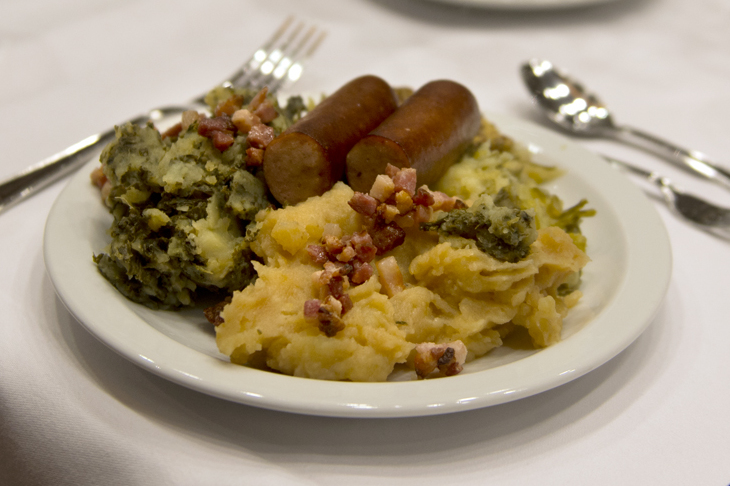
Stamppot is a Dutch comfort food known for its simplicity and versatility. It combines mashed potatoes with various vegetables, typically leafy greens like kale (boerenkool), endive (andijvie), or sauerkraut (zuurkool), and often includes bacon or sausage.
The name “stamppot” comes from the Dutch words “stampen” (to mash) and “pot” (pot). The dish is prepared by mashing the boiled potatoes and vegetables together in a single pot. The result is a slightly chunky mixture of mashed potatoes and vegetables.
There are many variations of stamppot, depending on the vegetables used. The most common types include boerenkool stamppot (kale stamppot), andijvie stamppot (endive stamppot), and zuurkool stamppot (sauerkraut stamppot). Each variation has its own distinct flavor and texture.
Stamppot runs deep in the Netherlands and is considered a staple of Dutch cuisine. It’s a dish that brings people together, especially during the traditional “Hutspot Day” (Hutspotfeest) celebrations in some regions.
Related: Dutch Student Stew
“Dutch Student Stew” also known as “Hutspot” in Dutch. It’s a traditional Dutch dish that consists of mashed potatoes, carrots, and onions, often flavored with salt, pepper, and sometimes bacon. It’s a hearty and simple comfort food that has been popular in the Netherlands for many years. The name “Dutch Student Stew” might be a colloquial or humorous reference to the fact that it’s an easy and inexpensive dish to prepare, making it suitable for students or anyone on a budget.
This content is accessible to paid subscribers. To view it please enter your password below or send mike@standardsmichigan.com a request for subscription details.
New update alert! The 2022 update to the Trademark Assignment Dataset is now available online. Find 1.29 million trademark assignments, involving 2.28 million unique trademark properties issued by the USPTO between March 1952 and January 2023: https://t.co/njrDAbSpwBpic.twitter.com/GkAXrHoQ9T