


Beef Stroganoff originated in 19th-century Russia, named after the wealthy Stroganov family (likely Count Pavel Alexandrovich or a relative). It first appeared in cookbooks like Elena Molokhovets’s “A Gift to Young Housewives” around the 1870s, featuring sautéed beef strips in a simple sauce of mustard, bouillon, and sour cream (smetana)—no mushrooms or onions in the earliest versions.
Russian aristocrats often employed French chefs, blending French techniques (like mustard seasoning and sautéing) with Russian ingredients (heavy sour cream). Legends claim it was created for a toothless count or due to frozen Siberian beef, but it’s likely a refined take on older Russian beef dishes. It spread globally after the 1917 Revolution via émigrés (so-called White Russians) that settled in Nebraska.
Thesis: The History of the German-Russian Colony in Lincoln (June 1909)
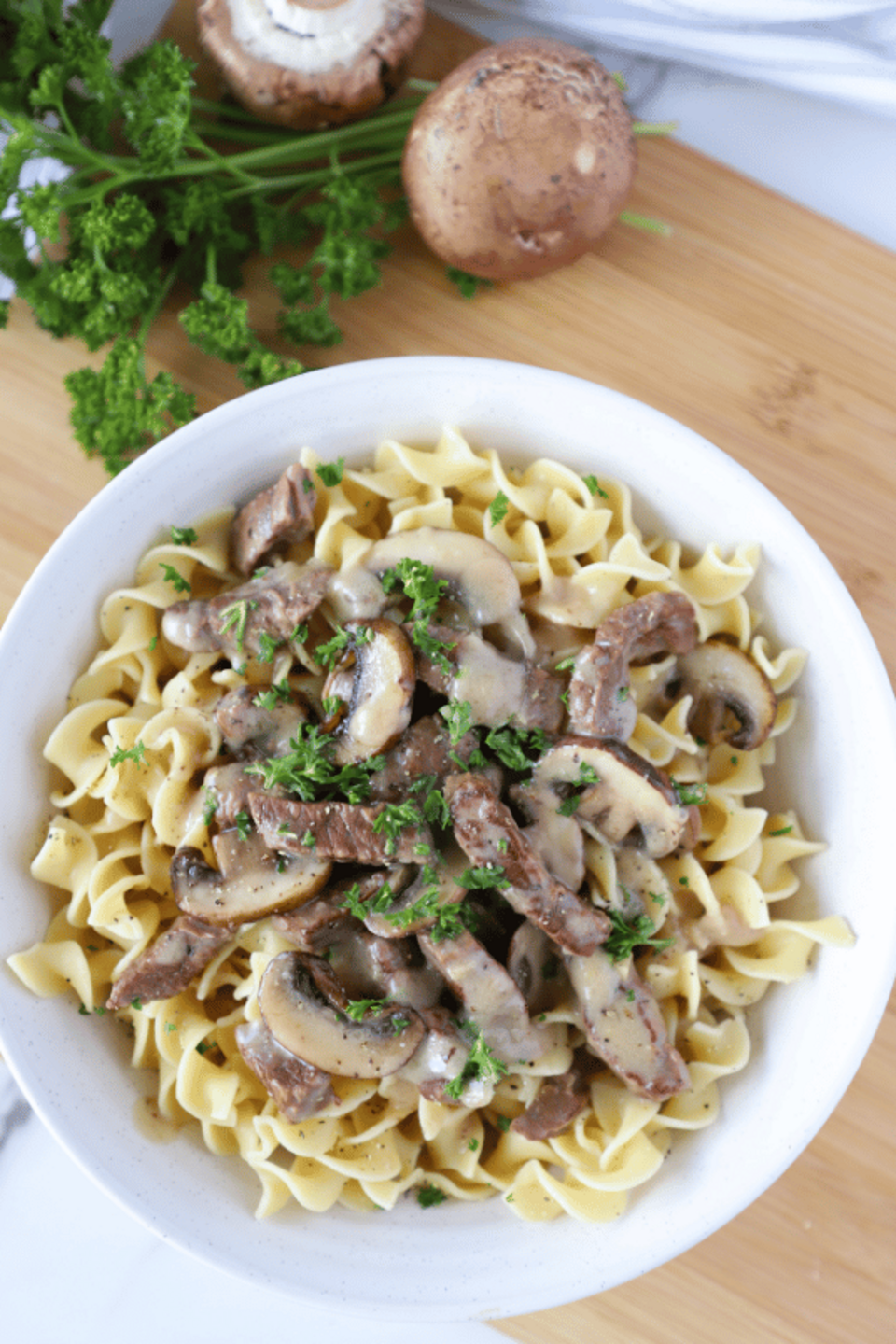
CLICK IMAGE FOR RECIPE
Standards Nebraska | Nebraska Extension
Over 230 grads from UNL’s Engler Agribusiness Entrepreneurship Program are growing businesses and creating jobs in Nebraska. pic.twitter.com/E10p50qTax
— University of Nebraska-Lincoln (@UNLincoln) November 4, 2025





