
Category Archives: Lively Arts / Media
- Home
- Archive by category "Lively Arts / Media" (Page 6)


40 Years, 40 Songs
“A Prairie Home Companion” is a famous radio variety show created and hosted by Garrison Keillor. The show was known for its mix of humor, music, and storytelling and was broadcast from various venues across the United States. The show often featured live performances and music from various artists and was a cultural staple, particularly in the Midwest.
While Garrison Keillor is best known for his association with “A Prairie Home Companion,” his ties to Macalester College are an important part of his personal and professional history. His experiences at Macalester likely influenced his career in radio and entertainment, and the college takes pride in his achievements as an alumnus.

한국의 드럼 연주
This content is accessible to paid subscribers. To view it please enter your password below or send mike@standardsmichigan.com a request for subscription details.



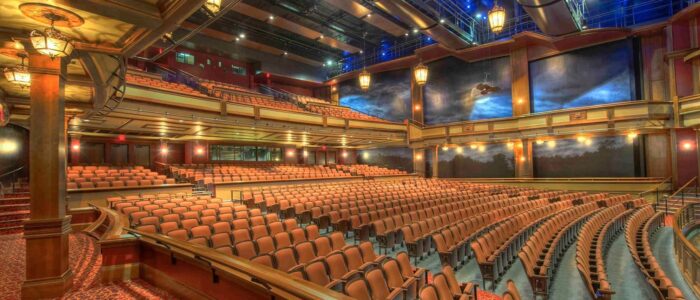
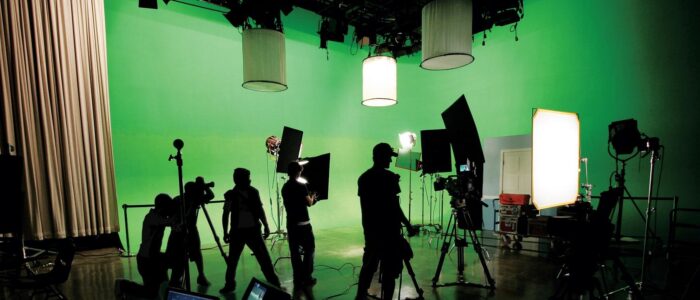
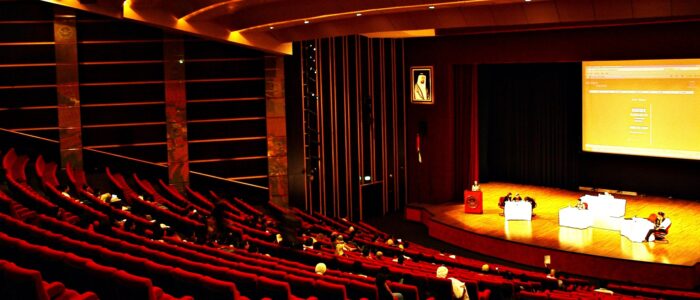
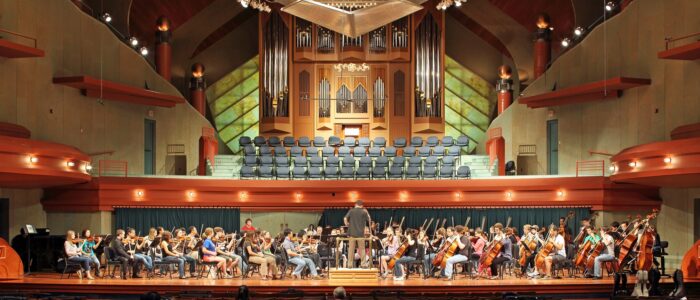
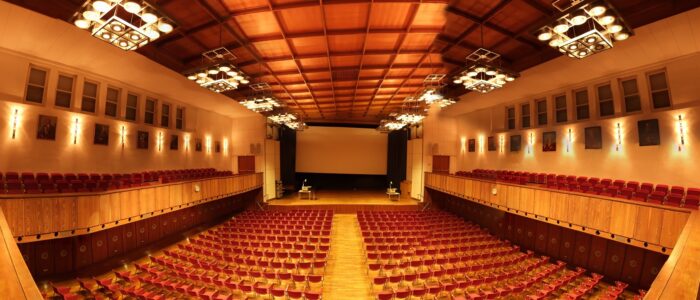
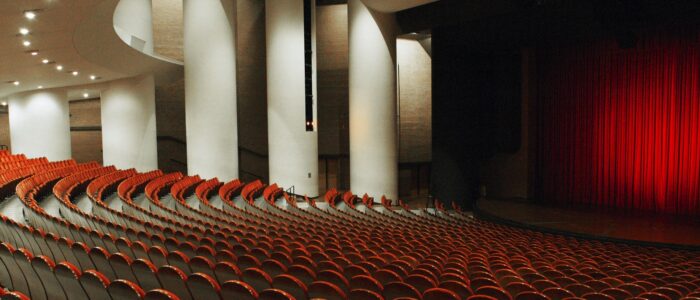
Lighting Theatre & Auditorium Spaces
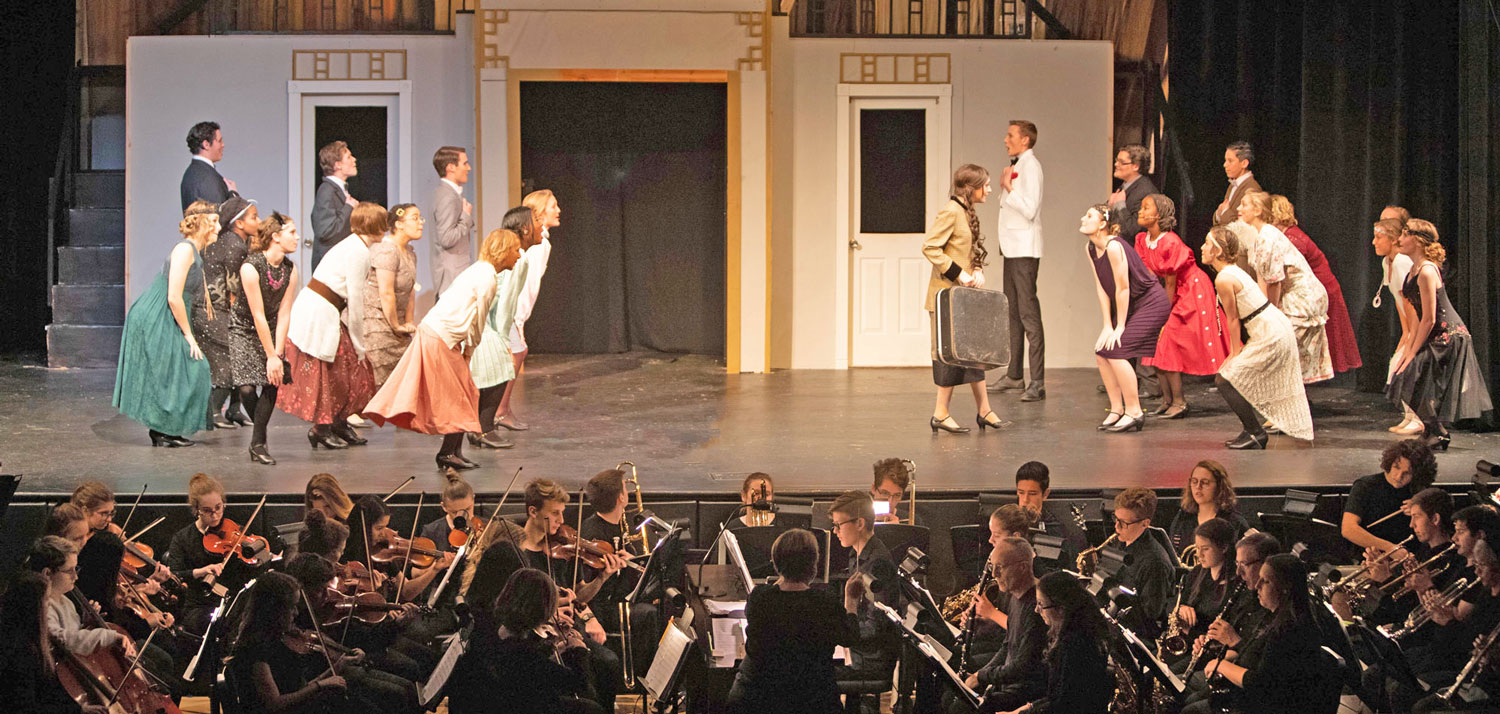
Heritage Christian School Indiana
With illumination technology an essential part of the safety of audiences and subjects, and the quality and character of art and entertainment events, we follow best practice titles published by the Illumination Engineering Society; its library linked below:
Anyone who has ever purchased a ticket for a Broadway (New York) performance event, may understand (in dollar terms), the complexity of these events and the transfer cost to design, build, operate and maintain the complex electrotechnologies that make them successful. We see many changes to the firmware governing event technologies crossing our radar.

The IES has a number of titles of a general nature that are consulted routinely in education communities; among them the American National Standard Practice on Lighting for Educational Facilities. We find them incorporated by reference into design guidelines and construction contracts; especially The Lighting Handbook, 10th Edition.
Our interest today lies in IES DG-20 Stage Lighting – A Guide to Planning of Theatres and Auditoriums. updated to add content for stage lighting controls; interfacing with networks, house light design, control, and performance including emergency lighting, stage worklight and cue light systems; LED and automated stage lighting instruments; power distribution for stage and house lighting systems; and future proofing systems. A related title — IES RP-41 Recommended Practice: Lighting Theater, Auditorium, and Worship Spaces — also noteworthy for its applicability in other cultural occupancies in education communities
There are no live consultations in the IES bibliography for either of these titles at the moment. When there are you may find them at the link below.
IES Standards Open for Public Review
We always encourage our colleagues to participate directly in the IES standards development process. CLICK HERE to get started. You may also communicate directly with IES staff about securing the review drafts (Contact Albert Suen, asuen@ies.org).
Because of the ubiquity of lighting technology IES titles are on the standing agenda of several of our periodic teleconferences — Power, Healthcare, Sport and Lively Art colloquia. We collaborate closely with experts on the IEEE Education & Healthcare Facilities Committee. See our CALENDAR for the next online meeting; open to everyone.
Issue: [14-110]
Category: Electrical, Arts & Entertainment, Lighting
Colleagues: Mike Anthony, Jim Harvey, Kane Howard
With a @UCIrvine @UCIEngineering faculty delegation to the @PacificSymphony to discuss our joint new instrument competition. The details are still being worked out but needless to say, it will be epic! pic.twitter.com/dvT4Mfp9xU
— UCI Engineering Dean (@UCIEngineerDean) September 25, 2023
Tonight a future graduate, tomorrow an alum. Always a Nor'easter! ⛈️
We are excited to watch our graduating students cross the stage during their ceremonies over the next few days! 💙https://t.co/LmiGwVsLAL pic.twitter.com/vFx1Wtsomd
— University of New England (@unetweets) May 18, 2023
LEARN MORE:
Pennsylvania State University Engineering Student Thesis on Auditorium Lighting



Stage Technical Standards for Outdoor Live Performance Theater

Necessity of Establishing the Stage Technical Standards for Outdoor Live Performance Theater
Ziyi He, et al
School of Mechanical and Engineering, Wuhan University of Technology
Chinese indoor theaters have established a relatively complete technical standard system in aspects of lighting, sound, safety supervision and others, while outdoor live performance theaters only have a service standard system. Due to the great scale of sceneries and exposure to the natural open environment, its lighting, audio and other systems, wire modeling, LED screen and laser modeling, water curtain/cloud screen/fireworks modeling, animal performance and other technical systems require long-term resistance to the wind, rain, thunder and lightning, damp corrosion, high temperature, ice, snow weather and other new technical requirements like prevention of damage by wild animals. Outdoor live performance theaters cannot share a set of technical standards with indoor theaters. It is necessary to construct a technical standard system fit for the construction, operation and safety service of outdoor live performance theaters.
CLICK HERE to order complete paper
More:
Research on Acoustic Simulation of Small Multi-functional Cultural Theater
Sound quality of the Valli theatre: standard outcomes and development of data presentation
Acoustics Measurement and Simulation Analysis of Small Theater

“Godspell” Easter
This content is accessible to paid subscribers. To view it please enter your password below or send mike@standardsmichigan.com a request for subscription details.
New update alert! The 2022 update to the Trademark Assignment Dataset is now available online. Find 1.29 million trademark assignments, involving 2.28 million unique trademark properties issued by the USPTO between March 1952 and January 2023: https://t.co/njrDAbSpwB pic.twitter.com/GkAXrHoQ9T
— USPTO (@uspto) July 13, 2023
Standards Michigan Group, LLC
455 East Eisenhower Parkway, Suite 300
Ann Arbor, MI 48108 USA
888-748-3670
DIRECTIONS
 |
 |
|
 |
 |
|
 |
 |