Category Archives: @ASCETweets

Loading
loading...

Flood Resistant Design and Construction

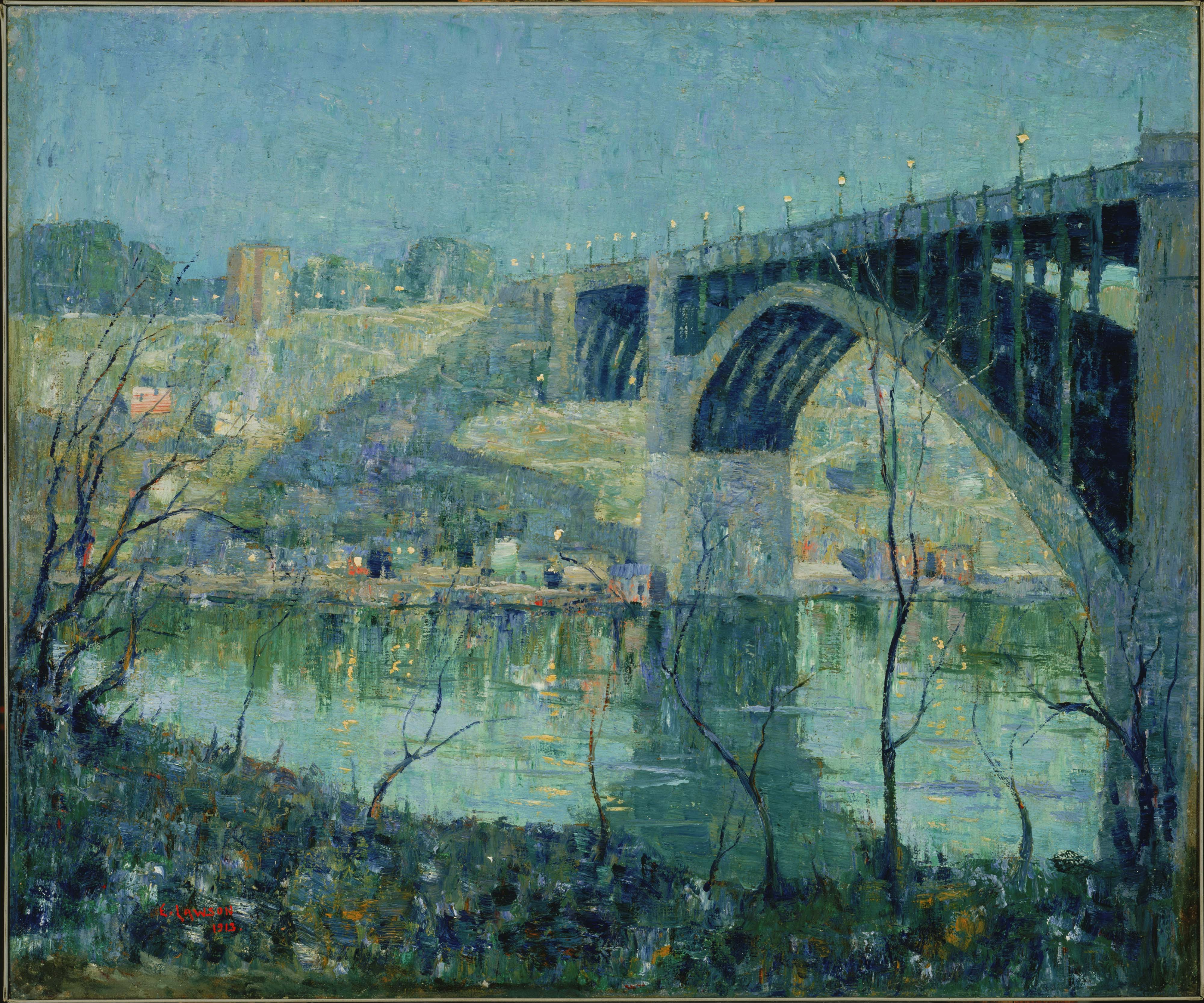
“Spring Night, Harlem River” | Ernest Lawson (1913)

Many school districts, colleges and universities are affected by the flooding in the Central United States this week; inspiration enough for revisiting the technical and management codes and standards to avoid and/or mitigate damages.   The consensus documents developed by the American Society of Civil Engineers (ASCE) and its affiliate Structural Engineering institute (ASCE-SEI) — should appear in the design guidelines given to professional services firms retained by the facility construction, operations and maintenance workgroups.

The relevant standard in this space is ASCE 24 Flood Resistant Design which is developed jointly with the ASCE-SEI and technical committees of the International Code Council.  Apparently the 2014 Edition is the latest edition so that means that during 2019 will be the beginning of another revision cycle (according to ANSI requirements for 5-year revisions/re-affirmations).

From the ASCE 24 prospectus:

Flood Resistant Design and Construction, ASCE/SEI 24-14, provides minimum requirements for design and construction of structures located in flood hazard areas and subject to building code requirements. Identification of flood prone structures is based on flood hazard maps, studies, and other public information. This standard applies to new structures, including subsequent work, and to work classified as substantial improvement of existing structures that are not historic. Standard ASCE/SEI 24-14 introduces a new concept, Flood Design Class, that bases requirements for a structure on the risk associated with unacceptable performance.

The standard includes requirements for the following: basic siting and design and construction requirements for structures in flood hazard areas; minimum elevations for the lowest floor, flood damage-resistant materials, and floodproofing measures, each tied to a structure’s Flood Design Class; structures in high risk flood hazard areas subject to flooding associated with alluvial fans, flash floods, mudslides, erosion, high velocity flow, coastal wave action, or ice jams and debris; structures in coastal high hazard areas (V Zones) and Coastal A Zones; flood damage-resistant materials; dry floodproofing and wet floodproofing; attendant utilities and equipment, including electrical service, plumbing systems, mechanical/HVAC systems, and elevators; building access; and miscellaneous construction, including decks and porches, concrete slabs, garages and carports, accessory storage structures, chimneys and fireplaces, pools, and tanks. A detailed commentary containing explanatory and supplementary information to assist users of the standard is included for each chapter.

Standard ASCE/SEI 24-14 updates and replaces the previous Standard, ASCE/SEI 24-05. It provides essential guidance on design and construction to structural engineers, design professionals, code officials, floodplain managers, and building owners. The standard is adopted by reference in model building codes.

Keep in mind that model building codes usually change on a 3-year cycle while this standard changes on a 5-year cycle (though intermediates changes can, and do, happen).
CLICK ON IMAGE

When a technical committee is ready for its proposed changes to receive public comment, those changes will be posted here:

ASCE Standards Public Comment Page

We always encourage direct communication by user-interest technical experts that are either on the direct payroll of an educational institution or work for an outsourced expert agency such as an architectural engineering firm that has deep expertise in safety and economic trade-offs.

You will need to set up an access account.  You may also communicate directly with the American Society of Civil Engineers, 1801 Alexander Bell Dr., Reston, VA 20191.  Contact: James Neckel (jneckel@asce.org).   Note that ASCE’s Annual Conference is hosted October 10-13 in Miami Florida.  CLICK HERE for registration information.  We encourage our colleagues in #StandardsFlorida to attend this conference for a front row seat on technical committee action.

We are open every day at 11 AM Eastern time to discuss technical specifics of these, and all other consensus documents affecting #TotalCostofOwnership of education facilities.  We also devote one hour per month walking through water-related safety and sustainability codes and standards.  See our CALENDAR for the next teleconference; open to everyone.


Issue: [18-52]

Category: Civil Engineering, Water, #SmartCampus

Colleagues: Jack Janveja, Richard Robben

#StandardsOklahoma #StandardsArkansas #StandardsMissouri


LEARN MORE:

Federal Emergency Management Agency: Highlights of ASCE 24-14 Flood Resistant Design and Construction

National Flood Insurance Program



Building Structural Maintenance

φ
Any multi-story building requires inspection and maintenance of structural steel framework. The steel supports the building’s weight and resists environmental forces like wind and seismic activity. Over time, corrosion, fatigue cracks, or connection failures can weaken the structure, risking collapse. Inspections detect these issues early, while maintenance, like repainting or replacing damaged parts, preserves steel integrity. For student housing, occupant safety is critical, and compliance with building codes reduces liability risks. Neglecting these practices can lead to structural failure, endangering residents and causing costly repairs or legal issues. Regular upkeep ensures safe, long-lasting buildings.
During today’s session we examine the relevant standards with proposed revisions open for public comment.  Use the login credentials at the upper right of our home page.
φ
No single universal code or standard guarantees that buildings will never crack or fail structurally, as structural integrity depends on various factors like design, materials, construction quality, environmental conditions, and maintenance. However, several widely adopted codes and standards aim to minimize the risk of structural failure and ensure safety, durability, and serviceability. These provide guidelines for design, construction, and maintenance to prevent issues like cracking or catastrophic failure.
φ

Key Codes and Standards:

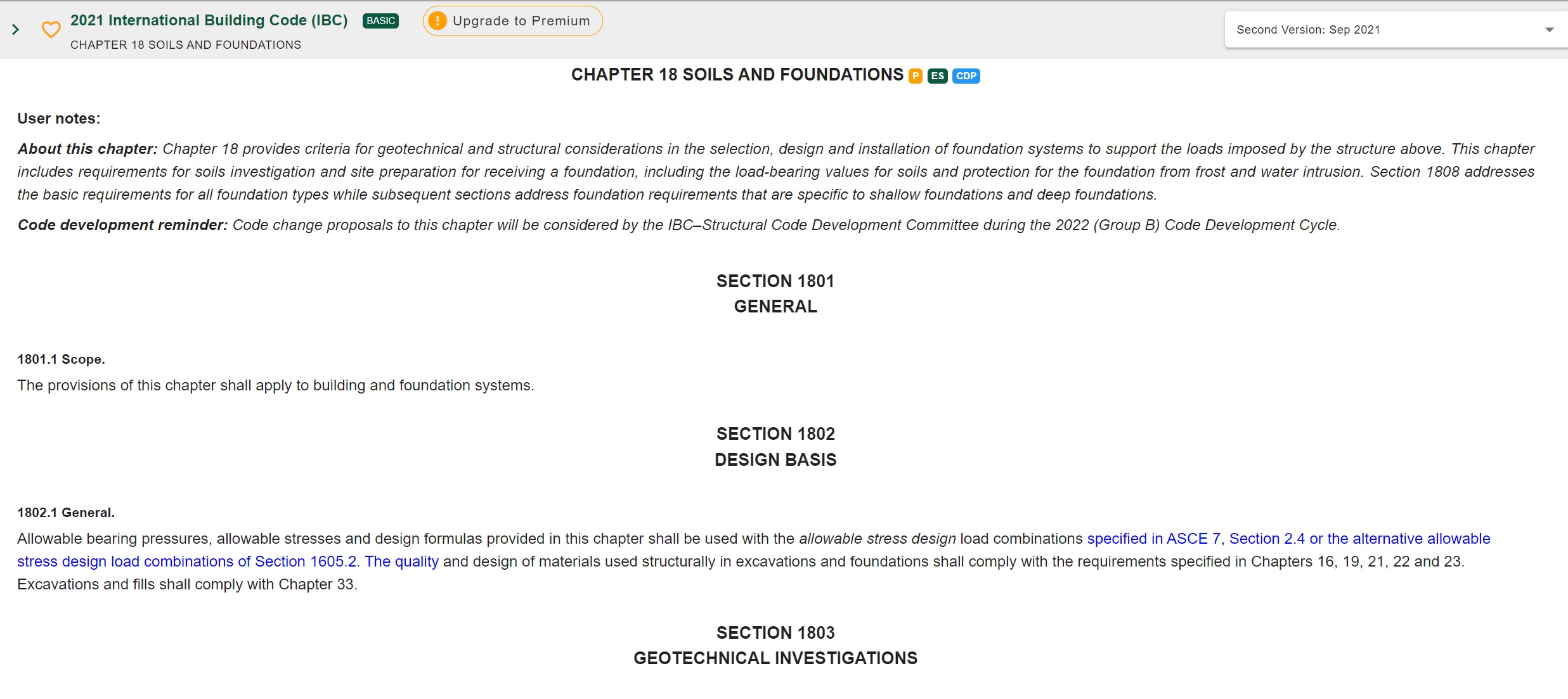
International Building Code (IBC): Widely used in the United States and other regions, the IBC sets minimum requirements for structural design, materials, and maintenance to ensure safety and performance.  It references standards like ASCE 7 (Minimum Design Loads and Associated Criteria for Buildings and Other Structures) for load calculations (e.g., wind, seismic, snow).Maintenance provisions require regular inspections and repairs to address issues like cracking or deterioration.

ACI 318 (Building Code Requirements for Structural Concrete): Published by the American Concrete Institute this standard governs the design and construction of concrete structures.Includes requirements to control cracking (e.g., reinforcement detailing, concrete mix design) and ensure durability under environmental exposure.Maintenance guidelines recommend periodic inspections for cracks, spalling, or reinforcement corrosion.

AISC 360 (Specification for Structural Steel Buildings): Published by the American Institute of Steel Construction, this standard covers the design, fabrication, and erection of steel structures.  Addresses fatigue, connection design, and corrosion protection to prevent structural failure. Maintenance involves inspecting for issues like weld imperfections or coating degradation.

ASCE/SEI 41-17 (Seismic Evaluation and Retrofit of Existing Buildings):  Focuses on assessing and maintaining existing structures, particularly for seismic performance.  Guides retrofitting to address vulnerabilities like cracking or inadequate load paths.
Maintenance Standards
  • ACI 562 (Assessment, Repair, and Rehabilitation of Existing Concrete Structures):
    • Provides a framework for evaluating and repairing concrete structures to address cracking, spalling, or other damage.
    • Emphasizes regular inspections and timely repairs to maintain structural integrity.
  • NACE/SP0108 (Corrosion Control of Offshore Structures):
    • Covers maintenance practices to prevent corrosion-related failures in steel structures.
  • ASTM E2270 (Standard Practice for Periodic Inspection of Building Facades):
    • Outlines procedures for inspecting facades to identify cracking, water infiltration, or other issues that could lead to structural problems.

IEEE: Structural Health Monitoring system based on strain gauge enabled wireless sensor nodes

Steel research in the steel city

Researchers Make Wood Stronger than Steel

Concrete Matters

Snow Load Calculator

“Among famous traitors of history one might mention the weather.”

Ilka Chase, The Varied Airs of Spring


Minimum Design Loads and Associated Criteria for Buildings and Other Structures (ASCE/SEI 7-22)

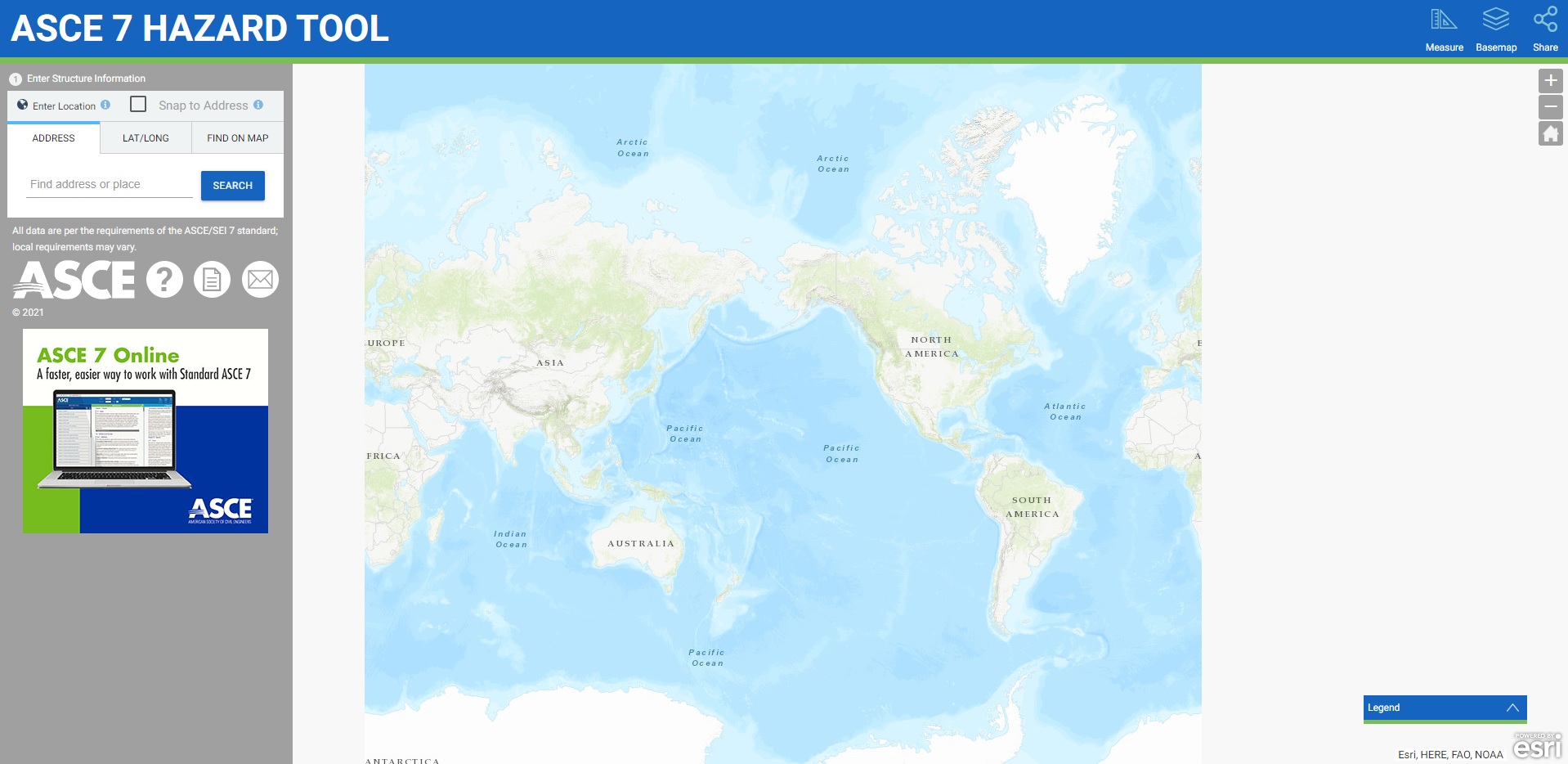
ASCE Hazard Tool

Quick & Dirty Snow Load Calculator

Call for public proposals for the 2028 edition

Structural Design


Provision of Slip Resistance on Walking/Working Surfaces

Americas Infrastructure Report Card

ASCE Standards Catalog | Standards Open for Public Comment

Structural Design

Update: MARCH 6, 2025

Snow Load Calculator

Design of Wood Structures

Call for public proposals for the 2028 edition


CLICK ON IMAGE

Every earthquake, tornado, hurricane, flood and ice storm inspires a revisit of standards action and building code development that we track on behalf of the US education facilities industry.  It is wise to keep pace with the full span of American Society of Civil Engineers (ASCE) regulatory product catalog because so much of the fundamental characteristics of college and university campuses–waterworks, roads, structures, energy etc.–is governed by the safety and sustainability concepts that vary from state-to state.

We follow a number of ASCE titles; among them ASCE/SEI 7-16 Minimum Design Loads and Associated Criteria for Buildings and Other Structures which describes the means for determining dead, live, soil, flood, tsunami, snow, rain, atmospheric ice, earthquake, and wind loads, and their combinations for general structural design. 

Free Access to the 2002 Edition

CLICK HERE to access them both.  You will need to register as a public commenter.

Background & Perspective:

As covered in previous posts, we pay special attention to how occupancy classifications are defined in the International Building Code and ASCE/SEI-7 because those definitions inform how the decisions of academic unit programmers, facility planners/managers and building design professionals contribute to our lower cost agenda.

Throughout 2019-2021  we will be following development of the next edition of the International Existing Building Code (IEBC) and its companion titles — in large measure a companion document for the safety concepts found in ASCE SEI-7 — because a great deal of construction activity in education facilities involves renovated space.

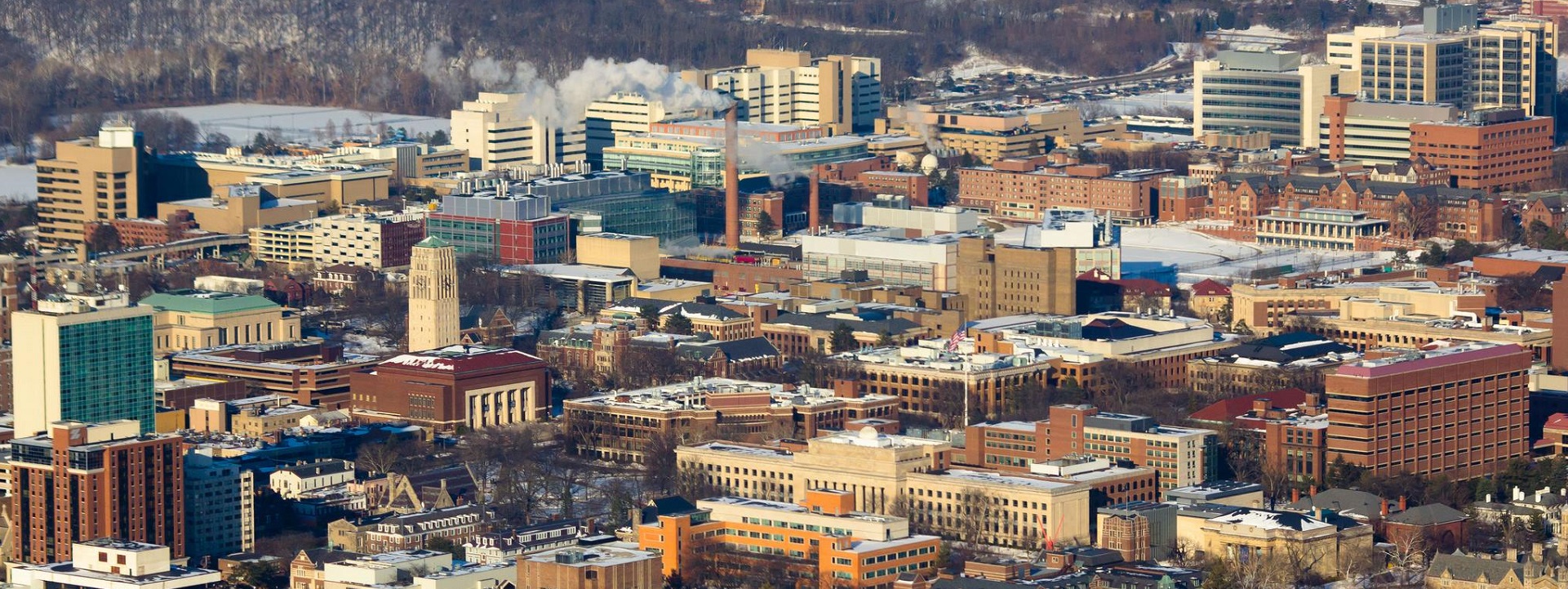
Stanford University Medical Center / Photo Credit: Perkins -Eastman

The revision cycle for the 2022 edition started earlier this year (see previous posts) and the meetings of various SEI-7 technical committees responding to public input is proceeding according to the schedule linked below:

SEI7-16 2022 REVISION CALENDAR

There are no open public consultations at this time (March 6, 2025).


Keep in mind that owing to weather conditions interrupting committee member travels, and the present COVID-19 pandemic contingency, some of the meetings may be cancelled or conducted online.  In any case,  as technical committees meet throughout 2019 exposure drafts open to public comment public will be uploaded to the ASCE public commenting facility:

More information about participating in the ASCE standards development process for this and other documents may be obtained from Jennifer Groupil (jgoupil@asce.org).

Moscow State University

Given that it is a relatively rarified standards space,  we group our tracking, discussion and prospective advocacy in the ASCE standards suite during our Construction Spend colloquia.  See our CALENDAR for the next online teleconference; open to everyone.


Issue: [13-68]

Category: Architectural, Civil Engineering, Structural Engineering

Colleagues: Mike Anthony, Jack Janveja, Jerry Schulte, Patti Spence

Archive / ASCE


More

Public Access to Superceded Editions of ASCE SE-7

Tallest Educational Buildings in the World

National Council of Structural Engineers Associations

Aggregate Pathways

As cities-within-cities, education communities are a large market for concrete manufacturers and installation contractors.   The pathways built from aggregates (“sidewalks”) are central to the function and character of the campus.   Construction and maintenance of these pathways — the cost of which depends upon the appropriate specification and application of aggregate technologies —  are a significant cost center.  They can also present pathway travel hazards and drainage problems.

The application of permeable pavements in recent years has gathered pace.  Permeable pavements typically consist of pervious concrete, porous asphalt, or interlocking concrete paver units over an open-graded base or subbase layer(s). Permeable pavements are designed to infiltrate stormwater, reduce peak flows, improve stormwater quality, and promote groundwater recharge.  They have become an integral part of low-impact development, sustainable design, green infrastructure, and best management practices for stormwater management. In order to be effective within municipal road networks, permeable pavements must be designed to provide sufficient structural capacity to accommodate the anticipated vehicle loadings while managing stormwater flows into and out of the permeable pavement.

The American Society of Civil Engineers titles are widely referenced in public safety statutes and in construction documents.   It maintains public access to its standard development enterprise at the link below:

ASCE Codes & Standards Home Page

Last year we reviewed the redline of its standard for the application of these materials — Standard for Design, Construction and Maintenance of Permeable Interlocking Concrete Pavements. — most of which dealt with administration, wordsmithing and harmonization with related consensus products.  There were no technical changes that we felt were important that were not covered in installation contractor specifications.

Comments are due January 18th.

As of the date of this post two other relevant titles open for consultation:

  • Public Comment on Supplement 3 for ASCE/SEI 7-16 Minimum Design Loads and Associated Criteria for Buildings and Other Structures – Comment Deadline July 11, 2021.
  • Public Comment on ASCE/SEI 7-22 Minimum Design Loads and Associated Criteria for Buildings and Other Structures – Comment Deadline August 2, 2021.   

The titles listed above are not directly related to Aggregate Pathways and very often the same engineering professionals that guide structural concrete best practice are involved in best practice for aggregates in the pathways.  Different materials and practice; same engineers.  CLICK HERE to key in comments into the ASCE Public Comment facility.

The ASCE catalog is a foundational catalog for all infrastructure in the United States and is continually monitored by our algorithm.  We maintain its best practice titles relevant to our industry on the standing agenda of our Pathway and Bucolia teleconferences.   See our CALENDAR for the next online meeting; open to everyone.


Issue: [18-51]

Category: Civil Engineering, Bucolia, Pathways, Water

Colleague: Jack Janveja, Jerome Schulte, Patti Spence


More

ASCE/COS 73 Standard Requirements for Sustainable Infrastructure

Purdue University: CE57200 Prestressed Concrete Design

Pennsylvania College of Technology” Concrete Science Technology

Lakeland College: Aggregate Technician Certification


Archive / ASCE


Physical Security of Water Utilities

“Spring Night, Harlem River” 1913 Earnest Lawson

Many school districts, colleges and universities are affected by annual spring flooding in the Central United States; seasonal inspiration for revisiting the technical and management codes and standards to avoid and/or mitigate water damages that may be originate with host municipality water supply and control authorities.

The standards developed by the American Society of Civil Engineers (ASCE) and its affiliate institute — Environmental Water Resource Institute (EWRI) — should appear in the design guidelines given to professional services firms retained by the facility construction, operations and maintenance workgroups.  We encourage our colleagues in these units to update their design guidelines with the latest versions of the documents linked below:

ASCE/EWRI 56: Guidelines for the Physical Security of Water Utilities.  These water utility guidelines recommend physical and electronic security measures for physical protection systems to protect against identified adversaries, referred to as the design basis threats (DBTs), with specified motivation, tools, equipment, and weapons.

ASCE/EWRI 57: Guidelines for the Physical Security of Wastewater/Stormwater Utilities.   These wastewater/stormwater utilities guidelines recommend physical and electronic security measures for physical protection systems to protect against identified adversaries, referred to as the design basis threats (DBTs), with specified motivation, tools, equipment, and weapons. Additional requirements and security equipment may be necessary to defend against threats with greater capabilities.

Note that these documents are “paired” for the obvious reason that potable water systems must be separate from all other water systems.

No redlines that are in the upper tier of our priority rankings are open for public comment at this time; though there are two that might interest building contractors:

Standards currently accepting Public Comments include:

Public Comment for ASCE-SEI 24 Flood Resistant Design and Construction (Comment Deadline 9/26/24)

Public Comment for ASCE/SEI 32-01 Design and Construction of Frost-Protected Shallow Foundations (Comment Deadline 8/05/2024

Public Comment on ASCE 7-22 Supplement for Chapter 5 (Comment Deadline 1-15-2023)

Public Comment on ASCE 7-22 Supplement for Referenced Standards (Comment Deadline 1-15-2023)

We encourage direct engagement by education industry leaders, their engineering consultants, or municipal water management experts to participate in the development of these standards through the ASCE standards portal:

ASCE Standards Public Comment Page

You will need to set up an access account.  You may also communicate directly with the American Society of Civil Engineers, 1801 Alexander Bell Dr., Reston, VA 20191.  Contact: James Neckel (jneckel@asce.org).

We keep water-related ASCE titles on the standing agenda of our Water colloquium. See our CALENDAR for the next teleconference; open to everyone.


Issue: [18-52]

Category: Civil Engineering, Water, #SmartCampus

Colleagues: Jack Janveja, Richard Robben, Steve Snyder, Larry Spielvogel


LEARN MORE:

Archive / ASCE Water & Wastewater


Layout mode
Predefined Skins
Custom Colors
Choose your skin color
Patterns Background
Images Background
Standards Michigan
error: Content is protected !!
Skip to content