Category Archives: Breakfast

Loading
loading...

Grøt & Fika like a Swede

Nordic Winter Comfort Food

Lund University: Oat oil preparation makes you feel fuller

Lund University researchers collaborated on studies involving oat-based breakfasts (including gröt variations) to explore health benefits like unique oat oil compositions and their effects on people eating them as part of a morning meal.This ties directly into campus traditions: Swedish universities like Lund often have student canteens (kårhus or matställen) serving affordable, quick breakfasts, where plain or lightly topped havregrynsgröt is a staple—healthy, cheap, warming for cold mornings, and aligned with Nordic emphasis on whole grains.  Keeping it simple:

  • Ingredients (for 1-2 servings): 1 dl (about ½ cup) rolled oats (havregryn), 2-3 dl milk or water (or mix), pinch of salt, optional toppings: cinnamon, apple sauce/compote, fresh/frozen berries, milk, nuts/seeds.
  • Method: Boil the oats with liquid and salt for 5-10 minutes on medium heat, stirring until creamy. Serve hot with toppings.

This reflects the broader Scandinavian college breakfast culture—practical, nutritious porridge as a no-fuss start to the day, especially in winter.Other universities mention grøt/gröt indirectly (e.g., University of Agder in Norway lists “grøt” as a familiar food with rice/oat variations topped with sugar, butter, cinnamon), but Lund provides the most direct university-linked background on it as a breakfast tradition.

Fika like a Swede

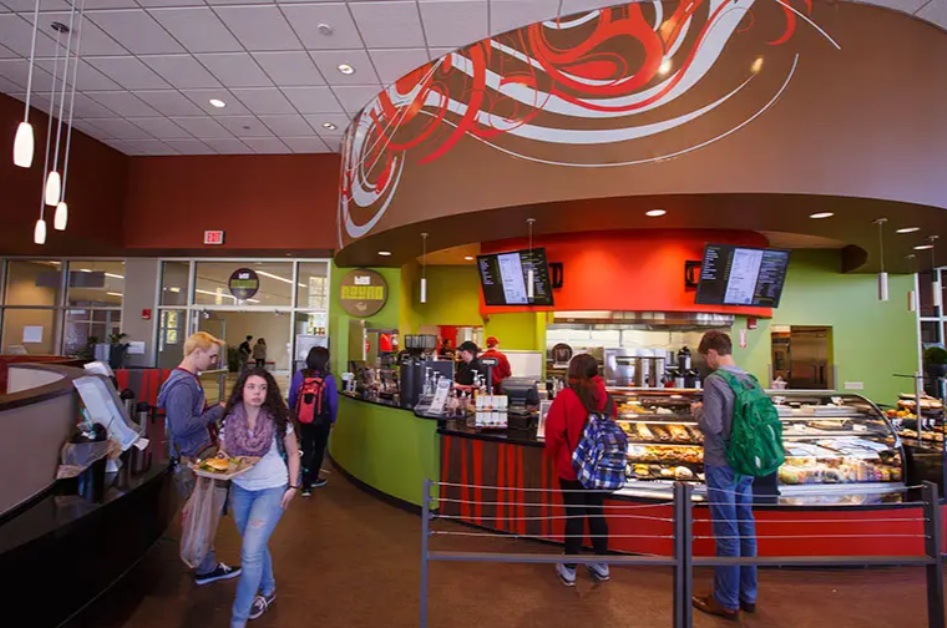
Café Linné Fika


Hoosier Brunch

§
§

Indiana University Bloomington (the main campus, often referred to as IU) operates its student food services (including residential dining halls, retail locations, and campus eateries) in-house through IU Dining & Hospitality, a department under Campus Auxiliaries.

This unit is not run by an external corporation as so many educational settlements do (also known as “outsourcing”).  IU handles operations directly, with its own executive director, chefs, staff (including many student employees), and leadership team. They emphasize local sourcing, sustainability, and student-focused menus. :

  • In 2018, IU transitioned away from Sodexo (which previously operated some IMU restaurants) to create IU Dining as an internal operation for better control, fresher/local ingredients, and community alignment.
  • Residential dining (All You Care to Eat halls like McNutt, Forest, etc.) and most campus food services are run by IU Dining & Hospitality.
  • Note: Athletics concessions and game-day food/beverage (at venues like Memorial Stadium and Assembly Hall) are separately handled by Levy (a Chicago hospitality company under Compass Group), starting in summer 2024—but this does not cover general student dining/residential services.

For the Bloomington campus student meal plans and everyday dining, it’s university-managed internally.


Related:

Café hopping…

Push-Cart Cold Brew

mac ‘n’ cheese

“Asparagus Officinalis” Soup

Bowling and Billiards


Creamy Stone Ground Grits

Financial Statement: Net Position $176.3M | 25 Year Master Plan

Standards Louisiana

Grits are made from dried corn ground into coarse or fine particles. The corn kernels are treated to remove the hull, resulting in hominy, which is then dried and milled into grits. To prepare, the grits are simmered in water, milk, or broth until soft and creamy.

They are served hot with butter, salt, or cheese. Sweet versions might include sugar or honey. In the Southern U.S., grits are sometimes paired with eggs, bacon, sausage, or shrimp for a hearty start to the day.

The Corn Refiners Association and the U.S. Food and Drug Administration provide guidelines for defining and labeling grits:

  1. Ingredients: Grits must be made from corn, typically white or yellow dent corn, and may undergo processes like dehulling or grinding.
  2. Grinding: Grits are classified by texture—stone-ground (coarser) or processed grits (finer).
  3. Preparation: Cooking guidelines suggest a 4:1 liquid-to-grits ratio, simmered until creamy. Traditional grits often use water, milk, or broth.

While variations exist, Southern-style grits generally follow these principles.

“The Brew” at Ellender Memorial Library

Morning Porridge

BSI GroupThe Beans Group

Porridge is a dish made by boiling grains, legumes, or starchy plants like oats, rice, cornmeal, or barley in water or milk until it reaches a soft, thick, and creamy consistency. It’s often eaten as a breakfast food and can be sweetened with sugar, honey, or fruit, or flavored with spices and other ingredients.

Common examples include oatmeal, rice porridge (like congee), and millet porridge. The specific ingredients and preparation vary widely across cultures and regions.

Not to be confused with grits; a specific type of porridge made from corn, with a distinct texture and cultural role, while porridge is a broader category encompassing many grains and preparations.


The Chronicle of Higher Education: How higher education is adopting new strategies in loyalty management

English Fry Up

The Full English Breakfast, or “fry-up,” originated in the Victorian era (1830s–1900s) as a hearty meal for the rural gentry and emerging industrial working class in Britain. It combined affordable, energy-dense ingredients—butter-fried eggs, back bacon, sausages, fried bread, tomatoes, mushrooms, baked beans, and black pudding—designed to fuel long days of manual labor or fox-hunting. By the Edwardian period it had become a symbol of British identity and was served in hotels and boarding houses to travelers.
§
In the United States, the fry-up arrived on college campuses primarily after World War II via two routes: British faculty and students at elite universities (Oxford-Cambridge exchanges, Rhodes Scholars) and the 1960s–70s “British Invasion” cultural wave. Dining halls at places like Yale, Harvard, and certain Ivy League-adjacent schools began offering weekend “English breakfasts” as novelty brunches. The tradition stuck hardest at boarding schools and liberal-arts colleges with strong Anglophile traditions (e.g., Choate, St. Paul’s, Middlebury, Kenyon).
§
By the 1980s–90s, beans on toast and proper rashers of back bacon became hangover cures at off-campus houses, cementing the fry-up as a once-a-semester ritual rather than daily fare.


English Breakfast for Each Day of the Week

Standards Massachusetts | Planning, Real Estate, and Facilities


Incredible snow removal

Sugar & Spice Bakery

https://imu.indiana.edu/restaurants/sugarandspice.html

https://www.inkwellbtown.com/


Christmas Bread & “Liberty Teas”

Liberty Teas

https://www.suffolk.edu/news-features/news/2023/12/13/20/47/on-the-tea-party-trail

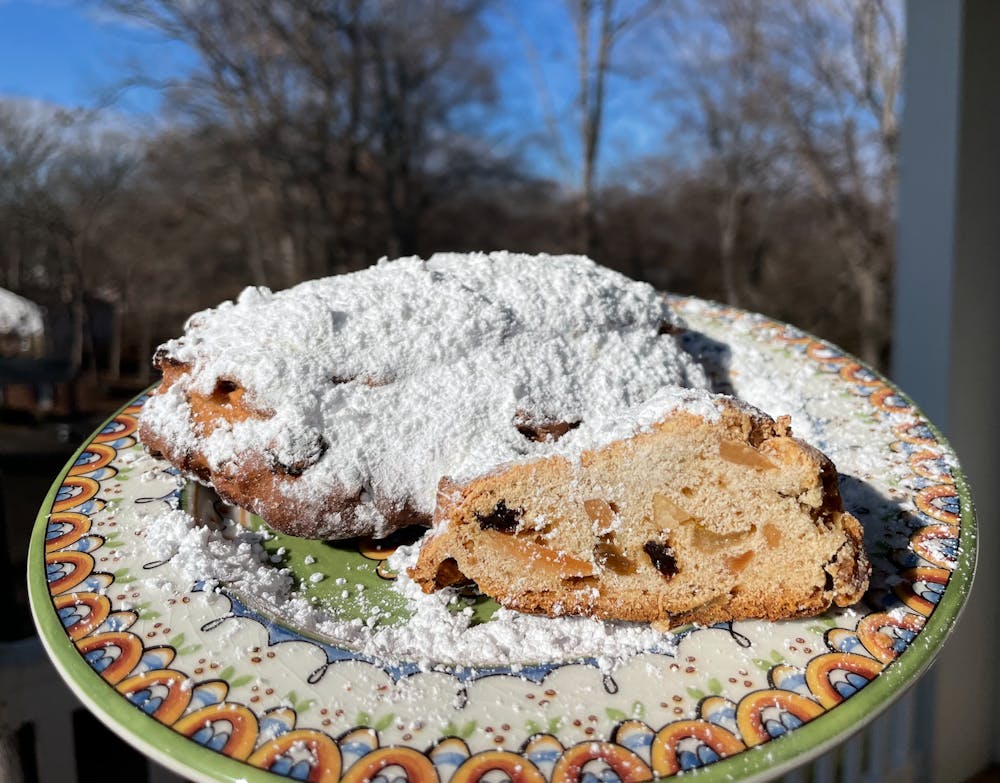
Having visited my great grandmother, Omi, in Germany multiple times growing up, I’ve always had a special connection to German baked goods. While I have yet to find the perfect German pretzel in the U.S. or a recipe that yields a decent replica, I have discovered that stollen — a traditional German Christmas bread — is relatively easy to recreate in my own kitchen.” — Alison Tashima, Class of 2024

Click image for recipe

Standards Virginia

More:

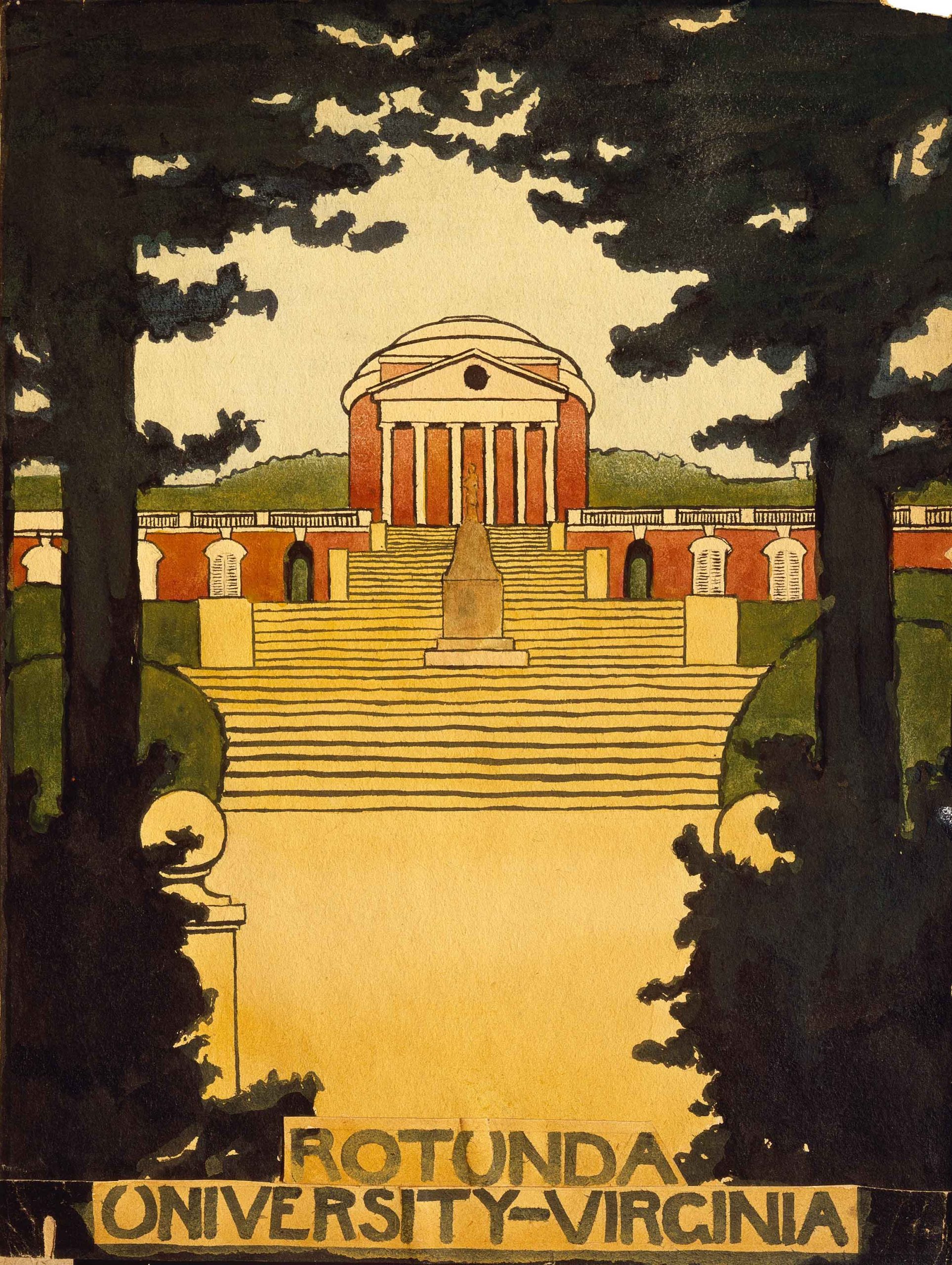
Thomas Jefferson’s Masterpiece

University of Virginia Financial Report: 2023 Net Position $12.580B

University of Virginia Capital Construction & Renovations

Raw Milk & “Vols Snacks”

English Breakfast for Each Day of the Week

This content is accessible to paid subscribers. To view it please enter your password below or send mike@standardsmichigan.com a request for subscription details.

Morning Breakfast

This content is accessible to paid subscribers. To view it please enter your password below or send mike@standardsmichigan.com a request for subscription details.

“Tea, Earl Grey, Hot”

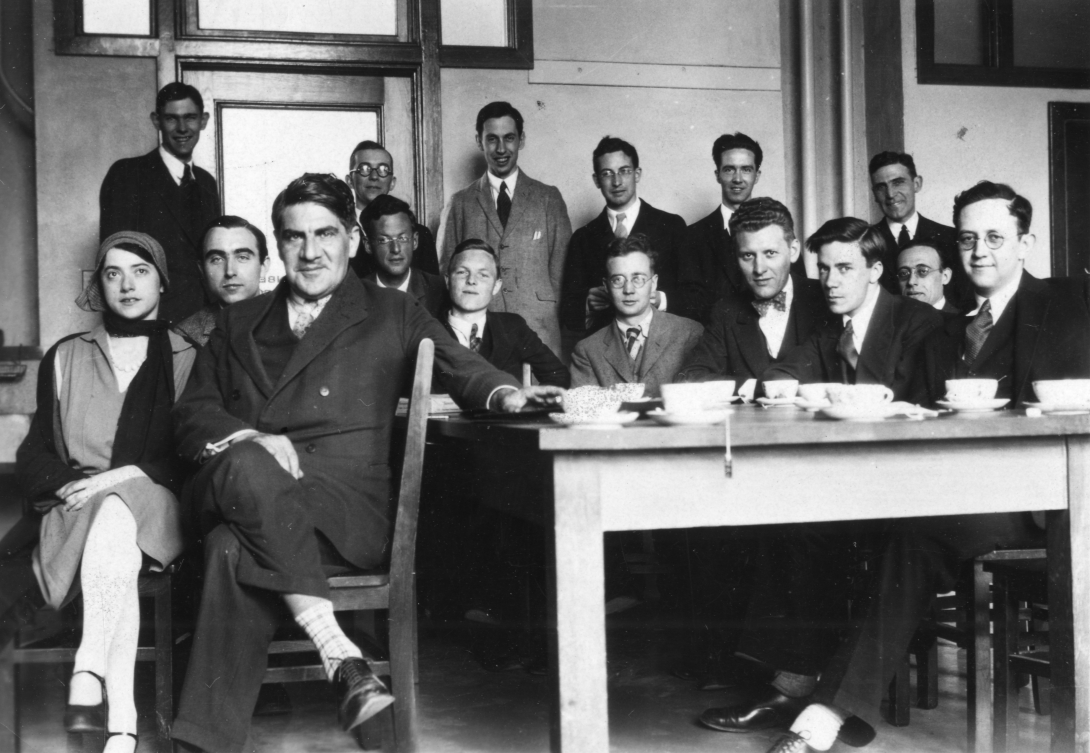
The command issued by the character Captain Jean-Luc Picard in the television series “Star Trek: The Next Generation” finds its way into the archive of photographs of Nobel Laureates consorting with politicians at the University of Michigan and elsewhere.

Attendees of the Theoretical Physics Colloquium at the University of Michigan in 1929.

American Institute of Physics Archive

Ex Libris Universum

…”There’s not good math explaining forget the physics of it.  Math explaining the behavior of complex systems yeah and that to me is both exciting and paralyzing like we’re at very early days of understanding you know how complicated and fascinating things emerge from simple rules…” — Peter Woit [1:16:00]

Coffee & Tea Standards


Since 1936 the Brown Jug has been the ancestral trough of generations of University of Michigan students and faculty — notably. Donald Glaser (inventor of the bubble chamber) and Samuel C. C. Ting (Nobel Laureate) whose offices at Randall Laboratory were a 2-minute walk around the corner from The Brown Jug.  As the lore goes, the inspiration happened whilst watching beer bubbles one ordinary TGIF Friday.

The Brown Jug is named after the Michigan vs Minnesota football trophy, which is the oldest in college football.

Layout mode
Predefined Skins
Custom Colors
Choose your skin color
Patterns Background
Images Background
Standards Michigan
error: Content is protected !!
Skip to content