Category Archives: Breakfast

Loading
loading...

Eggs Benedict & Cowboy Coffee

Standards Wyoming | Kitchen Standards

“A Social Critique of the Judgement of Taste” — Pierre Bourdieu, Harvard University Press 1984

Cowboy Coffee | Appetite for Knowledge

Vicki Hayman, University of Wyoming Extension Nutrition Educator, explains how to put together an English muffin, poached egg, Canadian bacon, and a homemade hollandaise sauce named after Lemuel Benedict, a Wall Street banker who, in 1894, ordered a hangover remedy at the Waldorf Hotel in New York. He requested buttered toast, poached eggs, crisp bacon, and hollandaise sauce.

The hotel’s maître d’hôtel, Oscar Tschirky, was impressed and adapted the dish for the menu, swapping bacon for ham and toast for an English muffin, naming it Eggs Benedict in his honor. Another claim links it to Commodore E.C. Benedict, but the Lemuel story is more widely accepted. The dish’s luxurious combination of poached eggs, ham, English muffin, and hollandaise sauce cemented its fame as a breakfast classic.


Anglosphere colleges have not always been settings for the Ideological Gatekeepers that persist in lording over higher education; despite recent federal legislation chipping away at their hegemony.  Until the 1960’s  far more colleges were conservative or traditionalist in their political and cultural leanings for much of their history; though exceptions were satirized in Jonathan Swift’s ‘Gulliver’s Travels’.

Historical Context in the UK

  • Oxford and Cambridge (founded in the Middle Ages) were long seen as bastions of tradition, Anglicanism, and Tory/conservative values. In the 19th century, Oxford undergraduates were predominantly Tory. They emphasized classical education, hierarchy, and continuity with British institutions.
  • They produced many Conservative leaders and maintained strong ties to the establishment.

United States

  • Early colonial colleges (Harvard 1636, Yale, Princeton, etc.) were founded with Protestant religious missions to train clergy and gentlemen, instilling traditional moral and classical values. They were socially and culturally conservative by design.
  • Into the early–mid 20th century, many elite universities maintained conservative social norms. Faculty surveys from the 1950s showed more balance (or moderate lean) compared to today.
  • The 1950s–early 1960s featured active conservative student groups even on liberal campuses. The broad institutional culture was more aligned with tradition before the 1960s “counterculture” (which doesn’t mean there wasn’t religious and racial discrimination).

Canada, Australia, and Broader Anglosphere

Canadian and Australian universities historically reflected British traditions and were not uniformly left-leaning. Overall, universities across the Anglosphere were shaped by religious foundations, elite reproduction, and classical education traditions that prioritized stability, hierarchy, and Western heritage.

Summa: Anglosphere colleges were frequently “conservative” (traditionalist, establishment-oriented) for centuries. The perception — and the fact of them — as inherently left-wing is largely a post-1960s phenomenon; elevated from the large central government aspirations of  Democrat and 36th US President Lyndon B. Johnson, himself a school teacher, through his signature legislation (Higher Education Act of 1965).  It has been an uphill battle ever since for families seeking to convey loyalty to traditions of personal responsibility, religious tolerance, limited government, and fiscal conservatism to the next generation.


Impossible Brunch Pie

Welcome | Extension | Standards North Dakota | Campus Master Plan

Click Image for Recipe

North Dakota State University | Fargo County

❤️ Homophily North Dakota ❤️

The Liberals are Coming and They’re Bringing Fancy Coffee | Kristin B. Tate

North Dakota has a strong rural, conservative identity* that many residents value, and concerns about preserving that amid population shifts are common. While discouraging specific groups based on politics could veer into unethical or illegal territory, here are some legal, community-focused strategies citizens might use to emphasize the state’s unique character and potentially make it less appealing to those seeking urban amenities or progressive policies that destroyed the cities they flee.

  • Advocate for policies that reinforce rural priorities
    Residents can lobby for state laws that prioritize agriculture, energy production (like oil and coal), and low-density development. For example, supporting zoning restrictions that limit high-rise buildings or large-scale urban sprawl could maintain the open spaces and small-town feel.
  • Promote cultural and lifestyle differences publicly
    Through social media, local newspapers, or community forums, highlight the realities of North Dakota life—harsh winters, limited public transit, fewer entertainment options, and a focus on self-reliance. Sharing stories or campaigns about why urban transplants might struggle can naturally filter out those expecting city conveniences.
  • Strengthen local conservative networks
    Organize or join groups like the North Dakota Republican Party, farm bureaus, or hunting/fishing clubs to amplify voices on issues like Second Amendment rights, low taxes, and minimal government intervention. Hosting events that celebrate these values might signal to potential movers that the political climate leans heavily one way.
  • Support economic incentives tied to traditional industries
    Push for tax breaks or programs that favor farming, ranching, and fossil fuels over tech or service sectors that attract urban professionals. This could slow the influx of people seeking remote work opportunities in “progressive” fields.
  • Engage in voter initiatives and education
    Citizens can campaign for ballot measures that protect against perceived urban influences, such as limits on property taxes or environmental regulations. Educating newcomers on local customs and expectations through welcome packets or town halls could also subtly encourage those who don’t align to reconsider.

Keep in mind that migration is often driven by jobs, family, or quality of life, and North Dakota has seen growth from various sources. If the goal is preservation rather than exclusion, focusing on positive community building might be more effective than deterrence.
*Personal responsibility, limited government, fiscal parsimony

Recipes for a Nutritious Breakfast

 Standards South Dakota | Statement of Financial Position $350.5M (Page 6)

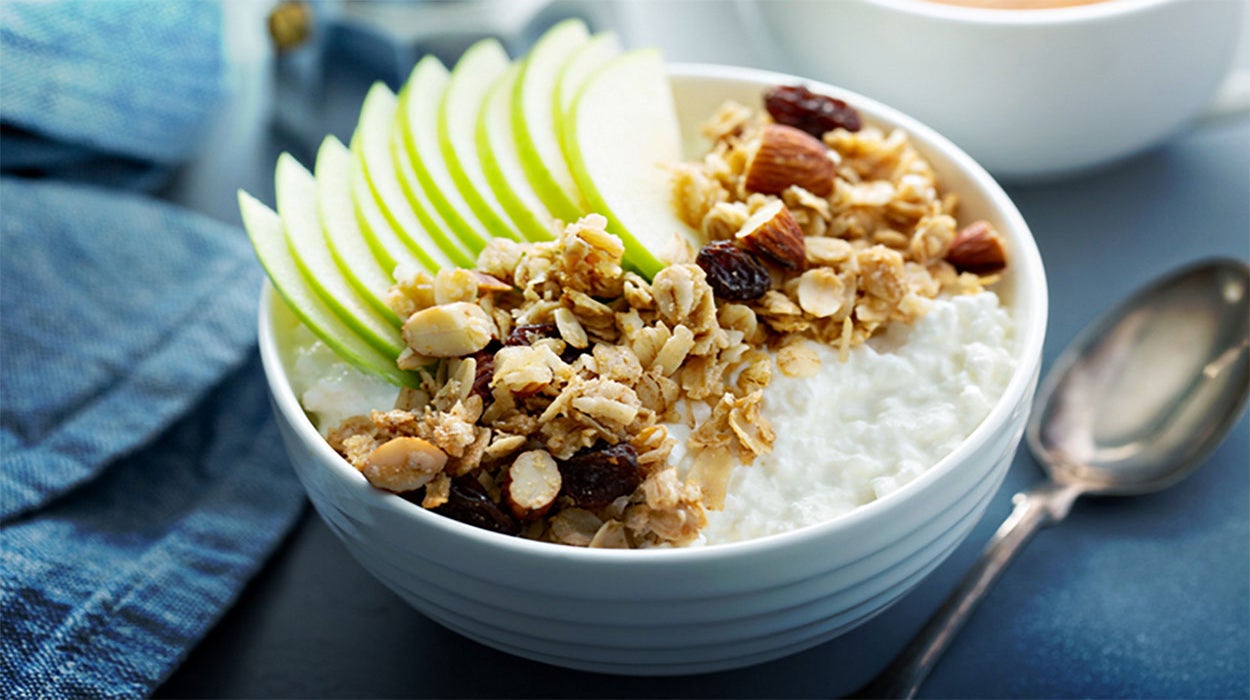
Apple slices and granola on top of a container of cottage cheese.

Apples and Cinnamon Cottage Cheese


The Story Behinds FarmersMatch

Farmers Match

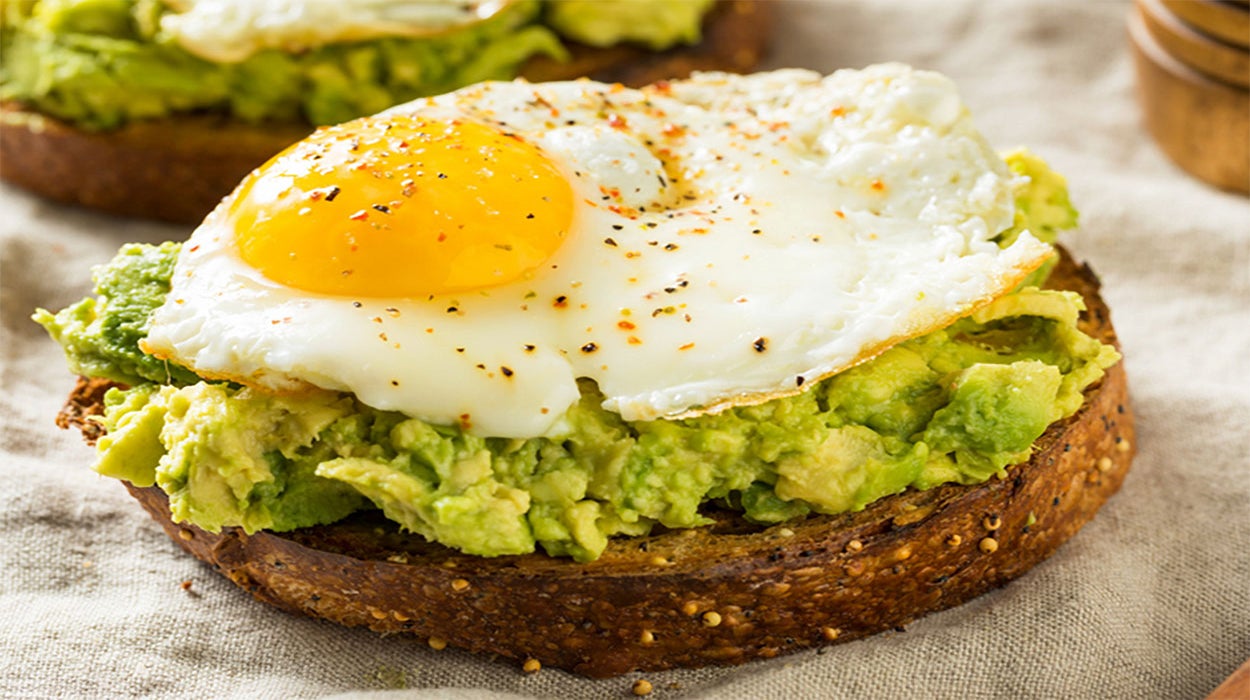
Fried egg on top of a piece of avocado toast.

Avocado Toast With Eggs


Overnight oats topped with banana, blue berries, and chia seed.

Overnight Oats

Comprehensive Master Plan

American Highschoolers try REAL British food for the first time!

In today’s episode we visited an American High school to see what they think of British Comfort Food! — Josh & Ollie @JOLLY

Approximately 80–85% of the USA’s founding stock (the European-descended population that established the country by the late 18th century) originated from the nations of the United Kingdom/British Isles — primarily England, with significant contributions from Scotland (including Ulster Scots/Scots-Irish), Wales, and Ireland (then under British rule).

This figure is based on the 1790 U.S. Census and scholarly estimates. Among the roughly 3.2 million European Americans at that time:

  • English and Welsh: ~60–64%
  • Scottish (direct and Scots-Irish): ~15–16%
  • Irish (mostly Protestant): ~5–6%
  • Total from British Isles/UK nations: ~80–86%

When leaving the large coastal cities aside, the share becomes even higher — often 85–95%+ in rural, interior, and non-coastal regions (New England countryside, Appalachian backcountry, Southern Piedmont, etc.). These areas were overwhelmingly settled by English, Scots-Irish, and other British Isles groups, who shaped much of early American culture, law, and westward expansion.

The remainder of the white population was mainly German (~9%), Dutch (~3%), and smaller groups. The founding stock refers to the colonial-era core population (pre- and around 1790) and their descendants, not later immigration waves.

British High Schoolers Try American Fried Chicken, Biscuits & Sausage Gravy

By contrast, non-coastal, rural, and interior regions –Great Lakes Midwest, Mountain and High Plain Heartland, New England countryside, Appalachian backcountry, Southern Piedmont — were overwhelmingly British in founding stock:

  • New England states routinely showed 93–96% English ancestry (e.g., Connecticut ~96%).
  • Scots-Irish settlers dominated the Appalachian interior and backcountry South, forming a major cultural stream distinct from coastal planter elites.
  • Pennsylvania was an outlier with more Germans, but this was concentrated in certain counties rather than uniformly coastal.
  • Western Michigan was the destination for Dutch expats who were driven out of New York City boroughs.
  • Upper Peninsula Michigan drew Baltic/Hanseatic populations from Scandinavia

Excluding the large coastal cities therefore makes the UK-origin share even higher — often 85–95%+ in the rural/interior “heartland” founding population. These interior groups (English Puritans/Yankees, Scots-Irish borderers, etc.) were the primary expanders westward and shaped much of early American culture, law, and demographics outside the ports.

In the American experiment, race has proven to be the one constant that outlasts ideology, economics, and time itself.  Understanding our roots and our branches is made easier through food.

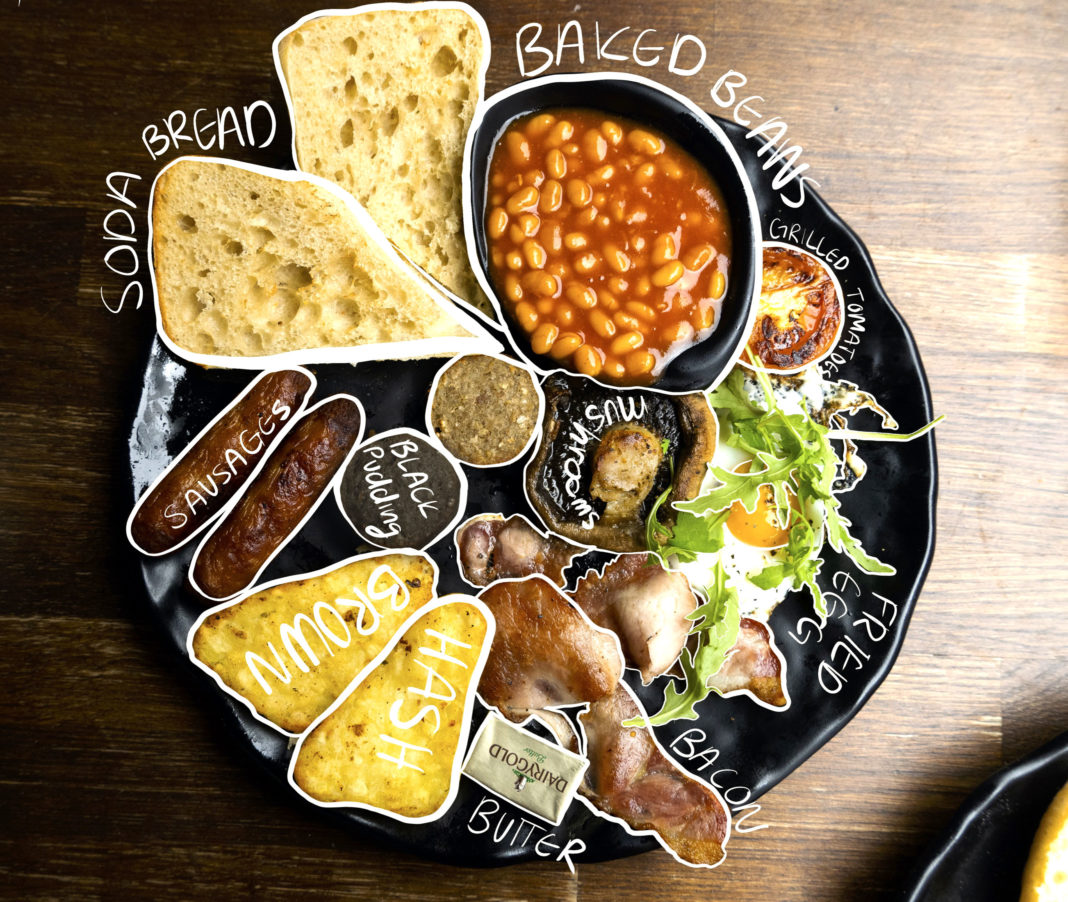
The Student Version of an English Breakfast

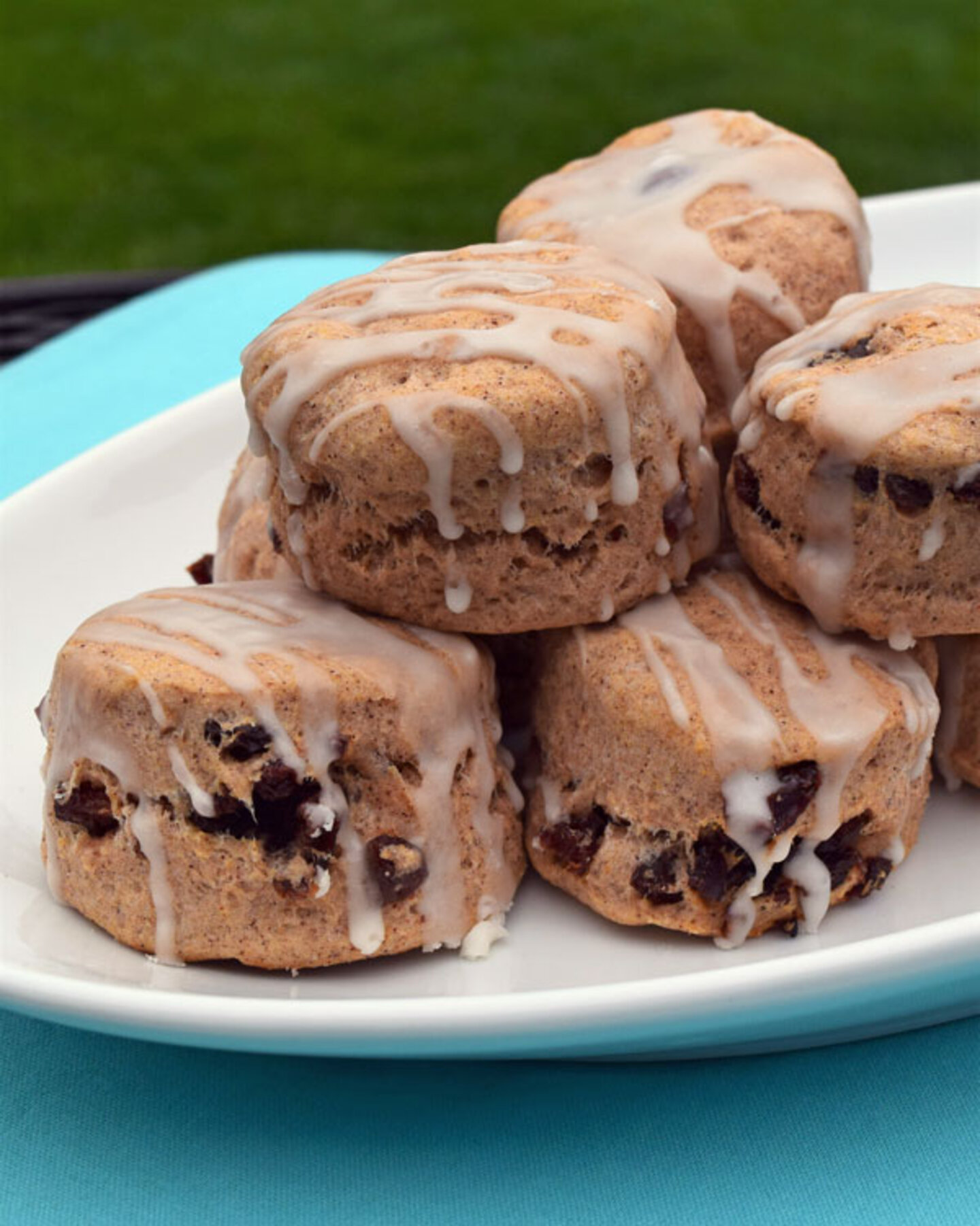
Whole Wheat Cinnamon Raisin Biscuits

Statement of Financial Statement 2024: $5.191B (Page 26)Standards Nebraska

Nebraska Electrical Code


https://x.com/SidKhurana3607/status/1506738462879272960/photo/1

"I'm a DJ. I get the party started" - Avicii

University of Nebraska Lincoln | 90.3 KRNU

Story County Scones

Standards Iowa

Scones

Agricultural Automation and Robotics

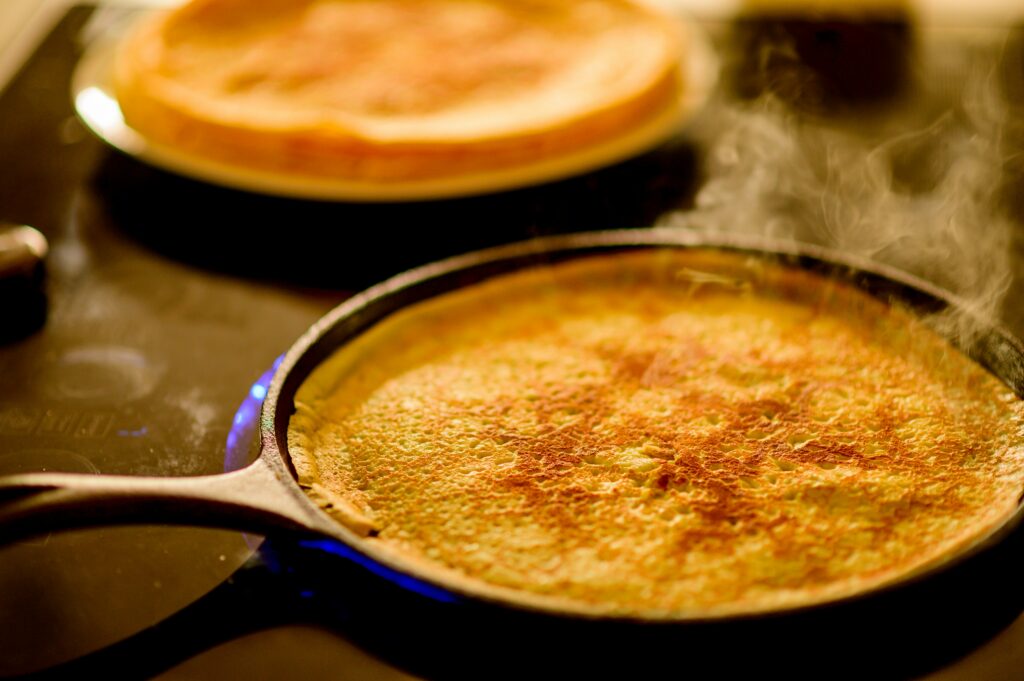
Crespelle

Castagne e cucina: ricette a base di castagne conservate


Un mondo fatto bene

American Irish Breakfast

Statement of Financial Position 2025: $4.387B (Page 1) * | Baylor Staff Pension Plan Reports

Facilities Management | Landscape Master PlanStandards and Codes


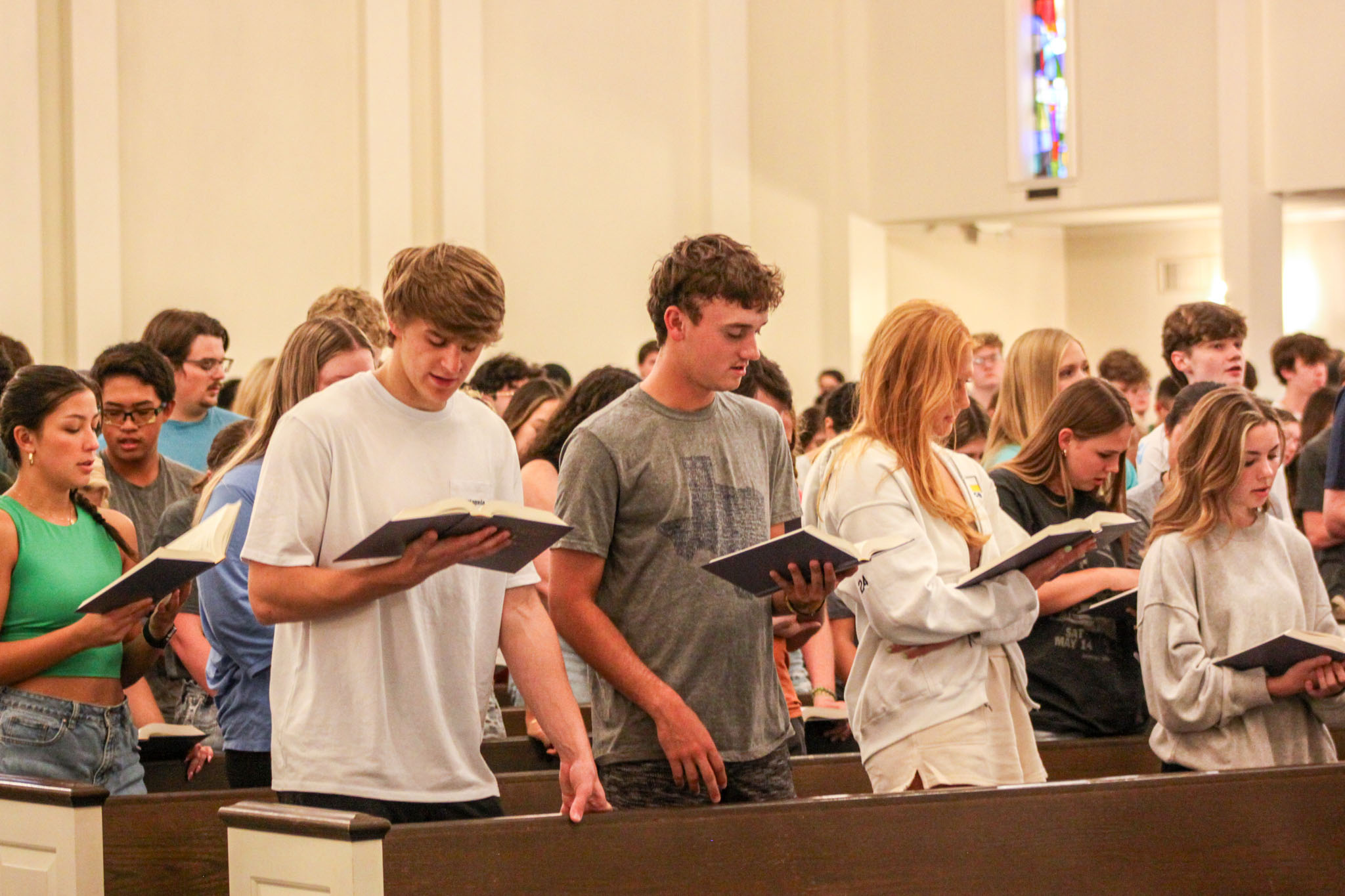
American, Irish breakfasts indulge tastebuds in feasts of culture | Nathan Tran, June 26 2022

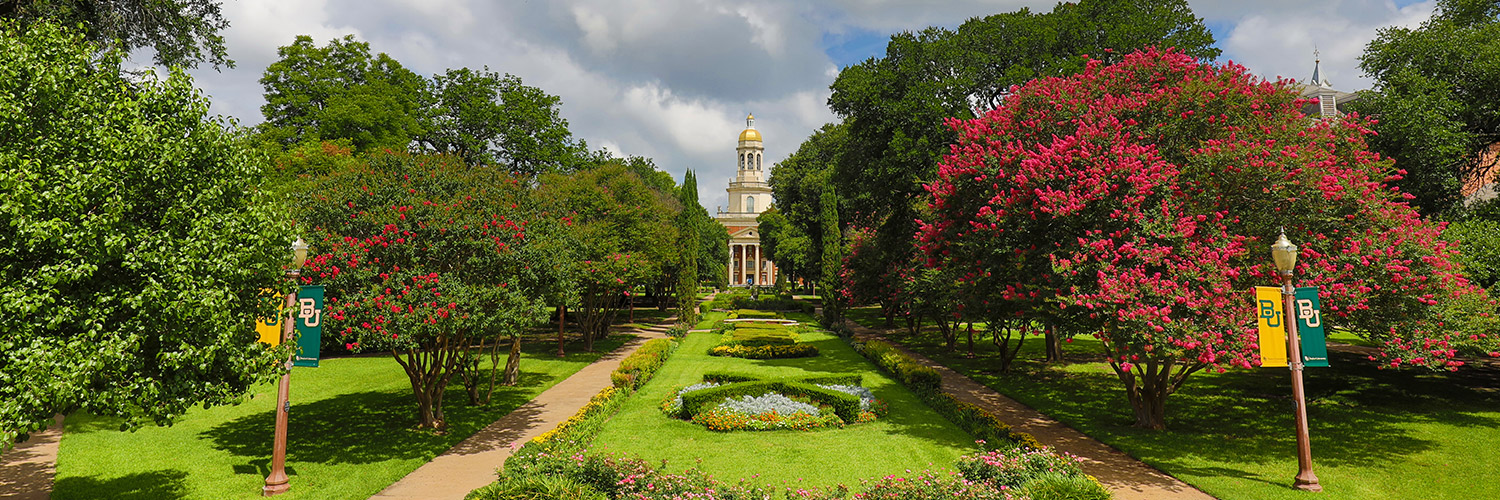
Pat Neff Hall (Birch D. Easterwood & Son Architects 1939)

Office of Investments

Related:

Rutgers University Annual Irish Breakfast

Breakfast Cereal

This content is accessible to paid subscribers. To view it please enter your password below or send mike@standardsmichigan.com a request for subscription details.

Layout mode
Predefined Skins
Custom Colors
Choose your skin color
Patterns Background
Images Background
Standards Michigan
error: Content is protected !!
Skip to content