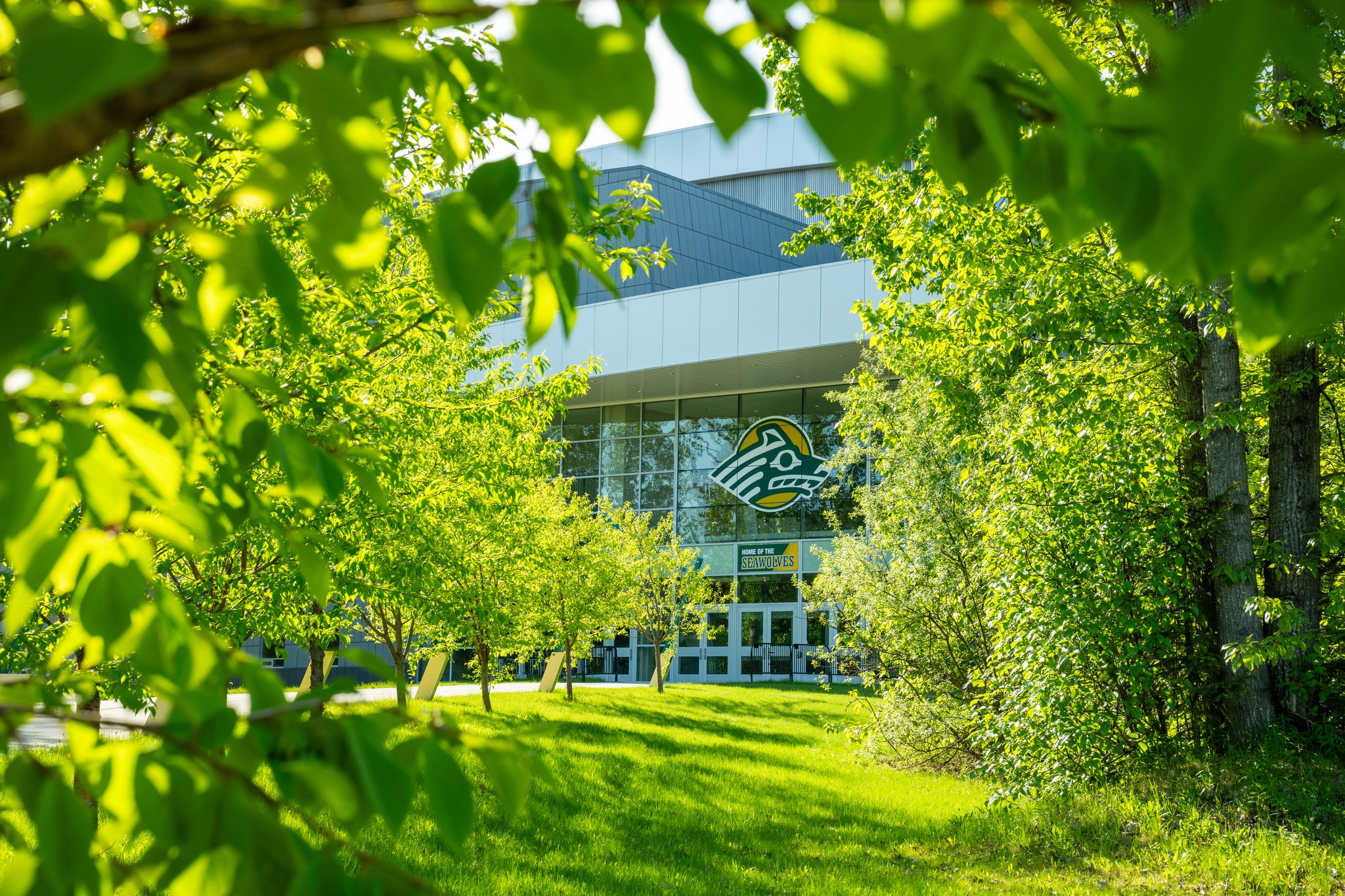
🔎 We spy some extra special visitors! Students of many ages attend summer camps on UAA’s Anchorage campus. From engineering and anthropology to real estate and journalism, there’s a camp for every interest. View the slideshow ▶️ https://t.co/8tAvPRKKzV. pic.twitter.com/s9fb4IfUDp
🖼️ The newly established UAA Art Collection Stewardship Fund aims to make UAA’s diverse art collection accessible to the public. Learn more and explore the public art gallery ▶️ https://t.co/T2i9CAFLuE! pic.twitter.com/q6Vpzp9AFB
Buttermilk is a tangy, dairy-based liquid often used in cooking and baking. It’s traditionally a byproduct of churning butter, but modern buttermilk is typically made by adding lactic acid bacteria to low-fat milk. This bacterial fermentation imparts its characteristic sour flavor and thickens the milk.
Buttermilk provides a pleasant acidity and moisture to recipes, especially in pancakes, biscuits, and marinades. It also aids in leavening, making baked goods rise. Additionally, buttermilk can be enjoyed as a refreshing drink on its own or blended with other ingredients for beverages and dressings, lending a delightful, tart quality.
School Lunch Milk
There is no single international standard for buttermilk, as its composition and characteristics can vary from one region to another.
ISO standards help ensure the quality, safety, and consistency of these products in international trade. Some ISO standards related to milk and dairy products include:
ISO 7886-1:2005 – Milk and milk products — Determination of the protein content — Part 1: Test at 0.020 specific density (Reference method)
ISO 1053:2006 – Milk — Enumeration of somatic cells
ISO 21415-1:2006 – Milk — Enumeration of psychrotrophic microorganisms — Part 1: Colony-count technique at 6.5 degrees C
ISO 11816-1:2013 – Milk — Determination of milkfat, protein, and lactose content — Part 1: Guidance on the operation of mid-infrared instruments
These standards cover various aspects of milk quality, testing methods, and safety parameters. Dairy products, including milk, undergo strict quality control and testing to ensure they meet the required standards for international trade and consumer safety.
Like many educational settlements in the United States, the original inspiration for the 1839 founding of Boston University by the Newbury Biblical Institute of the Methodist Episcopal Church was to train ministers. In 1867, it relocated to Boston, Massachusetts, becoming the Boston Theological School. By 1869, under the leadership of founders Isaac Rich, Lee Claflin, and Jacob Sleeper, it transformed into Boston University, expanding beyond theology to a broader liberal arts curriculum.
By 1869, under the leadership of founders Isaac Rich, Lee Claflin, and Jacob Sleeper, it transformed into Boston University which, in the fullness of time, morphed into a liberal arts settlement that supported Howard Zinn; inspiring student Alexandria Ocasio-Cortez among others.
This content is accessible to paid subscribers. To view it please enter your password below or send mike@standardsmichigan.com a request for subscription details.
Planting corn, eating tater-tot casserole, having a family date night in a John Deere tractor. If I had a busch light, this post might just explode from too much midwest. pic.twitter.com/q9VipUEgv4
Biscuits and sausage gravy is firmly rooted in Southern American cuisine, which has a rich history influenced by African, Native American, European, and other culinary traditions. The combination of biscuits and sausage gravy reflects the availability of ingredients in the South, where biscuits (similar to a type of British scone) and pork products were common.
The concept of biscuits, similar to what Americans call biscuits, has British origins. Early settlers brought this baking technique with them to the American colonies. However, the American biscuit evolved over time to become lighter and fluffier compared to the denser British biscuit.
The Extension Service, established in 1914, is a vital link between the public and NDSU, a land-grant university in Fargo, North Dakota. It delivers science-based education to enhance the lives and communities of North Dakotans through workshops, publications, events, and digital resources.
With a focus on agriculture, youth development (including 4-H), family wellness, and environmental protection, Extension agents provide unbiased, research-based information tailored to local needs. Operating in counties like Cass, Burleigh, and Dunn, the service fosters learning partnerships to empower residents in making informed decisions.
Supported by county, state, and federal funding, NDSU Extension collaborates with specialists and a national network to address economic, health, and community challenges, ensuring accessible, practical education for all ages to strengthen agriculture and community vitality across the state.
The Extension Service, established in 1914, is a vital link between the public and NDSU, a land-grant university in Fargo, North Dakota. It delivers science-based education to enhance the lives and communities of North Dakotans through workshops, publications, events, and digital resources. With a focus on agriculture, youth development (including 4-H), family wellness, and environmental protection, Extension agents provide unbiased, research-based information tailored to local needs.
Operating in counties like Cass, Burleigh, and Dunn, the service fosters learning partnerships to empower residents in making informed decisions. Supported by county, state, and federal funding, NDSU Extension collaborates with specialists and a national network to address economic, health, and community challenges, ensuring accessible, practical education for all ages to strengthen agriculture and community vitality across the state.
Join us for the opening day of 800 Cafe, an initiative led by nutrition science students offering healthy meals under 800 calories! 🥣
Open to the public through April 25, visitors can enjoy delicious lunches for $10.
.@uihealthcare is a top hospital for maternity care according to U.S. News & World Report. Our hospital is ranked as “High Performing,” the highest rank available. 💛 pic.twitter.com/Cbuv53mBkJ
The word “fecund” comes from the Latin word “fecundus,” which means fertile or fruitful. Historically, it has been used to describe land, animals, or people that are capable of producing abundant offspring or vegetation.
The term conveys a sense of richness and productivity, often associated with fertility and the ability to generate new life or growth. In a broader sense, it can also be applied metaphorically to describe creative or intellectual productivity.
New update alert! The 2022 update to the Trademark Assignment Dataset is now available online. Find 1.29 million trademark assignments, involving 2.28 million unique trademark properties issued by the USPTO between March 1952 and January 2023: https://t.co/njrDAbSpwBpic.twitter.com/GkAXrHoQ9T