
Category Archives: Coffee
- Home
- Archive by category "Coffee" (Page 10)


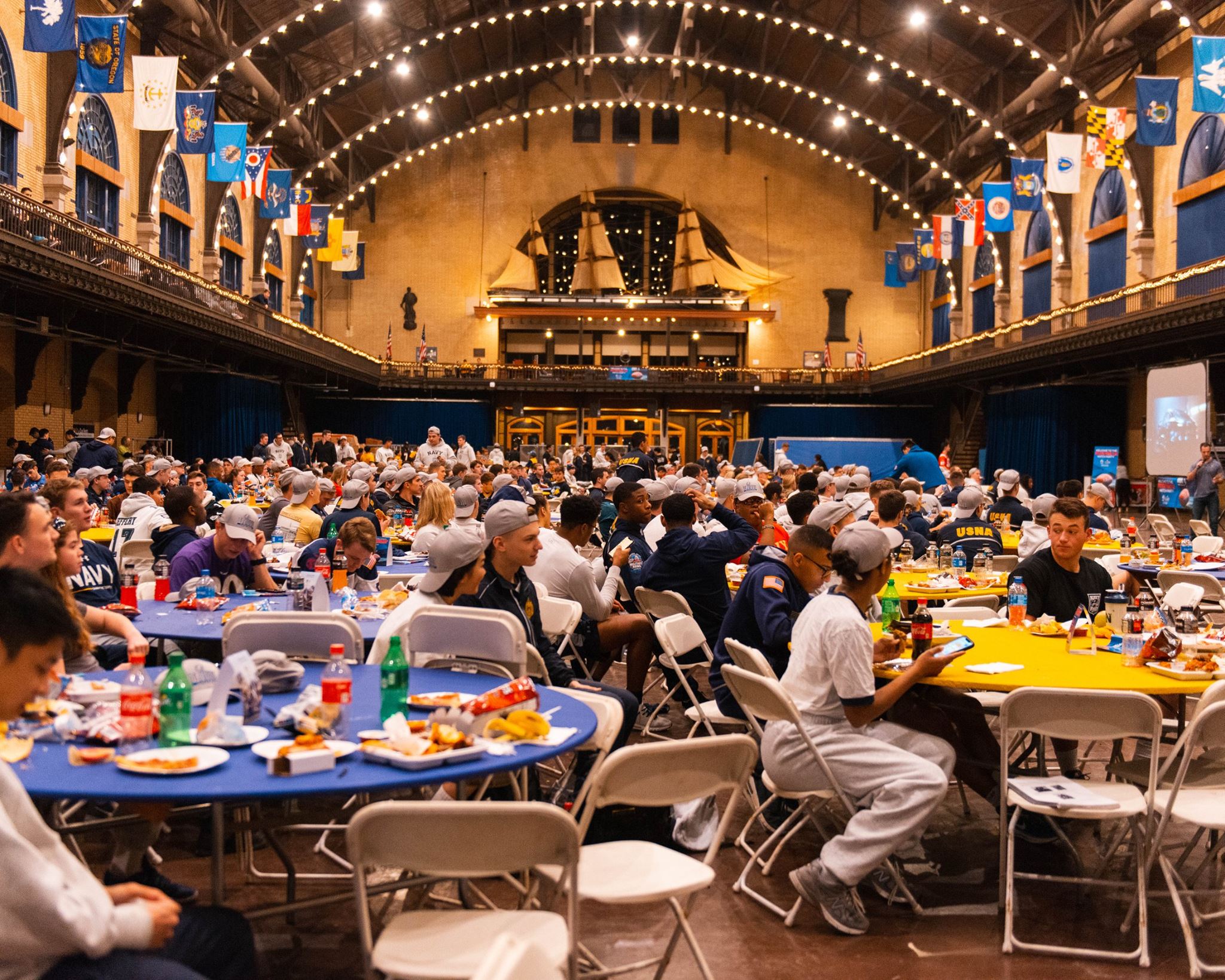
Dahlgren Hall & “Seasoned” Coffee Mug Stories
Named after Rear Admiral John A. Dahlgren, an influential figure in the development of naval ordnance. Its large, open space was ideal for indoor drills and military exercises. The hall was constructed between 1899 and 1903. Its design was overseen by Ernest Flagg, a prominent architect who designed several buildings at the Naval Academy. Today it houses the Drydock Restaurant, a gathering place for midshipmen, faculty, and visitors.
.@NavyFB wins the 126th Army-Navy Game presented by @USAA and is singing second! 👏#ArmyNavy pic.twitter.com/R0zDl6XNpf
— Army-Navy Game (@ArmyNavyGame) December 13, 2025
🚨 WOW! The National Athem before the Army-Navy game, with President Trump on the field, might just be the BEST rendition I’ve ever heard
How can anyone listen to this and NOT feel patriotic?! 🇺🇸🦅 pic.twitter.com/OrehpqI6RI
— Nick Sortor (@nicksortor) December 13, 2025
Named after Rear Admiral John A. Dahlgren (1809-1870) an influential figure in the development of naval ordnance during the United States Civil War. It served as an armory and drill hall for midshipmen. Its open space was ideal for indoor drills and military exercises.
The hall was constructed between 1899 and 1903. Its design was overseen by Ernest Flagg, a prominent architect who designed several buildings at the Naval Academy. Today it houses the Drydock Restaurant, a gathering place for midshipmen, faculty, and visitors.
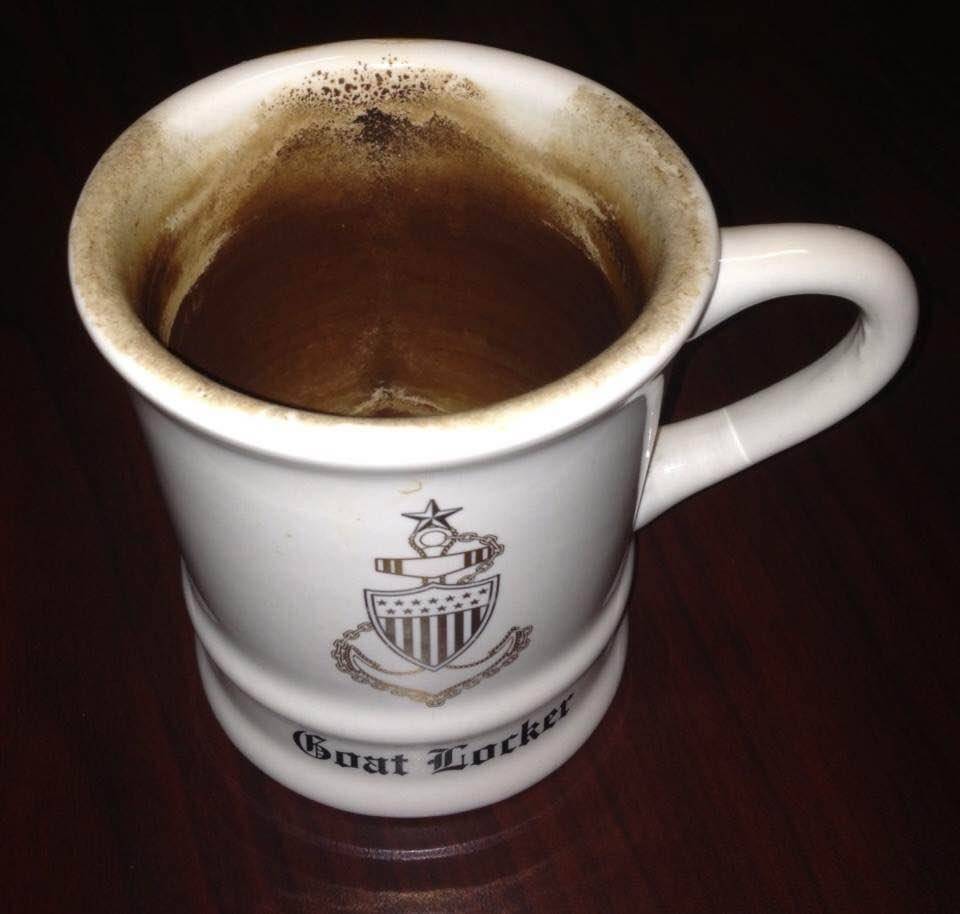
“How to Achieve the Ultimate Filthy Navy Coffee Mug”

Eggs Benedict & Cowboy Coffee
Standards Wyoming | Kitchen Standards
“A Social Critique of the Judgement of Taste” — Pierre Bourdieu, Harvard University Press 1984

Cowboy Coffee | Appetite for Knowledge
Vicki Hayman, University of Wyoming Extension Nutrition Educator, explains how to put together an English muffin, poached egg, Canadian bacon, and a homemade hollandaise sauce named after Lemuel Benedict, a Wall Street banker who, in 1894, ordered a hangover remedy at the Waldorf Hotel in New York. He requested buttered toast, poached eggs, crisp bacon, and hollandaise sauce.
The hotel’s maître d’hôtel, Oscar Tschirky, was impressed and adapted the dish for the menu, swapping bacon for ham and toast for an English muffin, naming it Eggs Benedict in his honor. Another claim links it to Commodore E.C. Benedict, but the Lemuel story is more widely accepted. The dish’s luxurious combination of poached eggs, ham, English muffin, and hollandaise sauce cemented its fame as a breakfast classic.
Anglosphere colleges have not always been settings for the Ideological Gatekeepers that persist in lording over higher education; despite recent federal legislation chipping away at their hegemony. Until the 1960’s far more colleges were conservative or traditionalist in their political and cultural leanings for much of their history; though exceptions were satirized in Jonathan Swift’s ‘Gulliver’s Travels’.
Historical Context in the UK
- Oxford and Cambridge (founded in the Middle Ages) were long seen as bastions of tradition, Anglicanism, and Tory/conservative values. In the 19th century, Oxford undergraduates were predominantly Tory. They emphasized classical education, hierarchy, and continuity with British institutions.
- They produced many Conservative leaders and maintained strong ties to the establishment.
United States
- Early colonial colleges (Harvard 1636, Yale, Princeton, etc.) were founded with Protestant religious missions to train clergy and gentlemen, instilling traditional moral and classical values. They were socially and culturally conservative by design.
- Into the early–mid 20th century, many elite universities maintained conservative social norms. Faculty surveys from the 1950s showed more balance (or moderate lean) compared to today.
- The 1950s–early 1960s featured active conservative student groups even on liberal campuses. The broad institutional culture was more aligned with tradition before the 1960s “counterculture” (which doesn’t mean there wasn’t religious and racial discrimination).
Canada, Australia, and Broader Anglosphere
Canadian and Australian universities historically reflected British traditions and were not uniformly left-leaning. Overall, universities across the Anglosphere were shaped by religious foundations, elite reproduction, and classical education traditions that prioritized stability, hierarchy, and Western heritage.
Summa: Anglosphere colleges were frequently “conservative” (traditionalist, establishment-oriented) for centuries. The perception — and the fact of them — as inherently left-wing is largely a post-1960s phenomenon; elevated from the large central government aspirations of Democrat and 36th US President Lyndon B. Johnson, himself a school teacher, through his signature legislation (Higher Education Act of 1965). It has been an uphill battle ever since for families seeking to convey loyalty to traditions of personal responsibility, religious tolerance, limited government, and fiscal conservatism to the next generation.


Recipes for a Nutritious Breakfast
Standards South Dakota | Statement of Financial Position $350.5M (Page 6)
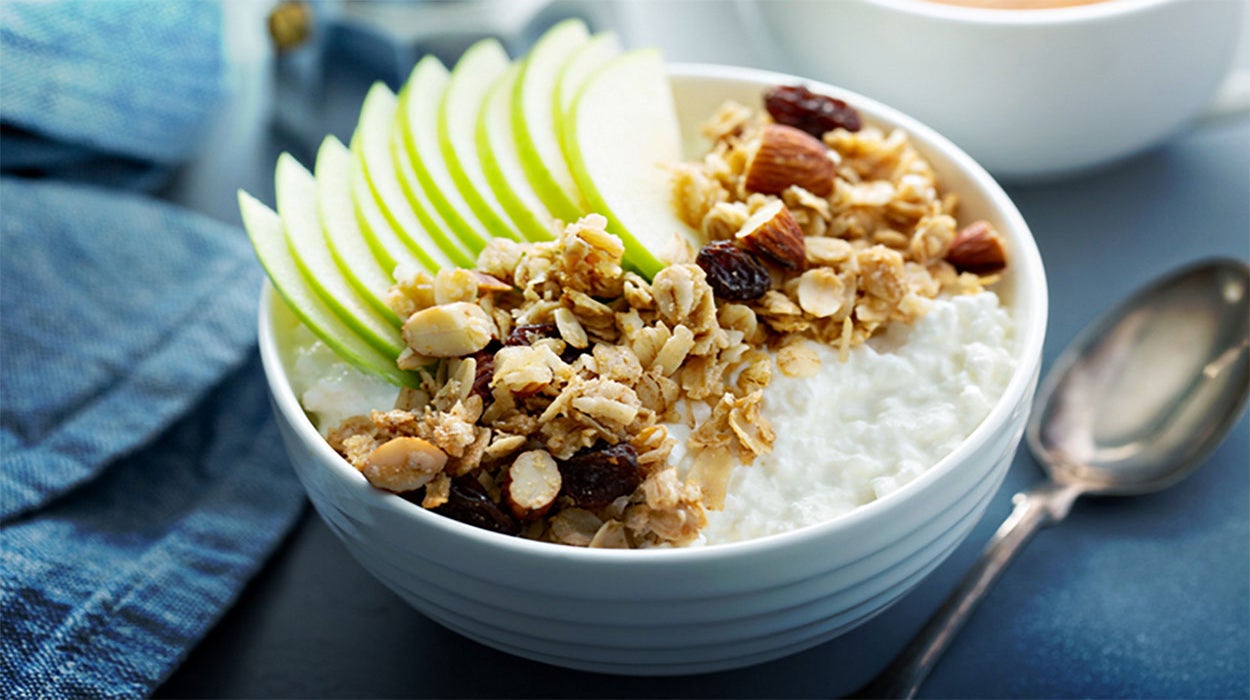
Apples and Cinnamon Cottage Cheese
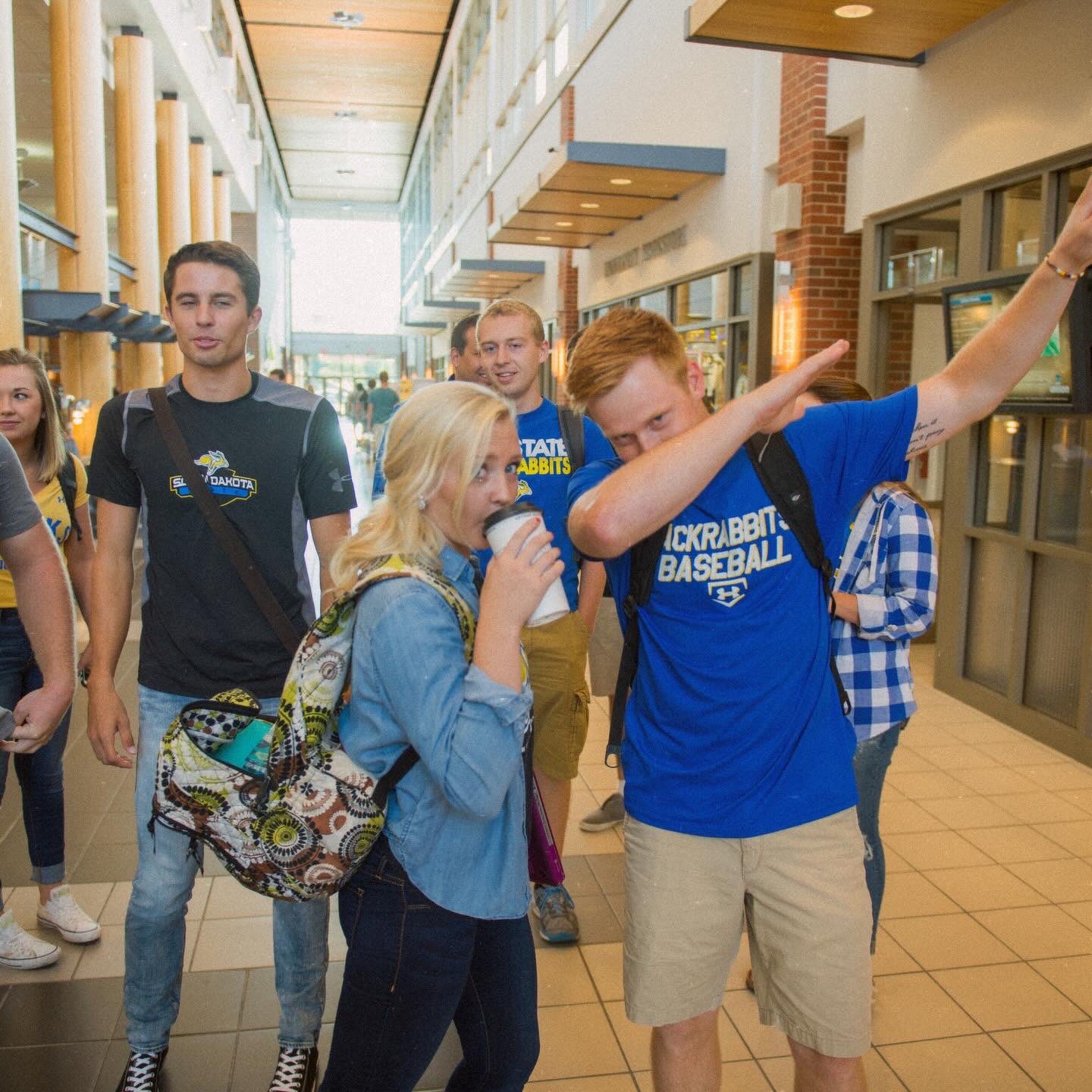
🎓 Know a student who’s planning for college? Encourage them to take the leap — undergraduate domestic applications to #SDState are free through Nov. 30! 🐰 It’s the perfect time to start their next big adventure. Apply now: https://t.co/rYgGfow5zB pic.twitter.com/gBcvesrP8H
— South Dakota State University (@SDState) October 28, 2025


Farmers Match
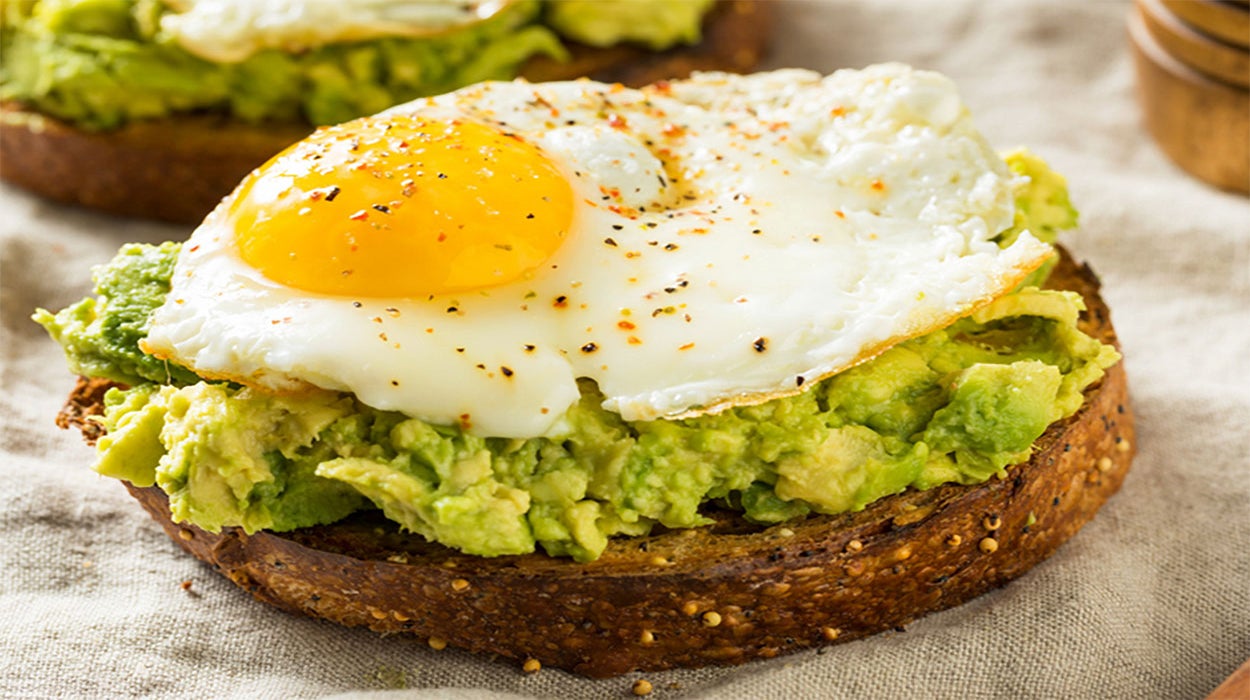
Avocado Toast With Eggs
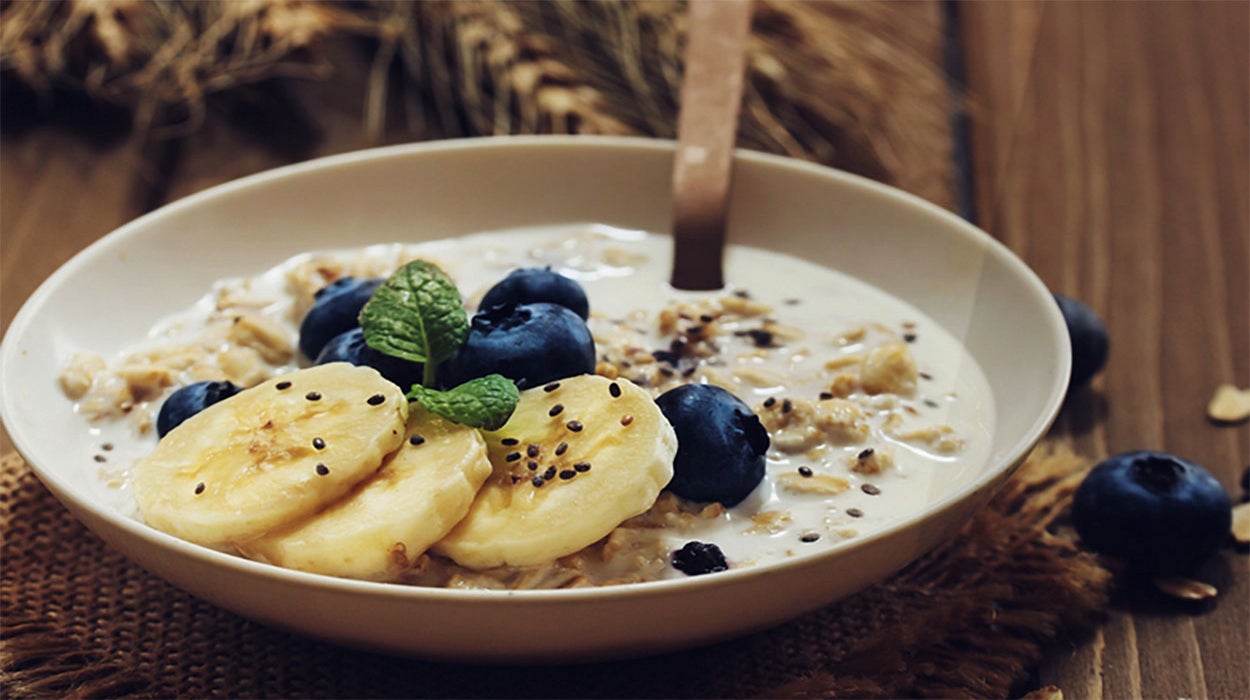
Overnight Oats
https://t.co/Cfq3bRZmca pic.twitter.com/C9wAZxIgYP
— Standards Michigan (@StandardsMich) May 24, 2023

Flat White
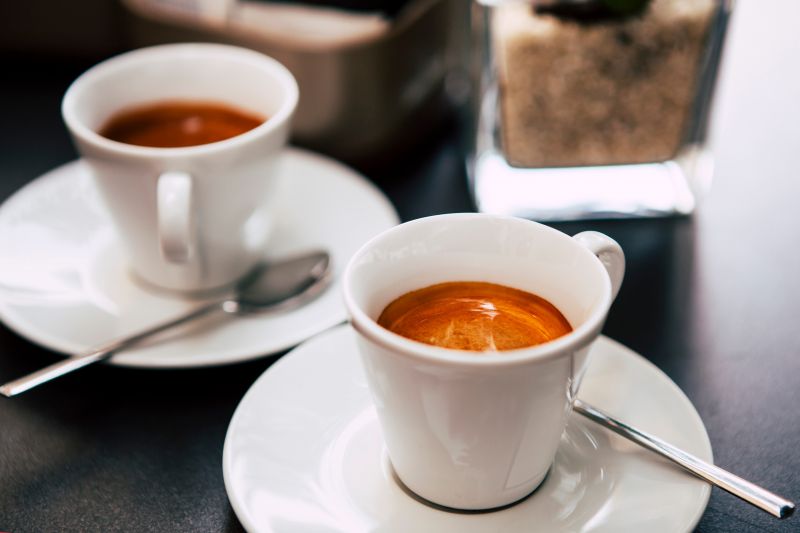
“This is the story of how Italian sugar growers in the Sunshine State are said to have inspired
the “invention” of the flat white – a drink that would go on to become a global sensation.
— Garritt Van Dyk – Lecturer at the School of Humanities, Creative Industries and Social Sciences
Meet the friendly faces behind the counter of your favourite vendors across our campuses!
From pharmacies to coffee shops and restaurant dining, we’ve got you covered. ☕
Check out the full list of vendors by campus here 👉 https://t.co/kX50eD2DWJ pic.twitter.com/2jLb9vybX9
— University of Newcastle (@Uni_Newcastle) May 2, 2024

Latte Macchiato
2019 ProPublica Non-Profit Explorer | IRS 990 Net Assets $90.194M
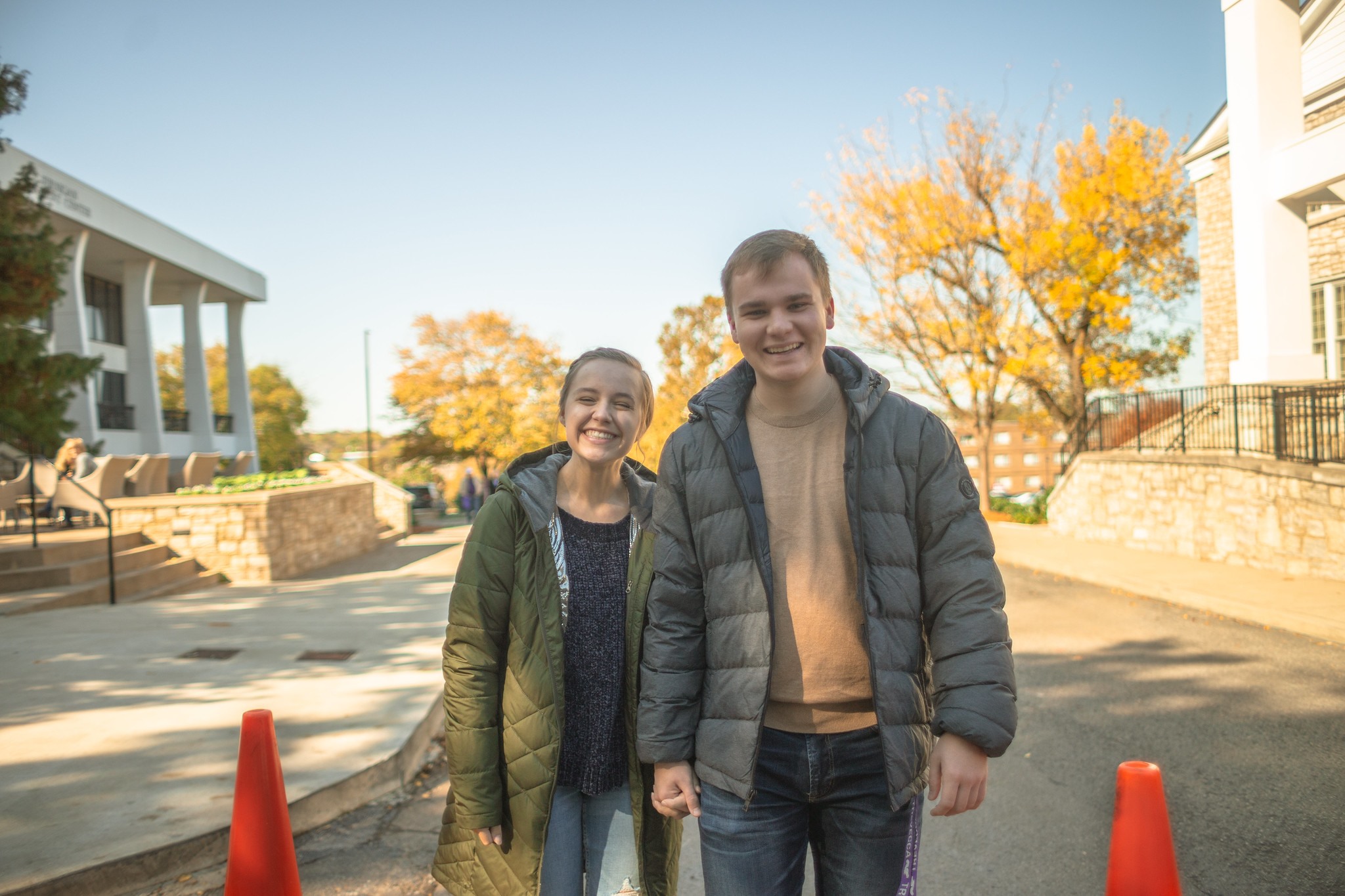
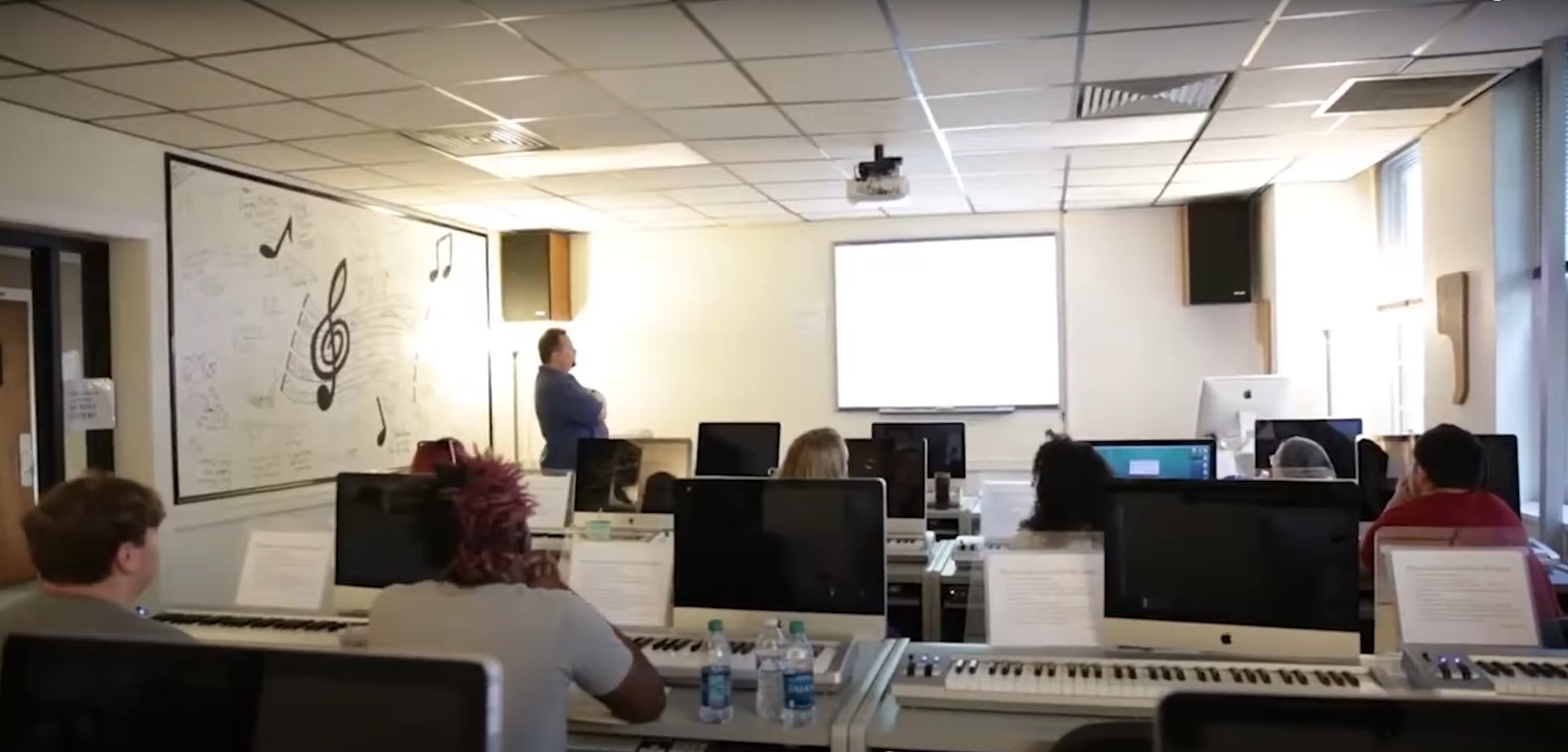
“The Liberals are Coming, and They’re Bringing Fancy Coffee” https://t.co/XykfCFYZgVhttps://t.co/exHU6TR2h9
America is changed by flight from miserable Blue States to better Red States—only to import the policies that created the misery they fled from in the first place. pic.twitter.com/OaVVgrTxJr— Standards Michigan (@StandardsMich) October 31, 2022

Mint Julep University


Spoon University
Kentucky Derby Museum | Churchill Downs, Louisville Kentucky
Ingredients:
-
- Fresh mint leaves
- Granulated sugar
- Crushed ice
- Kentucky bourbon whiskey
- Mint sprigs for garnish
Instructions:
-
- Begin by placing about 6-8 fresh mint leaves and a teaspoon of granulated sugar into a sturdy glass or silver julep cup.
- Use a muddler or the back of a spoon to gently muddle the mint leaves with the sugar. This will release the mint’s essential oils and flavor.
- Fill the glass or cup halfway with crushed ice.
- Pour 2 ½ ounces of Kentucky bourbon whiskey over the ice.
- Stir gently to combine the ingredients and chill the mixture.
- Top off the glass with more crushed ice, filling it to the brim.
- Garnish your mint julep with a fresh mint sprig for aroma and presentation.
- Insert a straw and serve immediately.
University of Louisville: Bourbon Research
University of Kentucky: Daviess County Bourbon

The Kentucky Derby is typically run the first Saturday in May. Live TV coverage begins early in the afternoon. Post time is usually 6:57 p.m. ET (3:45 p.m. PT)
Readings:
Spoon University: How to Make a Mint Julep Worthy of the Kentucky Derby
Campus coffee shop offers discounts to students wearing derby attire
Jittery Joe’s Kentucky Derby Race Day Coffee
Saxbys
Standards New Jersey | Montclair State University Net Position: $404.5M
New Jersey College Faculty Pensions
Saxbys Coffee at Montclair State University is a fully student-run experiential learning cafe located on the first floor of the Feliciano School of Business. Launched in April 2024 as part of Saxbys’ Experiential Learning Platform (ELP), it is designed for students, by students.Students handle every aspect of operations: baristas, food service, inventory, marketing, and daily management.
Each semester, a student serves as the Student Cafe Executive Officer (SCEO), gaining real-world entrepreneurial experience while earning academic credit and wages. This hands-on model supplements classroom learning, builds leadership skills, and boosts post-graduation success rates.
The cafe creates a vibrant campus hub with student-friendly pricing, all-day breakfast, and specialty drinks. It fosters community and practical business training in a supportive environment.

The Early Swedes in New Jersey

Alumni Network
This is….BCMSU 🐻❤️🏠
What a beauty 😍 pic.twitter.com/oaTmX4P0ni— Bloomfield College of Montclair State University (@montclair_bc) June 24, 2024



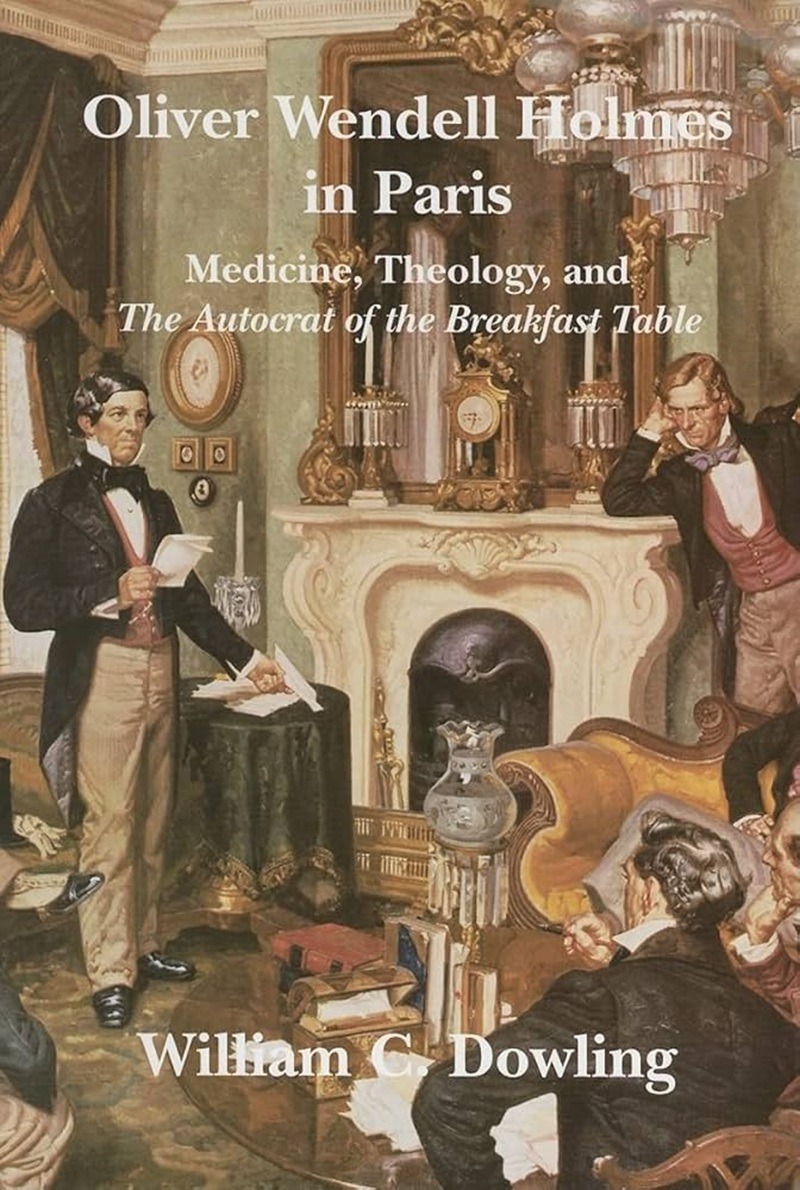
Breakfast Table Trilogy
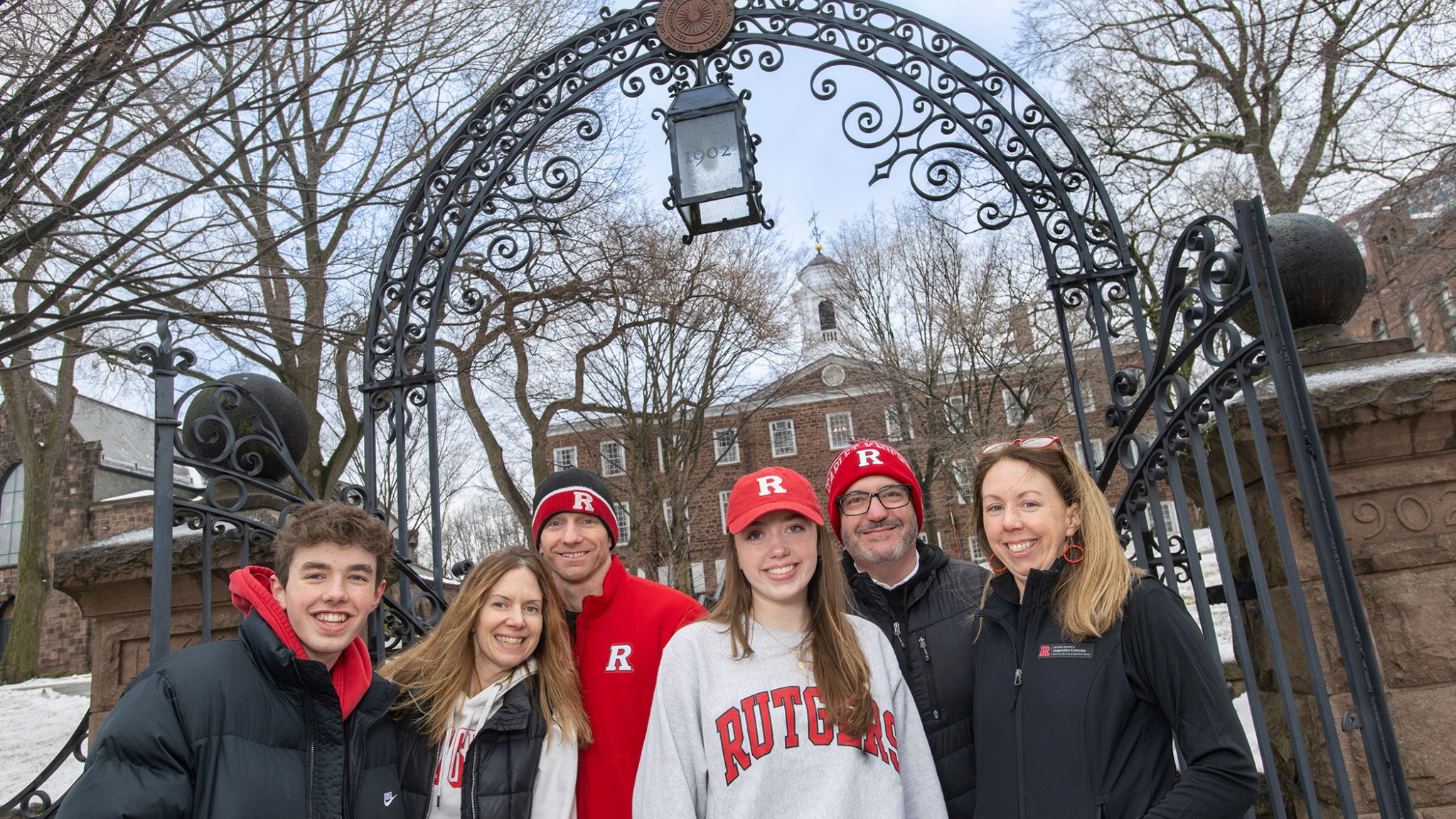
Red Lion Cafe | College Avenue | Financial Position 2024 | $2.914B
Institutional Planning & Operations

Proud of who we are and excited for our future. We’re thrilled to welcome our newest Scarlet Knights! #upstreamredteam
.
.
.
.#NationalSigningDay #NSD #ScarletKnights #RutgersRowing #ncaarowing #bigtenrowing #bigten pic.twitter.com/CyXhRdpEV7— RutgersWomensRowing (@RutgersWRowing) November 14, 2024
New update alert! The 2022 update to the Trademark Assignment Dataset is now available online. Find 1.29 million trademark assignments, involving 2.28 million unique trademark properties issued by the USPTO between March 1952 and January 2023: https://t.co/njrDAbSpwB pic.twitter.com/GkAXrHoQ9T
— USPTO (@uspto) July 13, 2023
Standards Michigan Group, LLC
455 East Eisenhower Parkway, Suite 300
Ann Arbor, MI 48108 USA
888-748-3670
DIRECTIONS
 |
 |
|
 |
 |
|
 |
 |