Nearly 200 St. Thomas students, faculty, staff and community members participated in the Center for Well-Being’s Wellness 5K Run/Walk on Oct. 12. See more here: https://t.co/Uni3U0VxrXpic.twitter.com/zwNH1j68a1
Napoleon Bonaparte changed the specification for the traditional round bread so that his soldiers could more easily march with food. Chef Woehrle from the National Center for Hospitality Studies in Jefferson County Kentucky demonstrates how to do it.
This content is accessible to paid subscribers. To view it please enter your password below or send mike@standardsmichigan.com a request for subscription details.
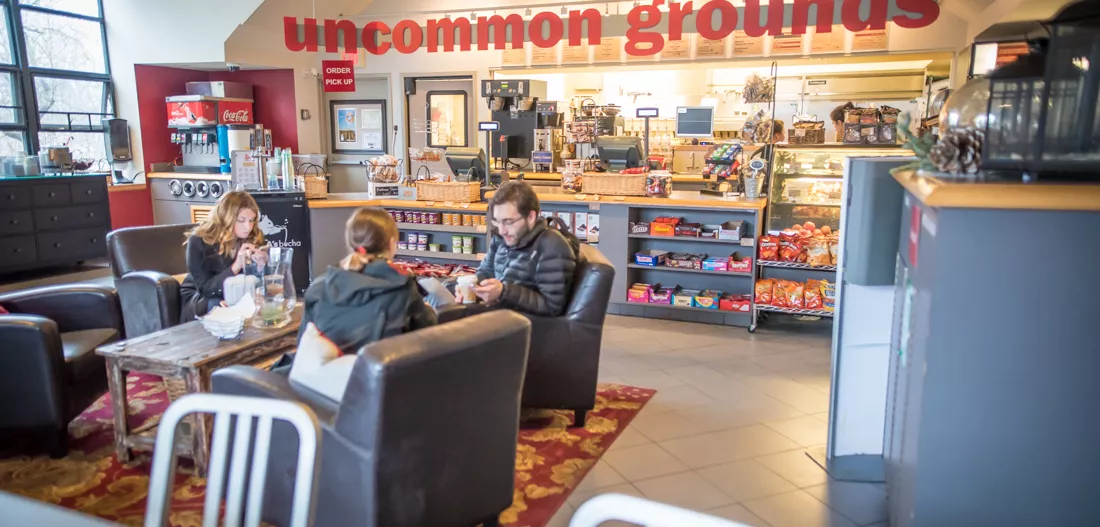
A delicate, floral spring and summer drink featuring the subtle cherry-like aroma and slight saltiness of sakura (cherry blossoms). Made with steeped sakura tea or a flavored base, combined with steamed or frothed milk, and often sweetened or enhanced with syrup or powder for color and flavor. It’s lighter and more tea-forward than a coffee-based latte. Available hot or with ice at the UnCommon Grounds Cafe in the Neuberger Centennial Campus Center
One explanation for America’s low fertility rate is that some private women’s colleges place relatively little institutional emphasis on social environments that encourage long-term relationships leading to marriage and family formation.
Advocates of this view argue that these colleges often prioritize academic achievement, leadership development, professional careers, and personal independence over traditional courtship opportunities. They contend that limited interaction with male students, fewer campus traditions centered on mixed-gender social life, and cultural norms that delay marriage may reduce the likelihood of graduates forming families during their twenties. According to this perspective, colleges could contribute more to demographic renewal by fostering healthy, voluntary opportunities for students to meet compatible partners while respecting individual choice.
Critics, however, argue that fertility trends are shaped far more by broader economic conditions, housing costs, career pressures, cultural change, and personal preferences than by the educational environment of women’s colleges alone.
The Titan Innovation Fund was introduced to spark innovation at UDM. It supports new, creative ideas that improve the University and student experiences by ensuring that they receive the resources and support needed to survive: https://t.co/tbLwUxkbEbpic.twitter.com/LfqM7Sup1p
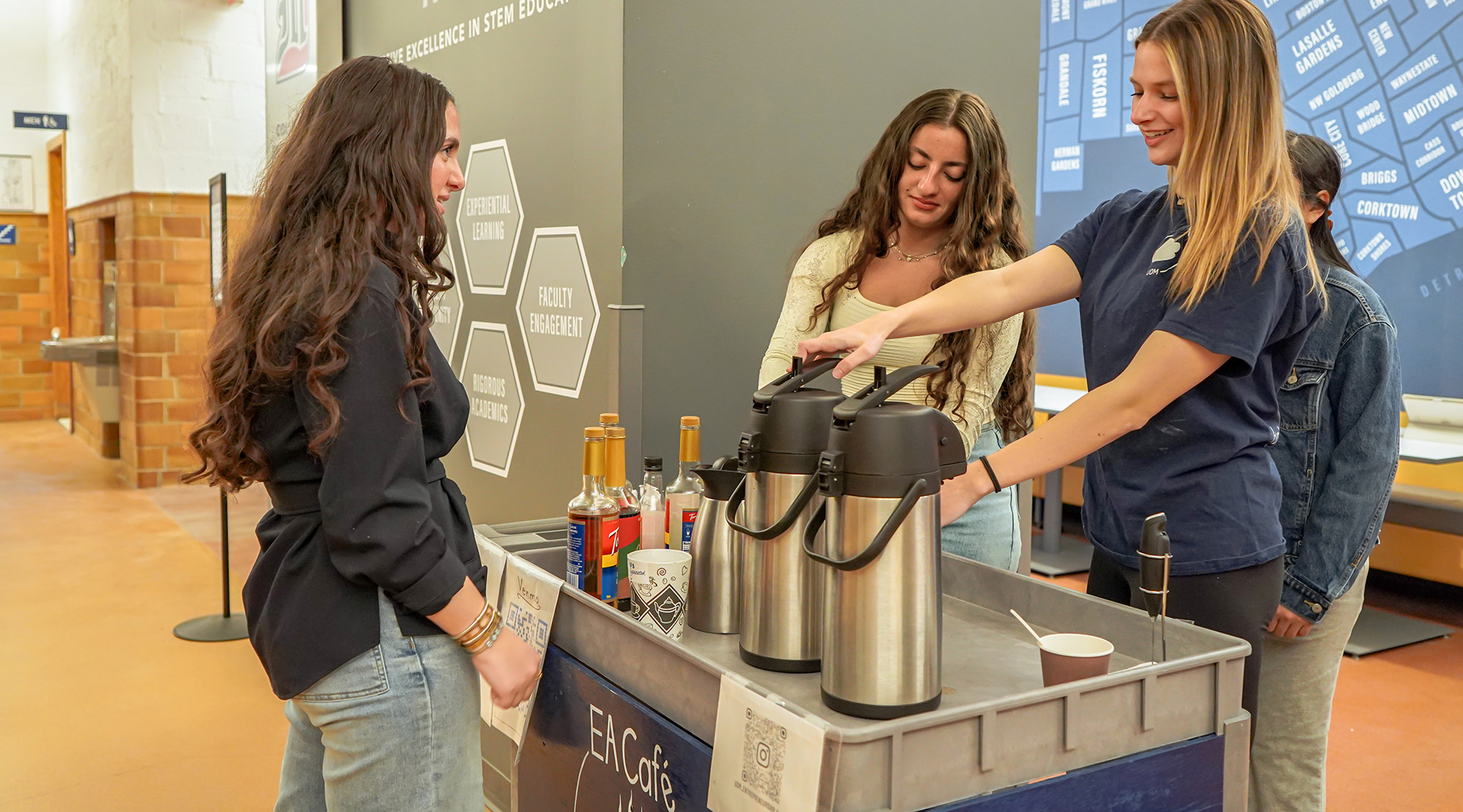
We want our young people to learn how to make a living in challenges of their time. The EA Café is a student-run coffee cart operated by the Entrepreneurship Association on the McNichols Campus. Launched in 2023 as a hands-on class project, it has quickly become a popular spot offering coffee, flavored lattes, and other beverages to students, faculty, and staff. The café functions as a real-world learning laboratory. EA students manage every aspect — purchasing supplies, preparing drinks, customer service, marketing, and finances. The movable cart is typically set up in high-traffic locations such as the Engineering Building and campus events. Beyond providing convenient study fuel, the EA Café represents UDM’s strong commitment to experiential learning and student entrepreneurship.
Detroit (meaning “strait”, a narrow passage of water toward Lac Érié ) was founded in 1701 by French explorer and military officer Antoine de la Mothe Cadillac. This was the first permanent European settlement in what is now Wayne County Southeast Michigan and one of the earliest above tidewater in North America. Before the French arrived, the area was inhabited by Native American tribes (Ojibwe, Odawa, Potawatomi, and others). Relations between these tribes and the newcomers from Europe were a mix of alliances, trade, intermarriage, and violence.*
Detroit remained under French control until 1760 (when the British took it during the French and Indian War). Many French families stayed even after that. Detroit still has strong French roots — street names, family surnames, and neighborhoods like Grosse Pointe and Ecorse trace back to those early French settlers. European immigrants to Southeast Michigan — drawn by economic opportunities enabled by the American founding documents (personal responsibility, religious tolerance, limited government, fiscal conservatism) — came in waves for the better part of 150 years.
Canadians across the river (City of Windsor, and much of Southwest Ontario) trace their English origins to Yorkshire, Cumberland, Devon & Cornwall, Highland Scots and all of Ireland. Many Dutch, driven out of New York City, traveled past Detroit and settled in Kent County Western Michigan.
* Deliberately overlooked by Revisionists in the legacy US public school system: ancestral violence among the Native American tribes themselves. Cadillac invited multiple tribes in the Southeast Michigan and Ohio region to settle near Fort Pontchartrain du Détroit for protection against Iroquois invaders from Western New York.
Families Cannot Stand the Gorilla Grip the Democratic Party (Rashida Talib & Shri Thanedar & Debbie Dingell) Has on Southeast Michigan So They Have Fled To The Suburbs
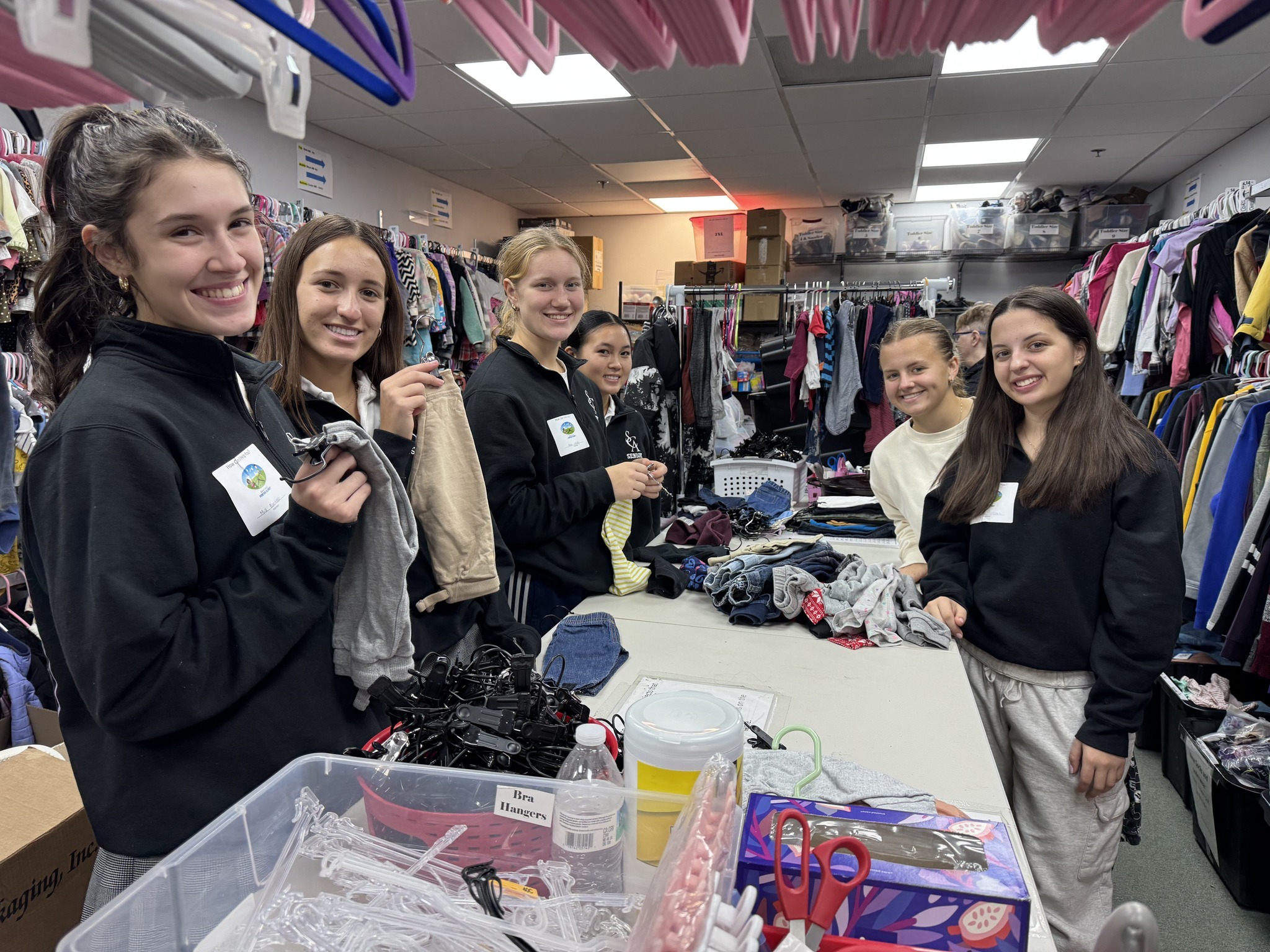
St. Catherine of Siena Academy | Oakland County Michigan
Jaliyaa Coffee is a specialty mobile coffee truck and experiential catering brand stationed at Howard University in Washington, D.C. (2401 Fourth St NW). It serves as a beloved campus staple, often called “HU’s favorite,” offering ethically sourced African coffees, matcha, and signature drinks rooted in African and Arab hospitality traditions.
The name “Jaliyaa” honors Mande griots—West African storytellers who preserved culture across generations. Every cup aims to bridge Africa and the African diaspora through intentional rituals, community, and storytelling.
The truck operates weekdays (typically 9 AM–5 PM), providing premium beverages for students, events, and gatherings while also catering across DC, Maryland, and Virginia.Jaliyaa emphasizes cultural connection, quality beans, and warm hospitality, making it more than just coffee—it’s a vibrant hub for meaningful moments on Howard’s campus.
For over 1,000 years, our people have gathered to celebrate light, life, and tradition.
We’re proud to pass this heritage on to our children. pic.twitter.com/8goBccL6ts
Bryant University is elated to announce that the Bulldog Community has earned a prestigious five-star excellence rating from @QSCorporate Quacquarelli Systems, affirming Bryant’s place among the elite institutions of higher education worldwide. This comprehensive evaluation,… pic.twitter.com/0XzixVQbiN
The Head, Hand and Hertford Programme in Leadership and Innovation, a two-week study abroad course at Oxford, was envisaged by Bryant President Ross Gittell, Ph.D., and his Oxford counterpart, Principal of Hertford College Tom Fletcher, after they were introduced by former Bryant… pic.twitter.com/n8yNn0s0L5
New update alert! The 2022 update to the Trademark Assignment Dataset is now available online. Find 1.29 million trademark assignments, involving 2.28 million unique trademark properties issued by the USPTO between March 1952 and January 2023: https://t.co/njrDAbSpwBpic.twitter.com/GkAXrHoQ9T