This content is accessible to paid subscribers. To view it please enter your password below or send mike@standardsmichigan.com a request for subscription details.
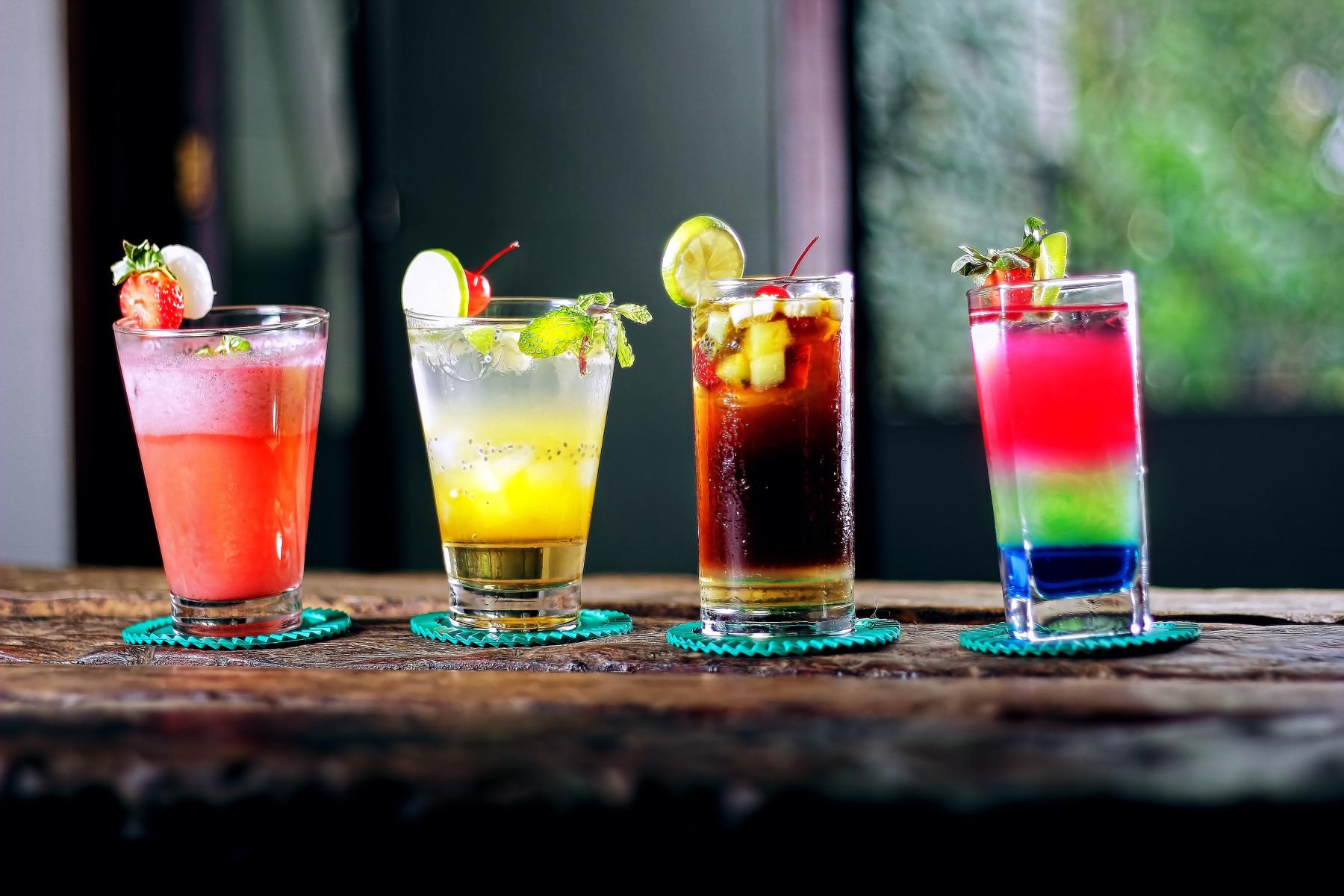
Cranberry Mule: A holiday twist on the classic Moscow Mule, featuring cranberry juice, ginger beer, and vodka. Garnish with a slice of lime and fresh cranberries. Here’s a simple recipe for a “Cranberry Mule”:
2 oz vodka
4 oz ginger beer
2 oz cranberry juice
1/2 oz fresh lime juice
Ice
Cranberries and lime slices for garnish
Instructions:
Fill a copper mug (or another glass of your choice) with ice.
Pour in the vodka and cranberry juice.
Add the fresh lime juice.
Top off with ginger beer.
Stir gently to combine the ingredients.
Garnish with cranberries and a lime slice.
The release of Beaujolais Nouveau is not just about the wine itself; it’s a cultural and marketing phenomenon that brings people together to celebrate the harvest season, promotes the wine industry, and contributes to the economic and cultural vitality of the regions involved. The settlements listed below contribute significantly to wine-related research, education, and innovation. Some notable universities and research institutions in France that lead wine research include:
University of Bordeaux (Institute of Vine and Wine Science): The University of Bordeaux, located in one of the world’s most famous wine regions, is renowned for its research in viticulture, oenology, and wine-related sciences. The Institute of Vine and Wine Sciences (ISVV) within the university is a key research center in this field.
Montpellier SupAgro: Montpellier SupAgro, part of the Montpellier University of Excellence, is known for its expertise in agronomy, viticulture, and oenology. They offer research programs and collaborate with the wine industry.
University of Burgundy:The University of Burgundy, situated in the heart of the Burgundy wine region, conducts research in oenology and viticulture. The Jules Guyot Institute is a leading research facility in the field.
Institut des Sciences de la Vigne et du Vin (ISVV): Located in Bordeaux, this research institute is dedicated to vine and wine sciences and is affiliated with the University of Bordeaux.
University of Reims Champagne-Ardenne:This university, located in the Champagne region of France, has expertise in Champagne production and conducts research related to winemaking and viticulture.
These institutions, along with various research centers and organizations throughout France, contribute to advancements in wine research, including topics like grape cultivation, wine production techniques, wine chemistry, and the study of wine regions and terroirs. They often collaborate with the wine industry and help maintain France’s position as a leader in the global wine industry.
Beaujolais Nouveau is produced under specific regulations and standards set by the French wine industry. However, there isn’t a specific international standard for Beaujolais Nouveau like there is for some other wines, such as those with controlled designations of origin (AOC) or protected designation of origin (PDO) status.
The production of Beaujolais Nouveau is governed by the rules and regulations of the Beaujolais AOC (Appellation d’Origine Contrôlée), which defines the geographical area where the grapes must be grown, the grape varieties allowed, and the winemaking techniques that can be used. The AOC regulations ensure a certain level of quality and authenticity for wines carrying the Beaujolais Nouveau label.
Winemakers producing Beaujolais Nouveau must follow these guidelines, including using the Gamay grape variety, employing specific vinification methods (such as carbonic maceration), and releasing the wine within a limited time frame after the harvest.
While the production standards are regulated at the national level in France, individual producers may have their own techniques and styles within the broader framework of the Beaujolais AOC regulations.
It’s important to note that the term “Beaujolais Nouveau” itself is not a specific indication of quality or adherence to particular winemaking practices; rather, it signifies a style of wine that is young, fresh, and meant to be consumed shortly after production. As a result, the characteristics of Beaujolais Nouveau can vary from producer to producer within the general guidelines set by the AOC
This content is accessible to paid subscribers. To view it please enter your password below or send mike@standardsmichigan.com a request for subscription details.
This content is accessible to paid subscribers. To view it please enter your password below or send mike@standardsmichigan.com a request for subscription details.
The first semester of the #HCLeadershipInstitute starts in FIVE days! We can’t wait to be in the room with our HC Family. Give your campus a shoutout below!
Professor Karl Siebert, who teaches FDSC 4300, The Science and Technology of Beer, demonstrates how to properly pour a beer and discusses the sensory experience of beer appreciation. In a recent study, Siebert identified the key component in a ‘perfect’ head of beer: a barley protein known as Lipid Transport Protein 1 or LPT1.
New update alert! The 2022 update to the Trademark Assignment Dataset is now available online. Find 1.29 million trademark assignments, involving 2.28 million unique trademark properties issued by the USPTO between March 1952 and January 2023: https://t.co/njrDAbSpwBpic.twitter.com/GkAXrHoQ9T