
Category Archives: Family
- Home
- Archive by category "Family"



National Center for Family & Marriage Research
This content is accessible to paid subscribers. To view it please enter your password below or send mike@standardsmichigan.com a request for subscription details.

Overcoming the Feminization of Culture
Vitae | The American Conservative
Have Women Ruined the World? | The Effects of the Boomer Generation on America
ImMigration & Academic Dishonesty
National Conservatism | Edmund Burke Foundation | Russell Kirk Center Mecosta County Michigan

The Women Blessed by Dionysus: Maenads in Art

Related:

Family Housing: Cache County
This is what will change culture pic.twitter.com/11A9GM8hJw
— Anna Lulis (@annamlulis) November 25, 2024

Chris Williamson
Involuntary Childlessness: Academia and Collapsing Birth Rates
“The only true measure of wealth is children” | Tucker Carlson
How my husband and I split bills: pic.twitter.com/mYpmTFwwXw
— Barefoot Pregnant (@usuallypregnant) May 18, 2025
They are the sons and daughters of Life’s longing for itself.
They come through you but not from you,
And though they are with you yet they belong not to you.
For they have their own thoughts.
You may house their bodies but not their souls,
For their souls dwell in the house of tomorrow,
Filles du Roi
This content is accessible to paid subscribers. To view it please enter your password below or send mike@standardsmichigan.com a request for subscription details.

Family Names
BSI Group: The Role of Standards in Shaping Careers and a Fairer Future
Growth for tech innovation in Bristol as Future Space expands
“Immoderate Greatness: Why Civilizations Fail, and Apologies to the Grandchildren” | William Ophuls

A great weekend! pic.twitter.com/9QQS6xvzVx
— Huw Llandre (@Llandre) April 2, 2024
English royal family tree traced back to the 9th century pic.twitter.com/DSQIqWq6dU
— ThinkingWest (@thinkingwest) August 6, 2024
They are the sons and daughters of Life’s longing for itself.
They come through you but not from you,
And though they are with you yet they belong not to you.
For they have their own thoughts.
You may house their bodies but not their souls,
For their souls dwell in the house of tomorrow,

Young Center for Anabaptist and Pietist Studies
This content is accessible to paid subscribers. To view it please enter your password below or send mike@standardsmichigan.com a request for subscription details.

Ring by Spring

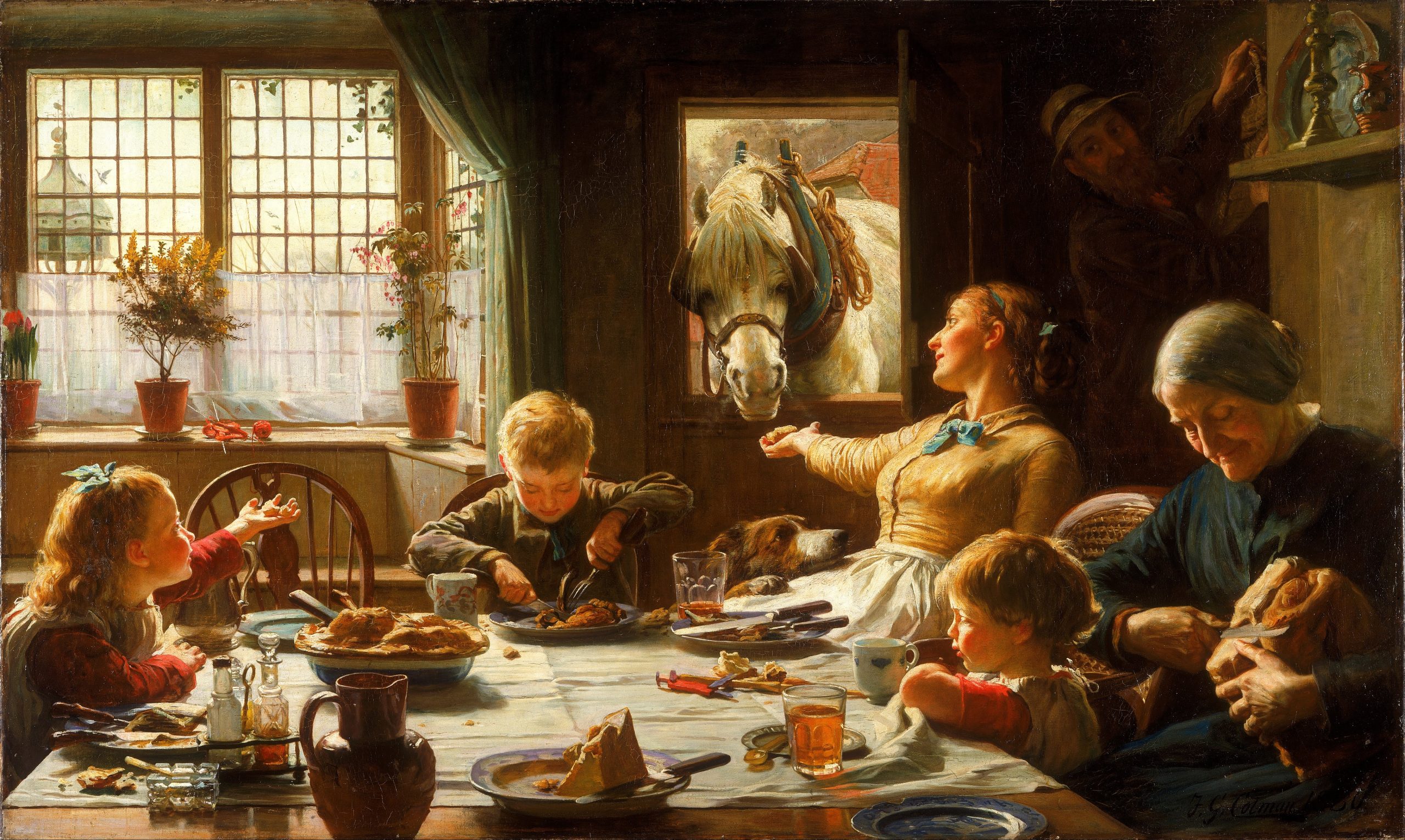
“One of the Family” 1880 | Frederick George Cotman
Neil Brown Jr. married his prom date—they’ve been together for 30 years, married for 25, and have two sons. True high school sweethearts, now in their mid-40s. Get them on a marriage podcast! They fully embraced the idea that marrying early is leveling up not “settling down.” pic.twitter.com/HAnagFEaHA
— Anthony Bradley (@drantbradley) April 21, 2025
Related:

International Residential Code
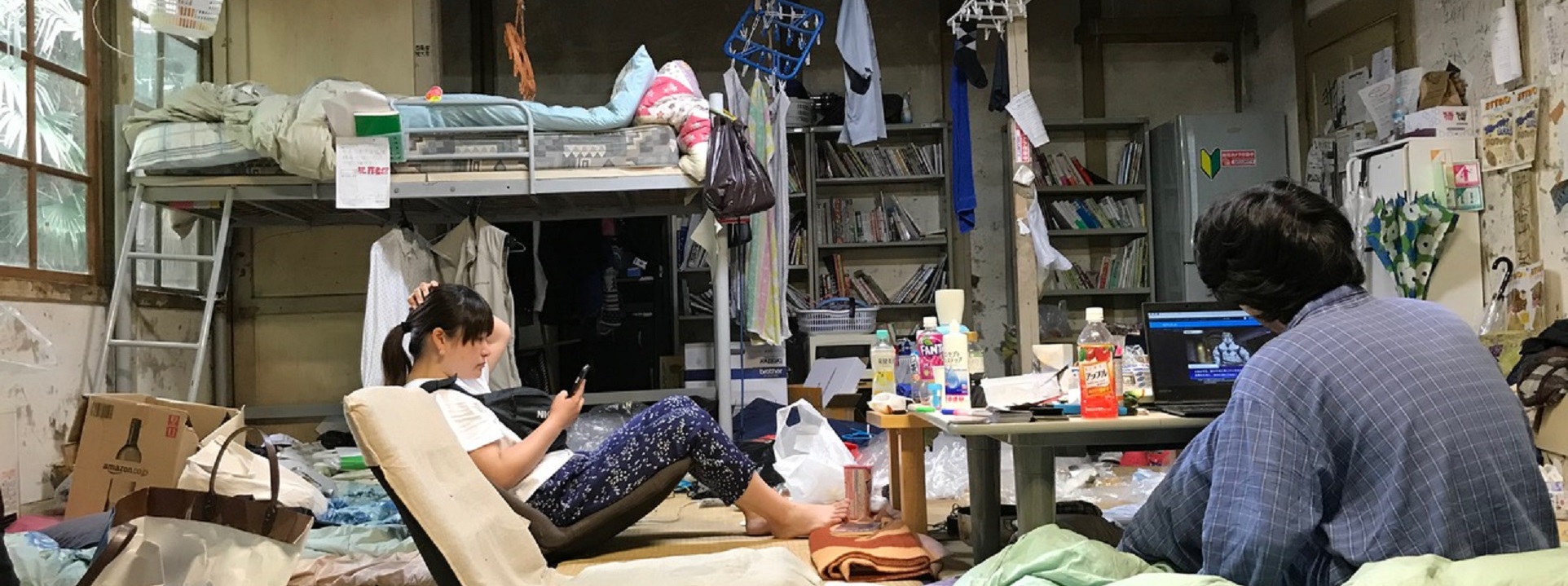
京都大学
Free Access: 2021 International Residential Code
Student housing on college campuses varies widely in form—ranging from traditional dormitories to apartment-style residences, townhouses, or single-family homes leased by students. The applicability of the IRC to these housing types depends on the building’s classification and the codes adopted by the jurisdiction. Here’s how the IRC may apply:
- Types of Student Housing Potentially Covered by the IRC:
- Townhouse-style student housing: If campus housing is designed as townhouses (attached single-family units, each with its own entrance and not exceeding three stories), the IRC directly applies. For example, a row of townhouses built for student families or upperclassmen could fall under IRC requirements.
- Single-family or duplex housing: Some campuses offer detached homes or duplexes for graduate students, faculty, or student families. These structures typically fall under the IRC’s scope.
- Small-scale apartment conversions: In some cases, colleges may convert single-family homes or small multi-unit buildings (originally designed as one- or two-family dwellings) into student housing. If these buildings retain their original residential character, the IRC may govern renovations or maintenance.
- Limitations of IRC Applicability:
- Dormitories and larger apartment buildings: Most college dormitories and multi-unit apartment-style residences (e.g., buildings with shared corridors or multiple units per floor) are classified as Group R-2 occupancies under the International Building Code (IBC), not the IRC. The IBC applies to residential buildings with more than two dwelling units or those exceeding the IRC’s height and size limits (e.g., more than three stories). Since many campus residence halls are multi-story buildings with numerous units, they typically fall under the IBC.
- Mixed-use buildings: Some student housing includes commercial or institutional spaces (e.g., dining halls, study lounges, or administrative offices). These buildings are also governed by the IBC due to their mixed-use nature.
- Institutional occupancies: Certain student housing, such as supervised living facilities for students with special needs, may be classified as Group I (Institutional) occupancies under the IBC, not the IRC.
- Key IRC Provisions Relevant to Student Housing: When the IRC applies to student housing (e.g., townhouses or single-family homes), it ensures safety, habitability, and efficiency through provisions such as:
- Structural safety: Requirements for foundations, walls, roofs, and seismic or wind resistance, ensuring buildings can withstand environmental loads.
- Fire safety: Specifications for fire-resistant construction, smoke alarms, and egress (e.g., windows and stairways), critical for student safety in densely occupied residences.
- Energy efficiency: Insulation, window, and HVAC standards to reduce energy costs, which is important for sustainable campus operations.
- Plumbing and electrical systems: Standards for safe water supply, sanitation, and electrical wiring to support student living needs.
- Accessibility: Basic accessibility requirements for individuals with disabilities, though the IRC’s accessibility provisions are less stringent than the IBC’s or federal laws like the Americans with Disabilities Act (ADA).
- Jurisdictional Variations:
- Colleges and universities operate within local building code jurisdictions, which may adopt the IRC, IBC, or a combination with local amendments. For example, a rural campus with townhouse-style student housing might fall under a jurisdiction that enforces the IRC, while an urban campus with high-rise dorms would likely follow the IBC.
- Some states or localities exempt public institutions (like state universities) from local codes, instead requiring compliance with state-specific standards or the IBC. Private colleges are typically subject to local codes.
- Campuses may also need to comply with federal regulations (e.g., ADA, Fair Housing Act) or campus-specific design standards, which can supplement or override IRC requirements.
- Practical Considerations for Colleges:
- Cost and design: The IRC is often less stringent and costly to implement than the IBC, making it attractive for smaller-scale student housing projects like townhouses or single-family units. For budget-conscious institutions, IRC-compliant designs can be a cost-effective way to expand housing.
- Student safety and density: College housing often accommodates more occupants than typical single-family homes, which may push buildings toward IBC classification. For example, a house leased to multiple students might require additional fire safety measures under the IBC or local ordinances if it’s reclassified as a boarding house or multi-unit dwelling.
- Renovations and maintenance: For existing IRC-compliant buildings (e.g., older homes repurposed for student use), renovations must comply with the IRC or the International Existing Building Code (IEBC), depending on the extent of work.
- Challenges and Trends:
- High-density housing needs: Modern campuses often prioritize high-density residence halls to accommodate large student populations, which typically fall under the IBC. The IRC’s focus on low-rise, single-family structures makes it less relevant for these projects.
- Sustainability: Colleges increasingly aim for LEED certification or net-zero energy goals. While the IRC includes energy efficiency standards, campuses may adopt stricter sustainability requirements that align with the IBC or institutional policies.
- Off-campus housing: Some students live in off-campus rentals (e.g., single-family homes or small apartment buildings) that may fall under the IRC. Colleges may work with local authorities to ensure these properties meet safety standards, indirectly involving the IRC.
2024 / 2025 / 2026 Code Development: Group A (2024)
The International Residential Code is relevant to student housing on college campuses primarily when the housing consists of one- and two-family dwellings or townhouses not exceeding three stories, such as family housing or small-scale student residences. However, most campus housing—especially dormitories and multi-unit apartment buildings—falls under the International Building Code (IBC) due to its scale, occupancy, or design.
New update alert! The 2022 update to the Trademark Assignment Dataset is now available online. Find 1.29 million trademark assignments, involving 2.28 million unique trademark properties issued by the USPTO between March 1952 and January 2023: https://t.co/njrDAbSpwB pic.twitter.com/GkAXrHoQ9T
— USPTO (@uspto) July 13, 2023
Standards Michigan Group, LLC
2723 South State Street | Suite 150
Ann Arbor, MI 48104 USA
888-746-3670
DIRECTIONS
 |
 |
|
 |
 |
|
 |
 |