
Category Archives: Food/Kitchen/Farm/Agriculture
- Home
- Archive by category "Food/Kitchen/Farm/Agriculture" (Page 11)



“Buttergate”
Adam Lock: Associate Chair for Farm Operations, Michigan State University

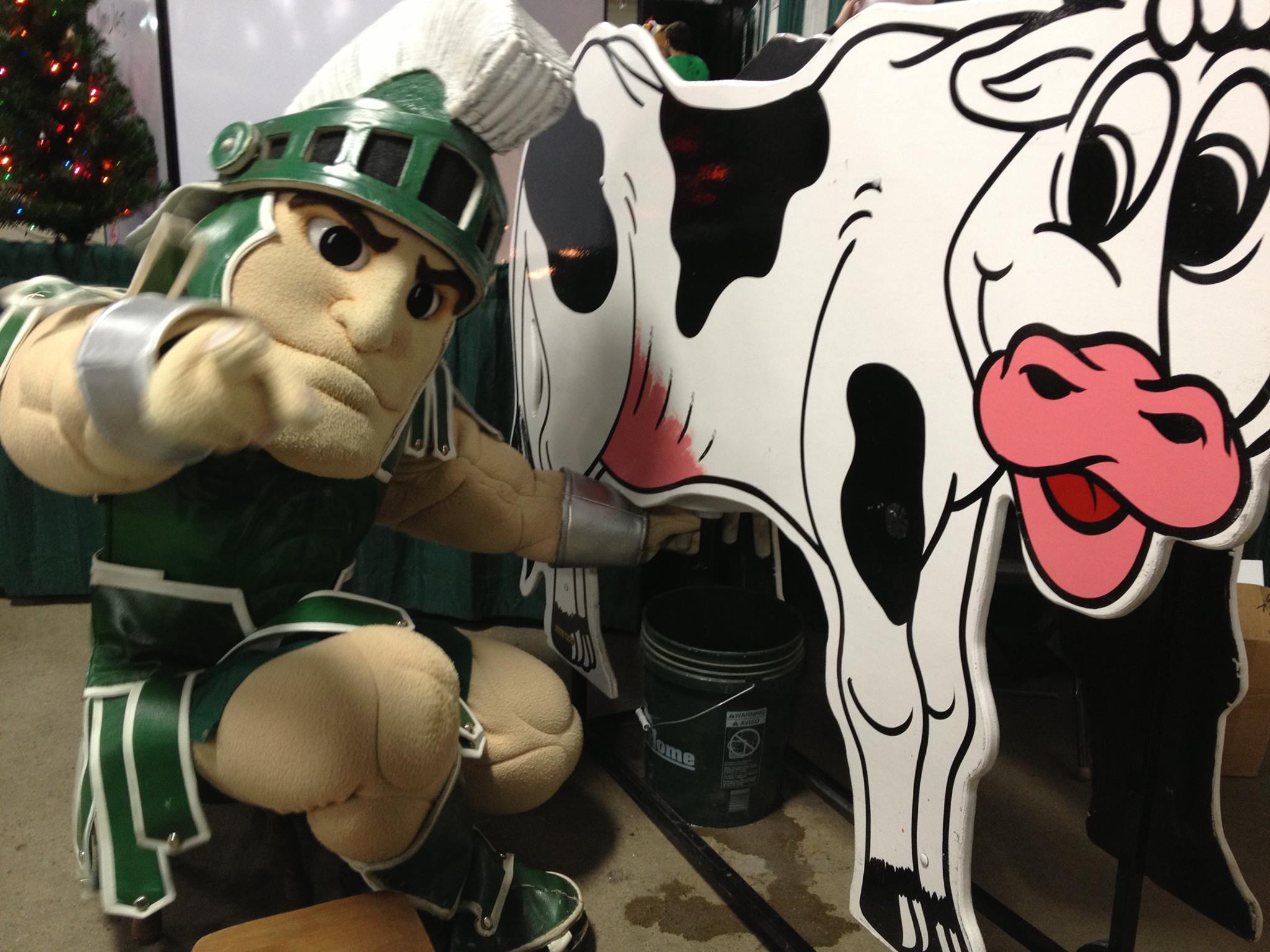

Michigan State University Student Radio | WDBM 88.9 FM

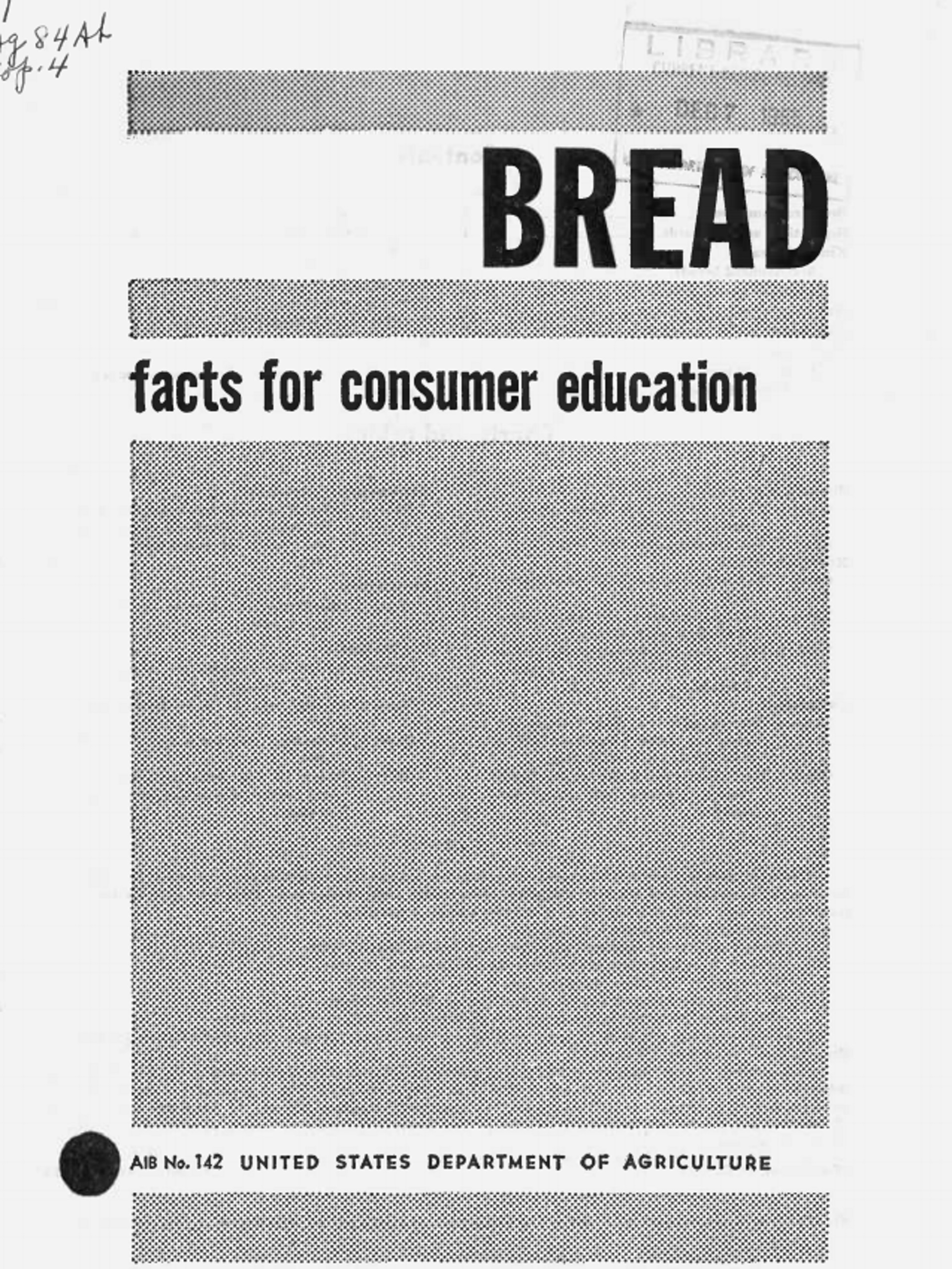
Bread 1955

More
Pioneer Woman: 25 Best Christmas Breads to Bake for the Holidays
USDA Foods in Schools Product Information Sheets
CALS has a NEW undergrad certificate: the fermented foods and beverages certificate! All students can enroll in this 12-13 credit certificate starting in Fall 2024. Interested? Make sure to talk to your advisor! https://t.co/1yaTfdKEf6@UW_DeptFoodSci pic.twitter.com/gDtWedJtQ0
— UW–Madison CALS (@UWMadisonCALS) May 24, 2024

Morning with Cows
Statement of Net Position | ($1.3B)*

General Specifications for Dairy Plants Approved for USDA Inspection and Grading Service
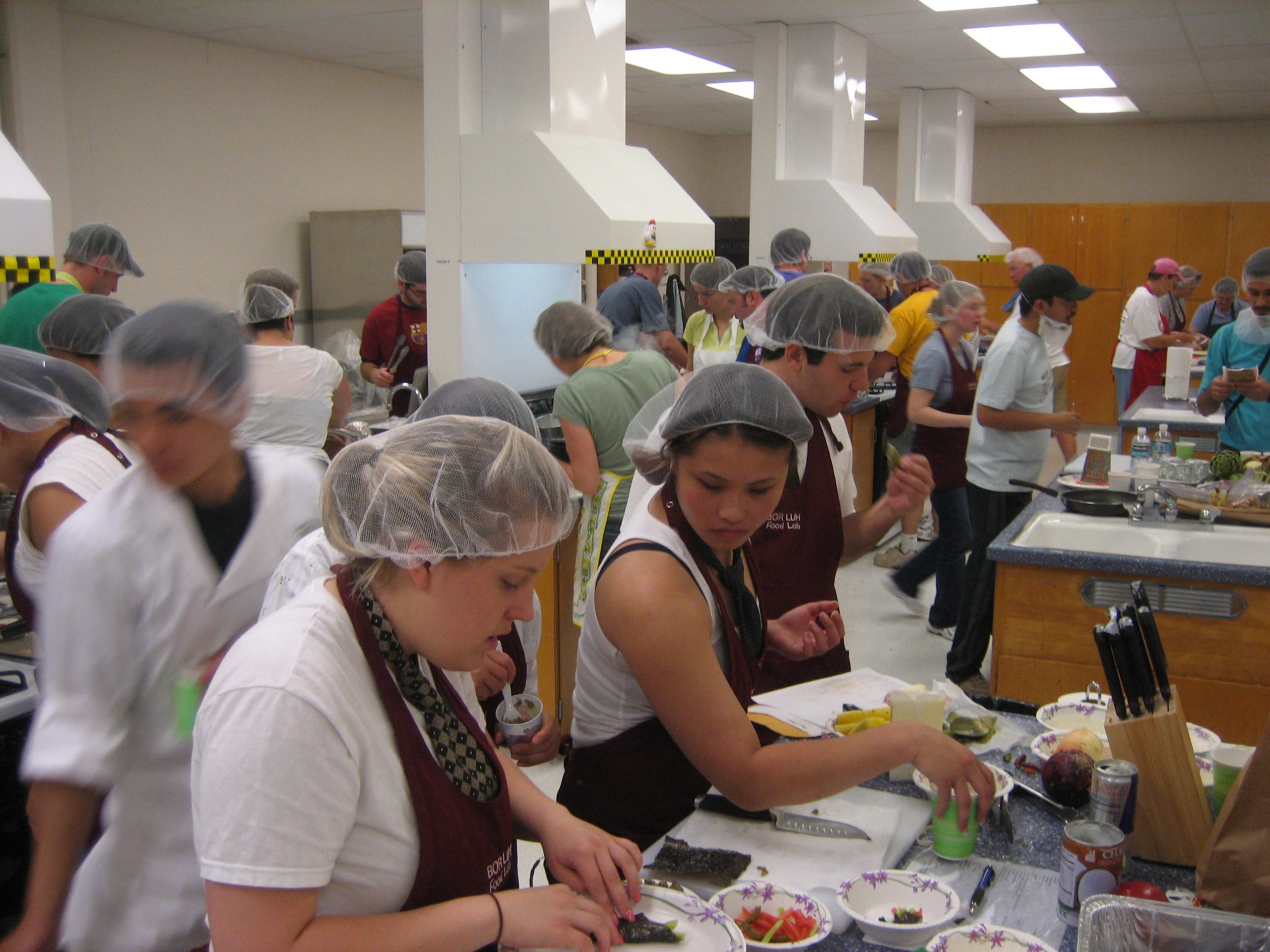
Food Science & Technology / University of California Davis

*The UCD Financial Statements — the simple balance sheet showing assets and liabilities — is not easy to find in it crazily overproduced Finance and Business web page. Perhaps the apparent $1.3B operating loss has since been remediated. The loss may be absorbed into the larger University of California University System which consists of 23 colleges and universities.

History of the Kitchen
• In ancient times, kitchens were often located outside the main living quarters of a home. They were typically small, with an open hearth for cooking and a few basic utensils.
• During the Middle Ages, kitchens began to be built inside castles and manor houses. These kitchens were much larger and more complex than earlier versions, with multiple hearths, ovens, and cooking utensils.
• During the Renaissance, kitchens continued to become more elaborate, with the development of specialized cooking tools and the introduction of new cooking techniques. The kitchen also became a central gathering place for the household.
• With the onset of the Industrial Revolution, kitchens began to incorporate new technologies, such as gas stoves and refrigeration. As more people moved into cities, smaller kitchens became the norm.
• In the 20th century, the design and functionality of kitchens continued to evolve. The introduction of electricity and new materials, such as stainless steel, allowed for more efficient and hygienic kitchens. Open-plan kitchens, where the kitchen is integrated with the living and dining areas, also became popular.
Sustainable Agriculture
This content is accessible to paid subscribers. To view it please enter your password below or send mike@standardsmichigan.com a request for subscription details.

Tobacco Crop Research
This content is accessible to paid subscribers. To view it please enter your password below or send mike@standardsmichigan.com a request for subscription details.


Fat Studies
This content is accessible to paid subscribers. To view it please enter your password below or send mike@standardsmichigan.com a request for subscription details.

Water Smart Farms
#IWD2024 Today, as we celebrate the incredible achievements of women around the world, we’re excited to share a special video that highlights some amazing women in our organisation discussing #InpireInclusion💪🌐 pic.twitter.com/roClQFbBlY
— Standards Australia (@standardsaus) March 8, 2024
NSW Government | Department of Primary Industries
New update alert! The 2022 update to the Trademark Assignment Dataset is now available online. Find 1.29 million trademark assignments, involving 2.28 million unique trademark properties issued by the USPTO between March 1952 and January 2023: https://t.co/njrDAbSpwB pic.twitter.com/GkAXrHoQ9T
— USPTO (@uspto) July 13, 2023
Standards Michigan Group, LLC
455 East Eisenhower Parkway, Suite 300
Ann Arbor, MI 48108 USA
888-748-3670
DIRECTIONS
 |
 |
|
 |
 |
|
 |
 |