Category Archives: Food/Kitchen/Farm/Agriculture

Loading
loading...

Capra hircus

Goat farming is an important source of livelihood for many small-scale farmers in developing countries, particularly in regions such as sub-Saharan Africa and South Asia. The FAO estimates that more than 90% of the world’s goats are raised in developing countries, where they provide a critical source of food and income for rural communities.

Overall, the global goat farming industry continues to grow, driven by increasing demand for goat meat and milk products, as well as the potential for sustainable agriculture practices.

Advantages:

Low start-up costs: Goat farming requires relatively low start-up costs compared to other types of agriculture. Goats are small animals that do not require much space, and they can be raised in a variety of environments, from small backyard farms to large commercial operations.

High productivity: Goats are known for their high reproductive rate, which allows farmers to increase their herd size quickly. They are also efficient at converting food into milk and meat, making them a profitable investment for farmers.

Multiple uses: Goats can be raised for meat, milk, and fiber, making them a versatile livestock option. Additionally, their manure can be used as fertilizer, and they can be used for weed control on farms and other properties.

Sustainable farming: Goat farming can be a sustainable agricultural practice, as goats do not require large amounts of feed or water, and they can be raised on marginal lands that are unsuitable for other types of agriculture.

Disadvantages:

Predation: Goats are vulnerable to predation by coyotes, dogs, and other predators, which can be a significant problem for farmers, especially in rural areas.

Disease susceptibility: Goats are susceptible to a variety of diseases, some of which can be difficult to diagnose and treat. Additionally, some diseases can be transmitted to humans, making it important for farmers to take precautions when handling their animals.

Market volatility: The demand for goat products can be volatile, and prices can fluctuate significantly based on supply and demand. This can make it challenging for farmers to predict their income and manage their finances.

Labor intensive: Goat farming can be labor-intensive, especially during kidding and milking seasons. This can make it difficult for farmers to manage their workload, especially if they have a large herd.

Girl with a Goat | Benton County Arkansas


Animal Safety

Pomegranates: How and When to Pick

Standards Utah | Extension Service

The pomegranate is a significant symbol in Jewish tradition, particularly during Rosh Hashanah, the Jewish New Year. Its symbolism is rooted in both its physical characteristics and its cultural and spiritual associations.

Abundance and Fertility: Pomegranates are filled with numerous seeds, which symbolize abundance, fertility, and prosperity. During Rosh Hashanah, a time of renewal and hope for a sweet and bountiful year, eating pomegranates reflects the wish for a year filled with blessings and plenty.

Mitzvot and Righteousness: Jewish tradition often associates the pomegranate’s many seeds—traditionally said to number 613—with the 613 commandments (mitzvot) in the Torah. Consuming pomegranates during Rosh Hashanah expresses the hope that one’s life will be filled with good deeds and adherence to these commandments in the coming year.

Renewal and New Beginnings: Rosh Hashanah marks the start of the Jewish year, a time for introspection, repentance, and setting intentions for personal growth. The pomegranate, as a fruit that ripens around this season in the Mediterranean region, symbolizes renewal and the potential for a fresh start.

Connection to the Land of Israel: Pomegranates are one of the seven species (Shivat Haminim) mentioned in the Torah as special products of the Land of Israel (Deuteronomy 8:8). Their inclusion in Rosh Hashanah celebrations reinforces the connection to the land and its blessings, evoking gratitude and a sense of rootedness in Jewish heritage.

Hope and Sweetness: On Rosh Hashanah, it is customary to eat sweet foods to symbolize the hope for a sweet year. While pomegranates have a tart-sweet flavor, they are often included in the festive meal or ritual foods, accompanied by a blessing such as: “May it be Your will, O Lord our God, that our merits be as numerous as the seeds of a pomegranate.”

During Rosh Hashanah, pomegranates may be eaten fresh, incorporated into dishes, or displayed as part of the festive table. Some communities recite a specific blessing or prayer when eating the pomegranate, emphasizing its symbolic meaning. The fruit’s vibrant red color and seed-filled interior make it a powerful visual and spiritual emblem for the holiday’s themes of hope, abundance, and spiritual growth. This symbolism aligns with the broader themes of Rosh Hashanah: reflection, renewal, and the aspiration for a year filled with goodness and divine favor.

“Mainely” Potato Salad & Wild Blueberry Pie

Standards Maine

Wild Blueberry Pie


“FDSC 4300: The Science and Technology of Beer”

Professor Karl Siebert, who teaches FDSC 4300, The Science and Technology of Beer, demonstrates how to properly pour a beer and discusses the sensory experience of beer appreciation. In a recent study, Siebert identified the key component in a ‘perfect’ head of beer: a barley protein known as Lipid Transport Protein 1 or LPT1.

Olive Oil Research

This content is accessible to paid subscribers. To view it please enter your password below or send mike@standardsmichigan.com a request for subscription details.

Summer Meals

Summer Meals for Kids Site Finder

Ann Arbor Public Schools | Student Summer Food Service Program
|


Readings

“The Negro Family: The Case For National Action” 1965 Daniel Patrick Moynihan

“Black Rednecks and White Liberals” by Thomas Sowell

“Please Stop Helping Us: How Liberals Make It Harder for Blacks to Succeed” by Jason L. Riley

“Losing the Race: Self-Sabotage in Black America” by John McWhorter

Related:

Kitchens 100

Kitchens 200

Kitchens 300

Commercial Kitchens

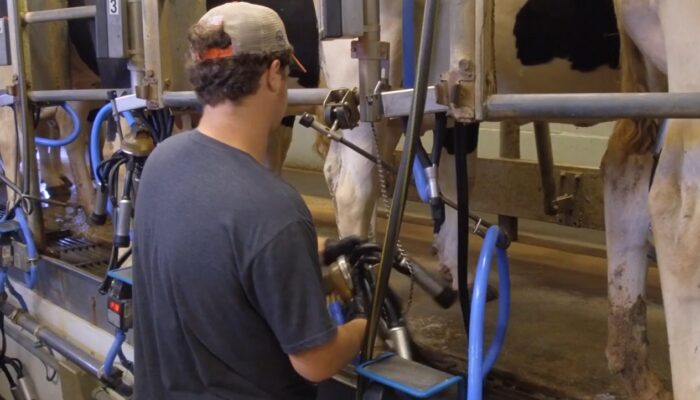
Milk

The Cow

The friendly cow all red and white,
I love with all my heart:
She gives me cream with all her might,
To eat with apple-tart.

She wanders lowing here and there,
And yet she cannot stray,
All in the pleasant open air,
The pleasant light of day;

And blown by all the winds that pass
And wet with all the showers,
She walks among the meadow grass
And eats the meadow flowers.

— Robert Louis Stevenson


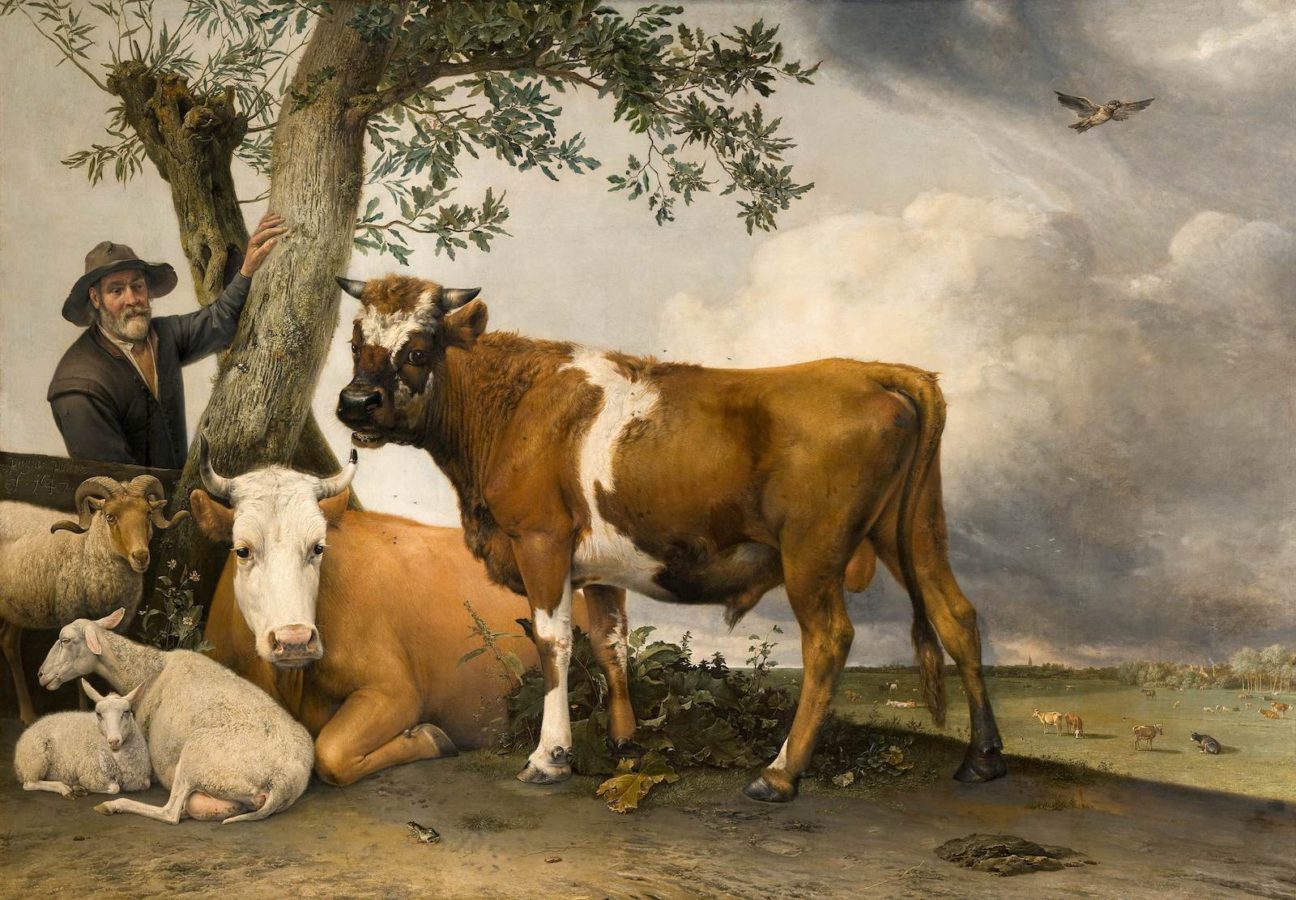
“De Jonge Stier” 1647 Paulus Potter

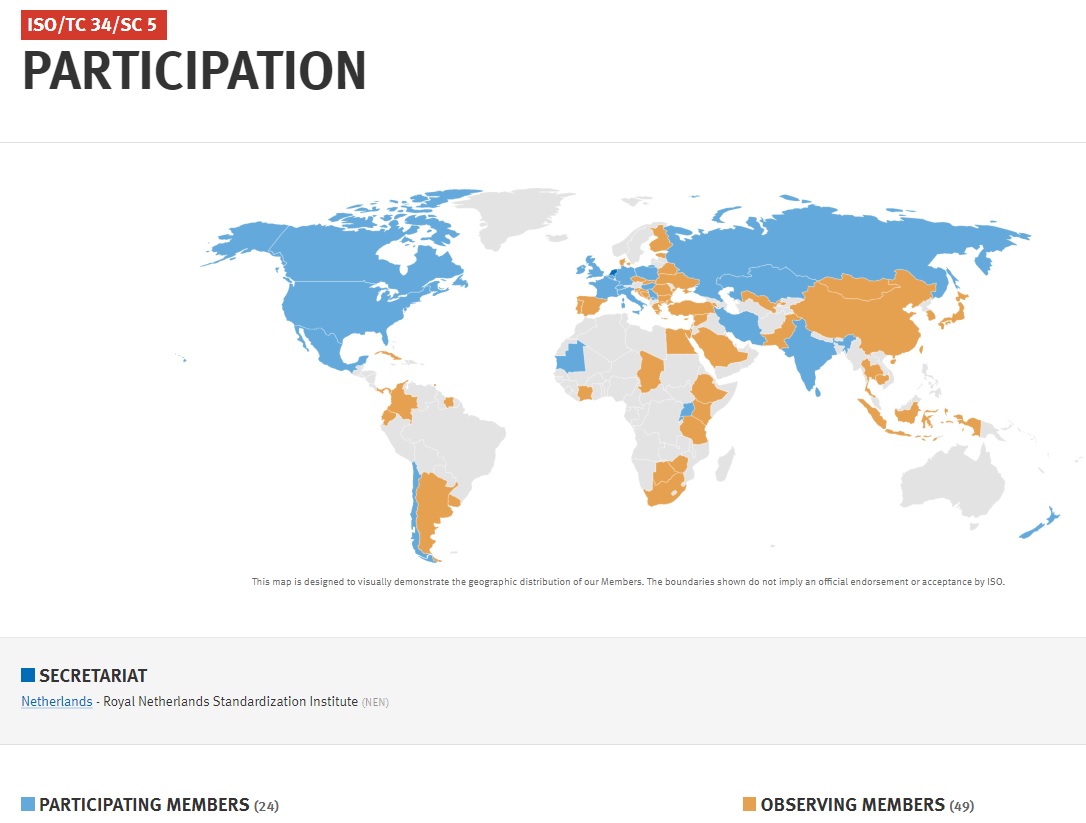
Dairy milk products remain a vital part of global food supply.  Since 1970 an ISO Technical Subcommittee —  ISO/TC 34/SC 5 Milk and milk products — seeks globally effective standardization solutions in the methods of analysis and sampling for milk and milk products, covering the dairy chain from primary production to consumption.   The business plan of its parent committee is linked below:

BUSINESS PLAN ISO/TC 34 FOOD PRODUCTS

The Stichting Koninklijk Nederlands Normalisatie Instituut is the Global Secretariat for TC34/SC5.  Participating and Observing nations are shown on the map below:


The American Society of Agricultural and Biological Engineers is the US Technical Advisory Group Administrator to the parent TC34 committee but ANSI does not have a Technical Advisory Group leader.  As the U.S. member body to the ISO,  ANSI is always on the hunt for its members and/or relevant stakeholders to participate in discovering standardization solutions in a broad range of technologies and markets with like-minded experts in other national standards bodies.  The full sweep of ANSI’s participation in consensus documents developed by the ISO is described in the link below:

ISO Programs – Overview

This committee has functioned since 1970 — long enough for many of the best practice titles it produces to have stabilized.   There is other market action in the global dairy supply — notably the growth of non-dairy food supply — but we find no public consultations open on proposed standardization solutions as of this posting.  When they are released they will appear in the link below:

ISO Standards Under Development 

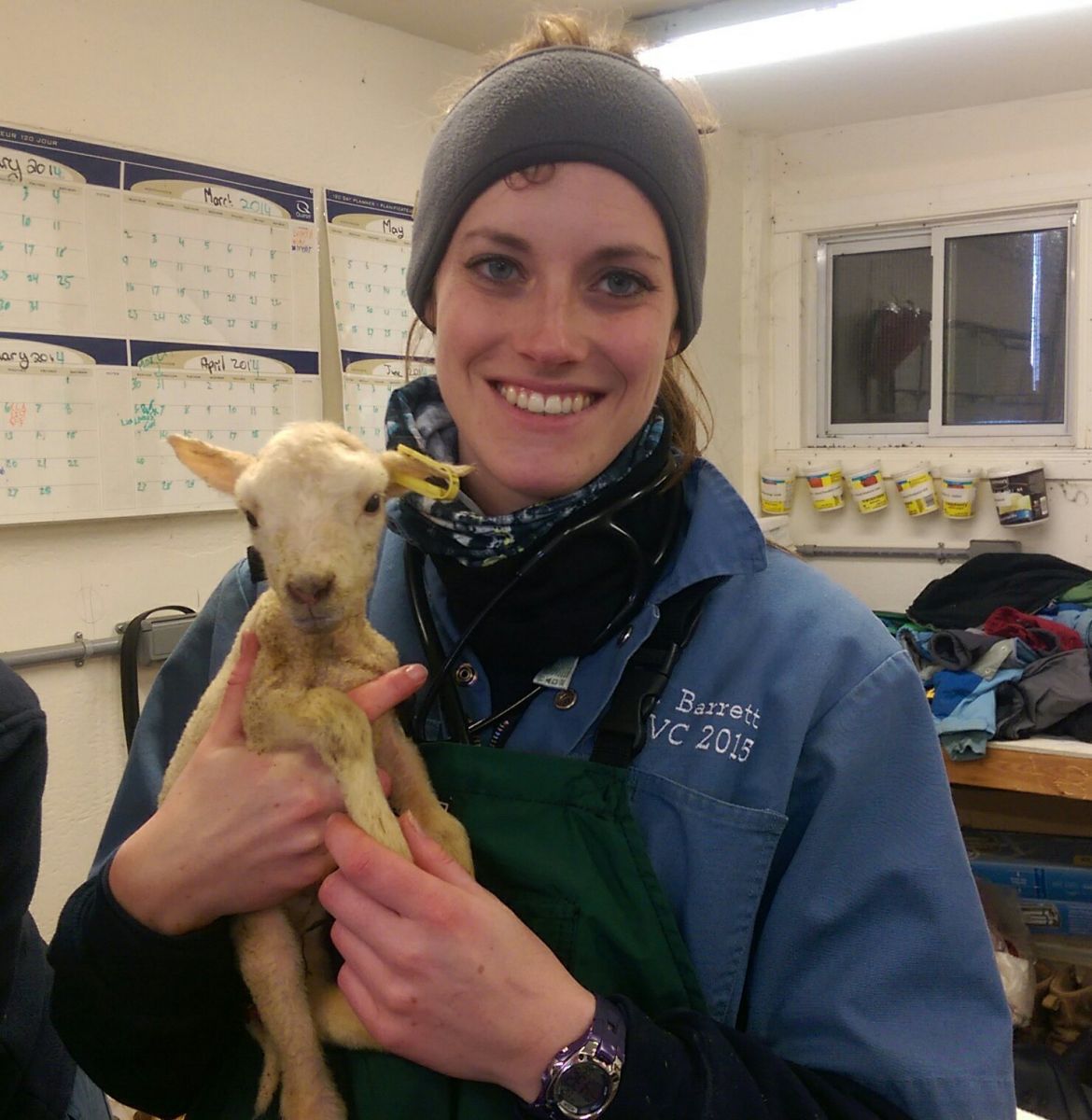
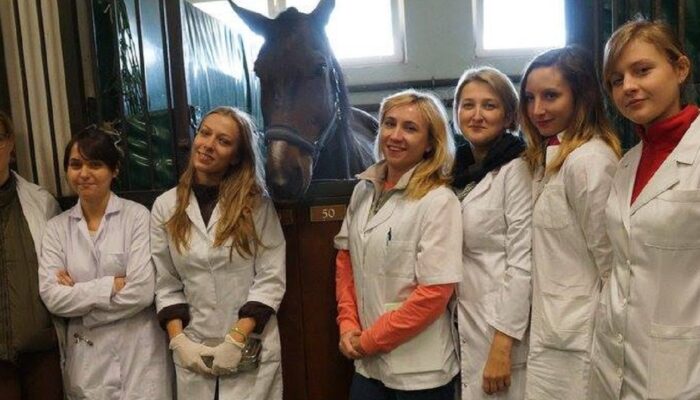
Ontario Veterinary College

Land grant colleges and universities are likely stakeholders in this domain.  Apart from the passion that young people have for fair trade in any market, we see this as an opportunity for faculty and students to gain insight into the geo-politics of food supply generally and the subtleties of coffee markets.   Business schools, agricultural colleges, international studies program developers who may be, and should be, interested in a leadership opportunity on behalf of the United States should communicate directly with ANSI’s ISO Team ((isot@ansi.org).

Sunday, Animal, Farm, Agri august

We devote at least an hour every month breaking down public consultations on food safety and sustainability.   The work products of TC 34  appears on the standing agenda of both our Global and Food colloquia.   See our CALENDAR for the next online meeting; open to everyone.

Issue: [19-46]

Category: Academic, Global

Colleagues: Mike Anthony, Christine Fischer, Akkeneel Talsma


Alcohol Drinking Guidelines

This content is accessible to paid subscribers. To view it please enter your password below or send mike@standardsmichigan.com a request for subscription details.

Layout mode
Predefined Skins
Custom Colors
Choose your skin color
Patterns Background
Images Background
Standards Michigan
error: Content is protected !!
Skip to content