Category Archives: @IntlCodeCouncil

Loading
loading...

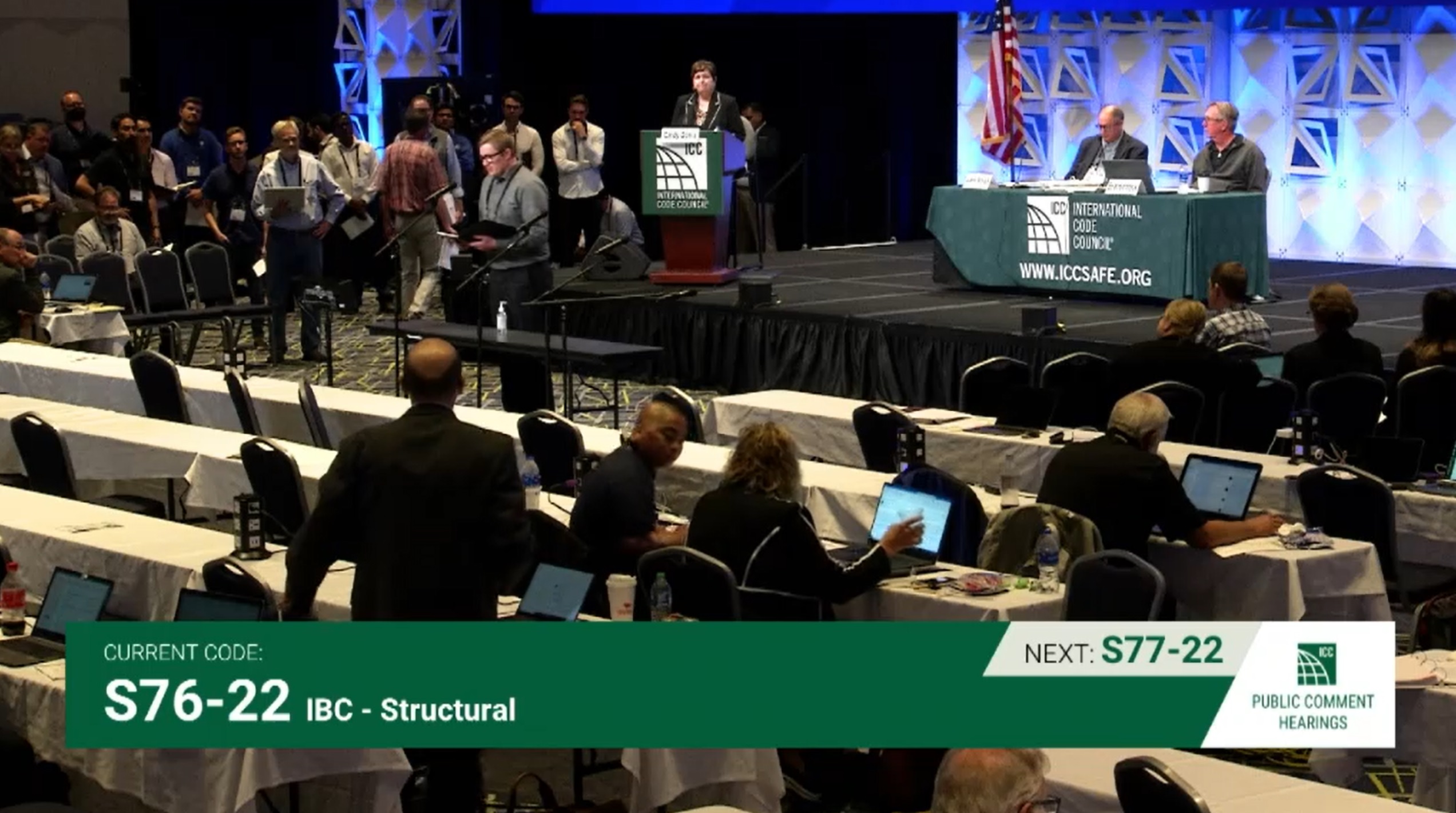
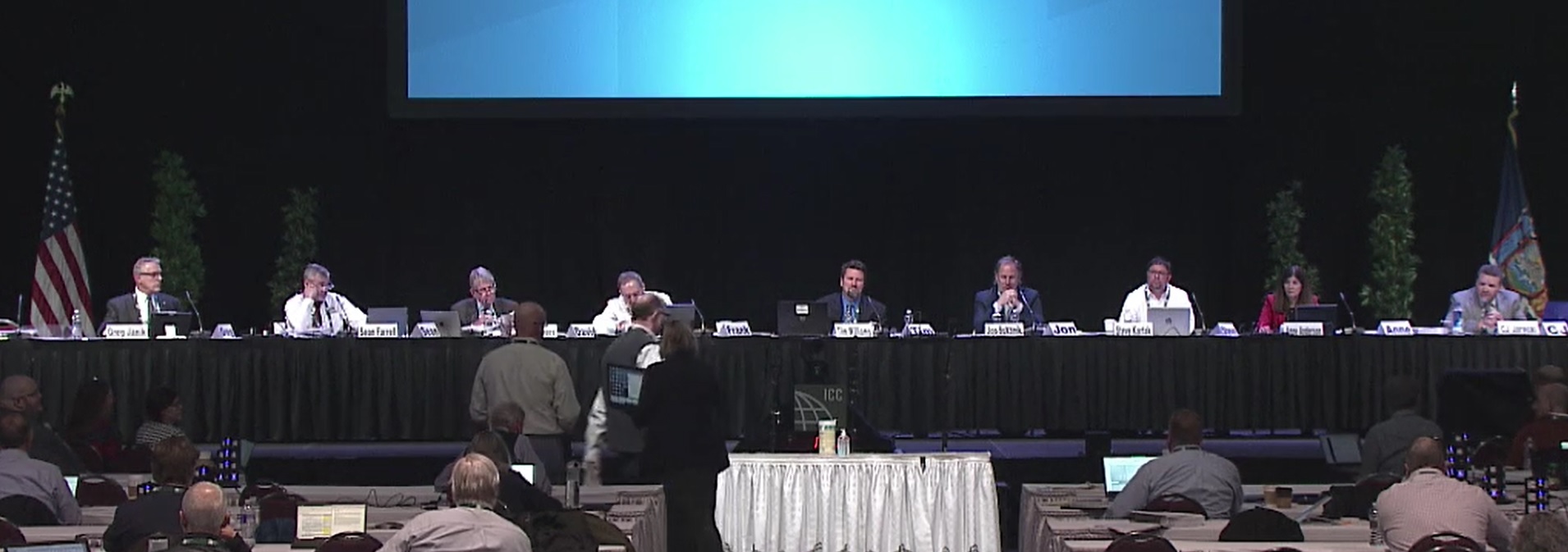
LIVE: I-Code Groups Public Comment Hearings

The ICC Group B Public Comment Hearings will be held September 14 – September 18 in Lexington Kentucky.  CLICK HERE for the landing page for the event, schedule and links to substantive technical content.  The hearings are typically webcast so we will follow them every day.

CLICK IMAGE to access webcast

The public comment agenda is linked below:

Complete Monograph: 2022 Group B Public Comment Agenda

The ICC typically provides a link to the monograph — which includes public comments on all titles for the present Group B cycle — ahead of the meetings.  We look forward to the restoration of that link which was available a few days ago but, today, has gone missing.

It is a long document — the better part of 2000 pages — and must be undergoing revision.  In the standards domain, everything is under revision; by definition.  Use search terms such as “school”, “student”, “college”, “university”, “hospital”, etc.  Keep in mind that there are two other title groupings — A & B — in the ICC catalog.


Update: March 30

2022 Group B Committee Action Hearings

Rochester, New York | March 27 – April 6, 2022


2022 GROUP B PROPOSED CHANGES TO THE I-CODES: COMPLETE MONOGRAPH (1971 Pages)


Codes and same concepts now under consideration in the Group B Cycle:

• Code Administrative Provisions

• International Building Code – Structural

Wind and snow load maps, calculations and calculators
Resilience of education facilities as storm shelters
Guardrails for fall safety
Photovoltaic system roof load on education facilities

Roueche, D.B., Nakayama, J., Department of Civil Engineering, Auburn University Ginn College of Engineering, “Quantification of Common Wind
Damage Patterns in Recent Windstorms.” May 2021

• International Existing Building Code

Mold control in school buildings
Adult and children changing stations

• International Performance Code for Buildings and Facilities

• International Green Construction Code (Chapter 1)

Roof mounted photovoltaic systems

• International Residential Code

Use of residences as daycare facilities
Smoke alarm audibility in sleeping rooms
Hemp house construction


More

Cost Impact Guide


Tiny Houses

This content is accessible to paid subscribers. To view it please enter your password below or send mike@standardsmichigan.com a request for subscription details.

Off-Campus Residential Class Property

This content is accessible to paid subscribers. To view it please enter your password below or send mike@standardsmichigan.com a request for subscription details.

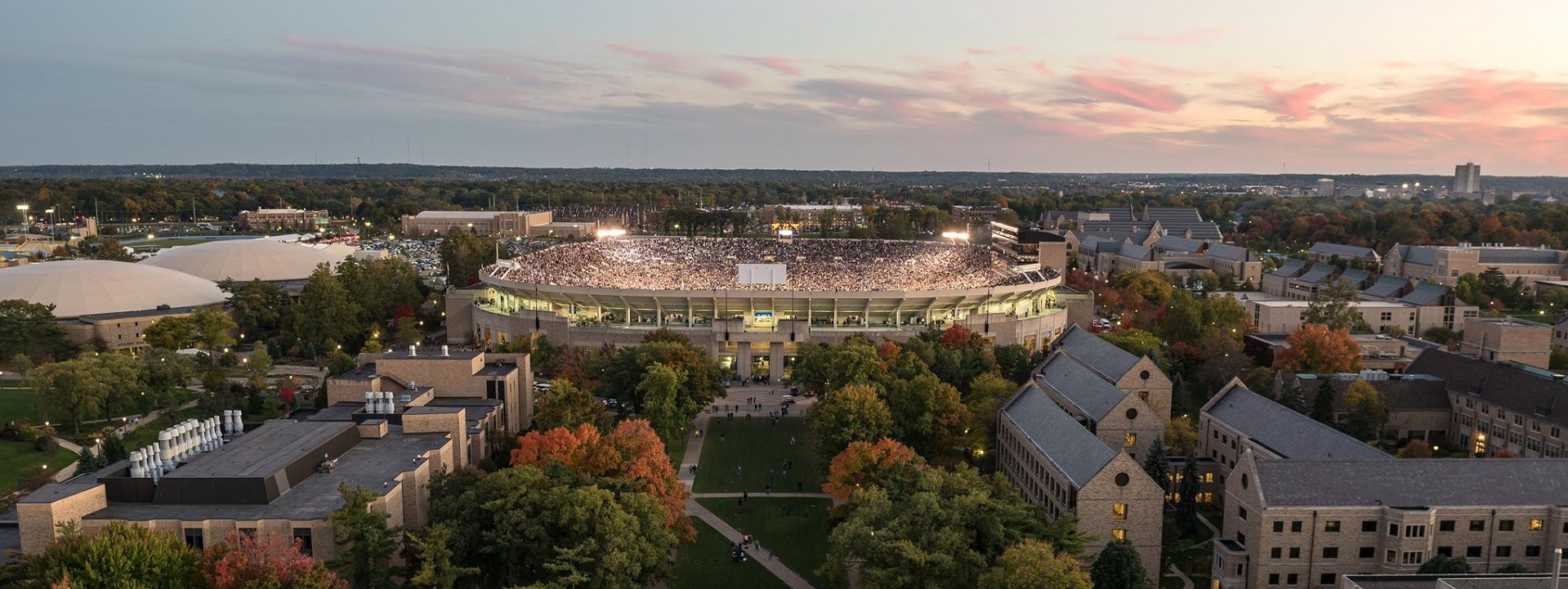
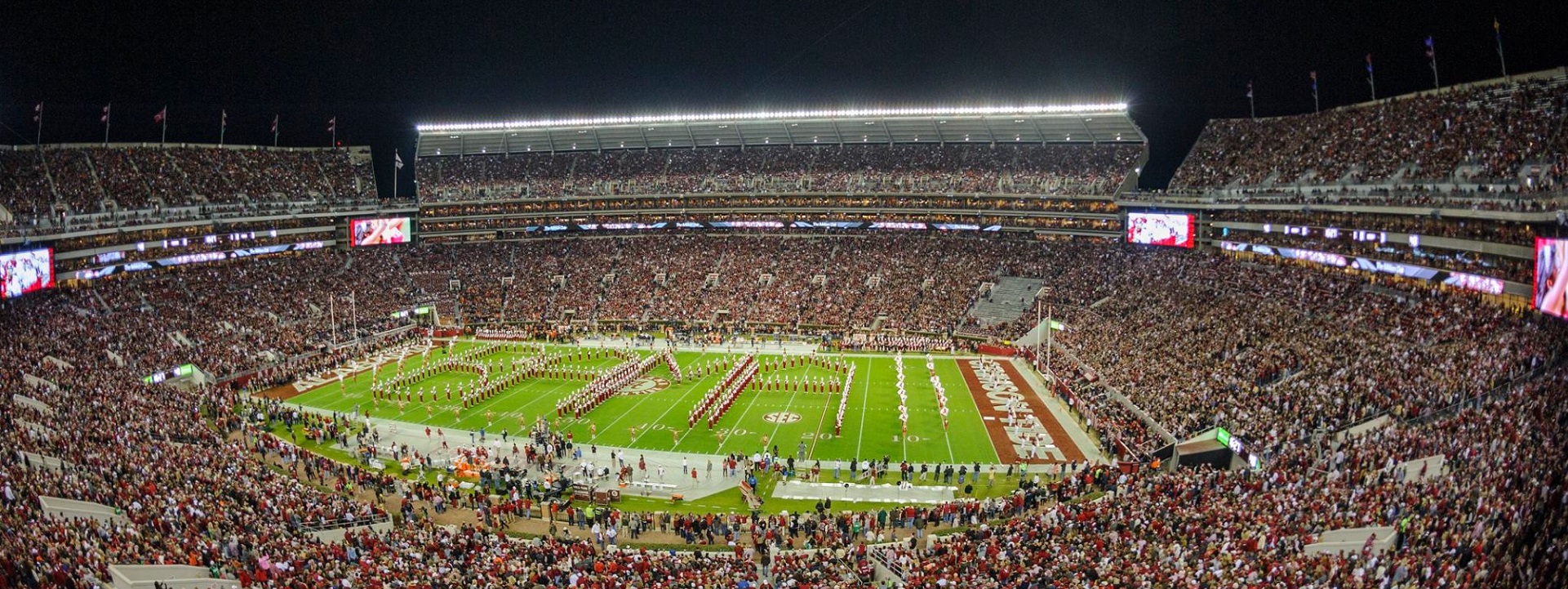
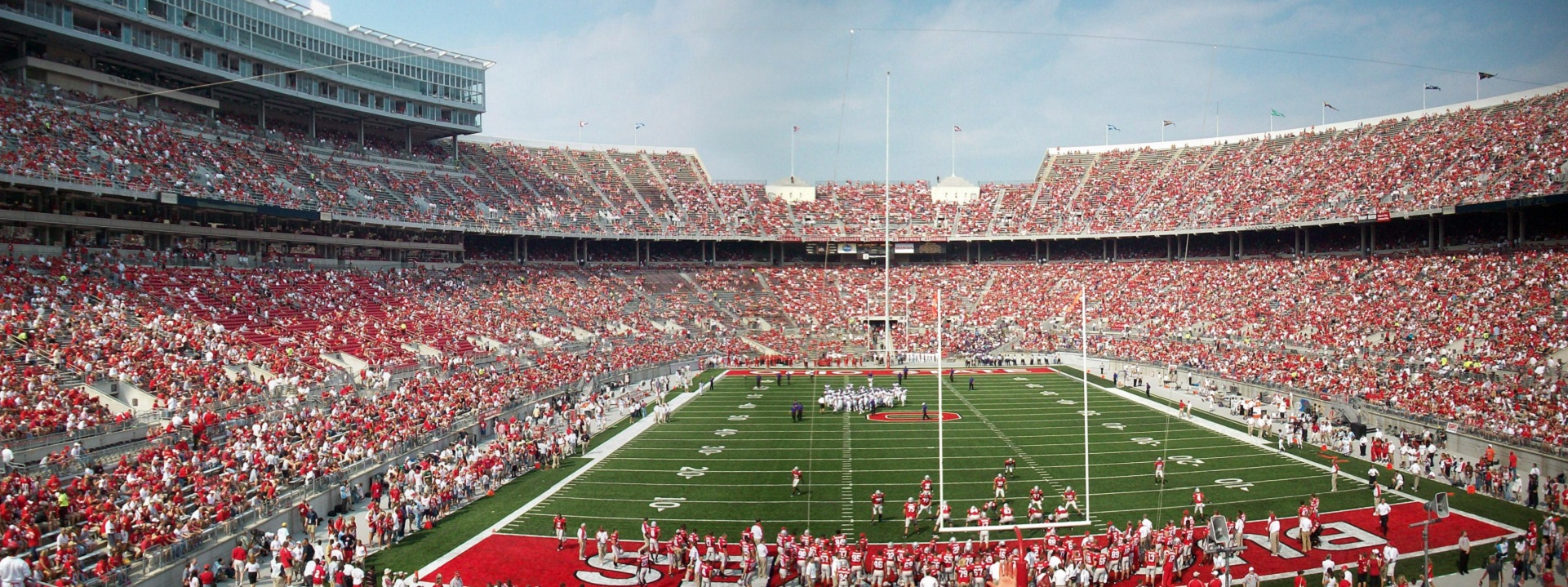
Stadium & Arena Structural Engineering

“Colossus of Rhodes” | Ancient History Encyclopedia


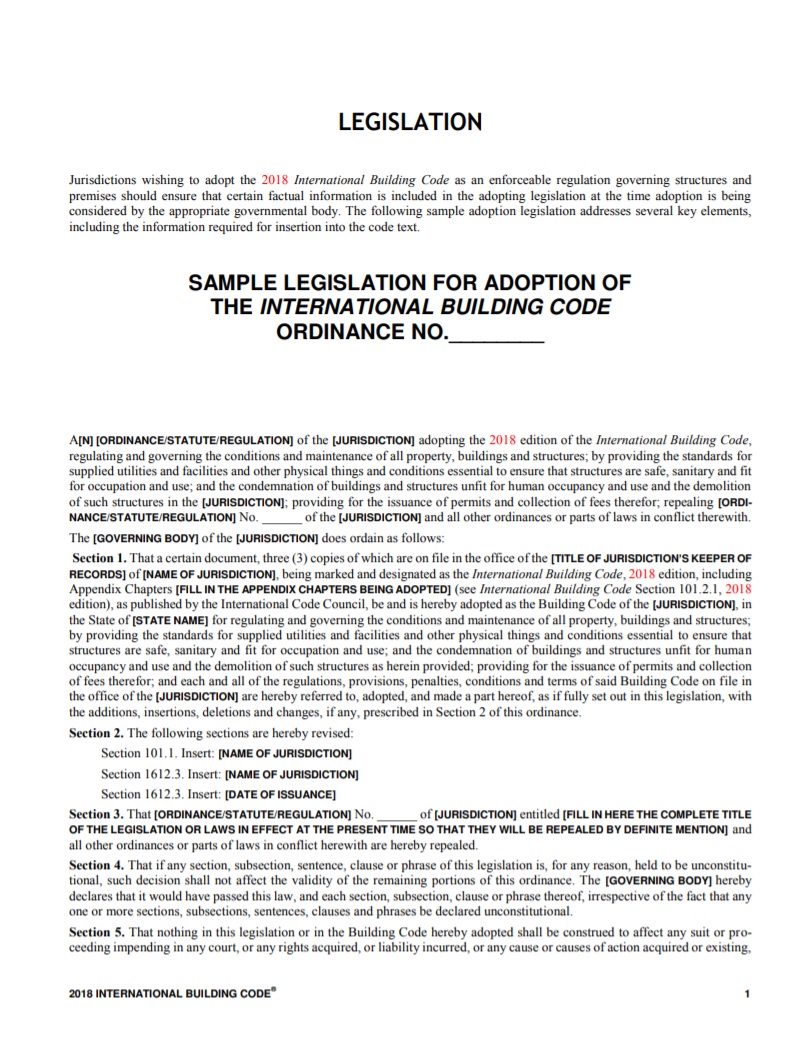
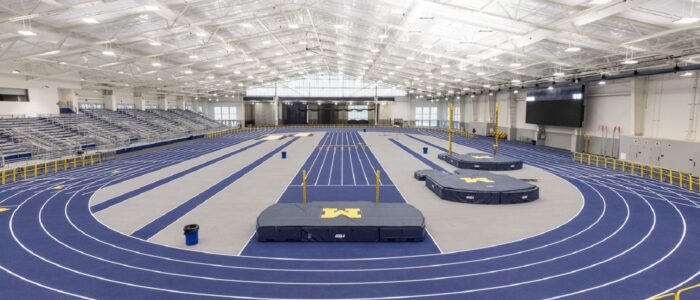
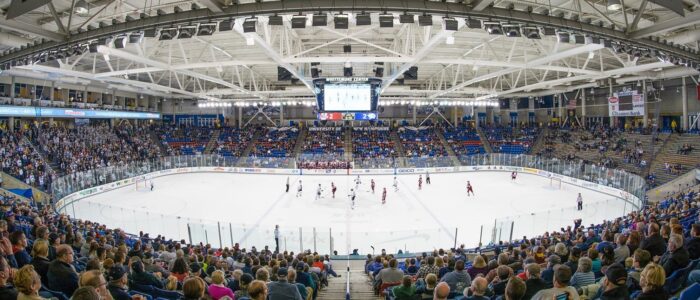
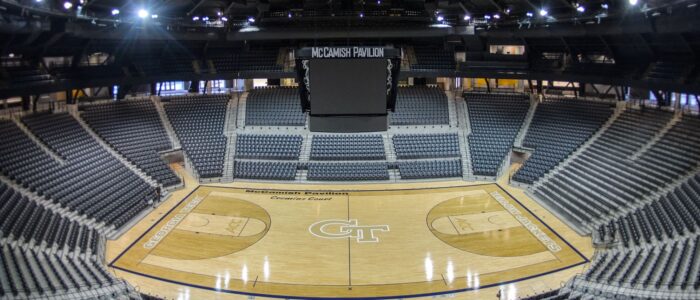
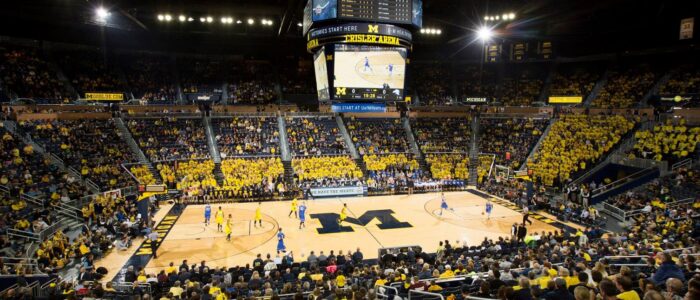
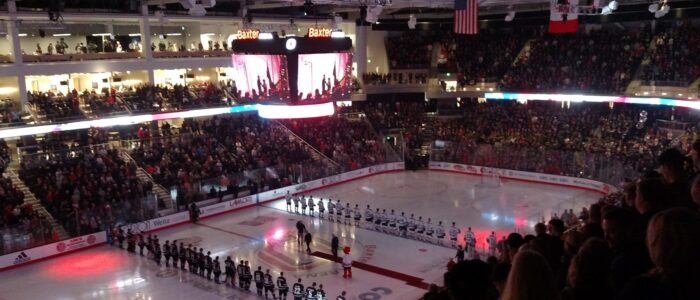
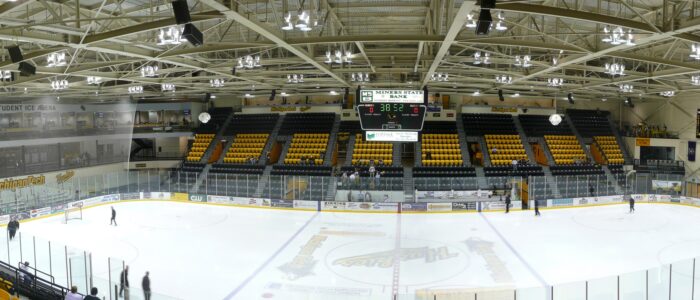
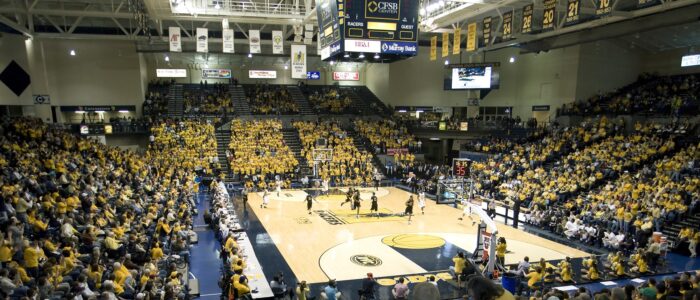
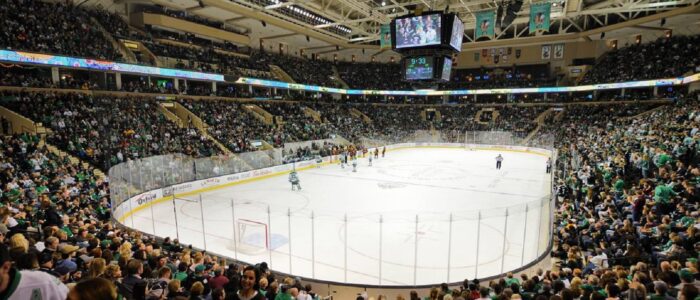
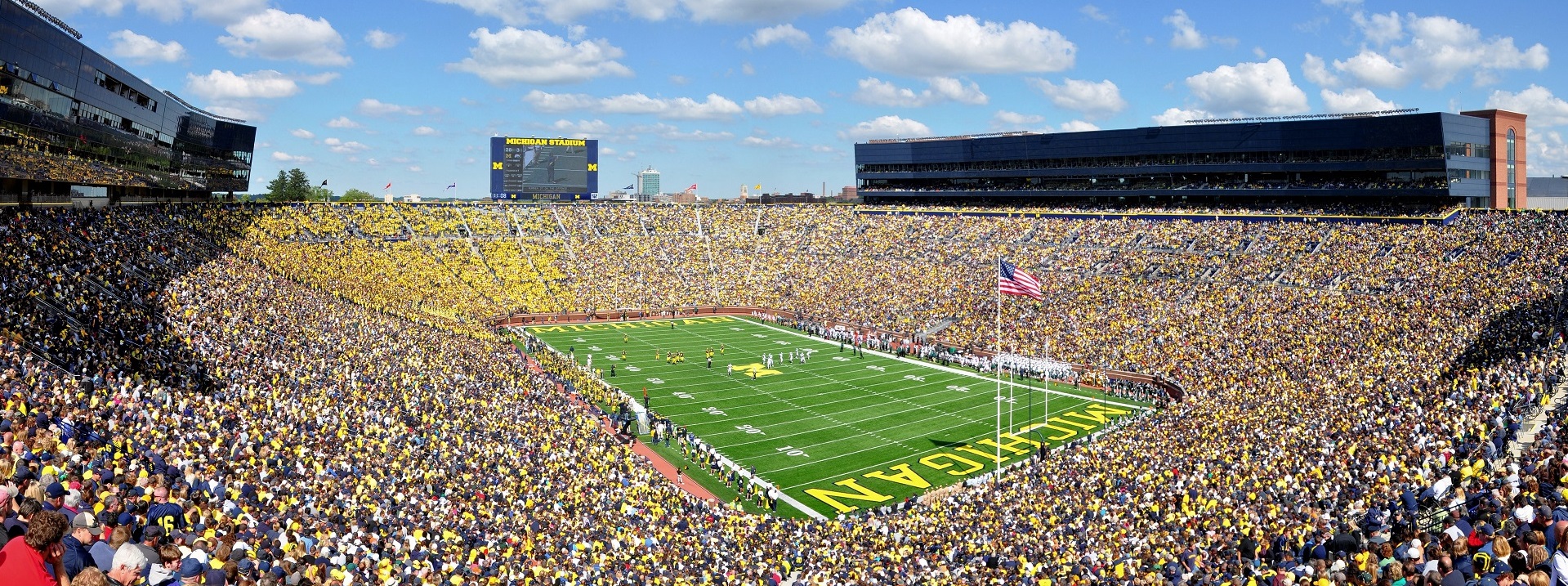
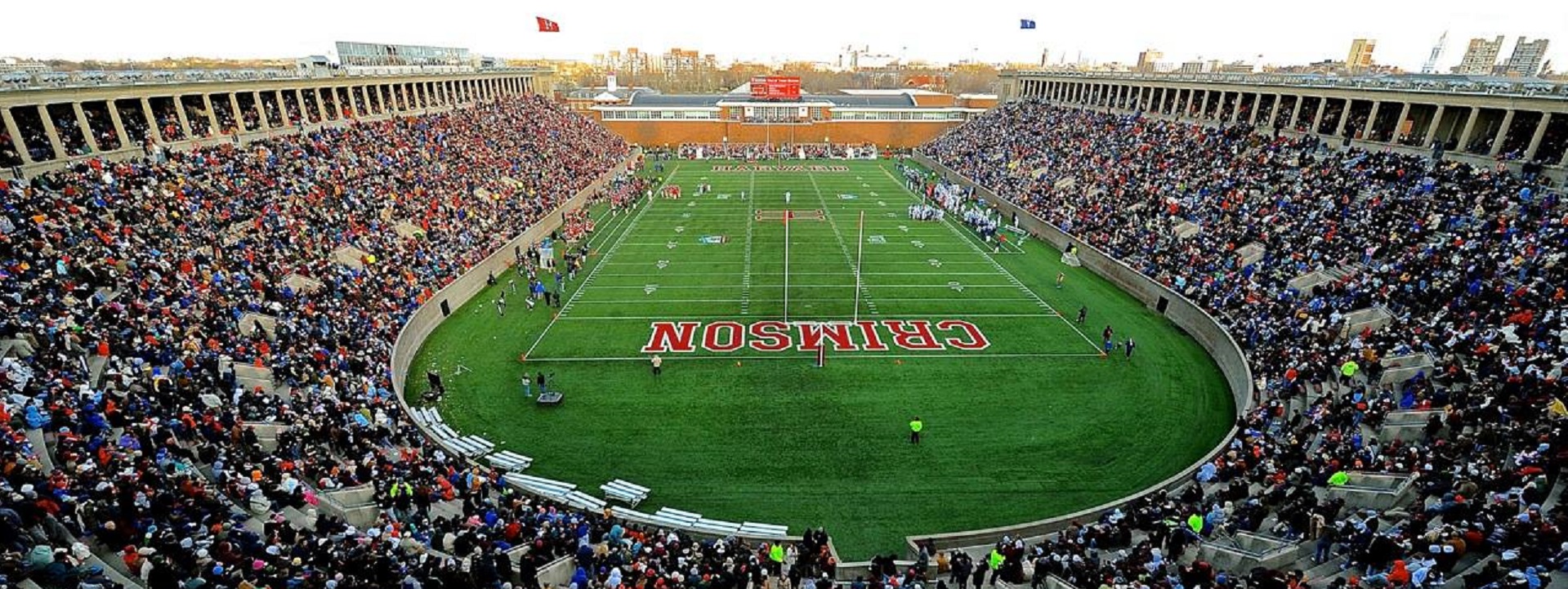
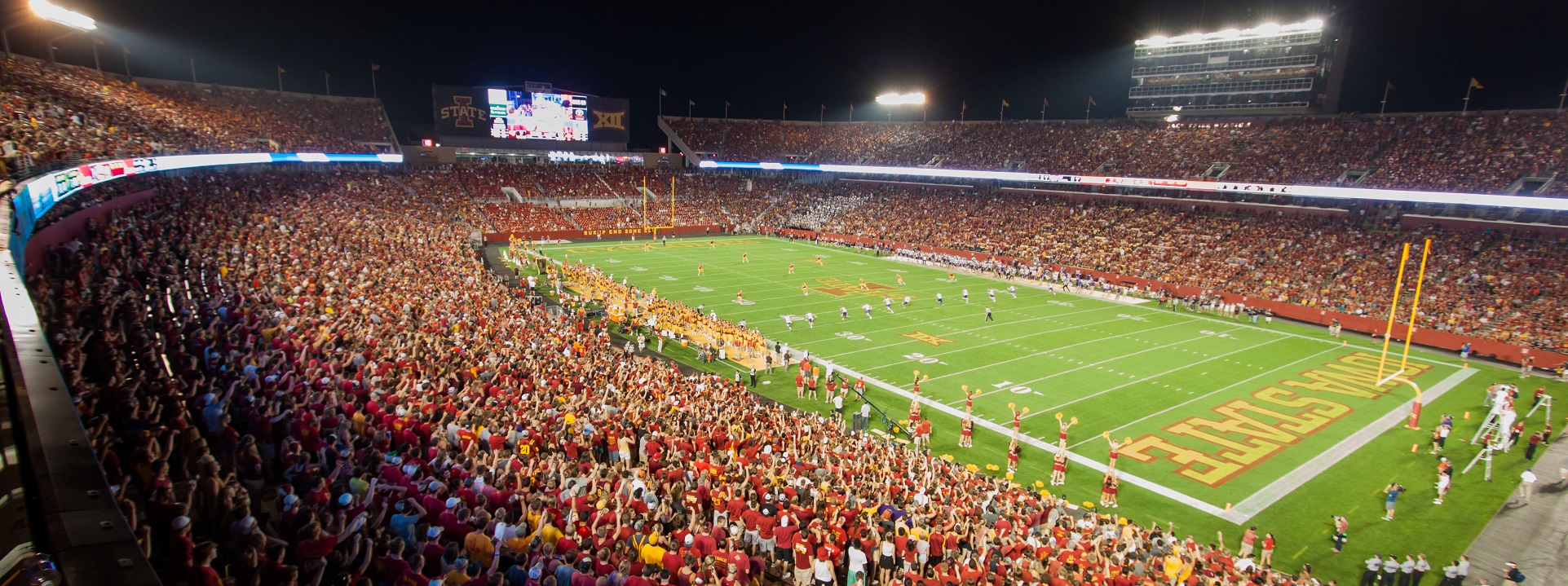
One of the marquee assets of many colleges and universities, among the costliest and most publicly visible, is the sports and recreation arena.  Some large research universities have several of them (football, hockey, basketball, track & field, etc.) — with capacities upward of 100,000 seats– which have proven structurally safe owing to the American Society of Civil Engineers Structural Engineering Institute (ASCE SEI) suite of engineering standards; developed in close coupled with the International Code Council (ICC).   Structural engineering is a fairly rarefied space in which much depends upon the inherited wisdom inspiration of generations of mathematically skilled practitioners who make the inspired imagination of an architect a reality.

We began tracking ASCE SEI standards action in 2013 with special attention to the live loading design requirement of libraries (which were dominated by stacks of books) and the replacement of libraries with media centers (with significantly fewer books).    As our legacy workspace* should reveal, we simply raised the question about space usage assumptions.  As we explain in our ABOUT there is no education industry trade association; nor any single education facility unit, that was any authority; nor any advocacy track-record, nor any primary interest in advocating for a coordinated revisit of the structural engineering safety requirements for an occupancy and use patterns that have changed.

We limit our resources to advocating for closer coordination between the ASCE and ICC titles regarding occupancy definitions and space usage.  Noteworthy proposals from the previous revision cycle:

  • Proposal S53-19 | Page 422 | Table 1607 clarifications for stadiums and arena with fixed seats and bleachers
  • Proposal S58-19 | Page 430 | Table 1607.1 regarding folding and telescopic seating and horizontal sway loads
  • Proposal S92-19 | Page 476 Section 1704.6 regarding structural observations for seismic resistance
  • Proposal EB108-19 | Page 888 Section 1106 regarding education facilities — including arenas — as storm shelters (covered here previously in a separate post)

Owners, architects and structural engineers will likely spend less time “figuring out what the code means” with respect to occupancy definition and user usage patterns.   You may read proposals from the previous revision cycle in their entirety by accessing the documents linked below:

Complete Monograph ICC Committee Action Hearings

2019 REPORT OF THE COMMITTEE ACTION HEARINGS ON THE 2018 EDITIONS OF THE GROUP B INTERNATIONAL CODES

We are hard upon the 2021/2022 ICC CODE DEVELOPMENT SCHEDULE so we have time ahead of the January 10, 2021 deadline to read the current code, review the transcripts of the back-and-forth that went into it, and formulate new proposals.  Data-rich proposals are always welcomed.

We maintain this topic on the standing agenda of our Ædificare and Sport colloquia.  See our CALENDAR for the next online meeting, open to everyone.

Issue: [16-169]

Category: Architectural, Facility Asset Management, Space Planning

Colleagues: Mike Anthony, Jack Janveja, Richard Robben, Jerry Schulte

13-68 Structural Design ASCE SEI 7


More

Short history of structural failures and collapses

Workspace / ICC

Communication Equipment Structures

This content is accessible to paid subscribers. To view it please enter your password below or send mike@standardsmichigan.com a request for subscription details.

Considerations for Converting Outdoor Spaces into Temporary Seating Spaces

This content is accessible to paid subscribers. To view it please enter your password below or send mike@standardsmichigan.com a request for subscription details.

International Energy Conservation Code / Electrical

Electrical Building World’s Columbian Exposition | Chicago (1892)

The current version of the International Energy Conservation Code (IECC), available for public access, is linked below:

2018 International Energy Conservation Code

The IECC at is widely incorporated by reference into federal, state and local energy conservation legislation (which then finds its away into facility design guidelines in the education industry).  For most of last year were were tracking candidate changes for the 2021 revision; with special attention to electrical energy concepts; easy enough to do.  We find the word “electrical” appeared 163 times in the transcript of proposed changes; linked below (730 pages).

2019 GROUP B PROPOSED CHANGES TO THE I-CODES ALBUQUERQUE COMMITTEE ACTION HEARINGS

For example:

CE108-19 | Data Centers

CE111-19*, et al | Fault Detection

CE113-19 | HVAC equipment

CE136-19 | Fan Nameplate Electrical Power & Fan Efficiency

CE166-19, et. al* | Occupancy Sensors

CE174-119, et. al*  | Lighting and Controls

CE212-19 | Elevator regenerative power & voltage drop (ON THE AGENDA OF THE MONTHLY ELEVATOR & ESCALATOR MEETING)

CE213-19 | Escalator & moving walk regenerative power (ON THE AGENDA OF THE MONTHLY ELEVATOR & ESCALATOR MEETING)

CE214-19 | Include customer-owned service conductors in the 5 percent voltage drop limit identified in the National Electrical Code

CE215-19*, et al | More electrical power monitoring hardware

CE216-19*. et al | More automatic receptacle control hardware

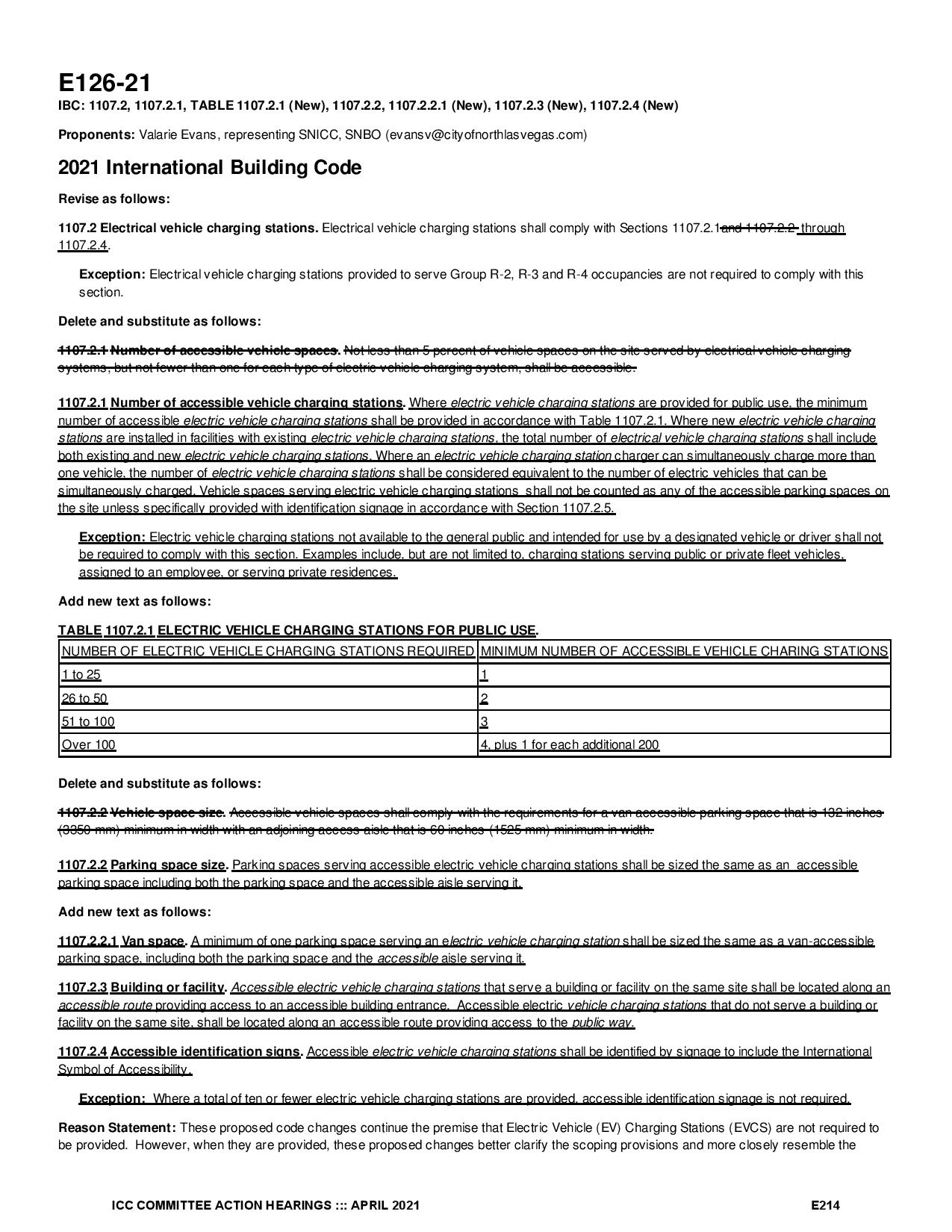
CE217-19 | Include electric vehicle charging fixtures in new construction

CE219-19 | Expansion of required energy efficiency requirements

CE224-19 | HVAC system electrical power efficiency requirements

CE237-19*. et al | More electrical power monitoring hardware

CE238-19 | Electrical Energy Storage Systems

CE261-19 | Change of occupancy energy use intensity

CE262-19 | Electrical energy storage system-ready area

CE263-19 Part I&II&III* | Required PV systems for all commercial buildings larger than 5000 square feet/community solar facilities

CE265-19 | Energy Storage Systems

The Group B Cycle in ended in December.  Preliminary balloting results are linked below:

FINAL PUBLIC COMMENT HEARING RESULTS ON THE 2019 PROPOSED CHANGES TO THE INTERNATIONAL CODES – GROUP B

Source: Engineering-News Record

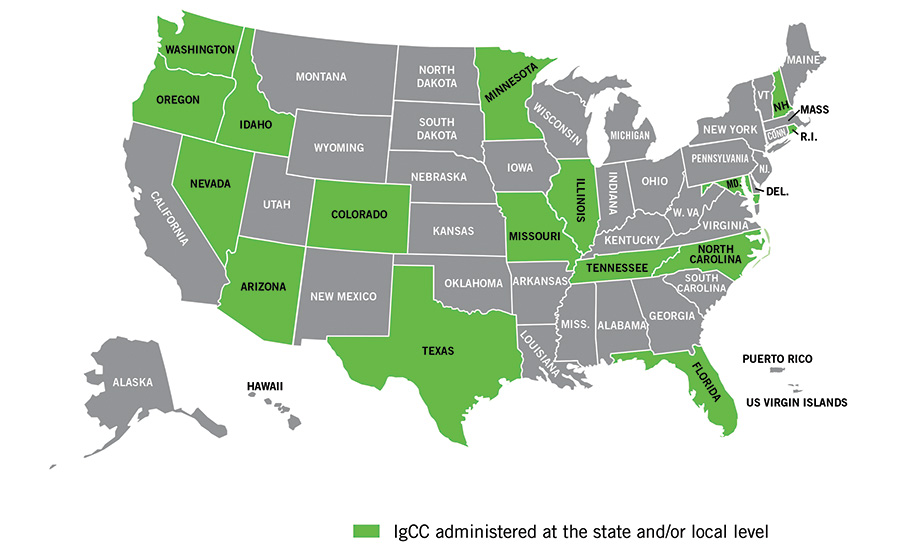
Whatever ever proposals failed in the 2021 IECC revision cycle may find their way into the forthcoming Group C revision cycle that features the International Green Construction Code (IgCC).   When public proposals open for the IgCC we will pass that information along to our colleagues.  You may do so yourself by registering your interest in ICC consensus products by clicking here: ICC Code Development.

We scan action in the ICC suite of consensus products at least once per month.   See our CALENDAR for the next online meeting;open to everyone.

Issue: [16-169]

Category: Architectural, Facility Asset Management, Space Planning

Colleagues: Mike Anthony, Scott Gibbs, Jim Harvey, Jose Meijer,

* There are so many proposals for expansion of electrical control, monitoring and metering hardware that we identify only one of many conceptually related proposals here.   Refer to the standing agenda of the IEEE Education & Healthcare Facilities Committee for additional technical specifics.


LEARN MORE:

Archive / International Energy Conservation Code / Electrical


Layout mode
Predefined Skins
Custom Colors
Choose your skin color
Patterns Background
Images Background
Standards Michigan
error: Content is protected !!
Skip to content