
Category Archives: @NSF_Intl

Loading
loading...

Food Safety

Overdoor, France, ca. 1825; | Smithsonian Design Museum

Education communities have significant food safety responsibilities.  Risk gets pushed around global food service counterparties; a drama in itself and one that requires coverage in a separate blog post.*

Since 2013 we have been following the development of food safety standards; among them ANSI/NSF 2: Food Equipment one of a constellation of NSF food safety titles whose provisions cover bakery, cafeteria, kitchen, and pantry units and other food handling and processing equipment such as tables and components, counters, hoods, shelves, and sinks.  The purpose of this Standard is to establish minimum food protection and sanitation requirements for the materials, design, fabrication, construction, and performance of food handling and processing equipment.

It is a relatively stable standard; developed to support conformance revenue for products.  A new landing page seems to have emerged in recent months:

Food and Beverage

https://www.nsf.org/testing/food


You may be enlightened by the concepts running through this standard as can be seen on a past, pre-pandemic agenda:

NSF 2 Food Safety 2019 Meeting Packet – Final Draft

NSF 2 Food Safety 2019 Meeting Summary – August 21-22 Ann Arbor NSF Headquarters

NSF 2 Food Equipment Fabrication Agenda – FEF – TG – 2021-01-12

Not trivial agendas with concepts that cut across several disciplines involving product manufacture, installation, operation and maintenance.  We find a very strong influence of organizations such as Aramark and Sodexo.   More on that in a separate post.

Ranchview High School Cafeteria / Irving, Texas

This committee – along with several other joint committees –meets frequently online.  If you wish to participate, and receive access to documents that explain the scope and scale of NSF food safety standards, please contact Allan Rose, (734) 827-3817, arose@nsf.org.   NSF International welcomes guests/observers to nearly all of its standards-setting technical committees.   We expect another online meeting hosted by this committee any day now.

Keep in mind that all NSF International titles are on the standing agenda of our Nourriture (Food) colloquia; open to everyone.  See our CALENDAR for the next meeting.
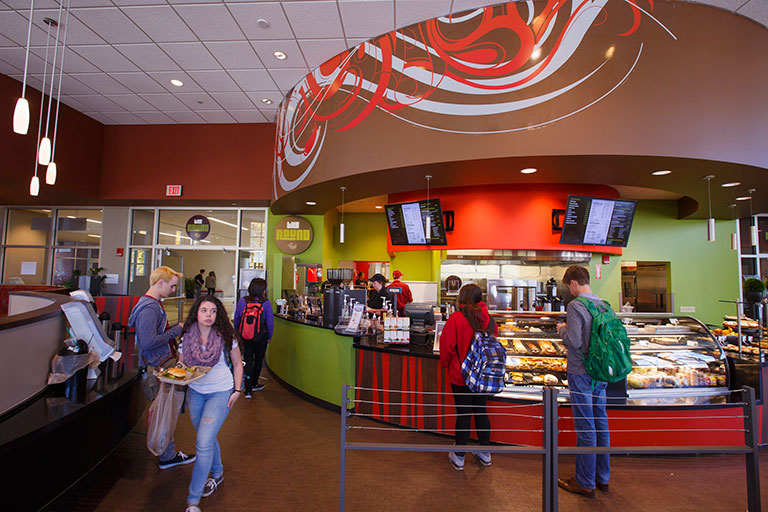
University of Indiana

Issue: [13-113] [15-126]

Category: Facility Asset Management, Healthcare, Residence Hall, Athletics

Colleagues: Mike Anthony, Tracey Artley, Keith Koster, Richard Robben

*See “Food Safety Risk Management: Evidence-Informed Policies and Decisions, Considering Multiple Factors, Food and Agriculture Organization of the United Nations”


LEARN MORE:

ANSI Blog | Changes to NSF 2 Food Safety Equipment Standard

NSF International Food Safety 2018 Meeting Summary – 2018-08-22 – Final Draft

2017 Food Code | US Food & Drug Administration

Hygiene Requirements For The Design Of Meat And Poultry Processing Equipment

ARCHIVE: NSF 2 Food Safety

Pool, Spa & Recreational Waters

“Innenansicht des Kaiserbades in Aachen” | Jan Luyken (1682)

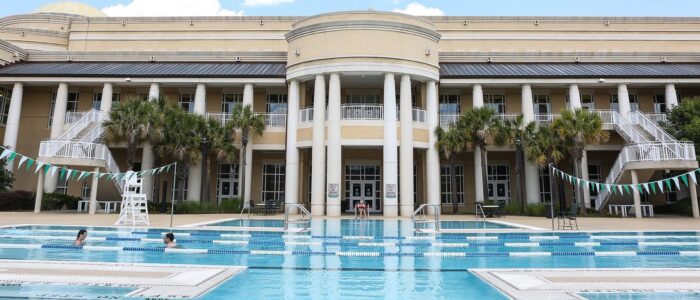
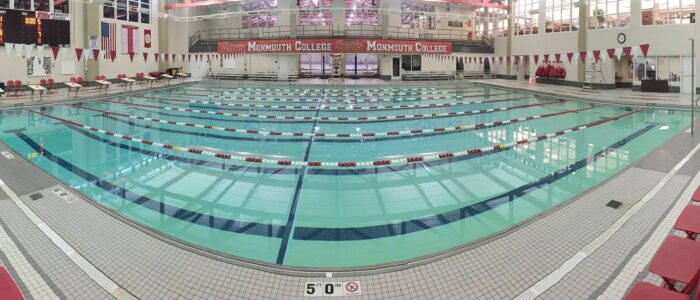
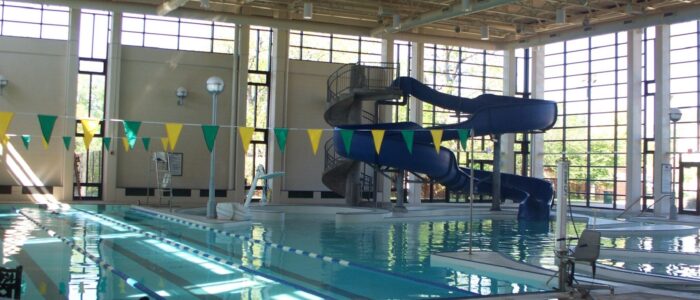
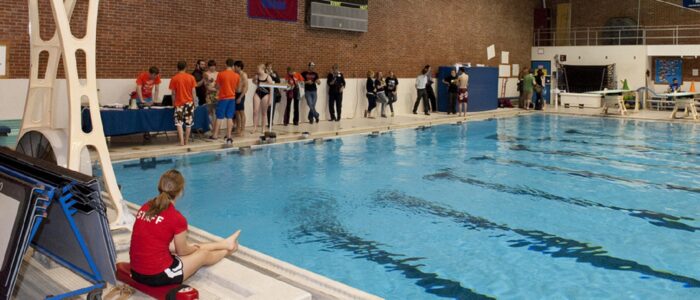
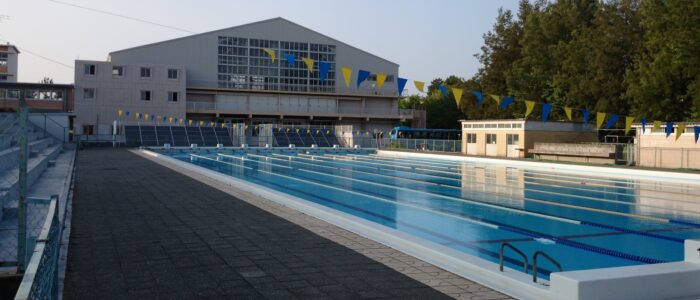
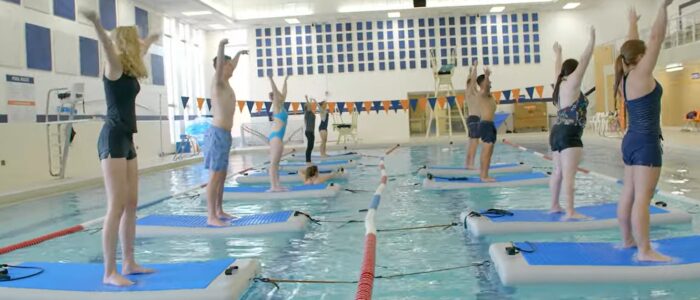
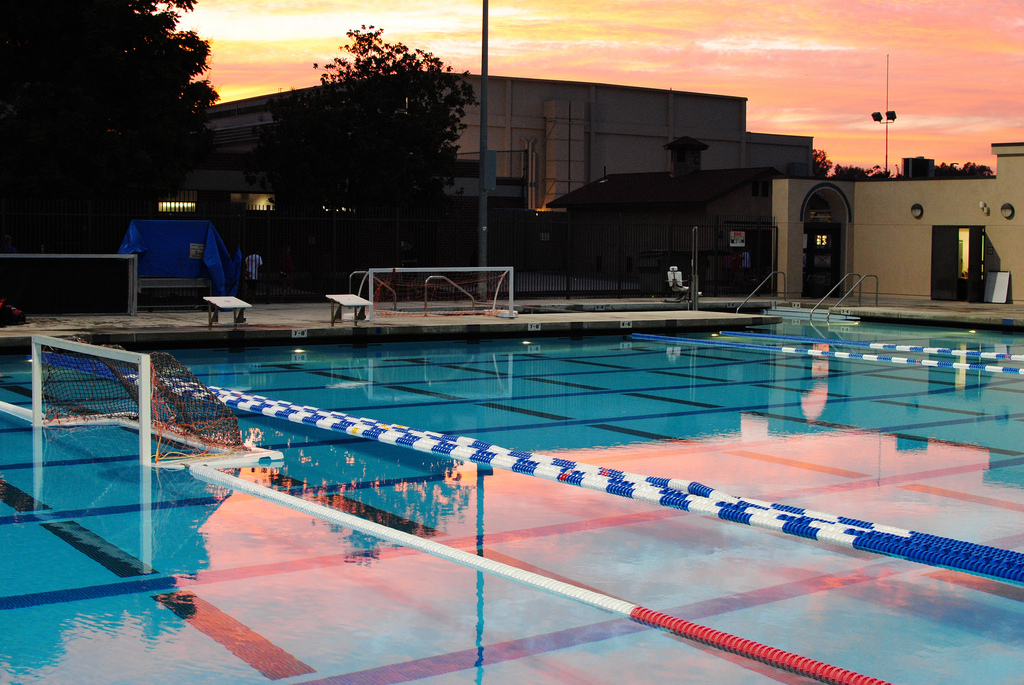
Education communities provide a large market for recreational and therapeutic water technology suppliers.  Some of the larger research universities have dozens of pools including those in university-affiliated healthcare facilities.  Apart from publicly visible NCAA swimming programs there are whirpools in healthcare facilities and therapeutic tubs for athletes in other sports.   Ownership of these facilities requires a cadre of conformance experts to assure water safety.

NSF International is one of the first names in this space and has collaborated with key industry stakeholders to make pools, spas and recreational water products safer since 1949.   The parent document in its suite is NSF 50 Pool, Spa and Recreational Water Standards  which  covers everything from pool pumps, strainers, variable frequency drives and pool drains to suction fittings, grates, and ozone and ultraviolet systems.  

The workspace for this committee is linked below:

Joint Committee on Recreational Water Facilities

(Standards Michigan is an observer on this and several other NSF committees and is the only “eyes and ears” for the user interest; arguably the largest market for swimming pools given their presence in schools and universities.)

There are 14 task groups that drill into specifics such as the following:

Chemical feeders

Pool chemical evaluation

Flotation systems

Filters

Water quality

Safety surfacing

The meeting packet is confidential to registered attendees.  You may communicate directly with the NSF Joint Committee Chairperson, Mr. Tom Vyles (admin@standards.nsf.org) about arranging direct access as an observer or technical committee member.   

Almost all ANSI accredited technical committees have a shortage of user-interests (compliance officers, manufacturers and installers usually dominate).  We encourage anyone in the education facility industry paying the bill for the services of compliance officers, manufacturers and installers to participate. 

We maintain this title on the standing agenda of our Water and Sport colloquia.  See our CALENDAR for the next onine meeting; open to everyone.

Fullerton College

Issue: [13-89]

Category: Water, Sport

Colleagues: Mike Anthony, Ron George, Larry Spielvogel


More

Model Aquatic Health Code

IAPMO Swimming Pool & Spa Standards 

UL 1081 Standard for Swimming Pool Pumps, Filters, and Chlorinators | (UL Standards tend to be product standards so we rank them lower in our priority ranking than interoperability standards.)

Aquatic Health Code

Electronic Equipment Recycling
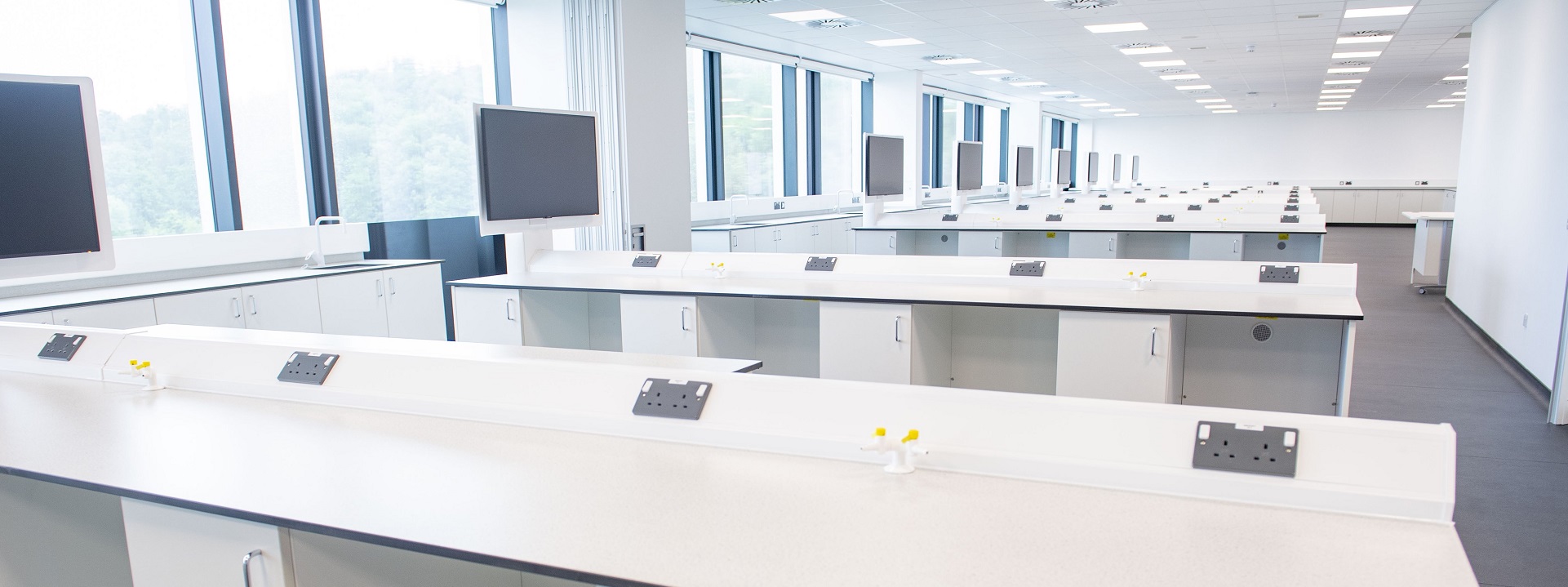
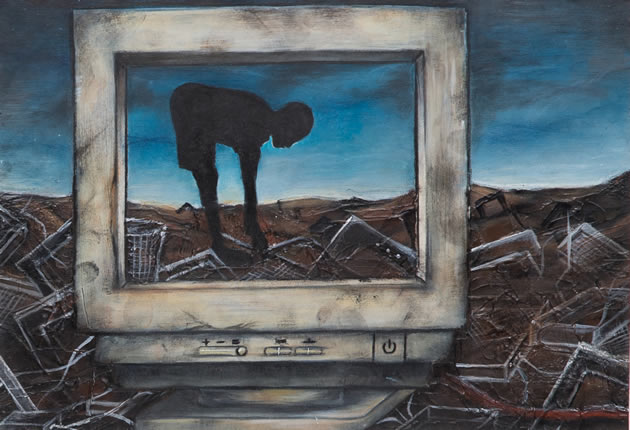
The Impact of E-Waste / Student Art Guide

We are observers in the development of a new ANSI accredited electronic equipment recycling standard  produced with the leadership of NSF International; a Michigan-based standards developer (founded at the University of Michigan) not far from our own offices and one of the largest in the world. 

The electronic recycling space is growing quickly — reaching far upstream the value chain into how electronic equipment is designed in the first place.  An overview of the project is available in the link below:

Joint Committee on Environmental Leadership Standard for Servers

A public edition is linked below:

NSF/ANSI 426 – 2019 Environmental Leadership and Corporate Social Responsibility Assessment of Servers

This standard moved swiftly to market under NSF International’s continuous maintenance process.  We bring it to the attention of the education facilities industry as a recommendation for lowering #TotalCostofOwnership.   Participation as a User interest in American national standards development reduces “wheel reinvention” in which many recycling workgroups unnecessarily start from scratch, eliminates the need to attend costly workshops hosted by trade associations and significantly minimizes destructive competition.  

This title is on the standing agenda of our Redivivus colloquium.   Since our interest lies primarily with electrotechnology we collaborate with the IEEE Standards Association.  See our CALENDAR for the next online meeting; open to everyone.


Issue: [14-74], [15-147], [15-148]

Category: Electrical, Telecommunications, Interior 

Colleagues: Mike Anthony, Jim Harvey, Richard Robben

Archive / NSF 426 Electronic Equipment Recycling


Drinking Water Quality

Laundry

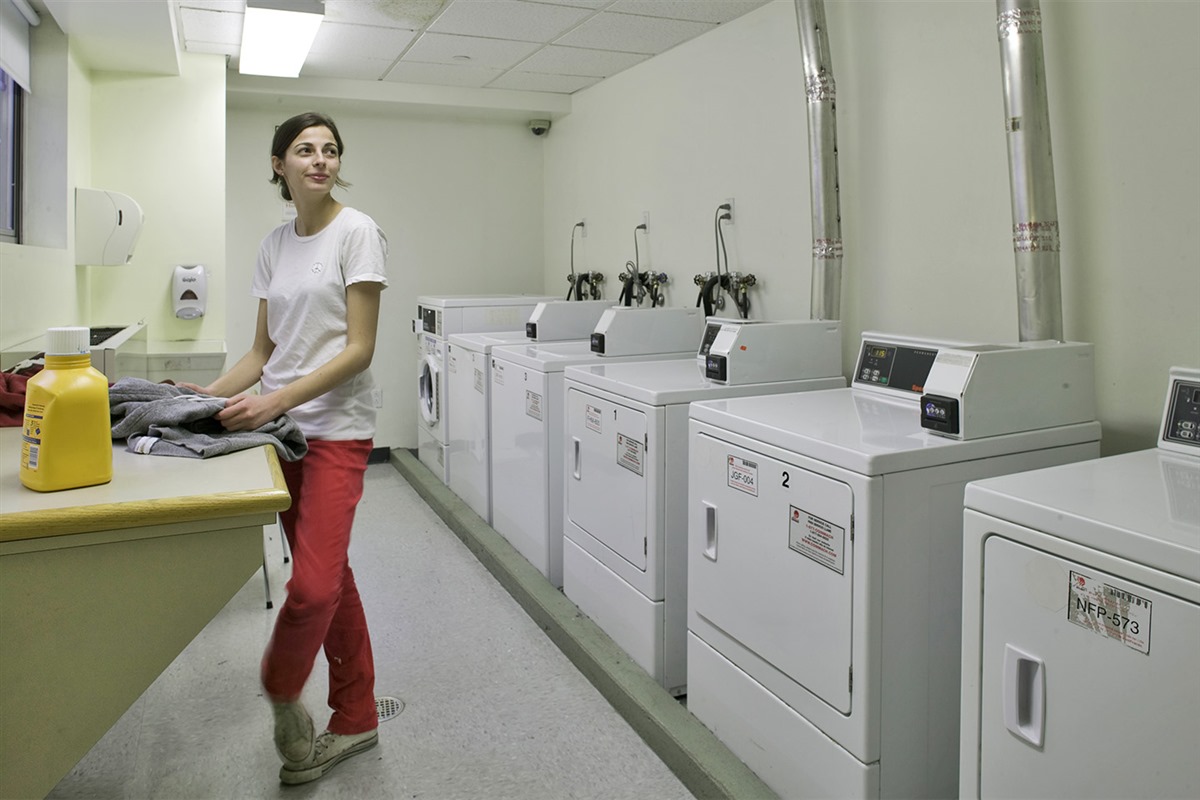
The New School | New York City

Washers and Dryers

Consumer Product Testing and Certification FAQs

More

United States Consumer Product Safety Commission: Clothes Dryers

Design of Public Self-service Laundry System in College Dormitory

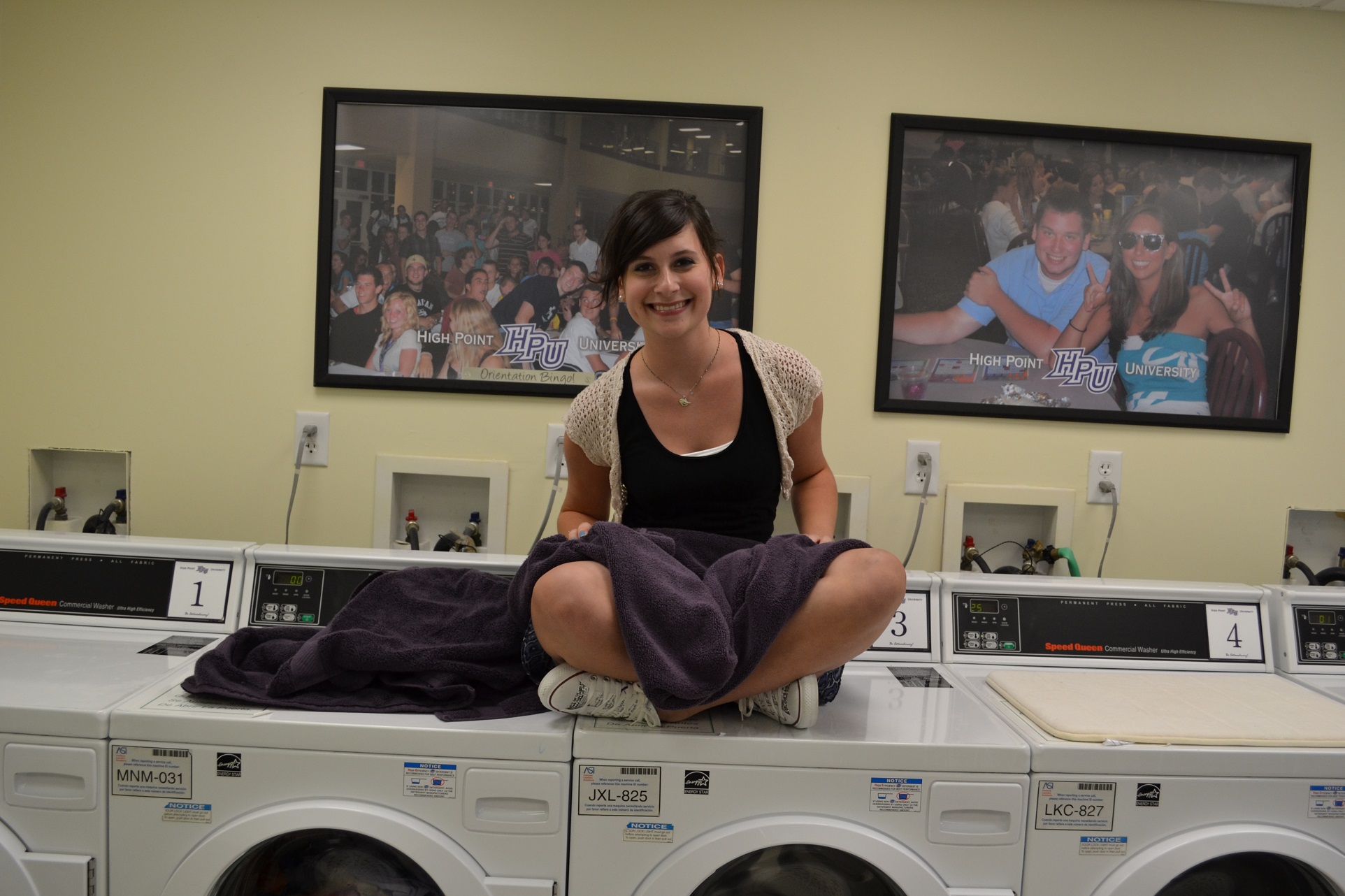
Highpoint University | Guilford County North Carolina

Common Kitchen Items Harbor Germs

This content is accessible to paid subscribers. To view it please enter your password below or send mike@standardsmichigan.com a request for subscription details.

Biosafety Cabinetry

STANDARDS ACTION WEEKLY EDITION

“Der Alchemist” / Max Fuhrmann

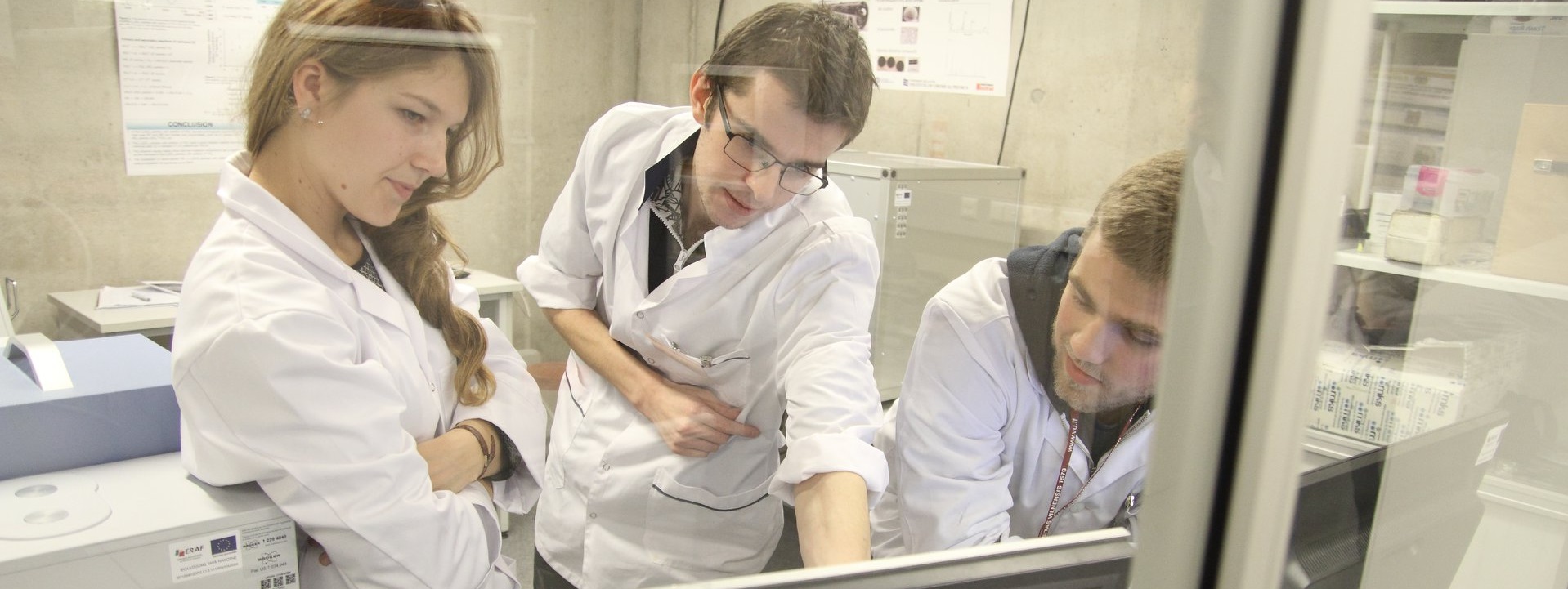
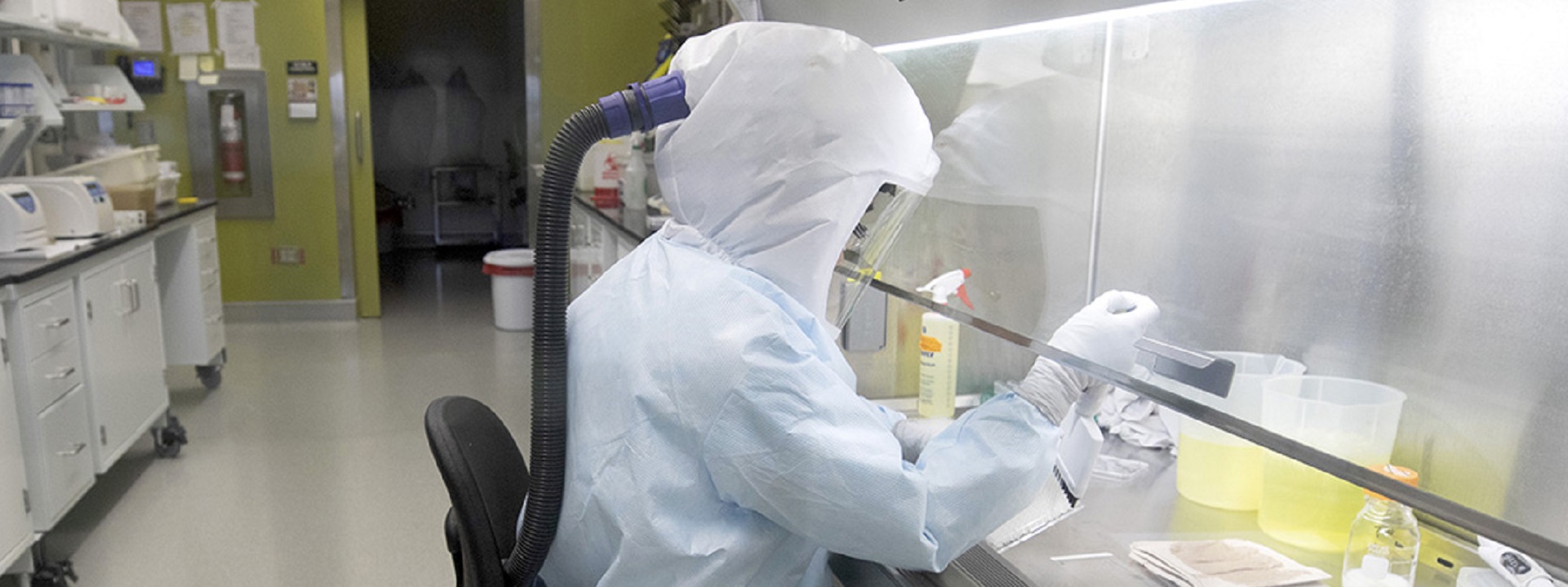
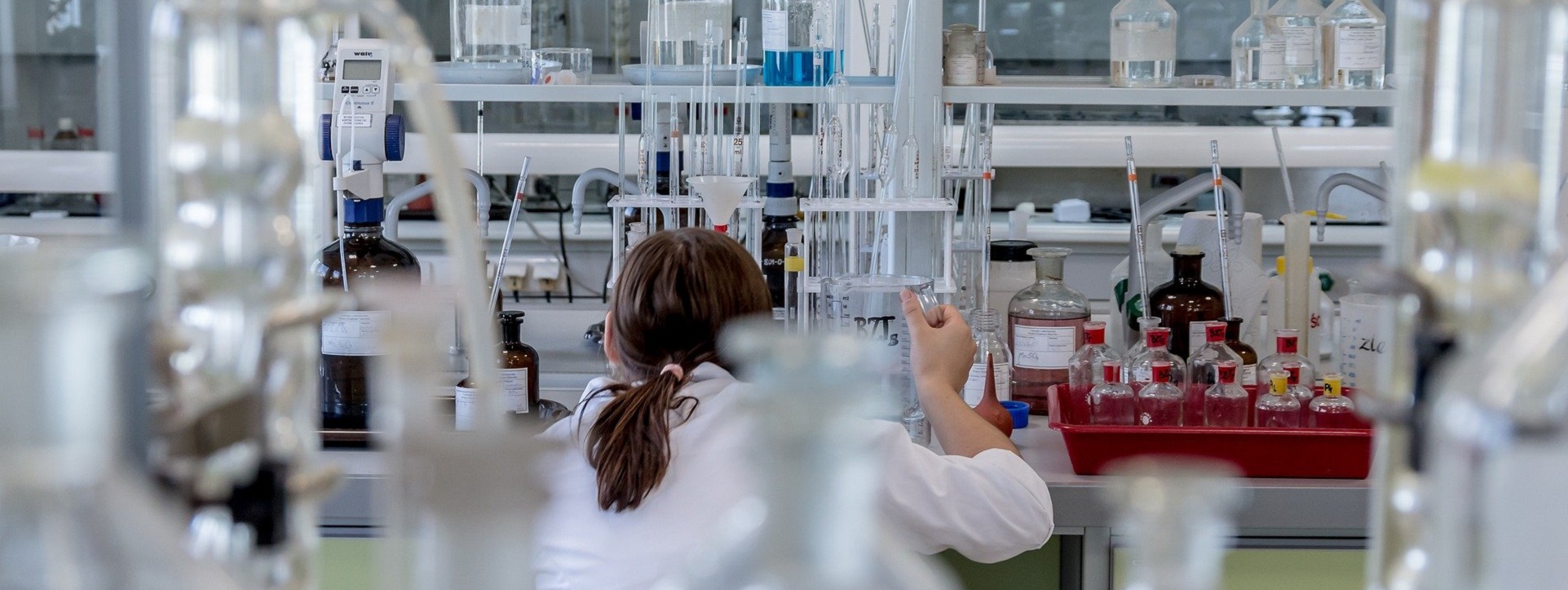
NSF International develops a standard for one of the centerpiece safety technologies for a large revenue driver in research universities.   The landing page for its biosafety cabinetry product, installation, operation and maintenance standard is linked below:

NSF 49 Biosafety Cabinetry.

From the project prospectus:

This Standard applies to Class II (laminar flow) biosafety cabinetry designed to minimize hazards inherent in work with agents assigned to biosafety levels 1, 2, 3, or 4.  It also defines the tests that shall be passed by such cabinetry to meet this standard. NSF 49 includes basic requirements for the design, construction, and performance of biosafety cabinets that are intended to provide personnel, product, and environmental protection; reliable operation; durability and structural stability; cleanability; limitations on noise level; illumination; vibration; and motor/blower performance.   

This equipment class is the centerpiece of many research laboratories and is a multidimensional risk aggregation so NSF 49 needs to move swiftly and is listed as an ANSI Continuous Maintenance product.   You can track the action at the link below:
Joint Committee on Biosafety Cabinetry

NSF typically uploads its live public consultation notices on ANSI Standards Action; one of the most recent on Page 11 of link below:

Issue i141r4

Consultation closes January 4th 

"Every child is an artist. The problem is how to remain an artist once we grow up." - Friedrich Nietzsche

We maintain all NSF International titles on the agenda of our Laboratory and Risk teleconferences and, because NSF runs its standards suite continuously, most of its titles are on our Nota Bene teleconferences.    See our CALENDAR for the next online meeting; open to everyone

Issue: [13-118]

Category: Risk Management, Occupational Health and Safety

Colleagues: Mike Anthony, Richard Robben, Alan Rose, Mark Schaufele

Workspace / NSF International


Cooking

This content is accessible to paid subscribers. To view it please enter your password below or send mike@standardsmichigan.com a request for subscription details.

Water Reuse Treatment Systems

This content is accessible to paid subscribers. To view it please enter your password below or send mike@standardsmichigan.com a request for subscription details.

Layout mode
Predefined Skins
Custom Colors
Choose your skin color
Patterns Background
Images Background
Standards Michigan
error: Content is protected !!

Skip to content