
Category Archives: Water
- Home
- Archive by category "Water" (Page 8)


Apostle Islands Lighthouse
This content is accessible to paid subscribers. To view it please enter your password below or send mike@standardsmichigan.com a request for subscription details.

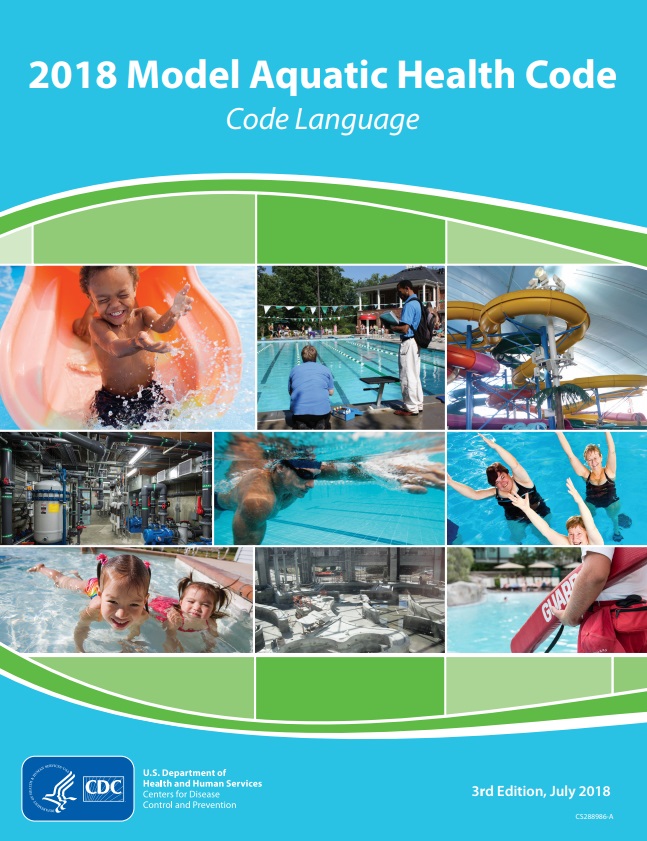

Electricity and Water Conservation on College and University Campuses
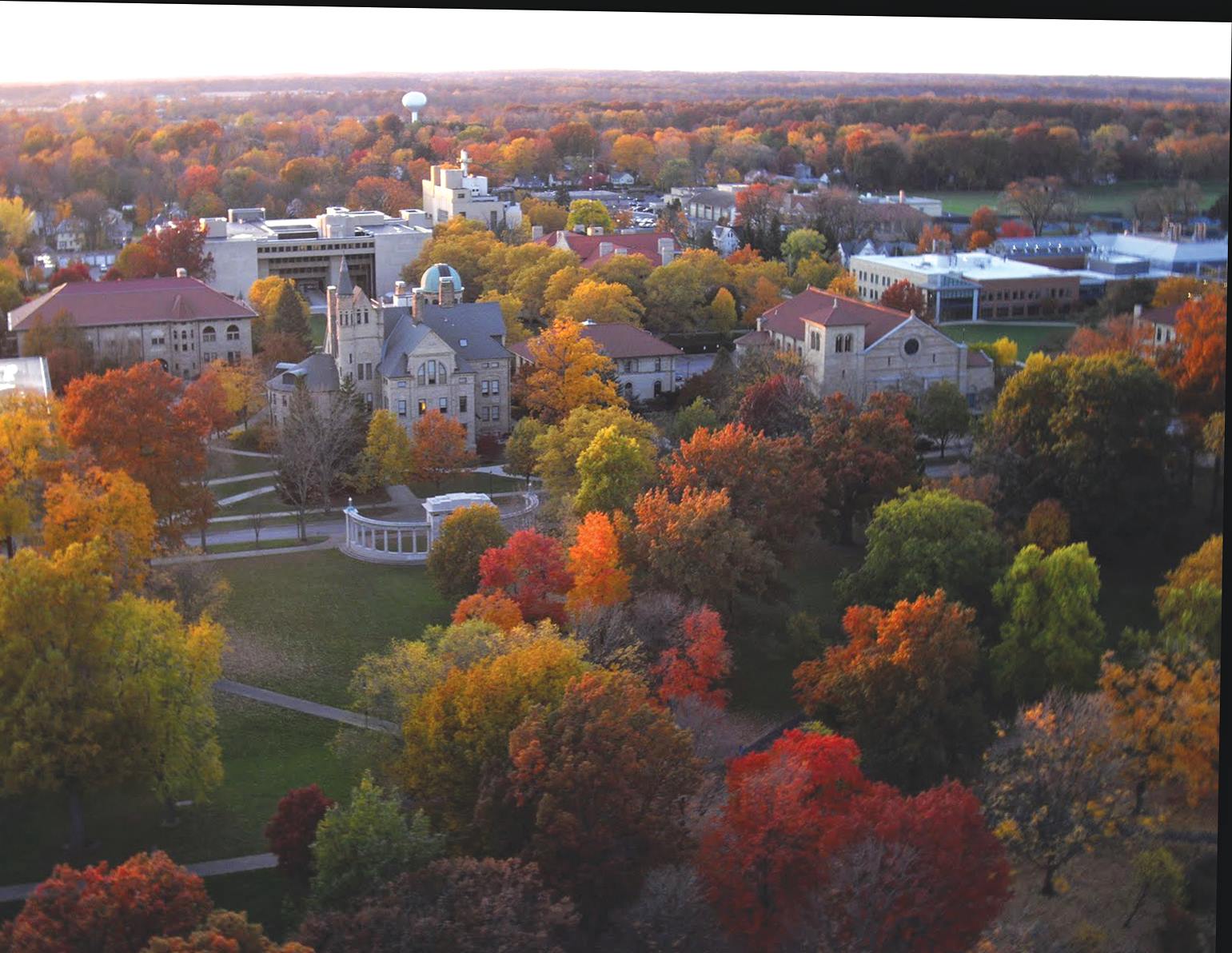
Electricity and Water Conservation on College and University Campuses…
John E. Petersen – Cynthia M. Frantz – Md. Rumi Shammin – Tess M. Yanisch – Evan Tincknell – Noel Myers
Abstract. Campus Conservation Nationals” (CCN) is a recurring, nation-wide electricity and water-use reduction competition among dormitories on college campuses. We conducted a two year empirical study of the competition’s effects on resource consumption and the relationship between conservation, use of web technology and various psychological measures. Significant reductions in electricity and water use occurred during the two CCN competitions examined (n = 105,000 and 197,000 participating dorm residents respectively). In 2010, overall reductions during the competition were 4% for electricity and 6% for water. The top 10% of dorms achieved 28% and 36% reductions in electricity and water respectively. Participation was larger in 2012 and reductions were slightly smaller (i.e. 3% electricity). The fact that no seasonal pattern in electricity use was evident during non-competition periods suggests that results are attributable to the competition. Post competition resource use data collected in 2012 indicates that conservation behavior was sustained beyond the competition. Surveys were used to assess psychological and behavioral responses (n = 2,900 and 2,600 in 2010 and 2012 respectively). Electricity reductions were significantly correlated with: web visitation, specific conservation behaviors, awareness of the competition, motivation and sense of empowerment. However, participants were significantly more motivated than empowered. Perceived benefits of conservation were skewed towards global and future concerns while perceived barriers tended to be local. Results also suggest that competitions may be useful for “preaching beyond the choir”–engaging those who might lack prior intrinsic or political motivation. Although college life is distinct, certain conclusions related to competitions, self-efficacy, and motivation and social norms likely extend to other residential settings.

International Mechanical Code Chapter 12: Hydronic Piping

Urban Rooftop Farm $31 Million
“Thammasat University has introduced an adaptive climate solution with Asia’s largest organic rooftop farm, the Thammasat University Rooftop Farm or TURF. Designed by LANDPROCESS, the $31 million TURF incorporates sustainable food production, renewable energy, organic waste, water management, and public space within its 22,000 square meters. A century ago, King Rama the fifth created the Rangsit rice plantations and a vast network of canals here, but it was paved over as Bangkok expanded. Integrating landscape architecture with the ingenuity of traditional rice terraces, the rooftop farm is an excellent example of cultural adaptation and reuse. Carved into the mountainous architecture, TURF maximizes the terrain to create multi-functional public spaces. Employing modern greenroof technology, diverse cascading plantations mitigate flood risks while growing food to feed the community.
Located at the main axis of the campus, the H-shape architecture stands for Humanity, divided into four equally-accessible sections representing a core element of democracy— people, liberty, equality, and fraternity. At the ground entrance a terraced amphitheater welcomes everyone, and a large sky amphitheater rewards those who climb to the top, offering a 360-degree panoramic view of Bangkok. As rainwater zigzags down the slopes, each level of TURF harvests runoff, forming unique micro-watersheds. At the end of its journey, four retention ponds at each wing mitigate and store excessive rainfall, capable of holding up to almost 3.1 million gallons of water once combined. And, the roof is equipped with solar panels which can produce up to 500,000 watts per hour to irrigate the urban farm from the retaining ponds and power the building beneath it.
TURF grows more than 40 edible species, including rice, indigenous vegetables and herbs, and fruit trees. Up to 20 tons or 80,000 meals of organic food are produced each year. TURF provides a platform to learn and share across various disciplines, and 12 individually designed areas on the slopes serve as oval-shaped outdoor classrooms. Through year-round workshops on sustainable agriculture, it leaves newfound knowledge for 40,000 campus residents and the surrounding community to use at home. Lessons on Thai agriculture, landscape, and native soil are embedded into the 1.7-acre Thammasat University Urban Rooftop Farm, educating future leaders to adapt and embrace climate challenges by building sustainable cities for generations to come.
* Click here: https://www.greenroofs.com/projects/t… to see more information about this project in The International Greenroof & Greenwall Projects Database http://www.greenroofs.com/projects/. Did we miss your contribution? Please let us know to add you to the profile. Would you like one of your projects to be featured? We have to have a profile first! Submit Your Project Profile https://www.greenroofs.com/submit-pro….
Greenroofs.com Featured Project 2/16/21 Thammasat University Rooftop Farm (TURF) video credit: LANDPROCESS; photo credits via V2COM: LANDPROCESS; Panoramic Studio / LANDPROCESS; and Panoramic Studio / LANDPROCESS / Dsignsomething; Dsignsomething / Jinnawat Borihankijanan.”

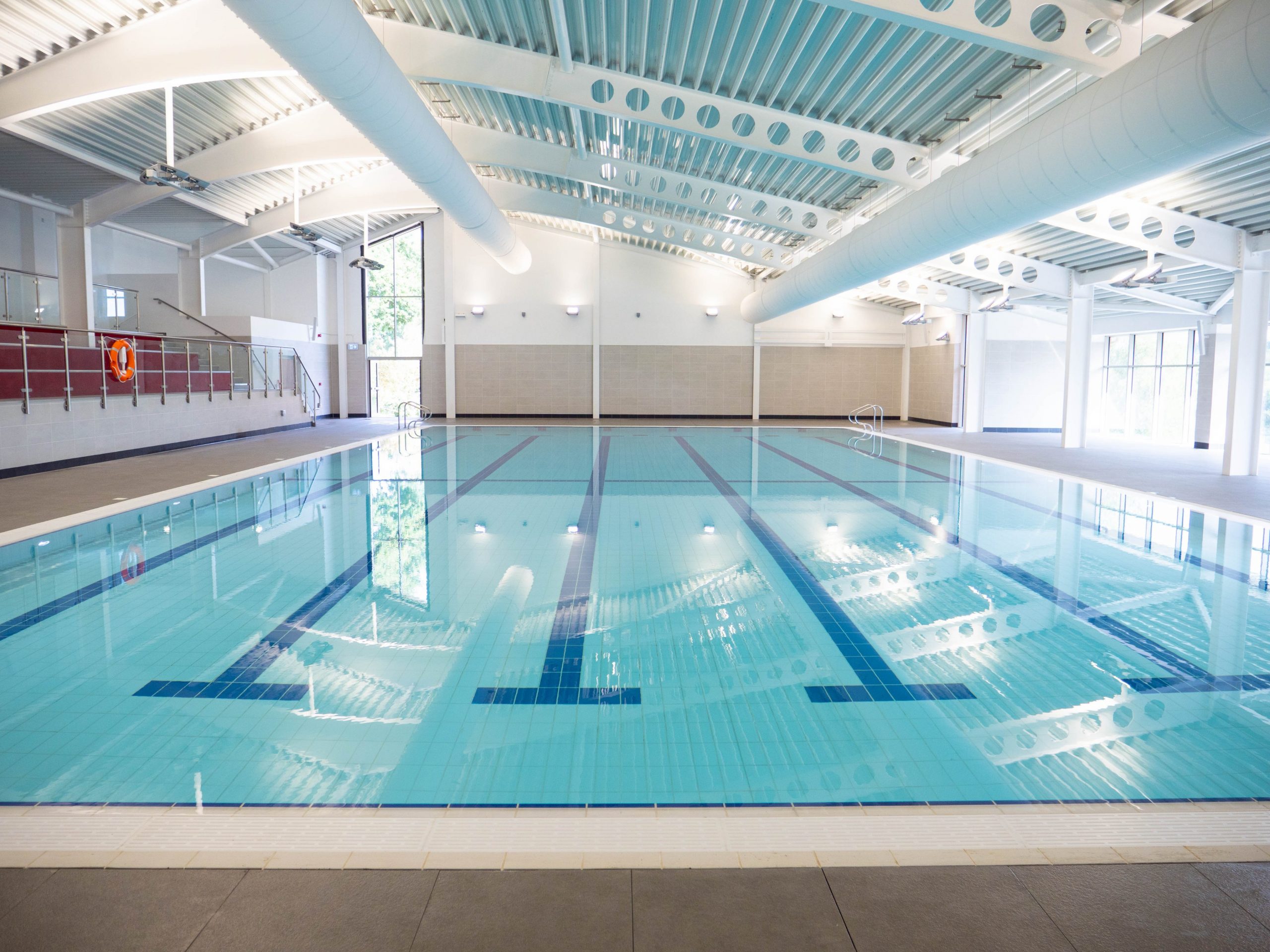
Communal Bathrooms
This content is accessible to paid subscribers. To view it please enter your password below or send mike@standardsmichigan.com a request for subscription details.



Coronavirus in Plumbing Systems
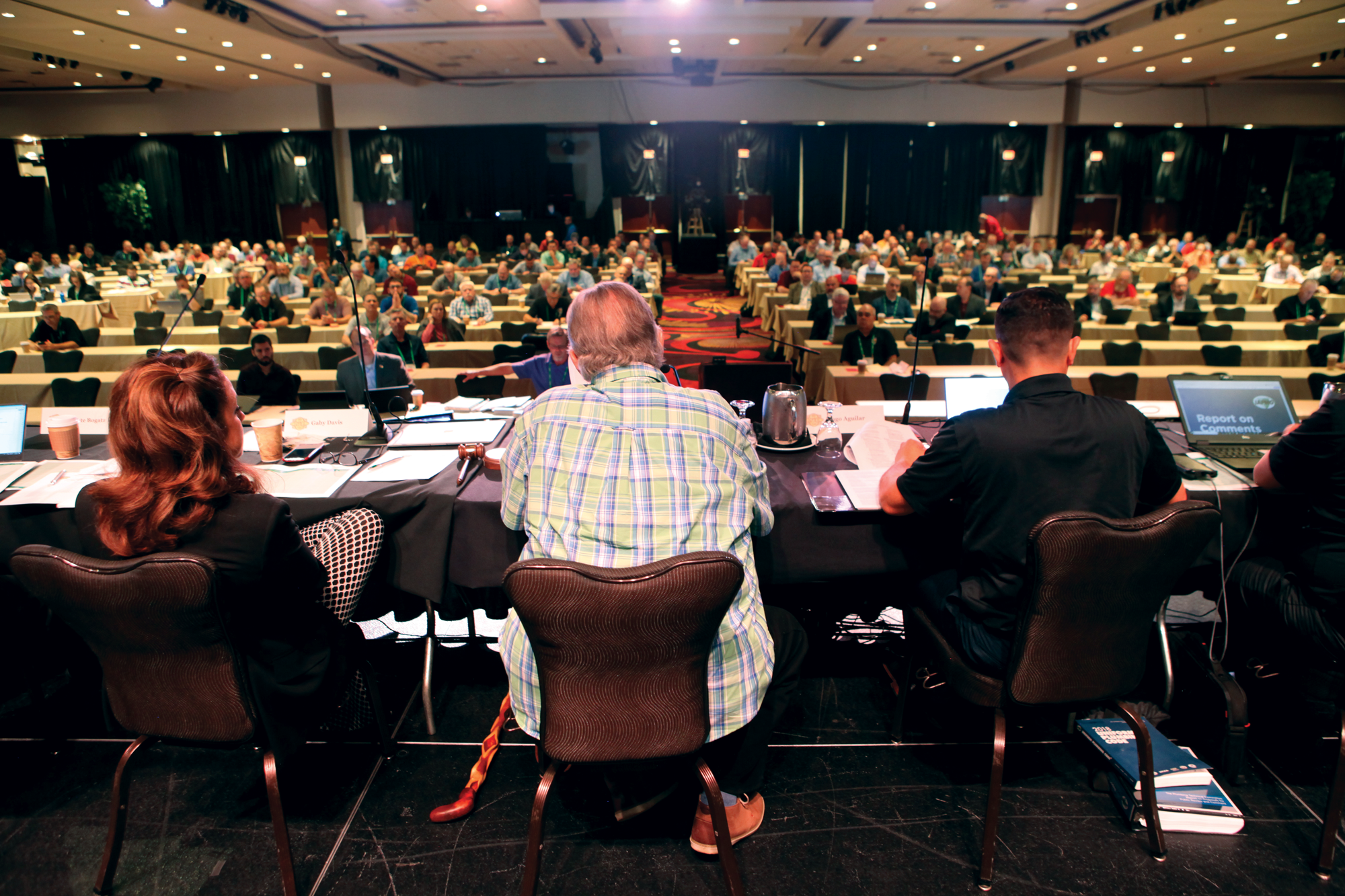
IAPMO Seeks Technical Committee Members for 2024 UPC and UMC
More:
World Health Organization: Health aspects of plumbing
Center for Biocide Chemistries
University of Minnesota: Hong Kong seals apartment building to contain SARS


New update alert! The 2022 update to the Trademark Assignment Dataset is now available online. Find 1.29 million trademark assignments, involving 2.28 million unique trademark properties issued by the USPTO between March 1952 and January 2023: https://t.co/njrDAbSpwB pic.twitter.com/GkAXrHoQ9T
— USPTO (@uspto) July 13, 2023
Standards Michigan Group, LLC
2723 South State Street | Suite 150
Ann Arbor, MI 48104 USA
888-746-3670
DIRECTIONS
 |
 |
|
 |
 |
|
 |
 |