
Archives
- Home
- Event Page 74


Prometheus 400

“Prometheus creating Man in the presence of Athena” (1802) / Jean-Simon Berthélemy

Our periodic review of all consensus, consortia and open source codes, standards and regulations the set the standard of care for fire safety in education settlements.
Inglenook
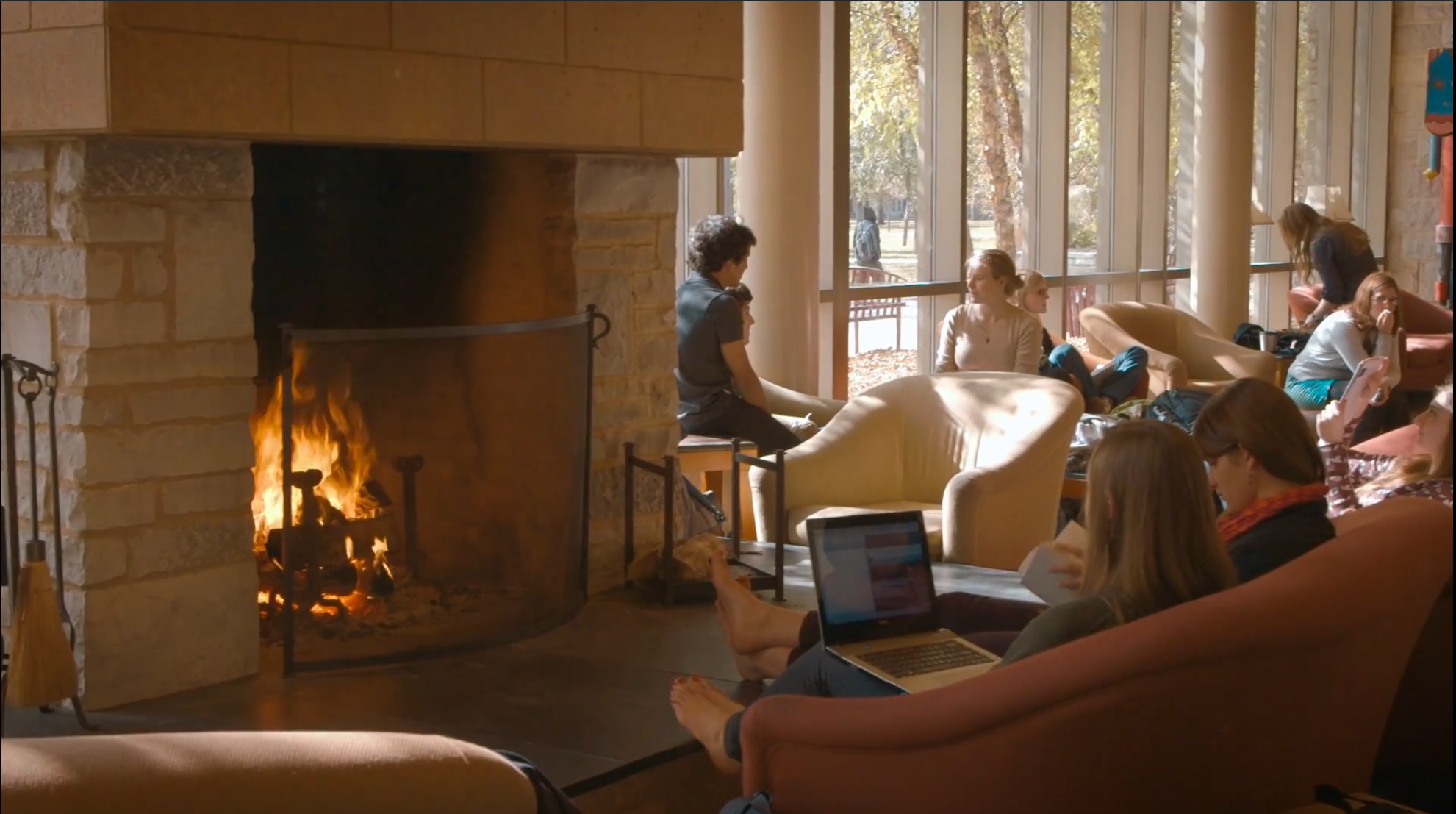
St. Olaf College | Dakota County Minnesota
I sit beside the fire and think
Of all that I have seen
Of meadow flowers and butterflies
In summers that have been
Of yellow leaves and gossamer
In autumns that there were
With morning mist and silver sun
And wind upon my hair
I sit beside the fire and think
Of how the world will be
When winter comes without a spring
That I shall ever see
For still there are so many things
That I have never seen
In every wood in every spring
There is a different green
I sit beside the fire and think
Of people long ago
And people that will see a world
That I shall never know
But all the while I sit and think
Of times there were before
I listen for returning feet
And voices at the door
-J.R.R. Tolkien

Ablution Facilities
Ablution facilities refer to designated areas or equipment used for personal hygiene and cleansing rituals, often in religious, cultural, or practical contexts. These facilities typically include sinks, showers, or basins for washing the body, hands, face, or feet, ensuring cleanliness and adherence to hygiene standards. In religious settings, such as mosques or temples, ablution facilities support ritual purification (e.g., wudu in Islam) before prayers, emphasizing spiritual and physical cleanliness.
In housekeeping, ablution facilities align with maintaining high sanitation standards, providing spaces for washing dishes, laundry, or personal care to prevent contamination and promote health. These areas are equipped with clean water, soap, and drying tools, designed for accessibility and efficiency. Regular maintenance of ablution facilities, including cleaning and disinfecting surfaces, ensures compliance with hygiene protocols, reduces germ spread, and fosters a safe, sanitary environment for users, whether in homes, public spaces, or institutions.
For today’s session we pull together previous work related to home economics; admittedly a broad topic.
To be continued…


Infotech 100

Today at 11 AM/ET we update our understanding of best practice literature relevant to the information and communication technology enterprises in education communities. Our online meetings coincides with the day of two IEEE Education & Healthcare Facilities Committee teleconferences at 14:00 Central European time and 2:00 PM Eastern time in the Americas. Starting 2023 we have begun to break down our coverage of information and communication technology embedded in campus buildings into four modules – Infotech 100, 200, 300 and Infotech 400.
Open to everyone. Use the login credentials at the upper right of our home page.

Student Health Clinics
This content is accessible to paid subscribers. To view it please enter your password below or send mike@standardsmichigan.com a request for subscription details.

Campus Day Care
Low 60s this morning 🍁
Almost there… pic.twitter.com/gIwBwy54UG
— Joshua D Phillips (@JoshPhillipsPhD) August 19, 2025

“Smooth Operator” The Graystones
“It was like a rope thrown to the drowning, that music,
and they grabbed it and held on for dear life.”
Toni Morrison (1931–2019) | Jazz (1992)
"Farm Children Doing Laundry" 1958 Heide Presse pic.twitter.com/Nz3m2itCyR
— Standards Michigan (@StandardsMich) June 29, 2024
New update alert! The 2022 update to the Trademark Assignment Dataset is now available online. Find 1.29 million trademark assignments, involving 2.28 million unique trademark properties issued by the USPTO between March 1952 and January 2023: https://t.co/njrDAbSpwB pic.twitter.com/GkAXrHoQ9T
— USPTO (@uspto) July 13, 2023
Standards Michigan Group, LLC
455 East Eisenhower Parkway, Suite 300
Ann Arbor, MI 48108 USA
888-748-3670
DIRECTIONS
 |
 |
|
 |
 |
|
 |
 |