


Standards Indiana | Indiana University Plan Room
The origin of the word “Hoosier” to describe residents of Indiana is somewhat mysterious and debated.
One theory suggests that the term “Hoosier” comes from the name Samuel Hoosier, a contractor who hired many laborers from Indiana for his work on the Louisville and Portland Canal in the early 19th century. It is said that the workers became known as “Hoosier’s men,” and over time, the term “Hoosier” came to be associated with all people from Indiana.
Wishing all moms a Happy Mother’s Day! pic.twitter.com/K6S0ja6cwn
— Rep. Victoria Spartz (@RepSpartz) May 10, 2026
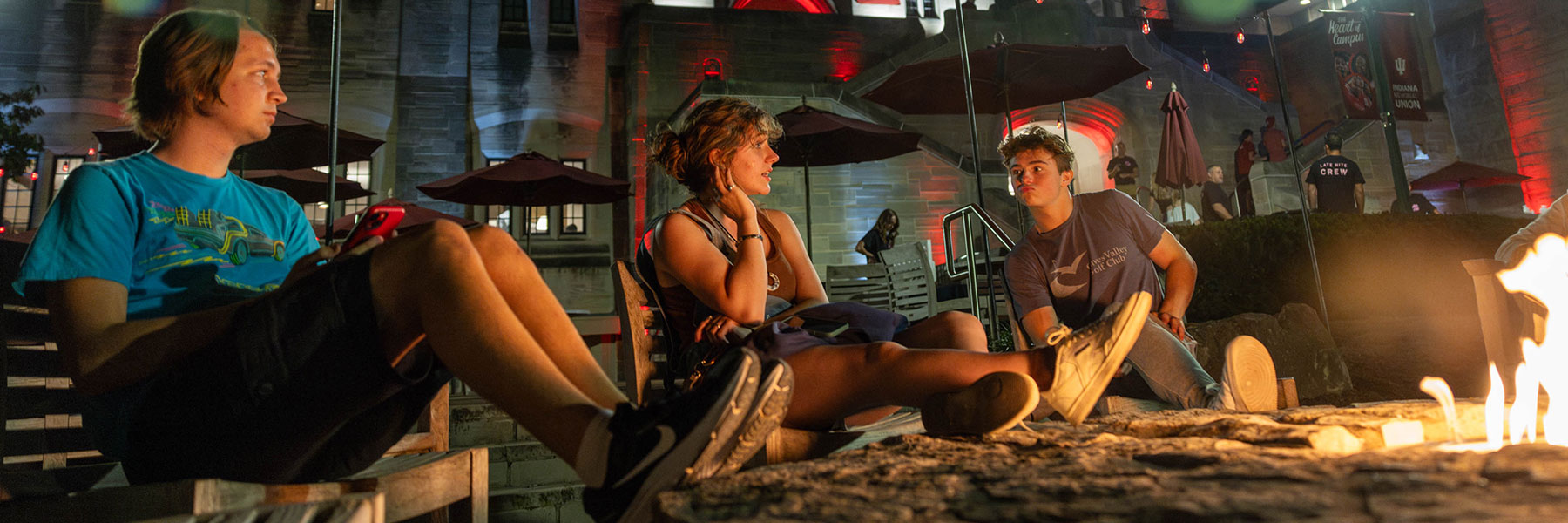
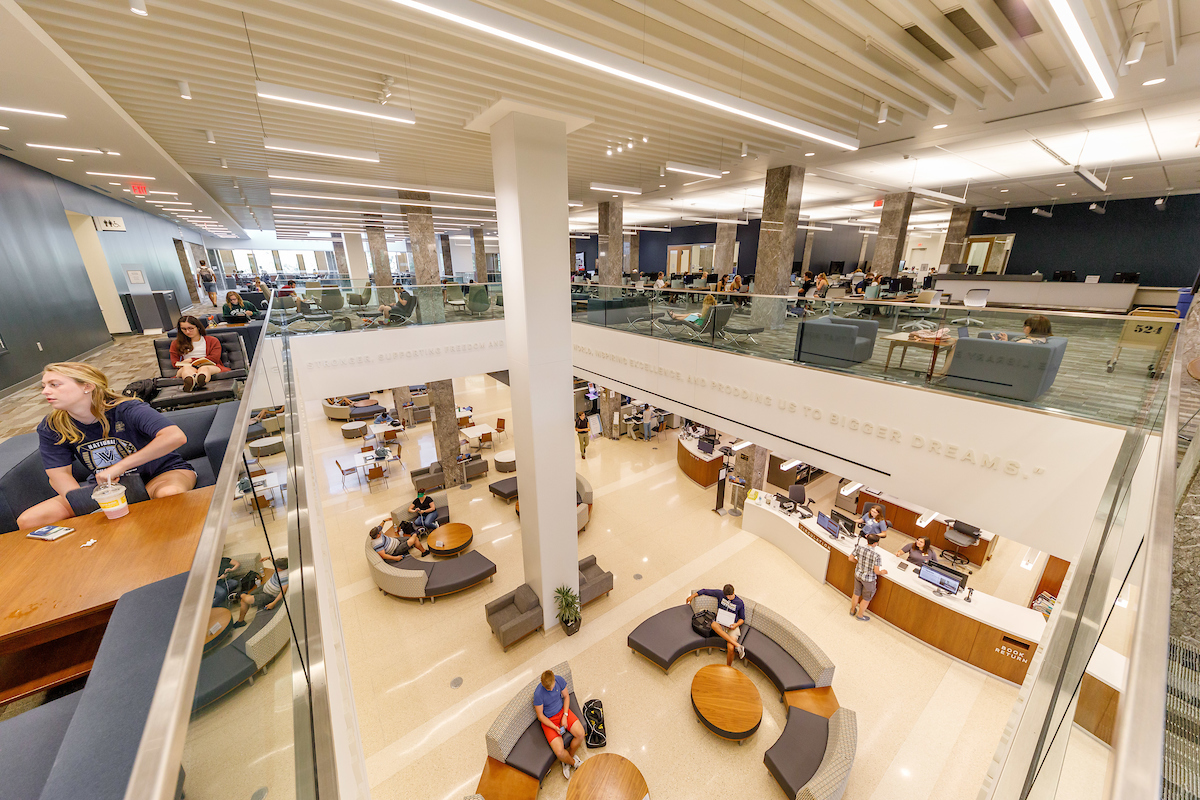
University of Indiana | Monroe County
Still thinking about regionals ✨👌#ChirpChirp x #WeFly pic.twitter.com/aDXbvuw3SH
— Ball State Track & XC (@BallStateTFXC) November 18, 2024
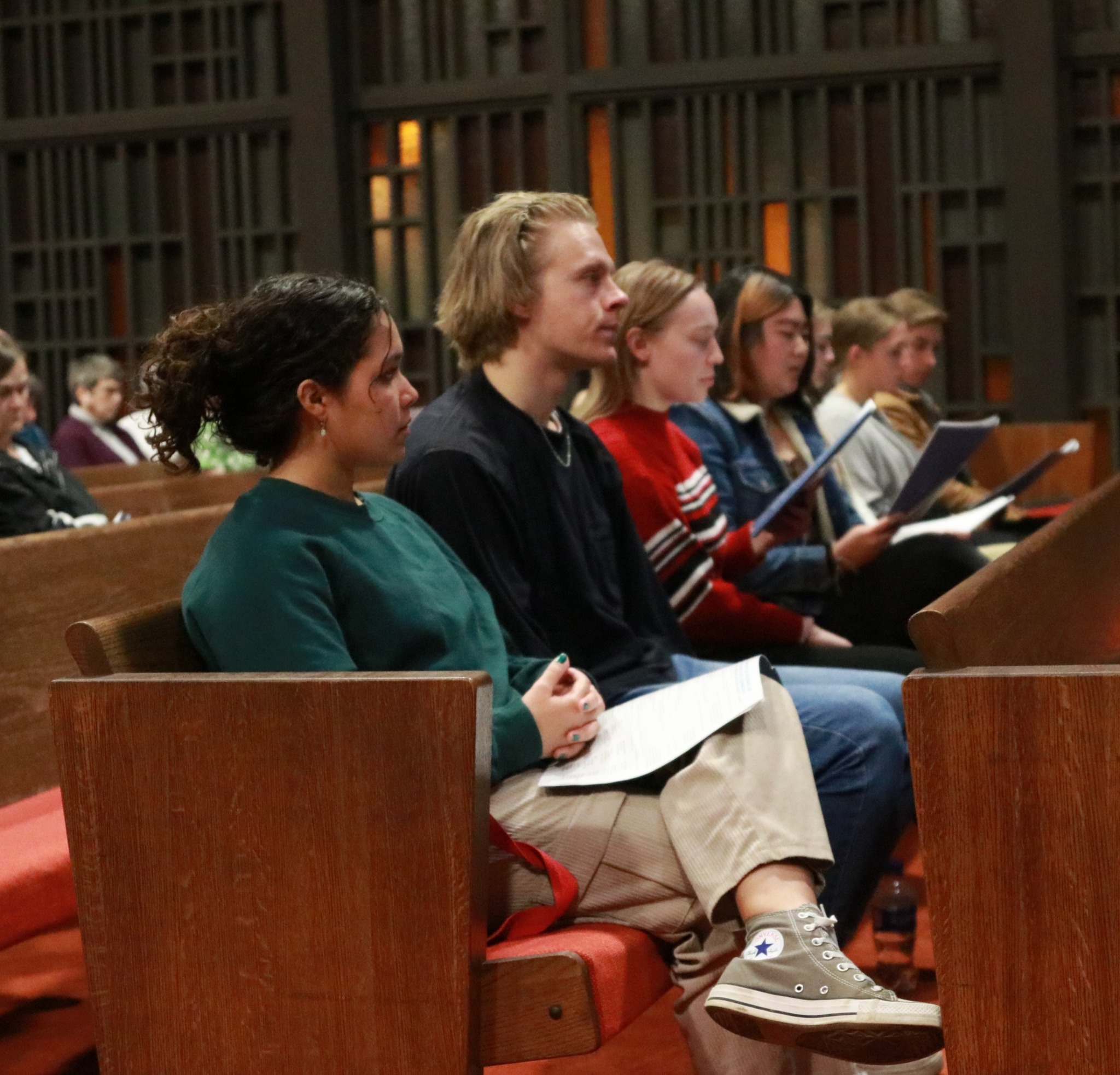
Saint Mary-of-the-Woods | Vigo County Indiana
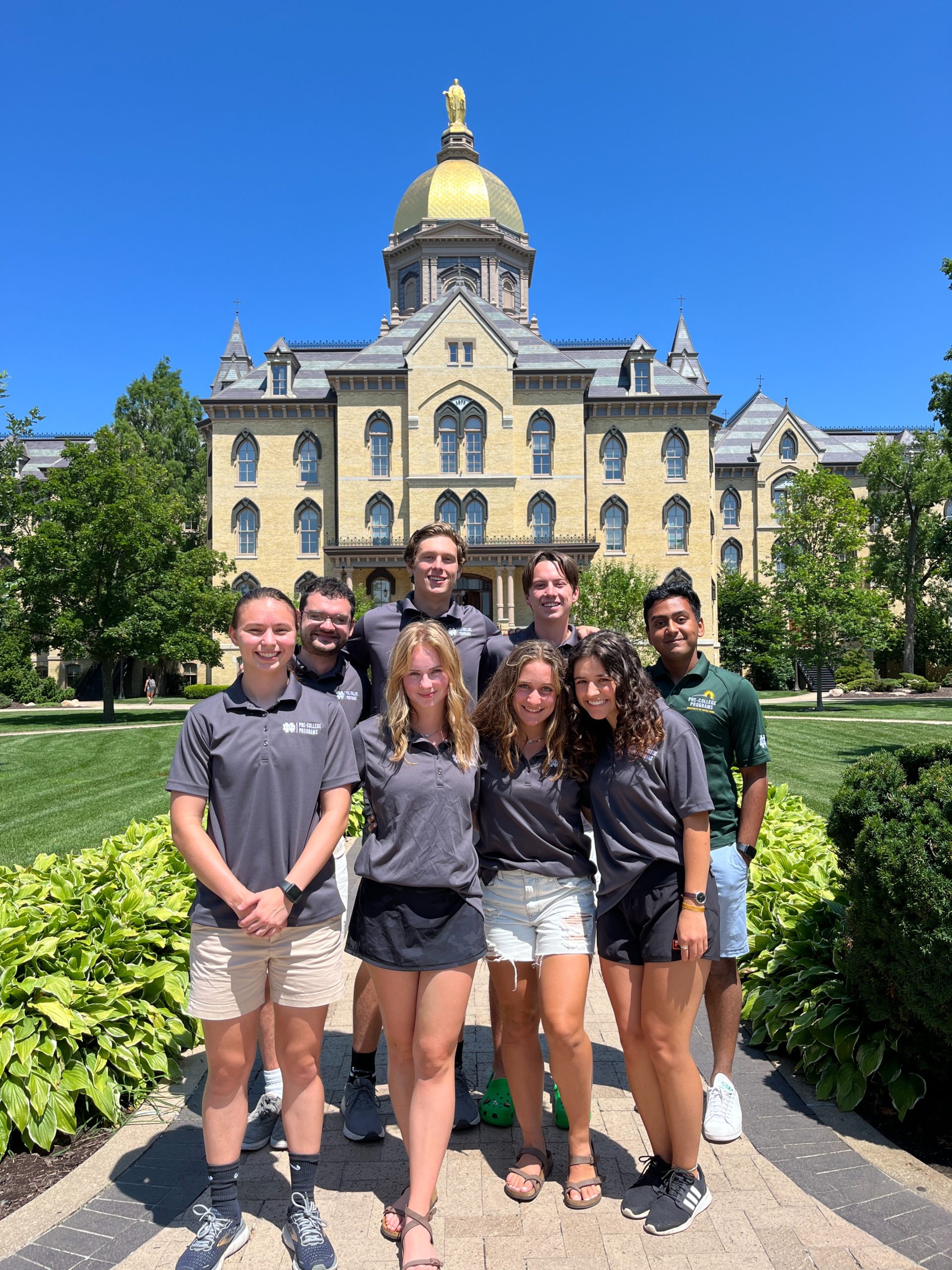
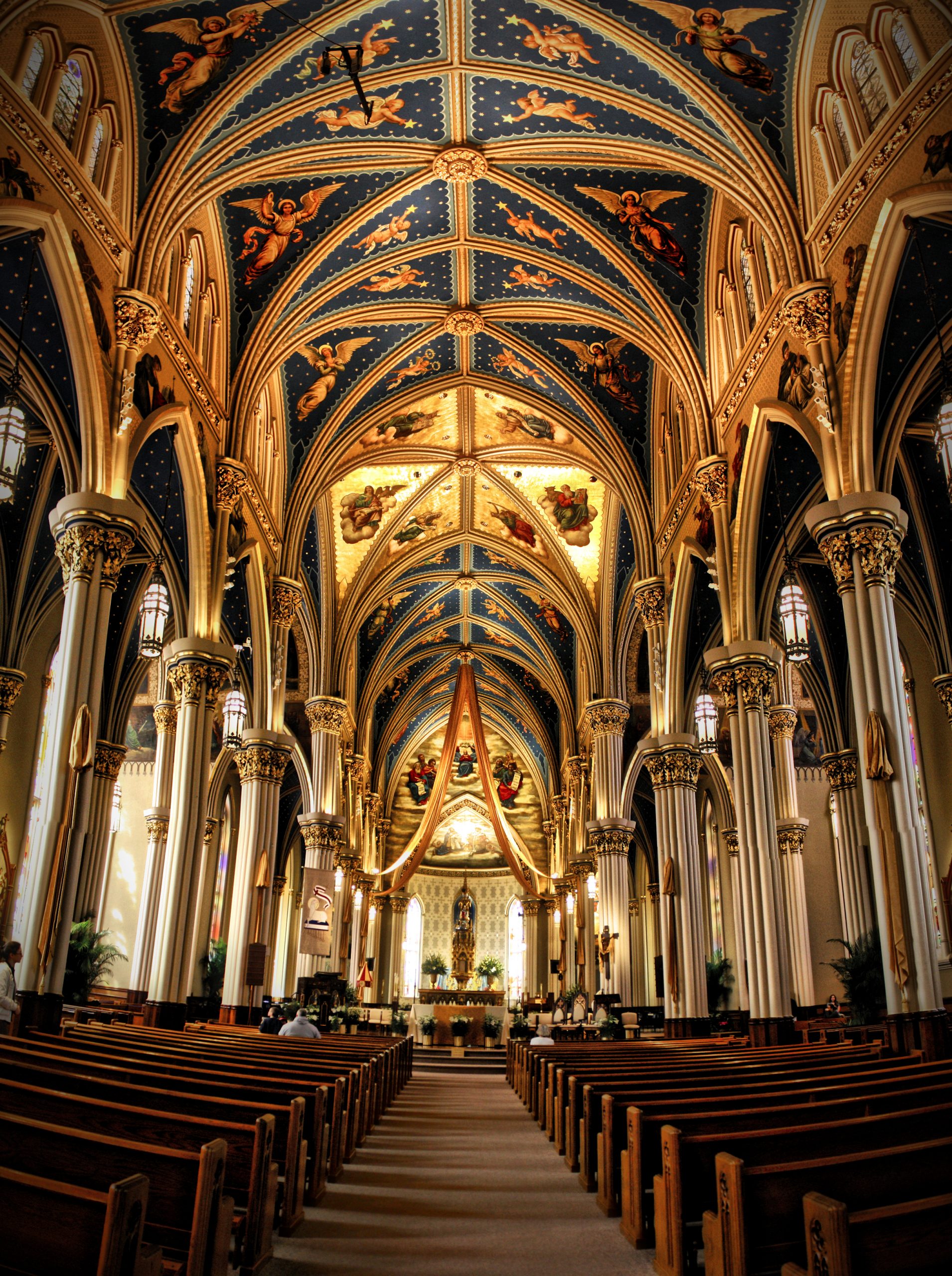
University of Notre Dame | St. Joseph County
French, German, and Irish immigrants shaped Indiana’s demographic and cultural landscape through distinct settlement patterns in the 18th and 19th centuries. French settlement began earliest, in the colonial era as part of New France. Explorers, fur traders, and Jesuit missionaries arrived in the late 1600s–early 1700s, interacting with Native tribes like the Miami. The key outpost was Vincennes (founded ~1732 on the Wabash River), Indiana’s oldest continuous settlement, with St. Francis Xavier parish. French Canadians established river-based communities blending trade and Catholicism, persisting under British (post-1763) and American rule, though numbers remained small.
German immigrants, predominantly Catholic from regions like Baden, Bavaria, and Alsace, arrived in large waves from the 1830s–1850s, fleeing economic hardship and seeking farmland. They concentrated in southern and central Indiana, founding enduring communities such as Oldenburg (1830s), Jasper (1830s), Ferdinand (promoted by Father Joseph Kundek in 1839), and St. Meinrad Abbey (1857, Bavarian Benedictines). These rural, church-centered enclaves emphasized farming, education, and Catholic institutions.
Irish Catholics migrated primarily in the 1830s–1850s, driven by poverty, pre-famine conditions, and later the Great Famine. Many worked as laborers on the Wabash and Erie Canal (1830s–1840s) and railroads, facing harsh conditions and rivalries (e.g., Corkonians vs. Fardowns). Some stayed to farm in rural pockets, especially southwestern areas like Daviess and Martin Counties (near French/German zones), or urban spots like Indianapolis and South Bend. They built churches and communities, contributing to infrastructure and Catholic growth.
These groups—French foundational, Germans agrarian and institutional, Irish labor-intensive—created a mosaic of Catholic strongholds amid Protestant-majority settlement from the South and East.
Indiana Building Codes | Indiana Electrical Code

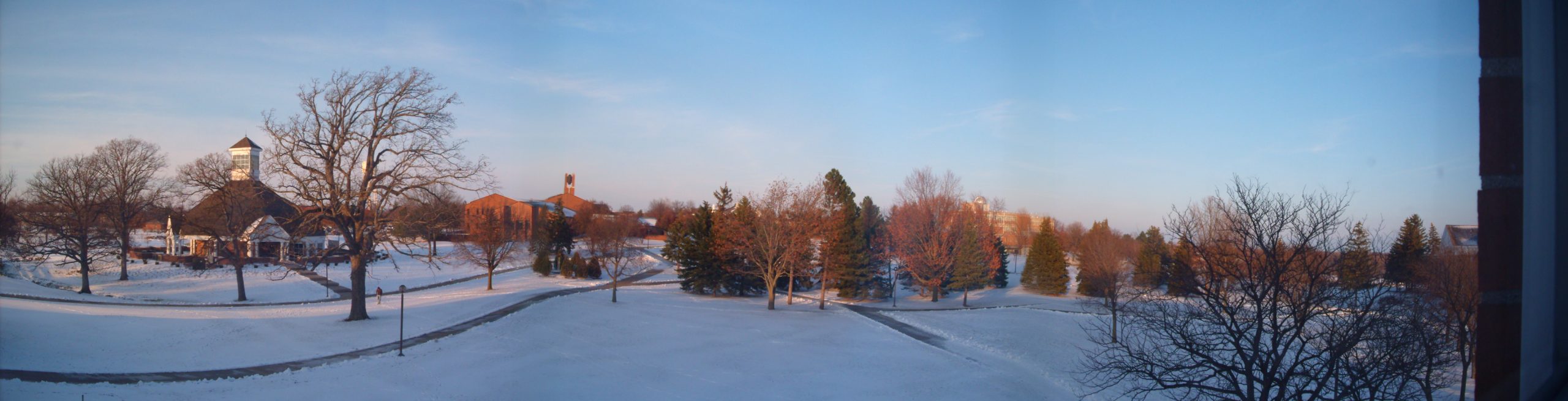
Taylor University | Grant County Illinois
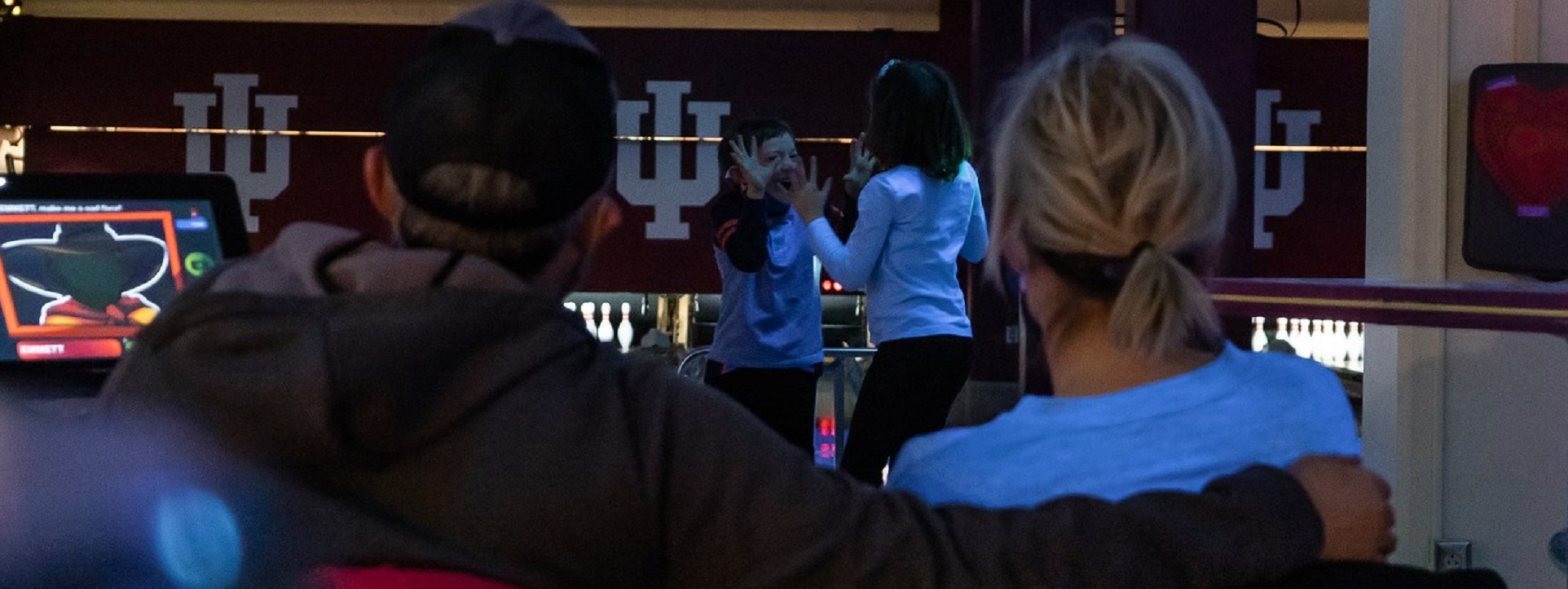
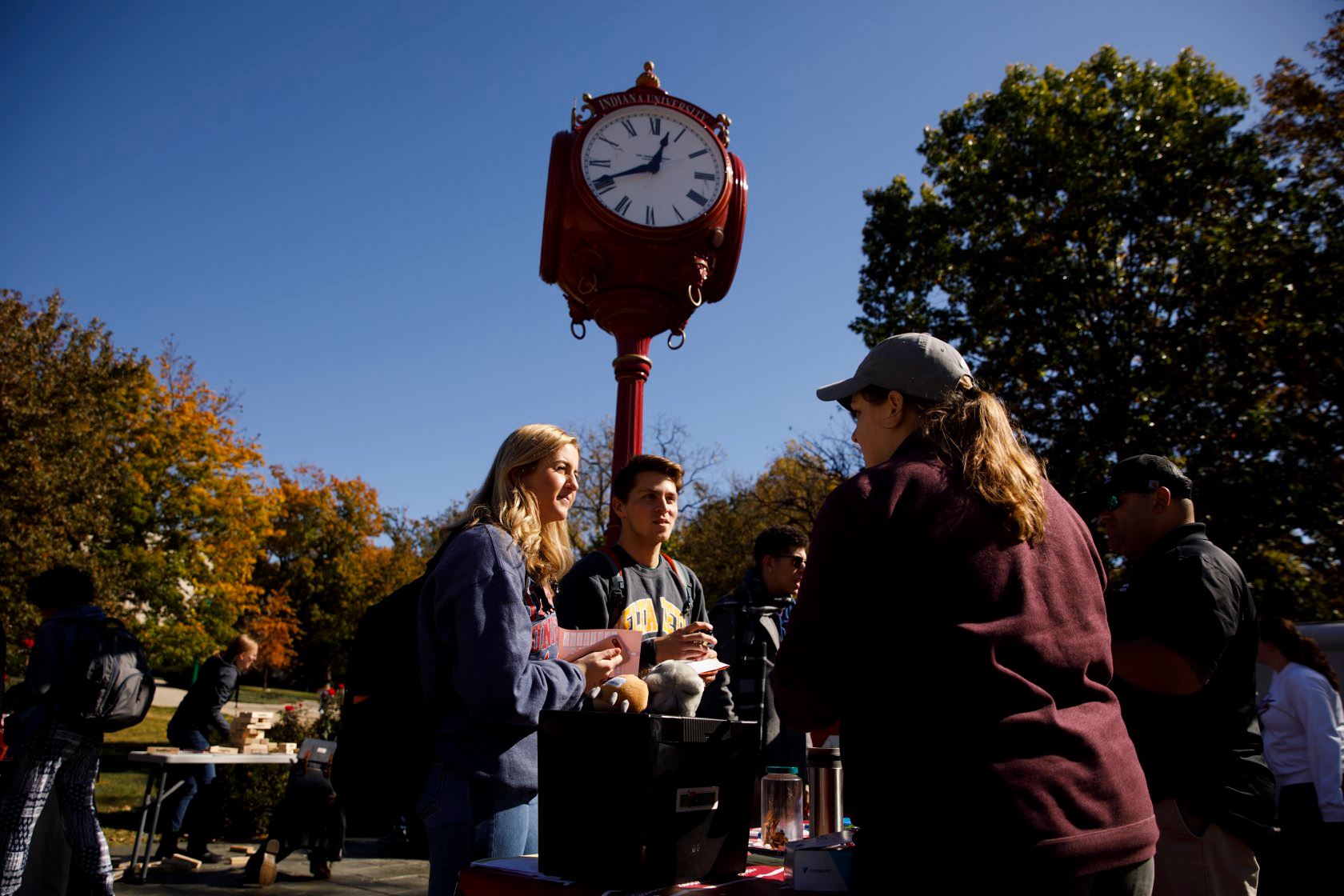
Indiana University
Come with us to see campus! Check out the rest of the tour here: https://t.co/9a4kRlHzUM 😍
Which locations should we include next time? 🤔 pic.twitter.com/dLlpPPyh8h
— Grace College (@gracecollege) March 28, 2024
University of Notre Dame: Facilities Design & Operations
Indiana girls like this are the backbone of America pic.twitter.com/FCJu7IzcL5
— TastefulLindy (@LindyTasteful) January 1, 2026
1999 before the screens took over pic.twitter.com/NCWhQvZ702
— Historic Vids (@historyinmemes) February 2, 2024

Jenna Nolot – Indiana 🇺🇸 pic.twitter.com/8zJr3yH66P
— College Beauties 🎓 (@BaddiesBae_) December 27, 2024





